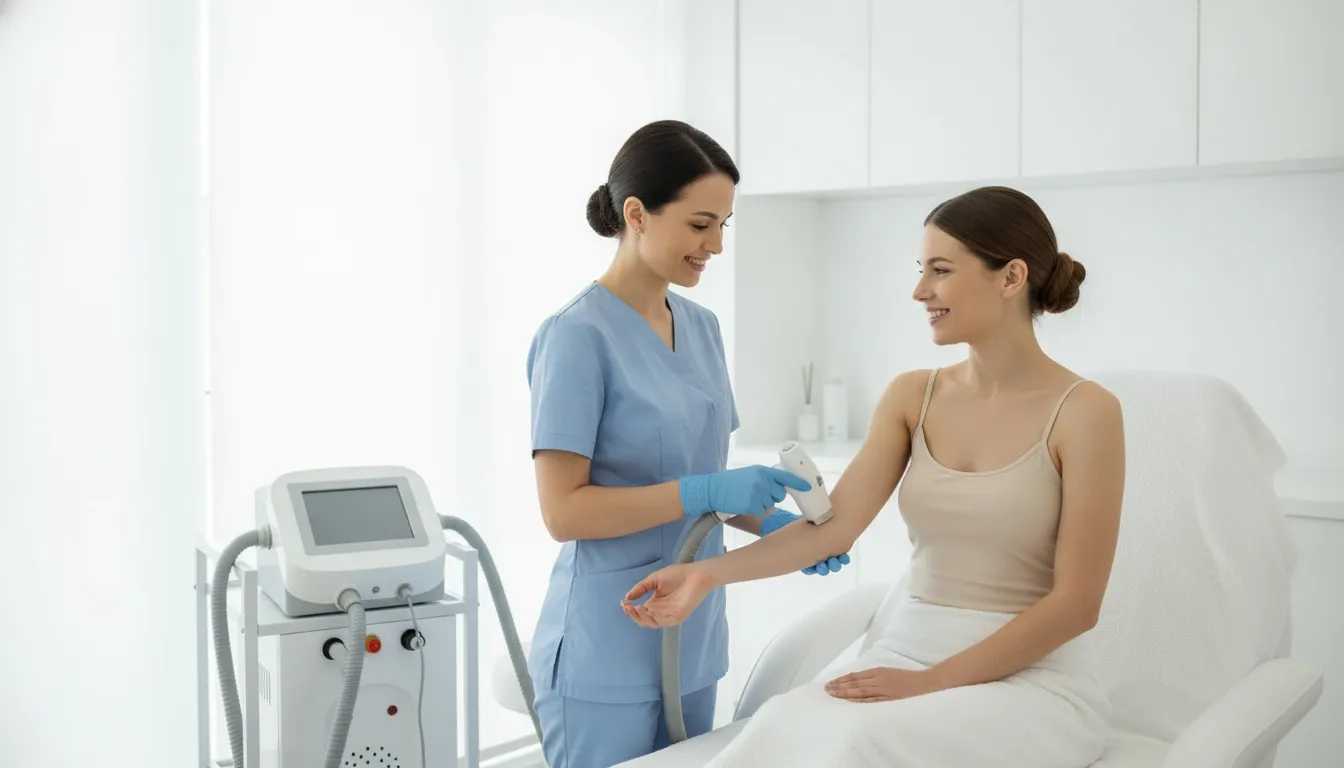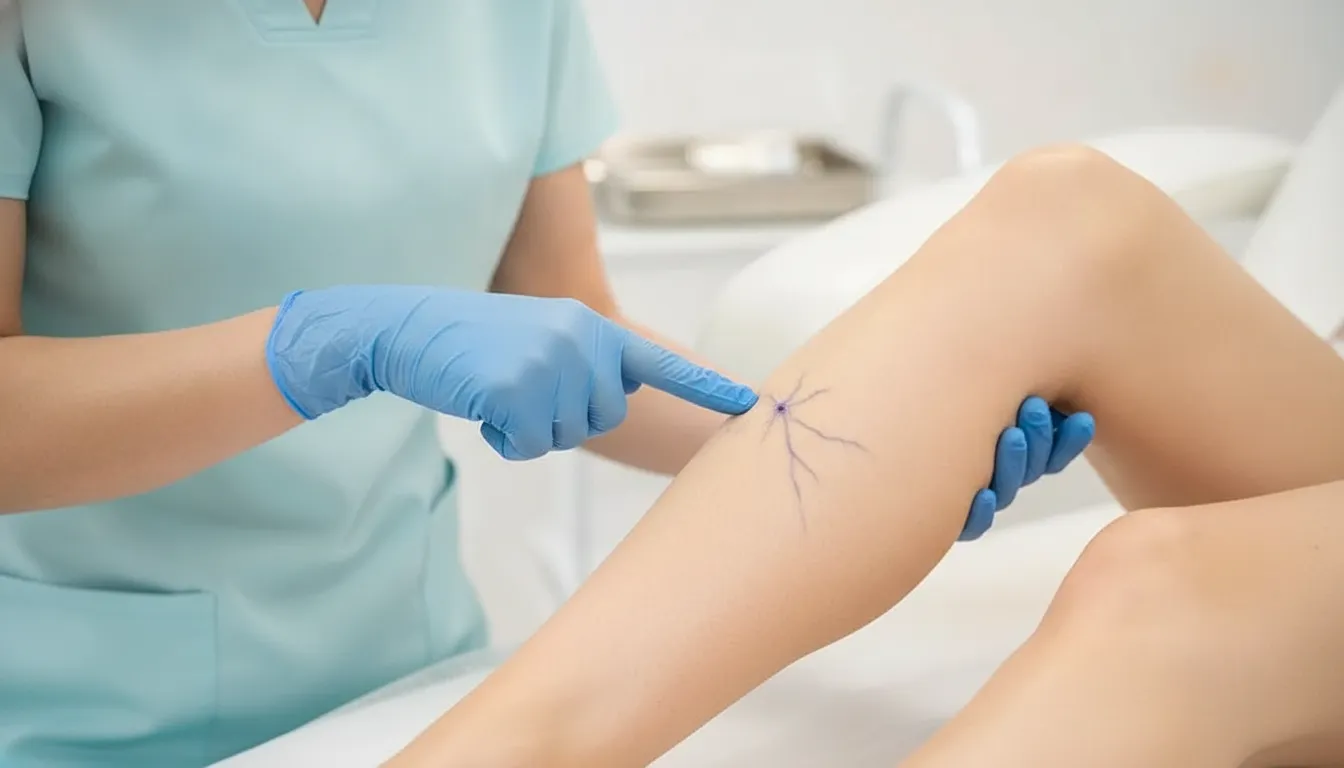
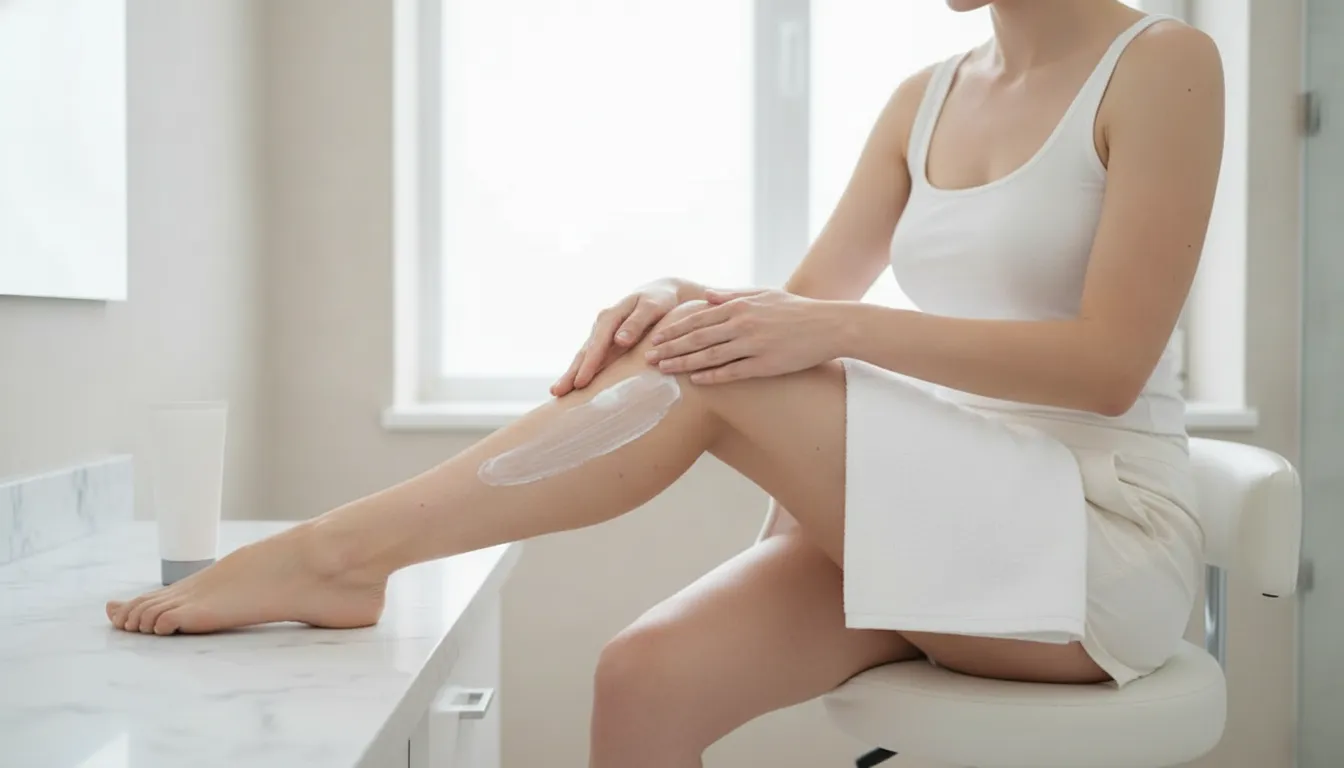
Laser hair removal aftercare tips are easiest to follow when you know what your skin needs after treatment. Mild redness, warmth, or swelling around the follicles can happen.
A calm routine limits heat, friction, sun exposure, and unnecessary irritation. It also supports comfortable recovery between appointments.
Keep treated skin cool, avoid direct sun and tanning, and use gentle fragrance-free products. Skip waxing or plucking between sessions. Follow your provider’s instructions for the treated area.
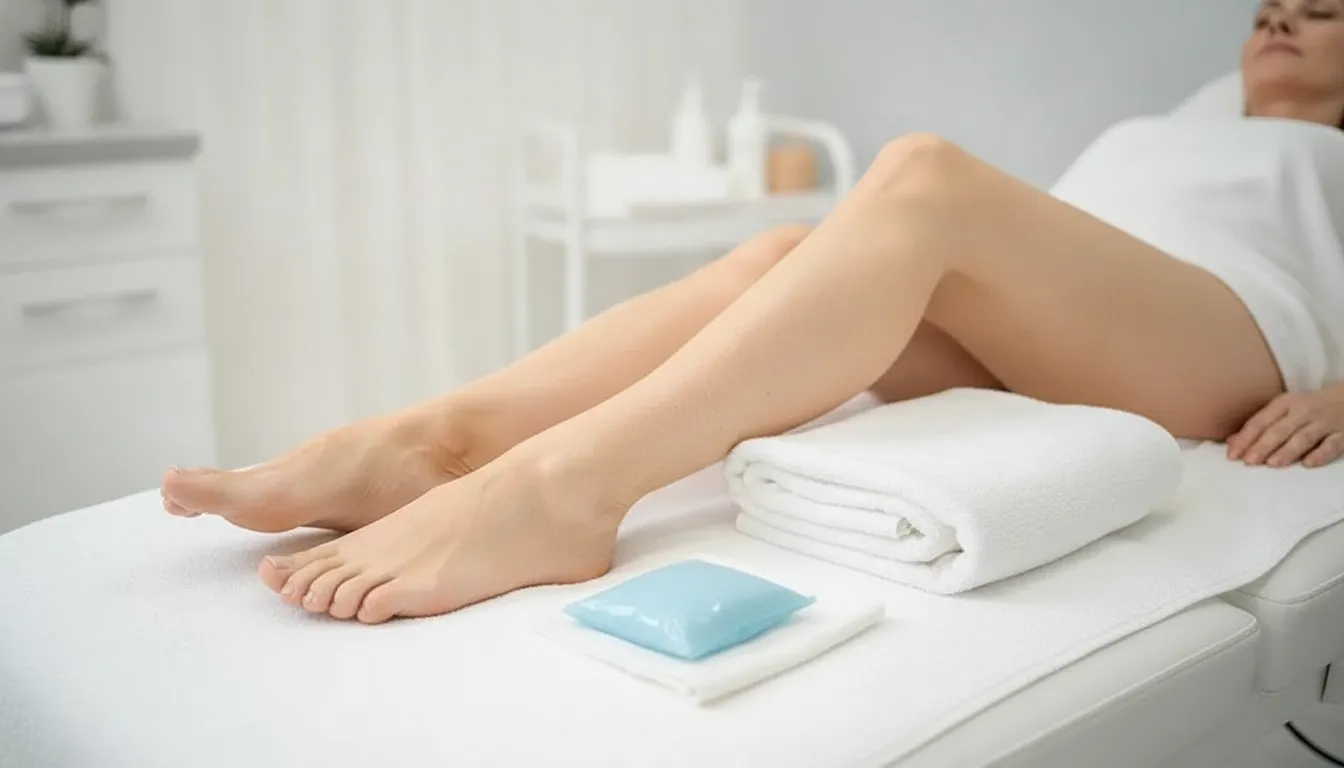
Cool compresses can ease temporary discomfort. Use lukewarm water instead of hot water. Contact your provider if your reaction is severe, worsening, blistered, or unusual.
This guide explains practical care after a session. It covers what to avoid, how shedding works, when shaving may be appropriate, and how to prepare for your next visit.
Your provider’s instructions take priority. Aftercare can vary by treatment area, skin response, device settings, and medical history.
Laser Hair Removal Aftercare Tips for the First 24 Hours
The first day is focused on comfort and protecting the treated skin barrier. You may notice follicle-centered redness, small bumps, warmth, or mild swelling.
These effects can resemble a light sunburn and often improve on their own. Avoid touching the area unnecessarily. Use a simple routine rather than adding several new products.
Use the following quick guide as a starting point, then adjust it to the written instructions from your treatment provider. The right choice depends on the area treated and how your skin responds.
| Aftercare priority | What to do | What to avoid |
|---|---|---|
| Cool the skin | Use a cool compress wrapped in a clean cloth. | Do not place ice directly on the treated area. |
| Reduce friction | Wear loose, breathable clothing. | Skip tight clothing that rubs or traps heat. |
| Clean gently | Use lukewarm water and pat dry. | Do not scrub, pick, or use harsh cleansers. |
| Protect the barrier | Use only products approved by your provider. | Pause fragranced or active products if they sting. |
For a simple routine, move through these steps in order:
- Cool the skin with a clean, wrapped compress.
- Wash gently with lukewarm water when needed.
- Wear loose clothing and avoid rubbing the area.
- Use only products your provider has approved.
- Watch the area and report unusual changes.
- Pat the area dry with a soft, clean towel. Do not scrub or rub.
- Apply a cool compress for short periods if the area feels warm or uncomfortable. Place a clean cloth between an ice pack and your skin.
- Wear loose, breathable clothing that does not press or rub against treated areas.
- Follow any written product or medication instructions provided by your treatment professional.
Do not apply ice directly to the skin. Do not pick at bumps or try to remove hair from the follicle.
If your provider gave you different instructions for a particular area, follow those instructions instead of a general online guide.
Which Activities Should You Avoid After Laser Hair Removal?
Freshly treated skin can be more reactive to heat, sweat, friction, and harsh ingredients. For at least the first 24 to 48 hours, follow the period your provider recommends.
Avoid activities that make the skin hot or repeatedly rub the treatment area.
- Hot water and high heat: Skip hot showers, hot baths, saunas, steam rooms, and hot tubs while the area is sensitive.
- Heavy exercise: Delay workouts that cause significant sweating or friction until the skin has settled.
- Tight clothing: Choose comfortable clothing, especially after underarm, bikini, or leg treatments.
- Swimming: Ask your provider when you can return to pools or other water activities, particularly if the skin remains irritated.
- Fragranced products: Avoid perfumes, deodorant, strongly scented lotions, and harsh cleansers on freshly treated areas if they cause stinging or irritation.
These precautions do not mean you need prolonged downtime. Many people return to ordinary activities quickly.
Ordinary activity should not be confused with exposing sensitive skin to avoidable heat or friction. If a treatment area is still red, tender, or warm, give it more time.
How Should You Protect Treated Skin From the Sun?
Sun protection is one of the most important parts of laser hair removal aftercare. Avoid direct sunlight on treated skin.
Do not use tanning beds or sun lamps. When the area will be exposed, use a broad-spectrum sunscreen with SPF 30 or higher. Reapply as directed. Add clothing or a wide-brimmed hat when practical.
Sun exposure can increase irritation and the risk of temporary or lasting pigment changes after laser treatment. This matters for every skin tone.
The American Academy of Dermatology Association’s laser hair removal guidance also recommends protecting treated skin from the sun and following your dermatologist’s aftercare instructions.
Do not use tanning products on an area your provider has told you to keep free of them.
If you have recently tanned, had substantial sun exposure, or developed a sunburn, tell your treatment provider before the next session. Your appointment may need to be adjusted for safety.
Discuss your laser hair removal plan
What Skin Care Products Are Best After Treatment?
After laser hair removal, simpler is usually better. Use products your provider has approved for your skin and treatment area.
A plain, fragrance-free moisturizer may help reduce dryness when the skin is no longer hot or significantly irritated. Apply products gently. Stop using anything that burns, stings, or makes redness worse.
Ingredients and products to pause
Ask when to restart retinoids, exfoliating acids, scrubs, and other active products. These may be too irritating while treated skin is sensitive.
Avoid abrasive gloves, rough loofahs, strong chemical peels, and heavily scented products until your provider says they are appropriate again.
Makeup and facial treatment areas
If your face was treated, ask whether you should wait before applying makeup. Use clean hands and clean applicators when you resume cosmetics.
Avoid layering multiple new products over the area. This can make it harder to identify the cause of a reaction.
Do not self-treat a significant reaction
Do not apply prescription creams, antibiotic products, or strong anti-inflammatory products unless a qualified professional has directed you to do so.
If the treated skin develops blistering, marked swelling, crusting, severe pain, spreading redness, or a concerning change, contact your provider promptly.
Can You Shave Between Laser Hair Removal Sessions?
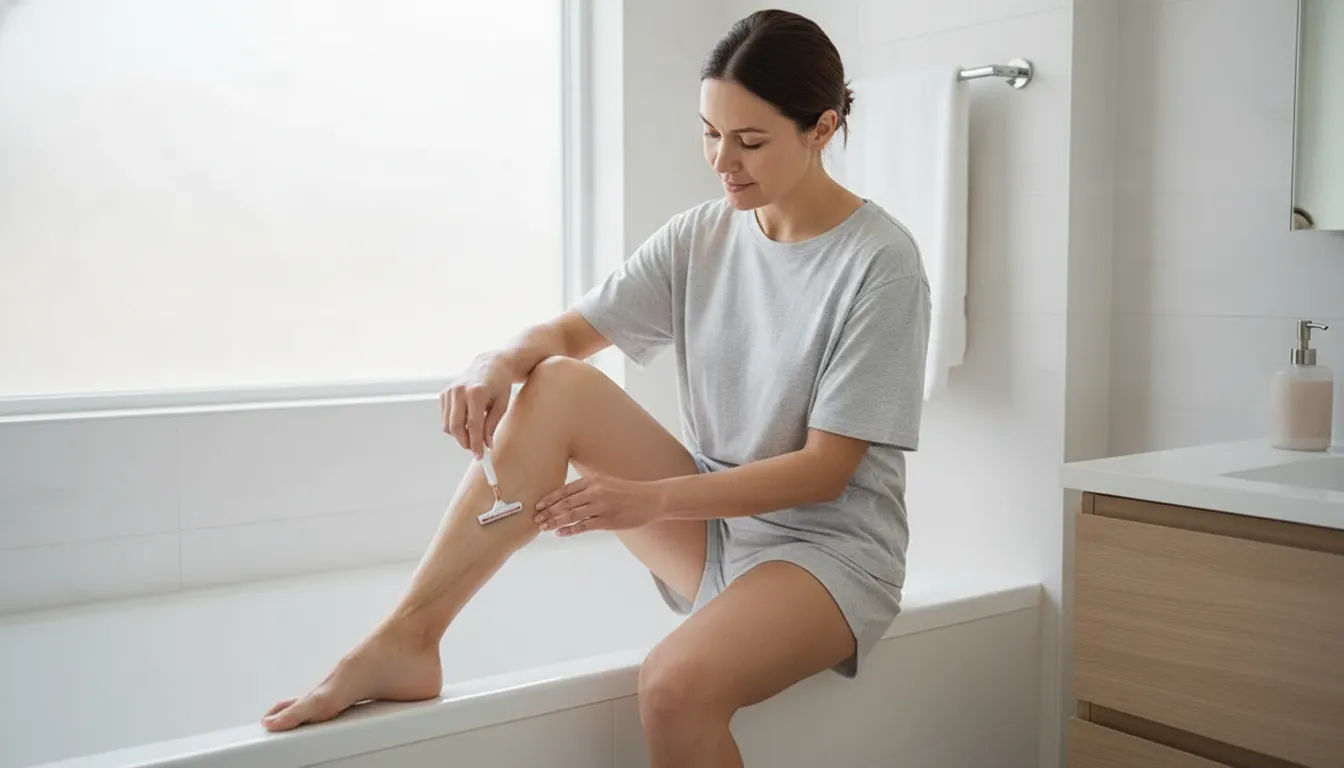
Shaving is generally the preferred way to manage visible hair between laser hair removal sessions. It cuts hair at the surface without pulling the root from the follicle.
Waxing, plucking, threading, and similar methods can interfere with the hair being present for the laser’s next target.
Wait until initial redness, warmth, swelling, and tenderness have resolved before shaving. Use a clean, sharp razor, a gentle shaving product, and light pressure.
Stop if shaving causes pain or renewed irritation. Your provider may recommend a different timeline for a sensitive area, so ask at the end of your appointment.
What Happens to Hair After a Laser Session?
Hair does not always disappear immediately after treatment. Hair follicles are active at different stages.
Laser hair removal works best when the targeted follicle is in an appropriate growth phase. Treated hairs may appear to remain in the skin before they gradually shed over the following days or weeks.
Do not pull, wax, or pluck hairs to speed up the process. Gentle washing and normal shaving after sensitivity has resolved are usually better choices.
Avoid judging the entire treatment plan by what you see in the first few days. Your provider can explain what shedding and regrowth may look like for your area and schedule.
Does Aftercare Change for Different Treatment Areas?
The basic principles are similar, but the most important source of irritation can differ by area. Clothing, sweat, facial products, and friction may affect how comfortable recovery feels.
Face and neck
Use gentle products and protect the area from sun exposure. Ask when to resume makeup, retinoids, exfoliating acids, and other active skincare. Avoid rubbing the skin with towels or applying pressure when cleansing.
Underarms
Underarms can be exposed to sweat, friction, and deodorant. Ask when to restart deodorant or antiperspirant, and choose loose tops while the area is sensitive. Avoid strenuous activity if sweating causes stinging or discomfort.
Bikini area
Wear breathable clothing and avoid unnecessary friction while the skin settles. Ask your provider how long to wait before swimming or intense exercise.
Do not use fragranced products unless your provider has specifically approved them.
Legs, arms, chest, and back
Protect larger areas from sun exposure. Choose clothing that does not trap heat or rub repeatedly.
After a back or chest treatment, avoid tight athletic clothing and equipment that presses against tender skin.
How Do You Prepare for the Next Session?
Good between-session care supports comfort and a consistent treatment schedule. Keep following your sun-protection routine and shave only as advised.
Do not remove hair from the root unless your provider tells you otherwise. Tell the team about recent tanning, new medications, skin products, rashes, cold sores, or health changes before treatment.
Ultimate Image MedSpa uses the Candela GentleMax Pro platform for laser hair removal. A consultation helps the team consider your skin type and hair characteristics.
The team also considers the treatment area, medical history, and comfort needs. You can learn more about laser hair removal at Ultimate Image MedSpa before your visit.
Keep a simple note of how your skin responded after each appointment. Record how long redness lasted and whether a product stung.
Note which activities caused friction. This gives your provider useful information and helps you avoid repeating an irritating routine.
Book your laser hair removal consultation
When Should You Contact Your Provider?
Contact your treatment provider if you are unsure whether a reaction is normal. Do the same if symptoms are not improving as expected.
Seek prompt medical guidance for blistering, severe pain, marked swelling, spreading redness, pus, fever, significant crusting, or a concerning skin color change.
Aftercare instructions are individualized. A provider may want to see the area or change the products you use.
They can also explain whether a symptom is related to treatment or another skin condition. Do not wait for a routine appointment if a reaction feels severe or is getting worse.
Frequently Asked Questions About Laser Hair Removal Aftercare
What should I avoid after laser hair removal?
Avoid direct sun, tanning, hot water, saunas, steam rooms, heavy sweating, and tight friction while the treated skin is sensitive.
Also avoid harsh or fragranced products. Do not wax, pluck, or thread between sessions unless your provider gives different instructions.
Can I shower after laser hair removal?
Usually, you can wash gently with lukewarm water. Avoid hot showers and baths while the area is warm or irritated.
Pat the skin dry instead of rubbing it. Follow the specific instructions from your treatment provider.
How long should I wait before exercising?
Many aftercare plans recommend waiting 24 to 48 hours before strenuous exercise. The right timing depends on the treatment area and your skin response.
Ask your provider if the area remains tender or if you are unsure when to resume activities.
When can I shave after laser hair removal?
Wait until redness, swelling, warmth, and tenderness have settled. Then shave gently with a clean razor if your provider has approved it.
Shaving cuts hair at the surface. Waxing and plucking remove the root and may interfere with future laser sessions.
How can I reduce redness after laser hair removal?
Use a cool compress wrapped in a clean cloth. Keep the area away from heat and wear loose clothing.
Use only gentle products approved for your skin. Mild redness often improves. Report severe, worsening, blistered, or painful reactions to your provider.
Does laser hair removal aftercare prevent all side effects?
No. Careful aftercare can reduce avoidable irritation, but no treatment is free of potential side effects.
Your risk and recovery depend on skin type, recent sun exposure, treatment settings, medications, and individual response. A qualified provider can explain your specific precautions.