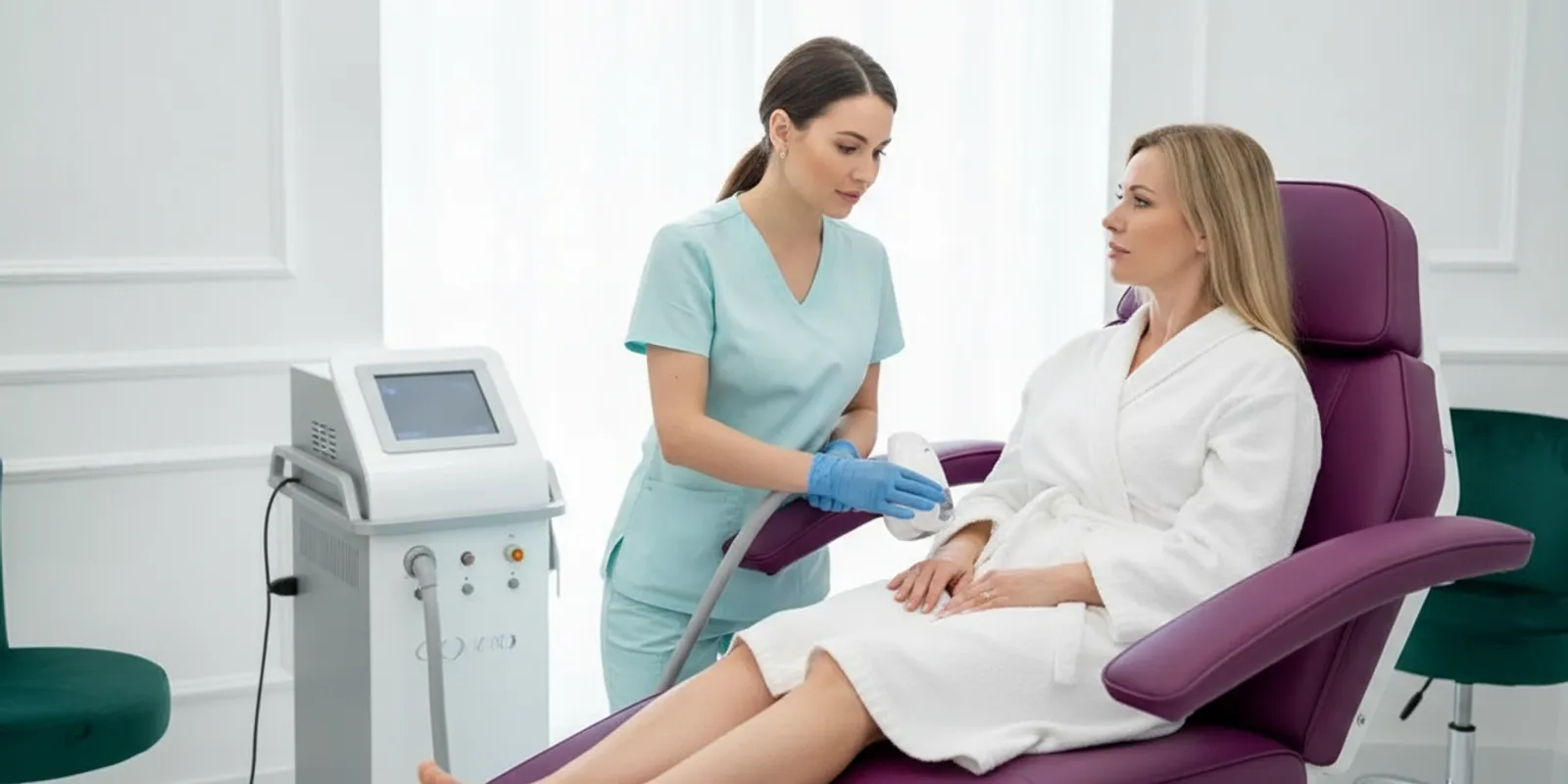

When weighing med spa body contouring vs gym and diet, the key difference is the goal: regular movement and balanced eating support overall fitness and health, while cosmetic body contouring is intended to address specific appearance concerns. Neither approach replaces the other, and a treatment cannot promise weight loss or a particular result. A consultation can help you understand whether a service such as UltraShape or VelaShape is relevant to your goals.
What is the difference between body contouring and exercise?
Exercise and nutrition are broad lifestyle practices. Strength training, aerobic activity, and eating patterns can contribute to general well-being and changes in body composition over time. They also support abilities that a cosmetic appointment is not designed to provide, such as improved endurance or strength.
Non-surgical body contouring is narrower in purpose. It focuses on a cosmetic concern in a selected area rather than whole-body fitness or overall weight management. At Ultimate Image MedSpa, the listed body-focused options include UltraShape Fat Reduction, VelaShape Cellulite Reduction, and Emsculpt. Which service, if any, is appropriate depends on the area, the concern, health history, and an individual assessment. Learn about the available non-surgical body contouring options before you decide what to ask.
It helps to separate the goals. A gym routine can be part of a long-term fitness plan. A body-contouring service is an elective cosmetic option that may be discussed for a localized appearance concern. One is not a substitute for the other, and choosing one does not mean you must stop the other.
What can clinical body contouring do, and what can it not do?
Body contouring is not a shortcut to better health or a treatment for obesity. The U.S. Food and Drug Administration explains that non-invasive body-contouring technologies do not treat obesity, improve health, or result in weight loss. They are intended for cosmetic purposes, and device-specific risks and limitations matter. Read the FDA’s overview of non-invasive body contouring technologies for more detail.
That distinction is practical, not just technical. If your main aim is weight management or improving fitness, talk with an appropriate health professional about those goals. If you are interested in the look of a particular area, a consultation can help establish whether a cosmetic service is worth considering and what expectations are reasonable. A provider should explain what the treatment is designed to address, what it is not designed to address, and what factors could affect your experience.
- It may be worth discussing when your concern is focused on a specific area and you want to learn about a cosmetic option.
- It is not a replacement for exercise, nutrition, medical weight management, or care for an underlying health concern.
- It is not a guarantee of a specific measurement, appearance, or timeline. The response and recommended plan vary by person.
For a broader overview of what to compare, see this guide to choosing a body-contouring option. Keep your own goal in view rather than assuming that a treatment name alone tells you whether it is suitable.

How do exercise, nutrition, and body contouring compare?
The table below compares the options by purpose and practical considerations. It is a starting point for a conversation, not a personalized recommendation.
| Approach | Main purpose | What to expect | Important limit |
|---|---|---|---|
| Exercise and movement | Support fitness, strength, and general well-being | Requires an ongoing routine adapted to ability and goals | Does not guarantee a particular appearance or localized change |
| Nutrition habits | Support nourishment and overall health goals | Often involves consistent choices over time | Not a substitute for individualized medical guidance when needed |
| Non-surgical body contouring | Address a cosmetic concern in a selected area | Requires a consultation to review candidacy, service details, and expectations | Does not treat obesity, improve health, or result in weight loss |
| Combining approaches | Keep wellness goals separate from cosmetic goals | Discuss timing and any relevant health or treatment considerations | More than one approach still cannot guarantee a specific result |
There is no universal winner in this comparison because the approaches answer different questions. If you want to improve endurance, a clinical cosmetic service is not a substitute for activity. If you are concerned about the appearance of a particular area, exercise may not answer every question you have about available cosmetic services. Define the goal first, then compare the option that actually relates to it.
How do you compare the commitment involved?
Think about what each option asks of you in daily life. A movement routine is something you build and maintain over time. That may mean choosing activities you can repeat consistently, allowing for your current ability, and adjusting the plan when your schedule changes. Nutrition habits also involve regular decisions rather than a single appointment. If you need personalized direction for exercise, nutrition, or weight management, an appropriate health professional can help you set a plan that reflects your circumstances.
A cosmetic service has a different kind of commitment. Before deciding, learn whether the proposed service is intended for the concern you have, what the provider’s assessment involves, what risks and aftercare to consider, and how appointments may fit your schedule. Ask what the full recommended plan would involve rather than assuming one visit or a particular number of sessions. The recommendation, if any, depends on your individual assessment.
Time and cost are also worth comparing without treating them as the only deciding factors. Lifestyle changes may not involve a clinic visit, but they require ongoing effort and support. A cosmetic plan may include appointments and related instructions, and the clinic can discuss pricing after evaluating your needs. Ask for the total anticipated commitment before choosing. If the answer is unclear, pause and request an explanation.
These distinctions can prevent a mismatch between expectations and the option selected. For example, someone hoping to build strength should not judge a cosmetic service by whether it improves strength. Someone exploring a localized appearance concern should not assume that a gym routine answers questions about a specific device or service. Keep the desired outcome specific, and assess each approach on whether it is designed to support that outcome.
How can you match an approach to your actual goal?
A useful way to begin is to write down the change you are seeking in plain language. “I want better stamina” points toward an activity goal. “I want to understand the appearance of this one area” describes a cosmetic question. “I want to manage my weight” calls for a conversation with an appropriate health professional about options suited to your circumstances. These goals can overlap, but a single intervention should not be assumed to address all of them.
Then separate the outcome from the method. Instead of arriving convinced that you need a particular device, explain what you notice and ask what options, if any, are intended for that concern. This leaves room for an honest assessment. The service discussed may not be a fit, or the provider may recommend that you seek other guidance first. Either answer helps you make a more informed decision.
Consider a practical example: you have a regular walking or strength routine and want to learn whether a cosmetic option relates to a specific contour concern. Keep the exercise plan centered on fitness, and use the consultation to ask about the cosmetic concern, candidacy, risks, expected limits, and cost. You do not need to describe the treatment as a replacement for your routine or claim that it will improve your health.
Another example: if your main concern is energy, mobility, or a health-related weight goal, start with a relevant medical professional rather than assuming that a body-contouring appointment is the right first step. If you later explore a cosmetic service, bring that context to the assessment. A careful provider conversation should distinguish cosmetic aims from healthcare needs.
A short written goal list can help keep a consultation focused. Put your top concern first, note any related questions, and decide what information you need before making a choice. You might want to know whether the service fits your concern, what the process involves, what safety issues to consider, and what alternatives exist. This is more useful than comparing device names without a clear reason for considering them.
Which body-contouring options should you ask about?
Start by describing the area and what you hope to understand, without assuming a device or treatment is the right answer. Ultimate Image MedSpa lists UltraShape Fat Reduction and VelaShape Cellulite Reduction among its body services. The appropriate discussion depends on the concern and an individual assessment. You can review the clinic’s information about VelaShape cellulite reduction and Emsculpt, then bring questions to a consultation.
Use precise language about your concern. For example, you might want to know whether a service is intended for the appearance of cellulite, a localized contour, or another cosmetic goal. These are not interchangeable concerns. Ask the provider to explain what the particular service is designed to address and whether that description fits your situation. If the service is not a fit, ask what the next step should be rather than treating a different device as automatically equivalent.
Learn more about body-contouring pricing considerations, but do not rely on general online descriptions for an individualized plan. Pricing and treatment recommendations are discussed through consultation; no unsupported fixed price or session count should be assumed.

What should you ask before choosing a treatment?
A useful consultation should make the service and its limits clearer. Bring a short list of questions and explain what you want to change, what you have already tried, and what outcome would feel meaningful to you. You can also ask whether the service is appropriate given your health history and any relevant circumstances. Share accurate information and follow the provider’s instructions.
- What concern is this specific service designed to address?
- What should I realistically expect, and what outcomes cannot be promised?
- What does the assessment involve, and what information about my health do you need?
- What are the possible risks, side effects, and reasons to postpone or avoid treatment?
- How many visits might be recommended for my situation, and why? How can that plan change?
- What care instructions and follow-up should I understand before deciding?
- What is the total plan and pricing after my consultation, and what is included?
- How should I coordinate an appointment with my exercise or other wellness routine?
You can make the consultation more productive by noting any questions in advance and taking time to consider the answers afterward. If something is unclear, ask for an explanation in everyday language. Ask which benefits are possible, what outcomes are uncertain, and what the service cannot do. A sound decision should account for likely limits and risks as well as potential benefits.
It can also help to distinguish between information you can gather online and what needs to be individualized. General pages can explain what a service is called or what topic it addresses. They cannot determine whether it suits your health history, the area you are concerned about, or your expectations. Treat online reading as preparation for discussion, not as a substitute for an assessment.
These questions make it easier to compare a treatment recommendation with your actual objective. For example, if your priority is improving strength, ask about fitness support rather than expecting a cosmetic procedure to provide it. If your concern is appearance in a defined area, ask how the proposed treatment relates to that specific concern. You should have time to consider the information before committing.
Ultimate Image MedSpa offers consultations to discuss options. To explore service information, start with the services overview or read about body contouring in Plano and body contouring in Fort Worth. These pages can help you prepare, while an in-person discussion is needed for an assessment tailored to you.
How do you decide which approach fits your goal?
Write down one primary goal before you compare options. If it is better stamina, strength, or general health, focus on sustainable movement and nutrition habits and seek appropriate guidance for personal health needs. If it is a localized cosmetic concern, ask about the service’s intended use, eligibility, limitations, and risks. If you have both goals, keep them distinct so a cosmetic service is not mistaken for a wellness plan.
Next, consider your practical preferences. A treatment plan may involve appointments and aftercare, while lifestyle habits call for consistency over time. Ask how the recommended service fits your schedule and what the financial commitment would be. Do not choose based only on a promotion, a device name, or someone else’s experience. What is appropriate for another person may not be right for you.
Finally, give yourself permission to wait. A clear explanation of likely benefits, limits, alternatives, costs, and risks is more useful than pressure to decide immediately. If the treatment does not match your goal, declining it is a reasonable outcome of a consultation.
Before making a decision, you can run through a simple checklist: Is the goal clearly cosmetic, fitness-related, or health-related? Does the option under consideration address that kind of goal? Do you understand the time, cost, risks, and likely limits? Have you had a chance to ask questions without feeling rushed? If you cannot answer these yet, gather more information first.
Frequently asked questions
Can body contouring replace exercise and a balanced diet?
No. Non-invasive body contouring is a cosmetic option, not a substitute for physical activity, nutrition habits, or medical care. The FDA states that these technologies do not treat obesity or result in weight loss.
Does body contouring help with weight loss?
It should not be chosen as a weight-loss method. The FDA states that non-invasive body-contouring technologies do not result in weight loss. Discuss weight-management goals with an appropriate health professional.
Which body-contouring treatment is right for me?
There is no single answer for everyone. A consultation can review your goal, the area of concern, relevant health information, and the service’s intended use and limits before you decide whether to proceed.
How many treatments will I need?
The number, if any, depends on the individual and the service being discussed. Ask for a recommendation based on your assessment, and do not assume a fixed number of visits or a guaranteed result.
Can I continue exercising if I choose a cosmetic treatment?
Ask the provider for guidance specific to the service and your circumstances. Share your routine and follow any instructions about timing, activity, and aftercare rather than relying on a general rule.
Choose the approach that matches your real goal, and use a consultation to understand whether a cosmetic service is appropriate before making a decision.