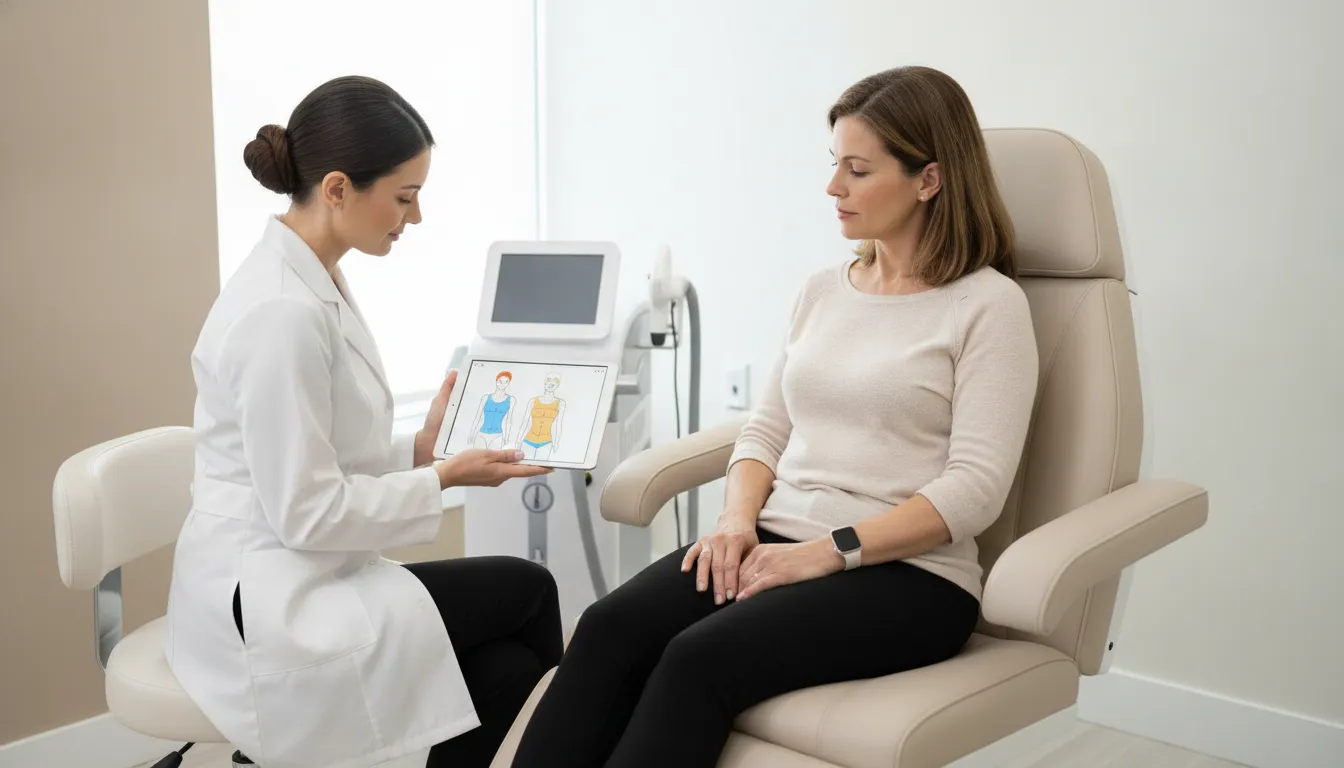

Tattoo removal and swimming do not mix while the treated skin is still healing. Wait until the area has healed fully and follow the instructions from your treatment provider before getting into a pool, hot tub, lake, or ocean. There is no single number of days that fits every person or every treatment response.
Book a tattoo removal consultation
Why should swimming wait after laser tattoo removal?
Laser tattoo removal treats the skin as well as the tattoo ink beneath it. The treated area can be sensitive while it recovers. Depending on the person and the treatment response, the skin may show temporary redness, swelling, tenderness, blistering, or crusting. These changes are reasons to take the aftercare instructions seriously, not a reason to guess at a calendar date.
Swimming adds a kind of exposure that ordinary washing does not. A pool, hot tub, lake, or ocean submerges the area, and the water or surrounding environment may irritate skin that has not closed. Friction from a swimsuit, towel, or pool edge can add another source of discomfort. The safest practical approach is to keep the area out of the water until it has healed and your provider says swimming is appropriate.
That does not mean every person heals at the same pace. The size and location of a tattoo, how the skin responds, and other individual factors can affect recovery. A consultation and follow-up instructions are better guides than another person’s timeline or a generic online estimate. For background on tattoo-related skin questions, you can also consult the American Academy of Dermatology.
What counts as healed enough to swim?
Do not use a single visual clue as permission to get back in the water. Healing should be assessed as a whole, and your treatment provider’s directions take priority. Before swimming, ask whether the skin is fully closed and whether any scab, blister, open area, drainage, or unusual tenderness means you should continue to avoid submersion.
- Ask about the treated area itself. Is the surface intact, without open or raw spots?
- Check for active changes. Is there still blistering, crusting, weeping, or irritation?
- Consider how it feels. Does clothing or a light touch still cause unexpected pain or discomfort?
- Get clear instructions. If you are unsure whether the area is ready, contact the treating practice before swimming.
Do not peel a scab, pop a blister, or rub the area to make it look healed sooner. Those actions can disturb recovering skin. Continue the care plan you were given, and do not put a waterproof dressing over the site as a workaround unless your provider specifically recommends it. A covering may not prevent water from reaching the area, and removing it may create friction.
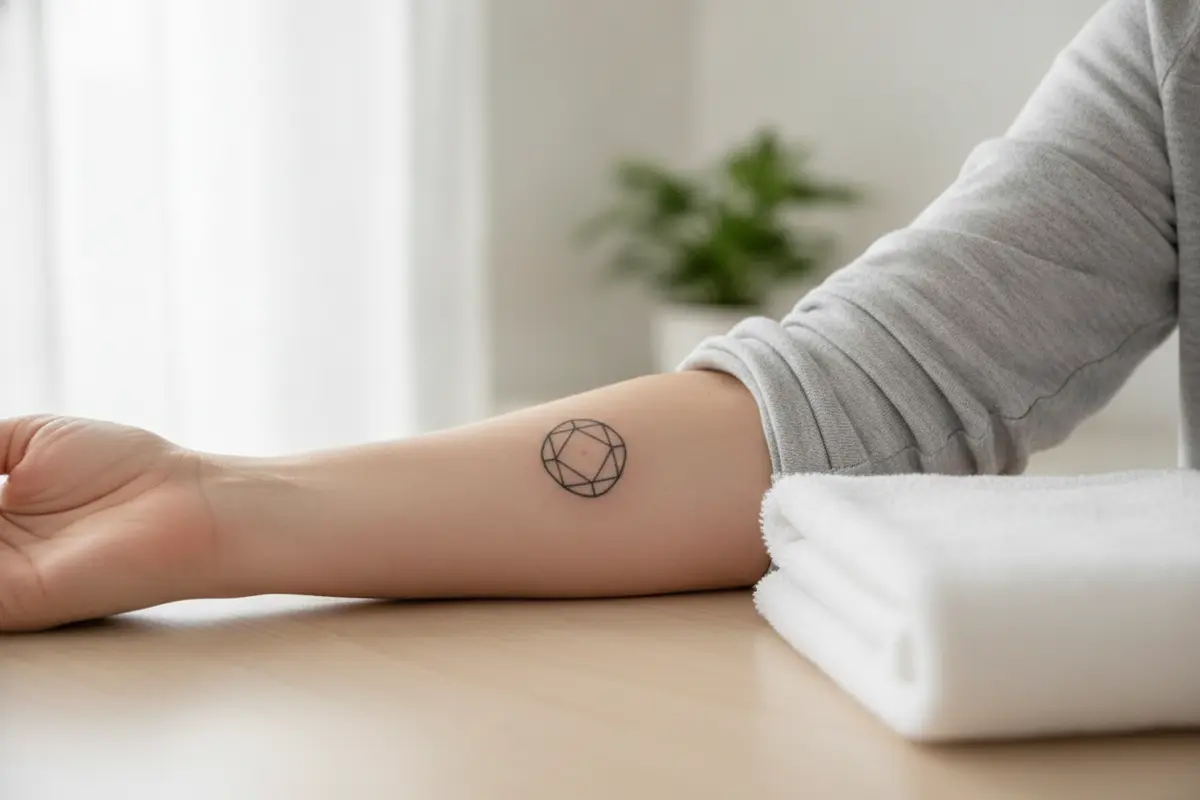
Do pools, hot tubs, lakes, and oceans have different risks?
All of these activities involve submerging the treated skin, but the setting can affect the practical questions you ask. A chlorinated pool is not automatically suitable for skin that has not healed. A hot tub also involves heat and shared water. Natural bodies of water introduce their own conditions, and beaches can add sand, sun, and friction. When the skin is still healing, skipping the swim is the simpler choice.
| Water activity | What to consider while healing | Practical next step |
|---|---|---|
| Swimming pool | Submersion, pool chemicals, and rubbing from swimwear may bother sensitive or unhealed skin. | Wait until the area has healed and your provider clears swimming. |
| Hot tub | Heat and shared water make this a poor setting for an open, blistered, or irritated area. | Avoid it during healing and confirm when it is appropriate to return. |
| Lake or ocean | Water conditions vary, and sand, salt, or other environmental exposure may irritate the area. | Keep the treated skin out of the water until healed and cleared. |
| Shower or brief rinse | Brief washing is different from prolonged submersion, but instructions can vary by treatment response. | Follow the specific washing and drying directions you received. |
The table is a planning guide, not a substitute for personalized aftercare. If you have a trip or event coming up, tell the provider before treatment. That gives you a chance to discuss timing without assuming the area will be ready by a particular date.
It can help to think about water activities in terms of contact with the treated site. A quick rinse under running water, a long soak in a bath, and swimming laps are not the same activity. A swimsuit can press or rub the area, while a towel or pool equipment may brush against it. Even if you plan to keep the tattoo above water, splashes and accidental contact can happen. Ask your provider about the specific activity you have in mind rather than treating all water exposure as interchangeable.
Also consider whether you will be able to keep up with the care directions while away from home. Travel can make it harder to keep the area clean, avoid friction, or get help if something changes. If you are going away, ask what supplies or follow-up contact information you should have, and whether treatment close to the departure date is sensible for your plans. These are planning questions, not a reason to change your care routine on your own.
What activities can complicate aftercare?
Swimming is only one part of planning around a healing treatment area. Activities that cause repeated rubbing, sweating, pressure, or accidental knocks may be uncomfortable or may conflict with the instructions you received. Think about your usual week and the activities that bring the treated spot into contact with clothing, equipment, or other surfaces. The location matters: a tattoo near a waistband, shoulder strap, or area that bends often can be harder to keep undisturbed than one that stays uncovered.
Before treatment, explain your routine. Mention sports, workouts, dance, work uniforms, protective gear, or caregiving tasks if they place pressure on the tattoo. Ask whether you should modify any activity temporarily and what signs mean you should pause and check in. Do not assume that a general exercise tip applies to every treated location or person. The provider can relate the care instructions to your particular situation.
When you return to normal activities, pay attention to comfort and the condition of the skin rather than using an event or a fixed date as the only measure. If an activity causes rubbing or pain, stop and ask for guidance. Keeping the care plan simple and avoiding unnecessary friction can make it easier to notice changes and explain them clearly if you contact the practice.
How can you plan a swim around a treatment?
Start with the event date and work backward, but leave room for the skin to recover at its own pace. If a pool party, vacation, athletic event, or regular swim practice is important to you, mention it during the consultation. Your provider can explain what to expect and whether the timing makes sense for your situation. No plan should depend on a promised healing date.
- Share your schedule. Mention planned swimming, sun exposure, exercise, or clothing that may rub the tattoo site.
- Ask how to care for the area. Request clear instructions for washing, drying, and protecting the skin, and ask what to do if a blister or crust develops.
- Ask what would delay swimming. Confirm which signs mean you should wait longer or contact the practice.
- Leave flexibility. Avoid booking a nonrefundable water activity immediately after treatment if you cannot change plans.
- Check before returning. If the area is not clearly healed or you have a concern, ask before you submerge it.
Planning also includes practical clothing choices. If you are not swimming, wear something that does not rub the treated skin, and avoid using tight swimwear to cover the site. If you are outdoors, ask your provider how to protect the area from sun while following the treatment-specific care plan. Do not assume that sunscreen or a waterproof product is suitable for newly treated skin.
Think through the whole outing, not just the time spent in the water. Will you be sitting in a wet swimsuit, drying off with a rough towel, walking on sand, or carrying a bag that presses against the tattoo? Could you change into dry, loose clothing afterward? If the answer is unclear, describe the plan to your provider and ask how to avoid friction or unwanted exposure. A small amount of advance planning can help you make a more realistic decision than trying to improvise at the pool or beach.
If you decide to postpone a swim, choose an alternative that does not interfere with the care instructions. You might attend the gathering without entering the water, reschedule a lesson, or plan a different activity. Do not cover the area with makeup or another product to make it acceptable for swimming. The goal is not to hide visible changes. It is to let the skin recover and to contact the practice if you are uncertain about a symptom.
Keep the instructions you receive somewhere easy to check. Write down how to wash and dry the area, what products to avoid or use, and how to contact the practice with a concern. If the guidance is unclear, ask for clarification before you leave or before the first swim you are considering. Recalling instructions from memory can be difficult, especially when healing does not follow the schedule you expected.
What if you accidentally get the area wet?
If the area gets splashed or briefly wet, do not panic or scrub it. Follow the washing and drying directions from your provider. Pat the area gently if that is consistent with your instructions, then keep an eye on how it looks and feels. If the water exposure involved prolonged submersion, or if the area was already open or blistered, contact the practice for advice.
Reach out promptly if you notice worsening or spreading redness, increasing pain, unusual warmth, pus-like drainage, fever, or another change that concerns you. These symptoms do not establish a diagnosis on their own, but they merit advice from a qualified healthcare professional. For severe symptoms or an urgent health concern, seek appropriate medical care rather than waiting for a routine appointment.
For a broader overview of treatment questions, review the practice’s tattoo removal guide. If you have a particular ink color or design, you can also read about colored ink and laser tattoo removal. These pages can help you prepare questions, but they cannot determine whether your own skin is ready to swim.

What should you ask at a tattoo removal consultation?
A consultation is a good time to discuss your goals, the treatment process, and how to plan around activities that affect the treated area. Bring specific questions rather than relying on a fixed recovery estimate. You may want to ask:
- What should I expect the treated skin to look and feel like afterward?
- Which changes are part of expected healing, and which should prompt a call?
- What washing, drying, and skin-protection steps should I follow?
- How will you decide when I can swim or soak the area?
- What should I do if a planned trip falls during the healing period?
- How can I contact the practice if I am uncertain about a healing change?
Bring details about the tattoo, its location, and your schedule. If you have already had a treatment elsewhere, describe what happened and share any aftercare guidance you received. The purpose is to have a clear discussion about your circumstances, not to assume that every tattoo or treatment response is identical.
To learn how a consultation works for new visitors, see information for new clients. You can also explore the practice’s guide to black ink tattoo removal and its laser tattoo removal service information as you prepare. Use your consultation to confirm current service details and discuss your personal aftercare questions.
Contact Ultimate Image MedSpa to discuss tattoo removal
Frequently asked questions
How long should I wait to swim after laser tattoo removal?
There is no universal number of days. Wait until the treated skin has healed fully and your provider says swimming is appropriate. If you see an open area, blister, crust, drainage, or ongoing irritation, keep it out of the water and ask for guidance.
Can I swim if I cover the treated tattoo?
Do not rely on a waterproof dressing to make swimming safe during healing. A cover may not keep water out, and it can rub the area when applied or removed. Follow the aftercare directions you were given and get approval before submerging the site.
Is a pool safer than a lake or ocean?
None should be treated as suitable for unhealed skin. Pools, hot tubs, lakes, and oceans all involve submersion, and each setting can bring different sources of irritation. The main question is whether the skin has healed and your provider has cleared you to swim.
What if my tattoo removal appointment is before a vacation?
Tell the provider about your travel and swimming plans before treatment. Ask how to plan for possible healing changes, and leave flexibility rather than assuming you can swim on a particular date. If you are already healing, check with the practice before getting into the water.
Can I shower after treatment?
Brief washing is not the same as swimming or soaking, but care instructions depend on your treatment and skin response. Follow the specific directions from your provider about when and how to wash and dry the site.
Keeping a healing tattoo removal area out of pools and natural water until it has fully recovered is a practical way to avoid unnecessary irritation and protect your aftercare plan. When in doubt, ask your treatment provider before swimming.