For many people with rosacea, the journey to clearer skin is filled with trial and error. You may have tried countless topical creams that promised to soothe redness, only to find the results were minimal or temporary. This is where light therapy offers a real advantage. Unlike surface-level treatments that can only do so much, a photofacial for rosacea works on a deeper level. It uses targeted light energy to break down the very capillaries that cause persistent flushing and visible veins. This guide explains why this approach is often more effective for managing rosacea’s most frustrating symptoms and how it can help you achieve the lasting clarity that creams alone often can’t provide.
Key Takeaways
- Address Redness at its Root: Photofacials use targeted light energy (IPL) to break down the tiny blood vessels responsible for rosacea’s redness, calming your skin from within rather than just masking symptoms.
- Plan for a Series of Treatments: Expect an initial plan of 3-6 sessions to achieve significant results, followed by occasional maintenance appointments to keep your skin clear and manage future flare-ups.
- A Consultation is Non-Negotiable: This treatment is most effective for certain skin tones and rosacea types, so a professional consultation is the essential first step to ensure a photofacial is a safe and effective choice for you.
How Photofacials Calm Rosacea
If you’re looking for a way to manage rosacea, photofacials are a fantastic solution for calming redness and achieving a more even complexion. This treatment works by using light to target the underlying causes of rosacea’s visible symptoms, offering a gentle yet powerful approach to clearer skin. Instead of just covering up redness, a photofacial gets to the root of the issue, helping to reduce flare-ups and restore your skin’s natural tone. It’s a popular choice because it effectively tackles redness, visible blood vessels, and inflammation all at once. Let’s break down exactly how this technology works to bring you relief.
What is IPL technology?
A photofacial uses a technology called Intense Pulsed Light, or IPL. Don’t let the name intimidate you; it’s a straightforward and safe procedure. Unlike a laser, which uses a single, highly focused beam of light, IPL sends out multiple wavelengths of light in gentle pulses. Think of it like a powerful camera flash that can be precisely controlled to treat specific skin concerns. This broad-spectrum light is what makes IPL so versatile and effective for conditions like rosacea. It allows us to address redness and pigmentation irregularities across a larger area, making it one of the go-to aesthetic treatments for achieving a clear, balanced complexion.
How light energy reduces rosacea symptoms
So, how does light actually calm your skin? The magic of IPL lies in its ability to target specific colors. When treating rosacea, the light energy is absorbed by the red hemoglobin in the tiny, unwanted blood vessels near your skin’s surface. This absorption creates a gentle heat that damages and collapses these vessels. Over the following days and weeks, your body’s natural healing process takes over and clears away the treated vessels. This process directly reduces the persistent redness and flushing associated with rosacea. The therapeutic heat also helps to minimize the inflammation that can trigger flare-ups, leaving you with calmer, smoother skin. Ready to see if it’s right for you? You can always schedule a consultation with our team.
How Photofacials Work on Rosacea
If you’re dealing with rosacea, you know that the redness and visible blood vessels can be frustrating to manage. A photofacial, also known as an Intense Pulsed Light (IPL) treatment, works by getting to the source of those symptoms. Instead of just covering up the redness, this technology uses light to calm it down from within, giving you clearer, more even-toned skin. It’s a straightforward and effective way to address the visible signs of rosacea without harsh chemicals or invasive procedures.
Targeting redness and inflammation
So, how exactly does light reduce redness? The IPL device sends out broad-spectrum light in a series of gentle pulses. This light is specifically drawn to the pigments in your skin. For rosacea, the light energy targets the red color in the tiny, broken blood vessels that cause persistent flushing and redness.
The light energy is absorbed by these vessels, which gently heats them. This heat causes the vessel walls to collapse. Once they’ve collapsed, your body’s natural processes take over and clear away the damaged vessels. The result is a significant reduction in overall redness and the disappearance of those tiny web-like veins, leading to a calmer and more balanced complexion.
Why it’s a gentle yet effective approach
One of the best things about a photofacial is that it’s a powerful treatment that remains gentle on your skin. It’s a completely non-surgical approach that uses precise light pulses to minimize redness, meaning you don’t have to worry about incisions or a long recovery period. Many of our clients find the treatment comfortable and describe the sensation as a quick, warm snap, similar to a rubber band.
Because it’s so gentle, there’s minimal downtime involved. You can typically return to your daily activities right after your appointment. It’s one of the most popular aesthetic procedures we offer because it delivers noticeable results without disrupting your life, making it a practical and efficient solution for managing rosacea.
Why Choose a Photofacial for Your Rosacea?
If you’re tired of the constant battle with rosacea, from covering up redness to trying to predict your next flare-up, a photofacial could be the game-changer you’ve been looking for. This treatment, which uses Intense Pulsed Light (IPL), goes beyond surface-level solutions to address the underlying causes of rosacea’s visible symptoms. It’s a popular choice because it offers a way to manage redness and improve skin texture without significant interruption to your daily life. By getting to the root of the issue—those tiny, troublesome blood vessels—photofacials can help you achieve calmer, clearer skin that lasts. Let’s look at the specific benefits that make this treatment so effective.
Less redness and fewer visible blood vessels
One of the most frustrating parts of rosacea is the persistent redness and the network of tiny blood vessels that can appear on your cheeks, nose, and chin. A photofacial directly addresses this. The IPL technology uses broad-spectrum light to gently heat and break down the very capillaries that cause that flushed appearance. The light is specifically drawn to the red pigment in these blood vessels, which allows for a highly targeted treatment. Once these vessels are treated, your body naturally absorbs them, leading to a significant reduction in overall redness and a more even, balanced complexion.
Enjoy lasting results with minimal downtime
We all have busy lives, and the idea of a lengthy recovery period can be a major hurdle when considering a new treatment. That’s one of the best things about photofacials—they deliver impressive, long-lasting results with very little downtime. Most people find they can get right back to their normal activities after a session. The treatment itself is also quite comfortable and quick, making it easy to fit into your schedule. Instead of relying on daily creams that only offer temporary relief, you can invest in a series of treatments that provides a more sustainable solution for managing your rosacea symptoms.
Experience fewer flare-ups and smoother skin
A photofacial doesn’t just help with how your skin looks right now; it can also improve its long-term health. Many people find that regular IPL treatments help control the frequency and intensity of their rosacea flare-ups. This is because the treatment strengthens the skin over time. The light energy also stimulates your body’s natural collagen production, which helps improve your skin’s texture and resilience. With more collagen, your skin becomes smoother, stronger, and less reactive to triggers. It’s a proactive approach that helps you manage your rosacea and enjoy healthier skin overall.
How Many Photofacial Sessions Will I Need?
One of the first questions everyone asks is, “How many treatments will it take to see results?” It’s a great question, and the answer is that it’s a process. Since every person’s skin is unique, the exact number of sessions can vary. Your treatment plan will depend on several factors, including the severity of your rosacea, your skin type, and your specific goals. Some people come to us with mild, persistent redness, while others are dealing with more pronounced visible blood vessels and frequent flare-ups. Each of these scenarios requires a slightly different approach.
Think of it less like a one-time fix and more like a journey to clearer, calmer skin. The process typically involves two key phases: an initial series of treatments to get the redness and inflammation under control, followed by occasional maintenance sessions to keep your skin looking its best. This structured approach ensures we address the immediate symptoms effectively while also creating a long-term strategy for management. During your consultation, we’ll sit down together and map out a plan that’s tailored specifically for you. We’ll walk you through every step so you know exactly what to expect and can feel confident in your path to smoother, more even-toned skin. Our goal is to provide a clear and effective rosacea treatment that fits your life and helps you regain control over your skin.
Your initial treatment plan: What to expect from 3-6 sessions
To get started, most of our clients see the best results with an initial series of three to six photofacial sessions. We typically schedule these appointments about three to four weeks apart. This spacing is important because it gives your skin time to heal and respond to the treatment while we progressively target the redness and visible blood vessels. Each session builds on the last, gradually breaking down the pigment and calming inflammation without overwhelming your skin. This steady approach ensures a gentle yet highly effective treatment, leading to significant, lasting improvement in your skin’s appearance.
Maintaining your results over time
After you’ve completed your initial set of treatments and are loving your clearer skin, the focus shifts to maintenance. Because rosacea is a chronic condition, periodic touch-ups are the key to keeping flare-ups at bay. Most people find that a follow-up session every six to twelve months is perfect for maintaining their results. Some clients can even go longer between appointments. These maintenance treatments are quick and help manage any new redness or capillaries that might appear over time. We’re here to help you create a simple, long-term plan, so you can contact us anytime to schedule a consultation and keep your skin calm and beautiful.
What to Expect During Your Photofacial
Knowing what’s coming can make any new experience feel more comfortable. A photofacial is a straightforward and simple treatment, and we want you to feel completely at ease from the moment you walk in. From prepping your skin to heading home, here’s a clear rundown of what your appointment will look like. We’ll handle the advanced technology—all you have to do is get ready for clearer, calmer skin.
How to prepare for your appointment
A little prep work goes a long way in making your photofacial as effective as possible. For about two weeks before your appointment, your main job is to stay out of the sun. Please avoid sunbathing and tanning beds, as this helps reduce the risk of any complications. On the day of your treatment, it’s best to arrive with clean skin. That means skipping any makeup, perfumes, or heavily scented lotions on the treatment area. This simple step ensures the light energy can do its job without any interference. Following these guidelines helps us give you the beautiful results you’re looking for from our photofacial treatments.
What the treatment feels like
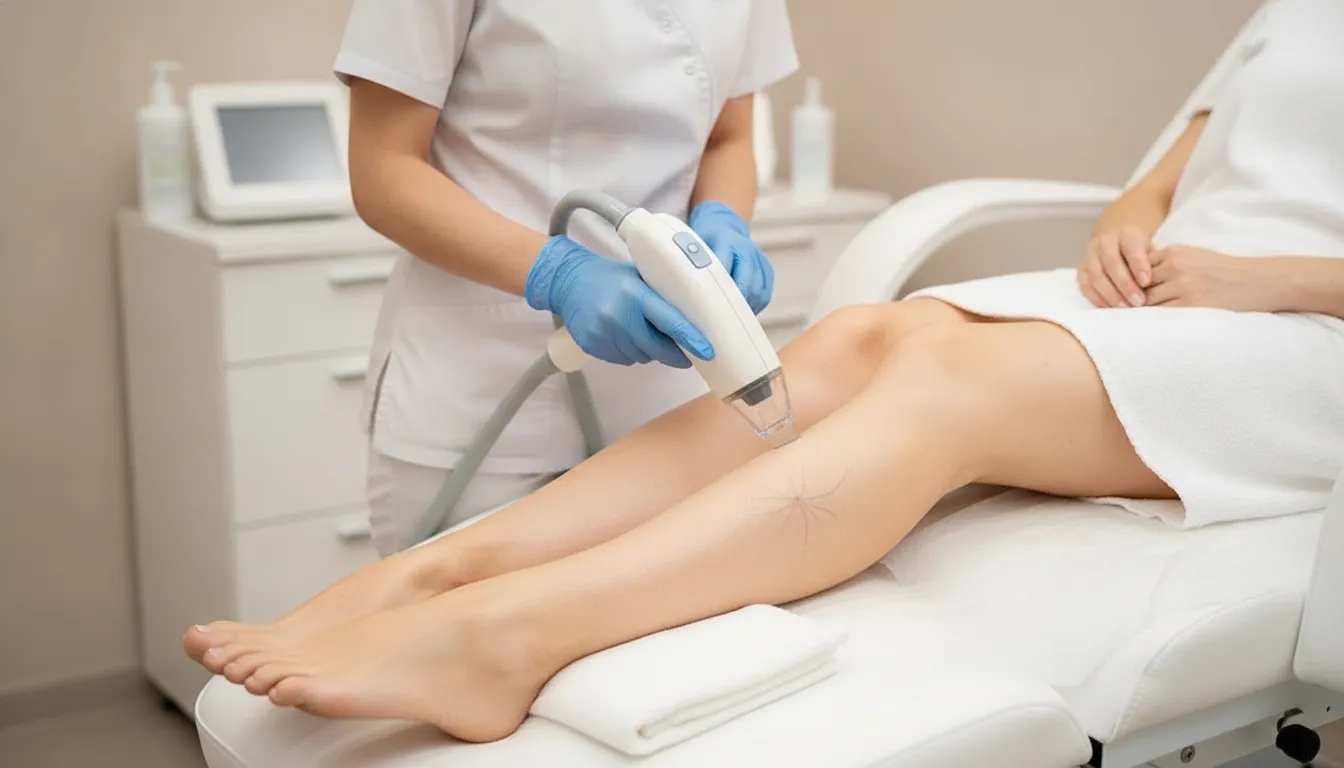
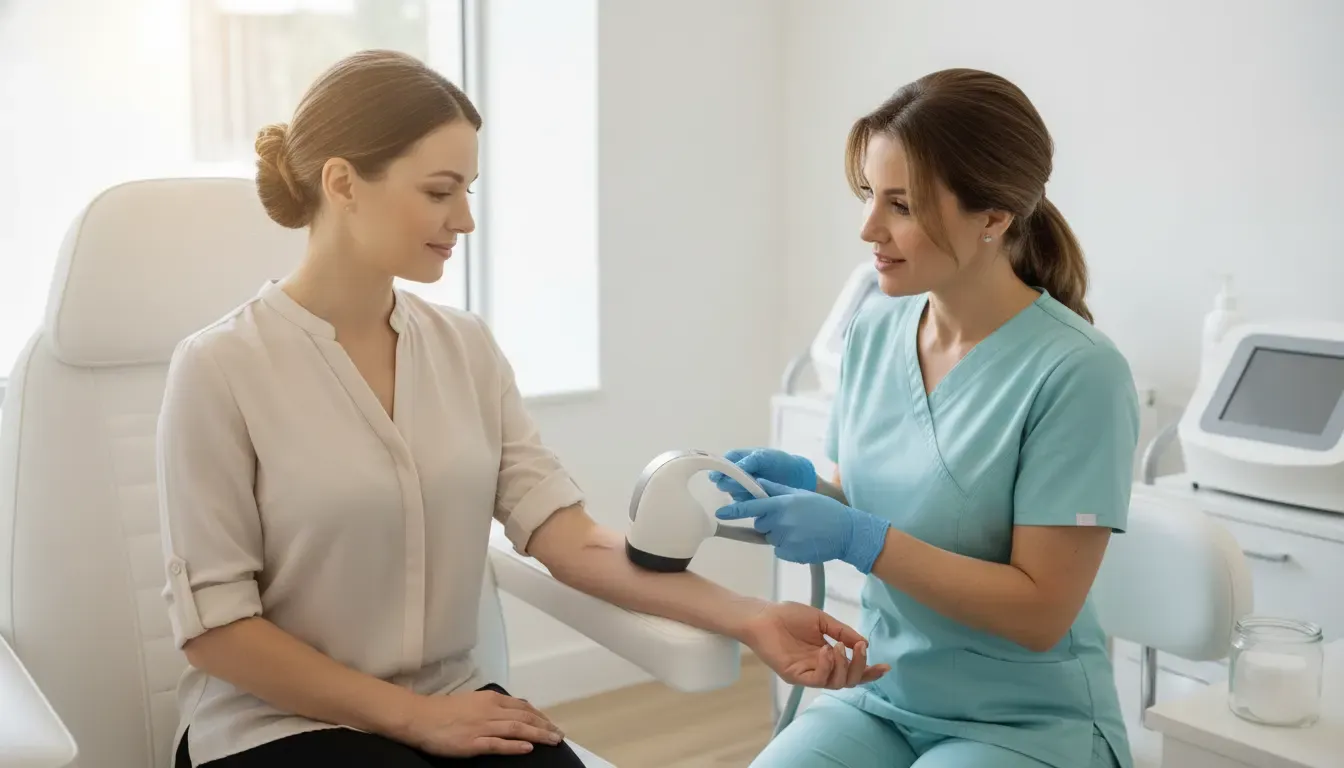
Most people find the photofacial process very tolerable. As the specialized handpiece delivers pulses of light to your skin, you’ll likely feel a quick, warm sensation. Many clients describe it as feeling like a tiny rubber band snapping against the skin. It’s a fleeting feeling that only lasts for a moment with each pulse of light. We’ll provide you with protective eyewear and make sure you’re comfortable throughout the entire session. Our goal is to make the experience as relaxing as possible while we work to reduce redness and calm your rosacea symptoms.
What to expect immediately after your session
Right after your photofacial, your skin will probably look and feel like it has a mild sunburn. It’s common to see some redness, a bit of swelling, or a flushed appearance for a few hours. You might also notice that any brown spots or pigmented areas on your face look darker at first—this is a great sign! It means the treatment worked. Over the next several days, these darker spots will naturally flake off, revealing clearer, more even-toned skin underneath. If you have any questions after your appointment, our team is always here to help when you contact us.
Caring for Your Skin After a Photofacial
Getting the most out of your photofacial doesn’t stop when you leave our spa. Proper aftercare is your secret weapon for achieving the best possible results and ensuring your skin heals beautifully. Think of it as the final, crucial step in your treatment plan. Your skin will be a little sensitive after the session, so giving it some extra TLC will make all the difference in calming redness and revealing that clearer complexion you’re looking for.
Right after your appointment, we’ll walk you through a personalized set of instructions tailored to your skin. But to give you an idea of what to expect, here are the key steps for taking care of your skin in the hours, days, and weeks following your photofacial. Following these simple guidelines will help you soothe your skin, protect your results, and keep your rosacea symptoms at bay for the long haul.
Your guide to the first 48 hours
For the first day or two after your photofacial, your skin will likely feel warm and appear slightly red or flushed, similar to a mild sunburn. This is a completely normal part of the process. To keep your skin comfortable and help it heal, stick to a few simple rules. Avoid anything that can introduce extra heat to your skin, like hot showers, saunas, or strenuous workouts. Instead, cleanse your face with cool water and a gentle cleanser, and apply a soothing, non-irritating moisturizer. If you feel any discomfort, a cool compress can provide wonderful relief. Most importantly, stay out of the sun as much as possible.
The best long-term sun protection and skincare habits
To protect your results and prevent future rosacea flare-ups, consistent sun protection is non-negotiable. Your skin will be more sensitive to UV rays after treatment, so making daily SPF a core part of your routine is essential. We recommend a broad-spectrum sunscreen with an SPF of 30 or higher. Beyond sun care, it’s a great time to commit to gentle skincare practices for good. Avoid harsh scrubs and irritating ingredients that can trigger rosacea. By treating your skin with care and protecting it from the sun, you’ll enjoy your beautiful, clearer complexion for a long time to come. If you ever have questions about your routine, we’re always here to help you find the perfect products from our line of services.
Are Photofacials for Rosacea Safe?
When you’re dealing with a sensitive skin condition like rosacea, safety is always the top concern. The straightforward answer is yes, photofacials are widely considered a safe and effective way to manage rosacea symptoms, especially when performed by a qualified professional. This treatment uses Intense Pulsed Light (IPL) therapy to target the redness and visible blood vessels at the source without damaging the surrounding tissue.
Because it’s a powerful, light-based treatment, it’s important to know what to expect and to have it done in a professional medical setting. Understanding the common, temporary side effects and knowing how a skilled provider minimizes risks are key to feeling confident in your treatment plan. At a trusted medspa, your safety is the priority. The process always begins with a thorough consultation to confirm a photofacial is the right choice for your skin and ends with clear aftercare instructions to ensure a smooth recovery.
Understanding common, temporary side effects
After your photofacial, it’s completely normal to experience some mild and temporary side effects. Most people say their skin feels like it has a slight sunburn, and you might see some redness, minor swelling, or a flushed look for a few hours. These reactions are actually a good sign that the treatment is working to repair your skin, and they typically fade quickly on their own. While more serious side effects are rare, they are significantly minimized when your treatment is performed by an experienced professional. Being aware of what to expect helps you feel prepared and gives you peace of mind as your skin begins to heal.
How we ensure a safe treatment
Your safety and comfort are our top priorities. We ensure every treatment is both safe and effective by starting with a comprehensive consultation. Our team of highly trained professionals will carefully assess your skin, discuss your rosacea history, and confirm that you’re an ideal candidate for a photofacial. IPL technology is incredibly effective for the vascular concerns associated with rosacea, and we customize the treatment settings to match your specific skin type and goals. This personalized approach minimizes risks and helps you achieve the best possible results. A successful outcome starts with a solid plan, and we invite you to schedule a consultation to get started.
Is a Photofacial Right for Your Rosacea?
A photofacial can be a game-changer for managing rosacea, but it’s important to know if it’s the right move for your specific skin needs. The effectiveness of Intense Pulsed Light (IPL) therapy depends on factors like your skin tone, the type of rosacea symptoms you have, and your overall health. Understanding where this treatment shines—and where another option might be better—is the first step toward getting the clear, calm skin you want. Let’s walk through who typically sees the best results and when we might recommend a different approach.
Who makes an ideal candidate?
You’re likely a great candidate for a photofacial if you have fair to light brown skin and are primarily struggling with persistent facial redness and visible broken blood vessels. Because IPL technology targets pigment, the contrast between the red vessels and your lighter skin tone allows the light energy to work precisely without affecting the surrounding tissue. This treatment is ideal for adults who want a safe, non-invasive way to reduce chronic redness and achieve a more even complexion. If you’re tired of trying to cover up flushing and spider veins, a personalized consultation can confirm if a photofacial is the perfect fit for your beauty goals.
When another treatment might be a better fit
While photofacials are fantastic for tackling redness, they may not be the best solution for everyone. If your main concern is rosacea bumps (papules and pustules), another treatment might be more effective. Additionally, IPL is not recommended for very dark skin tones due to a higher risk of pigmentation changes. We also advise against this treatment if you are pregnant, have a sunburn, are sensitive to light, or have a history of keloid scarring. Certain medications, like blood thinners or Accutane, can also be a factor. Our goal is to find the safest and most effective path for you, which is why we offer a range of advanced skincare services to address every need.
Photofacials vs. Other Rosacea Treatments
When you’re dealing with rosacea, it can feel like you’ve tried everything. From topical creams to different types of light therapy, the options can be overwhelming. Photofacials, which use Intense Pulsed Light (IPL) technology, stand out as a highly effective way to manage the visible signs of rosacea, like redness and broken capillaries. But how do they stack up against other common treatments?
Understanding the differences can help you make an informed decision about your skincare. While topical creams can help manage inflammation for some, they often don’t address the persistent redness and visible blood vessels that cause so much frustration. That’s where light-based therapies come in. Let’s look at how IPL photofacials compare to other treatments and why they are often a preferred choice for tackling rosacea’s most noticeable symptoms.
IPL compared to lasers and topical creams
You might hear “IPL” and “laser” used interchangeably, but they’re actually quite different. Think of a laser as a single, focused beam of light that targets a very specific issue. An IPL device, on the other hand, uses broad-spectrum light in multiple wavelengths. This allows it to address several skin concerns at once, from redness to uneven pigmentation.
While laser treatments can be very powerful, they are also more intense and typically require more recovery time. According to WebMD, IPL therapy is a gentler approach that is a great option for treating vascular issues like rosacea, especially for those who haven’t seen results from other treatments. Compared to the daily application of topical creams that may offer limited results, a series of photofacial sessions can create more significant and lasting change, often saving you time and money in the long run.
Why photofacials are a top choice for visible symptoms
If your main goal is to reduce the visible signs of rosacea—the redness, flushing, and tiny blood vessels—a photofacial is one of the best tools available. The treatment uses precise pulses of light to target and break down the pigment and vessels that cause these symptoms, all without harming the surrounding skin. This process helps calm redness and minimize the appearance of blotchy skin.
What makes this treatment so appealing is that it’s a gentle, non-surgical approach. As one wellness center notes, a photofacial provides a way to treat rosacea without invasive procedures or a long recovery period. Beyond just managing rosacea, the treatment also improves your overall skin tone and texture, leaving your complexion looking brighter and more even. It’s a comprehensive solution that helps you not only control flare-ups but also achieve healthier-looking skin.
Ready for Clearer Skin? Here’s How to Start
Taking the first step toward managing your rosacea can feel like a big deal, but it doesn’t have to be complicated. It’s all about finding the right partner to guide you through the process with expertise and care. When you’re ready to explore professional treatments, the process should be clear, comfortable, and centered around you.
Your consultation and personalized plan
If you’re ready to take control of your rosacea, the first step is simple. At Ultimate Image, we skip generic treatments and instead build a personalized strategy based on your unique skin and goals. It all starts with a complimentary, no-pressure consultation where we can chat about your concerns and what you hope to achieve. We’ll assess your skin, answer all your questions, and map out a treatment plan that makes sense for you. There’s no one-size-fits-all solution for rosacea, and your care plan shouldn’t be either. Let’s work together to find the right path to the clearer, calmer skin you deserve.
Why Texans trust Ultimate Image MedSpa
Choosing the right place for your skincare is a big decision, and we’re proud to be a trusted choice for so many in Texas. Our commitment to your safety and results is why. We use advanced technology, like Candela laser machines, which are effective for a wide range of skin tones, so you can feel confident you’re getting a safe and inclusive treatment. Our expert team is trained in the latest techniques for all our services, from facial rejuvenation to laser treatments. We combine cutting-edge equipment with a deep understanding of skin health to deliver results you can see and feel.
Related Articles
- Best eMatrix Treatment | Your Path to Glowing, Youthful Skin
- Best Laser Hair Removal Devices: At-Home Guide – Ultimate Image MedSpa
Frequently Asked Questions
Does a photofacial hurt? This is easily the most common question we get, and it’s a fair one! Most people find the treatment very manageable. You’ll feel a quick, warm snap with each pulse of light, often compared to a rubber band flicking against your skin. The sensation is over in an instant, and we make sure you’re comfortable and relaxed throughout the entire session.
How soon will I see results from my photofacial? You’ll likely notice some improvements within a week or two of your first session, especially as any initial redness subsides and dark spots flake away. However, the most significant and lasting changes appear gradually over a series of treatments. Each session builds on the last, so your skin will look progressively clearer and calmer as you move through your personalized plan.
What does “minimal downtime” actually mean for me? Minimal downtime means you can get right back to your day after your appointment. Your skin will likely be red and feel a bit warm, similar to a mild sunburn, for a few hours. You can apply makeup the next day if you’d like, but you should avoid hot showers, intense workouts, and saunas for the first 48 hours to let your skin heal peacefully.
Will my rosacea be gone for good after the treatments? Because rosacea is a chronic condition, a photofacial is best thought of as a powerful way to manage and control your symptoms, not a permanent cure. After your initial series of treatments gets the redness and visible vessels under control, we’ll set up a simple maintenance plan. Most clients find that a touch-up session once or twice a year is all they need to keep their skin calm and clear.
How do I know if a photofacial will work for my specific type of rosacea? A photofacial is most effective for people dealing with the redness, flushing, and visible blood vessels associated with rosacea. It’s especially well-suited for those with lighter skin tones. If your main concern is bumps and pimples, another treatment might be a better fit. The best way to know for sure is to come in for a consultation so we can assess your skin and create a plan that will give you the best results.