Let’s be honest: when you’re considering a treatment like hair removal, you want clear answers. Will it hurt? Is it truly permanent? Will it even work for my hair type? These questions are at the heart of the laser hair removal vs electrolysis debate. Both are highly effective, medically-proven methods, but they achieve their results in completely different ways, which impacts everything from the treatment timeline to the final outcome. One is celebrated for its speed and efficiency over large body areas, while the other is prized for its precision and its status as the only truly permanent solution. We’re here to cut through the confusion and give you a straightforward comparison so you can understand the pros and cons and feel fully prepared to choose the best option for your skin.
Key Takeaways
- Define Your Goal: Permanent Reduction vs. Total Removal: Laser hair removal is your best bet for dramatically reducing hair growth over large areas, though you may need occasional touch-ups. For complete and permanent elimination of every single hair, electrolysis is the only FDA-recognized method.
- Assess Your Hair Type and Treatment Area: Laser is most effective on dark hair and lighter skin, making it an efficient choice for legs, back, or underarms. Electrolysis works on any hair color and skin tone, offering the precision needed for smaller zones like eyebrows or targeting stubborn gray hairs.
- Compare the Commitment of Time and Cost: Laser treatments generally require fewer sessions and are faster for large areas, making the overall process quicker. Electrolysis involves more individual sessions over a longer period but is often more budget-friendly per visit, especially for small areas.
Laser vs. Electrolysis: What’s the Real Difference?
When you’re ready to say goodbye to razors and waxing for good, you’ll likely find yourself comparing laser hair removal and electrolysis. Both are popular, effective methods for long-term hair reduction, but they work in completely different ways. Understanding these differences is the key to choosing the right path for your skin, hair type, and beauty goals. One method uses powerful beams of light to treat multiple hairs at once, making it ideal for larger areas. The other uses a fine, sterile probe to deliver a tiny electrical current to each individual hair follicle, offering unmatched precision for smaller zones.
The choice isn’t just about the end result; it’s also about the process, the time commitment, and the technology itself. Before you book a consultation, it helps to have a clear picture of how each technology functions, its strengths, and its ideal applications. For example, while one is celebrated for its speed over large areas like the legs, the other is the only method officially recognized by the FDA as permanent. This will help you ask the right questions and feel confident in your decision. Let’s break down the science and what it means for your treatment.
The Technology Behind Each Method
At its core, the main difference between these two treatments is the technology. Laser hair removal uses a concentrated beam of light to target the pigment in your hair. This light converts to heat, which damages the hair follicle and inhibits future growth. It’s a process of targeting and disabling the follicle with heat from the outside in. Electrolysis, on the other hand, takes a more direct approach. It involves inserting a very fine, sterile probe into an individual hair follicle. A tiny electrical current is then sent through the probe to destroy the follicle’s growth center. Because of this direct targeting, electrolysis is the only method the FDA recognizes for permanent hair removal. Laser hair removal is considered permanent hair reduction, as it significantly reduces hair growth but may require occasional touch-ups.
Coverage vs. Precision
The different technologies directly impact how quickly and precisely each area can be treated. Think of it as a trade-off between broad coverage and pinpoint accuracy. Because a laser can target an area about the size of a quarter with each pulse, it can treat many hair follicles at once. This makes laser hair removal an incredibly efficient option for larger body areas like the legs, back, or chest. You can cover a lot of ground in a relatively short session. Electrolysis is the opposite. Since it treats every single hair follicle individually, it’s a much slower and more meticulous process. This makes it less practical for large areas but gives it an edge in precision. Electrolysis is perfect for smaller, more delicate areas where every hair counts, like shaping eyebrows, cleaning up the upper lip, or targeting stray hairs that laser treatments might miss.
How Does Each Hair Removal Method Work?
Understanding how these two popular treatments get the job done is the first step in figuring out which one is right for you. While both target the hair follicle to stop growth, they use completely different technologies to get there. Let’s break down the science behind each one in simple terms.
The Laser Hair Removal Process
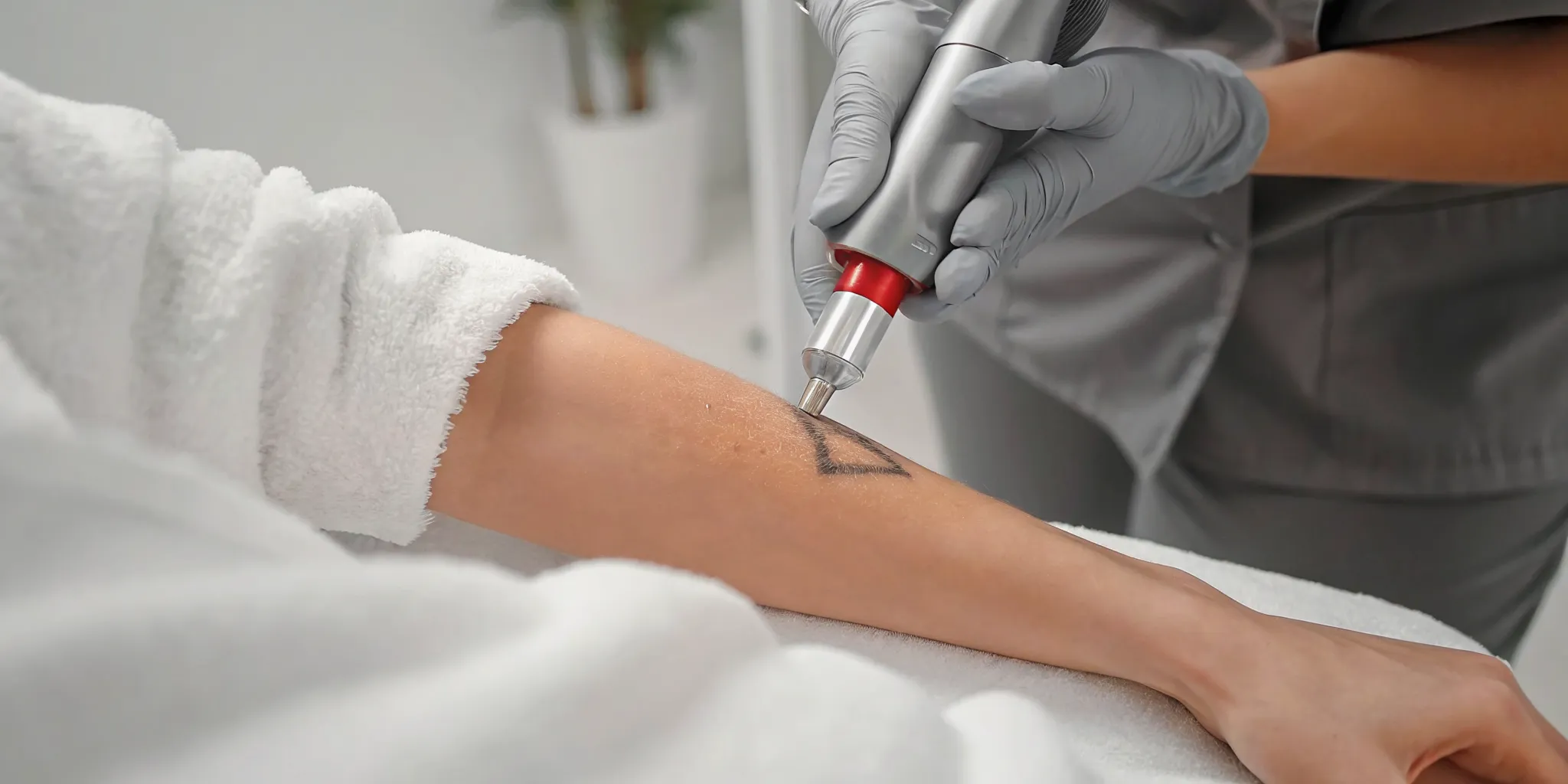
Laser hair removal works by using a concentrated beam of light to target the pigment, or melanin, in your hair. The laser is drawn to the darker color of the hair follicle, and once it finds it, the light energy converts to heat. This heat then damages the follicle, putting it into a dormant state and significantly slowing down hair growth. It’s a fast and effective method, which is why it’s such a popular choice for treating larger areas like the legs or back. Our laser hair removal treatments are designed to be precise, targeting unwanted hair while leaving the surrounding skin untouched.
The Electrolysis Process
Electrolysis takes a more direct approach. Instead of using light, this method involves inserting a super-fine probe into each individual hair follicle. Once the probe is in place, a tiny amount of electrical current is sent to the root, destroying it so it can no longer produce hair. Because it targets the follicle directly rather than the pigment, electrolysis is effective on any hair color—including blonde, gray, or red—and all skin tones. It’s also the only method the FDA recognizes for permanent hair removal, making it a fantastic option if you’re looking for a truly lasting solution.
Which Method Offers Permanent Results?
When you’re investing in hair removal, the biggest question is usually about the results. You want to know if the smooth skin you’re working towards is here to stay. Both laser hair removal and electrolysis offer long-term solutions, but they define “permanent” a bit differently. Let’s get straight to what you can expect from each treatment so you can decide which path aligns with your goals.
What to Expect from Laser Hair Removal
Think of laser hair removal as a long-term hair reduction plan. While it dramatically decreases hair growth, it’s not technically considered permanent removal. The laser targets pigment in the hair follicle, which is why it tends to work best for those with fair skin and dark hair. After your initial series of treatments, you’ll enjoy significantly less hair. However, to maintain that smoothness, you’ll likely need touch-up sessions once or twice a year. It’s a fantastic option for managing unwanted hair over the long haul, but it does require some ongoing maintenance.
Why Electrolysis Is Considered Permanent
Electrolysis stands alone as the only method the FDA recognizes for truly permanent hair removal. Instead of targeting pigment, electrolysis targets the hair follicle itself. A tiny probe is inserted into each individual follicle, delivering a small electrical current that destroys the hair’s growth center. Once a follicle is successfully treated, it can no longer produce hair. This precision makes electrolysis effective for every skin tone and hair color—including blonde, gray, and red hair. It’s a commitment to treating each hair one by one, but the result is permanent freedom from regrowth in the treated area.
Your Treatment Timeline: How Many Sessions to Expect
Your schedule will look different depending on which method you choose. For laser hair removal, you can expect to come in for about six sessions, spaced roughly six weeks apart. After that initial series, you’ll transition to maintenance appointments as needed. With electrolysis, the sessions are more frequent at the start, often weekly or bi-weekly, because each hair needs to be treated individually. The total number of sessions depends on the size of the area. While it requires more visits upfront, once your treatment plan is complete, you’re done for good—no maintenance required. A professional consultation can help map out a timeline based on your specific needs.
Let’s Talk Comfort: Pain and Potential Side Effects
Let’s be honest: when you’re considering a hair removal treatment, one of the first questions you probably ask is, “Will it hurt?” It’s a completely valid concern, and the answer really depends on the method you choose and your personal pain tolerance. Both laser hair removal and electrolysis involve a certain level of sensation, but they feel quite different.
Beyond the immediate feeling during the session, it’s also important to think about what happens after. Your skin might be a little sensitive, and knowing what to expect can make the whole experience smoother. We’ll walk through what each treatment typically feels like and the potential side effects, so you can feel prepared and confident in your choice. Understanding the full picture of comfort and aftercare is key to finding the treatment that works best for you and your body.
What Laser Hair Removal Feels Like
Most people find laser hair removal to be very manageable. The sensation is often compared to a tiny rubber band snapping against your skin—it’s a quick, sharp feeling that fades almost instantly. The good news is that technology has come a long way. Many modern laser devices, like the ones we use, have built-in cooling systems that soothe your skin right as the laser works its magic. This makes the entire process much more comfortable. Each pulse of the laser treats multiple hairs at once, so sessions for smaller areas can be over in just a few minutes.
Understanding Comfort Levels with Electrolysis
Electrolysis tends to be more uncomfortable for most people. Because it treats each hair follicle individually with a tiny probe, the sensation is often described as a continuous stinging or prickling feeling. Some even compare it to the sensation of getting a tattoo. While a topical numbing cream can be applied beforehand to help take the edge off, you’ll still feel a distinct sensation with each hair that’s treated. For larger areas, this repeated feeling can become quite tedious and more intense than the quick snaps of a laser.
How to Care for Your Skin After Treatment
After a laser session, it’s normal to see some mild redness and swelling in the treated area, similar to a light sunburn. These effects are temporary and usually disappear within a few hours. More serious side effects like blisters or changes in skin color are rare and typically fade over time. With electrolysis, the risk of side effects can be higher, including the potential for infection if not cared for properly, and even scarring. No matter which method you choose, following the aftercare instructions from your provider is essential for healing well and getting the best results. If you have any concerns, a professional consultation can help address your specific skin needs.
Finding the Best Fit for Your Hair and Skin
Choosing between laser hair removal and electrolysis often comes down to your unique hair and skin type. While both are fantastic options for achieving smoother skin, one might be a better match for you than the other. Let’s break down who is best suited for each treatment so you can feel confident in your choice. Your personal goals, skin sensitivity, and even the area you want to treat all play a role in finding your perfect fit.
Who Is a Good Candidate for Laser Hair Removal?
The ideal candidate for laser hair removal is someone with fair skin and dark, coarse hair. This is because the laser works by targeting the pigment (melanin) in the hair follicle. The strong contrast between light skin and dark hair allows the laser to precisely find and treat the follicle without affecting the surrounding skin. This method is also incredibly efficient for treating large areas. If you’re looking to address hair on your legs, back, or chest, laser hair removal can cover a lot of ground in a relatively short session. While it may not be the best fit for those with blonde, gray, or red hair, it’s a powerful and effective solution for the right person.
Why Electrolysis Works for Everyone
If you’ve been told you’re not a good candidate for laser, don’t worry—electrolysis is a fantastic alternative that works for everyone. Unlike lasers, electrolysis doesn’t rely on pigment. Instead, it targets the hair follicle directly with a tiny electrical current, which means it’s effective on all hair colors, including blonde, red, and gray. It’s also safe for all skin tones, from the very fair to the very dark. In fact, electrolysis is the only method approved by the FDA for permanent hair removal. So, no matter your hair or skin type, you can achieve lasting, smooth results. It’s a truly universal solution for anyone wanting to say goodbye to unwanted hair for good.
Treating Sensitive Skin or Hormonal Hair Growth
If you have sensitive skin or are dealing with hair growth caused by hormonal conditions like PCOS, electrolysis is often the recommended path. Because it treats each hair follicle individually, it’s incredibly precise and can effectively target stubborn, hormone-driven hair that might not respond as well to other methods. While the process can be more time-consuming than laser, its precision makes it a gentle option for delicate areas. If your skin is prone to irritation, it’s always best to discuss your concerns during a consultation. We can help you understand what to expect and create a treatment plan that puts your skin’s health and comfort first. Feel free to contact us to schedule a chat.
Comparing the Cost and Time Commitment
When you’re thinking about hair removal, the bottom line—both in terms of money and time—is a huge factor. Both laser hair removal and electrolysis are investments in yourself, but they have different pricing structures and timelines. Understanding these differences will help you decide which path aligns better with your budget and your schedule. Let’s break down what you can expect from each, so you can make a choice that feels right for you without any surprises.
Breaking Down the Cost of Laser Hair Removal
Let’s talk about budget. With laser hair removal, the initial price per session might seem higher, typically ranging from $100 to over $500 depending on the treatment area. Think of it as an investment in speed and efficiency. Because the laser can target multiple hair follicles at once, you can treat a large area like your legs or back in a relatively short appointment. While you’ll need a series of sessions to catch every hair in its growth cycle, the total number of visits is often fewer than with electrolysis. This can make it a more cost-effective and time-saving option in the long run, especially for those larger body areas.
Understanding the Price of Electrolysis
Electrolysis is priced a bit differently. Sessions are usually shorter and cost less individually, often between $30 and $100. However, the overall cost can add up. Since electrolysis involves treating every single hair follicle one by one, it requires many more sessions to clear an area completely. For a small spot like your chin or eyebrows, this methodical approach can be quite manageable and affordable. But for a larger area like your bikini line or underarms, the time and cost can become significant. You’re paying for the technician’s dedicated time and precision, so the total investment really depends on the size of the area and your hair density.
Which Is the Better Long-Term Investment?
So, which one gives you more for your money? It really comes down to your goals. Electrolysis is the only method the FDA recognizes as truly permanent. Once a hair follicle is treated, it’s gone for good. This makes it an incredible investment if your top priority is ensuring the hair never returns. On the other hand, laser hair removal provides permanent hair reduction. You’ll see a massive decrease in hair, and what’s left will be finer and lighter. You might just need a touch-up session every year or so to maintain that silky-smooth result. The best way to determine your personal ROI is to schedule a consultation where we can assess your needs and map out a plan.
How to Prepare for Your Appointment
Getting ready for your hair removal session is just as important as the treatment itself. A little prep work ensures you get the best possible results and helps your skin recover smoothly. Think of it as setting your skin up for success. Whether you choose laser or electrolysis, following a few key steps before and after your appointment will make all the difference in your journey to smooth, hair-free skin.
Pre-Treatment Prep for Best Results
For a laser hair removal treatment, your main job is to stay out of the sun. Avoid direct sun exposure on the treatment area for about six weeks before your appointment. Tanned skin can increase the risk of complications, so keeping your skin close to its natural tone helps the laser work more effectively and safely. If you’re preparing for electrolysis, the focus is on the hair. Avoid plucking or waxing for a few weeks beforehand. For the treatment to work, the hair needs to be in its active growth phase and long enough for the technician to treat it properly.
What to Avoid Before You Go
In the week before either treatment, pause your use of any harsh topical products like retinoids or exfoliants. You want the area to be calm and healthy on the day of your appointment. For laser hair removal, you should shave the area the day before your session—not the day of. This allows the laser to target the hair follicle beneath the skin without burning the hair on the surface. For electrolysis, however, you’ll need to let the hair grow out for a few days so it’s long enough for the technician to see and remove.
Essential Post-Treatment Care
Aftercare is your secret weapon for a great outcome. Following a laser session, continue to avoid sun exposure and be diligent about applying a broad-spectrum sunscreen to the treated area. This simple step is crucial for preventing any changes in skin pigmentation. After electrolysis, you might notice some temporary redness or swelling, which is completely normal. Applying a soothing aloe vera gel can help calm the skin. No matter which treatment you receive, we’ll give you specific aftercare instructions. If you ever have questions, please don’t hesitate to contact us.
So, Which Hair Removal Method Is Right for You?
Choosing between laser hair removal and electrolysis can feel like a big decision, but it really comes down to your unique needs. Both are fantastic options for achieving smooth skin, but they work best in different situations. Thinking through your goals, hair type, and the area you want to treat will help you find the perfect match.
Key Questions to Ask Yourself
Before you book an appointment, take a moment to consider what you’re looking for. Are you hoping to treat a large area, like your legs, back, or underarms? If you have dark hair and relatively light skin, laser hair removal is often the most efficient choice. The laser technology is designed to target the pigment in dark hair, making it ideal for covering a lot of ground quickly.
On the other hand, if you’re focused on a smaller, more sensitive area like your eyebrows or upper lip, electrolysis might be your answer. It’s also the only FDA-approved method for permanent hair removal that works on all hair colors—including blonde, red, or gray—since it targets the hair follicle directly instead of the pigment.
The Importance of a Professional Consultation
While a little self-assessment is a great start, nothing replaces professional advice. An experienced technician can properly assess your skin tone, hair color, and texture to recommend the safest and most effective treatment for you. This step is crucial because a professional can identify factors you might not consider, ensuring you get the results you want without compromising your skin’s health.
A one-on-one consultation gives you the chance to ask questions and get a personalized treatment plan tailored to your specific goals. Our team is here to walk you through the process and help you understand what to expect. When you’re ready, you can schedule a consultation to get clear, expert guidance.
Making Your Final Decision with Confidence
Making your final decision should feel empowering. By now, you’ve thought about your goals and have a better understanding of how each method works. The final piece of the puzzle is combining that knowledge with the personalized advice you receive during your consultation. Consider your pain tolerance, your schedule for follow-up sessions, and the long-term investment.
The best choice is the one that fits your body, budget, and lifestyle. Whether it’s the speed and efficiency of laser or the permanent, precise results of electrolysis, the right path is the one that helps you achieve your beauty goals. With the right information and professional support, you can move forward feeling great about your choice.
Related Articles
- Permanent Hair Reduction: Which Method Is Best? – Ultimate Image MedSpa
- Laser Hair Removal for Blonde Hair – Ultimate Image MedSpa
Frequently Asked Questions
Which treatment will give me results faster? This really depends on how you define “faster.” Laser hair removal sessions are much quicker, especially for large areas like your legs, and you’ll notice a significant reduction in hair after just a few appointments. However, electrolysis delivers permanent results from the start for each hair it treats. While the overall treatment timeline for electrolysis is longer because it’s a hair-by-hair process, once a follicle is gone, it’s gone for good. So, laser offers faster visible reduction, while electrolysis offers faster permanent results for individual hairs.
I have light-colored hair. Is laser hair removal completely out of the question for me? Generally, laser hair removal is most effective on dark hair because the laser targets pigment. If your hair is blonde, red, or gray, it lacks the melanin needed for the laser to work properly. While some newer laser technologies have improved, they still can’t guarantee the same results as they do on dark hair. For truly effective and permanent removal of light-colored hair, electrolysis is your best and most reliable option since it targets the follicle directly, not the pigment.
Can I combine both laser hair removal and electrolysis? Absolutely! Many people find that a combination approach gives them the best of both worlds. You might use laser hair removal to quickly clear a large area like your legs or bikini line, and then use electrolysis to tackle any stray, lighter-colored hairs the laser missed. It’s also a great way to precisely shape areas like your eyebrows after the bulk of the hair has been reduced with a laser. A consultation can help you map out a hybrid plan that works for your specific goals.
Which method is better for treating facial hair? This often comes down to your hair color and the specific area. If you have dark facial hair on your chin or upper lip, laser hair removal can be a quick and effective option. However, for shaping eyebrows or targeting stubborn, hormonal hair growth, electrolysis offers unmatched precision. Since it works on any hair color and is considered truly permanent, many people prefer electrolysis for the face to ensure a clean, lasting result without worrying about regrowth.
Why do I need so many sessions for either treatment? It all comes down to your hair’s natural growth cycle. Your hair grows in three different phases, but it can only be successfully destroyed during the active growth phase. At any given time, only a fraction of your hair is in this phase. Spacing out your treatments allows us to catch different hairs as they enter that active stage. This ensures we can effectively treat as many follicles as possible over time, leading to the smoothest, most complete results.