Skip to content

The idea of erasing permanent ink from your skin can seem like something out of science fiction. But the reality is a fascinating medical process that combines advanced physics with your body’s natural ability to heal. It’s not magic—it’s a highly controlled procedure where specific wavelengths of light energy shatter ink particles deep within your skin. Your body then does the rest of the work. Understanding how this technology works makes the entire process feel less mysterious and more manageable. We’ll explain the science behind professional laser tattoo removal, from the different types of lasers to why multiple sessions are essential for success.
Key Takeaways
- Set Realistic Expectations for Your Timeline: Complete tattoo removal is a marathon, not a sprint. Factors like ink color, tattoo age, and its location on your body determine how many sessions you’ll need, with treatments spaced weeks apart to allow your body to heal and clear the ink.
- Prioritize a Skilled Specialist and Modern Technology: The quality of your results is directly tied to the professional performing the treatment and the laser they use. Look for a certified provider with experience and ask about their technology to ensure a safe and effective process.
- Your Pre- and Post-Treatment Care is Crucial: How you care for your skin directly impacts your results. Avoid sun exposure before your appointments and follow all aftercare instructions diligently to support the healing process and get the clear skin you want.
What Is Laser Tattoo Removal?
If you’re ready to say goodbye to a tattoo, you’ve probably heard that laser removal is the gold standard—and for good reason. Laser tattoo removal is a medical procedure that uses highly concentrated beams of light to safely break down the ink in your skin. Unlike older, more invasive methods, modern lasers can target the tattoo ink directly without damaging the surrounding skin, making it the most effective way to clear away unwanted body art.
At Ultimate Image MedSpa, we see laser tattoo removal as a process of transformation. It’s a journey we take with you, using advanced technology to help you achieve clear, healthy-looking skin. The treatment is designed to be precise and effective, breaking down even stubborn pigments over a series of sessions. It’s a gradual process, but one that delivers incredible results.
How Does It Actually Work?
Think of your tattoo ink as tiny, solid boulders of pigment sitting deep within your skin. Your body’s immune system recognizes them as foreign objects but can’t clear them away because they’re too large. This is where the laser comes in. The laser sends an incredibly fast pulse of light energy that passes harmlessly through the top layers of your skin and is absorbed by the tattoo ink.
This burst of energy heats the ink particles, causing them to shatter into tiny, sand-like fragments. Once the ink is broken down into these much smaller pieces, your body’s natural cleanup crew—the immune system—can finally step in. Over the weeks following your treatment, it flushes these particles away, causing the tattoo to gradually fade. This is why you need multiple sessions; each one breaks down more ink for your body to clear.
The Science Behind Breaking Down Ink
Not all lasers are created equal, and the technology behind them is pretty fascinating. The most effective lasers for tattoo removal, like the Q-switched or Pico lasers, produce extremely short but powerful pulses of energy. We’re talking about pulses that last just a nanosecond or even a picosecond (a trillionth of a second). This speed is crucial because it creates a photo-acoustic effect—it hits the ink with such intense pressure that it shatters instantly.
The different types of lasers are also designed to target specific ink colors. For example, one wavelength of light might be perfect for breaking down black and blue inks, while another is needed for reds and oranges. Using the right technology ensures the energy is absorbed by the ink, not your skin, which is key to getting great results safely.
What Kind of Lasers Are Used?
When it comes to tattoo removal, the laser is the star of the show. But just like any tool, not all lasers are created equal. The technology used for your treatment is one of the biggest factors in how effective, comfortable, and quick your removal process will be. Think of it this way: you wouldn’t use a sledgehammer for a delicate sculpture. Similarly, tattoo removal requires a specific, highly advanced type of laser to safely target ink without harming your skin.
The two main players in the laser tattoo removal world are Q-switched lasers and picosecond lasers, like the PicoWay system. While both are designed to break down ink, they go about it in very different ways. Understanding the difference will help you see why modern medspas invest in the latest technology. It’s all about getting you the best results in the fewest number of sessions, and the type of laser is central to making that happen. At Ultimate Image MedSpa, we use state-of-the-art technology to ensure your treatment is as effective as possible.
PicoWay vs. Traditional Q-Switched Lasers
For a long time, Q-switched lasers were the standard for tattoo removal. They work by sending out a single, powerful pulse of energy that heats up and breaks apart the ink particles in your skin. They are effective, but the heat they generate can sometimes be uncomfortable and require longer recovery times between sessions.
The PicoWay laser represents a major leap forward in laser tattoo removal technology. Instead of relying primarily on heat, PicoWay delivers incredibly short bursts of energy—we’re talking trillionths of a second. This creates a photoacoustic effect that shatters the tattoo ink into minuscule particles. Because these particles are so much smaller, your body’s natural processes can clear them away more easily and efficiently. This often means fewer treatments are needed compared to older lasers, and it’s effective on a wider range of ink colors, including stubborn blues and greens.
Finding the Right Laser for Your Tattoo
Choosing the right laser isn’t just about picking the newest model; it’s about creating a personalized plan for your specific tattoo and skin type. Several factors come into play here. The age of your tattoo, the colors of the ink, and how deeply the ink was placed all affect how the laser will interact with it. For example, a multi-colored, professional tattoo will require a more versatile laser than a simple, single-color design.
Your skin tone is another crucial consideration. People with lighter skin tones often see results more quickly, but that doesn’t mean tattoo removal isn’t for everyone. For those with darker skin, it’s essential to use a laser that can distinguish between the ink pigment and the natural melanin in your skin to avoid discoloration. This is where the expertise of a trained technician is invaluable. During a consultation, we can assess your tattoo and skin to determine the safest and most effective approach for you. If you’re ready to learn more, you can always contact us to set up a chat.
How Many Sessions Will It Take?
It’s the number one question on everyone’s mind, and the honest answer is: it depends. Most people need between 6 and 12 sessions for complete removal. Of course, every tattoo is unique. Some might be gone in as few as four treatments, while more complex or stubborn ones could take up to 15 sessions.
Think of tattoo removal as a process, not a one-and-done appointment. The exact number of sessions you’ll need depends on a few key factors that are specific to you and your ink. During your consultation, we’ll assess your tattoo and create a personalized treatment plan that gives you a clear idea of what to expect on your journey to clear skin.
What Affects Your Session Count?
Several factors influence how quickly your tattoo will fade. It’s a team effort between our advanced laser technology and your body’s natural clearing process. Here’s what makes a difference:
- Tattoo Age and Depth: Older tattoos are often easier to remove. Over time, your body has already started breaking down the ink, giving us a head start. Newer or deeper professional tattoos with a lot of ink saturation will naturally require more sessions.
- Location on Your Body: Tattoos located closer to your heart, like on your chest or back, tend to fade faster. This is simply because better blood circulation in these areas helps your immune system flush away the shattered ink particles more efficiently.
- Ink Color: Different ink colors absorb laser light differently. Black ink is the easiest to treat because it absorbs all laser wavelengths. Lighter and more vibrant colors can be a bit more stubborn, but our state-of-the-art laser tattoo removal technology is designed to target a wide spectrum of colors.
- Tattoo Size: This one is pretty straightforward. A larger tattoo has more ink to break down, so it will naturally take more time and more sessions to clear compared to a smaller design.
Setting Realistic Timelines for Removal
Patience is your best friend during the tattoo removal process. We schedule your sessions about six to eight weeks apart. This crucial waiting period gives your skin time to heal and allows your body’s immune system to do its job of clearing away the treated ink particles. Rushing the process won’t get you better results and can damage your skin.
Because of this necessary healing time, a complete removal can take one to two years from start to finish. But the good news is you won’t have to wait that long to see a change. Most clients begin to notice their tattoo fading significantly after about three sessions. The best way to understand your personal timeline is to schedule a consultation with one of our experts. We can evaluate your tattoo in person and map out a realistic plan to achieve the clear skin you’re looking for.
How Much Does Laser Tattoo Removal Cost?
Let’s talk about one of the biggest questions on everyone’s mind: the cost. Investing in yourself by removing an unwanted tattoo is a big decision, and understanding the financial side is a key part of the process. While there isn’t a single flat fee for everyone, I can walk you through the factors that go into the pricing and how you can make it work for your budget.
What Determines the Price?
The cost of laser tattoo removal generally falls between $200 and $500 per session. The reason for this range is that every tattoo—and every person—is unique. Several key factors influence the final price of your treatment plan. The size of your tattoo is the most obvious one; a tiny wrist tattoo will naturally cost less per session than a full sleeve.
The colors in your tattoo also play a significant role. Black ink is typically the easiest to remove, while vibrant colors like blues and greens can require more specialized laser wavelengths and additional sessions. Your skin tone, the age of the tattoo, and its location on your body also affect how the laser interacts with the ink. This is why a one-on-one consultation is so important—it’s the only way to get an accurate quote tailored specifically to you and your tattoo.
Understanding Your Payment Options
During your initial consultation, we’ll do more than just assess your tattoo. We’ll map out a complete treatment plan, giving you a clear estimate of how many sessions you’ll likely need and what the total cost will be. This transparency ensures there are no surprises along the way. We believe that clear, upfront communication is the best way to help you feel confident in your decision.
We also understand that this is an investment. To make the process more accessible, many clinics offer flexible payment options. You can often purchase packages that bundle multiple sessions together at a reduced rate or explore payment plans that allow you to spread the cost over time. Our goal is to work with you to find a solution that fits your budget. When you’re ready to learn more about your specific needs, you can contact us to schedule a complimentary consultation and get all your questions answered.
Does It Hurt? A Look at Pain and Side Effects
Let’s get straight to the question on everyone’s mind: does laser tattoo removal hurt? The honest answer is that it can be uncomfortable, but it’s usually very manageable. Most people describe the sensation as similar to a rubber band snapping against the skin—quick and sharp, but over in a flash. The level of discomfort really depends on your personal pain tolerance and the location of the tattoo. For example, a tattoo on a fleshy area like your thigh might feel less intense than one on a bony spot like your ankle.
The good news is that a treatment session is typically very fast, often lasting just a few minutes. While it’s not exactly a pain-free experience, many clients find it’s less intense than getting the tattoo in the first place. The feeling is temporary, and the end result of clear skin is well worth a few moments of discomfort. We prioritize your well-being throughout the entire laser tattoo removal process, and there are several ways we help manage any pain.
How We Keep You Comfortable
Your comfort is our top priority. Before we even begin a session, we take every step to make the experience as easy as possible. We can apply a topical numbing cream to the treatment area, which significantly dulls the snapping sensation from the laser. We also use specialized cooling systems that blow chilled air onto your skin during the procedure. This cooling effect not only helps with discomfort but also protects your skin. We’ll discuss all of your options during your consultation to create a plan that makes you feel confident and relaxed.
Common Side Effects and What to Expect During Recovery
After your session, it’s normal to see some temporary side effects as your body begins the healing process. You can expect the treated area to be red, swollen, and feel a bit like a sunburn for a few days. Some people might also experience mild bruising or blistering, which are all signs that your immune system is getting to work breaking down the shattered ink particles. These effects typically fade within a week. We’ll give you detailed aftercare instructions to help your skin heal beautifully and prepare for your next session.
Your Safety and Scarring Questions, Answered
When performed by a certified and experienced professional, laser tattoo removal is a very safe, FDA-approved procedure. The technology is designed to target pigment in the skin, leaving the surrounding tissue unharmed. This precision is why scarring is very unlikely. The laser works by breaking down ink particles beneath the skin’s surface without damaging the top layer. In some cases, you might notice the treated skin becoming slightly lighter than the surrounding area, but this is often temporary. Your safety is paramount, and we’re happy to answer any questions you have when you contact us for a consultation.
What to Expect During the Process
Deciding to remove a tattoo is a big step, and it’s natural to wonder what the journey looks like. From your first chat with a specialist to the final aftercare steps, knowing what’s ahead can make the entire experience feel more comfortable and straightforward. We believe in being completely transparent, so you can feel confident and prepared every step of the way. Here’s a breakdown of what you can expect when you begin your laser tattoo removal journey with us.
Your First Consultation and Treatment Plan
Everything starts with a conversation. Before we even think about turning on a laser, you’ll have a personal consultation to discuss your goals. This is your time to ask every question you have. We’ll take a close look at your tattoo, noting its colors, size, and location, and we’ll assess your skin type. Based on all these factors, we’ll create a customized treatment plan just for you. This plan will outline the estimated number of sessions you’ll need and what you can expect for your specific tattoo. Our goal is to make sure you feel fully informed and comfortable before moving forward.
What Happens in a Laser Session
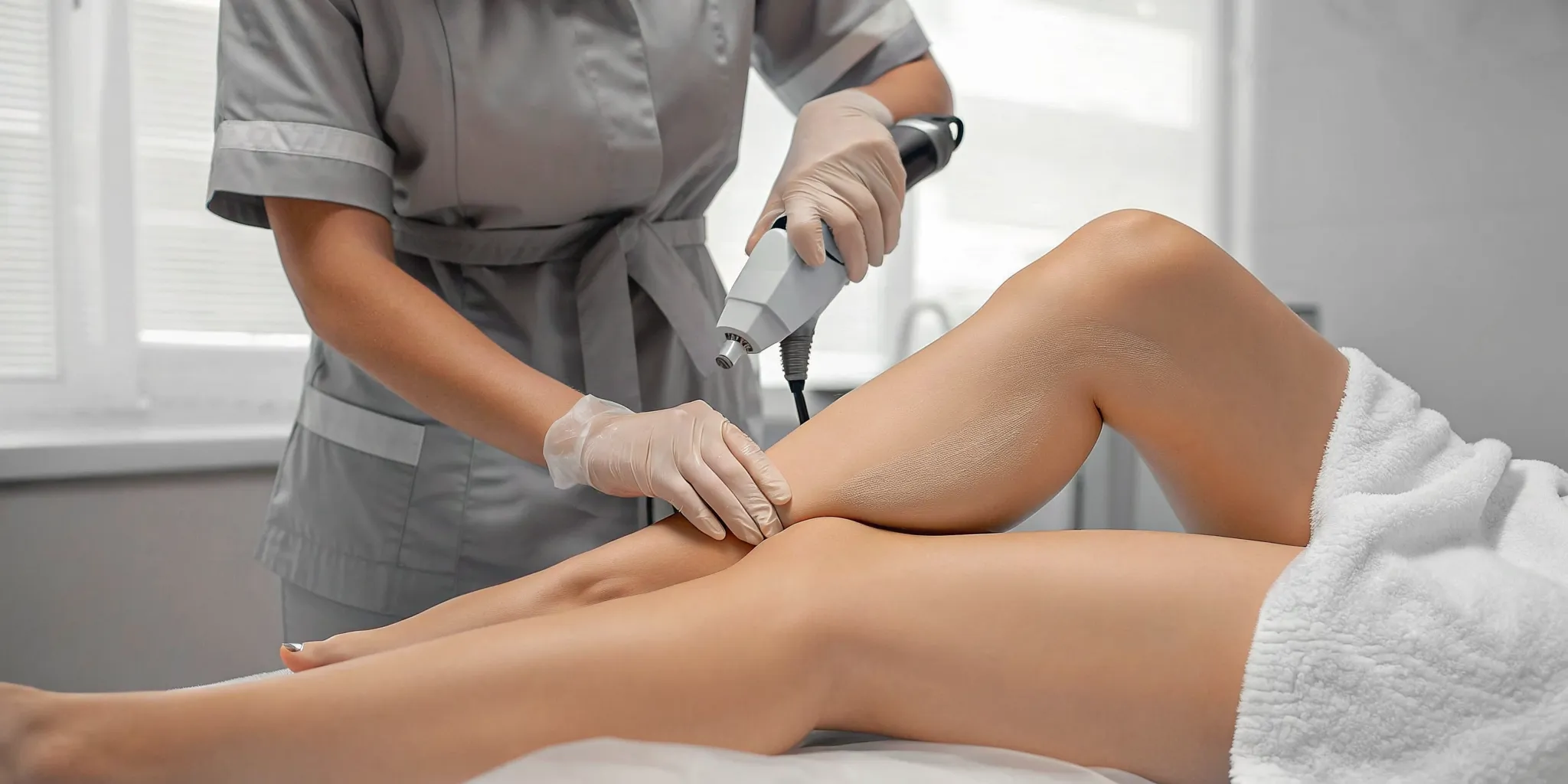
During a treatment session, our specialists use advanced lasers that send focused beams of light to target the tattoo ink. The ink particles absorb this light energy and shatter into tiny fragments, all without harming the surrounding skin. Once the ink is broken down, your body’s own immune system takes over, naturally flushing these tiny particles away over the following weeks. The session itself is relatively quick, depending on the size of your tattoo. Afterward, the treated area will be sensitive, so it’s important to handle it with care as it begins to heal.
Essential Aftercare for the Best Results
How you care for your skin after a session is just as important as the treatment itself. Following aftercare instructions is key to getting the best results and avoiding complications. For the first three days, you’ll need to keep the treated area clean and covered to protect it. It’s normal to see some redness, swelling, or even blistering—this is a sign that your body is healing. To protect the sensitive skin, you’ll need to be diligent with sunscreen. We recommend using an SPF 50+ sunscreen that contains at least 20% zinc oxide to shield the area from the sun. When you’re ready to get started, you can contact us to schedule your first appointment.
What Affects Your Final Results?
When you decide to remove a tattoo, you’re probably wondering what the final outcome will look like. Several key factors play a role in the process, and understanding them can help you set clear expectations for your journey. From the details of your tattoo to your own body’s characteristics, each element influences how effectively and quickly the ink fades. A successful removal depends on a combination of advanced technology and a treatment plan tailored specifically to you.
How Your Tattoo’s Age, Color, and Size Matter
The story behind your tattoo—when you got it, what colors were used, and how big it is—directly impacts its removal. Older tattoos are often easier to clear because your body has already had years to break down some of the ink. If you have a brand-new tattoo, you’ll need to wait at least four to six weeks for it to fully heal before starting any laser tattoo removal sessions. Darker inks like black and dark blue absorb the laser light best, making them fade faster. Lighter shades, especially greens and pastels, can be more stubborn, but modern lasers are equipped to treat a wide spectrum of colors. As you might expect, smaller tattoos require fewer sessions than larger, more saturated pieces.
The Role of Skin Type and Tattoo Placement
Your body plays a big part in how well the removal process works. People with lighter skin tones often see results more quickly because there’s a greater contrast between the skin and the tattoo ink, allowing the laser to target the pigment more precisely. For those with darker skin, we create a more customized approach to ensure the laser targets only the ink and keeps your skin safe. The location of your tattoo also matters. Tattoos on your torso or neck tend to fade faster because these areas have stronger circulation. This helps your immune system flush out the broken-down ink particles more efficiently. Tattoos on your hands and feet may take a bit longer since blood flow is less active in those extremities.
Is 100% Removal Always Possible?
While our goal is always to achieve complete removal, it’s important to be realistic. For most people, we can get the tattoo to a point where it’s virtually invisible. However, 100% clearance isn’t always guaranteed. Factors like the type of ink used, how deep it was injected, and the presence of layered tattoos can make some pigments resistant to laser treatment. During your initial consultation, we’ll give you an honest assessment of what you can expect. We believe in transparency and will work with you to create a plan that gets you the best possible results. To get a personalized evaluation of your tattoo, you can schedule a consultation with one of our specialists.
How to Choose the Right Tattoo Removal Specialist
Deciding to remove a tattoo is a big step, and choosing the right person to help you is the most important part of the process. The quality of your results, your safety, and your overall experience depend heavily on the provider you select. You want a team that is not only skilled but also uses the best technology available to ensure a safe and effective treatment. Think of it like finding any trusted specialist—you want to do a little homework to make sure you’re in the best hands. Taking the time to vet your options will give you peace of mind and set you up for a successful removal journey.
What to Look For in a Provider and Their Technology
The person operating the laser is just as important as the technology itself. Look for a medical spa where treatments are performed by certified and experienced professionals who specialize in laser procedures. This ensures they understand the nuances of different skin types and tattoo characteristics. At Ultimate Image MedSpa, our team is highly trained to perform laser tattoo removal safely and effectively.
The technology they use is the other half of the equation. Advanced systems like the PicoWay laser are designed to break down ink particles more efficiently and with less risk to the surrounding skin. This technology is effective on a wide spectrum of ink colors, including stubborn blues and greens, making it a versatile and powerful tool for complete removal.
Key Questions to Ask at Your Consultation
Your consultation is the perfect opportunity to get all your questions answered and feel confident in your decision. Don’t be shy—a great provider will be happy to walk you through everything. Come prepared with a few key questions to guide the conversation.
Start by asking about the expected number of sessions for your specific tattoo and the total estimated cost. You should also inquire about the recommended waiting period between treatments, which is typically several weeks to allow your skin to heal and your body to process the ink. This information is vital for setting a realistic timeline and budget. When you’re ready, you can contact us to schedule a personalized consultation and create a treatment plan that works for you.
How to Prepare for Your Laser Tattoo Removal
Getting ready for your laser tattoo removal journey involves more than just booking an appointment. What you do beforehand can make a real difference in your results, comfort, and overall experience. Think of it as a partnership: we handle the advanced laser technology, and you can help your body respond in the best way possible. Proper preparation ensures your skin is in the ideal condition for treatment, which can reduce the chance of side effects and help you heal more smoothly. It also supports your immune system, which does the heavy lifting of clearing away the fragmented ink particles after each session. By following a few simple guidelines, you can set yourself up for a more effective treatment from the very first day. It’s all about creating the perfect canvas for the laser to work its magic and supporting your body’s natural healing process.
Steps to Take Before Your First Session
Your top priority before your first session is to protect your skin from the sun. You’ll need to avoid direct sun exposure, tanning beds, and even sunless tanning lotions on the treatment area for at least two weeks before your appointment. Showing up with a tan—real or fake—can increase the risk of side effects like hypo-pigmentation, which are light spots on the skin. To be safe, we recommend keeping the area covered or diligently applying a broad-spectrum SPF 30+ sunscreen whenever you’re outdoors. This simple step ensures the laser can effectively target the tattoo ink without reacting to excess melanin in your skin, giving you the safest and best possible outcome for your laser tattoo removal.
How Your Lifestyle Can Affect the Outcome
Your body does the hard work of flushing out the ink particles after the laser breaks them apart, so a healthy lifestyle is your secret weapon. Your immune system is the star player here, and you can support it by staying well-hydrated, eating a balanced diet, and getting plenty of sleep. Think of it as giving your body the fuel it needs to heal and clear the ink effectively. On the other hand, smoking can significantly slow down the removal process. It constricts your blood vessels, which can hinder your body’s ability to carry away the shattered ink particles. For the best results, we recommend cutting back or quitting smoking during your treatment period.
Related Articles
- Laser Tattoo Removal | Everything You Need to Know
- Laser Tattoo Removal | Everything You Need to Know
Frequently Asked Questions
What’s more painful: getting the tattoo or removing it? This is probably the most common question I hear, and it’s a fair one. Most people find that laser removal is less painful than getting the tattoo in the first place. The sensation is often described as a quick, sharp snap from a rubber band, and the great news is that a removal session is usually much faster than a tattoo session. We also use numbing creams and cooling devices to make the entire process as comfortable as possible for you.
Can I remove just a part of my tattoo? Absolutely. Modern lasers are incredibly precise, allowing us to target very specific areas of your tattoo. This is a great option if you want to edit an existing design, remove a name, or clean up the edges of a piece you otherwise love. We can work with you to create a plan that only treats the ink you want gone, leaving the rest of your tattoo untouched.
Why do I have to wait so long between sessions? The waiting period of six to eight weeks between treatments is essential for getting the best results safely. The laser’s job is to shatter the ink particles, but your body’s immune system does the actual work of clearing those particles away. This process takes time. Spacing out your sessions gives your skin the time it needs to heal properly and allows your body to flush out as much ink as possible, making each subsequent treatment more effective.
Will my skin look completely normal after the tattoo is gone? The goal of laser tattoo removal is to return your skin to its natural state, and for most people, the results are fantastic. When performed by a skilled professional using advanced technology, the risk of scarring is very low. In some cases, you might see a slight lightening or darkening of the skin, but this is often temporary. Following your aftercare instructions carefully is the best way to ensure your skin heals beautifully.
Can I get a new tattoo in the same spot after it’s removed? Yes, you can. Once your skin has fully healed from the final laser removal session, the area is perfectly suitable for new ink. Many of our clients choose to fade an old tattoo just enough to make way for a new cover-up design. We recommend waiting at least three months after your last treatment to ensure the skin is completely recovered and ready for a new piece of art.