When it comes to tattoo removal, the laser is only part of the equation. A successful outcome is truly a partnership between your technician’s expertise, the technology they use, and your body’s own healing capabilities. The choices you make before and after your sessions have a real impact on how quickly and effectively your tattoo fades. This guide will show you how to be an active partner in your own success. We’ll cover everything from choosing the right provider to following the best aftercare practices, giving you the tools you need to support your black ink tattoo removal journey and achieve that clean slate you’re looking for.
Key Takeaways
- The Laser Starts the Job, Your Body Finishes It: Laser technology shatters the ink particles, but your immune system is what actually clears them away. Supporting your body with healthy habits and proper aftercare is essential for an effective removal process.
- Success Depends on More Than Just Ink Color: While black ink is the easiest color to target, your tattoo’s age, density, and location on your body significantly influence the timeline and final results. A professional will assess these factors to set realistic expectations.
- Your Provider and Aftercare Are Non-Negotiable: Choosing an experienced provider with the right technology is the most important first step. Following their aftercare instructions—especially protecting your skin from the sun—is equally critical for safe healing and achieving the clearest possible results.
How Black Ink Tattoo Removal Works
If you’re thinking about removing a black ink tattoo, you’ve probably wondered what the process actually looks like. It’s not magic—it’s science. The treatment uses advanced technology to target the ink in your skin without harming the surrounding tissue. Think of it as a highly focused process that works with your body to clear away unwanted ink, one session at a time. Understanding how it all comes together can help you feel more confident and prepared as you start your removal journey.
The Science of Laser Technology
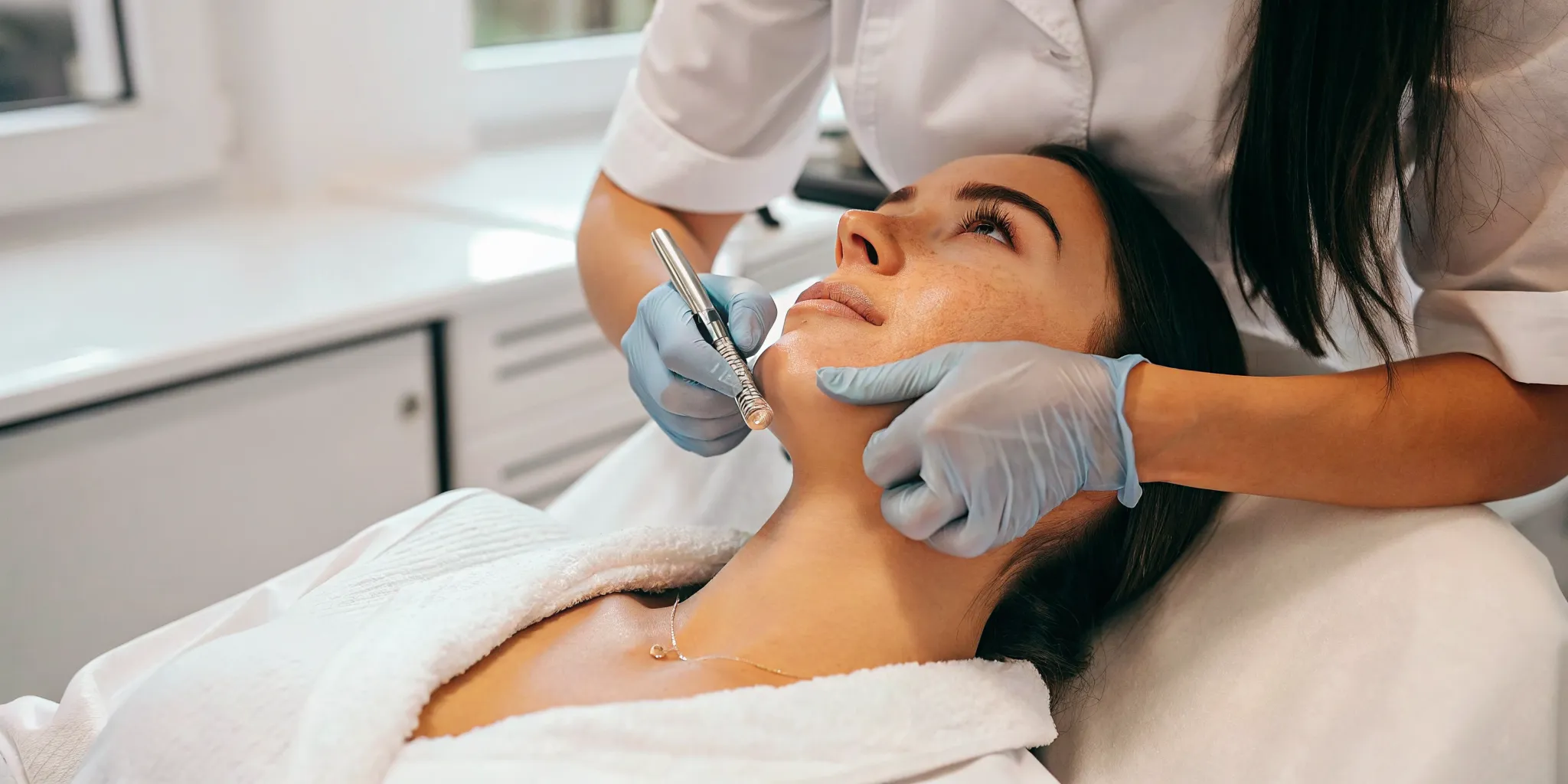
At its core, laser tattoo removal is a medical procedure that uses highly concentrated beams of light to break down the ink particles in your skin. When you get a tattoo, the ink particles are too large for your body’s immune system to carry away, which is why they stay put. The laser sends incredibly fast pulses of light energy into your skin, which are absorbed by the tattoo ink. This energy shatters the large ink particles into tiny fragments. Once they’re small enough, your body’s natural processes can flush them out, causing the tattoo to fade over time. It’s a gradual process that relies on your body’s own healing capabilities to finish the job the laser starts.
Which Lasers Work Best?
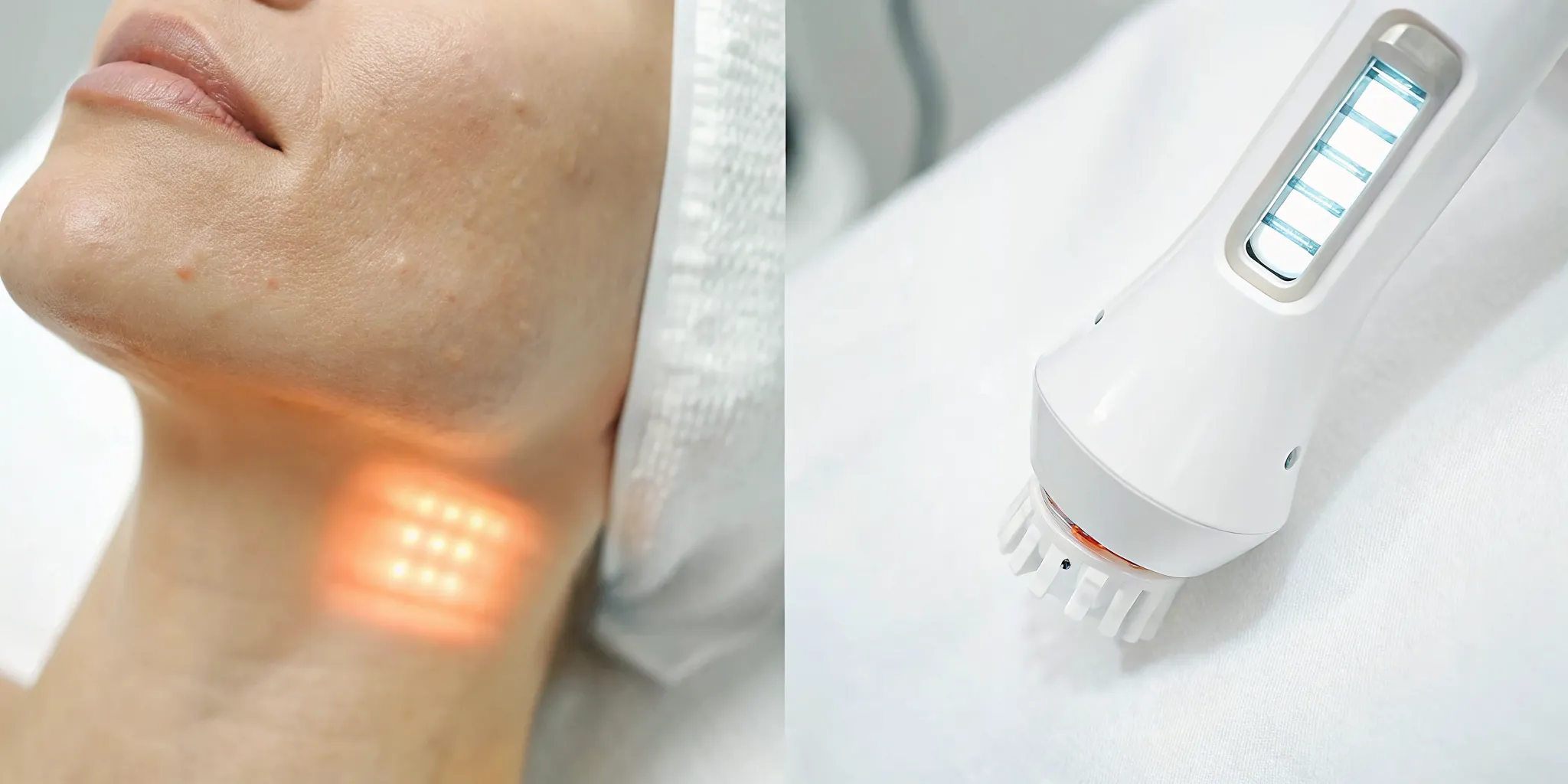
Not all lasers are created equal, especially when it comes to tattoo removal. For black ink, the most effective tools are Q-switched and Picosecond lasers. These are the industry standards because they are specifically designed to target pigment without damaging the surrounding skin. Picosecond lasers are a newer technology that delivers ultra-short pulses of energy, breaking the ink apart even faster and more efficiently. Using the right technology is key to achieving the best results, which is why we rely on these advanced treatments to give you a safe and effective experience. The right laser in the hands of a trained professional makes all the difference in your comfort and final results.
Why Black Ink Is Easier to Target
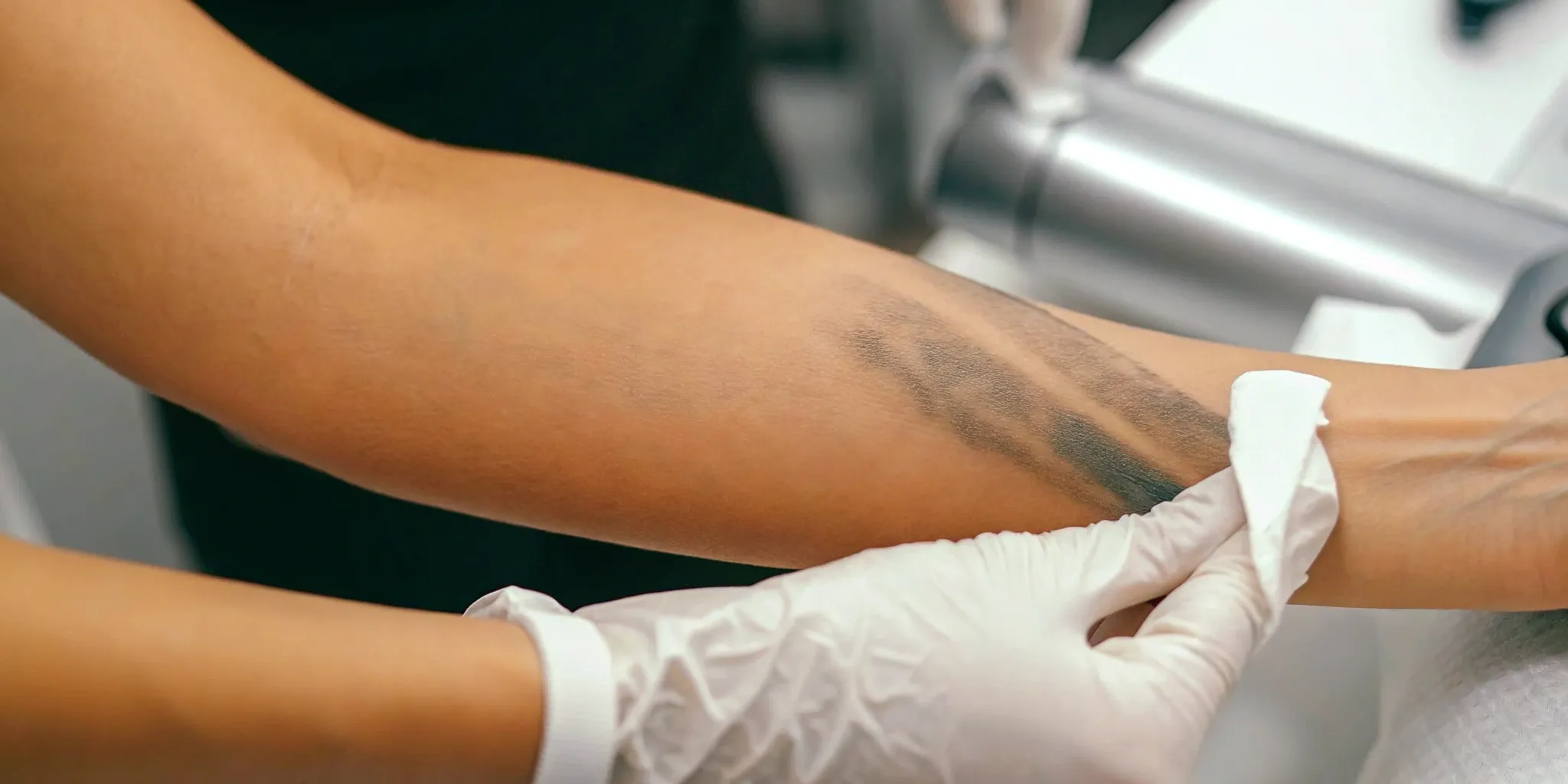
You may have heard that black ink is the easiest color to remove, and there’s a simple reason for that. Black ink is a great absorber of all wavelengths of light. Because it soaks up the laser’s energy so well, the laser can effectively shatter the ink particles without much trouble. Other colors, especially lighter ones like yellow or green, only absorb specific wavelengths, which can make them more challenging to treat. While black ink responds very well to treatment, “easier” doesn’t mean “instant.” It still requires multiple sessions to achieve clear skin, and the exact number depends on your specific tattoo, its age, and its density.
What to Expect During Your Treatment
Deciding to remove a tattoo is a big step, and it’s natural to have questions about the process. Knowing what happens from your first consultation to your final session can make the entire experience feel more comfortable and straightforward. We’ll walk you through each stage so you can feel confident and prepared.
Your Initial Consultation
Your journey begins with a one-on-one consultation. This first meeting is all about you and your tattoo. We’ll sit down to discuss your goals and assess the tattoo you want to remove. During your consultation, we look at factors like the size, age, and location of your tattoo to create a personalized tattoo removal plan. This is the perfect time to ask any questions you have. We’ll explain the technology we use, what you can expect for results, and the number of sessions you’ll likely need. Our goal is to make sure you have all the information you need to move forward with confidence.
A Step-by-Step Look at the Procedure
So, what actually happens during a session? Laser tattoo removal is a medical procedure that uses highly concentrated light beams to break down the ink particles in your skin. Think of the laser as a tool that shatters the large ink particles into tiny fragments. Once they’re small enough, your body’s natural immune system gets to work, clearing them away over time. Each session targets a new layer of ink, gradually fading the tattoo. The procedure itself is relatively quick, often lasting just a few minutes depending on the size of your tattoo. We’ll make sure you’re comfortable and informed every step of the way.
Keeping You Comfortable
We know a top question is, “Does it hurt?” Most people compare the sensation to a rubber band snapping against the skin—uncomfortable, but manageable. We use a cooling device during the treatment to help minimize any discomfort. After a session, you may experience reactions similar to a mild sunburn, including redness, swelling, and tenderness in the treated area. These effects are completely normal and typically subside within a few hours to a couple of days. We’ll give you detailed aftercare instructions to help your skin heal properly and keep you comfortable between appointments.
How Many Sessions Will You Need?
The number of sessions required is different for everyone. The effectiveness of laser tattoo removal can vary based on several factors, including the ink color and the tattoo’s age. While black ink generally responds very well to laser treatments, the total number of sessions can differ from person to person. Older tattoos, for instance, might fade faster than newer ones. During your consultation, we’ll give you a realistic estimate of how many treatments you’ll need to achieve your desired results. Our team is here to guide you through the process and help you get in touch with your goals.
What Affects Your Removal Success?
Getting rid of a tattoo isn’t a simple magic trick—it’s a process that depends on a unique mix of factors. While laser technology has come a long way, your final results are influenced by everything from the tattoo itself to your own body and lifestyle. Understanding these elements will help you set realistic expectations and work with your technician to create the most effective treatment plan. Think of it as a partnership between you, your technician, and your body.
Tattoo Age and Ink Density
Have you had your tattoo for a while? That could be good news. Older tattoos are often easier to remove because your body has already had years to naturally break down and fade the ink. A newer tattoo is still fresh and vibrant, meaning the ink particles are fully intact and will require more effort from the laser.
It’s also important to consider the ink density. While black ink is the easiest color for the laser to target, a tattoo with heavy, dense blackwork can be more challenging. If an artist packed a lot of ink into a small area, it will take more sessions to break down those concentrated particles compared to a tattoo with fine lines or soft shading.
How Your Skin Type Plays a Role
Your skin tone is a major factor in how we approach laser tattoo removal. Lasers work by targeting the pigment in the tattoo ink, but they can also be attracted to the melanin in your skin. For clients with darker skin tones, we have to be especially careful to use the right laser settings to target the ink without affecting the surrounding skin.
This is why it’s so important to work with an experienced professional who understands the science behind laser treatments. A skilled technician will tailor the procedure to your specific skin type, ensuring a safe and effective removal process while minimizing any risks. During your consultation, we’ll assess your skin to determine the best approach for you.
The Tattoo’s Location on Your Body
Where your tattoo is located on your body plays a surprisingly big role in how quickly it fades. Tattoos in areas with better circulation, like your chest, back, and neck, tend to respond faster to treatment. The increased blood flow helps your immune system carry away the shattered ink particles more efficiently.
On the other hand, tattoos on your hands, feet, and ankles are farther from your heart and have less blood flow. Because of this, they often take more sessions to remove completely. It’s not impossible to clear ink from these areas, but it’s helpful to know that a little extra patience might be needed.
The Importance of a Healthy Immune System
The laser is only half the equation. Its job is to break the large ink particles into tiny fragments, but it’s your body’s immune system that does the heavy lifting of clearing them away. After a laser session, your white blood cells get to work, engulfing these small ink pieces and flushing them out of your system.
This is why a strong, healthy immune system is one of your best assets during the tattoo removal process. If your body is healthy, it can focus its resources on healing the treated area and clearing the ink. A compromised immune system may lead to a slower fading process, as your body has less energy to devote to the task.
Lifestyle Habits That Make a Difference
You have more control over your tattoo removal success than you might think. Simple, healthy habits can make a significant impact on how quickly and effectively your body clears the ink. Staying well-hydrated is key, as water helps flush out the ink particles your immune system has broken down. Eating a balanced diet also gives your body the nutrients it needs to function at its best.
On the flip side, habits like smoking can hinder the process by constricting your blood vessels and reducing circulation, making it harder for your body to carry away the ink. By taking care of yourself, you’re actively supporting your treatment. If you have questions about how your lifestyle might affect your results, we can discuss them when you contact us for a consultation.
How to Prepare for Your Removal Sessions
Getting ready for laser tattoo removal involves more than just showing up for your appointment. A little preparation goes a long way in making the process smoother and more effective. By taking a few key steps beforehand, you set yourself up for the best possible results and a more comfortable experience from start to finish. Think of it as laying the groundwork for your skin’s fresh start. Here’s what you need to focus on before your first session.
Reviewing Your Medical History
Being open about your medical history is one of the most important things you can do. During your consultation, we’ll chat about your overall health because certain skin conditions or medications can influence how your skin responds to the laser. This conversation is completely confidential and helps us tailor the treatment specifically for you, ensuring it’s both safe and effective. It’s a crucial step to prevent complications and make sure you’re a great candidate for laser tattoo removal. Honesty here allows us to create a plan that truly works for your body.
Pre-Treatment Care and Guidelines
To get your skin ready for the laser, there are a few simple guidelines to follow. For a few weeks before your appointment, try to avoid direct sun exposure, tanning beds, and spray tans on the treatment area. Sunburned or tanned skin can be more sensitive and prone to side effects. You should also avoid lotions, creams, or perfumes on the area the day of your session. We’ll give you a full list of instructions, and following them closely helps with healing and reduces risks. Proper prep ensures the laser can do its job effectively on treatment day.
Understanding the Cost
It’s helpful to think of tattoo removal as an investment in yourself. The total cost can vary quite a bit because it depends on factors like the tattoo’s size, ink density, and location. A tiny black ink heart on your wrist will require a different investment than a larger, more saturated piece on your back. Because the process takes multiple sessions spaced several weeks apart, the cost is spread out over time. During your initial consultation, we’ll assess your tattoo and give you a clear estimate of the number of sessions you’ll likely need and the associated cost of treatment.
Setting Clear, Realistic Goals
Let’s talk about expectations. While modern lasers are incredibly effective, tattoo removal is a process of fading, not instant erasure. The goal is to get the best possible clearance, but it’s important to understand that some faint traces or “ghosting” of the tattoo might remain. The process takes time and patience, with results appearing gradually after each session. We’ll work with you to set realistic goals for your tattoo removal journey and track your progress along the way, so you know exactly what to expect as your old ink fades away.
Common Myths About Black Ink Removal
When it comes to tattoo removal, black ink has a reputation for being the easiest to handle. While there’s some truth to that, a lot of myths and misconceptions are floating around. Let’s clear the air and set the record straight on what you can really expect when saying goodbye to your black ink tattoo.
Myth: “It’s Always Easy to Remove”
While it’s true that black ink is generally the most straightforward color for lasers to address, “easy” isn’t always the right word. Black pigment is great at absorbing the full spectrum of laser light, which allows the laser to effectively shatter the ink particles. However, the success of laser tattoo removal also depends on how the tattoo was applied. Professional tattoos often use dense ink that’s placed deep within the skin’s dermal layer, making it more stubborn to remove. So, while it’s easier than, say, a vibrant yellow or blue, removing a black tattoo is still a complex process that requires expertise and patience.
Myth: “It Only Takes One or Two Sessions”
This is one of the most common misconceptions about tattoo removal. The process is a marathon, not a sprint. Laser treatments work by breaking down ink particles into smaller fragments that your body’s immune system can then flush away. This natural clearing process takes time, which is why sessions are typically scheduled six to eight weeks apart. While you’ll see fading after the first couple of treatments, achieving your desired results will almost always require a series of sessions over several months or even longer. The exact number depends on your tattoo’s age, size, and density, as well as your body’s unique response.
Myth: “The Pain is Unbearable”
Let’s be honest—laser tattoo removal isn’t completely painless. Many people describe the sensation as similar to a rubber band snapping against the skin. While it can be uncomfortable, it’s also very quick. More importantly, a professional medspa environment ensures your comfort is a top priority. At Ultimate Image MedSpa, we use advanced cooling methods to soothe the skin during treatment, and topical numbing creams can be applied beforehand to minimize discomfort. Most clients find the sessions to be far more manageable than they anticipated. You can always talk to our team about our approach to keeping you comfortable.
Myth: “It Will Vanish Completely”
While the goal of every treatment is to achieve the fullest possible removal, a 100% guarantee that a tattoo will vanish without a trace is unrealistic. Modern laser technology can produce amazing results, often fading a tattoo to the point where it’s virtually invisible. However, factors like the type of ink used, the depth of the ink, and your skin’s individual healing process can influence the final outcome. In some cases, a faint shadow or “ghost” of the original tattoo may remain. During your consultation, we’ll assess your tattoo and give you a realistic idea of the results you can expect from a personal treatment plan.
Myth: “It Works the Same on All Skin Types”
This is a dangerous myth. Tattoo removal is not a one-size-fits-all procedure, and skin type is a critical factor. Lasers work by targeting pigment, and in darker skin tones, the laser can have trouble distinguishing between the tattoo ink and the natural melanin in the skin. Using the wrong laser or an improper setting can lead to unwanted side effects like hyperpigmentation or hypopigmentation. That’s why it’s so important to choose a provider with experience in treating a diverse range of skin tones. We use specific laser wavelengths and techniques to ensure safe and effective tattoo removal for darker skin tones.
Your Guide to Aftercare and Safety
Taking care of your skin after a laser tattoo removal session is just as important as the treatment itself. Proper aftercare helps your skin heal efficiently, reduces the risk of side effects, and leads to the best possible results. Think of it as teamwork between you and your technician—they handle the laser, and you handle the healing. Following a solid aftercare plan ensures your skin recovers smoothly and stays healthy throughout your removal journey. It’s your key to minimizing discomfort and achieving that clean slate you’re looking for.
Immediate Post-Treatment Instructions
Right after your session, your skin will need a little TLC. It’s normal to see some redness, swelling, and tenderness in the treated area, much like a mild sunburn. Your technician will apply a soothing ointment and a bandage to protect it. For the first few days, your main job is to keep the area clean and dry. Gently wash it with mild soap and water, pat it dry—don’t rub—and reapply the recommended antibiotic ointment. This simple routine helps prevent infection and creates the perfect environment for your skin to begin its healing process.
How to Manage Common Side Effects
Feeling like you have a sunburn on the treated area is a common and expected side effect. Your skin might look a bit red, feel tender, and even be slightly raised or swollen. Blistering or scabbing can also occur as your body works to push out the fragmented ink particles. To manage any discomfort, you can apply a cold compress for about 10-15 minutes at a time. Over-the-counter pain relievers can also help, but it’s always a good idea to check with your provider first. These reactions are signs that the treatment is working and your body is healing as it should.
Protecting Your Skin Long-Term
As your skin heals, protecting it from the sun is non-negotiable. UV exposure can interfere with the healing process and increase your risk of hyperpigmentation (darkening of the skin) or hypopigmentation (lightening of the skin). Once any blisters or scabs have fully healed, make it a daily habit to apply a broad-spectrum sunscreen with an SPF of 30 or higher. Keeping the area well-moisturized with a gentle, fragrance-free lotion will also support skin health, prevent excessive dryness, and help the fading process along. This long-term care is crucial for preventing scarring and ensuring your skin tone remains even.
Activities to Pause During Healing
Giving your skin the space it needs to heal means putting a few activities on hold. For the first few days, avoid soaking the treated area in baths, hot tubs, or swimming pools to prevent infection. It’s also wise to skip intense workouts that cause heavy sweating, as this can irritate the sensitive skin. One of the most important rules is to resist the urge to pick or scratch any scabs that form. Picking at them can lead to scarring and infection, which will only delay your results. Let your body do its thing, and the scabs will fall off naturally when the skin underneath is ready.
When to Call a Professional
While most side effects are a normal part of the healing process, it’s important to know what isn’t. You should understand the possible side effects before you even begin your first session. If you notice signs of an infection, such as increased pain, excessive swelling, warmth, or pus, it’s time to call your provider. Similarly, if you have any concerns or feel like something just isn’t right, don’t hesitate to reach out. A good provider wants you to have a safe and successful experience. If you have any questions during your recovery, you can always contact us for guidance.
How to Choose the Right Provider
Choosing where to get your tattoo removed is just as important as deciding to get it removed in the first place. The right provider makes all the difference in your safety, comfort, and final results. Your skin is a big deal, so you want to put it in the hands of someone who truly knows what they’re doing. A great clinic will not only have the right tools but also the expertise to create a plan that works specifically for you and your tattoo. Think of it as finding a partner for your clear-skin journey—you want someone you can trust every step of the way.
Key Credentials to Look For
When you start your search, focus on experience and qualifications. You’re looking for a licensed professional, like a certified laser technician or a dermatologist, who specializes in tattoo removal. An experienced specialist can properly assess your tattoo and skin type to recommend the safest, most effective approach. Don’t be shy about asking about their training and how many removal procedures they’ve performed. A reputable provider will be happy to share their credentials and show you a portfolio of their work. This is your chance to ensure you’re working with a true expert who understands the nuances of skin and ink.
The Technology They Use
The type of laser used in your treatment is a critical piece of the puzzle. Outdated equipment can lead to poor results or, even worse, skin damage. Clinics that invest in modern, state-of-the-art technology are showing a commitment to patient safety and effectiveness. Advanced laser tattoo removal technology is designed to target ink pigment precisely while minimizing impact on the surrounding skin. This precision is what helps you get the best possible results on your journey to clear skin. During your consultation, always ask what kind of laser they use and why it’s the right choice for your black ink tattoo.
Questions You Should Always Ask
Your consultation is the perfect time to get all your questions answered and make sure you feel comfortable. A good provider will encourage you to ask anything that’s on your mind.
Here are a few essential questions to start with:
- What type of laser will you use for my tattoo?
- Based on my tattoo and skin type, how many sessions do you think I’ll need?
- What are the potential side effects, and how do you manage them?
- Can I see before-and-after photos of clients with similar tattoos and skin tones?
- What is the total estimated cost of the full removal process?
Asking these questions helps you understand the process and sets clear expectations from the beginning.
Creating Your Personal Treatment Plan
Tattoo removal is never a one-size-fits-all service. Several factors—like the tattoo’s age, size, location, and ink density—influence how the removal process will go. A thorough provider will consider all these details to create a personalized treatment plan just for you. This plan should outline the recommended number of sessions, the timeline, and the aftercare instructions you’ll need to follow. This customized approach ensures that your treatment is tailored to your specific needs, giving you the highest chance of success. It’s a clear sign that your provider is dedicated to delivering results safely and effectively.
Your Recovery and Results Timeline
Knowing what to expect after your laser tattoo removal sessions is just as important as knowing what happens during them. Your body does the incredible work of flushing out the ink particles between appointments, and how you care for your skin during this time directly impacts your final results. Let’s walk through the recovery process so you can feel confident and prepared every step of the way.
What to Expect Immediately After Treatment
Right after your session, it’s completely normal for the treated area to look and feel like a mild sunburn. You can expect some redness, swelling, and tenderness. This is a positive sign that your body’s natural healing process is kicking into gear. Your technician will apply a soothing ointment and bandage to protect the area. While it might feel a little sensitive, this initial reaction usually calms down within a day or two. Think of it as the first step your body is taking to clear away the unwanted ink from your laser tattoo removal treatment.
The Healing Process Week by Week
In the first few days, the initial redness and swelling will subside. You might notice some blistering, which is a normal part of the healing process for some people. As the week progresses, the area will begin to scab or crust over. It’s so important to resist the urge to pick or scratch at the scabs, as this can lead to scarring and affect your results. Just let your body do its thing! The area will naturally peel and flake away over one to two weeks. Keeping the area clean and following your aftercare instructions is key during this phase.
How to Track Your Progress
Patience is your best friend during the tattoo removal journey. The results are gradual, with the tattoo fading more and more after each session. A great way to see the changes is by taking a photo of your tattoo before each appointment. When you compare the pictures over time, you’ll be amazed at how much the ink has faded. It’s also important to set realistic goals. While modern lasers are incredibly effective, complete removal can depend on various factors. You can always discuss your personal treatment plan with your specialist to understand what to expect for your specific tattoo.
Maintaining Healthy Skin Post-Removal
Following the aftercare instructions your specialist gives you is crucial for a smooth recovery and beautiful results. The two most important things you can do are keeping the skin moisturized and protected from the sun. Applying a recommended ointment helps the skin heal and prevents it from drying out. When you go outside, always cover the treated area or apply a broad-spectrum sunscreen with a high SPF. Sun exposure can cause skin discoloration and interfere with the healing process. For more detailed information, our complete guide to the process offers additional tips for keeping your skin healthy.
Related Articles
- Laser Tattoo Removal | Everything You Need to Know
- Laser Tattoo Removal | Everything You Need to Know
Frequently Asked Questions
How long will the entire tattoo removal process take? The total time varies for everyone because it’s a gradual fading process, not a quick fix. Sessions are typically scheduled six to eight weeks apart to give your body enough time to heal and flush out the shattered ink particles. The total number of sessions you’ll need depends on your tattoo’s size, age, and ink density, so the full journey could take several months to over a year.
Will my tattoo be completely gone when I’m finished? The goal is always to achieve the clearest skin possible, and modern lasers can fade a tattoo to the point where it’s virtually invisible. However, it’s important to have realistic expectations. Factors like the original ink quality and your skin’s healing response can influence the final outcome. In some cases, a faint shadow of the original tattoo, often called “ghosting,” may remain.
I have a darker skin tone. Is laser removal still a safe option for me? Yes, laser tattoo removal can be performed safely on darker skin tones, but it requires a provider with specific expertise. The laser targets pigment, so an experienced technician must use the correct settings to focus on the tattoo ink without affecting the natural melanin in your skin. This ensures the treatment is both safe and effective while minimizing any risk of skin discoloration.
What can I do to get the best possible results from my treatments? You play a huge role in your own success. The best thing you can do is support your body’s immune system, which does the heavy lifting of clearing the ink. Staying hydrated, eating well, and avoiding smoking can make a real difference. Following your aftercare instructions, especially protecting the treated area from the sun, is also essential for proper healing and achieving an even skin tone.
Why do I have to wait so long between appointments? That waiting period is when the real magic happens. The laser’s job is to break the large ink particles into tiny fragments, but it’s your body’s immune system that actually removes them. The six to eight weeks between sessions gives your body the time it needs to heal the skin and effectively flush those ink particles out of your system, which is what causes the tattoo to fade.