For years, the beauty industry sent a clear message: laser hair removal was primarily for people with light skin and dark hair. This left many with beautiful, deep skin tones feeling left out or, worse, at risk of unsafe treatments from outdated technology. That era is officially over. The development of advanced lasers, particularly the Nd:YAG system, has completely changed the game, making the procedure safer and more effective than ever before. It’s no longer a question of if it works, but how to get the best possible results. This article is your definitive guide to modern laser hair removal for dark skin, explaining the technology that makes it possible and the steps you can take to achieve smooth, hair-free skin safely.
Key Takeaways
- Confirm the Laser Technology is Safe for Your Skin Tone: The Nd:YAG laser is the gold standard for dark skin because its longer wavelength targets the hair follicle without affecting the surrounding pigment. Always ask what type of laser a provider uses and avoid unsuitable technologies like IPL.
- A Skilled Provider is as Crucial as the Machine: Your safety and results depend on the technician’s expertise. A qualified specialist will always perform a patch test, identify your Fitzpatrick skin type, and use a laser with an integrated cooling system to protect your skin.
- Your Pre- and Post-Treatment Care is Essential: Following the right steps before and after your appointment directly impacts your outcome. Avoid sun exposure, only shave the treatment area (never wax or pluck), and stick to the recommended aftercare routine to ensure the best possible results.
Is Laser Hair Removal Safe for Dark Skin?
Let’s get straight to it: Yes, laser hair removal is absolutely safe for dark skin, but with a major condition—it has to be done correctly. The horror stories you might have heard about burns, scars, or skin discoloration were often the result of outdated technology or inexperienced technicians. Thankfully, the industry has made huge strides. Modern lasers are specifically designed to work effectively and safely on melanin-rich skin, so you can achieve smooth, hair-free results without the risk.
The key is finding a provider who understands the science behind treating darker skin tones. They need to use the right equipment and have the expertise to select the perfect settings for you. When you’re in the hands of a skilled professional, you can feel confident that you’re getting a safe and effective treatment. It’s all about pairing advanced technology with a specialist who truly gets your skin.
What is the Fitzpatrick Scale?
You’ll probably hear your technician mention the Fitzpatrick scale during your consultation, and it’s a great tool to know about. Developed in the 1970s, this scale classifies skin types based on their reaction to UV light. It ranges from Type I (very fair skin that always burns) to Type VI (deeply pigmented dark skin that never burns). This system is crucial for laser treatments because it helps your provider determine the safest and most effective approach. If your skin falls into Type IV or higher, extra care is essential. A knowledgeable specialist will use your Fitzpatrick type to customize the laser settings, ensuring the energy targets the hair follicle, not your skin.
How Melanin Impacts Laser Treatments
So, why does skin tone matter so much? It all comes down to melanin, the pigment that gives your skin, hair, and eyes their color. Laser hair removal works by sending a concentrated beam of light that’s absorbed by the melanin in the hair follicle, which damages it and prevents future growth. In darker skin, there’s more melanin present in the skin itself, not just the hair. This can make it tricky for older or less advanced lasers to tell the difference between the pigment in your hair and the pigment in your skin. Using the wrong laser can lead to the energy being absorbed by the skin, which is what causes burns or discoloration. That’s why a specialized laser is non-negotiable for darker skin tones.
Busting Common Myths
There’s a lot of misinformation out there, so let’s clear a few things up. One of the biggest myths is that laser hair removal simply doesn’t work on dark skin. That’s completely false. With the right technology, it can be incredibly effective. Another common fear is that burns and scars are inevitable. While using the wrong laser can certainly cause serious issues, these risks are minimized when you see a qualified provider. A true professional knows how to protect your skin. The most important thing is to do your research and not just go for the cheapest deal you can find. Your skin’s health is worth the investment in a reputable medspa.
Why You Need a Specialist
This isn’t the time to bargain-hunt. When it comes to laser hair removal for dark skin, the person operating the laser is just as important as the machine itself. A trained and experienced specialist will conduct a thorough consultation, assess your skin using the Fitzpatrick scale, and choose the right laser for you. They will also know to use essential safety features, like a built-in cooling device. These systems spray a burst of cold air onto the skin just before the laser pulse, keeping you comfortable and protecting the surface layer of your skin from the heat. This simple but critical step makes the treatment safer and more pleasant. You can ask us any questions you have during a free consultation.
Find the Best Laser for Your Skin Tone
Not all lasers are created equal, and when it comes to treating dark skin, the technology used is everything. The wrong laser can be ineffective at best and harmful at worst. The key is finding a laser that can distinguish between the melanin in your skin and the melanin in your hair follicle. This ensures the laser’s energy targets the hair, not your skin, preventing burns and discoloration. Understanding the different types of lasers will empower you to ask the right questions and choose a provider who uses the safest, most effective equipment for your beautiful skin.
The Power of Nd:YAG Lasers
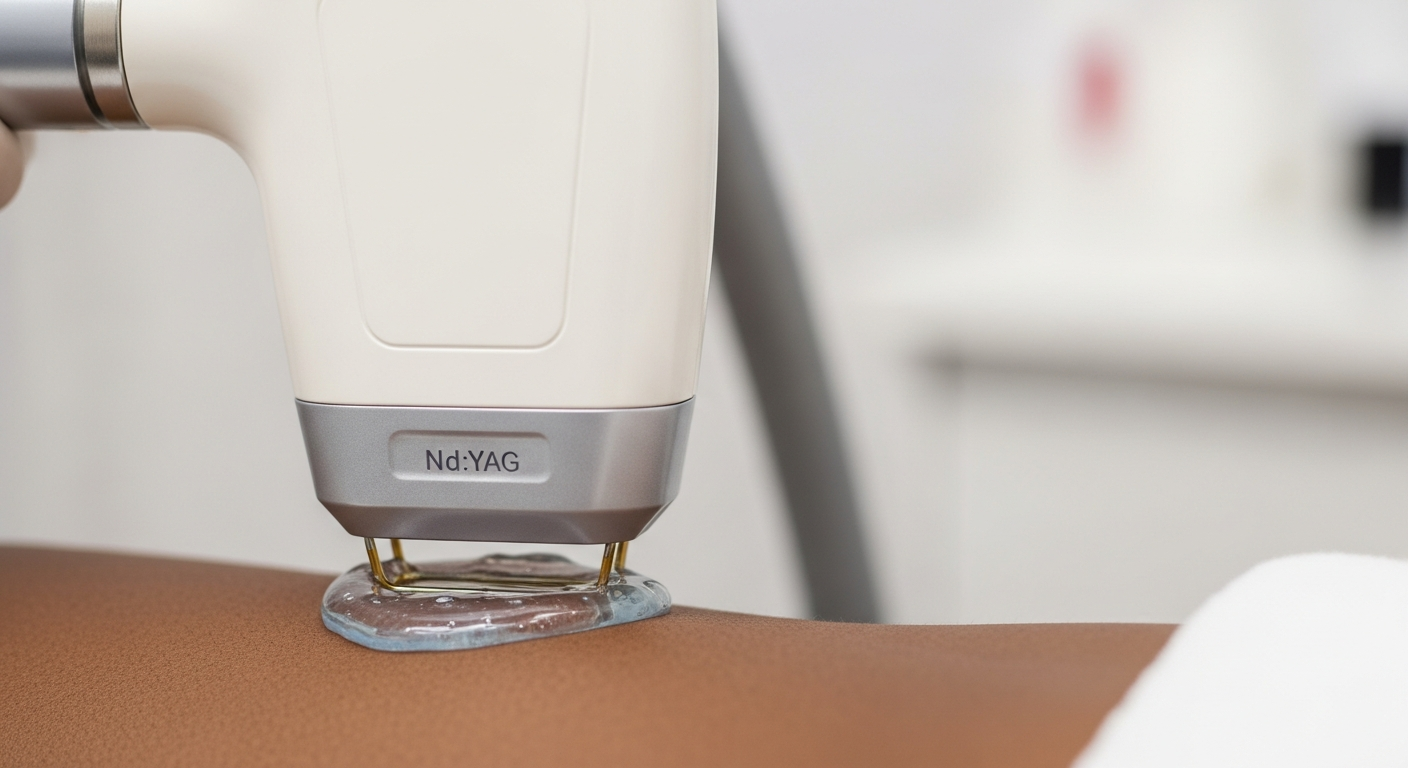
If you have dark skin, the Nd:YAG laser is your best friend. This laser is widely considered the gold standard for Fitzpatrick skin types IV through VI because of its unique properties. It uses a longer wavelength that allows it to bypass the melanin in the top layer of your skin and penetrate deeper to target the hair follicle directly. This significantly reduces the risk of burns, scarring, or pigmentation issues. It’s highly effective on coarse, dark hair, making it a reliable and safe choice for achieving smooth, hair-free skin without compromising your skin’s health.
When to Consider Diode Lasers
The Diode laser is another option that can work for some darker skin tones. It also uses a longer wavelength than older technologies, allowing it to target the hair follicle with more precision. It can be effective for both coarse and finer hair. However, its safety is generally recommended for skin types up to Fitzpatrick V. While it can be a great choice, the Nd:YAG laser remains the safest and most universally recommended option for the darkest skin tones. A skilled technician can help determine if a Diode laser is a suitable alternative for you during a personalized consultation.
Laser Technologies to Avoid
This part is crucial: there are some laser technologies you should absolutely steer clear of if you have dark skin. Intense Pulsed Light (IPL) is not a true laser and should be avoided, as it uses a broad spectrum of light that can easily be absorbed by the melanin in your skin, leading to burns. Similarly, the Alexandrite laser has a shorter wavelength that is highly attracted to melanin, making it unsafe for dark skin. Using the wrong technology isn’t just a waste of money—it can cause serious and sometimes permanent damage, including burns, blisters, and hyperpigmentation.
Key Safety Features to Look For
A top-tier laser is only half of the equation; it needs to be paired with the right safety features. One of the most important is an integrated cooling system. Advanced lasers use devices that blast cold air or have a chilled tip that touches your skin right before the laser pulse. This cooling mechanism is essential for protecting the epidermis and keeping you comfortable throughout the treatment. When you’re looking for a provider, always ask about their cooling technology. It’s a clear sign that they prioritize both your safety and your results for laser hair removal.
How to Prepare for Your First Session
Feeling prepared for your first laser hair removal session can make all the difference. Knowing what to do beforehand not only helps you feel more comfortable but also ensures you get the safest, most effective treatment possible. Proper preparation minimizes risks and sets the stage for the smooth, hair-free skin you’re looking for. From your initial consultation to the day of your appointment, each step is designed to protect your skin and maximize your results.
Think of this as your personal guide to getting ready. We’ll walk through what happens during your first meeting with a specialist, why a patch test is so important, and exactly how to get your skin ready for treatment. We’ll also talk about what to realistically expect from the process and provide a simple checklist to follow. Taking these steps seriously is key to a successful laser hair removal journey, especially for beautiful, melanin-rich skin. Let’s get you ready for your first appointment.
What to Expect at Your Consultation
Your consultation is the first and most important step. This is your chance to meet with a qualified provider, ask all your questions, and make sure you feel comfortable. During this meeting, the specialist will analyze your skin and hair type to confirm you’re a good candidate. They’ll also discuss your goals and map out a personalized treatment plan. A great provider will explain how the laser works and describe the cooling system they use, which is essential for protecting your skin during the treatment. This initial conversation is all about creating a plan that’s right for you and ensuring you feel confident moving forward. Ready to start the conversation? You can schedule a consultation to get personalized advice.
The Importance of a Patch Test
A patch test is non-negotiable, especially for darker skin tones. During this quick test, the provider will treat a small, discreet area of your skin with the laser. This allows them to see how your skin reacts and determine the most effective and safest settings for your full treatment. It’s a critical safety measure. Using the wrong laser or an incorrect setting on dark skin can lead to serious issues like burns, scars, or changes in skin pigmentation. The patch test helps prevent these problems by confirming that the chosen technology is a perfect match for your skin, giving both you and your provider peace of mind before proceeding with the full session.
How to Prep Your Skin
Getting your skin ready for laser hair removal is simple but crucial. First, you’ll need to adjust your skincare routine. For about a week before your appointment, avoid any harsh products on the treatment area, including retinoids, alpha-hydroxy acids (AHAs), or beta-hydroxy acids (BHAs). These ingredients can make your skin more sensitive and increase the risk of irritation. Then, you’ll need to shave the area 24 to 48 hours before your session. The laser needs to target the hair follicle beneath the skin, and shaving ensures the energy is delivered directly where it needs to go without singing any hair on the surface.
Set Realistic Expectations
It’s helpful to understand that laser hair removal is a process, not a one-time fix. Because your hair grows in different cycles, you will need a series of treatments to see the best results. Most people require multiple sessions, typically spaced four to six weeks apart, to effectively target each hair follicle during its active growth phase. You’ll likely notice a reduction in hair after your first appointment, but achieving that final, smooth result takes time and consistency. Patience is key, and sticking to your recommended treatment schedule will give you the lasting outcome you’re hoping for.
Your Pre-Treatment Checklist
To make things easy, here’s a simple checklist of what to do before your appointment. Following these guidelines is the best way to ensure your skin is perfectly prepped for a safe and effective treatment.
- Avoid the sun: Stay out of direct sunlight and skip the tanning beds for at least two weeks before your session. Your skin needs to be at its natural base color for the laser to work correctly.
- Shave, don’t pluck: Shave the treatment area a day or two before your appointment. Do not wax, pluck, or use any hair removal methods that pull the hair out from the root. The follicle needs to be intact for the laser to target it.
- Go natural: Arrive at your appointment with clean skin. Avoid applying any lotions, creams, deodorants, or oils to the area that will be treated.
What Happens During and After Your Treatment
Knowing what to expect can make your laser hair removal experience feel much more comfortable and straightforward. From the moment you settle in for your session to the aftercare routine you’ll follow at home, we’ve got you covered. Here’s a step-by-step look at the treatment process and how to care for your skin afterward to ensure you get those smooth, beautiful results you’re looking for.
During Your Appointment
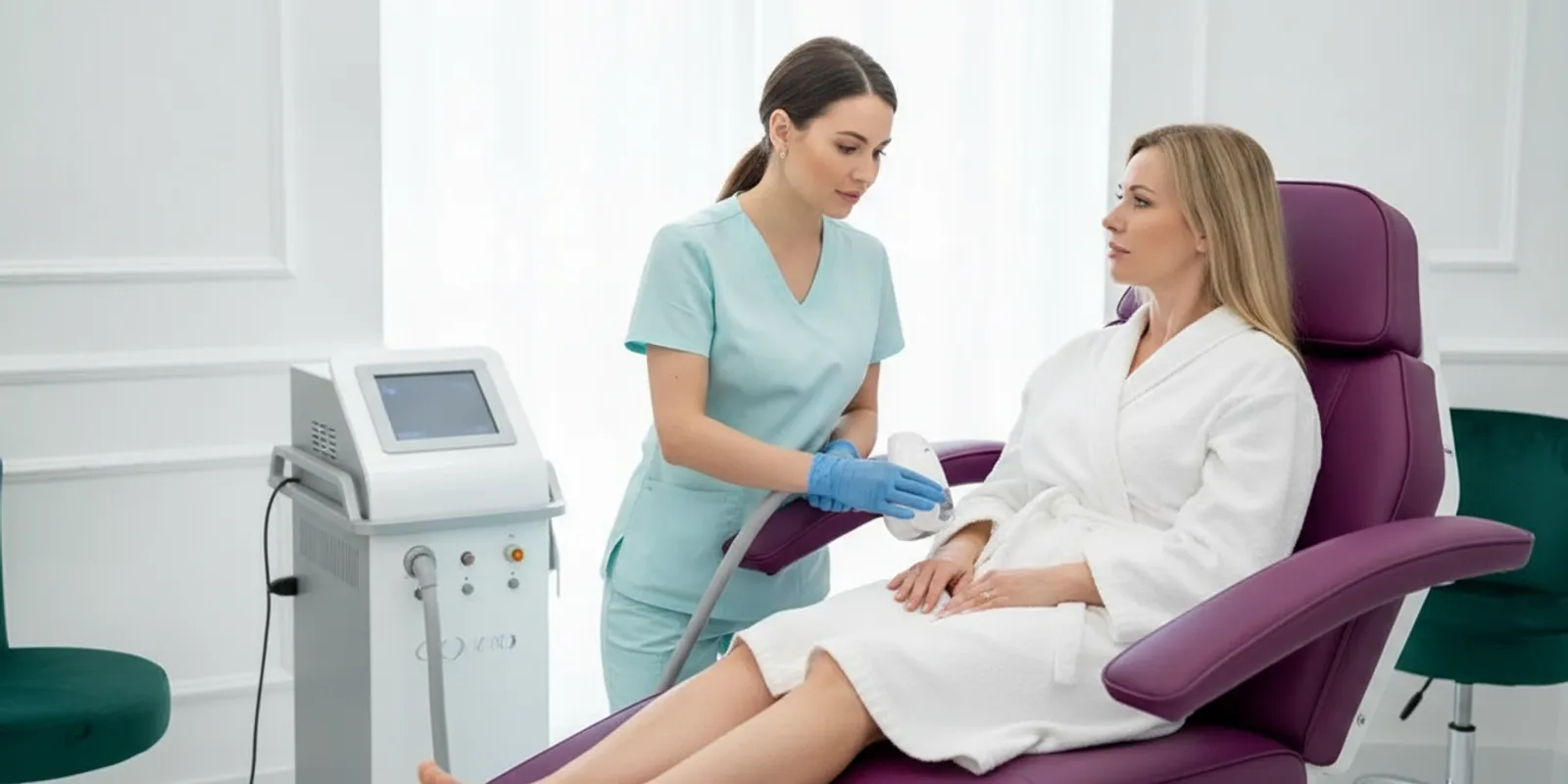
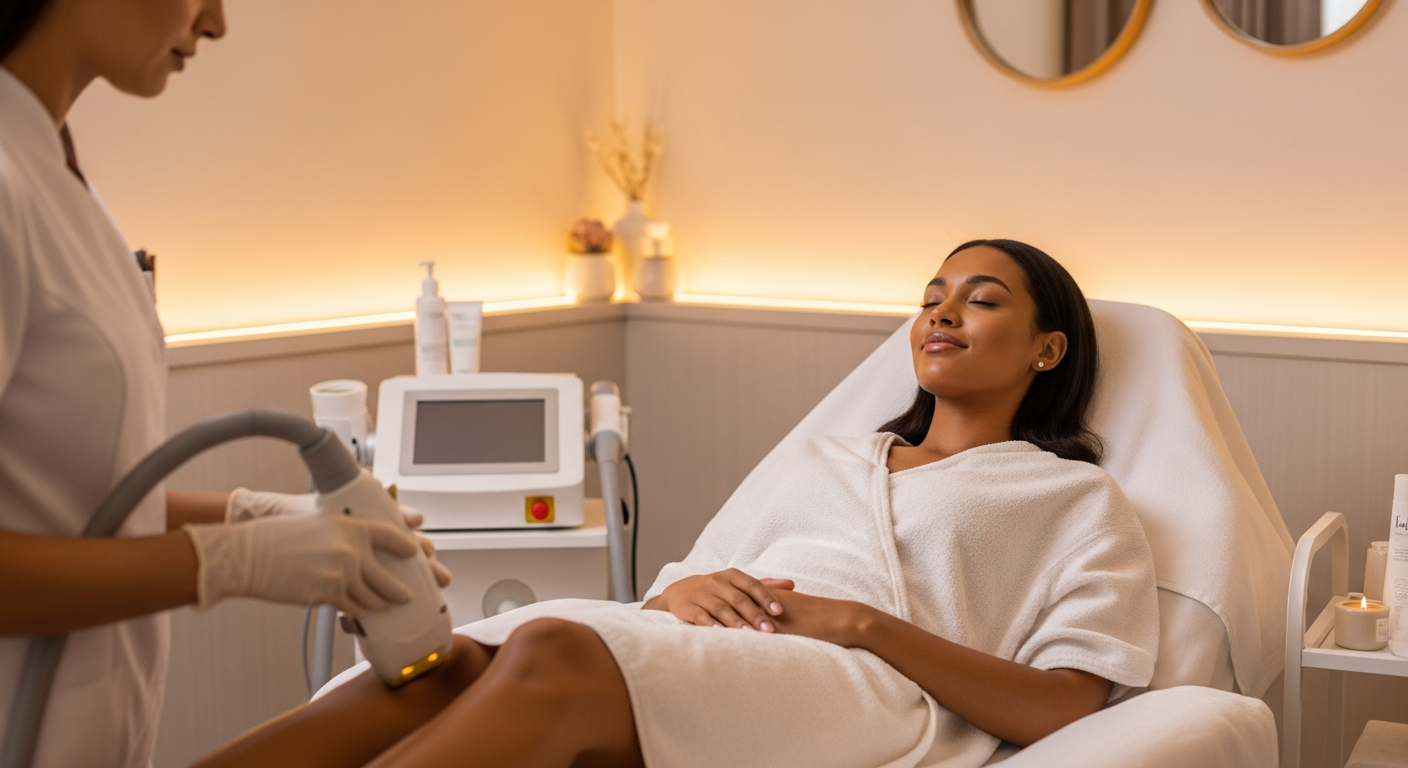
Once you’re settled in a private treatment room, your technician will cleanse the area and provide you with protective eyewear. During the session, they will use a handheld laser device that glides over your skin. To keep you comfortable, we use a built-in cooling system that sends a chill to your skin right before the laser pulse. This helps minimize any discomfort and protects the surface of your skin. The entire process is relatively quick, though the exact time depends on the size of the area being treated—underarms might only take a few minutes, while legs will take longer.
Staying Comfortable During Treatment
Most people describe the sensation of the laser as a quick, warm snap, similar to a rubber band flicking against the skin. It shouldn’t be painful, and your comfort is our top priority. At Ultimate Image MedSpa, we use state-of-the-art lasers like the Nd:YAG, which is specifically designed to be safe and effective for darker skin tones. This technology targets the hair follicle without overheating the surrounding skin, making the treatment much more comfortable. If you ever feel more than a slight snap, be sure to let your technician know so they can make adjustments. Open communication ensures your laser hair removal experience is a positive one.
Your Aftercare Routine
After your session, your skin might feel a little warm and appear slightly red, similar to a mild sunburn. This is completely normal and usually fades within a few hours. To help soothe your skin, you can apply aloe vera gel or use a cool compress. For the next two weeks, it’s important to treat your skin gently. Avoid direct sun exposure, tanning beds, hot tubs, and saunas. You should also hold off on using any harsh products like retinoids or exfoliants on the treated area and skip waxing or tweezing—shaving is fine if you need it!
How to Handle Potential Side Effects
While significant side effects are rare with the right technology and technician, your skin may feel a bit sensitive. If you experience any lasting itching or a burning sensation, an over-the-counter hydrocortisone cream can provide relief. It’s also a good idea to let your nurse know at your next visit so they can adjust the laser settings if needed. Your safety and results are what matter most, so never hesitate to contact us if you have any questions or concerns after your treatment. We’re here to support you through every step of the process.
The Golden Rule: Sun Protection
This is the most important rule of aftercare, especially for melanin-rich skin. Laser treatments make your skin more sensitive to UV rays, and sun exposure can increase the risk of hyperpigmentation (dark spots). To protect your skin and your results, make sunscreen your best friend. Apply a broad-spectrum SPF 30 or higher to the treated area every single day, even if it’s cloudy. This simple step will not only help you heal properly but will also ensure your skin tone remains even and beautiful long after your treatments are complete.
How to Find a Qualified Provider
Finding the right person to perform your laser hair removal is the single most important step in this process, especially when you have a darker skin tone. The right provider means the difference between smooth, beautiful skin and a painful, damaging experience. Your safety and results are directly tied to the expertise of the person operating the laser. Think of this as hiring a specialist for a very important job—because that’s exactly what it is. You want someone who not only has the right tools but also the deep knowledge to use them correctly on your specific skin type. This isn’t the time to bargain hunt; it’s the time to prioritize skill and safety above all else. A great provider will make you feel comfortable, informed, and confident from the very first conversation.
At Ultimate Image MedSpa, we believe everyone deserves to feel confident in their care. Our team is highly trained in treating a diverse range of skin tones, and we’re committed to providing safe and effective laser hair removal for our clients. We prioritize a thorough consultation process to ensure you get the personalized treatment you deserve, taking the time to understand your skin and your goals before we even begin.
Check for These Qualifications
When you’re vetting a potential provider, look for a few key indicators of quality and safety. First, a qualified clinic will use a laser equipped with a cooling system, like cold air or a cryo spray. This is non-negotiable, as it protects the surface of your skin from the laser’s heat, making the treatment safer and more comfortable. Also, ask about the technicians’ training and certifications. They should have extensive experience working with darker skin tones and be able to confidently explain their process. A professional environment, clean facilities, and a medically supervised setting are also great signs that you’re in good hands.
Questions You Should Always Ask
Your consultation is your opportunity to interview your potential provider. Don’t be shy—a great technician will welcome your questions and answer them clearly.
Here’s a list of questions to have ready:
- What is my Fitzpatrick skin type?
- What kind of lasers do you have, and which one will you use on my skin?
- What wavelength will you be using?
- What cooling method does your laser use?
- How much experience do you have treating clients with my skin tone?
Their answers will tell you everything you need to know. If they can’t identify your skin type on the Fitzpatrick scale or seem unsure about the technology they use, it’s a sign to walk away. A confident, knowledgeable provider will have this information ready. Ready to ask us? You can schedule a consultation with one of our experts today.
Red Flags to Watch Out For
Just as there are green flags, there are also major red flags to be aware of. Be cautious of any place that offers deals that seem too good to be true. Extremely low prices can sometimes indicate undertrained staff or outdated, unsuitable equipment. Using the wrong laser or an incorrect setting on darker skin can lead to serious issues like burns, blisters, scars, and permanent discoloration. If a provider seems to rush your consultation, dismisses your concerns, or can’t give you straight answers to your questions, trust your gut and find someone else. Your skin is not something to gamble with.
Breaking Down the Cost
Let’s talk about the investment. The cost of laser hair removal can vary widely depending on the size of the treatment area, your location, and the number of sessions you’ll need. A small area like the upper lip might be relatively inexpensive per session, while full legs will cost more. Many clinics offer packages for multiple sessions, which can provide significant savings over paying for each one individually. For example, a package of treatments for a large area could be a couple of thousand dollars. It’s best to think of this as an investment in yourself and in a long-term solution. We offer a variety of treatment options and can work with you to find a plan that fits your goals.
Get the Best Possible Results
Getting incredible results from laser hair removal is a team effort between you and your provider. While the in-office treatments are the main event, what you do between appointments is just as important for achieving that permanently smooth skin you’re after. It’s all about following a smart timeline, caring for your skin properly, and planning for the future. By adopting a few simple habits, you can make sure every session counts and that your results are not just good, but truly fantastic and long-lasting. Let’s walk through the steps you can take to support your skin’s journey to becoming hair-free.
Follow the Right Treatment Timeline
Patience is a virtue, especially with laser hair removal. This isn’t a one-and-done treatment. Because your hair grows in different cycles, you’ll need a series of sessions to effectively target every follicle while it’s in its active growth phase. Typically, appointments are scheduled four to six weeks apart. Sticking to this schedule is crucial for catching the hair at the right time. Missing or delaying an appointment can set your progress back, so it’s best to book your sessions in advance and treat them as non-negotiable. This consistency is the key to making your laser hair removal treatment as effective as possible.
Caring for Your Skin Between Sessions
Think of your skin as a canvas that needs to be prepped. In the week or so leading up to your appointment, avoid using harsh skincare products on the treatment area. This includes anything with retinoids, alpha-hydroxy acids (AHAs), or beta-hydroxy acids (BHAs), as they can make your skin more sensitive. After your session, your skin will need a little TLC. You can apply cool compresses to soothe any redness or warmth. Stick to a mild cleanser and wear loose, soft clothing to prevent any irritation. Proper skin care ensures a smoother process and helps you heal quickly, getting you ready for your next session.
Plan for Long-Term Maintenance
While laser hair removal offers a significant, long-term reduction in hair, it’s best to think of it as “hair reduction” rather than “hair removal.” Hormonal changes or simply stubborn follicles can cause new hair to pop up over time. Most people find that a yearly touch-up session is all they need to keep their skin perfectly smooth. Planning for this long-term maintenance from the start helps set realistic expectations. You can always contact us to discuss a maintenance plan that works for you, ensuring your beautiful results are here to stay for years to come.
Tips for Lasting Smoothness
A few extra steps can make a world of difference in your final results. One of the most important rules is to protect your skin from the sun. Avoid direct sun exposure and tanning beds for at least two weeks before and after your treatment. Sun exposure can increase the risk of side effects, so make SPF your best friend. You can also incorporate brightening products with ingredients like Vitamin C or Niacinamide into your daily routine to help with any pigmentation, but be sure to skip them on the day of your treatment. These small habits help maintain an even skin tone and support the effectiveness of your skin treatments.
Track Your Progress
Staying consistent with your appointments is the best way to get the results you want. It can be helpful to take photos in the same lighting every few weeks to see how far you’ve come—sometimes progress is so gradual, you don’t notice it day-to-day! Focus on the primary goal first: getting rid of the unwanted hair. If you have other concerns, like dark spots or uneven texture, those can be addressed after your initial series of treatments is complete. By sticking to the plan, you’ll be on the fastest track to the smooth, clear skin you’ve been dreaming of.
Related Articles
Frequently Asked Questions
How many treatments will I actually need to be completely hair-free? While everyone is a bit different, most people need a series of sessions to achieve their desired results. This is because the laser can only target hair that’s in its active growth phase. Since your hair isn’t all on the same schedule, you’ll typically need multiple appointments, usually spaced about four to six weeks apart, to catch every follicle at the right time. It’s a process, but sticking to the recommended schedule is the surest way to get that lasting smoothness.
Does laser hair removal hurt on dark skin? This is one of the most common questions, and the honest answer is that it shouldn’t be painful. Most people describe the feeling as a quick, warm snap, like a rubber band flicking against the skin. A key reason for this is the advanced cooling technology built into modern lasers. This system chills your skin right before the laser pulse, which protects the surface and keeps you comfortable. If you ever feel more than a minor snap, your technician can adjust the settings.
Why is an Nd:YAG laser so important for my skin tone? Think of the Nd:YAG laser as the gold standard for melanin-rich skin. It uses a longer wavelength of light that is smart enough to bypass the pigment in your skin and travel deeper to target the hair follicle directly. This is incredibly important because it drastically reduces the risk of burns or discoloration. Older technologies can’t always tell the difference between the melanin in your skin and the melanin in your hair, which is what leads to problems. The Nd:YAG is simply the safest and most effective choice.
What happens if I get sun exposure between my appointments? Protecting your skin from the sun is the most important rule. If you get a tan or a sunburn, your skin becomes more sensitive and contains more active melanin. This makes it difficult for the laser to distinguish between your skin and the hair follicle, which significantly increases the risk of burns and hyperpigmentation. For your safety, your technician would have to postpone your treatment until your skin returns to its natural color, which can delay your results.
Is it okay to shave between my laser sessions? Yes, shaving is perfectly fine and is actually the only method of hair removal you should use between your appointments. The laser needs the hair follicle to be intact under the skin to work, so you must avoid waxing, tweezing, or using depilatory creams. These methods pull the hair out from the root, leaving nothing for the laser to target. Shaving simply trims the hair at the surface, which is exactly what’s needed for a safe and effective treatment.