When it comes to any cosmetic treatment, your safety should always be the top priority. While laser hair removal is a well-established and widely used procedure, its success and safety hinge on one crucial element: the person performing it. The expertise of your technician and the quality of the equipment make all the difference. So, when you ask, “is laser hair removal safe?” the answer is directly linked to choosing a qualified, medically supervised provider. This guide will not only explain how the treatment works but will also empower you with the knowledge to select the right professional for your needs.
Key Takeaways
- Success Depends on Pigment and Timing: Laser hair removal works by targeting the dark pigment in hair follicles. Because it’s only effective on hairs in their active growth phase, a series of treatments is essential to catch every follicle at the right time for smooth, long-term results.
- Your Provider Is Your Most Important Decision: The safety and quality of your treatment depend almost entirely on the person operating the laser. Prioritize certified professionals with medical supervision and use your consultation to verify their experience with your specific skin type.
- Preparation and Realistic Goals Are Non-Negotiable: Proper prep, like avoiding sun exposure and waxing before your appointment, is crucial for a safe and effective treatment. It’s also important to view the outcome as significant hair reduction that may require occasional future touch-ups.
How Does Laser Hair Removal Actually Work?
If you’re picturing a sci-fi movie scene with zap guns, let’s clear things up. The reality of laser hair removal is much more precise and, honestly, pretty fascinating. It’s not magic; it’s a targeted treatment that uses light to get you the smooth skin you’re looking for. Understanding the process can help you feel confident and prepared for your first session. It all comes down to targeting the hair follicle with incredible accuracy, using technology that’s designed for safety and effectiveness. Let’s break down exactly what happens when that laser goes to work.
The Science of Targeting Hair Follicles
At its core, laser hair removal works by sending a concentrated beam of light directly into your hair follicles. The secret ingredient here is pigment, or melanin—the same stuff that gives your hair and skin its color. The dark pigment in your hair absorbs the light energy from the laser. This light instantly converts to heat, which then travels down the hair shaft to the follicle. The heat strategically damages the follicle, making it much harder for it to produce new hair. It’s a highly focused process that leaves the surrounding skin untouched. Over a series of treatments, this damage slows and eventually stops hair growth in the treated area.
Common Laser Technologies Explained
Not all lasers are created equal, and that’s a good thing. Early laser technology worked best on people with light skin and dark hair, but thankfully, things have come a long way. Modern advancements have made laser hair removal a safe option for a much wider range of skin tones. For example, lasers like the Nd:YAG are designed to penetrate deeper into the skin, bypassing the melanin in the epidermis to safely target the hair follicle. This makes it a more effective choice for medium to darker skin. Some newer systems even combine different wavelengths to customize the treatment for your specific skin and hair type, ensuring better results for everyone.
What to Expect During Your Appointment
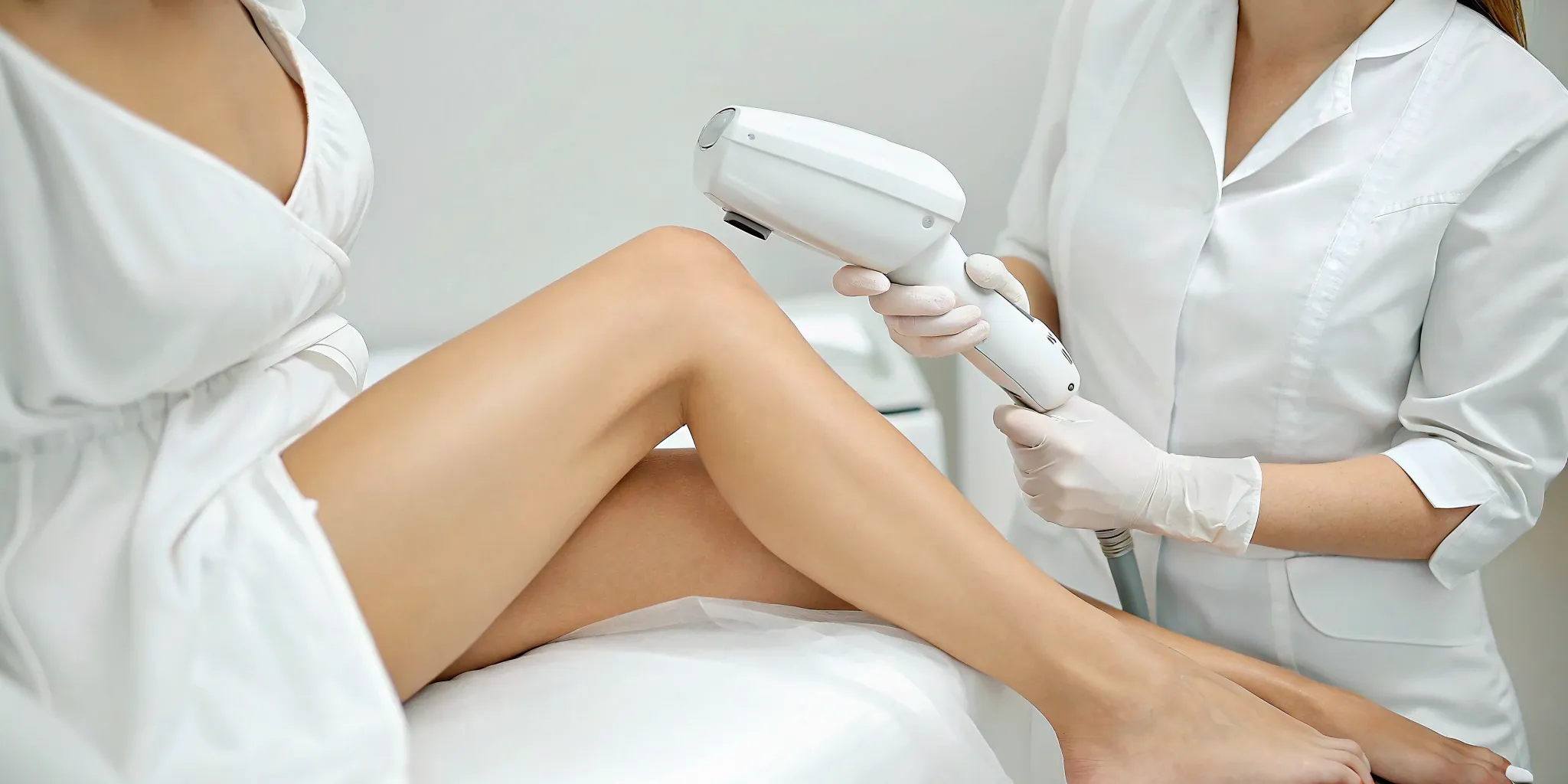
Walking into your appointment, you can expect a calm and professional environment. First, you’ll be given a pair of protective goggles to wear. Your technician will then apply a cool gel to the treatment area or use a device with a built-in cooling tip. This helps protect your skin and keeps you comfortable throughout the session. As the technician moves the handheld laser over your skin, you’ll likely feel a sensation often described as a warm prickle or a quick snap, like a rubber band. It’s a fast process—a small area like the upper lip can take just a few minutes. Afterward, it’s normal to see some mild redness and swelling, but this usually fades within a few hours.
Is Laser Hair Removal Safe for My Skin and Hair?
One of the first questions everyone asks before trying a new treatment is, “Is it safe for me?” When it comes to laser hair removal, the answer is a resounding yes for most people, but safety and effectiveness depend on a few key factors. The technology works by targeting pigment, which means your unique combination of skin tone and hair color plays a big role in your results.
The great news is that laser technology has come a long way. Early devices were most effective on a narrow range of candidates, but modern advancements have made the treatment accessible and safe for a much wider variety of skin types. Let’s break down exactly what you need to know about how your skin and hair influence the process.
How Skin Tone Impacts Your Treatment
It’s true that laser hair removal was originally designed for people with light skin and dark hair. The contrast made it easy for the laser to find the hair follicle without affecting the surrounding skin. However, today’s technology is far more sophisticated. Advanced systems, like the Nd:YAG laser, use a longer wavelength that can safely bypass the pigment in the skin’s surface and target the hair follicle directly. This has been a game-changer, making treatments much safer for medium to darker skin tones. A professional consultation is the best way to determine which laser technology is the right match for your skin, ensuring a safe and effective treatment plan.
Will It Work on Your Hair Color?
Because the laser needs pigment to do its job, hair color is a crucial factor. The laser’s energy is absorbed by the melanin (pigment) in your hair, which then travels down to the follicle to prevent future growth. This is why the treatment is most successful on dark hair—black and brown hair have plenty of pigment for the laser to target. Unfortunately, this also means that laser hair removal is not effective on very light hair, such as white, gray, blonde, or red. These hair colors simply don’t have enough melanin for the laser to lock onto. During your consultation, we can assess your hair color and give you a realistic idea of the results you can expect.
Let’s Talk About Cancer Risk (It’s a Myth)
Let’s clear the air on a common concern: laser hair removal does not cause cancer. This is a persistent myth that stems from a misunderstanding of how the technology works. The lasers used for hair removal emit non-ionizing radiation, which is very different from the ionizing radiation found in X-rays or UV rays from the sun. The light energy from the laser is designed to be absorbed by the pigment in your hair follicle and doesn’t penetrate beyond the surface layers of your skin. It doesn’t affect your internal organs or pose a risk of cellular damage. If you have any specific health concerns, we’re always here to answer your questions and provide peace of mind before you schedule a treatment.
What Are the Real Side Effects and Risks?
It’s completely normal (and smart!) to ask about the potential side effects of any treatment. When it comes to laser hair removal, the good news is that for most people, the side effects are minor and temporary. The key to a safe experience is working with a trained and certified professional who understands your skin and uses the right equipment. Let’s walk through what you can realistically expect, from the common reactions to the very rare complications.
Common, Temporary Side Effects
Think of how your skin feels after a day in the sun—that’s a good comparison for the most common side effects. You can expect some temporary skin irritation, redness, and minor swelling in the treated area right after your session. This is a sign that the laser has effectively targeted the hair follicles. For most people, these effects are mild and typically fade away within a few hours. It’s a normal part of the process, and your technician will give you aftercare instructions to help soothe your skin and keep you comfortable.
Rare Complications to Be Aware Of
While serious side effects are uncommon, it’s important to be aware of them. In rare instances, laser hair removal can cause blisters, scabs, scarring, or changes in your skin’s texture. You might also see some temporary pigment changes, where the skin becomes slightly lighter or darker. These issues are more likely to occur if the procedure isn’t performed correctly or if the wrong laser settings are used for your skin type. This is why choosing a reputable provider is so important—an experienced technician knows how to minimize these rare complications and keep your skin safe.
Areas You Shouldn’t Treat
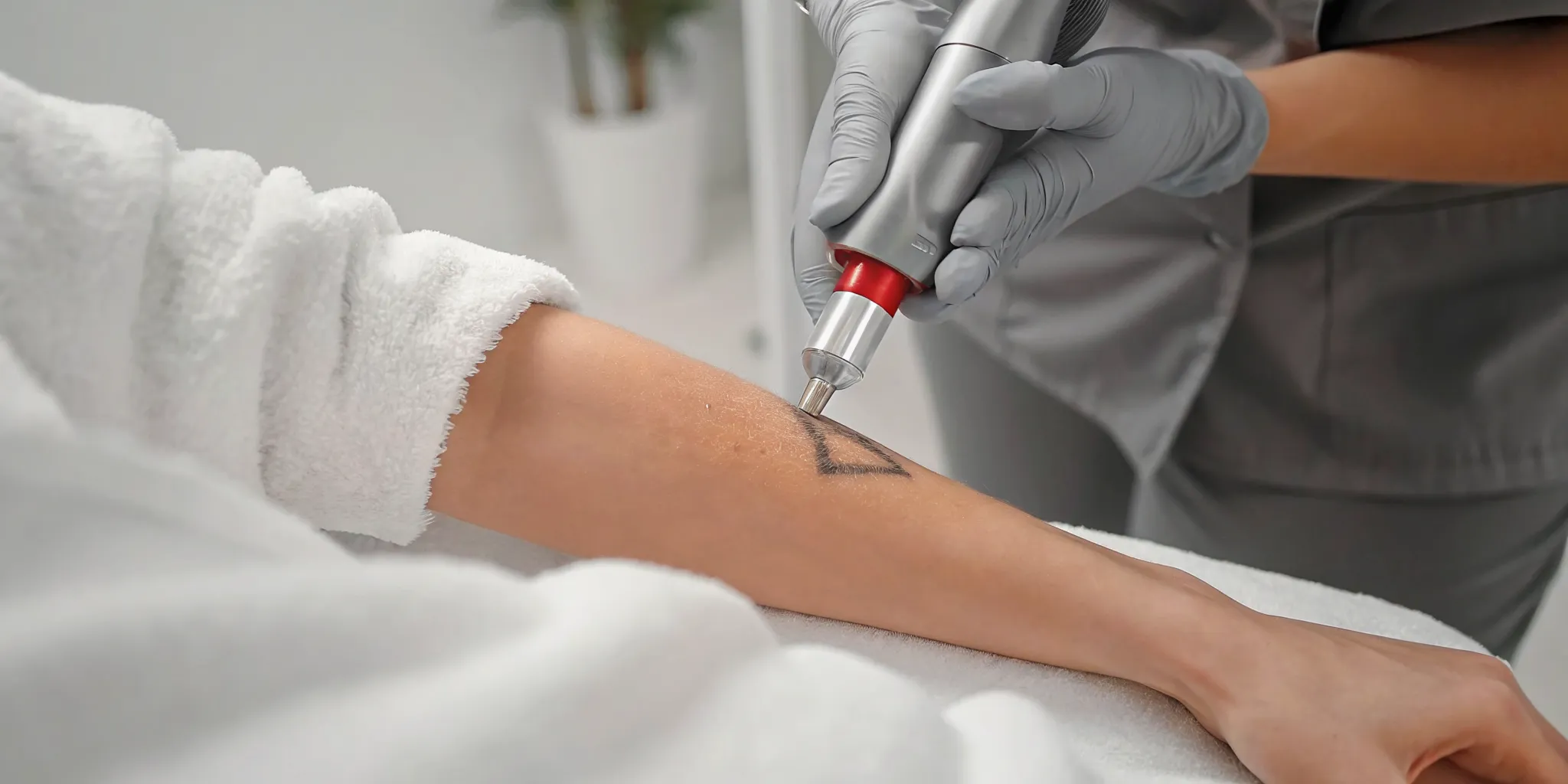
Laser hair removal is incredibly versatile, but there are a few places it should never be used. The laser should not be used on the eyelids or around the immediate eye area, as this could lead to serious eye injury. It’s also not recommended for use over tattooed skin. The laser targets pigment, and the dark ink in a tattoo can absorb too much energy, potentially causing burns, blisters, and distortion of your body art. During your consultation, your provider will go over the exact areas you want to treat to ensure they are all safe and suitable for the procedure.
How to Prepare for Your Laser Hair Removal Session
Getting amazing results from your laser hair removal treatment starts long before you walk into the clinic. Proper preparation is the key to a safe, effective, and comfortable experience. Think of it as setting the stage for the smoothest skin of your life. By following a few simple guidelines, you help your technician deliver the best possible outcome while minimizing any potential side effects. Let’s walk through exactly what you need to do.
Why Your Consultation Matters
Think of your consultation as the most important step in your entire laser hair removal journey. This one-on-one meeting with a specialist isn’t just about pricing; it’s a critical safety check and a chance to create a personalized treatment plan. During this time, you’ll discuss your medical history, including any personal or family history of skin conditions. This is vital because certain factors can affect your suitability for the treatment. It’s also your opportunity to ask every question you have, understand what to expect, and make sure you feel completely confident in your provider. A great consultation ensures you and your technician are on the same page, setting you up for a successful and stress-free experience. Ready to start the conversation? You can schedule a consultation with our team.
Your Pre-Treatment Checklist
Once you’ve decided to move forward, it’s time to get ready for your first appointment. The most important thing you can do is choose your provider carefully. You want a certified professional who has extensive experience performing laser hair removal on your specific skin type. At Ultimate Image MedSpa, our technicians are highly trained to ensure your safety and comfort. Before your session, make sure you’ve had a thorough meeting with your provider to review your goals, the expected results, and the costs involved. This ensures there are no surprises along the way. Taking these steps helps you feel prepared and allows you to relax, knowing you’re in expert hands for your laser hair removal treatment.
What to Avoid Before Your Appointment
To make your treatment as effective as possible, you’ll need to adjust your routine a bit in the weeks leading up to your session. First, avoid sun exposure on the treatment area for at least two weeks beforehand. Tanned skin can increase the risk of side effects, so be diligent with a broad-spectrum SPF 30+ sunscreen. You’ll also need to stop plucking, waxing, and electrolysis for about four weeks prior to your appointment. These methods remove the hair root, which the laser needs to target. Shaving is perfectly fine—in fact, you should shave the treatment area the day before your session. This removes the hair above the skin while leaving the follicle intact for the laser to do its job.
How to Choose the Right Laser Hair Removal Provider
Finding the right provider is the single most important step you can take to ensure your laser hair removal is safe and effective. The person behind the laser matters just as much as the technology itself. Think of it like this: you wouldn’t let just anyone cut your hair, so you definitely want to be selective about who you trust with a laser on your skin. A great provider will not only give you amazing results but also prioritize your health and comfort every step of the way. Taking the time to research and ask the right questions will give you the peace of mind you deserve.
Look for These Certifications and Credentials
When you start your search, focus on medical professionals. The Mayo Clinic recommends choosing a doctor who is board-certified in a field like dermatology or cosmetic surgery and has specific experience with laser hair removal for your skin type. This ensures they have a deep understanding of skin and how it reacts to laser energy.
At a reputable medspa, you’ll often find that highly trained nurses or licensed aestheticians perform the treatments. This is perfectly safe and standard, as long as a supervising physician is on-site. This medical oversight is a key sign that you’re in a professional environment that puts your safety first, not a casual salon that simply added a laser to its menu of services.
Key Questions to Ask During Your Consultation
Your consultation is your chance to interview your potential provider and make sure you feel completely comfortable. Don’t be shy—a good practitioner will welcome your questions. Start with the basics: discuss your medical history, what you can expect during and after the treatment, and the total cost.
Come prepared with a list of more specific questions, too. Ask about the type of laser they use and why it’s the right choice for your skin and hair color. Inquire about who will be performing the procedure and what their qualifications are. It’s also smart to ask if a doctor will be on-site during your appointment. A confident provider will be happy to answer everything, helping you feel ready to schedule a consultation and move forward.
Red Flags to Watch Out For
Knowing what to avoid is just as important as knowing what to look for. Be cautious of spas or salons that use staff without any medical training or supervision. While the prices might be tempting, the risk of burns, scarring, or ineffective treatment is significantly higher. If a provider seems to rush your consultation, dismisses your concerns, or uses high-pressure sales tactics, consider it a major red flag.
Another thing to be wary of is promises that sound too good to be true. Professional laser hair removal is a process that requires multiple sessions for the best results. Anyone promising permanent hair removal after just one session isn’t being honest. Your provider should set clear, realistic expectations from the very beginning.
Setting Realistic Expectations for Your Results
One of the most important parts of a successful laser hair removal journey is knowing what to expect. While the results can be incredible, it’s a process that requires a bit of patience and commitment. Think of it not as a single event, but as a series of treatments that work together to give you that smooth, hair-free skin you’re looking for. Understanding the timeline, the nature of the results, and how to care for your skin afterward will help you feel confident and prepared every step of the way. Let’s walk through what a typical treatment plan looks like and how you can get the most out of it.
Why You’ll Need Multiple Sessions
If you’re wondering why you can’t just get this done in one go, it all comes down to your hair’s natural growth cycle. Your hair grows in different phases, and the laser is only effective when the hair is in its active growth stage. Because not all of your hair is in this stage at the same time, we need to schedule sessions several weeks apart to catch each hair in that perfect window. Most people need about six to eight treatments, typically spaced six to eight weeks apart, to achieve significant hair reduction. This strategic timing ensures we can target the vast majority of follicles for the smoothest, most consistent results.
Long-Term Results and Future Touch-Ups
It’s helpful to think of laser hair removal as long-term hair reduction rather than permanent removal. While the results are incredibly long-lasting compared to shaving or waxing, some hair may eventually grow back. The great news is that when it does, it’s usually much finer, lighter, and far less noticeable than before. To maintain that silky-smooth feeling, you might need a touch-up session once or twice a year. This is completely normal and helps keep any stubborn regrowth at bay. The goal is to free you from the daily hassle of hair removal, and a quick maintenance appointment is a small price to pay for that freedom.
Your Aftercare Guide for Smooth Skin
Taking care of your skin after each session is key to getting beautiful results and avoiding irritation. It’s common to experience some mild redness or swelling in the treated area, similar to a light sunburn. If this happens, a simple cold compress can provide quick relief. The most important rule of aftercare is to protect your skin from the sun. The treated area will be more sensitive, so avoiding direct sun exposure and using a good SPF is essential. For the first 24 hours, it’s also a good idea to skip hot showers, saunas, and intense workouts to keep your skin calm and happy. Following these simple steps will help your skin heal beautifully. If you have any questions about your aftercare, you can always contact us.
Related Articles
- Laser Hair Removal for Face: A Complete Guide – Ultimate Image MedSpa
- The Complete Guide to Face Laser Hair Removal – Ultimate Image MedSpa
Frequently Asked Questions
Does laser hair removal hurt? Most people describe the sensation as a quick, warm snap, similar to a rubber band flicking against the skin. While everyone’s tolerance is different, the feeling is very brief and most find it quite manageable. We also use cooling technology during the treatment to keep your skin comfortable and protected, which makes the entire process much easier.
When will I actually see results? You may notice some hair shedding in the days following your very first session, but the most significant results appear after a few treatments. Because the laser can only target hair in its active growth phase, it takes a series of appointments to catch every follicle. With each session, you’ll see the hair in the treated area become progressively thinner and sparser.
Is the hair gone forever after my treatments? It’s best to think of it as long-term hair reduction. After completing your full series of treatments, you can expect a dramatic and lasting decrease in hair growth. While some follicles may eventually produce new hair, it is typically much finer, lighter, and far less noticeable. Many clients maintain their smooth results with a simple touch-up session once or twice a year.
Why can’t I just wax or pluck between sessions? The laser works by sending light energy down the hair shaft to the root. For the treatment to be effective, that root needs to be present in the follicle. Waxing, plucking, and threading all remove the hair from the root, which means there is nothing for the laser to target. Shaving is the only approved method of hair removal between your appointments because it leaves the root intact.
Can I get laser hair removal on any part of my body? Laser hair removal is safe and effective for most areas, from the face and underarms to the legs and bikini line. However, there are a couple of important exceptions. We cannot treat the skin directly around the eyes to ensure your safety. We also avoid treating skin that has tattoos, as the laser targets the dark pigment in the ink, which can cause burns and damage your body art.