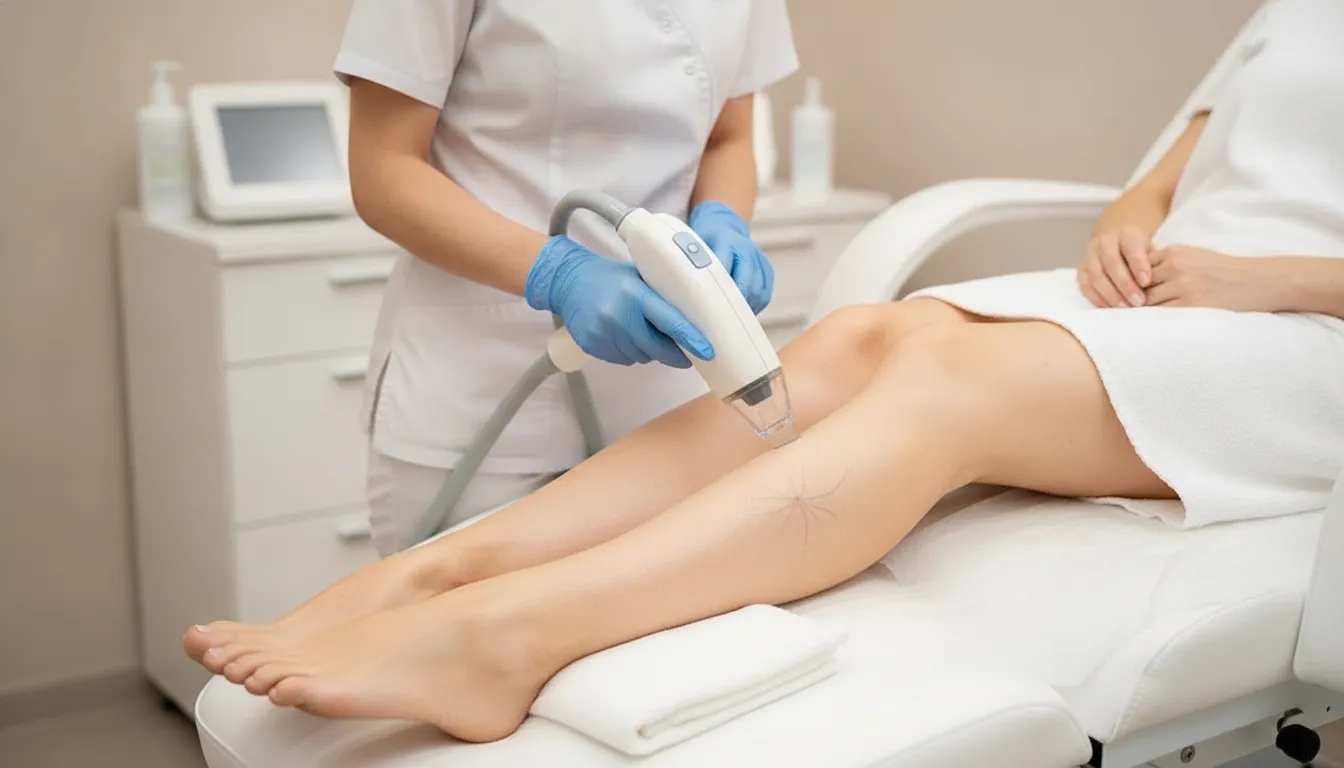

Tattoo removal technology has come a long way from the harsh, invasive methods of the past. Today, advanced lasers can precisely target ink deep within the skin without harming the surrounding tissue. These sophisticated devices send ultra-fast pulses of light to break the ink into tiny particles, which your body then naturally clears away. It’s a safe, effective, and highly controlled process when performed by a trained professional. Finding a Richardson tattoo removal service that invests in state-of-the-art equipment is key to achieving the best results with minimal risk. Let’s break down how this modern technology works and what it can do for you.
Key Takeaways
- Commit to the Full Journey: Laser tattoo removal is a gradual process that relies on your body’s immune system to flush away ink between sessions. Sticking to your treatment schedule is essential for achieving the best fading.
- Your Provider Dictates Your Results: The safety and effectiveness of your treatment depend entirely on the professional you choose. Prioritize a medically supervised clinic with modern laser technology to minimize risks and ensure a better outcome.
- Aftercare is Non-Negotiable: How you care for your skin after each session directly impacts your final results. Following healing instructions and protecting your skin from the sun are the most important things you can do to get smooth, clear skin.
Is Professional Tattoo Removal Right for You?
Deciding to remove a tattoo is a big step, and it’s a choice that’s entirely your own. Maybe the ink no longer reflects who you are, or perhaps you’re ready for a clean slate for personal or professional reasons. Whatever your motivation, it’s important to approach the process with clear eyes and good information. Professional tattoo removal is a journey that requires time, patience, and a financial commitment, but for many, the result is well worth it. The key is understanding what the process involves and whether it aligns with your personal goals.
Before you book your first appointment, let’s walk through a few things to consider to help you decide if professional treatment is the right path for you.
Define Your “Why”
First, take a moment to think about why you want this tattoo gone. Are you clearing space for new art? Has your career path changed? Does it remind you of a time you’d rather forget? Understanding your core motivation will help you stay committed throughout the process. It’s also the perfect time to set realistic expectations. While modern technology is incredible, complete removal isn’t always guaranteed for every tattoo. Factors like ink color, tattoo age, and your skin type all play a role. Thinking through your “why” helps you and your provider create a treatment plan that truly fits your goals for laser tattoo removal.
Tattoo Removal Myths, Busted
You’ve probably seen ads for at-home tattoo removal creams or DIY chemical peels. It’s tempting to look for a quick, cheap fix, but these products are not only ineffective—they can be dangerous. According to health experts, at-home tattoo removal methods often fail to penetrate the skin deep enough to reach the tattoo ink and can cause serious side effects like burns, rashes, and permanent scarring. The only proven, safe way to remove tattoo ink is with the help of a trained medical professional who can assess your skin and use the correct technology for the job. Don’t risk damaging your skin; always seek expert care.
The Perks of Professional Treatment
When you choose a professional medspa, you’re investing in your safety and your results. Modern laser tattoo removal is a highly sophisticated procedure that works by sending concentrated light energy into the skin. This energy shatters the tattoo ink into tiny particles, which your body’s immune system then naturally flushes away. Unlike older, more invasive methods like dermabrasion or excision, today’s advanced lasers can target ink without harming the surrounding skin. When performed by a certified technician, the risk of scarring is very low, and the process is far more effective. It’s the safest and most reliable way to say goodbye to unwanted ink for good.
How to Find the Best Provider in Richardson
Choosing where to get your tattoo removed is a big deal. This isn’t just about finding a good price; it’s about trusting someone with your skin. The right provider will make your experience safer, more comfortable, and far more effective. To make sure you’re in the best hands, you’ll want to do a little homework. Think of it like finding any other trusted professional—you want someone with the right skills, the right tools, and a commitment to your well-being. Here’s what to look for when searching for a top-tier tattoo removal service in the Richardson area.
Check for Credentials and Training
First things first: who will actually be performing the treatment? You want a qualified and experienced medical professional, not just someone who took a weekend course. Look for a medspa where treatments are performed by licensed technicians under medical supervision. It’s perfectly okay—and smart—to ask about the team’s training and certifications. A reputable provider will be happy to share this information. Remember, picking a qualified professional is the most important step toward getting safe and effective results. Your skin deserves an expert, so don’t be shy about verifying their credentials before you book a consultation.
Look for Advanced Technology
Not all lasers are created equal. The technology used for your tattoo removal plays a massive role in how well—and how quickly—your ink fades. Outdated equipment can lead to poor results or a higher risk of side effects. Look for a provider that invests in advanced, state-of-the-art technology. For example, modern systems like the Spectrum laser use different wavelengths of light to target specific ink colors. This allows the laser to send short bursts of light that break down the tattoo ink into tiny pieces, which your body then clears away naturally. Better technology means a more precise and effective treatment for you.
Prioritize Safety Protocols
A professional environment should feel clean, safe, and welcoming from the moment you walk in. Modern laser treatments are significantly safer than older methods, and when performed by a trained professional, the risk of scarring is very low. A great provider will walk you through their safety protocols and what they do to minimize any risks. They should also provide clear aftercare instructions, like keeping the area clean and protected from the sun, to help with healing. This commitment to safety is a clear sign that you’re in a professional setting that prioritizes your health above all else.
Ask These Questions at Your Consultation
Your consultation is your time to get all the answers you need to feel confident moving forward. Don’t hesitate to come prepared with a list of questions. This is your chance to interview the provider and make sure they’re the right fit for you.
Here are a few key questions to ask:
- What type of laser technology do you use?
- How much experience do you have with tattoos like mine (color, size, location)?
- What are the potential side effects, and how are they managed?
- What does the aftercare process involve?
- How many sessions do you estimate I will need?
A great provider will answer your questions thoroughly and make sure you feel completely comfortable before you start your journey.
How Laser Tattoo Removal Actually Works
If you’re picturing a magic eraser for skin, you’re not too far off—but the real process is much more scientific and fascinating. Laser tattoo removal uses advanced light technology to target and eliminate ink without harming the surrounding skin. It’s a gradual process that works with your body’s natural systems to clear the tattoo away, session by session. Think of it as a team effort between sophisticated technology and your own immune system.
The key is using the right laser and the right technique, which is why choosing a professional provider is so important. Each pulse of the laser is incredibly precise, breaking down the ink particles into smaller and smaller fragments until they’re small enough for your body to flush away. It’s a highly controlled process designed for safety and effectiveness. Let’s get into exactly how it all comes together.
How Lasers Break Down Ink
So, how does a beam of light make ink disappear? It’s all about photothermolysis. That’s a fancy word for a simple concept: the laser sends an ultra-fast, highly concentrated pulse of light energy into your skin. The tattoo ink particles absorb this light energy, which causes them to heat up and shatter into tiny, microscopic pieces.
Once the ink is broken down, your body’s immune system takes over. Your white blood cells act like a cleanup crew, identifying these tiny ink fragments as foreign objects and carrying them away through the lymphatic system. This is the same natural process your body uses to fight off infections. With each laser tattoo removal session, more ink is shattered and cleared away, causing the tattoo to gradually fade from view.
Different Lasers for Different Tattoos
Not all tattoos are created equal, and neither are the lasers used to remove them. Different ink colors absorb different wavelengths of light. To be effective, a laser has to use the specific wavelength that a particular ink color will absorb. This is why a one-size-fits-all approach just doesn’t work for multi-colored tattoos.
For example, one wavelength (1064 nm) is excellent at targeting dark inks like black and dark blue. Another wavelength (532 nm) is perfect for breaking down brighter colors like red, orange, and yellow. Using a multi-wavelength laser allows a trained technician to customize the treatment to your specific tattoo, ensuring they can effectively target the various colors in the design for the best possible results.
Does It Work on All Ink Colors?
While modern laser technology is incredibly effective, some tattoos are more challenging to remove than others. The success of the treatment depends on several factors. Darker inks, like black and dark blue, tend to absorb the laser energy best and are typically the easiest to remove. Lighter and more vibrant colors, such as greens, light blues, and yellows, can be more stubborn and may require more sessions.
Other factors also play a role, including your skin tone, the age of the tattoo, the depth of the ink, and its location on your body. During your consultation, we’ll assess your tattoo and discuss what you can realistically expect. The best way to know how well your tattoo will respond is to schedule a conversation with a trained technician who can evaluate your specific situation.
Let’s Talk About Pain Management
This is the question on everyone’s mind: does it hurt? Most people describe the sensation as similar to getting the tattoo in the first place—often comparing it to a rubber band snapping against the skin. While there is some discomfort, the good news is that each laser pulse is incredibly fast, and a session is usually much quicker than you’d think.
Your comfort is our priority. To make the experience as easy as possible, we can apply a topical numbing cream before the treatment begins. We also use a special cooling device that blows chilled air onto the skin during the procedure to minimize any discomfort. Most of our clients find the process very manageable, and the feeling of watching an unwanted tattoo fade away is well worth the temporary sensation.
What to Expect on Your Treatment Journey
Deciding to remove a tattoo is a big step, and it’s natural to have a lot of questions about what comes next. Unlike getting a tattoo, the removal process is a marathon, not a sprint. It requires patience, commitment, and a clear understanding of the road ahead. Knowing what to expect can make the entire experience feel more manageable and empower you to see it through. From your first chat with a specialist to your final aftercare steps, here’s a look at what your treatment journey will involve.
Your First Consultation
Your journey begins with a one-on-one consultation. This initial meeting is so important because it’s where you and a trained medical professional create a personalized plan for your specific tattoo. During this session, we’ll assess your tattoo’s size, ink colors, and location, and discuss your goals. It’s also your opportunity to ask every question on your mind. We’ll explain the laser tattoo removal process in detail, go over what to expect during and after each session, and make sure you feel completely comfortable and informed. Think of it as a strategy session for your skin, ensuring you get the safest and most effective treatment possible.
How Many Sessions Will You Need?
One of the most common questions is, “How long will this take?” The truth is, it varies for everyone. Most people need between 6 to 8 sessions, but some tattoos might require more. Factors like the age of your tattoo, the colors of the ink, and your skin type all play a role. The treatments are typically spaced several weeks apart. This isn’t just to draw out the process—it’s essential for your results. The laser breaks the ink into tiny particles, and this waiting period gives your body the time it needs to naturally flush those particles out and for your skin to heal properly before the next session.
Your Treatment Timeline
Patience is key when it comes to tattoo removal. It’s a process that takes more time and commitment than getting the tattoo in the first place. Because your sessions will be spaced about six to eight weeks apart, the full timeline can span several months to over a year. This schedule is designed for your safety and to achieve the best outcome. Your body needs that time to do its part in clearing the ink, and your skin needs to fully recover between treatments. Sticking to the recommended schedule helps minimize risks and ensures the laser can work effectively on the remaining ink each time.
Set Realistic Expectations
It’s important to go into your tattoo removal journey with a clear and realistic mindset. While laser technology is incredibly advanced, complete, 100% removal isn’t always possible. The goal is to fade the tattoo until it’s no longer a focal point. For many people, the tattoo becomes virtually invisible. However, some stubborn inks might leave behind a faint shadow or a “ghost” of the original design. During your consultation, we’ll have an honest conversation about the results you can realistically expect based on your unique tattoo. This ensures you feel confident and positive about the progress you’ll make.
Breaking Down the Cost of Tattoo Removal
Thinking about the cost of tattoo removal is a practical and important step. While there isn’t a single price tag for the service, understanding the variables can help you budget and plan. The total investment depends entirely on your unique situation, including the tattoo itself and your specific goals. Let’s walk through the key factors that determine the price and why professional care is worth every penny.
What Factors Influence the Price?
The cost of laser tattoo removal is tailored to you, and several key elements come into play. The size and complexity of your tattoo are the biggest factors—a small, simple design will cost less than a large, intricate one. The location on your body also matters, as some areas are more sensitive and require a gentler approach. Your skin type, the age of the tattoo (older ink is often easier to break down), and the colors used all influence the number of sessions you’ll need. A detailed consultation is the best way to get a clear picture of the process and an accurate price estimate based on your specific tattoo.
Explore Your Payment Options
Once you have a personalized quote, it’s time to look at payment. Don’t hesitate to ask about ways to make the treatment more manageable for your budget. Many clinics, including ours, offer package deals if you purchase multiple sessions upfront, which can provide significant savings compared to paying one session at a time. If the total cost feels overwhelming, ask about available payment plans or financing options that can help spread the expense over time. The goal is to find a path forward that feels comfortable for you, so be sure to schedule a consultation to discuss all your options.
Will Insurance Cover It?
This is a common question, and it’s best to be direct: insurance almost never covers tattoo removal. Because it’s considered an elective cosmetic procedure rather than a medical necessity, you should plan for it to be an out-of-pocket expense. While there are very rare exceptions for tattoos resulting from medical procedures or trauma, these are not typical. Knowing this from the start helps you set realistic financial expectations and allows you to focus on finding a payment solution that works for you without banking on insurance coverage.
Why Professional Care is a Smart Investment
When you’re considering the cost, remember that you’re not just paying for a laser—you’re investing in expertise, safety, and results. Choosing a qualified, medically supervised provider is the most important decision you’ll make. A trained professional knows how to assess your skin and tattoo to create the safest, most effective treatment plan, significantly reducing the risk of scarring or other complications. Investing in high-quality services ensures you’re in capable hands, giving you peace of mind and the best possible outcome for your skin.
How to Prepare for Your Sessions
Once you’ve chosen your provider and scheduled your first appointment, a little prep work can make a huge difference in your comfort and results. Taking a few simple steps before you walk into the clinic ensures your skin is ready for treatment and helps the entire process go as smoothly as possible. Think of it as setting the stage for a great outcome. From skincare adjustments to mental readiness, here’s what you can do to prepare for your laser tattoo removal sessions.
Follow These Pre-Treatment Guidelines
Properly preparing your skin is one of the most important things you can do before a laser tattoo removal session. For at least two weeks leading up to your appointment, you’ll need to protect the tattooed area from the sun. This means no sunbathing, and definitely no sunburn. Sun exposure can make your skin more sensitive and can interfere with the laser’s ability to target the ink effectively. The same rule applies to self-tanners and spray tans—avoid them completely on the area being treated. On the day of your appointment, make sure the skin is clean and free of any lotions, creams, or perfumes.
What Paperwork to Bring
Your first visit will involve some important paperwork, so it’s best to come prepared. You’ll likely need to show a valid photo ID and fill out a medical history form. Be ready to share information about any medical conditions you have, allergies, and medications you’re currently taking. This information is vital for your technician to ensure the treatment is safe for you. You will also be asked to review and sign consent forms that outline the procedure, risks, and aftercare instructions. This is the perfect time to ask any lingering questions you might have before the process begins. If you’re ready to book your first visit, you can contact us to schedule a consultation.
Get Ready: Body and Mind
Knowing what to expect physically and mentally can help ease any nerves. Many people describe the sensation of laser tattoo removal as similar to a rubber band snapping against the skin—uncomfortable, but manageable. Your provider may offer a topical numbing cream to help with the discomfort. After the session, it’s normal to experience some redness, swelling, and tenderness, much like a sunburn. Small blisters may also form, which is a natural part of the healing process. Mentally prepare for the fact that tattoo removal is a journey, not a one-time fix. Trusting the process and the professionals handling your care is key to a positive experience.
Your Guide to Recovery and Aftercare
Once your laser session is over, your job is to focus on healing. Proper aftercare is just as important as the treatment itself for getting the results you want and keeping your skin healthy. Think of it as a partnership: we handle the advanced laser work, and you take charge of the simple, at-home steps that help your body do its thing. This isn’t just about following rules; it’s about actively participating in your transformation. The recovery process is straightforward, but knowing what to expect can make all the difference. Your body is working hard to flush out those tiny ink particles, and giving it the right support will help you heal smoothly and effectively. This guide will walk you through everything you need to know, from managing normal side effects to recognizing when you might need to give us a call.
How to Manage Common Side Effects
It’s completely normal to see some changes in the treated area right after your session. You might notice some redness, swelling, or even small blisters, similar to a sunburn. Don’t worry—this is just your skin’s natural response to the laser and a sign that the healing process has begun. These effects are temporary and typically fade on their own within a few days. Serious complications like infection or scarring are very rare, especially when you’re working with an experienced provider. We’ll give you specific instructions to follow, but the most common side effects are easily managed at home with simple care.
Your Aftercare Checklist
Following a few simple rules after your treatment will make your recovery much smoother and help prevent any complications. Your main goals are to keep the area clean, calm, and protected. Here’s what you need to do:
- Gently clean the treated area with mild soap and water, then pat it dry.
- Apply any recommended ointment to keep the skin moisturized and protected.
- Avoid scratching, picking, or scrubbing the skin, even if it feels itchy.
- Stay out of direct sunlight and tanning beds. Keep the area covered or use a high-SPF sunscreen once the skin has healed.
- Skip hot tubs, swimming pools, and long, hot baths for the first few days to prevent infection.
What to Expect During Recovery
Patience is key during the recovery phase. The laser tattoo removal process uses powerful light energy to shatter the ink into microscopic particles, but it’s your body’s immune system that does the heavy lifting of clearing them away. This doesn’t happen overnight. Over the weeks following your treatment, you’ll notice the tattoo gradually fading as your body flushes out the ink. Each session targets a new layer of ink, and the recovery period between appointments gives your skin the time it needs to heal and your immune system time to work. Just remember, removing a tattoo is a marathon, not a sprint.
Know When to Call for Help
While minor side effects are normal, it’s important to keep an eye on the treated area and listen to your body. Your comfort and safety are our top priorities. If you experience anything that seems unusual or concerning, it’s always best to reach out. Please contact us immediately if you notice severe or increasing pain, or any signs of infection, such as pus, spreading redness, or warmth at the site. We’re here to support you through every step of your journey, so never hesitate to get in touch with questions or concerns.
Get the Best Possible Results
Once you leave our medspa, your role in the tattoo removal process is just beginning. How you care for your skin between sessions has a huge impact on your final outcome. Think of it as a team effort—we handle the advanced laser treatment, and you handle the aftercare. By following a few key steps, you can help your skin heal beautifully and ensure the laser works as effectively as possible at your next appointment. It’s all about creating the best environment for your body to do its job of flushing away the ink particles. These simple habits will not only speed up your results but also protect your skin’s health along the way. We want you to be thrilled with your new, clear skin, and that success story starts with great aftercare. It prevents complications like infection or scarring and makes the entire journey smoother and more predictable. Taking these steps seriously is the best way to protect your investment and get the clear skin you’re working toward. Remember, the laser breaks the ink apart, but your body’s immune system does the heavy lifting of carrying it away. Everything you do to support that natural process will pay off in your final results.
Simple Lifestyle Tweaks for Better Healing
Your body’s immune system is the real hero of tattoo removal, and you can support it with a few healthy habits. Staying well-hydrated by drinking plenty of water helps your system flush out the fragmented ink particles more efficiently. It’s also a good idea to keep the treated area clean and dry, and please, resist the urge to pick at any scabs or blisters that may form. This is a normal part of the healing process, and picking can lead to scarring or infection. Giving your body the support it needs through good hydration and gentle care will make a noticeable difference in how quickly and cleanly your tattoo fades.
Why Sun Protection is Non-Negotiable
Think of sunscreen as your best friend throughout your tattoo removal journey. Protecting the treated area from the sun is absolutely essential. Sun exposure can cause hyperpigmentation (dark spots) or hypopigmentation (light spots), which can make your skin tone uneven long after the tattoo is gone. It can also make your skin more sensitive and less receptive to future laser treatments. Make it a daily habit to apply a broad-spectrum sunscreen with at least SPF 30 to the area, even on cloudy days. This simple step is one of the most effective ways to prevent complications and ensure your skin looks smooth and even once the ink is gone.
Build a Supportive Skincare Routine
Your aftercare routine doesn’t need to be complicated to be effective. Immediately after your laser tattoo removal session, we’ll give you specific instructions, which usually involve keeping the area clean and protected. Applying an ice pack can help reduce any swelling or discomfort. We may also recommend an antibiotic ointment and covering the area with a sterile bandage for the first day or so. The goal is to prevent infection and give your skin a clean, calm environment to begin healing. Always follow the personalized advice from your technician, as they know exactly what your skin needs after treatment.
Don’t Skip Your Follow-Up Appointments
Patience and consistency are key to successful tattoo removal. It’s a process that requires multiple sessions, typically spaced several weeks apart, to achieve the best results. This waiting period is crucial because it gives your body time to break down and eliminate the ink particles shattered by the laser. Skipping or pushing back your appointments can seriously delay your progress and extend your overall treatment timeline. Sticking to the schedule we create for you ensures that we’re targeting the ink at the ideal stage of the fading process. If you ever need to reschedule, just contact us and we’ll find a time that works.
Related Articles
- Fast Tattoo Removal: Safe & Effective Options – Ultimate Image MedSpa
- Tattoo Removal Guide: How It Works, Costs & Best Options – Ultimate Image MedSpa
- Ultimate Guide of Tattoo Removal – Ultimate Image MedSpa
- Laser tattoo removal in Plano
Frequently Asked Questions
Is laser tattoo removal safe for darker skin tones? Yes, it can be. Modern laser systems are designed with different wavelengths that can be adjusted to safely treat a wide range of skin tones. The key is to work with an experienced technician who knows how to select the right settings to target the tattoo ink without affecting the surrounding melanin in your skin. A thorough consultation is essential to ensure the treatment is right for you.
Can I just fade my tattoo for a cover-up instead of removing it completely? Absolutely. This is a very common reason people seek laser tattoo removal. Lightening an old tattoo gives your tattoo artist a much cleaner canvas to work with, allowing for more creativity and a better final result for your new piece. This process typically requires fewer sessions than a full removal, which can also save you time and money.
What’s more uncomfortable: getting the tattoo or removing it? Most people say the sensation is very similar to getting a tattoo, often describing it as a quick, sharp snap, like a rubber band against the skin. While there is some discomfort, the good news is that laser removal sessions are usually much faster than tattoo sessions. We also take steps to manage any discomfort, such as using a topical numbing cream and a cooling device during the treatment.
Will the process leave a scar? When performed by a qualified professional using modern, well-maintained equipment, the risk of scarring is very low. Today’s advanced lasers are incredibly precise and designed to shatter ink particles without damaging the surrounding skin tissue. Following your aftercare instructions, especially avoiding sun exposure and not picking at the treated area, is the best way to ensure your skin heals smoothly.
How soon can I get a new tattoo removed? It’s important to wait until your new tattoo is completely healed before starting the removal process. This usually means waiting at least three to six months. This allows your skin to fully recover from the initial tattooing process and for the ink to settle completely, which makes the laser treatment safer and more effective.