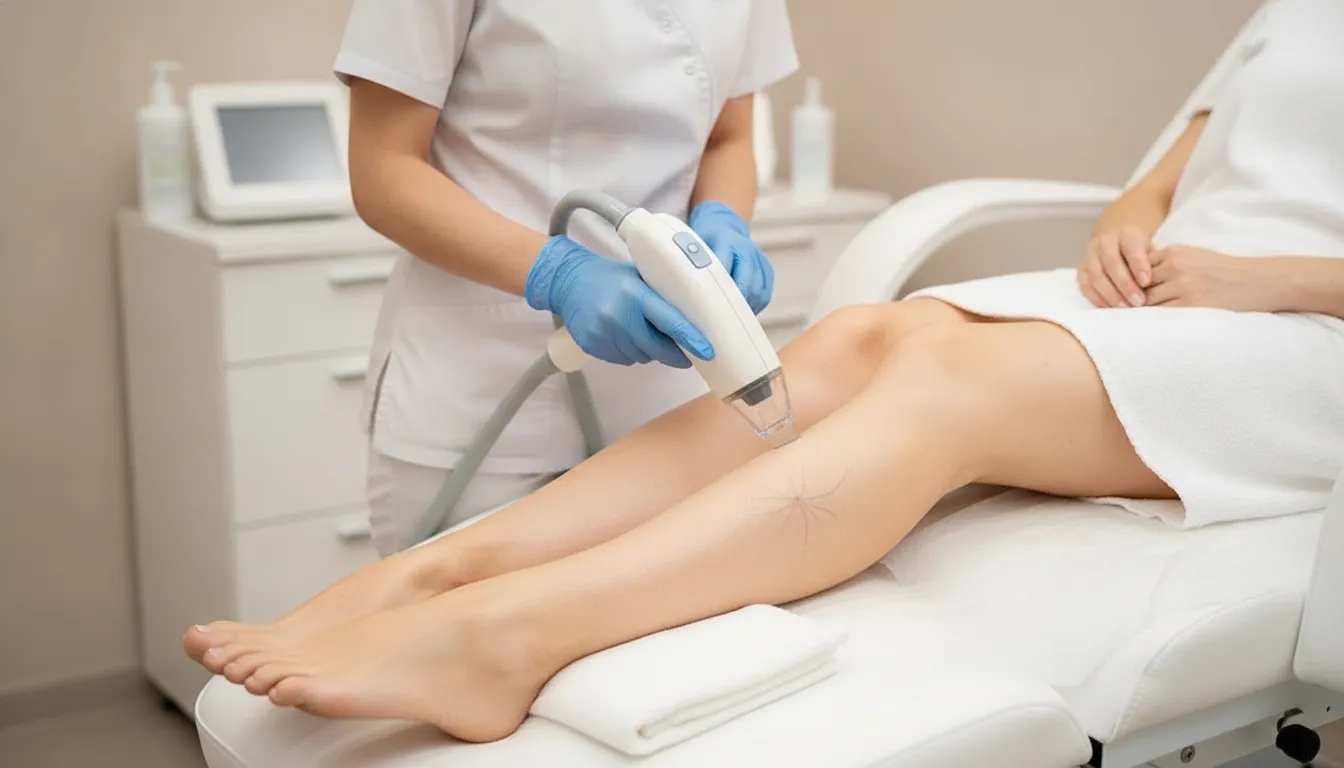

The idea of erasing ink from your skin can seem like magic, but it’s actually a fascinating partnership between advanced technology and your body’s natural healing systems. If you’re curious about the science behind small tattoo removal, you’ve come to the right place. We’ll demystify the process, explaining in simple terms how laser light targets and shatters ink particles without harming the surrounding skin. Understanding how it works helps you appreciate why multiple sessions are needed and what you can do to support your body’s ability to flush the ink away. Let’s explore the step-by-step journey to achieving the clear skin you want.
Key Takeaways
- Your results are unique to you: Laser tattoo removal is a gradual process, not a single event. Success depends on factors like your tattoo’s age, ink colors, and your body’s immune response, making a professional consultation the essential first step for a personalized plan.
- Aftercare is just as important as the treatment itself: Your commitment to the healing process at home—especially protecting your skin from the sun—is crucial for preventing scarring and achieving the clear results you want.
- Plan for both the financial and emotional investment: Create a realistic budget by asking about treatment packages upfront to avoid stress later. Acknowledging your personal motivation for the removal will also help you stay confident and committed throughout the journey.
What Is Small Tattoo Removal?
So, you’re thinking about saying goodbye to a small tattoo? You’re not alone. Whether it’s a reminder of a past chapter or just something you’ve outgrown, removing a small tattoo is a straightforward process with the right approach. Small tattoo removal focuses on eliminating tattoos that are typically between one and four square inches—think about the size of a business card or a silver dollar.
The gold standard for getting rid of unwanted ink is laser tattoo removal. This method uses highly concentrated pulses of light to break down the ink particles in your skin. Once shattered into tiny pieces, your body’s natural processes take over to flush them away. It’s a safe, effective, and FDA-approved way to clear your skin and make way for a fresh start.
What Counts as a “Small” Tattoo?
When we talk about a “small” tattoo, we’re generally referring to one that covers an area of one to four square inches. If you have a tiny heart on your wrist or a small symbol on your ankle, it likely falls into this category. You might also hear about “micro” tattoos, which are even smaller, usually less than one square inch. Knowing the size of your tattoo is the first step, as it helps determine the best treatment plan and gives you a clearer idea of what to expect in terms of time and cost.
Common Removal Methods
While there are a few ways to remove a tattoo, laser treatment is by far the most common and effective professional method, especially for achieving clear results with minimal scarring. Other options, like surgical excision (cutting the tattoo out), exist but are often reserved for very tiny tattoos where the resulting scar might be acceptable. Methods like dermabrasion or chemical peels are less common and can be unpredictable. For most people, a series of laser treatments is the safest and most reliable path to removing unwanted ink for good.
Professional vs. DIY: What You Need to Know
It can be tempting to look for a quick fix online, but when it comes to tattoo removal, DIY is a definite DON’T. Home remedies like tattoo removal creams, salt scrubs (salabrasion), or lemon juice are not only ineffective but can be incredibly dangerous. These methods often cause skin irritation, burns, and permanent scarring without actually removing the ink, which sits deep in your skin’s dermis layer. A professional treatment is the only way to ensure your removal is handled safely and effectively. Always consult with a certified specialist who can protect your skin and deliver real results.
Set Realistic Expectations
Patience is your best friend during the tattoo removal process. Completely removing a small tattoo isn’t an overnight event; it typically requires a series of treatments. Most people need between 10 to 12 sessions to see full clearance, though this can vary. As for the pain, many people say it feels similar to getting the tattoo, but the good news is that laser sessions are very quick—often lasting just a few minutes. Understanding the timeline and the process from the start helps you stay positive and committed to achieving your goal of clear skin.
How the Treatment Process Works
Thinking about starting the removal process can feel like a big step, but understanding how it works makes it much less intimidating. From your first chat with a specialist to the final aftercare, each stage is designed to make your experience as smooth and effective as possible. We’ll walk through what you can expect, so you can feel confident and prepared for your tattoo removal journey.
Why Your Initial Consultation Matters
Before any laser touches your skin, your first step is a one-on-one consultation. This meeting is essential because no two tattoos—or people—are the same. During this session, a trained specialist will assess your tattoo, considering its size, age, location, and the colors of the ink. They’ll also evaluate your skin type to create a safe and effective treatment plan just for you. This is your chance to ask every question you have and get a clear picture of the expected timeline and results. It’s the foundation for a successful removal, ensuring the approach is perfectly tailored to your specific needs. Ready to start the conversation? You can contact us to schedule your initial chat.
Your Treatment, Step-by-Step
The gold standard for tattoo removal is laser treatment, and for good reason. The technology is incredibly precise. During a session, a specialized laser sends short, powerful pulses of light into your skin. This light energy is absorbed by the tattoo ink, causing the ink particles to shatter into tiny fragments. Think of it like breaking a large rock into small pebbles. Once the ink is broken down, your body’s immune system naturally gets to work, flushing away these tiny particles over the following weeks. Each session targets more ink, causing the tattoo to gradually fade until it’s gone. The entire laser tattoo removal process is a partnership between advanced technology and your body’s natural ability to heal.
How Many Sessions Will You Need?
One of the most common questions is, “How long will this take?” The answer varies for everyone. On average, completely removing a small tattoo takes between 10 to 12 treatments, but this is just a guideline. Several factors influence your personal timeline, including the tattoo’s age, the density of the ink, its location on your body, and the colors used. Your overall health and how well your body responds to the treatment also play a significant role. During your consultation, your technician will give you a more personalized estimate based on your specific tattoo, so you’ll have a clearer idea of the commitment from the very beginning.
Managing Pain and Staying Comfortable
Let’s talk about the elephant in the room: does it hurt? Most people describe the sensation of laser tattoo removal as similar to getting the tattoo in the first place—like a rubber band snapping against the skin. The good news is that the treatment sessions are very quick, often lasting only a few minutes for a small tattoo. Any discomfort is over before you know it. At Ultimate Image MedSpa, your comfort is our priority. We use cooling methods to soothe the skin during the procedure, making the experience much more manageable. We can discuss all the options for keeping you comfortable during your consultation.
How Ink Color Affects Removal
You might be surprised to learn that not all colors fade at the same rate. Black ink is generally the easiest to remove because it absorbs all laser wavelengths, making it a straightforward target. On the other hand, lighter and brighter colors like green, blue, and yellow can be more stubborn. These colors require specific laser wavelengths to effectively break down their ink particles. An experienced provider will use advanced, multi-wavelength lasers to target different colors effectively. If your tattoo is a colorful piece, it’s especially important to choose a clinic with the right technology to treat the entire spectrum of your ink.
What Affects Your Removal Success?
Laser tattoo removal is a highly effective process, but the journey looks a little different for everyone. It’s not quite like hitting ‘delete’ on a document; instead, think of it as a gradual fading process where the laser and your body work together as a team. The laser uses concentrated light to break the tattoo ink into tiny particles, and then your body’s immune system steps in to clear them away. How efficiently this happens depends on several key factors. Understanding these elements from the start helps you set clear expectations and work with your technician to create the most effective treatment plan for your unique situation. Everything from the age of your tattoo and the colors of the ink to your skin type and even your daily habits can influence your results. Think of it as a partnership: our advanced laser technology does the heavy lifting of shattering the ink, while your body handles the cleanup. By being aware of these variables, you can play an active role in your treatment’s success. We’ll walk you through each of these factors so you feel confident and informed every step of the way.
Tattoo Age and Placement
Believe it or not, that older tattoo you’ve been wanting to get rid of might be easier to remove. Over time, your body naturally breaks down and absorbs some of the ink, which can give the laser a head start. Newer tattoos are often more vibrant and dense, so they may require a bit more patience and a few extra sessions. The location of your tattoo also matters. Tattoos on your torso, neck, or upper arms tend to fade faster because they’re closer to your heart and have stronger circulation. This helps your immune system flush away the ink particles more efficiently after the laser breaks them down.
Ink Type and Color
The colors used in your tattoo are one of the biggest factors in the removal process. Black ink is typically the easiest to treat because it absorbs the full spectrum of laser light. However, colored inks are a different story. Lighter and brighter shades like light blue, green, yellow, and white can be more stubborn because they don’t absorb laser energy as effectively. Removing these colors often requires a skilled technician who can use specialized lasers with specific wavelengths to target each pigment. During your consultation, we’ll assess the colors in your tattoo to determine the best approach for your laser tattoo removal.
Your Skin Type
Your skin tone plays a significant role in how the laser treatment is administered. The laser works by targeting the pigment in the tattoo ink. For individuals with lighter skin, there is a greater contrast between the ink and the skin, which makes it easier for the laser to focus on the tattoo pigment. On darker skin tones, the laser can sometimes affect the natural melanin in your skin, so a more cautious and specialized approach is needed to protect your skin. A qualified provider will adjust the laser settings to ensure a safe and effective treatment, minimizing any risk of discoloration.
Health and Lifestyle Factors
Your body’s immune system is your best partner in the tattoo removal process. The laser shatters the ink particles, but it’s your white blood cells that carry them away to be filtered out of your body. A strong immune system can clear these particles more efficiently, leading to better results. Simple lifestyle choices like staying hydrated, eating a balanced diet, and getting regular exercise can support this natural process. On the other hand, smoking can constrict blood vessels and hinder circulation, potentially slowing down your removal timeline. Taking care of your overall health is a great way to support your skin’s healing journey.
Pre-existing Skin Conditions
Your skin’s health is our top priority. If you have a pre-existing skin condition like eczema, psoriasis, or a history of keloid scarring, it’s crucial to discuss it with us during your consultation. While these conditions don’t automatically disqualify you from treatment, they do require careful consideration. We need to ensure the treatment area is free from any active flare-ups and that the laser process won’t aggravate your skin. By understanding your full skin history, we can create a safe treatment plan tailored to your needs. If you have any concerns, please contact us to schedule a professional assessment.
How to Plan for the Cost
Thinking about the financial side of tattoo removal is a smart step. Understanding the costs involved helps you set realistic expectations and create a budget that works for you. Here’s a breakdown of what to consider as you plan for your tattoo removal journey.
Average Price Per Session
The cost of removing a small tattoo typically falls between $100 and $300 per session. Think of this as a general starting point for your budget, as the final price can vary. A few key factors influence the cost, including the tattoo’s colors, its location on your body, and the technology used by the clinic. For example, a simple, single-color tattoo on your arm might be on the lower end of the scale, while a multi-colored design on a more sensitive area could be higher. An initial consultation will give you a precise quote tailored to your specific tattoo.
Explore Financing Options
Seeing the total potential cost can feel a bit overwhelming, but don’t let it stop you from moving forward. Many professional medspas understand that tattoo removal is an investment and offer ways to make it more affordable. Be sure to ask about financing options or payment plans during your consultation. These plans can break down the total cost into manageable monthly payments, allowing you to start your removal journey without paying the full amount upfront. It’s always worth a conversation to see what flexible solutions are available to fit your budget.
Ask About Treatment Packages
Since tattoo removal is a process that requires multiple treatments, paying per session isn’t always the most cost-effective route. Many clinics offer treatment packages that bundle several sessions together at a discounted rate. This can save you money in the long run and provides a clear, upfront cost for your entire removal plan. Because it’s difficult to predict the exact number of sessions you’ll need, a package can offer peace of mind. During your consultation, ask if any complete removal packages are available—it’s a great way to plan your finances from the start.
Factor in Additional Costs
When you’re budgeting for tattoo removal, remember to look beyond the price per session. You’ll also want to account for any additional expenses, like aftercare products. Your technician will recommend specific ointments or sunscreens to help your skin heal properly and protect it between treatments. While these items aren’t a major expense, they are an essential part of the process. Factoring them in from the beginning helps you create a more realistic budget and ensures you have everything you need for a smooth recovery and the best possible results.
Choose a Qualified Provider
While it’s tempting to shop around for the lowest price, the expertise of your provider is the most important factor. Choosing a qualified and experienced clinic ensures your safety and gives you the best chance at achieving clear skin. A professional will use the right technology for your skin type and ink colors, creating a personalized laser tattoo removal plan. Investing in a reputable provider minimizes risks and often leads to better, faster results. Your first step should always be a consultation with a trusted specialist to get an accurate quote and feel confident in your treatment plan.
The Emotional Side of Tattoo Removal
Deciding to remove a tattoo is a big step, and it’s about more than just the physical process. It’s a journey that can bring up a lot of different feelings. Whether you’re closing a chapter, correcting a past decision, or simply making space for something new, it’s completely normal for this process to feel significant. Understanding and preparing for the emotional side of laser tattoo removal can make the entire experience smoother and more rewarding. It’s a chance to align your outer appearance with who you are today, and that’s a powerful thing. Let’s walk through what you can expect and how to support yourself along the way.
Address Common Concerns and Anxieties
It’s perfectly normal to feel a mix of excitement and anxiety when you decide to remove a tattoo. You might be excited about the end result but nervous about the treatment itself—wondering if it will hurt, how long it will take, or if it will leave a scar. These are all valid concerns. Acknowledging these feelings is the first step. Remember that it’s okay to be nervous. During your consultation, we can talk through every single one of your questions. Our goal is to make sure you feel comfortable and confident before we even begin, so you can focus on the positive changes ahead.
Prepare Yourself Mentally
Removing a tattoo can be an emotional experience. For many people, it symbolizes moving on from the past or starting a new chapter. Take some time to think about your “why.” What does this removal mean to you? Getting clear on your motivation can be a powerful anchor throughout the process. You might find it helpful to journal about your feelings or talk to a trusted friend. Framing this as a positive act of self-care can help you prepare mentally for the journey. It’s not just about erasing ink; it’s about taking control and making a choice that feels right for you now.
Build Your Confidence Through the Process
One of the most incredible outcomes of tattoo removal is the improvement in self-confidence that often follows. Living with a tattoo you no longer love can weigh on you, affecting everything from your clothing choices to your self-esteem. As you see the ink fade with each session, you may feel a sense of relief and freedom. This process is about reclaiming your skin and feeling more at home in your body. Many of our clients tell us they feel lighter and more confident after completing their treatments. It’s a powerful reminder that you have the ability to make changes that help you feel like your best self.
Find Support During Treatment
You don’t have to go through this journey alone. Having a strong support system can make all the difference. Lean on friends or family who understand your decision and can cheer you on. It’s also important to have a professional team you trust. We’re here not just to perform the treatment, but to support you emotionally, too. If you’re feeling discouraged or anxious between sessions, please reach out. Completing the full treatment plan is key to getting the results you want, and having people in your corner helps you stay committed. You can always contact us to talk through any concerns.
Your Guide to Recovery and Aftercare
The laser does the hard work of breaking up the ink, but your aftercare routine is what truly ensures your skin heals beautifully. Think of it as a partnership between you and your technician—following these steps is your part in achieving the smooth, clear skin you’re working towards. Proper care helps minimize side effects, prevent scarring, and sets you up for success in your next session. By giving your skin the attention it needs, you’ll get the best possible results from your laser tattoo removal journey.
Immediate Post-Treatment Care
Right after your session, your skin will be sensitive and needs protection. For the first three days, your main job is to keep the area clean and safe. Gently apply a thin layer of an antibiotic healing ointment to the treated skin. This helps prevent infection and keeps the area moisturized. After applying the ointment, cover it with a sterile gauze bandage. This simple routine shields your skin from friction and bacteria, creating the perfect environment for the initial healing phase to begin.
Manage Potential Side Effects
It’s common to see some changes in your skin as it heals. You might notice redness, swelling, or even some blistering. While seeing blisters can be a little alarming, they are often a normal part of the body’s healing response. The key is to leave them alone—don’t pop or pick at them. Your body will handle it. However, it’s always best to keep an open line of communication with your provider. If you have any concerns about what you’re seeing, don’t hesitate to contact us. We can confirm if what you’re experiencing is normal or if you need to come in.
Protect Your Skin Long-Term
Sun protection is non-negotiable during and after your tattoo removal process. The treated skin is highly susceptible to sun damage, which can lead to discoloration and interfere with your results. Make a habit of applying a broad-spectrum sunscreen with at least SPF 50 to the area every single day, even if it’s cloudy. Look for a formula that contains zinc oxide for maximum physical protection. This simple step will not only help your tattoo fade more effectively but will also keep your skin healthy for years to come.
Know Your Follow-Up Schedule
Patience is a virtue, especially when it comes to tattoo removal. Your body needs time to flush out the shattered ink particles and for your skin to fully recover between sessions. Typically, you should treat the area very gently for the first week post-treatment. We will schedule your appointments with enough time in between—usually six to eight weeks—to allow for this crucial healing process. Sticking to this schedule is vital for effective removal and reduces the risk of any unwanted side effects.
Signs of Healthy Healing
As your skin recovers, you’ll likely experience some itching, which is a classic sign of healing. Your biggest challenge will be to resist the urge to scratch, pick, or peel at the area. Interfering with the healing process can lead to scarring, infection, or changes in skin texture, which can compromise your final results. Instead of scratching, you can try gently tapping the surrounding skin to relieve the itch. Trust that your body is doing its job, and let your skin heal undisturbed.
Related Articles
- Fast Tattoo Removal: Safe & Effective Options – Ultimate Image MedSpa
- Tattoo Removal Guide: How It Works, Costs & Best Options – Ultimate Image MedSpa
- Tattoo Removal Before & After: Real Patient Photos & Expectations – Ultimate Image MedSpa
- Tattoo Removal: A Complete Guide to the Process – Ultimate Image MedSpa
Frequently Asked Questions
Will the laser removal process leave a scar? This is a top concern for many people, and the short answer is that scarring is very rare when you work with an experienced professional. Modern lasers are designed to target only the ink pigment, leaving the surrounding skin untouched. The biggest risk for scarring actually comes from improper aftercare, like picking at scabs or exposing the healing skin to the sun. If you follow the aftercare instructions we provide, you give your skin the best possible chance to heal smoothly and clearly.
Why do I have to wait so long between treatment sessions? It can feel frustrating to wait six to eight weeks between appointments, but that time is essential for your body to do its part. The laser’s job is to shatter the ink particles, but your immune system is what actually removes them. This waiting period gives your body the time it needs to flush away the fragmented ink and for your skin to fully heal. Rushing the process won’t speed up the results and can increase the risk of skin irritation, so patience really is key to a successful outcome.
Is it possible to completely remove a colorful tattoo? Yes, it is absolutely possible to remove colorful tattoos, but they do require a bit more strategy. Different ink colors respond to different wavelengths of laser light. While black ink is the most straightforward, colors like green, blue, and yellow can be more stubborn. A skilled technician will use a multi-wavelength laser to specifically target each color in your tattoo. It might take a few more sessions compared to a black ink tattoo, but with the right technology and a customized plan, we can work to clear the entire piece.
What if I only want to fade my tattoo for a cover-up? That’s a great question and a very common goal. Laser removal is an excellent tool for lightening an existing tattoo to create a better canvas for a new piece of art. You won’t need to go through the full number of sessions required for complete removal. Typically, just a few treatments are enough to fade the old ink so your tattoo artist has more freedom and flexibility with the new design. We can work with you and your artist to achieve the perfect level of fading for your cover-up project.
What will my skin look like after the final treatment? The goal of the entire process is to return your skin to its natural state, as if the tattoo was never there. After your final session and once the area is fully healed, you should see clear skin with its original tone and texture. In some cases, there might be a very faint shadow or slight discoloration, but this is uncommon, especially with proper aftercare and sun protection. We aim for complete clearance, leaving you with a fresh start.
Related Tattoo Removal Resources
Explore more about tattoo removal:
Related Tattoo Removal Guides
Considering your options? Our complete guide to tattoo removal covers everything from costs to pain levels and effectiveness.