
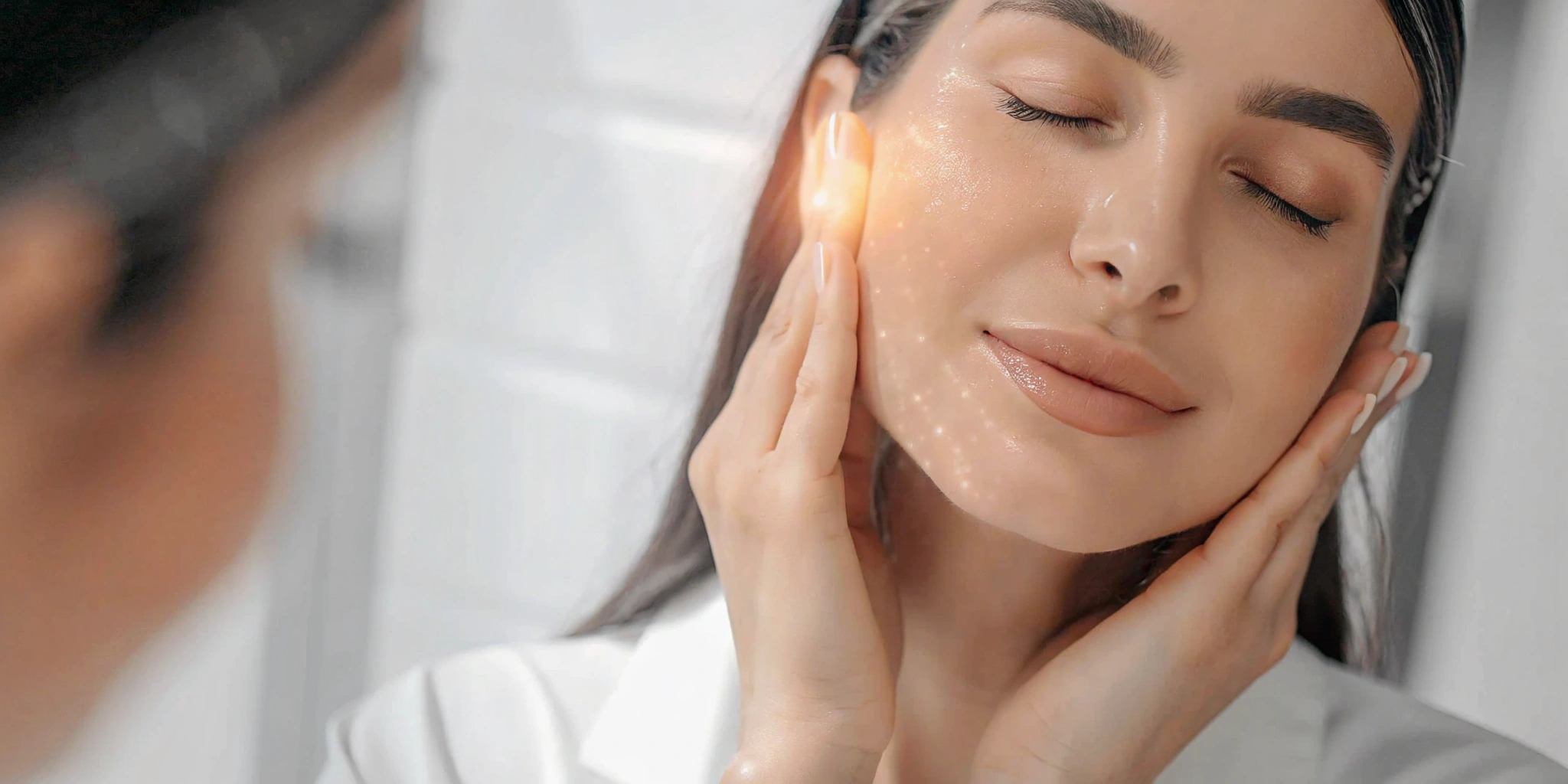
When it comes to your skin, you want a treatment that does more than just scratch the surface. If you’re dealing with a combination of concerns—like sun spots from years of Texas sun, a bit of redness on your cheeks, and a generally uneven skin tone—a photofacial might be the perfect all-in-one solution. Instead of needing separate treatments for color correction and texture, this versatile therapy addresses multiple issues at once. It’s one of the most efficient ways to achieve comprehensive skin rejuvenation, helping you get a clearer, brighter, and smoother complexion with minimal downtime. Let’s explore how a photofacial in Plano can help you hit the reset button on your skin.
Key Takeaways
- It works on two levels: A photofacial uses Intense Pulsed Light (IPL) to break down unwanted pigment from sun damage and redness, while also stimulating collagen production to improve your skin’s overall texture and firmness.
- Address multiple skin issues at once: This single treatment is an effective way to correct a range of concerns, including sun spots, persistent redness from rosacea, broken capillaries, and discoloration left behind by acne.
- Commitment is key for the best results: Expect to need a series of three to six sessions for a significant transformation, and always choose a reputable provider who can create a personalized treatment plan during your consultation.
What Exactly Is a Photofacial and How Does It Work?
If you’ve ever wished you could hit a reset button on sun damage, uneven skin tone, or redness, a photofacial might be the answer you’re looking for. It’s one of the most popular light-based treatments available, designed to refresh your complexion and restore a more youthful, even glow. But how does a flash of light actually accomplish all of that? It’s not magic—it’s science. A photofacial uses targeted light energy to address specific skin concerns at a deeper level, without harming the surrounding tissue. Let’s break down exactly what’s happening beneath the surface.
Understanding IPL Technology
First things first: you’ll often hear the terms “photofacial” and “IPL” used interchangeably, and for good reason. IPL stands for Intense Pulsed Light, and it’s the technology that powers a photofacial treatment. Unlike a laser, which uses a single, focused wavelength of light, IPL uses broad-spectrum light in short, powerful pulses. Think of it like a high-energy camera flash. This scattered light allows us to treat a variety of skin issues at once. The device sends light energy into your skin, where it’s absorbed by the targeted cells, making it one of the most versatile aesthetic services for overall skin rejuvenation.
The Science Behind Skin Renewal
So, what happens when that light energy hits your skin? It works in two amazing ways. First, it targets pigment. The light is absorbed by the melanin in dark spots (like sun spots or age spots) and the hemoglobin in red areas (like broken capillaries or rosacea). This absorption creates heat, which breaks down the unwanted pigment. Over the next week or so, these fragmented particles are naturally cleared away by your body, causing the spots to fade or disappear completely. Second, the gentle heat also stimulates your skin to produce new collagen—the protein that gives your skin its firmness and elasticity. This helps improve texture, reduce fine lines, and give you a beautiful, healthy glow.
Busting Common Photofacial Myths
It’s easy to find misinformation online, so let’s clear up a few things. One of the biggest myths is that photofacials are painful. In reality, most clients describe the sensation as a quick, light snap, similar to a rubber band against the skin. We also apply a cooling gel to make the treatment as comfortable as possible. Another common concern is about side effects. While you can expect some mild redness and swelling for a day or two, there’s virtually no downtime. Any dark spots you treated may temporarily get darker before they flake off, but that’s a good sign the treatment is working! If you have any concerns, we can address them all during a personal consultation.
What Can a Photofacial Do for Your Skin?
If you’re looking for a single treatment that can address multiple skin concerns at once, a photofacial might be exactly what you need. This light-based therapy is incredibly versatile, working beneath the skin’s surface to correct imperfections and restore a clearer, more youthful complexion. Instead of just treating the symptoms on the surface, it gets to the source of many common issues, from sun damage to redness. Think of it as a powerful reset button for your skin, helping you achieve a more even and radiant tone without significant downtime. Let’s look at some of the specific concerns a photofacial can help with.
Sun Damage and Age Spots
We all love the sun, but it doesn’t always love our skin back. Years of sun exposure can leave behind reminders in the form of brown spots, freckles, and general discoloration. A photofacial is fantastic for targeting this type of hyperpigmentation. The Intense Pulsed Light (IPL) technology sends light energy into the skin, where it’s absorbed by the excess melanin in those dark spots. This process breaks down the pigment, which your body then naturally clears away. The result is a dramatically more even skin tone and a reduction in the appearance of sun damage. It’s an effective way to turn back the clock on sun-kissed skin that has seen a few too many summers.
Rosacea and Broken Capillaries
Dealing with persistent redness, flushing, or visible broken capillaries can be frustrating. Conditions like rosacea can make you feel self-conscious, but a photofacial offers a great solution. The light energy used in the treatment specifically targets the hemoglobin in the tiny red blood vessels that cause this visible redness. The heat from the light collapses these vessels, making them much less noticeable. Over a series of treatments, you can see a significant reduction in overall redness and a calmer, more balanced complexion. It helps you manage the visible symptoms of rosacea and regain control over your skin’s appearance, giving you clearer, healthier-looking skin.
Acne Scars and Uneven Texture
Once a breakout is gone, it can often leave behind dark spots or an uneven texture. These post-inflammatory marks can sometimes be more stubborn than the acne itself. Photofacials can help by targeting the dark pigmentation in acne scars, breaking it up so the skin appears clearer and more uniform. While it’s primarily known for color correction, the treatment also stimulates collagen production, which can help improve skin texture over time for a smoother surface. It’s a great option for addressing the lingering reminders of past breakouts and is one of the many services we offer to help you achieve your skin goals.
Are You a Good Candidate?
Photofacials work best for individuals with light to medium skin tones who want to correct issues like sun spots, freckles, redness, or visible capillaries. Because the IPL technology targets pigment, it’s most effective and safest on skin that has a clear contrast between the spot you want to treat and your natural skin tone. If you’re looking to improve your skin’s overall clarity and vibrancy, you are likely an excellent candidate. The best way to know for sure is to have a professional assess your skin. We can determine if a photofacial is the right choice for you during a personalized consultation. Ready to find out? Contact us to schedule your appointment.
Your Photofacial Journey: What to Expect Before, During, and After
Knowing what’s ahead can make any new experience feel more comfortable and exciting. From the first flash of light to your final, glowing results, here’s a step-by-step guide to what your photofacial journey will look like. We believe in total transparency, so you can feel confident and prepared every step of the way. Our goal is to make your treatment as relaxing and effective as possible, ensuring you leave our medspa feeling refreshed and informed. Let’s walk through the process together.
What the Treatment Feels Like
If you’re worried about discomfort, let me put your mind at ease. Most of our clients describe the sensation of a photofacial as a quick, light snap against the skin, similar to a rubber band. It’s a very manageable feeling that lasts only for a moment with each pulse of light. Your comfort is our top priority, so we can apply a topical numbing cream before we begin to ensure the experience is as pleasant as possible. We’ll also provide you with protective eyewear and make sure you feel relaxed before we start any of our aesthetic treatments.
Your Recovery: Downtime and What’s Normal
One of the best things about a photofacial is the minimal downtime. Right after your session, it’s common to see some mild redness and slight swelling, which usually subsides within a few hours to a couple of days. You might also notice that your sunspots or pigmented areas temporarily look darker. This is a great sign! It means the treatment is working. These spots will gradually flake off on their own within about a week. You can apply makeup to cover any dark spots during this time, so you can get right back to your daily routine without interruption.
Aftercare Tips to Maximize Your Results
Getting amazing results is a team effort, and your post-treatment care is key to making that glow last. We’ll give you a detailed list of aftercare instructions, and following them closely is crucial for healing and achieving the best outcome. This usually includes avoiding direct sun exposure and using a high-SPF sunscreen daily. To maintain your beautiful results long-term, we often recommend scheduling periodic maintenance treatments. We can create a personalized plan tailored to your skin’s needs. If you have any questions after your appointment, we’re always here to help you get in touch.
How Many Sessions Will You Need?
While you’ll likely see improvements after just one photofacial, the most transformative results come from a series of treatments. For most people, we recommend a course of three to six sessions to effectively address concerns like sun damage, rosacea, and uneven texture. We typically space these appointments four to six weeks apart. This schedule gives your skin the perfect amount of time to heal and regenerate between sessions, allowing the Intense Pulsed Light to work its magic at a deeper level with each visit. During your consultation, we’ll assess your skin and discuss the ideal number of sessions to help you reach your goals.
How Much Do Photofacials Cost in Plano?
Let’s talk about one of the biggest questions on everyone’s mind when considering a new skincare treatment: the cost. Investing in your skin is a big decision, and you deserve to have a clear picture of what to expect financially. While it’s tough to give a one-size-fits-all answer, we can break down the typical price range and the factors that influence it. This will help you budget accordingly and feel confident in your decision to pursue the clear, radiant skin you’re looking for.
A Look at Average Pricing
Generally, you can expect a single photofacial session in the Plano area to cost between $300 and $600. Think of this as a starting point. This range covers the treatment for a standard area, like the full face. It’s important to remember that this is an average, and the price can shift based on your specific needs and goals. The best way to get an accurate number is to schedule a consultation where a specialist can assess your skin and create a plan tailored just for you. This initial investment is the first step toward addressing concerns like sun spots, redness, and uneven skin tone.
What Affects the Final Price?
Several key factors determine the final price of your photofacial treatment plan. First is the size of the treatment area. Treating your full face will naturally cost less than treating your face, neck, and chest combined. Second is the number of sessions you’ll need. While you’ll see improvements after one treatment, most people achieve their desired results with a series of three to five sessions. Finally, the provider’s experience and the technology they use play a role. Choosing a reputable medspa with certified technicians ensures you’re getting a safe, effective treatment, which is always worth the investment.
Exploring Packages and Payment Options
A great way to manage the cost of a photofacial series is by looking for package deals. Many medspas offer a discount when you purchase a series of treatments upfront, which can significantly lower the per-session price. This is a fantastic option if you’re committed to completing the full recommended course for the best possible results. It’s also a good idea to ask about any current promotions or special offers. Don’t hesitate to inquire about payment plans or other financing options that can make the treatment more accessible. When you schedule a consultation, we can discuss all the available options to create a plan that works for your skin and your budget.
How to Choose the Right Photofacial Provider in Plano
Finding the right person to perform your photofacial is just as important as the treatment itself. The technology is powerful, but the results truly depend on the skill, experience, and care of the provider. You want to find a place where you feel confident, comfortable, and understood. Think of it as starting a relationship—you’re trusting someone with your skin, and that trust is essential. A great provider will not only have the technical expertise but will also take the time to understand your unique skin concerns and aesthetic goals, ensuring your treatment plan is perfectly tailored to you.
What to Look For in a MedSpa
When you start your search, look for a medspa that feels professional and puts you at ease from the moment you walk in. The environment should be clean and welcoming, and the staff should be licensed and experienced. A great provider will listen to your goals and create a personalized plan. You should feel completely comfortable asking about their credentials, the costs, and what kind of outcomes you can realistically expect. Check out their website to see if they offer a full suite of services, as this often indicates a well-established practice with a breadth of experience in aesthetic treatments.
The Ultimate Image Approach to Personalized Care
We believe the best results come from a partnership between you and your provider. At Ultimate Image MedSpa, we’re known for our friendly and knowledgeable staff, who prioritize your comfort from the moment you walk in the door. A photofacial isn’t a one-size-fits-all treatment, and your consultation is our chance to get to know you and your skin. We’ll discuss your concerns, answer all your questions, and design a treatment plan that aligns with your goals. Feeling heard and respected is a key part of the process, and we encourage you to contact us to experience that difference for yourself.
Key Questions to Ask at Your Consultation
Your consultation is the perfect time to gather all the information you need to make a confident decision. Don’t be shy—a good provider will welcome your questions.
Here are a few to get you started:
- What are the most common side effects I can expect?
- How many sessions do you think I will need to see results?
- What does the aftercare routine look like?
- Can I see before-and-after photos of your clients?
- Who will be performing my treatment, and what are their qualifications?
Common side effects include mild redness and swelling, which are usually short-lived. Asking about this upfront helps you know what to expect and how to plan your recovery.
Provider Red Flags to Watch Out For
Just as important as knowing what to look for is knowing what to avoid. Be cautious of any provider who uses high-pressure sales tactics or tries to rush you into a decision. If they can’t provide clear answers to your questions or are hesitant to show you before-and-after photos, consider it a red flag. A truly professional provider will also be honest about who is a good candidate for treatment. For example, since IPL isn’t suitable for very dark skin tones, an ethical provider will tell you if the procedure isn’t a safe option for you and suggest alternatives. Your safety should always be their top priority.
Related Articles
- Laser Hair Removal in Plano: A Complete Guide – Ultimate Image MedSpa
- Best eMatrix Treatment | Your Path to Glowing, Youthful Skin
Frequently Asked Questions
What’s the main difference between a photofacial and a laser treatment? Think of it this way: a laser uses a single, highly focused beam of light to target one specific issue, like a tattoo or a stubborn dark spot. A photofacial, which uses Intense Pulsed Light (IPL), is different because it uses a broad spectrum of light in quick pulses. This makes it incredibly versatile, allowing us to treat multiple concerns like redness, sun damage, and broken capillaries all in one session. It’s a fantastic option for overall skin rejuvenation.
How long does a typical photofacial appointment take? Your actual treatment time is surprisingly quick. A session for the full face usually takes about 20 to 30 minutes. We always schedule a bit of extra time to allow for a quick chat beforehand to see how your skin is doing and to apply a cooling gel. You can easily fit an appointment into your lunch break and get right back to your day afterward.
When will I actually see the final results from my treatment? You’ll notice some immediate changes, like a healthy glow and the temporary darkening of sunspots within a day or two. These spots will then flake off over the next week, revealing clearer skin underneath. However, the most significant and lasting results, like improved texture from collagen production and a dramatic reduction in redness, appear gradually over a series of three to five treatments spaced about a month apart.
Is there anything I need to do to prepare my skin for a photofacial? Yes, a little prep work goes a long way in ensuring you get the best and safest results. For about two weeks before your appointment, you’ll need to avoid direct sun exposure, tanning beds, and self-tanners. We also recommend pausing the use of any harsh exfoliants or retinol products a few days prior to your session. We will go over all the specific pre-treatment instructions with you during your consultation.
Can I get a photofacial if I have a tan? This is a great question, and the answer is that we cannot perform the treatment on tanned or recently sun-exposed skin. Because the IPL technology targets pigment, a tan can confuse the device, making the treatment less effective and increasing the risk of side effects. For your safety, it’s best to schedule your photofacial when your skin is at its natural tone.