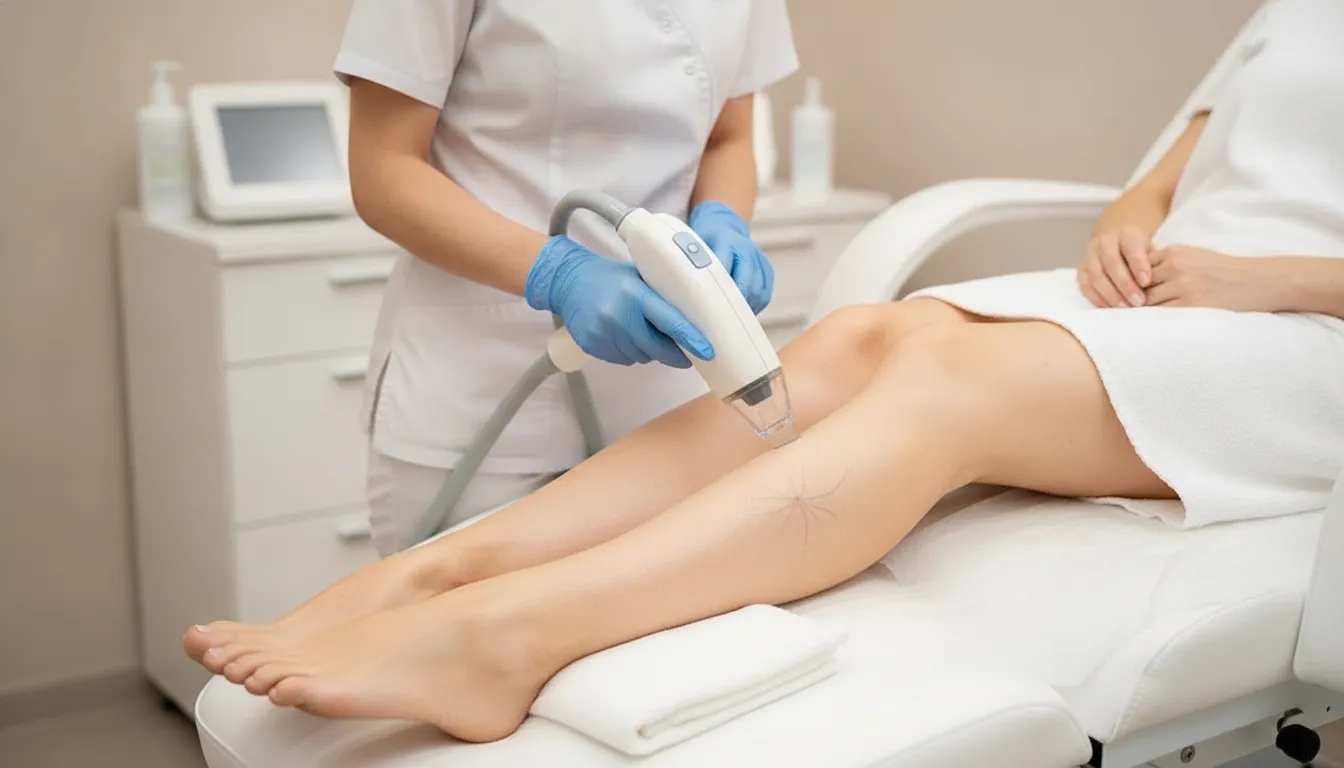

A tattoo that felt right years ago might not fit who you are today, and that’s perfectly okay. Making the choice to remove it is a powerful step toward feeling more comfortable in your own skin. But once you’ve made the decision, the practical questions start to surface. This guide is here to demystify the entire experience, from your first consultation to your final session. We’ll cover everything from pain management and aftercare to potential side effects, giving you the straightforward information you need to move forward with confidence on your journey with laser tattoo removal Lewisville.
Key Takeaways
- Successful Removal is a Gradual Process: The laser shatters the ink, but your body’s immune system does the work of clearing it away. This is why multiple sessions spaced weeks apart are essential for your skin to heal and for your body to process the ink effectively.
- The Right Clinic Makes All the Difference: Your safety and results depend on the provider’s expertise and the quality of their technology. Always choose a medically supervised clinic with certified specialists and ask about their qualifications and laser systems.
- Results Depend on Your Tattoo and Your Aftercare: The final outcome is influenced by your tattoo’s size, colors, and age, as well as your skin type. Following your aftercare instructions, especially protecting your skin from the sun, is just as crucial as the treatment itself.
For personalized treatment planning and access to additional aesthetic services, learn more about our Lewisville med spa.
How Does Laser Tattoo Removal Work?
If you’re thinking about removing a tattoo, you’ve probably wondered what the process actually looks like. It might sound intense, but the science behind it is pretty straightforward and incredibly effective. Unlike old-school methods that were often harsh and unreliable, modern laser technology offers a safe and precise way to clear away unwanted ink. The goal is to break down the tattoo without harming the surrounding skin, letting your body do the rest of the work.
At its core, laser tattoo removal is about using specific wavelengths of light to target the ink particles trapped in your dermis—the layer of skin beneath the surface. It’s a gradual process that requires multiple sessions, but with the right technology and a skilled technician, you can achieve amazing results. Let’s get into exactly how it works.
The Science of Breaking Down Ink
Think of the ink particles in your tattoo as tiny pebbles stuck under your skin. They’re too large for your body’s immune system to carry away, which is why tattoos are permanent. A specialized laser sends extremely short, powerful pulses of light energy into your skin. This energy is absorbed by the tattoo ink, which causes the ink particles to heat up and shatter into much smaller, sand-like fragments.
Once the ink is broken down into these microscopic pieces, your body’s natural cleanup crew—your immune system—can finally step in. It identifies these tiny particles as foreign objects and flushes them out over the following weeks. Each session breaks down more and more ink, causing the tattoo to fade gradually until it’s gone.
Why Lasers Are the Top Choice for Removal
When it comes to getting rid of a tattoo, lasers are the gold standard for a reason. They are incredibly precise, targeting only the pigmented ink while leaving the surrounding skin tissue unharmed. This significantly reduces the risk of scarring compared to other, more invasive methods. Because the treatment is non-surgical, the process is much safer and the recovery time is minimal.
Modern lasers can also be adjusted to target different ink colors, making them effective for a wide range of tattoos. When you choose a professional clinic, you’re getting a treatment that is not only effective but also performed in a safe, medically supervised environment. If you’re ready to learn what the process would look like for you, the best first step is to schedule a consultation with a certified specialist.
What Laser Technology Is Used for Tattoo Removal?
When you decide it’s time to say goodbye to a tattoo, you want to know you’re using the best method available. Laser technology is the industry standard for a reason: it’s safe, effective, and targets only the ink without harming the surrounding skin. But not all lasers are created equal. The type of laser used for your treatment can make a huge difference in your results, the number of sessions you’ll need, and your overall experience.
Think of it like using the right tool for a specific job. You wouldn’t use a hammer to turn a screw. Similarly, different tattoos—with their unique colors, depths, and ink types—require specific laser technologies for the best outcome. The two leading types of lasers used in professional medspas are Q-switched lasers and picosecond lasers, like PicoWay. A great clinic will have access to advanced technology that can be tailored to your specific tattoo, ensuring a personalized approach rather than a one-size-fits-all solution. Understanding the basics of how each one works will help you feel confident and informed as you begin your laser tattoo removal journey. It’s all about matching the right technology to your unique tattoo to get the clean slate you’re looking for.
Q-Switched Lasers: A Trusted Tool for Dark Inks
Q-switched lasers have been the reliable workhorse of tattoo removal for many years. They work by delivering powerful pulses of light energy in very short bursts, lasting just a nanosecond. This intense energy is absorbed by the tattoo ink, causing the ink particles to heat up and shatter into smaller fragments. Your body’s immune system then gets to work, gradually flushing these tiny fragments away over the following weeks. This technology is particularly effective on darker inks like black, dark blue, and deep brown. Because these colors absorb a broad spectrum of light, the Q-switched laser can break them down efficiently. It’s a proven and trusted method that has helped countless people successfully fade or completely remove unwanted tattoos.
PicoWay Technology: Advanced Precision for Faster Results
PicoWay represents the next generation of laser technology, offering even faster and more effective treatments. Instead of nanoseconds, these lasers deliver energy in picoseconds—that’s one trillionth of a second! This incredibly rapid pulse creates a photoacoustic effect, essentially a tiny shockwave, that pulverizes ink particles into minuscule, dust-like specks. These particles are much smaller than those created by Q-switched lasers, making it easier and faster for your body to clear them. The benefits are clear: PicoWay technology often requires fewer sessions to achieve your desired results and is effective on a wider range of stubborn colors, including blues and greens. It’s also a great option for previously treated tattoos that have stopped responding to older laser technologies.
Finding the Right Laser for Your Ink Colors
The color of your tattoo ink is one of the most important factors in determining the right treatment plan. Different ink pigments absorb different wavelengths of light. Black ink is the easiest to treat because it absorbs all laser wavelengths, making it a straightforward target. However, colored inks are a bit more selective. For example, green ink absorbs a red light wavelength, while red ink absorbs a green light wavelength. This is why a multi-colored tattoo often requires a sophisticated laser system that can produce different wavelengths to target each specific color. During your consultation, a specialist will assess your tattoo’s colors to create a customized plan. This ensures every part of your tattoo receives the most effective treatment, leading to the best possible clearance. Ready to find out what’s possible for your tattoo? You can schedule a consultation to get a personalized assessment.
How to Choose the Best Laser Tattoo Removal Clinic in Lewisville
Deciding to remove a tattoo is a big step, and choosing where to get it done is just as important. The right clinic can make all the difference between a great result and a frustrating experience. It’s not just about finding a place with the latest laser; it’s about finding skilled professionals who prioritize your safety and results. When you’re looking for a clinic in the Lewisville area, focus on the team’s expertise, the quality of their technology, and their commitment to patient care. These factors will help you feel confident and comfortable throughout the entire process.
Look for Certified Specialists and Medical Supervision
The person operating the laser should be a highly trained and certified specialist. Think of it this way: you wouldn’t want an amateur handling a powerful medical device on your skin. A certified technician understands the nuances of how lasers interact with different skin types and ink colors, which is key to preventing complications and achieving the best fading. A clinic that operates under medical supervision, like one with a Medical Director, adds a crucial layer of safety. This ensures that a medical professional oversees the treatment protocols and is available to handle any concerns, giving you peace of mind that you’re in capable hands.
Check for Essential Certifications and Qualifications
Don’t be shy about asking for credentials. A reputable clinic will be proud to share the qualifications of its staff. When you go in for a consultation, ask if their technicians are Certified Laser Specialists or have other relevant medical training. This certification shows they have completed in-depth training on laser safety and procedures. Verifying these qualifications confirms you’re working with professionals who are committed to the highest standards of care. It’s a simple step that helps you find a provider you can trust with your skin.
Ask These Key Questions During Your Consultation
Your consultation is the perfect time to gather all the information you need to make a smart decision. Go prepared with a list of questions to ensure the clinic is a good fit for you. A transparent and knowledgeable provider will be happy to answer everything.
Here are a few essential questions to ask:
- What type of laser will you use for my specific tattoo and skin type?
- How many treatments do you realistically expect I will need?
- Can I see before-and-after photos of your clients with similar tattoos?
- What do you do to manage pain and discomfort during the procedure?
- What are the total costs, and do you offer any package deals?
Getting clear answers will help you set realistic expectations and feel confident in your choice. When you’re ready, you can schedule a consultation to get started.
What Factors Influence the Cost of Laser Tattoo Removal?
When you’re ready to say goodbye to a tattoo, one of the first questions on your mind is probably about the cost. The truth is, there’s no single price tag for laser tattoo removal because every treatment plan is as unique as the ink it’s removing. Think of it less like buying a product off the shelf and more like a personalized journey for your skin. The total investment depends on several factors that are specific to you, your tattoo, and your goals.
Understanding these variables from the start helps you set realistic expectations and budget accordingly. It’s not just about the final number; it’s about knowing what goes into creating a safe and effective removal plan. From the size and color of your ink to your specific skin type, several key elements come together to determine the final cost. Let’s walk through exactly what those factors are so you can feel confident and prepared as you take the next step.
Consider Your Tattoo’s Size, Age, and Ink
The biggest influence on the price is the tattoo itself. A larger piece of art will naturally require more time and laser pulses per session, which translates to a higher cost. The age of your tattoo also plays a part; older ink often fades over time, which can make the removal process a bit quicker. The type of ink matters, too. Professional tattoos are typically done with high-quality ink that sits deeper in the skin, making them more stubborn to remove than most amateur tattoos. Finally, color is a major factor. Black ink is the most straightforward to treat, while a multi-colored tattoo will likely require more sessions, as different laser wavelengths are needed to break down different pigments.
Understand How Your Skin Type Affects Pricing
Your skin type is another crucial piece of the pricing puzzle. Generally, tattoos on lighter skin tones are easier to treat because the contrast between the ink and your skin allows the laser to target the pigment more directly. Treating tattoos on darker skin tones requires a higher level of expertise and precision. A skilled technician will use specialized laser settings to effectively break down the ink while protecting the surrounding skin from any changes in pigmentation. This careful, customized approach may require additional sessions to achieve the best results safely, which can influence the overall cost of your laser tattoo removal journey.
Ask About Package Deals and Financing Options
Since tattoo removal always requires multiple treatments, paying for each session individually isn’t always the most cost-effective route. When you go in for your consultation, be sure to ask about package deals. Many clinics offer a discount if you purchase a set number of sessions upfront, which can lower your total cost significantly. This is a great way to commit to the process while saving some money. It’s also a good idea to inquire about any available financing options that can help make the payments more manageable. The best first step is to schedule a consultation to get a personalized quote based on your specific tattoo and goals.
How Many Sessions Does Laser Tattoo Removal Take?
One of the first questions everyone asks is, “How long will this take?” It’s completely understandable—you’re ready for a change. The truth is, laser tattoo removal is a process, not a single event. Think of it as a partnership between the laser technology and your body’s own immune system. The laser shatters the ink particles into tiny fragments, and then your body works to clear them away. This process takes time and can’t be rushed.
For most people, complete removal requires between 8 to 12 sessions. However, this is just a general guideline. Every person and every tattoo is unique, so your journey might be shorter or longer. Factors like the tattoo’s age, colors, and size all play a significant role in your treatment plan. The best way to get a clear picture of what to expect for your specific tattoo is to come in for a consultation. We can assess your ink and give you a personalized estimate of the number of sessions you’ll likely need.
Setting Expectations for Your Treatment Timeline
Patience is a key part of the tattoo removal process. Your sessions will be scheduled about 6 to 8 weeks apart, and sticking to this schedule is crucial. This waiting period isn’t arbitrary—it gives your skin the time it needs to heal completely after each treatment. More importantly, it allows your body’s lymphatic system enough time to absorb and flush out the ink particles that the laser has broken down. Trying to schedule sessions too close together won’t speed up the results and can increase the risk of skin irritation. Trusting the process and giving your body the time it needs will lead to the best and safest outcome.
Factors That Influence Your Number of Sessions
Several key factors determine how many sessions you’ll need to say goodbye to your tattoo for good. The size is an obvious one; a small wrist tattoo will require fewer sessions than a full sleeve. The age of your tattoo also matters, as older tattoos have often faded over time and can be easier to remove. Your skin tone, the quality of the ink, and whether the tattoo was done by a professional or an amateur also affect the timeline. Finally, color plays a huge role. Black ink is typically the easiest to treat, while vibrant colors like blues and greens can be more stubborn and may require additional sessions with specialized laser wavelengths.
What to Expect for Healing Between Appointments
After each laser session, your skin will need some TLC. It’s normal to experience redness, swelling, and even some blistering in the treated area—this is a sign that your body is healing and the process is working. Proper aftercare is essential for achieving great results and preventing complications. We’ll give you detailed instructions, but the basics are simple: keep the area clean and dry, apply any recommended ointments, and protect it from the sun at all costs. Following these steps carefully will help your skin recover beautifully between appointments and set you up for success on your removal journey. If you ever have questions about your healing process, we’re just a phone call away.
What to Expect During Your Laser Tattoo Removal Treatment
Deciding to remove a tattoo is a big step, and it’s natural to wonder what the process actually involves. From your first chat with a specialist to the treatment itself, knowing what’s coming can make the entire experience feel much more comfortable. We’ll walk you through each stage so you can feel confident and prepared for your laser tattoo removal journey.
Your Pre-Treatment Consultation and Skin Assessment
Your journey begins with a one-on-one consultation. This initial meeting is all about you, your tattoo, and your goals. A specialist will take a close look at your tattoo’s size, colors, and age, as well as your skin type. This isn’t just a formality; it’s a crucial step to create a treatment plan tailored specifically for you. During this chat, you’ll get a clear idea of the timeline and an estimate of the cost. It’s the perfect time to ask questions and make sure you feel completely comfortable before moving forward with your laser tattoo removal.
A Step-by-Step Guide to the Treatment Process
When it’s time for your session, the process is surprisingly quick. The specialist will use a laser to send quick pulses of energy into your tattoo, breaking down the ink particles. Each session usually only lasts a few minutes, so you can easily fit it into your day. It’s important to know that complete removal is a marathon, not a sprint. Most people need between 8 to 12 sessions to see the best results. The exact number depends on your tattoo, but your specialist will give you a personalized estimate during your consultation. If you’re ready to get started, you can contact us to schedule your first appointment.
Your Options for Pain Management and Comfort
Let’s talk about the elephant in the room: does it hurt? Many people compare the sensation to a rubber band snapping against the skin. While you can expect some discomfort, it’s often less intense than people imagine. Your comfort is a top priority, and we use various cooling methods during the procedure to soothe the area and make the experience as pleasant as possible. We’ll talk through all the pain management options with you beforehand to ensure you feel at ease throughout your treatment.
How to Care for Your Skin After Treatment
What you do after your appointment is just as important as the treatment itself. Proper aftercare is your ticket to a smooth healing process and the best possible results. Your specialist will give you detailed instructions tailored to your skin, but here’s a breakdown of the key steps to follow. Think of this as your cheat sheet for helping your skin recover beautifully and effectively after each laser tattoo removal session. By taking great care of the treated area, you’re playing an active role in revealing the clear skin you’re looking forward to.
Immediate Aftercare: The First Few Days
Right after your session, expect the treated area to be red and a bit swollen. You might even see some blistering or scabbing in the following days—this is a normal part of your body’s healing response. Your main job is to keep the area clean, dry, and protected. We recommend gently applying an ice pack to soothe any discomfort. You’ll also be advised to use an antibiotic ointment and keep the skin covered with a sterile bandage for the first three days. The most important rule? Resist the urge to pick at any scabs or blisters. Letting your skin heal on its own is the best way to prevent scarring and ensure a great outcome.
Long-Term Healing and Sun Protection Tips
As your skin continues to heal, you’ll need to be gentle with it. For the first couple of weeks, avoid soaking the treated area in water. That means skipping swimming pools, hot tubs, and long baths until your specialist gives you the green light. Sun protection is your other top priority. The newly treated skin is extremely sensitive to UV rays, and sun exposure can lead to discoloration and interfere with the healing process. Make it a habit to apply a broad-spectrum sunscreen with a high SPF to the area every single day. This isn’t just a short-term tip; protecting this skin from the sun long-term will help maintain its health and appearance.
Know the Warning Signs and When to Call
While some redness and swelling are expected, it’s important to know what isn’t normal. Keep an eye out for any signs of infection, such as excessive swelling, spreading redness, pus, or a fever. If the discomfort seems to be getting worse instead of better, that’s another reason to check in. Your health and safety are our top priorities, and we’re here to support you throughout your entire tattoo removal process. If you notice anything that concerns you or just doesn’t feel right, please don’t hesitate to contact us immediately. It’s always better to be cautious and get professional advice.
Understanding Potential Side Effects and Concerns
It’s completely normal to have questions about what happens to your skin after a laser session. Knowing what to expect can help you feel more confident and prepared for the healing process. Let’s walk through the typical reactions your skin will have, address the big concerns like scarring, and talk about how your unique skin type plays a role in your treatment.
Normal Reactions vs. Complications
After a treatment, your skin gets to work healing. It’s common to see some redness, swelling, and even blistering in the treated area. While it might look a little alarming, this is a normal part of the process and a sign that your body is breaking down the ink particles. Your main job is to support this healing by following your aftercare instructions carefully. This means keeping the area clean and dry and protecting it from the sun at all costs. True complications, like an infection, are rare, but it’s always best to be aware. If you notice excessive pain, pus, or a fever, you should call your specialist right away.
Addressing Fears About Scarring
One of the most common worries people have about laser tattoo removal is scarring. The good news is that with today’s advanced technology, the risk is very low. When a qualified professional uses the right equipment and you follow your aftercare plan, your skin should heal beautifully. Modern lasers, like the PicoWay system, are designed to be incredibly precise. They target the ink pigment without damaging the surrounding skin, which significantly reduces the chance of scarring. Choosing an experienced, medically supervised clinic is the most important step you can take to ensure a safe and effective outcome.
How Different Skin Types Respond to Lasers
Your skin tone is a key factor in creating your treatment plan. Lighter skin tones often have a more straightforward removal process because there’s a greater contrast between the ink and the skin, making it easier for the laser to target the pigment. Darker skin tones contain more melanin, which can also absorb laser energy. To prevent any changes in skin color, a skilled technician will adjust the laser settings and may recommend more sessions spaced further apart. This careful approach ensures the treatment is both safe and effective for your specific skin type. During your consultation, your specialist will assess your skin and tattoo to create a personalized plan.
Are You a Good Candidate for Laser Tattoo Removal?
Thinking about saying goodbye to some old ink? Laser tattoo removal is an incredible technology, but it’s not a one-size-fits-all solution. Your health, skin, and even the tattoo itself play a big role in how well the treatment works. Before you book your first session, it’s important to understand what makes someone a great candidate and to set clear, realistic expectations for your journey. Let’s walk through the key factors to consider.
Important Health and Skin Considerations
First things first, your general health matters. A strong immune system is your best friend during the tattoo removal process because it’s responsible for flushing out the ink particles after the laser breaks them down. Being in good overall health helps your body heal efficiently and achieve the best possible outcome.
Your skin type and condition are also crucial. While modern lasers are effective on a wide range of skin tones, a professional assessment is necessary to prevent complications. It’s also vital that the person performing your treatment is a highly trained and certified specialist. Their skill, combined with the right technology, is the key to a safe and successful laser tattoo removal experience.
How to Set Realistic Expectations for Your Results
Patience is a virtue, especially with tattoo removal. This isn’t a one-and-done procedure; your tattoo will fade gradually with each session. Most people need between 8 and 12 treatments to see the final result, though this can vary depending on your tattoo’s age, size, and colors. Some ink colors are simply more stubborn to remove than others.
The goal is to fade the tattoo until it’s no longer visible. While complete removal is often possible, it’s helpful to think of the process in terms of significant fading. Setting this expectation from the start helps you appreciate the progress you see after each appointment and feel confident in your decision.
When You Should Wait to Start Treatment
Timing is everything. If you have a tan or have recently had significant sun exposure on the tattooed area, you’ll need to wait. Tanned skin is more susceptible to side effects, so it’s best to protect the area from the sun for several weeks before your appointment.
Certain lifestyle habits can also affect your results. For instance, smoking can slow your body’s healing process, which might mean you need more sessions to clear the ink. If you’re pregnant, breastfeeding, or have certain medical conditions, you should also postpone treatment. The best first step is always to schedule a consultation to discuss your health history and get personalized advice.
Explore Tattoo Removal Options Across DFW
For those willing to travel a bit farther, our roundup of top-rated tattoo removal clinics in Dallas provides more options. Our comprehensive guide on choosing the right laser tattoo removal in Dallas covers important considerations that apply across the region. Residents interested in western DFW options can consult our guide to laser tattoo removal in Fort Worth. Our Frisco laser tattoo removal comparison offers detailed insights for patients in the northern suburbs.
Related Articles
- The Ultimate Guide to Laser Tattoo Removal – Ultimate Image MedSpa
- Best Laser Tattoo Removal Treatments: A Complete Guide – Ultimate Image MedSpa
- Tattoo Removal: Everything You Should Know – Ultimate Image MedSpa
- Laser Tattoo Removal | Everything You Need to Know
Frequently Asked Questions
Does laser tattoo removal hurt more than getting the tattoo? This is the number one question I get, and it’s a fair one. Most people describe the feeling as a quick, sharp snap, similar to a rubber band hitting the skin. While it’s certainly not comfortable, the good news is that each session is very fast, often lasting just a few minutes. The sensation is also different from getting a tattoo; instead of a constant needle, it’s a series of rapid pulses. We also use cooling methods to keep your skin comfortable during the treatment.
Can every tattoo be 100% removed? While today’s laser technology is incredibly advanced, complete removal depends on a few things, like the colors and type of ink used in your tattoo. Black ink is the easiest to clear, while some lighter colors can be more stubborn. The goal is always to fade the tattoo until it’s no longer visible. For the vast majority of tattoos, we can achieve a result that looks like clear, ink-free skin. Setting realistic expectations during your consultation is the key to a great experience.
Why do I have to wait so long between sessions? It might feel frustrating to wait 6 to 8 weeks between appointments, but this downtime is essential for getting the best results. The laser’s job is to shatter the ink particles, but your body’s immune system is what actually removes them. This natural flushing process takes time. Scheduling sessions too close together won’t speed up the fading and can increase the risk of skin irritation. Patience allows your skin to heal properly and gives your body the time it needs to do its work.
What if I just want to lighten my tattoo for a cover-up? That’s a fantastic and very common reason to get laser treatments. You don’t need to go through the entire removal process. Just a few sessions can fade the old ink significantly, giving your tattoo artist a much cleaner canvas to work with. This opens up a world of possibilities for your new design and helps ensure the old tattoo won’t peek through. It’s a shorter and more affordable option than full removal.
Will my skin look and feel normal after the tattoo is gone? When performed by a certified specialist using the right technology, the risk of scarring is very low. The goal is to target only the ink pigment while leaving the surrounding skin tissue healthy and unharmed. After the process is complete and your skin has fully healed, it should return to its natural state. Following your aftercare instructions, especially protecting the area from the sun, is the best way to support your skin’s healing and achieve a smooth, clear result.