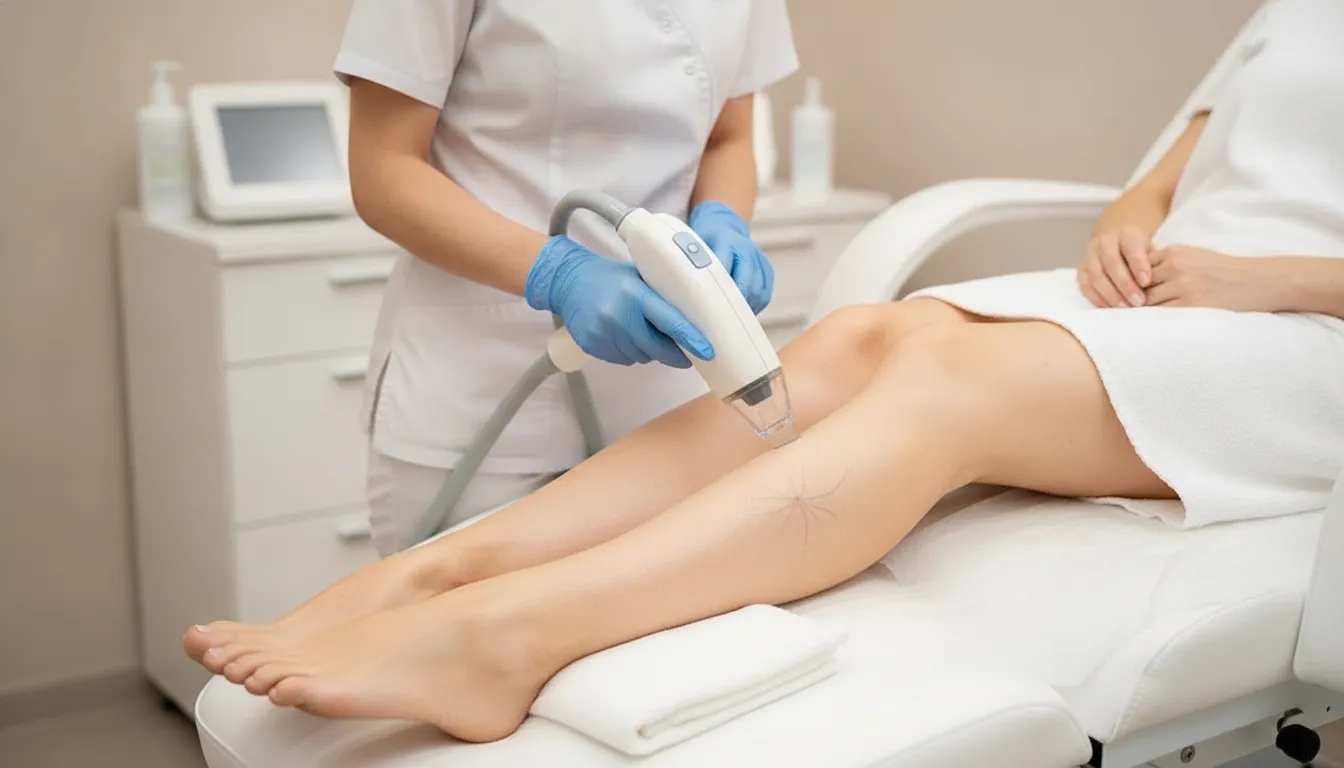
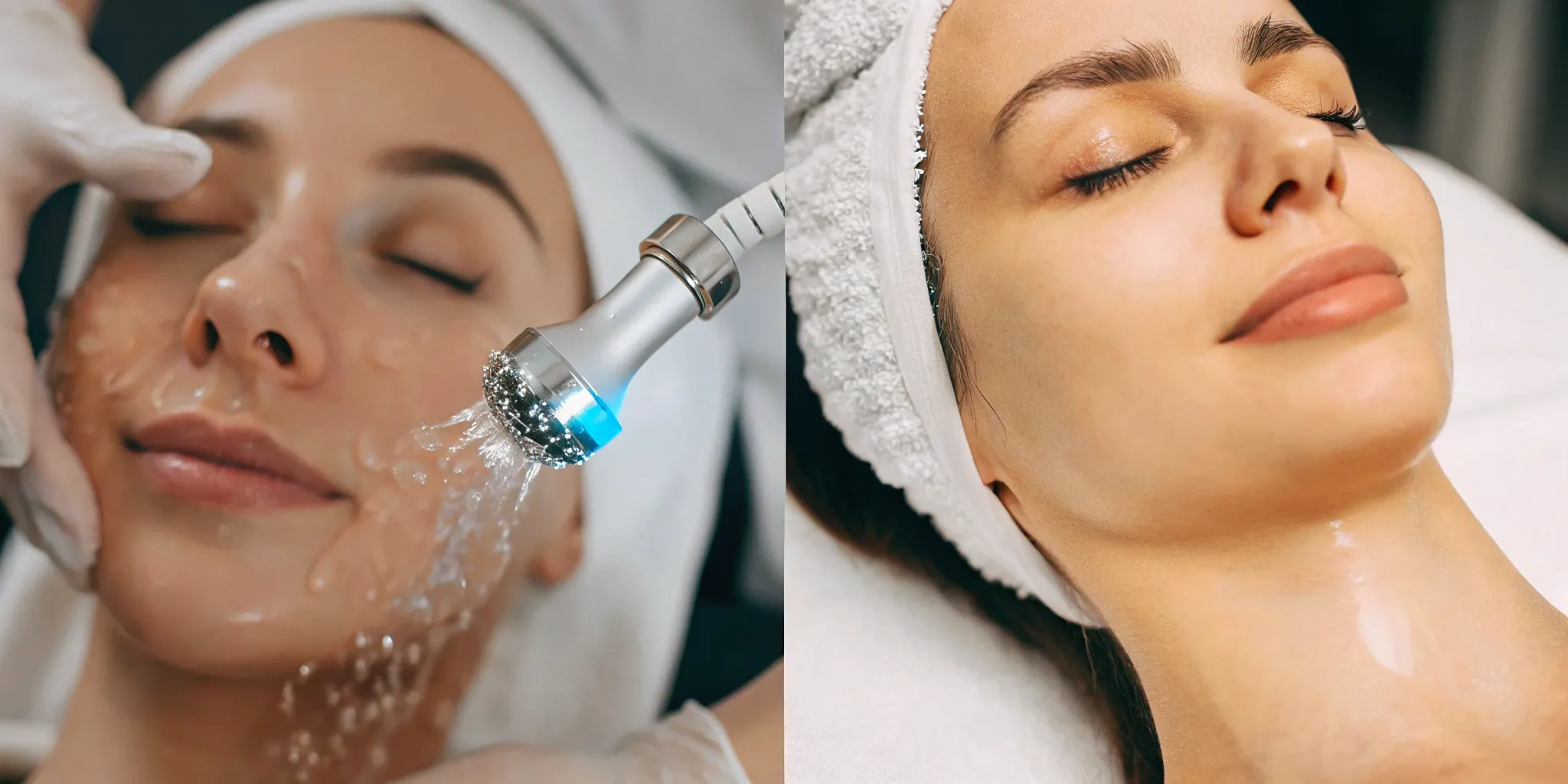
Your skin is unique, so your skincare treatments should be, too. What works wonders for one person might not be the right fit for another. This is especially true when deciding between popular options like HydraFacial and microdermabrasion. If your skin is feeling thirsty, sensitive, or prone to redness, a gentle, hydrating approach is essential. But if your main concerns are rough texture, fine lines, or uneven tone, you might need a more powerful resurfacing treatment. This guide dives deep into the hydrafacial vs microdermabrasion discussion, helping you analyze your skin’s needs so you can choose the procedure that will deliver the healthy, glowing results you deserve.
Key Takeaways
- Focus on Hydration or Texture: A HydraFacial is your go-to for an immediate, dewy glow, as it deeply cleanses and infuses skin with moisture. Microdermabrasion acts more like a refinishing tool, physically buffing away the top layer of skin to gradually smooth texture and reduce the appearance of sun damage.
- Match the Treatment to Your Skin Type: Choose a HydraFacial for its gentle approach, making it ideal for sensitive, dry, or acne-prone skin. Opt for microdermabrasion if your skin is less sensitive and your primary goals are correcting uneven texture, fine lines, or minor scarring.
- Get a Professional Recommendation: Reading about treatments is a great start, but a personalized consultation is the best way to ensure you get the right one. An expert can analyze your skin’s specific condition and recommend a treatment plan tailored to your goals.
What is a HydraFacial?
If you’ve been scrolling through glowing skin transformations online, you’ve likely come across the HydraFacial. So, what’s all the buzz about? Think of it as the ultimate upgrade to your standard facial. It’s a medical-grade treatment that uses a special device to cleanse, exfoliate, extract impurities, and drench your skin in hydrating serums all in one session.
Unlike treatments that focus on just one aspect of skincare, a HydraFacial is a multi-step process that tackles everything at once. It combines the benefits of a gentle chemical peel and physical exfoliation without the harshness or downtime. The machine’s wand works to remove dead skin cells and clear out your pores while simultaneously pushing potent, skin-loving ingredients like antioxidants and hyaluronic acid back into your skin. The result is an instant, noticeable glow and healthier-looking skin that feels incredibly clean and hydrated. It’s a fantastic option for maintaining skin health and getting that red-carpet-ready radiance.
Breaking Down the 3-Step Process
The magic of a HydraFacial lies in its patented three-step process, which is designed to give you a deep clean and lasting hydration. First, the “Cleanse + Peel” step gently exfoliates and resurfaces your skin, uncovering a fresh, new layer. Next is “Extract + Hydrate,” where the device uses a painless, gentle suction to remove debris from your pores while intensely moisturizing your skin. Finally, the “Fuse + Protect” step saturates your skin’s surface with antioxidants and peptides to maximize your glow. Best of all, the treatment can be customized to address your specific concerns, whether it’s fine lines, dark spots, or enlarged pores.
The Secret: Vortex Technology and Serum Infusion
What truly sets the HydraFacial apart is its unique Vortex-Fusion delivery system. This isn’t your average facial wand. The device uses a special spiral tip that creates a vortex effect to easily dislodge and remove impurities from your pores without squeezing or pressing. As it suctions away the gunk, it simultaneously infuses your freshly cleansed skin with customized, nourishing serums. This patented technology ensures that active ingredients like hyaluronic acid and peptides penetrate deeper for maximum effectiveness. It’s this combination of deep cleaning and potent serum infusion that delivers those immediate, glowing results everyone talks about.
What is Microdermabrasion?
Microdermabrasion is a classic and effective way to refresh your skin. Think of it as a powerful physical exfoliation treatment that gently buffs away the outermost layer of dead skin cells. By removing this dull, tired layer, the treatment reveals the brighter, smoother skin hiding just beneath the surface. It’s a go-to procedure for improving overall skin tone and texture, and it’s one of the many fantastic skincare services available to help you meet your goals. The process is straightforward and uses a special tool to either sand or polish the skin, clearing the way for a healthier glow.
Crystal vs. Diamond-Tip: What’s the Difference?
There are two main ways microdermabrasion gets the job done: with crystals or a diamond tip. The crystal method uses a handheld device to spray a fine stream of tiny crystals, like aluminum oxide, across your skin. This process gently dislodges dead cells, and a built-in vacuum immediately suctions them away along with the used crystals. The diamond-tip method, on the other hand, uses a wand with a tip made of natural or synthetic diamond chips. This tip directly buffs the skin to exfoliate it, and the vacuum whisks away the dead cells. Both techniques are effective at deep cleaning your skin and improving its appearance; the choice often comes down to the technician’s preference and your skin’s specific needs.
How It Physically Exfoliates Your Skin
Unlike chemical peels that use acids to dissolve dead skin, microdermabrasion is a form of physical exfoliation. The handheld device essentially sands away the top layer of your skin, which is composed of dead cells. This process is great for addressing surface-level concerns like fine lines, minor acne scars, sun spots, and uneven texture. By clearing away that buildup, microdermabrasion not only makes your skin look more radiant but also allows your skincare products to penetrate more effectively. If you’re focused on improving texture and scarring, it’s a great alternative to treatments like SkinPen Microneedling, which works on a deeper level. The result is a smoother, more even complexion that feels incredibly soft.
HydraFacial vs. Microdermabrasion: Key Differences
While both HydraFacial and microdermabrasion are fantastic for exfoliation, they go about it in very different ways. Think of it like this: one is a deep-cleaning, hydrating spa day for your face, while the other is more like a targeted resurfacing project. Both can give you beautiful results, but the experience, downtime, and the type of glow you get are distinct. Understanding these differences is the key to picking the treatment that aligns perfectly with your skin’s needs and your personal beauty goals. Let’s break down exactly what sets them apart.
Treatment Approach: Gentle vs. Intense
The biggest difference lies in how each treatment works. A HydraFacial is a multi-step experience that combines gentle physical exfoliation with a light chemical peel. It uses a special wand to cleanse your skin, exfoliate dead cells, extract impurities from your pores, and then infuse your skin with hydrating serums. It’s a comprehensive treatment that cleans and nourishes all at once.
Microdermabrasion, on the other hand, is a purely physical exfoliation treatment. It uses a diamond-tipped wand or fine crystals to manually sand away the outermost layer of dead skin cells. A suction component then vacuums up the exfoliated cells, revealing smoother skin underneath. It’s more focused on resurfacing and can be a bit more intense than the gentle, hydrating approach of a HydraFacial.
Comfort Level and Downtime
When it comes to comfort, HydraFacial is often described as a relaxing, soothing treatment. Because it’s so gentle, there’s typically no downtime involved. You can walk out of your appointment with an immediate, noticeable glow and head straight back to your daily activities without any redness or irritation. It’s the perfect “lunchtime” facial if you have an event the same day.
Microdermabrasion is also non-invasive, but it can be a little more aggressive on the skin. Some people experience mild redness, tightness, or dryness for a few hours or even a couple of days afterward. While it’s not significant downtime, you might want to schedule your treatment when you don’t have a major event immediately following. The gentler nature of HydraFacial makes it a go-to for those with more sensitive skin.
Instant Glow vs. Gradual Texture Refinement
If you’re looking for immediate gratification, HydraFacial delivers. The results are instant—you’ll leave with visibly plumper, more hydrated, and glowing skin right after your session. Regular treatments help maintain that dewy, youthful look and keep your skin healthy and clear. It’s perfect for getting a quick refresh and achieving immediate radiance.
Microdermabrasion offers more of a slow burn. While your skin will feel smoother right away, the most significant results—like improved texture, reduced appearance of fine lines, and a brighter complexion—build up over time with a series of treatments. It’s an excellent choice if your main goal is to refine your skin’s texture and you’re willing to see gradual improvement with each session. Both are great options among our skincare services, but they cater to different timelines and goals.
Which Treatment is Right for Your Skin Type?
Choosing between a HydraFacial and microdermabrasion really comes down to your skin’s specific needs and your ultimate beauty goals. One isn’t universally “better” than the other; they simply excel in different areas. Think of it like choosing a workout: some days you need a restorative yoga session, and other days you need a high-intensity interval class. Both are great, but they serve different purposes.
To figure out which facial is your perfect match, let’s look at what your skin is telling you. Are you dealing with sensitivity and thirst, or are you trying to smooth out texture and fade past damage? Answering that question is the first step to getting the glowing results you’re looking for.
Choose HydraFacial for Sensitive or Dehydrated Skin
If your skin is sensitive, prone to redness, or just feels constantly thirsty, the HydraFacial is your new best friend. This treatment is incredibly gentle, using a vortex-powered wand to cleanse and exfoliate without any harsh crystals or abrasive tips. Its main superpower is hydration. While it cleans out your pores, it’s also infusing your skin with nourishing serums packed with antioxidants and peptides.
This makes it a safe and effective option for nearly every skin type, even those with acne. The only exception is if you have a severe or infected breakout; in that case, it’s best to wait until your skin has calmed down. For everyone else, it’s the perfect way to get an instant, dewy glow with zero irritation.
Choose Microdermabrasion for Texture and Sun Damage
If your primary concerns are rough texture, lingering acne scars, or sun damage, microdermabrasion is a fantastic choice. This treatment works by performing a deep, physical exfoliation on the top layer of your skin. By gently sanding away dead skin cells, it encourages new, smoother skin to come to the surface. This process is highly effective for minimizing the appearance of fine lines, evening out skin tone, and reducing the look of superficial scars.
While it’s more intensive than a HydraFacial, it’s a go-to for anyone wanting to actively resurface their skin. If you’re focused on stimulating collagen and tackling deeper textural issues, you might also consider treatments like microneedling, which works on a similar principle of skin renewal.
When You Should Avoid These Treatments
Knowing when not to get a treatment is just as important as knowing which one to choose. Both procedures require you to listen to your skin. If you have an active, infected acne breakout, you should hold off on both HydraFacial and microdermabrasion to avoid spreading bacteria or causing more inflammation.
Microdermabrasion has a few more restrictions. Because it’s a more aggressive form of exfoliation, it’s not recommended for people with active rosacea, eczema, or very thin, sensitive skin, as it can be too harsh and potentially cause irritation. Your skin’s health and safety always come first, so if you’re unsure about your skin’s condition, it’s always best to get expert guidance from a professional.
Weighing the Pros and Cons
Deciding between two great skincare treatments can feel like a tough choice. Both HydraFacial and microdermabrasion offer fantastic benefits, but they work in different ways and are suited for different skin goals. To help you figure out which one is the right fit for you, let’s break down the specific advantages and potential drawbacks of each. Think of this as your cheat sheet for understanding what each treatment brings to the table, so you can make a choice that leaves you feeling confident and your skin looking its best.
HydraFacial: Advantages and Limitations
The biggest win for the HydraFacial is its gentle, all-in-one approach. It’s a fantastic option if you have sensitive or acne-prone skin because it cleanses, exfoliates, extracts impurities, and deeply hydrates without harsh abrasion. The treatment uses a special wand to combine a gentle physical scrub with a mild chemical peel, clearing out pores while infusing your skin with nourishing serums. This focus on hydration leaves your skin looking plump and dewy immediately. The main limitation is that you should hold off on getting one if you have an active, infected breakout. It’s best to wait until your skin has healed to get the full, glowing benefits.
Microdermabrasion: Benefits and Drawbacks
If you’re dealing with rough skin texture, stubborn acne scars, or sun damage, microdermabrasion might be your perfect match. This treatment is more intensive, using physical exfoliation to sand away the outermost layer of dead skin cells. This process is highly effective for smoothing uneven texture and reducing the appearance of discoloration over time. However, its intensity can also be a drawback. Microdermabrasion can be too abrasive for sensitive skin types and may cause temporary redness, irritation, or even tiny broken blood vessels. Unlike a HydraFacial, it doesn’t include a hydration step, so your skin might feel a bit dry afterward.
Important Safety Considerations
Your safety and skin health are always the top priority. A HydraFacial is safe for nearly every skin type, but as mentioned, it’s best to reschedule if you have an active infection. After microdermabrasion, you can expect some slight redness or dryness for a few days, which is completely normal. For both treatments, aftercare is key. Your skin will be more sensitive to the sun, so applying a broad-spectrum sunscreen daily is non-negotiable. Drinking plenty of water will also help keep your skin hydrated from the inside out. The best way to ensure a safe and effective treatment is to get personalized advice from a skincare professional who can assess your unique needs.
What Results Can You Expect (and How Often)?
Understanding the timeline for results is a huge part of choosing the right skincare treatment. Whether you’re looking for an instant refresh or a long-term solution for skin texture, both HydraFacial and microdermabrasion deliver visible improvements—they just do it on different schedules. Let’s break down what you can expect from each treatment and how often you’ll want to book an appointment to maintain your beautiful results.
HydraFacial: Immediate Results and Monthly Upkeep
If you love instant gratification, the HydraFacial is for you. You’ll walk out of your appointment with noticeably brighter, smoother, and more hydrated skin. This immediate glow makes it a perfect treatment before a wedding, vacation, or any special event where you want to look your absolute best. To keep your skin in top shape, a monthly session is a great rhythm. Regular treatments help maintain that dewy hydration, manage skin concerns, and keep your complexion looking consistently clear and youthful.
Microdermabrasion: Visible Changes and Treatment Schedules
Microdermabrasion is more of a marathon than a sprint. While your skin will feel softer and look a bit brighter after your first session, the most significant changes happen over time. This treatment is designed to gradually refine your skin’s texture and tone. For the best outcome, especially for concerns like fine lines or uneven texture, a series of treatments is usually recommended. Depending on your specific skin goals, your provider might suggest a plan of 5 to 16 sessions, spaced every one to four weeks.
Your Timeline for Seeing Improvements
So, how do you choose? If you need a quick pick-me-up with zero downtime, a HydraFacial delivers that fresh-faced look right away. It’s a fantastic standalone treatment you can get monthly or as needed. On the other hand, if your goal is to achieve a deeper level of skin smoothing and texture correction, committing to a series of microdermabrasion treatments will yield more profound, lasting results. The best way to know for sure is to get expert guidance based on your unique skin.
Comparing the Cost of HydraFacial and Microdermabrasion
Let’s talk about the numbers, because when you’re deciding between two fantastic skincare treatments, your budget is naturally part of the conversation. Both HydraFacial and microdermabrasion are investments in your skin’s health, but they come with different price points and treatment schedules. The final cost will always depend on your location, the provider’s expertise, and the specific treatment plan designed just for you, so think of these numbers as a general guide to get you started.
It’s helpful to look beyond the price of a single session and consider what you’re getting for your money. One treatment might have a lower upfront cost, while the other could offer more comprehensive benefits in a single visit. I always encourage people to think about their long-term skin goals. Are you looking for a quick, radiant refresh before a big event, or are you committed to a plan that gradually refines your skin’s texture over time? Understanding the full picture will help you make a choice that feels right for both your skin and your wallet, ensuring you get the value you’re looking for without any surprises.
A Look at Per-Treatment Pricing
On a session-by-session basis, microdermabrasion usually has a lower price tag, often ranging from $75 to $200. It’s a straightforward and effective exfoliation treatment that gets the job done. In contrast, a HydraFacial treatment generally costs between $150 and $300 per session.
The price difference comes down to the complexity of the treatment. With a HydraFacial, you aren’t just getting exfoliation; you’re also receiving deep cleansing, gentle extractions, and an infusion of customized serums. You’re paying for a more comprehensive, all-in-one facial experience that addresses multiple skin concerns at once.
Considering the Long-Term Investment
The best way to think about cost is by looking at your long-term goals. Microdermabrasion is often recommended as a series of treatments, usually spaced a few weeks apart, to achieve the best improvements in skin texture and tone. While each session is less expensive, the total cost will add up over your full treatment plan.
A HydraFacial, on the other hand, delivers that immediate glow and is perfect for monthly maintenance. Many people treat it as their go-to facial to keep their skin consistently hydrated and clear. The right choice really depends on your desired outcome and timeline. For a personalized quote, it’s always best to schedule a consultation to discuss your specific needs.
How to Choose Your Perfect Skincare Treatment
Deciding between two popular and effective treatments can feel like a tough choice, but it doesn’t have to be. The right facial for you comes down to your unique skin, your ultimate beauty goals, and what your lifestyle allows for. By looking at what you want to achieve—whether it’s a dewy glow for an upcoming event or a long-term solution for uneven texture—you can find the perfect match. Let’s break down how to align your personal needs with the right treatment.
Aligning Your Choice with Your Goals and Lifestyle
The best way to start is by taking a close look at your skin and your schedule. Selecting between a HydraFacial and microdermabrasion depends entirely on your skin’s sensitivity, your primary concerns, and how much (if any) downtime you can handle.
A HydraFacial is generally your best option if you have sensitive or acne-prone skin. It’s an amazing choice if you’re looking for intense hydration and a radiant, healthy glow with absolutely no recovery time. On the other hand, microdermabrasion might be more effective if you’re dealing with concerns like uneven skin tone, rough texture, or sun damage. It’s best suited for normal to oily skin types that aren’t prone to sensitivity.
Get Expert Guidance at Ultimate Image MedSpa
While understanding the basics is helpful, nothing compares to a professional consultation. An experienced esthetician can assess your skin in a way you simply can’t at home. At Ultimate Image MedSpa, we pride ourselves on creating personalized treatment plans that deliver real results. We don’t believe in a one-size-fits-all approach because your skin is as unique as you are.
During a consultation, we’ll talk through your goals, analyze your skin’s condition, and recommend the ideal treatment path for you. It might be a HydraFacial, microdermabrasion, or even another one of our advanced services. Our goal is to provide expert care that helps you feel confident and beautiful. Ready to find your perfect treatment? Contact us to schedule your personal consultation today.
Related Articles
- Your Guide to Using HydraFacial for Acne Treatment – Ultimate Image MedSpa
- HydraFacial for Men Near Me: A Complete Guide – Ultimate Image MedSpa
- Finding a HydraFacial Near Me: A Complete Guide – Ultimate Image MedSpa
Frequently Asked Questions
If I can only choose one, what’s the single biggest reason to pick HydraFacial over microdermabrasion, and vice versa? Think of it this way: choose a HydraFacial if your main goal is deep hydration and an immediate, dewy glow, especially if you have sensitive skin. It’s an all-in-one cleansing and nourishing treatment. On the other hand, choose microdermabrasion if your primary focus is on improving skin texture, such as smoothing fine lines or reducing the appearance of old acne scars and sun spots.
I have a big event coming up. Which treatment should I get? For a pre-event glow, the HydraFacial is your best bet. It delivers instant results with zero downtime, leaving your skin looking plump, hydrated, and radiant right away. You can get one a day or two before your event and look fantastic. Microdermabrasion can sometimes leave your skin slightly red for a day or so, making it a better choice when you have more time to spare before a special occasion.
What does each treatment actually feel like? A HydraFacial is very gentle and often described as relaxing. It feels like a cool, soft paintbrush or a tiny vacuum moving across your face—there’s no discomfort at all. Microdermabrasion involves a more noticeable physical exfoliation. You’ll feel a mild scratching or sanding sensation as the wand buffs away dead skin cells, but it shouldn’t be painful.
Can I get these treatments if I have acne? Yes, but with an important distinction. A HydraFacial is excellent for congested, acne-prone skin because it helps clear out pores without causing irritation. Microdermabrasion can be effective for improving the texture left by old acne scars. However, you should avoid both treatments if you have an active, inflamed, or infected breakout, as the procedure could spread bacteria and worsen the issue.
What’s the most important aftercare step for both treatments? Sunscreen is absolutely non-negotiable. Both treatments exfoliate the top layer of your skin, leaving the fresh, new skin underneath more vulnerable to sun damage. To protect your results and prevent hyperpigmentation, you must apply a broad-spectrum sunscreen every single day, even if it’s cloudy. For personalized guidance, VI Peel can help you choose the right next step. For personalized guidance, book a consultation can help you choose the right next step.