
You may have heard a friend say they needed six sessions for their laser hair removal, while an article online suggested ten. This conflicting information can be confusing, but it highlights a key truth: the process is highly personalized. When you ask, “how many laser hair removal sessions for face will I need?” the answer depends entirely on your body. Factors like the contrast between your skin and hair color, your hair’s texture, and even your hormones play a significant role in shaping your treatment plan. We’re here to clear up the confusion and explain exactly what influences your session count, helping you understand your unique path to smoother skin.
Key Takeaways
- Multiple sessions are essential for success: Your treatment plan will include a series of appointments, typically 6 to 10 for the face, because the laser targets hair in its active growth phase, and several sessions are needed to treat every follicle as it enters this stage.
- Your plan is completely personalized: Factors like your hair color, skin tone, and even hormones play a big role in your treatment timeline, which is why a professional consultation is key to setting realistic expectations for your specific needs.
- Long-term smoothness requires simple upkeep: After your initial sessions, maintaining your results involves gentle aftercare, consistent sun protection, and planning for an occasional touch-up appointment to manage any new hair growth.
Facial Laser Hair Removal: How Many Sessions Will You Need?
So, you’re ready to say goodbye to unwanted facial hair for good. That’s exciting! One of the first questions everyone asks is, “How many sessions will this actually take?” While there’s no single answer, we can give you a clear idea of what to expect. The exact number of treatments depends on your unique hair, skin type, and the specific area you’re treating. Let’s break down what goes into your personalized treatment plan.
How Many Sessions for Your Lip, Chin, and Cheeks?
For facial areas, the number of sessions can vary. Generally, you can expect to need between 6 to 10 treatments for the best results. Smaller areas with finer hair, like the upper lip or sideburns, often require 6 to 8 sessions. For a full face treatment or areas with coarser hair, like the chin, you might need closer to 8 to 10 sessions. Factors like hair thickness and hormonal conditions also influence your specific needs. A personalized consultation will give you the most accurate timeline for your laser hair removal goals.
Why One Session Isn’t Enough
It would be amazing if one session could zap away all unwanted hair, but our hair is a bit more complex than that. The laser works by targeting hair follicles that are in their active growth phase. The catch is, not all of your hair is in this phase at the same time. At any given moment, some of your hair is growing, some is resting, and some is shedding. A single session only treats the hairs that are currently active. That’s why multiple sessions are essential to catch every hair as it enters the right phase, ensuring you get that smooth, lasting result you’re looking for.
How the Hair Growth Cycle Affects Your Treatment Plan
Your hair grows in a three-stage cycle, and the laser is only effective during the first stage, known as the anagen or “active growth” phase. This is when the hair is attached to the follicle, allowing the laser’s energy to travel down and disable it. To treat as many follicles as possible, we schedule your appointments about 4 to 6 weeks apart. This timing is designed to catch the next batch of hair as it enters the active growth phase. Sticking to this schedule is key for achieving the best outcome. If you’re ready to create a plan that works for you, you can contact us to schedule a consultation.
What Factors Influence Your Session Count?
If you’ve asked a friend about their laser hair removal experience, you might have noticed their treatment plan was totally different from what you’ve read online. That’s because there’s no magic number of sessions that works for everyone. The truth is, your journey to smooth, hair-free skin is deeply personal. Several key factors, from your hair color to your body’s unique biology, will shape your treatment schedule. Understanding these elements will help you set realistic expectations and get the most out of every session. Let’s look at what influences your final session count.
How Your Hair Color and Texture Affect Treatment
The science behind laser hair removal is all about pigment. The laser emits a beam of light that is absorbed by the melanin, or pigment, in your hair. This light energy converts to heat, which damages the hair follicle and prevents future growth. Because the laser targets pigment, it works most effectively on hair that is dark and coarse. The more melanin the hair contains, the more energy it can absorb, leading to a more effective treatment. This is why people with dark brown or black hair often see results faster than those with lighter, finer hair.
Why Your Skin Tone Matters
Just as the laser is attracted to the pigment in your hair, it’s also attracted to the pigment in your skin. For the laser to work its magic safely, it needs a clear contrast between your skin tone and hair color. The ideal combination is light skin and dark hair, as this allows the laser to easily identify the hair follicle without affecting the surrounding skin. While modern laser technology has made treatment safer for a wider range of skin tones, the principle of contrast still applies. This is why a professional consultation is so important to determine the right laser and settings for your unique skin and hair type.
The Role of Hormones and Conditions like PCOS
Our hormones play a huge role in just about everything, and hair growth is no exception. Facial hair, in particular, is often hormonally driven. This means that areas like the upper lip, chin, and sideburns can be more stubborn and may require more sessions to treat effectively. Conditions like Polycystic Ovary Syndrome (PCOS), which can cause excess hair growth, also impact the treatment plan. If you have a hormonal condition, you can still achieve great results, but you may need additional sessions or more frequent touch-ups over time to manage any new hair that appears.
Your Body’s Unique Response to Treatment
Every single hair on your body goes through a three-stage growth cycle, but not all at the same time. The laser is only effective when the hair is in its active growth phase (the anagen stage). Since only a fraction of your hair is in this phase at any given moment, multiple sessions are essential to catch every hair at the right time. Your personal treatment schedule will be designed to target these growth cycles. Sticking to your recommended appointment timeline is key to achieving the best possible results. To get a plan tailored specifically to you, it’s always best to schedule a consultation.
What to Expect: From Your First Session to Your Last
Starting your laser hair removal journey is exciting, and knowing what’s ahead can make the process feel smooth and predictable. From prepping your skin to understanding the treatment schedule, each step is designed to give you the best possible results. Think of it as a partnership between you and your technician. You’ll have a little pre-session homework, and we’ll handle the rest. Here’s a clear breakdown of what happens at every stage, so you can walk into each appointment feeling confident and prepared.
How to Prepare for Your Treatment
Proper prep work is key to a successful and comfortable session. A few days before your appointment, you’ll want to shave the treatment area. This allows the laser to target the hair follicle directly beneath the skin, rather than singing the hair on the surface. It’s also important to avoid sun exposure, including tanning beds, for a couple of weeks beforehand, as tanned skin can increase the risk of side effects. On the day of your treatment, arrive with clean skin. This means no makeup, lotions, or oils on the area being treated, which ensures the laser can work as effectively as possible. Following these simple steps helps make your laser hair removal experience safe and efficient.
A Look Inside a Laser Hair Removal Session
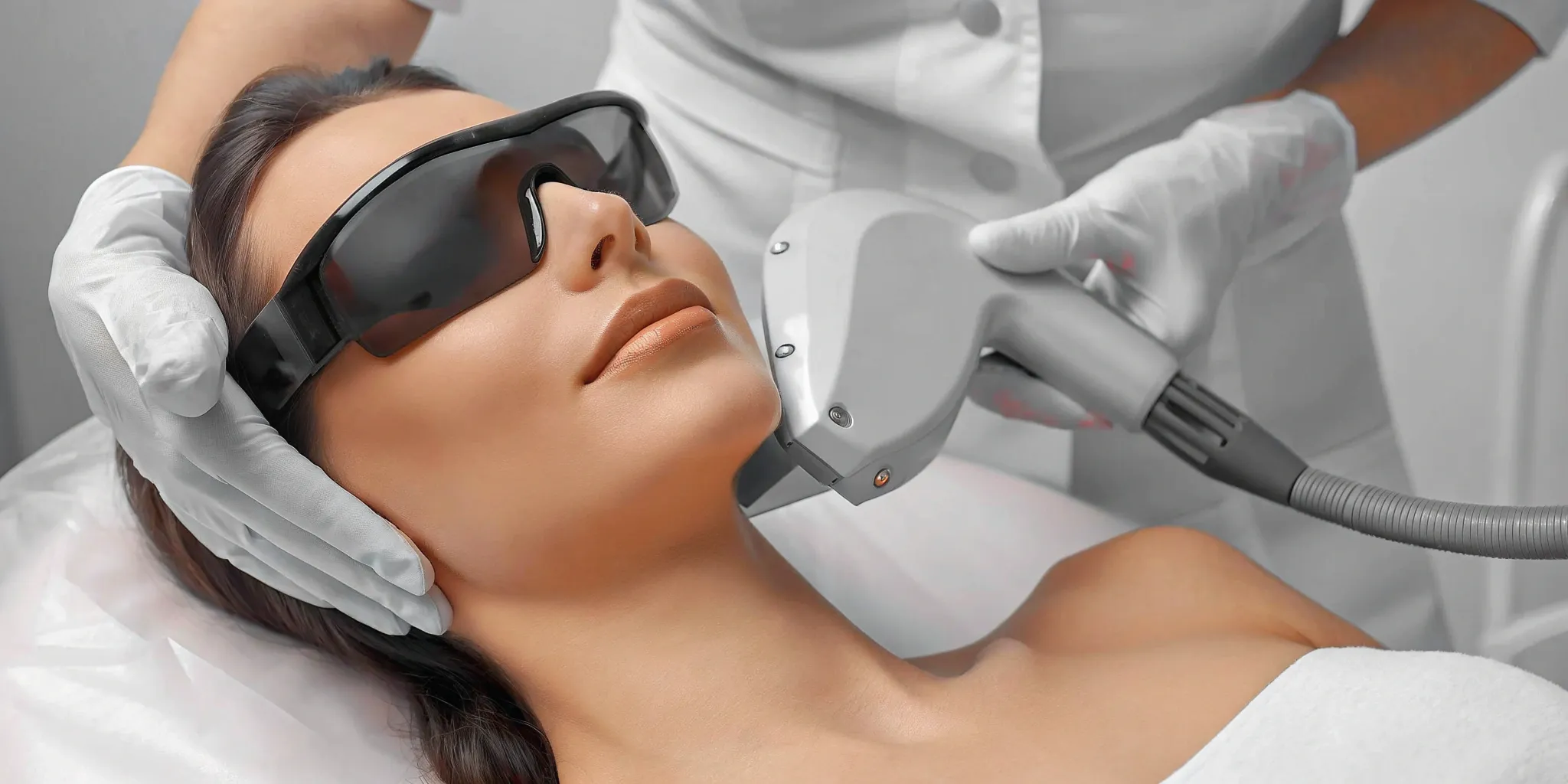
During your session, you’ll get comfortable while your technician preps your skin. They will give you protective eyewear and then use a small, handheld device to deliver pulses of light to the treatment area. The laser works by targeting the pigment in your hair follicles, heating them to prevent future growth. Many people describe the sensation as a quick, warm snap, similar to a rubber band against the skin. The process is quite fast, especially for facial areas like the upper lip or chin, often taking just a few minutes. Our team at Ultimate Image MedSpa is trained to make you feel as comfortable as possible throughout your treatment.
Tracking Your Progress and Setting a Realistic Timeline
Patience is part of the process, as results appear gradually over your series of treatments. After your first few sessions, you’ll likely notice that the hair that grows back is finer, lighter, and less dense. Most people need between six to eight sessions to achieve a significant reduction in hair. Over time, you can expect to see up to a 90% decrease in hair growth. Everyone’s body responds differently, so your personal timeline might vary. We’ll track your progress at each appointment and adjust as needed. For a personalized treatment plan, you can always schedule a consultation with one of our experts.
Why Spacing Out Your Sessions is Key
You might wonder why you can’t just have all your sessions in back-to-back weeks. The reason is your hair’s natural growth cycle. Hair grows in three different phases, but the laser is only effective when the hair is in its active growth phase. Since not all of your hair is in the same phase at the same time, spacing your appointments four to six weeks apart is crucial. This timing is strategically planned to catch more and more of your hair in that active phase. Sticking to the recommended schedule ensures the laser can target the maximum number of follicles over time, leading to the smoothest, most long-lasting results.
Is Facial Laser Hair Removal Safe and Effective?
When you’re considering a treatment for your face, safety and effectiveness are naturally top of mind. The good news is that for most people, facial laser hair removal is a very safe and reliable option. This noninvasive technique uses concentrated light to penetrate hair follicles, which damages them and inhibits future growth. It’s a trusted method for achieving smoother skin without the daily hassle of shaving or the monthly pain of waxing.
While it’s a well-established procedure, it’s normal to have questions about potential side effects. You might see temporary redness or slight irritation right after a session, similar to a mild sunburn, but these reactions typically fade within a few hours. The key to a great experience is working with a qualified professional who understands the nuances of treating delicate facial skin. They can ensure the laser settings are perfectly calibrated for your specific skin and hair type, making the process both safe and successful. A professional will guide you through every step, from the initial consultation to your aftercare routine, ensuring you feel confident and cared for. This personalized approach is what sets professional treatments apart and leads to the lasting results you want.
Does It Hurt? Common Myths vs. Reality
Let’s clear the air on one of the biggest myths: that laser hair removal is unbearably painful. While everyone’s pain tolerance is different, most people describe the sensation as a quick, warm snap, like a rubber band against the skin. It’s generally considered much more tolerable than waxing. The idea that the treatment is excruciating is largely a misconception. When performed by a trained and experienced professional, the process is managed to keep you as comfortable as possible. Modern lasers also have cooling mechanisms to soothe the skin during treatment, which makes a huge difference in the overall experience.
Safety Precautions for Every Skin Type
Yes, laser hair removal is safe for the face. Dermatologists and certified technicians are trained to work on this delicate area with precision. They use specialized settings to protect your skin while effectively targeting the hair follicles. It’s not a one-size-fits-all treatment; your provider will consider your specific skin tone and hair color to create a safe plan. The most important step you can take is to have an open conversation during your consultation. Don’t hesitate to ask questions and share your concerns so your provider can give you the best possible care and results for your unique needs.
Why Professional Treatment Matters
You have plenty of options for hair removal, but professional laser treatment stands apart. Unlike shaving that just cuts hair at the surface or waxing that rips it from the root, laser hair removal offers a long-term reduction by targeting the follicle itself. Choosing a professional medspa is crucial because an expert will properly assess your skin and hair type to customize a treatment plan just for you. This personalized approach is what delivers the best results and, more importantly, ensures your safety. At-home devices simply can’t match the power, precision, or safety protocols of the professional-grade technology used in a medical spa.
How to Maintain Your Smooth Results
You’ve completed your sessions and are loving your smooth, hair-free skin. So, what’s next? Maintaining your results is all about smart aftercare and understanding how your body works. A little upkeep goes a long way in keeping your face free from unwanted hair for years to come. Think of it as protecting your investment in yourself. With the right approach, you can extend the benefits of your treatment and keep that confidence glowing.
Will You Need Touch-Up Sessions?
Yes, you will likely need occasional touch-up sessions to keep your skin perfectly smooth. While laser hair removal offers a significant, long-term reduction in hair, it’s not always permanent. Hormonal changes, which are completely normal, can sometimes trigger new hair growth. This is especially true for facial hair. Most of our clients find that a quick touch-up session once or twice a year is all they need to manage any new, fine hairs that appear. These maintenance appointments are typically much shorter than your initial sessions and are an easy way to preserve your fantastic results.
The Best Aftercare Tips for Your Face
Proper aftercare is key to a comfortable recovery and beautiful, long-lasting results. Your skin will be a bit sensitive right after treatment, so it’s important to be gentle with it. If you experience any redness or mild irritation, you can apply a cool compress or some pure aloe vera gel to soothe the area. For the first few days, avoid using harsh skincare products like strong exfoliants, retinoids, or anything with glycolic acid. Stick to a gentle cleanser and a simple moisturizer. Most importantly, protect your skin from the sun by wearing a broad-spectrum SPF 30 or higher every day. If you ever have questions about your aftercare, please don’t hesitate to contact us.
What to Expect for Long-Term Hair Reduction
After completing your full treatment plan, you can expect a dramatic change. Many people see up to a 90% reduction in hair growth in the treated areas. The few hairs that might grow back are usually much finer, lighter, and far less noticeable than before. This means you can say goodbye to daily shaving, tweezing, or waxing. The goal of laser hair removal is to give you lasting smoothness and freedom from the constant hassle of hair removal. It’s one of the most effective long-term services available for managing unwanted facial hair and achieving consistently clear skin.
Related Articles
- The Complete Guide to Face Laser Hair Removal – Ultimate Image MedSpa
- Laser Hair Removal FAQs | Expert Insights at Ultimate Image MedSpa
Frequently Asked Questions
Is facial laser hair removal actually permanent? The most accurate way to describe it is “permanent hair reduction.” The treatment works by damaging hair follicles to prevent them from growing new hair. While the treated follicles are permanently disabled, hormonal changes can sometimes cause new, untreated follicles to produce hair. This is why most people need a touch-up session once or twice a year to maintain that perfectly smooth look.
What happens if I have to miss or reschedule an appointment? Life gets busy, and we understand that you might need to move an appointment. While it’s not ideal, it won’t ruin your results. The key is to get back on schedule as soon as you can. Our treatment timeline is designed to target hair during its active growth phase, so consistent timing gives you the most effective outcome. Just let us know, and we’ll find the next best time for you.
Why can’t I wax or tweeze between my sessions? This is a great question. For the laser to be effective, the root of the hair must be present in the follicle. Waxing and tweezing pull the entire hair out from the root, leaving nothing for the laser to target. If you remove the root, the laser can’t do its job. If you need to manage hair between treatments, you should only shave the area.
Can I still get great results if I have a hormonal condition like PCOS? Yes, you absolutely can. Many of our clients with hormonal conditions achieve fantastic results with laser hair removal. The main difference is that you might require more initial sessions to get the reduction you want, and you may need more frequent touch-up appointments over the long term to manage any new hair growth stimulated by hormones.
Is the treatment different for facial hair compared to body hair? While the technology is the same, the approach for the face is often more specialized. Facial skin is more delicate, and the hair can be more stubborn due to hormonal influences. Because of this, your technician will use very precise settings and may recommend a slightly different treatment schedule compared to an area like your legs or underarms.