
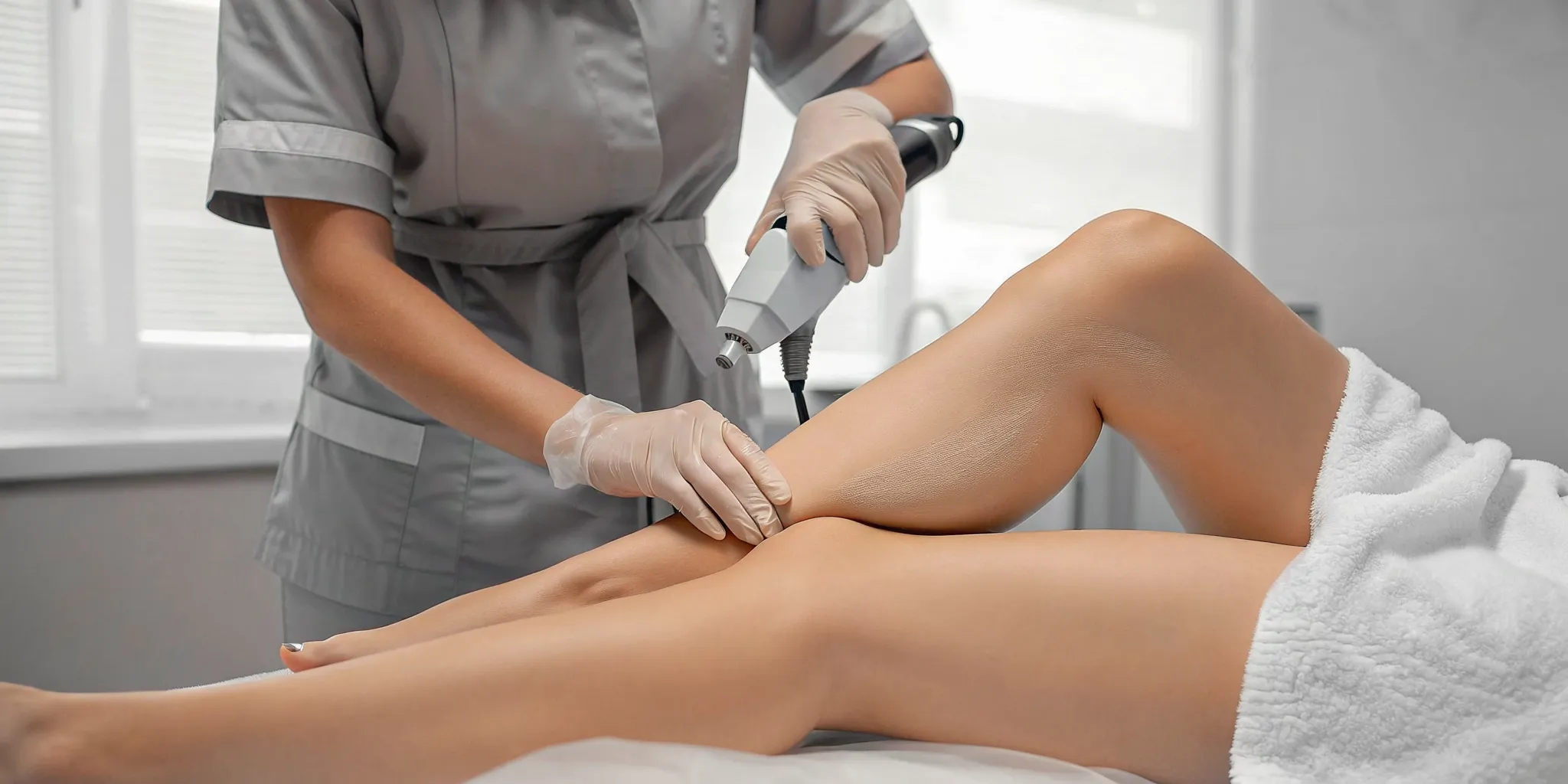
Living in Texas means we plan our lives around the sun. From weekend lake trips to patio dinners, we love the sunshine, but it plays a huge role in our skincare. When it comes to a treatment like laser hair removal, that intense sun requires careful planning. If you want to be ready for our long summers, you have to think ahead. The best time of year for laser hair removal in Texas is undoubtedly the fall and winter. Starting when the temperatures drop allows you to complete your sessions safely and effectively, without battling the constant temptation and risk of sun exposure on freshly treated skin.
Key Takeaways
- Plan ahead for summer-ready skin: Starting your laser hair removal journey in the fall or winter allows you to complete the full series of treatments during a time with less sun exposure, so you’re completely finished by swimsuit season.
- Protect your skin from the sun: Untanned skin is essential for a safe and effective treatment. You must avoid sun exposure before and after each session to prevent side effects and get the best possible results.
- Trust the process for lasting results: Laser hair removal requires multiple sessions spaced several weeks apart to target hair in every growth phase, so consistency is crucial for achieving that permanently smooth finish.
Why Start Laser Hair Removal in the Fall or Winter?
If you’ve been dreaming of smooth, hair-free skin, you might be surprised to learn that the best time to start the process isn’t right before your summer vacation. The ideal seasons for laser hair removal are actually fall and winter. Think of it as your off-season project for a carefree summer. Planning your treatments during the cooler, cloudier months sets you up for the best possible results with the fewest complications.
Timing is a key part of a successful laser hair removal journey. Since the treatment involves a series of appointments spaced several weeks apart, starting in the fall gives you a clear runway to complete your sessions before the Texas sun is back in full force. It’s all about working with your body’s natural state and the seasons to make the process as smooth and effective as possible. Let’s break down exactly why scheduling your first session when the temperatures drop is such a smart move.
Less Sun Means Fewer Complications
The number one rule of laser hair removal is to avoid sun exposure on the treated areas. This is because the laser technology works by targeting the pigment in your hair follicles. When your skin is tanned, there’s less contrast between your skin and hair color, which can make the treatment less effective and increase the risk of side effects like discoloration. During the fall and winter, you’re naturally spending less time in the sun. This makes it much easier to keep your skin at its natural, untanned tone, creating the perfect canvas for the laser to do its job safely and efficiently.
Finish Your Sessions Before Summer Arrives
Laser hair removal is a process, not a single event. A full treatment course typically involves six to eight sessions, with about four to six weeks between each appointment to target hair in every growth phase. If you do the math, starting in October or November gives you plenty of time to complete your entire series before shorts and swimsuit season rolls around. By the time summer arrives, you won’t be worrying about scheduling your next appointment or hiding from the sun. Instead, you can simply enjoy your smooth, beautiful results. Ready to plan your timeline? Schedule a consultation to get started.
Cooler Weather Helps Your Skin Recover
After each laser session, your skin will be sensitive and needs time to heal. The cooler temperatures of fall and winter can make this recovery period much more comfortable. You won’t have to worry about intense heat or humidity irritating your freshly treated skin. Plus, cozy fall and winter clothing like long sleeves and pants provides an effortless physical barrier against incidental sun exposure. This helps protect your skin while it heals, ensuring you get the best outcome from all your aesthetic treatments. It’s a simple way to make the post-treatment phase feel easy and comfortable.
How Sun Exposure Affects Your Laser Treatment
Sun-kissed skin is great, but when it comes to laser hair removal, it’s your biggest obstacle. Understanding how sun exposure impacts your treatment is key to getting the smooth, hair-free results you want. It’s not just about effectiveness; it’s also about keeping your skin safe and healthy throughout the process.
Why Tanned Skin and Lasers Don’t Mix
Think of a laser as a heat-seeking tool that targets pigment. For laser hair removal to work, the laser needs to find the dark melanin in your hair follicles. When your skin is tanned, it has more melanin, which can confuse the laser. Instead of just targeting the hair, the laser might also target the pigment in your skin. To avoid this, your technician has to turn down the laser’s energy. While this keeps you safe, it also makes the treatment less effective. The best results happen when there’s a clear contrast between your skin and hair color, allowing the laser to do its job perfectly.
Lower Your Risk of Burns and Pigmentation Issues
Showing up to your appointment with a tan or sunburn is a serious safety risk. Applying a powerful laser to sun-exposed skin can lead to burns, blisters, and even scarring. It also increases the chances of developing pigmentation issues after your session. This can look like hyperpigmentation (dark spots) or hypopigmentation (light spots), which can take a long time to fade. Your skin is also extra sensitive after a treatment, so protecting it from the sun is crucial for proper healing. We always prioritize your skin’s health, which is why we can’t perform treatments on tanned or burned skin. It’s simply not worth the risk.
How Lasers Work Best on Untanned Skin
For the most effective treatment, the laser needs a clear target. That’s why the ideal scenario is having a significant contrast between your skin tone and hair color, like dark hair on lighter skin. When your skin is in its natural, untanned state, the laser can easily distinguish the pigment in the hair follicle from the pigment in your skin. This allows us to use the optimal settings to destroy the hair follicle without affecting the surrounding skin. Ultimately, this means you get better results, faster. Starting your treatments when you’re less tan can even lead to needing fewer sessions overall to achieve that perfectly smooth finish.
What’s the Timeline for Laser Hair Removal?
If you’re dreaming of smooth, hair-free skin, it’s helpful to understand that laser hair removal is a process, not a one-and-done appointment. Getting those lasting results requires a bit of planning and patience. The treatment works by targeting hair follicles over several sessions, which means you’ll need to think a few months ahead. By understanding the typical timeline, you can schedule your treatments perfectly to have your skin ready for any season or occasion. Let’s walk through what you can expect from your treatment schedule and how to plan accordingly.
Your Typical Treatment Schedule
Consistency is key when it comes to laser hair removal. A typical treatment plan involves a series of sessions spaced about four to six weeks apart. This schedule isn’t random; it’s strategically designed to be as effective as possible. Spacing out the appointments allows the laser to target hair follicles at the most opportune time in their growth cycle. Sticking to the recommended schedule helps ensure you get the best possible results from your investment. Think of it as a commitment to yourself that pays off with beautifully smooth skin down the road.
What Determines the Number of Sessions You’ll Need
You might be wondering why multiple sessions are necessary. It all comes down to the way your hair grows. Hair grows in different phases, and the laser is most effective when the hair is in its active growth stage. Because not all of your hair is in this stage at the same time, you need several treatments to catch each follicle at the right moment. The total number of sessions you’ll need can also depend on factors like your hair color, skin type, and the area being treated. A professional consultation will give you a personalized treatment plan tailored to your specific needs.
Plan Your Calendar to Be Summer-Ready
If your goal is to be carefree and hair-free by summer, it’s best to start your laser hair removal journey in the fall or winter. Let’s do the math: if you need six to eight sessions spaced six weeks apart, the entire process can take several months. Starting in October, for example, gives you plenty of time to complete your full series of treatments before the Texas heat arrives. This forward-thinking approach means you won’t have to worry about sun exposure on freshly treated skin during the sunniest months. When you’re ready to create your timeline, you can contact us to set up a consultation.
How to Care for Your Skin During Treatment
Getting the best results from your laser hair removal sessions is a team effort. While our expert technicians handle the treatment, your at-home care routine plays a huge role in ensuring your skin stays healthy and your results are fantastic. Following a few simple guidelines before and after your appointments will make the entire process smoother and more effective.
Pre-Treatment Prep and Sun Rules
A little prep work goes a long way. For several weeks leading up to your appointment, your main job is to avoid sun exposure. This includes tanning beds and spending long hours outdoors. Tanned or sunburned skin can’t be treated safely, as the laser can have trouble distinguishing between the pigment in your skin and your hair follicles, which can lead to side effects. It’s also important to discuss your medical history and any medications you’re taking during your consultation. This ensures the laser hair removal plan we create for you is perfectly tailored and safe.
Post-Treatment Essentials for Healing
Immediately after your session, your skin will likely be a bit red and sensitive, which is completely normal. Think of it as a mild sunburn. To soothe it, you can apply a cold compress to the area. For the first 24 hours, it’s best to skip hot showers, saunas, and hot tubs, as the heat can increase irritation. Sun protection becomes your top priority now. Your skin is extra vulnerable, so keeping the treated area covered and out of direct sunlight is key to a smooth recovery. We’ll always send you home with detailed aftercare instructions for all our services to make healing as easy as possible.
Manage Skin Sensitivity in Colder Months
This is where scheduling your treatments in the fall or winter really pays off. Cooler weather means you’re naturally wearing longer sleeves and pants, which provides an effortless barrier against the sun. This makes it much easier to protect your sensitive skin between appointments. Even with clothing as a shield, you should apply a broad-spectrum sunscreen with SPF 30 or higher to the treated areas every day for at least two weeks. This simple step protects your skin while it heals and helps you get the best possible outcome. If you have any questions about your specific skincare needs, feel free to contact us.
The Risks of Starting Laser Hair Removal in Spring or Summer
It might seem like a great idea to start laser hair removal just as the weather warms up, but timing is everything. Kicking off your treatments in the spring or summer can actually make the process more complicated and less effective. The main reason is the sun. Increased sun exposure during these seasons introduces risks that can compromise your safety and your results.
Think of it this way: successful laser hair removal requires a commitment to staying out of the sun both before and after your appointments. In Texas, that’s a tough ask during the sunniest months of the year. Starting your journey in the fall or winter sets you up for a smoother, safer, and more effective experience, ensuring you’re ready to show off your skin when summer finally arrives.
Why Summer Treatments Have More Limitations
Sun exposure is the biggest hurdle for spring and summer laser treatments. We simply cannot perform laser hair removal on skin that is tanned or sunburned. Doing so can lead to burns, blisters, or pigmentation issues. Even a light tan from a weekend outdoors means we have to turn down the laser’s intensity to keep your skin safe. While this protects you, it also makes the treatment less effective at targeting the hair follicle. This often means you’ll need more sessions than you originally planned to achieve the same smooth results, costing you more time and money.
The Challenge of a Rushed Spring Schedule
Laser hair removal is a process, not a quick fix. A full course of treatment involves multiple sessions, typically spaced four to six weeks apart, to target hair in different growth cycles. If you start in April, you might only get two or three sessions in before the peak of summer. This creates a rushed timeline where you’re constantly trying to squeeze in appointments while also avoiding the sun. It’s a stressful cycle that can be easily avoided by planning ahead. To map out a schedule that works for you, it’s always best to book a consultation and plan your treatments well in advance.
How Seasonal Timing Affects Your Final Results
Ultimately, the season you start in can directly impact your final outcome. The laser technology works best when there is a clear contrast between the pigment in your hair and the pigment in your skin. When your skin is at its natural, lightest tone (usually during the fall and winter), the laser can most effectively and safely target the hair follicles. A tan darkens the skin, reducing this contrast and making it harder for the laser to do its job without affecting the surrounding skin. Starting when you have less sun exposure gives you the best chance at achieving optimal results with all of our aesthetic services.
Get Started with Laser Hair Removal in Texas
If you’re ready to say goodbye to razors and waxing for good, planning your laser hair removal journey is the first step. Here in Texas, our sunny lifestyle plays a big role in when you should start. Getting the timing right isn’t just about convenience; it’s about ensuring your safety and achieving the best possible results. The process requires a series of sessions, and your skin needs to be in the right condition before each appointment. Starting your laser hair removal is an investment in yourself, and a little preparation goes a long way. Let’s walk through how to get started.
Take Advantage of Cooler Texas Winters
The best time to start laser hair removal is during the fall and winter. Why? Because you’re naturally spending less time in the sun, making it easier to keep treatment areas covered and protected from UV rays. Starting in the cooler months also gives you a strategic advantage. Since you’ll need multiple sessions spaced several weeks apart, beginning in the fall or winter provides a generous timeline to complete your full treatment plan. By the time summer rolls around, you’ll have finished your sessions and will be ready to enjoy the results without hiding freshly treated skin.
Prepare for the Intense Texas Sun
Sun exposure is the number one thing to avoid before and after your laser appointments. You cannot receive treatment on skin that is tanned or sunburned. The laser targets the pigment in your hair follicles, and a tan can confuse the laser, potentially leading to skin damage or discoloration. After your treatment, your skin will be more sensitive to the sun, increasing the risk of sunburn. That’s why the less-sunny Texas winter is so ideal. It’s simpler to keep your skin protected when you’re not tempted by pool days. Protecting your skin is crucial for both safety and effectiveness.
Find the Right Medical Spa for You
Laser hair removal is a medical procedure, so it’s essential to choose a provider you can trust. Don’t leave your results to chance; look for a reputable medical spa with experienced and certified technicians. A professional will conduct a thorough consultation to assess your skin and hair type, answer your questions, and create a personalized treatment plan. They should explain the process clearly and make you feel comfortable every step of the way. When you’re ready to begin, we invite you to contact us to schedule a consultation and learn how we can help you achieve beautifully smooth skin.
Related Articles
Frequently Asked Questions
Why can’t I just wear strong sunscreen and start in the summer? While sunscreen is a must, it isn’t a perfect shield against tanning. Even small amounts of sun exposure can increase the pigment in your skin, which reduces the contrast the laser needs to work effectively. For the safest treatment and best results, your skin should be as close to its natural tone as possible. This is much easier to achieve in the fall and winter when you’re naturally covered up and spending less time outdoors.
What happens if I get a tan between my appointments? Your safety is our first concern, so we cannot treat tanned skin. If you get a tan, we will need to postpone your appointment until your skin returns to its natural color. Proceeding with a treatment on tanned skin increases the risk of burns and pigmentation issues. It’s always better to reschedule than to compromise your skin’s health.
How long does the entire process take from start to finish? A complete laser hair removal plan usually takes several months. Most clients require a series of six to eight sessions, with each appointment spaced four to six weeks apart. This schedule is designed to target hair during its active growth phase. By starting in the fall, you give yourself plenty of time to complete all your sessions before the warm weather arrives.
Does laser hair removal work for everyone? Laser hair removal is most successful when there is a noticeable difference between skin tone and hair color, for example, dark hair on lighter skin. This contrast helps the laser pinpoint the hair follicle. The technology is not effective on very light blonde, red, or gray hair, as these hairs lack the pigment the laser needs to target. The best way to know for sure is to come in for a consultation.
Is the recovery process difficult after each session? Not at all. The recovery is typically very straightforward. You can expect the treated area to be slightly red and sensitive for a few hours, much like a mild sunburn. We advise you to avoid hot showers, saunas, and strenuous workouts for the first 24 hours. Following these simple aftercare instructions will help your skin heal quickly and comfortably.