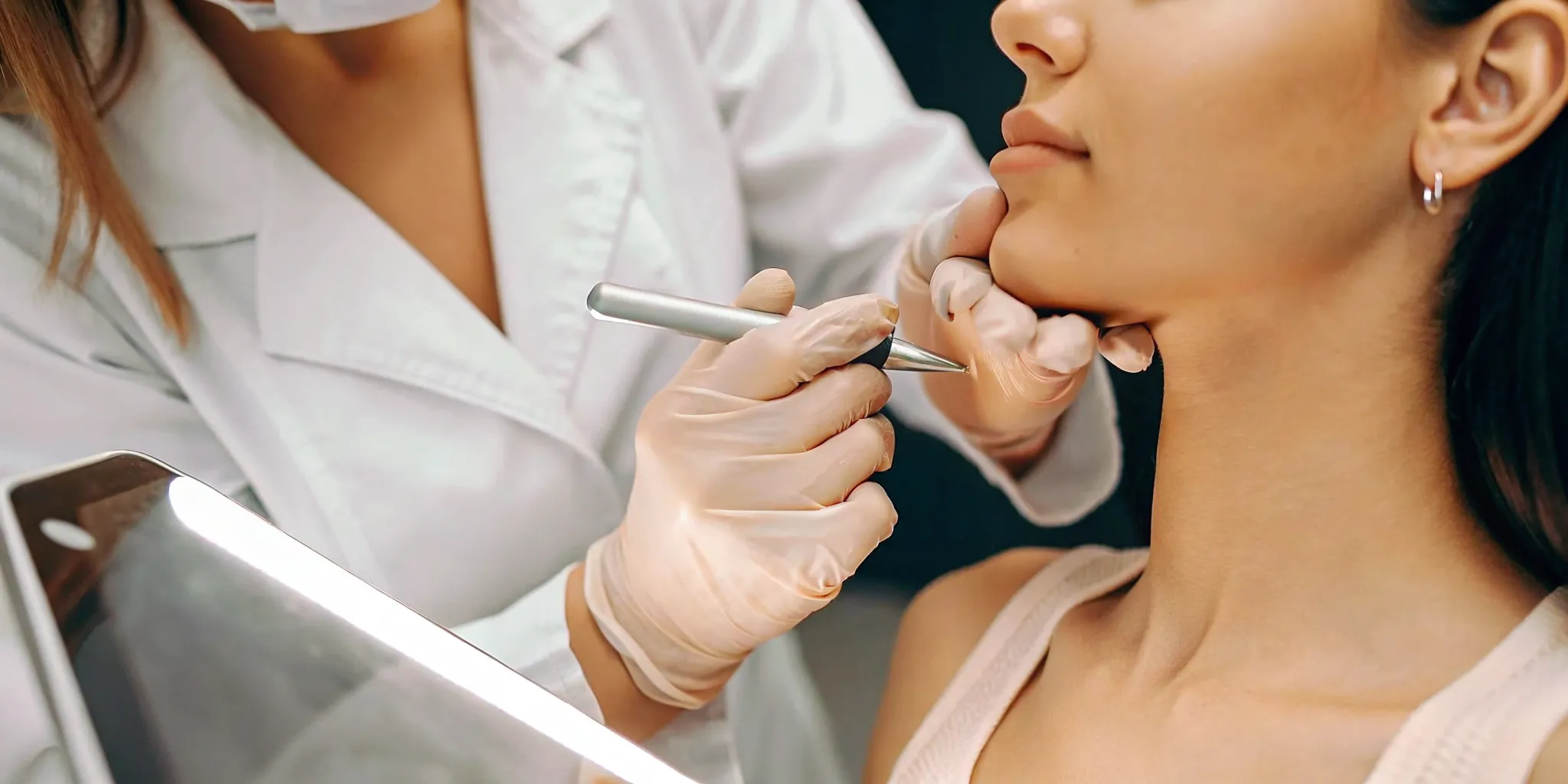
Dealing with the lingering reminders of past breakouts can be frustrating. You’ve likely tried countless creams and serums, only to find that surface-level treatments don’t quite cut it. Microneedling is different because it works from within, prompting your skin to rebuild and repair itself. This naturally leads to one of the most important questions: how many microneedling sessions for acne scars are needed to achieve that smooth, clear complexion? The answer is a process, not a single event. It involves a series of treatments tailored specifically to you. Here, we’ll explore the timeline for different scar types, what to expect along the way, and how to get the most out of every single session.
Key Takeaways
- It works by stimulating your skin’s own repair system: Microneedling prompts your body to produce a fresh supply of collagen, the protein responsible for skin structure. This new collagen helps fill in depressed acne scars from the inside out, leading to a smoother surface.
- A strategic series of treatments is necessary for results: Lasting improvement isn’t achieved in a single visit; most people need three to six sessions spaced four to six weeks apart. Your personal plan is based on your scar type and skin’s unique healing process.
- Your aftercare routine is essential for success: How you care for your skin after a session directly impacts your outcome. Following instructions, particularly using gentle products and daily sunscreen, protects your skin as it heals and helps you achieve the best results.
How Does Microneedling Work on Acne Scars?
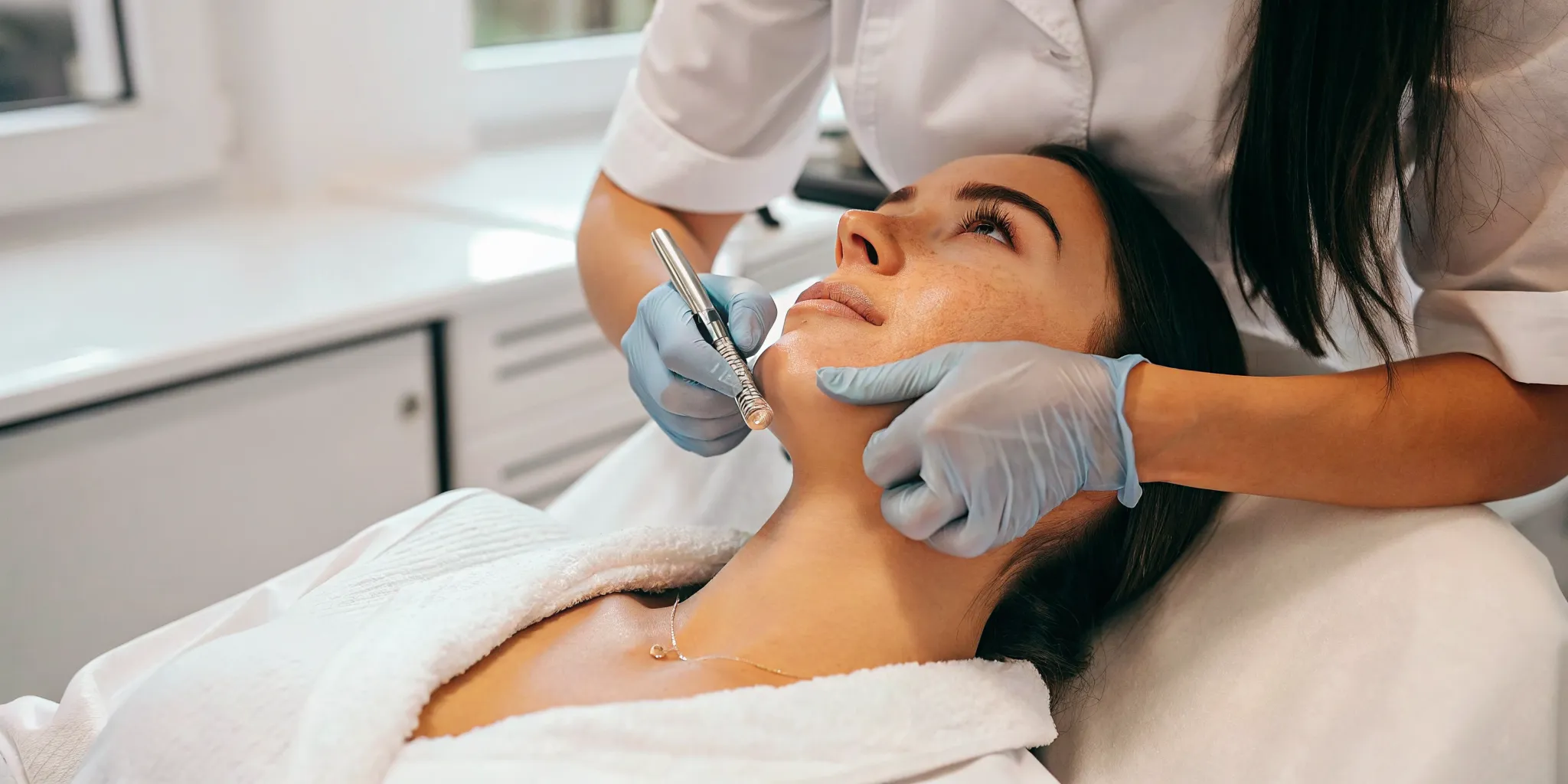
If you’re tired of acne scars overstaying their welcome, it’s helpful to understand how certain treatments can actually help. Microneedling is a fantastic option because it works with your skin’s own ability to heal and repair itself. Instead of just treating the surface, it gets to the root of the issue by rebuilding the skin from within. The process involves using a special device with tiny, fine needles to create micro-injuries in the top layer of your skin. This might sound a little intense, but these controlled injuries are the key. They send a signal to your body to kickstart its natural healing process, which includes producing a fresh supply of collagen and elastin. These are the essential proteins that give your skin its structure, firmness, and elasticity. As new collagen forms, it helps fill in and smooth out the texture of the scars, leading to a more even complexion over time.
How It Stimulates Your Skin’s Natural Healing
Think of microneedling as a gentle wake-up call for your skin’s internal repair system. When the tiny needles create micro-channels in your skin, your body responds as if it’s been injured and immediately gets to work by generating new, healthy tissue. This healing response is centered around the production of collagen and elastin. Collagen provides the skin with its strength and structure, while elastin allows it to stretch and bounce back. Acne scars form when the original collagen is damaged and the body produces too much or too little to repair the wound. Microneedling encourages the growth of new, organized collagen, effectively remodeling the scarred tissue and replacing it with smoother, firmer skin.
Which Acne Scars Respond Best?
Microneedling is particularly effective for certain types of acne scars, specifically atrophic or “depressed” scars. These are the scars that leave a small indentation in the skin. You might know them by other names, like “boxcar” scars, which have defined edges, or “rolling” scars, which create a wavy, uneven texture on the skin’s surface. Because these scars are caused by a loss of collagen, microneedling is a perfect match. The treatment helps to rebuild that lost collagen from the ground up, gradually raising the depressed areas to be more level with the surrounding skin. It’s less effective for raised (hypertrophic) or keloid scars, which are caused by an overproduction of collagen. A professional consultation can help determine if your specific scars are a good fit for this treatment.
Microneedling Myths, Busted
There’s a lot of information out there, so let’s clear up a few things. First, microneedling should never be performed on active acne breakouts. Treating inflamed pimples can spread bacteria across your face and make the situation worse. It’s essential to wait until your skin is clear before addressing the scars left behind. Another concern is the risk of side effects. While it’s true that you might experience some temporary redness and irritation (like a mild sunburn), serious side effects like infection or scarring are very rare when the procedure is done by a trained professional in a sterile environment. This is why it’s so important to see a licensed expert. They can ensure the treatment is right for you and help you get the beautiful results you want, safely. If you have questions, it’s always best to contact a professional for personalized advice.
How Many Microneedling Sessions Will I Need?
One of the most common questions I hear is, “How many treatments will it take to see a real difference?” The honest answer is: it depends. Your skin is unique, and so is your journey to clearing acne scars. While there’s no magic number, we can create a personalized plan based on your specific goals and skin condition. Most people see significant improvement after a series of treatments, with each session building on the last to reveal smoother, healthier-looking skin.
The key is consistency and patience. Microneedling works with your body’s natural healing process, which takes time. Think of it as a partnership with your skin. Together, we’ll determine the right number of sessions to help you achieve the clear, confident complexion you’re looking for. Let’s break down what a typical treatment plan looks like.
Your Treatment Timeline: From Mild to Severe Scars
Your treatment plan is tailored to the type and depth of your acne scars. For most people, a series of three to six sessions is enough to achieve their desired results. We can think of it as a general roadmap. If you have mild or superficial scarring, you might only need three or four treatments to see a noticeable improvement.
For moderate scars that are a bit more textured, we typically recommend four to six sessions. If you’re dealing with deeper, more established scars, your plan might involve six to eight sessions to effectively remodel the skin and smooth its surface. During your consultation, we’ll assess your skin and give you a clear idea of the timeline that’s right for you.
How Often Should You Get Treatments?
Timing is everything when it comes to microneedling. We schedule sessions about four to six weeks apart, and this interval is really important. It gives your skin the perfect amount of time to go through its natural healing and regeneration cycle. After a treatment, your body gets to work producing new collagen and elastin, which are the building blocks of smooth, firm skin.
Rushing this process won’t get you faster results. In fact, giving your skin this downtime is essential for achieving the best possible outcome. This steady, consistent approach allows each session to build on the progress of the one before it, leading to gradual but significant improvements in your skin’s texture and tone.
What Kind of Results Can You Expect?
You’ll likely start to see a change in your skin within a couple of weeks of your first session. Many clients notice their skin looks brighter and feels smoother pretty quickly. But the most exciting changes happen over time. The real magic of collagen production unfolds in the months following your treatments.
Your most significant and lasting results will typically appear three to six months after your final session. Studies have shown that a consistent series of microneedling treatments can reduce the appearance of acne scars by a large margin. If you’re ready to start your journey, you can schedule a consultation with our team in Texas to discuss your goals.
What Shapes Your Personal Treatment Plan?
When it comes to treating acne scars, there’s no magic number of sessions that works for everyone. Your skin is unique, and your treatment plan should be too. At Ultimate Image MedSpa, we create a personalized approach for every client because we know that the best results come from a plan tailored just for you. Several key factors influence how many microneedling treatments you’ll need, from the characteristics of your scars to your body’s natural healing abilities and even your daily habits. Understanding these elements will help you set clear expectations and get the most out of your journey to smoother skin.
The Type and Depth of Your Scars
The nature of your acne scars is the biggest factor in determining your treatment timeline. Deeper, more established scars simply require more work to remodel than finer, more superficial ones. While a personal consultation is the only way to get a precise recommendation, we can look at some general guidelines. For mild scarring, you might see significant improvement in as few as three to four sessions. Moderate scars often need a series of four to six treatments. For more severe or deep-set scars, it could take six to eight sessions, or sometimes more, to achieve the desired smoothness and texture.
Your Skin Type and Natural Healing Process
Your body’s own healing powers play a huge role in your microneedling results. The treatment works by creating tiny micro-injuries in the skin, which signals your body to produce new collagen and elastin. Factors like age and overall health can influence how quickly your body responds. Younger skin, for example, tends to generate collagen more rapidly, which can sometimes lead to faster results. However, microneedling is effective for all ages because it stimulates your skin’s inherent ability to repair itself. We’ll assess your skin during your consultation to create a plan that works with your natural healing process.
How Your Lifestyle Plays a Role
What you do every day can have a surprising impact on your treatment outcome. Think of it as a partnership: we perform the treatment, and you support the results at home. Simple lifestyle choices can make a big difference in how well your skin heals and regenerates. Staying well-hydrated by drinking plenty of water before and after your appointments is crucial. A healthy diet and managing stress can also contribute to better, faster healing. We’ll give you a complete aftercare plan, but know that these healthy habits are your secret weapon for achieving that beautiful, lasting glow. Ready to discuss your personal skin goals? You can contact us to schedule a consultation.
What to Expect During and After Treatment
Knowing what’s ahead can make your treatment journey feel much more comfortable and exciting. From the moment you settle into the treatment chair to the weeks following your session, there’s a clear process of healing and renewal. The procedure itself is straightforward, and our team will be there to guide you every step of the way, ensuring you feel informed and supported. We believe that understanding the process is just as important as the treatment itself.
After your session, your skin begins its natural repair cycle, kicking collagen and elastin production into high gear. This is where the magic really happens. You’ll experience a brief healing phase, which is a normal and expected part of the process, followed by the gradual appearance of smoother, clearer skin. Understanding this timeline helps you appreciate the journey and gives you a clear picture of when you can expect to see those beautiful results you’re working toward. We’ll cover what the treatment feels like, what to expect during recovery, and when you’ll start to notice a real difference in your skin’s texture and tone.
Your Results Timeline: When You’ll See a Difference
Patience is key, but you won’t have to wait too long to see progress. Many people notice a healthy, radiant glow within the first week as the initial healing takes place. The more significant, noticeable improvements in your acne scars typically start to appear around two to four weeks after your first session.
The most transformative and lasting changes will become visible three to six months after you complete your full treatment series. This is because it takes time for your body to produce new collagen and remodel the skin. Our SkinPen microneedling treatments are most effective for depressed acne scars, helping to fill them in for a smoother surface.
Understanding the Healing Process and Side Effects
Immediately after your treatment, it’s normal to experience some redness and mild swelling, similar to a light sunburn. This is a positive sign that your skin’s healing response has been activated. These effects are temporary and usually subside within one to three days.
Your skin will be more sensitive during this time, so following your aftercare instructions is crucial for a smooth recovery and the best possible results. While microneedling is very safe, especially when performed by trained professionals, it’s important to protect your skin from the sun and avoid harsh products as it heals. Our team will give you a detailed aftercare plan to ensure your skin stays healthy and calm.
Staying Comfortable During Your Session
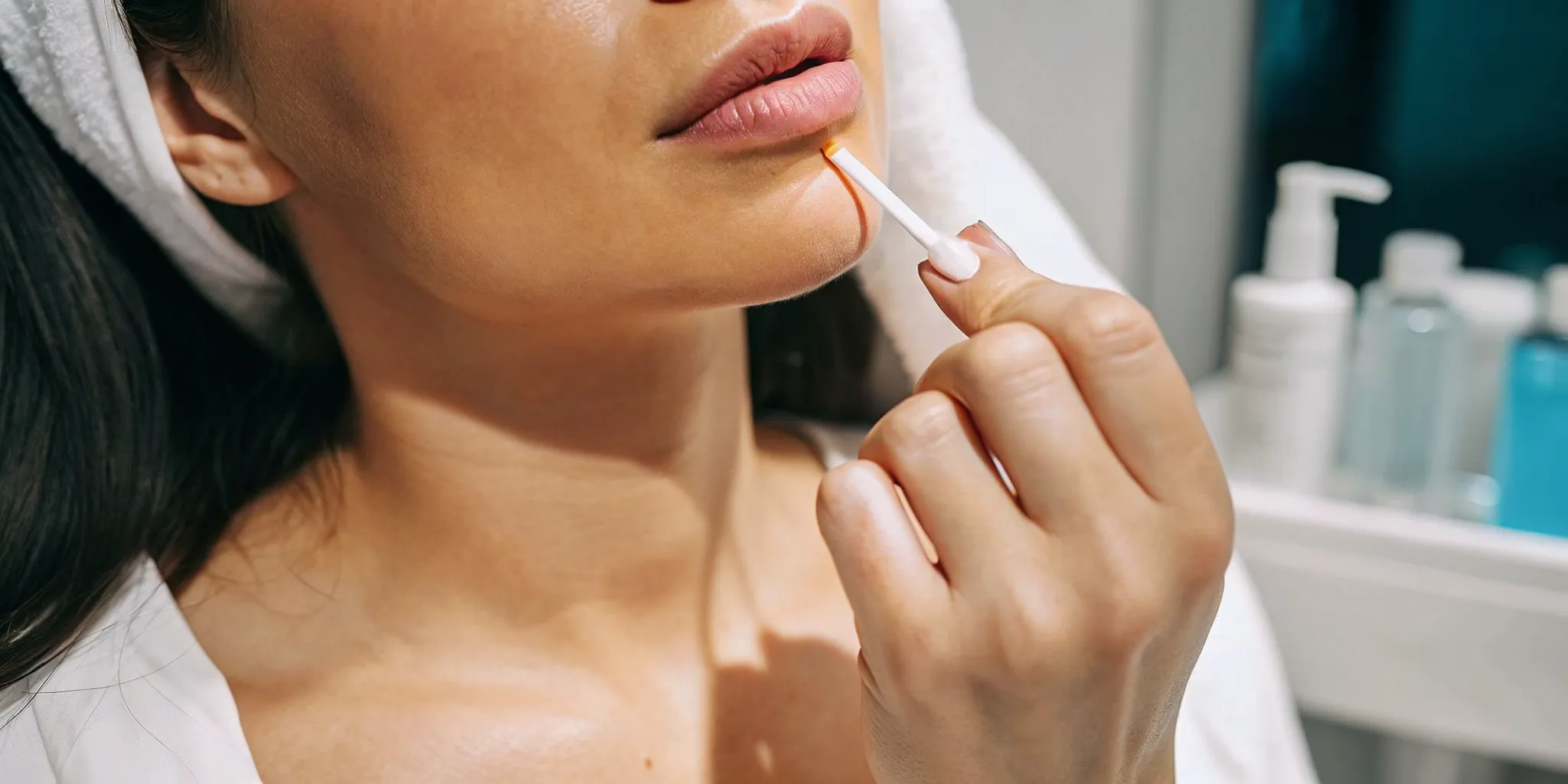
We want to make sure your experience is as comfortable as possible. Before the treatment begins, we’ll apply a topical numbing cream to your skin. This cream sits for about an hour to ensure the treatment area is desensitized, so you’ll feel very little during the procedure.
Most people describe the sensation of microneedling as a light scratching or a gentle warmth across the skin. It’s generally very well-tolerated. Our technicians are highly skilled and will check in with you throughout the session to ensure you’re feeling at ease. If you have any concerns about discomfort, please ask us questions; we’re here to help you feel confident and relaxed.
How to Get the Best Results From Your Treatment
Getting the smooth, clear skin you want from microneedling is a team effort. While our expert technicians handle the treatment with precision and care, what you do before and after your appointment plays a huge role in your final results. Think of it as setting the stage for your skin to heal and regenerate beautifully. The microneedling process creates tiny micro-channels in your skin to kickstart its natural collagen and elastin production, but this healing phase is where the real magic happens. By following a few simple guidelines, you can help your skin respond its best to the treatment and enjoy a smoother, more effective recovery.
Proper preparation ensures you’re comfortable during the session and that your skin is in the ideal condition to receive the treatment. A solid aftercare plan protects your investment, preventing complications like irritation or hyperpigmentation and supporting the new collagen growth. We want you to see the best possible improvement in your skin’s texture and tone. Consider us your partners in this process. We’ll guide you every step of the way, but your commitment to pre- and post-treatment care is the key to unlocking those glowing, long-lasting results you’re looking for.
How to Prepare for Your Appointment
To get your skin ready for microneedling, it’s best to keep things simple in the days leading up to your session. We recommend pausing the use of active ingredients like retinoids, exfoliants, and acids for about three to five days beforehand to avoid extra sensitivity. You should also be diligent about protecting your skin from sun exposure, as we can’t perform the treatment on sunburnt skin. On the day of your appointment, please arrive with a clean, makeup-free face. To ensure you’re comfortable, we’ll apply a topical numbing cream about an hour before we begin. This simple step helps minimize any discomfort, allowing you to relax while we work on rejuvenating your skin.
Your Aftercare Checklist for Healthy Skin
After your treatment, your skin will be sensitive and need some extra TLC. For the first 24 hours, avoid washing your face or applying any products. Expect your skin to look and feel like it has a mild sunburn; this redness and minor swelling usually fade within a day or two. Once you can wash your face, use a gentle, non-exfoliating cleanser and pat it dry. Follow up with a hydrating moisturizer to support the healing process. Most importantly, apply a broad-spectrum sunscreen with at least SPF 30 every single day. Your skin is especially vulnerable after microneedling, and sun protection is key to achieving the best possible outcome. If you have any questions about your aftercare, please don’t hesitate to contact us.
Combining Microneedling with Other Treatments
While microneedling is a powerful treatment on its own, you can enhance your results by pairing it with other procedures. Adding Platelet-Rich Plasma (PRP) to your session, for example, uses your body’s own growth factors to accelerate healing and collagen production. Some advanced microneedling tools also incorporate radiofrequency (RF) energy, which heats the deeper layers of the skin to further tighten and smooth its texture. These combinations can be especially effective for addressing more significant texture concerns or acne scarring. During your consultation, we can discuss whether adding treatments like these or incorporating specific serums would be a good fit for your goals. Creating a personalized plan is the best way to address your unique skin concerns and achieve truly transformative results.
Will You Need Maintenance Sessions?
After completing your initial series of microneedling treatments, you’ll likely be thrilled with your smoother, clearer skin. The great news is that these results are designed to last. Because microneedling prompts your skin to rebuild itself from the inside out, the improvements to acne scars are generally permanent. The treated scars don’t typically come back, which is a huge relief for anyone who has felt self-conscious about them. However, your skin is a living organ that continues to age and react to your environment and lifestyle. Think of it this way: you’ve repaired the foundation, and now you want to protect the house.
To keep your complexion looking its best, it helps to see your skincare journey in two phases: the initial correction phase and the long-term maintenance phase. Once you’ve achieved your desired results, a little upkeep can go a long way. Periodic maintenance sessions help sustain the benefits of your initial treatments and address any new concerns that may arise. This proactive approach ensures that the investment you’ve made in your skin continues to pay off for years to come, keeping it healthy, resilient, and radiant.
How Long Do Microneedling Results Last?
The results you get from microneedling are long-lasting because the treatment fundamentally changes the structure of your skin. By creating micro-injuries, the procedure stimulates your body’s natural healing process, which includes producing new collagen and elastin. This isn’t just a temporary fix; your skin is actively rebuilding and remodeling itself from deep within. While you may see some initial improvement shortly after your first session, the most significant and lasting changes often appear three to six months after your final treatment. This is because the collagen remodeling process is gradual. Your skin continues to repair and strengthen itself long after you’ve left our office, leading to sustained improvements in texture and tone.
Scheduling Touch-Ups to Maintain Your Glow
To preserve your results and keep your skin looking smooth and refreshed, we recommend scheduling maintenance treatments. For most clients in Texas, a touch-up session every six to 12 months is ideal. These appointments work to sustain the collagen production you kick-started during your initial series, helping to counteract the natural aging process and maintain your skin’s newfound resilience. Think of it like a regular tune-up for your skin. These sessions are far less frequent than your initial treatments and serve as a simple way to protect your investment. We can help you create a personalized maintenance schedule when you book a consultation with our team.
Keeping Your Skin Healthy Long-Term
Your at-home skincare routine is a crucial part of maintaining your microneedling results. The most important step is preventing new acne breakouts, as they can lead to new scars. A consistent routine with gentle, effective products can make all the difference. This includes cleansing daily, using non-comedogenic moisturizers, and, most importantly, applying a broad-spectrum sunscreen every single day. Sun protection is non-negotiable, as it prevents UV damage that can degrade collagen and darken old scars. Immediately after a treatment, it’s best to stick to simple, soothing products. Avoid anything with strong active ingredients or harsh exfoliants until your skin has fully healed. Long-term, a healthy lifestyle and a solid skincare regimen will ensure your skin stays clear and vibrant.
Is Microneedling the Right Choice for You?
Deciding on a skincare treatment is a big step, and it’s smart to weigh all your options. Microneedling is a fantastic tool for treating acne scars, but it’s not a one-size-fits-all solution. Your skin type, scar characteristics, and overall skin health all play a part in determining if this is the best path for you. The key is to find a treatment that aligns with your specific needs and helps you feel confident in your skin. Let’s walk through who makes a great candidate for microneedling, what other options exist, and how to set realistic expectations for your journey.
Who Is a Good Candidate for Microneedling?
Microneedling is most effective for people with depressed or atrophic acne scars, which are the little pits or indentations left behind after a breakout. It’s less suited for raised scars, like keloids. If you’re dealing with active acne, it’s best to get that under control first, as treating inflamed skin can sometimes worsen irritation. Similarly, if your skin tends to scar easily, microneedling might not be the ideal choice. The best way to know for sure is to chat with a professional. A personalized consultation will help determine if microneedling is the right fit for your unique skin and goals.
What Are the Alternatives?
While microneedling is a popular choice, it’s just one of several effective treatments for acne scars. Other options include chemical peels and laser resurfacing, which also work to improve skin texture. One of the main benefits of microneedling is that it typically involves a shorter recovery time compared to more intensive laser treatments. It can also be used in combination with other therapies. For instance, microneedling can help topical treatments absorb more deeply into the skin, making them more effective. Exploring all the available services can help you and your skincare specialist create a comprehensive plan tailored just for you.
Setting Clear and Realistic Goals
It’s important to go into any treatment with a clear understanding of the process and potential outcomes. Microneedling results build over time, so patience is key. After a session, it’s normal to experience some redness and mild inflammation for one to three days, similar to a mild sunburn. Other potential side effects can include temporary irritation or changes in pigmentation, but these are minimized when you’re in the hands of an experienced professional. Discussing your goals and any concerns during a consultation will ensure you feel prepared and confident about what to expect during and after your treatment.
Related Articles
- Microneedling for Acne Scars in Lewisville: A Complete Guide – Ultimate Image MedSpa
- Microneedling Benefits: Your Guide to Glowing Skin – Ultimate Image MedSpa
- Microneedling Before & After: Real Patient Results – Ultimate Image MedSpa
Frequently Asked Questions
Is the microneedling treatment painful? We prioritize your comfort throughout the entire process. Before we begin, we apply a strong topical numbing cream to your skin and let it sit for about an hour. This ensures the treatment area is desensitized, so most people feel very little discomfort. The sensation is often described as a light scratching or a gentle vibration, not pain.
What is the downtime like after a session? You can expect your skin to look and feel like it has a mild sunburn for about one to three days. This temporary redness and minor swelling are completely normal and are actually a good sign that your skin’s healing response has been activated. Most clients feel comfortable returning to their regular activities the following day, as long as they are diligent with sun protection.
Can I get microneedling if I still have active breakouts? It’s best to wait until your active acne has cleared before starting microneedling treatments for scarring. Performing the procedure over active or inflamed pimples can spread bacteria across the skin and potentially worsen the breakout. Our first priority is to get your skin healthy, so we will help you create a plan that addresses active acne first.
How long will it take to see a real difference in my scars? While you may notice a brighter complexion within a couple of weeks, the most significant changes to your scars will appear more gradually. Microneedling works by encouraging your body to produce new collagen, a process that takes time. The most visible and lasting improvements in skin texture typically show up three to six months after you complete your full series of treatments.
Are the results from microneedling permanent? Yes, the structural improvements to acne scars are considered permanent because the treatment helps your skin build new, healthy tissue to fill in and smooth the scarred areas. The scars themselves don’t come back. However, your skin will continue to age, so we often recommend a maintenance session every six to twelve months to keep your collagen stimulated and your skin looking smooth and resilient.