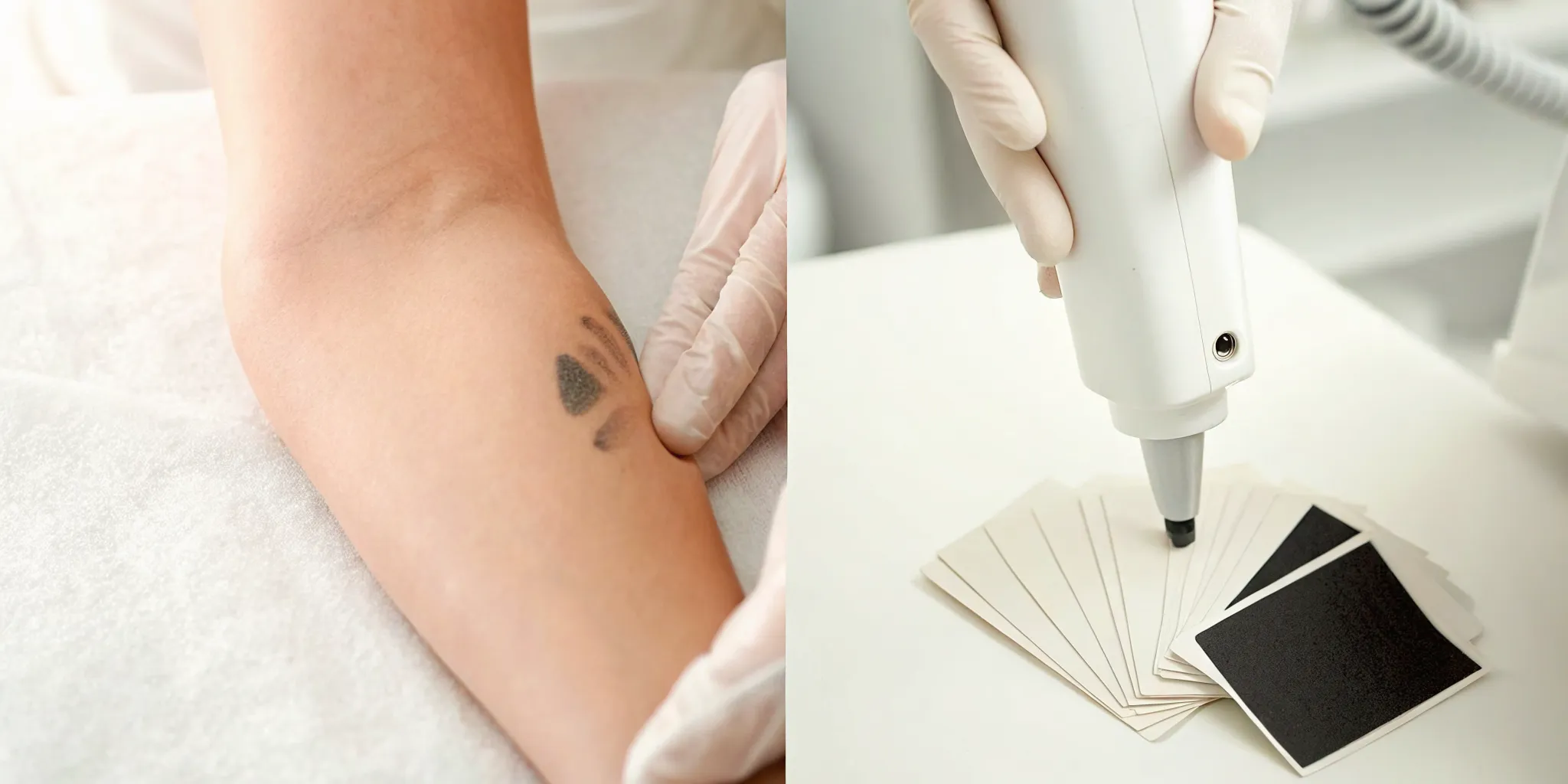

You’ve put in the work at the gym and in the kitchen, but some stubborn areas just don’t seem to respond. Body contouring offers a powerful solution to sculpt those final curves and achieve the silhouette you’ve been working toward. But the big question for many is, what does it actually cost? The body contouring cost isn’t a simple, one-size-fits-all number. It’s a tailored figure based on your unique anatomy and aesthetic goals. In this guide, we’ll demystify the pricing, explaining exactly what you’re paying for and why it’s a worthwhile step in your personal beauty journey.
Key Takeaways
- Understand What Determines Your Price: The final cost is a reflection of the specific technology used, the areas you want to treat, your provider’s expertise, and the number of sessions needed to achieve your desired look.
- Budget Beyond the Procedure: A complete financial plan includes more than just the treatment itself. Remember to account for consultation fees, recovery supplies, and any follow-up care to ensure there are no surprises.
- Invest in Expertise, Not Just a Low Price: Your safety and results are paramount, so prioritize a provider’s credentials and experience. Choosing a qualified professional ensures you receive the best possible value and care.
What is Body Contouring?
If you’ve ever felt frustrated by stubborn pockets of fat or loose skin that just won’t budge, no matter how much you diet or exercise, you’re not alone. That’s where body contouring comes in. Think of it less as a weight-loss method and more as a finishing touch—a way to sculpt and refine your shape. These treatments are designed to make your body look tighter, trimmer, and more toned by targeting those specific problem areas.
Body contouring can help you achieve the silhouette you’ve been working toward, giving you an extra boost of confidence. Whether you’re looking to smooth your abdomen, slim your thighs, or tighten your arms, there are various aesthetic procedures available to help you reach your goals. The key is understanding that these treatments fine-tune your existing shape rather than creating a dramatic drop on the scale. They work best for people who are already close to their ideal weight but want to address specific concerns.
Surgical vs. Non-Surgical Options
When you start exploring body contouring, you’ll find two main paths: surgical and non-surgical. Surgical options, like liposuction or tummy tucks, are invasive procedures that can offer dramatic results but come with significant downtime and higher costs, often ranging from $5,000 to $15,000.
On the other hand, non-surgical treatments are a fantastic alternative. They use advanced technology to break down fat cells or tighten skin without any incisions. These procedures typically cost between $2,000 and $4,000 per session and allow you to get back to your daily life almost immediately. The final price depends on factors like the treatment type, your location, and your provider’s expertise, but they offer a more accessible route to achieving your body goals.
Popular Types of Treatments
There are several popular body contouring treatments, each with its own approach and price point. For example, laser lipolysis uses laser energy to melt fat and typically costs between $2,500 and $5,000, with a quick recovery of just a day or two. Another well-known option is CoolSculpting, which freezes and destroys fat cells, with costs ranging from $2,000 to $4,000 per area and minimal downtime.
For those considering a more traditional route, liposuction can run from $2,500 to $5,500 per area but requires a longer recovery period of several weeks. At Ultimate Image MedSpa, we focus on providing effective, non-invasive services that help you look and feel your best without the lengthy healing process.
What to Expect for Results and Recovery
Your results and recovery experience will depend entirely on the path you choose. Surgical procedures can deliver more immediate and significant changes, but you’ll need to plan for considerable downtime to heal properly. Non-surgical treatments offer a more gradual improvement, with results appearing over several weeks or months as your body naturally processes the treated fat cells. The major upside is that you can usually walk out of the clinic and right back into your routine.
Ultimately, body contouring is about enhancing your natural shape and feeling more comfortable in your own skin. It’s a powerful tool for building self-confidence. To find out which treatment is right for you, it’s always best to schedule a consultation to discuss your specific goals.
What Determines the Price of Body Contouring?
Figuring out the cost of body contouring isn’t like looking at a price tag in a store. There’s no one-size-fits-all number because every treatment plan is tailored to the individual. Think of it as a personalized investment in yourself. Several key factors come together to determine your final cost, from the technology used to the specific goals you have for your body. Understanding these elements will help you see exactly what you’re paying for and why the price can vary so much from person to person. It’s all about creating a plan that’s right for you, your body, and your budget.
Your Location and Provider’s Expertise
Where you get your treatment and who performs it are two of the biggest factors in the overall cost. A highly experienced provider in a major metropolitan area will likely have different pricing than a newer practice in a smaller town. This difference reflects their level of training, the quality of their equipment, and their reputation for delivering great results. While it can be tempting to shop around for the lowest price, remember that your safety and results are what matter most. A provider’s expertise is a critical part of the value, ensuring you get the best possible care. The cost of body contouring can vary significantly, so getting a personalized quote is key.
Treatment Area and Complexity
The size and number of areas you want to treat directly influence the price. A small, targeted area like the chin or arms will naturally cost less than a larger area like the abdomen or thighs. The complexity of your specific case also plays a role. For example, treating an area with significant skin laxity might require a more intensive approach than simply reducing a small amount of stubborn fat. During your consultation, your provider will assess your target areas and discuss your goals to create a treatment plan that addresses your unique needs, which will then determine the final cost of your customized services.
Technology and Equipment
The type of technology used for your body contouring procedure is a major cost driver. Non-surgical treatments that use advanced equipment like radiofrequency, ultrasound, or cryolipolysis (fat freezing) have costs associated with the technology itself. These methods are often less expensive than surgical options like liposuction because they don’t require general anesthesia or extensive facility fees. Each device is designed for specific outcomes, whether it’s tightening skin or reducing fat. The technology chosen for your treatment plan will be based on your goals, and its sophistication will be reflected in the price.
Number of Sessions Needed
While surgical body contouring is typically a one-time procedure, non-surgical options often require a series of treatments to achieve the best results. It’s common to need multiple sessions spaced several weeks apart to see the full effect. For instance, a plan to reduce fat on your flanks might involve two to four sessions. The total cost will be the price per session multiplied by the number of treatments you need. Your provider will give you a clear idea of the recommended number of sessions during your consultation, so you’ll have a complete picture of the total investment from the start.
Facility and Anesthesia Fees
For surgical procedures, the surgeon’s fee is only one part of the equation. You also have to account for the cost of the surgical facility, the anesthesiologist’s fee, and any necessary medical tests or post-op garments. These costs can add up quickly. One of the main benefits of non-surgical body contouring is that most of these fees don’t apply. Because these treatments are minimally invasive and performed in-office, you can avoid the expense of a hospital operating room and general anesthesia. This makes non-surgical options a more straightforward and often more affordable path to achieving your goals.
A Breakdown of Body Contouring Costs
So, what’s the bottom line? The cost of body contouring isn’t a one-size-fits-all number. It depends heavily on the type of treatment you choose, the areas you want to address, and your unique goals. Think of it less like buying a product off the shelf and more like commissioning a custom piece of art for your body. To give you a clearer picture, let’s break down the potential costs you might encounter, from the major procedures to the smaller details that complete the experience. This will help you create a realistic budget and feel confident in your financial planning.
Surgical Procedure Prices
Surgical options like tummy tucks or liposuction represent a significant investment in your body. Because these are complex medical procedures, the price reflects the surgeon’s expertise, the facility’s quality, and your geographic location. Generally, you can expect body contouring costs to range from $5,000 to over $20,000. For example, a tummy tuck often falls between $6,000 and $12,000. While the price tag is higher than non-surgical alternatives, the results are typically more dramatic and permanent. When you receive a quote, it’s important to understand exactly what it covers, as fees for the surgeon and anesthesia are often separate.
Non-Surgical Treatment Fees
If you’re looking for a less invasive approach, non-surgical treatments are a fantastic option with a more accessible price point. Procedures like CoolSculpting can range from $2,000 to $4,000 per session, while treatments using laser technology might be between $2,500 and $5,000. The final cost depends on the size of the area you’re treating and how many sessions you’ll need to see your desired results. Many of our clients at Ultimate Image MedSpa appreciate these non-surgical services because they require little to no downtime, allowing you to get back to your life right away. It’s a great way to target stubborn areas without committing to surgery.
Combination Treatment Packages
Sometimes, a single treatment isn’t enough to achieve the look you’re dreaming of. Combining different body contouring methods can deliver truly transformative results. For instance, you might pair a skin-tightening procedure with a fat-reduction treatment for a smoother, more toned appearance. The cost for a combination plan is completely customized. As experts point out, the final price will depend on the size of the area being treated, the number of sessions needed, and the type of results you’re aiming for. During a consultation, we can design a personalized treatment package that aligns with both your aesthetic goals and your budget.
Additional Medical Expenses
When you’re planning your budget, it’s easy to focus on the main procedure cost, but there are often other expenses to consider. For surgical options, these additional costs can include fees for anesthesia, the operating facility, medical tests, and any necessary prescriptions for your recovery. Even some non-surgical treatments may require special supplies. It’s always a good idea to ask for a detailed breakdown of all potential charges upfront. A transparent provider will be happy to walk you through every line item so there are no surprises later on. This ensures you have a complete financial picture before moving forward.
Post-Treatment Care
Your body contouring journey doesn’t end the moment you leave our spa. Proper post-treatment care is essential for achieving and maintaining your beautiful results. This phase can also come with its own set of costs. Depending on your procedure, you might need to budget for things like follow-up appointments, compression garments to aid healing, or specialized skincare products. Factoring these aftercare expenses into your initial budget is a smart move. Think of it as the final, crucial investment in your transformation, ensuring your results look their best for years to come. We can help you plan for these needs when you schedule a consultation.
Common Myths About Body Contouring Costs
When you start looking into body contouring, the price tag can feel like a huge question mark. There’s a lot of information out there, and it’s easy to get tangled up in myths and misconceptions about what you’ll actually pay. Let’s clear the air and talk through some of the most common myths surrounding the cost of these treatments. Understanding the financial side of things is just as important as knowing what to expect from the procedure itself.
From wondering if your insurance will lend a hand to worrying about surprise fees, these are valid concerns. The truth is, the price you’re quoted is influenced by many factors, and knowing what they are ahead of time helps you plan without stress. We’ll break down what’s fact and what’s fiction so you can approach your body contouring journey with confidence. Getting straight answers about the cost helps you focus on what really matters: achieving your personal beauty goals with a provider you trust.
Will Insurance Cover It?
This is one of the first questions most people ask, and the answer is almost always no. Because body contouring is considered an elective cosmetic procedure, health insurance plans typically do not cover the cost. These treatments are designed to improve your appearance by shaping the body, not to address a medical necessity. According to the American Society of Plastic Surgeons, you should plan for body contouring to be an out-of-pocket expense. It’s always a good idea to check with your specific insurance provider, but it’s best to move forward with the expectation that you will be responsible for the full cost of the treatment.
Watching Out for Hidden Fees
The initial price you see in an advertisement isn’t always the final number. A complete body contouring treatment involves more than just the procedure itself. For surgical options, costs can include anesthesia, facility fees, and post-procedure garments. Even non-surgical treatments might require multiple sessions for the best results. To avoid surprises, make sure you ask for a detailed, all-inclusive quote during your consultation. A transparent provider will break down every potential expense, from the treatment itself to any necessary follow-up care. This ensures you have a clear picture of the total financial commitment before you begin.
Viewing It as a Long-Term Investment
It’s helpful to think of body contouring not as a simple purchase but as a long-term investment in yourself. These treatments are designed to target stubborn fat and sculpt areas that diet and exercise can’t seem to touch, creating lasting changes to your silhouette. This isn’t a quick fix for weight loss; it’s a precise tool for refining your shape. The cost reflects the advanced technology and professional expertise required to achieve these results safely and effectively. By viewing it as an investment in your confidence and well-being, you can better appreciate the value it brings.
Understanding Maintenance Needs
A common myth is that once you have a body contouring procedure, the results are permanent with no effort. While some treatments like laser hair removal can permanently reduce hair, body contouring results require some upkeep. Surgical procedures can offer dramatic, long-lasting changes, but maintaining a stable weight and healthy lifestyle is crucial to preserving them. Non-surgical options may require follow-up sessions to maintain your desired look. Your provider will discuss a personalized plan with you, but remember that your daily habits play a huge role in the longevity of your results.
How to Make Body Contouring More Affordable
Body contouring is an investment in yourself, but that doesn’t mean it has to be out of reach financially. Understanding the costs is the first step, and the next is exploring how to manage them. Many people find ways to fit their desired treatments into their budget without compromising on quality or safety. From flexible payment plans to smart financing, there are several paths you can take. Let’s walk through some of the most effective ways to make your body contouring goals a reality.
Available Payment Plans
Many reputable medspas understand that clients prefer to pay for their treatments over time. That’s why it’s common to find in-house payment plans designed to make the process more manageable. These plans allow you to break down the total cost of your procedure into a series of smaller, more affordable monthly payments. It’s always a good idea to ask about these options during your initial consultation. This is often the most straightforward way to budget for your treatment, as you’ll be working directly with your provider. Feel free to contact us to learn about the payment options we offer at Ultimate Image MedSpa.
Medical Financing Options
If an in-house plan isn’t the right fit, medical financing is another popular route. Companies like CareCredit offer special credit cards specifically for healthcare and cosmetic procedures. Many clinics partner with these services to provide patients with flexible monthly payment options. Often, these cards come with promotional periods where you can pay off your balance with no interest for a set amount of time, like 6, 12, or 24 months. This can be a fantastic way to finance your treatment, but be sure to read the fine print. Understanding the interest rate that will apply after the promotional period ends is key to making a smart financial decision.
Using Your HSA or FSA
You might be wondering if you can use funds from your Health Savings Account (HSA) or Flexible Spending Account (FSA) for body contouring. In most cases, the answer is no. Because these treatments are typically considered cosmetic, they aren’t eligible for reimbursement with pre-tax dollars. Health insurance plans generally do not cover elective cosmetic procedures or any potential complications that may arise from them. There are rare exceptions if a procedure is deemed medically necessary to treat a specific condition, but this is uncommon for body contouring. It’s always best to check directly with your plan administrator to confirm what your specific HSA or FSA will cover.
Key Questions to Ask About Pricing
To create a realistic budget, you need a clear and complete picture of the costs. The final price of your treatment will depend on the size of the area being treated, the number of sessions you need, and your desired results. During your consultation, don’t hesitate to ask direct questions to avoid any surprises later on. Be sure to ask for a detailed quote that outlines the total cost of your personalized treatment plan. Inquire if this price includes all follow-up appointments and if there are any other potential fees. Understanding exactly what you’re paying for will help you plan effectively and choose the right provider for your beauty goals.
How to Choose the Right Provider for Your Budget
Finding the right provider is about more than just comparing prices. While your budget is a key factor, the quality of care, safety, and the provider’s expertise should be your top priorities. The goal is to find a professional who offers excellent value—meaning you get the beautiful, lasting results you want from a team you can trust. A lower price tag isn’t a good deal if it comes with subpar results or compromises your safety.
Think of this as an investment in yourself. You want to partner with a provider who understands your goals and has the skill to achieve them. This means doing a bit of homework to ensure you’re choosing a practice that is both reputable and transparent. From checking their qualifications to understanding exactly what you’re paying for, taking these steps will help you make a confident and informed decision. Let’s walk through what to look for.
Check Their Credentials
First things first: never compromise on qualifications. The person performing your body contouring treatment should be an experienced and trusted professional. Your safety and results depend entirely on their skill, so this is the most important factor to consider. Start by looking into the provider’s background, including their certifications, training, and years of experience with the specific procedure you’re interested in.
A great provider will be proud to showcase their work. Look for a gallery of before-and-after photos to see real results from past clients. Reading patient reviews and testimonials can also give you a clear sense of the patient experience and satisfaction levels. Choosing a provider with a proven track record of delivering excellent aesthetic services ensures you’re in capable hands.
Understand Their Pricing Structure
Reputable providers are upfront and transparent about their costs. While it’s tempting to look for a single price online, the cost of body contouring is highly personalized. As the American Society of Plastic Surgeons explains, factors like the provider’s experience, the treatment area, and the technology used all influence the final price. Because of this, you won’t find a one-size-fits-all fee.
During your consultation, ask for a detailed, itemized quote. This document should clearly break down every cost associated with your treatment plan, from the procedure itself to any facility fees or post-treatment care items. This transparency helps you understand exactly what you’re paying for and prevents any surprise charges down the line. A provider who is clear about their pricing structure is one you can trust.
Red Flags to Avoid
As you research different providers, it’s helpful to know what warning signs to look out for. Be cautious of any clinic that makes unrealistic promises or guarantees specific results. Body contouring is both a science and an art, and outcomes can vary based on individual factors. A trustworthy professional will give you a realistic idea of what to expect.
Another red flag is high-pressure sales tactics. You should never feel rushed into making a decision or paying a deposit on the spot. Extremely low prices that seem too good to be true can also be a warning sign, as they may indicate a lack of experience or outdated technology. Your health is the priority, so choose a provider who is professional, honest, and puts your well-being first.
What to Ask During Your Consultation
Your consultation is the perfect opportunity to get all your questions answered and ensure you feel comfortable with the provider. Don’t be shy—a good practitioner will encourage you to ask anything that’s on your mind. Being prepared with a list of questions will help you gather the information you need to make a smart financial decision.
Here are a few key questions to ask:
- What is the total cost of my recommended treatment plan?
- What does this price include (e.g., follow-up appointments, garments)?
- Are there any other potential fees I should be aware of?
- How many sessions will I likely need to achieve my desired results?
- Do you offer payment plans or financing options?
Getting clear answers will help you plan your budget effectively. When you’re ready, you can schedule a consultation to discuss your personal goals.
How to Plan Your Body Contouring Budget
Creating a realistic budget for body contouring is about looking at the complete picture, not just the price tag of the procedure itself. A well-thought-out financial plan accounts for every stage of the process, from your first meeting with a specialist to your final follow-up appointment. Thinking through these steps ahead of time ensures there are no surprises along the way, allowing you to focus on what really matters: achieving your goals and enjoying your results. By breaking down the costs, you can confidently invest in yourself and your well-being.
The Initial Consultation
Your financial planning starts with the initial consultation. This first meeting is more than just a chance to discuss your goals; it’s where you’ll receive a detailed and personalized cost estimate. A qualified provider will assess your specific needs and outline all the potential expenses, which typically include the practitioner’s fee, facility costs, and anesthesia if required. Think of this as your financial road map for the entire treatment journey. Don’t hesitate to ask questions during this appointment—a transparent provider will be happy to walk you through every line item so you feel completely comfortable with the investment you’re making. You can contact us to schedule your own personalized consultation.
The Treatment Itself
The core of your budget will be the cost of the treatment. Body contouring prices can vary significantly based on the technology used, the provider’s expertise, and the treatment area. According to industry data, non-surgical body contouring typically costs between $2,000 and $4,000 per session, while surgical options can range from $5,000 to $15,000. The number of sessions you need will also play a major role in the final price. For example, some non-invasive treatments require multiple appointments to achieve the desired outcome. Understanding the full scope of your recommended treatment plan is key to accurately budgeting for the procedure itself.
Recovery and Downtime
It’s easy to overlook the costs associated with recovery, but they are an essential part of your budget. Depending on the procedure, you may need to factor in expenses for prescription medications, special compression garments, or other post-treatment supplies. It’s also wise to consider any potential lost income from taking time off work. Non-surgical options often come with minimal to no downtime, which can be a significant financial advantage. However, more intensive surgical procedures might require several weeks of recovery. Planning for this period ensures your healing process is as stress-free as possible.
Follow-Up Care
Your body contouring journey doesn’t end right after the procedure. Follow-up care is crucial for monitoring your progress and ensuring you get the best possible results. These appointments are sometimes included in the initial package price, but it’s always a good idea to confirm. Additionally, some treatments may require occasional maintenance sessions to preserve your new look over the long term. The American Society of Plastic Surgeons advises factoring these potential future expenses into your initial budget. This foresight helps you protect your investment and enjoy your results for years to come.
Related Articles
- Fat Reduction Machines: A Guide to Body Contouring – Ultimate Image MedSpa
- UltraShape Fat Reduction: Get Ready with Expert Advice
Frequently Asked Questions
Is body contouring the same as weight loss? Not at all. It’s best to think of body contouring as a sculpting tool rather than a weight-loss method. These treatments are designed for people who are already close to their ideal weight but want to address specific areas of stubborn fat or loose skin that don’t respond to diet and exercise. It’s the final step to help refine your shape and smooth your silhouette.
Why is there such a wide price range for these treatments? The cost of body contouring is completely personalized, which is why you see such varied pricing. The final number depends on several factors, including the specific technology being used, the size of the area you want to treat, and the number of sessions needed to achieve your goals. A smaller, targeted area will naturally have a different price point than a larger or more complex treatment plan.
How long will my results from a non-surgical treatment last? The results can be very long-lasting. Non-surgical treatments permanently destroy the targeted fat cells, and your body naturally clears them away. However, maintaining your results is a team effort. A stable weight and a healthy lifestyle are key to ensuring the remaining fat cells don’t expand, which would alter your new shape.
Will I need to take time off work for recovery? One of the biggest advantages of non-surgical body contouring is the minimal downtime. Most clients can walk out of their appointment and get right back to their daily routine, including work. Unlike surgical procedures that require a lengthy recovery period, these treatments are designed to fit seamlessly into your busy life.
What’s the first step if I’m interested in learning more? The best way to start is by scheduling a personal consultation. This is your opportunity to sit down with a professional, discuss your specific goals, and ask all of your questions. You’ll receive a personalized assessment and a clear, detailed quote for a treatment plan designed just for you, which is the most effective way to get the information you need.