
Feeling confident in your own skin is a powerful thing. For many, that confidence comes from their outer appearance finally aligning with how they feel inside. If you’ve been working on your health but still feel self-conscious about certain areas of your body, body contouring can be a transformative step. It’s about more than just physical change; it’s about gaining the freedom to wear what you want and feel great doing it. The journey is a personal one, and it starts with finding the right approach for your unique goals. We’ll explore the entire process, from the initial consultation to maintaining your results, so you can make an informed decision about body contouring in Dallas.
Key Takeaways
- Body contouring is for fine-tuning, not weight loss. It’s the ideal solution for targeting stubborn areas after you’ve established healthy diet and exercise habits, helping you sculpt the final shape you’ve worked for.
- Your provider is the most important decision you’ll make. Take time to research credentials, ask direct questions during your consultation, and review before-and-after photos to find a professional who understands your goals and prioritizes your safety.
- Maintaining your new shape is an ongoing commitment. While the results are long-lasting, a stable weight and a healthy lifestyle are essential to protect your investment and enjoy your contoured look for years to come.
What is Body Contouring? (And Is It Right for You?)
Let’s talk about body contouring. At its core, body contouring is a collection of treatments designed to help reshape and refine your figure. Think of it as the final step after you’ve put in the work with diet and exercise, but still have stubborn areas that just won’t budge. These procedures can help get rid of extra fat, tighten loose skin, and ultimately change your body’s shape in a way that makes you feel more confident and comfortable.
It’s not a magic wand for weight loss, but rather a way to sculpt specific areas. Maybe it’s the love handles that linger, a bit of loose skin on your abdomen after pregnancy, or thighs that you wish were a little smoother. Body contouring addresses these specific concerns, helping your outside appearance better match how you feel on the inside. Deciding if it’s right for you is a personal choice. It’s about understanding what these treatments can realistically achieve and aligning those outcomes with your personal beauty goals. If you’re looking for a way to fine-tune your shape and feel more at home in your body, then exploring body contouring could be a great next step.
A Look at Body Contouring Treatments
When you start looking into body contouring, you’ll find a wide variety of treatments available, each with a unique approach to reshaping the body. The main goals are typically to reduce stubborn fat and tighten skin that may have lost some of its elasticity. Some treatments use advanced technology like radiofrequency energy to gently heat and melt away fat cells while encouraging collagen production for firmer skin. Others might use controlled cooling to freeze and eliminate fat cells. The best treatment depends entirely on your body and what you hope to achieve. At Ultimate Image MedSpa, we focus on providing a full picture of what’s possible with our range of aesthetic services.
Who Makes a Good Candidate?
So, who is the ideal person for body contouring? Generally, the best candidates are individuals who are in good overall health and are at or near their ideal body weight. It’s important to have a stable weight, as significant fluctuations can affect your long-term results. More than anything, it’s crucial to have realistic expectations for what these treatments can accomplish. Body contouring is about refinement, not a total transformation. If you’re looking to smooth, tighten, and sculpt specific areas, you’re likely a great fit. The best way to know for sure is to sit down with a professional. You can schedule a consultation to discuss your goals and find out if this is the right path for you.
Surgical vs. Non-Surgical: What’s the Difference?
Body contouring treatments fall into two main categories: surgical and non-surgical. Surgical options, like liposuction and tummy tucks, are more invasive and can produce dramatic results, but they also require significant downtime for recovery. Non-surgical methods, on the other hand, are designed to be much less invasive. These treatments work to break down fat cells over time using external applicators, often with little to no downtime. While the results may be more gradual, many people prefer this approach because it fits more easily into a busy lifestyle. The right choice depends on your goals, budget, and how much recovery time you’re comfortable with.
Top Body Contouring Treatments in Dallas
Dallas is home to some of the best aesthetic treatments in the country, and body contouring is no exception. If you’ve been working hard with diet and exercise but still have a few stubborn areas that won’t budge, you have more options than ever before. Body contouring isn’t about achieving a certain “look”—it’s about helping you feel like the best version of yourself. The right treatment can help you refine your shape, smooth your silhouette, and gain the confidence that comes with feeling comfortable in your own skin.
The biggest decision you’ll face is whether to go with a non-surgical or surgical approach. Non-surgical treatments are fantastic for targeted fat reduction and skin tightening with little to no downtime. They use advanced technology like cold, heat, or electromagnetic energy to get the job done from outside the body. On the other hand, surgical procedures are designed for more dramatic transformations, physically removing fat and excess skin. While they require a longer recovery, the results can be life-changing. We’ll explore both paths so you can get a clear picture of what might be right for you.
Exploring Non-Surgical Options
If the thought of surgery and a long recovery period makes you hesitate, you’ll be happy to know there’s a whole world of effective non-surgical options available. These treatments are perfect for fine-tuning your shape, addressing specific problem areas like love handles or a double chin, and tightening slightly loose skin. The beauty of a non-invasive body contouring treatment is the convenience—you can often schedule a session on your lunch break and head right back to your day. They work by prompting your body’s natural processes to eliminate fat cells gradually, leading to subtle, natural-looking results that appear over several weeks or months.
CoolSculpting
CoolSculpting is an FDA-approved treatment that uses controlled cooling to freeze and destroy fat cells without harming the surrounding tissue. Your body then naturally processes and eliminates these dead cells over time. It’s a popular choice for tackling stubborn fat on the abdomen, thighs, and under the chin.
SculpSure
Instead of freezing fat, SculpSure uses laser technology to heat and destroy fat cells beneath the skin. The 25-minute procedure is quick and efficient, targeting areas like the belly and love handles. The damaged fat cells are then flushed out by your body’s lymphatic system.
BodyTite
BodyTite offers a two-in-one solution by using radiofrequency (RF) energy to both liquefy fat and tighten the skin. This makes it a great option if you’re concerned about skin laxity after fat reduction. It’s minimally invasive and helps create a smoother, more toned appearance.
EmSculpt
EmSculpt is unique because it focuses on both muscle and fat. It uses high-intensity focused electromagnetic energy to trigger powerful muscle contractions—far more than you could achieve at the gym. This process builds muscle mass and reduces fat at the same time, making it ideal for sculpting the abs and lifting the buttocks.
A Look at Surgical Procedures
For those seeking a more significant and immediate transformation, surgical procedures are often the most effective route. These treatments are designed to address larger volumes of fat or significant amounts of loose skin, which can be common after major weight loss or pregnancy. While the commitment is greater in terms of cost and recovery, the results are dramatic and long-lasting. It’s essential to remember that these are serious medical procedures that should only be performed by a board-certified plastic surgeon to ensure your safety and achieve the best possible outcome.
Liposuction
Liposuction is one of the most well-known body sculpting surgeries for a reason. It directly removes stubborn fat deposits from almost anywhere on the body, including the abdomen, hips, thighs, and arms, creating a more defined and contoured shape.
Tummy Tucks
A tummy tuck, or abdominoplasty, goes beyond fat removal. This procedure removes excess skin and fat from the abdomen while also tightening the underlying abdominal muscles. It’s an excellent solution for restoring a firmer, flatter stomach, especially after pregnancy.
Brazilian Butt Lifts
A Brazilian Butt Lift (BBL) is a specialized fat transfer procedure. It enhances the size and shape of the buttocks by taking fat from one area of your body (like the stomach or thighs) via liposuction, purifying it, and then strategically injecting it into your glutes.
From Consultation to Results: What’s the Process?
Thinking about body contouring can be exciting, but it’s natural to wonder what the experience is actually like from start to finish. The process is designed to be clear and supportive, ensuring you feel confident every step of the way. It generally follows four main phases: the initial chat, creating a plan just for you, the recovery period, and finally, seeing your new shape emerge. Let’s walk through what you can expect.
The First Step: Your Consultation
Your body contouring process starts with a personalized consultation. This is a dedicated time for you to sit down with a specialist, talk openly about the areas you’d like to address, and ask any questions you have. It’s a no-pressure conversation focused entirely on your goals. We’ll discuss the different treatment options available and figure out which approach is the best fit for your body and desired outcome. This initial meeting is crucial for making sure we’re on the same page and that you feel completely comfortable moving forward. Ready to start the conversation? You can get in touch with us to schedule your first visit.
Creating Your Personalized Treatment Plan
After your consultation, the next step is to design a treatment plan tailored specifically to you. This isn’t a one-size-fits-all approach. A specialist will use the information from your conversation to craft a strategy that aligns with your unique body characteristics and aesthetic goals. This plan outlines the recommended procedures, the number of sessions you might need, and what you can expect from the treatment. It’s a collaborative process where your provider works with you to map out the most effective path to achieving the results you’re looking for.
What to Expect During Recovery
Recovery is an important part of the process where your body needs time to heal and adjust. It’s normal to experience some soreness, tenderness, or numbness in the treated areas. You might also see mild swelling and bruising, which are typical signs that your body is healing properly. Most people find they can return to light activities within one to two weeks, but your provider will give you specific aftercare instructions to follow. Listening to your body and giving it the rest it needs will help ensure a smooth and successful recovery.
When Will You See Results?
It’s the question everyone wants to know: when will I see the change? While you might notice some immediate improvements, the final, most noticeable results will appear over time. As swelling gradually subsides over the following weeks and months, your new contours will become more defined. Some results can be seen in about four weeks, but the full effects will continue to develop. Patience is key during this phase. Your body is settling into its new shape, and the stunning results are well worth the wait.
Breaking Down the Cost of Body Contouring
Let’s talk about one of the biggest questions on everyone’s mind: the cost. Investing in yourself is a big decision, and understanding the financial side of body contouring is a key part of the process. The final price tag can vary quite a bit, but getting a clear picture of the potential costs and payment options will help you plan your next steps with confidence. Think of it not just as a purchase, but as an investment in feeling your best.
How Much Do Popular Treatments Cost?
When you start looking into body contouring, you’ll find that prices differ based on whether the procedure is surgical or non-surgical. Generally, non-surgical treatments can range from $2,000 to $4,000 per session. It’s important to remember that you might need a series of sessions to see your ideal results, which will affect the total cost. Surgical options like liposuction or a tummy tuck are more intensive and typically fall in the $5,000 to $15,000 range. This is a significant investment, so getting a detailed quote during your consultation is essential.
Factors That Influence the Final Price
A price estimate is never one-size-fits-all because your treatment plan is unique to you. Several key factors determine your final cost, starting with the type of treatment you choose. The provider’s experience and the clinic’s location also play a role. Another major factor is the area of the body you want to address—common spots include the abdomen, thighs, arms, and flanks. The size of the treatment area and the number of areas you want to treat will directly influence the price. The best way to get an accurate price is to schedule a personalized consultation to discuss your specific goals.
Exploring Payment and Financing Options
Feeling great about your body should be accessible, and many clinics offer ways to make the cost more manageable. Don’t hesitate to ask about payment options during your consultation. Many providers offer in-house payment plans that allow you to break up the total cost over several months. Another popular route is using a medical credit card, which is designed specifically for healthcare and cosmetic procedures. For larger investments, a personal loan from your bank could also be an option. The good news is that you have choices to make this investment work for your budget.
Will Insurance Cover Your Treatment?
This is a common question, and it’s best to be direct: insurance typically does not cover body contouring. Because these procedures are usually considered cosmetic, they aren’t seen as a medical necessity by most insurance providers. However, there can be exceptions. If your procedure is needed for a medical reason, such as removing excess skin after significant weight loss from bariatric surgery, your plan might offer some coverage. The only way to know for sure is to speak directly with your insurance company to understand the specifics of your policy.
How to Choose the Right Provider in Dallas
Finding the right provider for your body contouring treatment is just as important as choosing the treatment itself. This is a partnership, and you want to feel confident, comfortable, and safe every step of the way. The Dallas area has many options, but the best clinics stand out through their expertise, transparency, and commitment to patient care. Taking the time to do your research ensures you’re placing your trust in a team that truly understands your goals and has the skill to help you achieve them. Think of this process as an investment in yourself—one that pays off with beautiful, lasting results and peace of mind.
What to Look For in a Provider
When you start your search, focus on expertise. A great provider won’t just sell you a service; they’ll educate you. They should have a deep understanding of the different body contouring methods and be able to explain which one is best for your specific goals and body type. Look for a medspa that specializes in aesthetic treatments and invests in advanced technology. Up-to-date equipment often means safer, more effective, and more comfortable procedures. A provider who offers a wide range of services is typically well-versed in the latest techniques and can create a truly customized plan for you, rather than pushing a one-size-fits-all solution.
Key Questions to Ask During Your Consultation
Your consultation is the perfect opportunity to get all your questions answered and gauge if a provider is the right fit. Think of it as a two-way interview. Come prepared with a list of questions, and don’t be shy about asking them.
Start with these:
- How many times have you performed this specific procedure?
- Based on my health and goals, am I a good candidate?
- Can I see before-and-after photos of your actual patients?
- What does the recovery process involve, and what is the expected downtime?
- What are the potential risks or side effects I should be aware of?
A trustworthy provider will welcome your questions and give you clear, honest answers. If you’re ready to start the conversation, you can contact us to schedule your initial consultation.
Common Red Flags to Avoid
While you’re looking for green flags, it’s just as important to spot the red ones. Your safety should always be the top priority. One of the biggest red flags is a facility that doesn’t feel clean or professional. Since any body contouring procedure carries a risk of infection, a sterile and hygienic environment is non-negotiable. Also, be wary of anyone who uses high-pressure sales tactics or tries to rush you into a decision. A provider who dismisses your concerns, downplays risks, or offers prices that seem too good to be true is another major warning sign. Trust your gut—if something feels off, it probably is.
How to Verify Credentials and Reviews
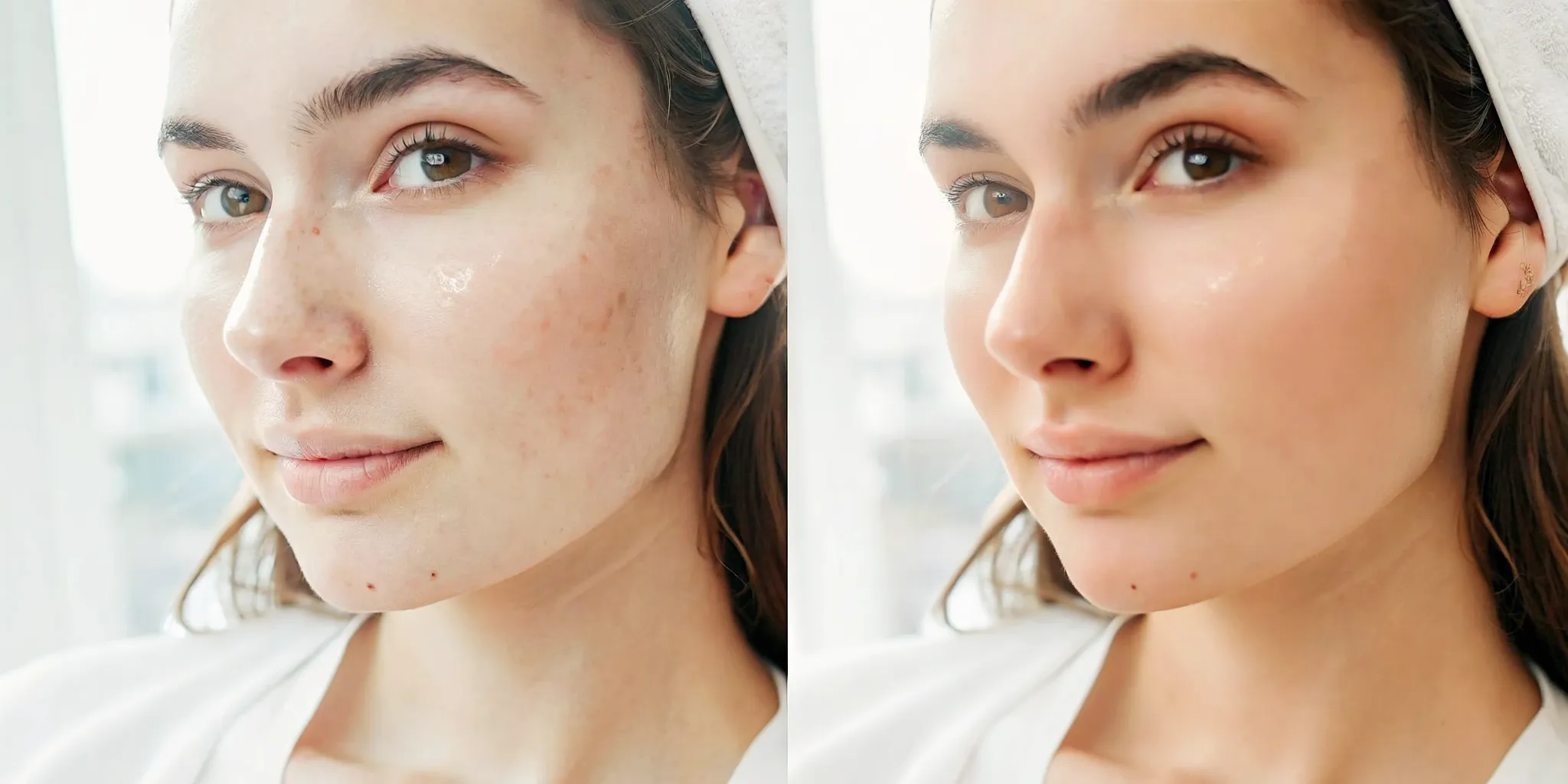
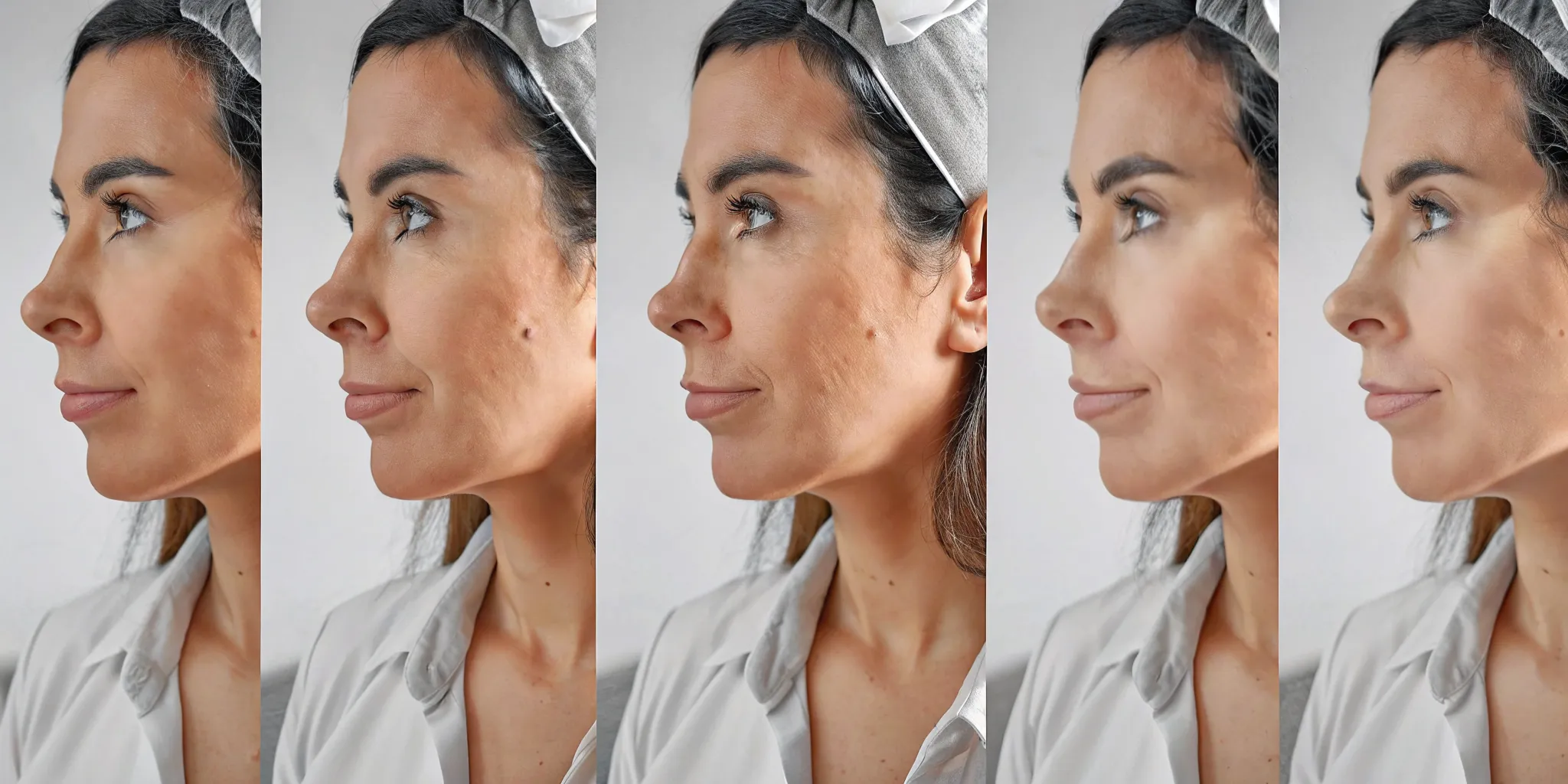
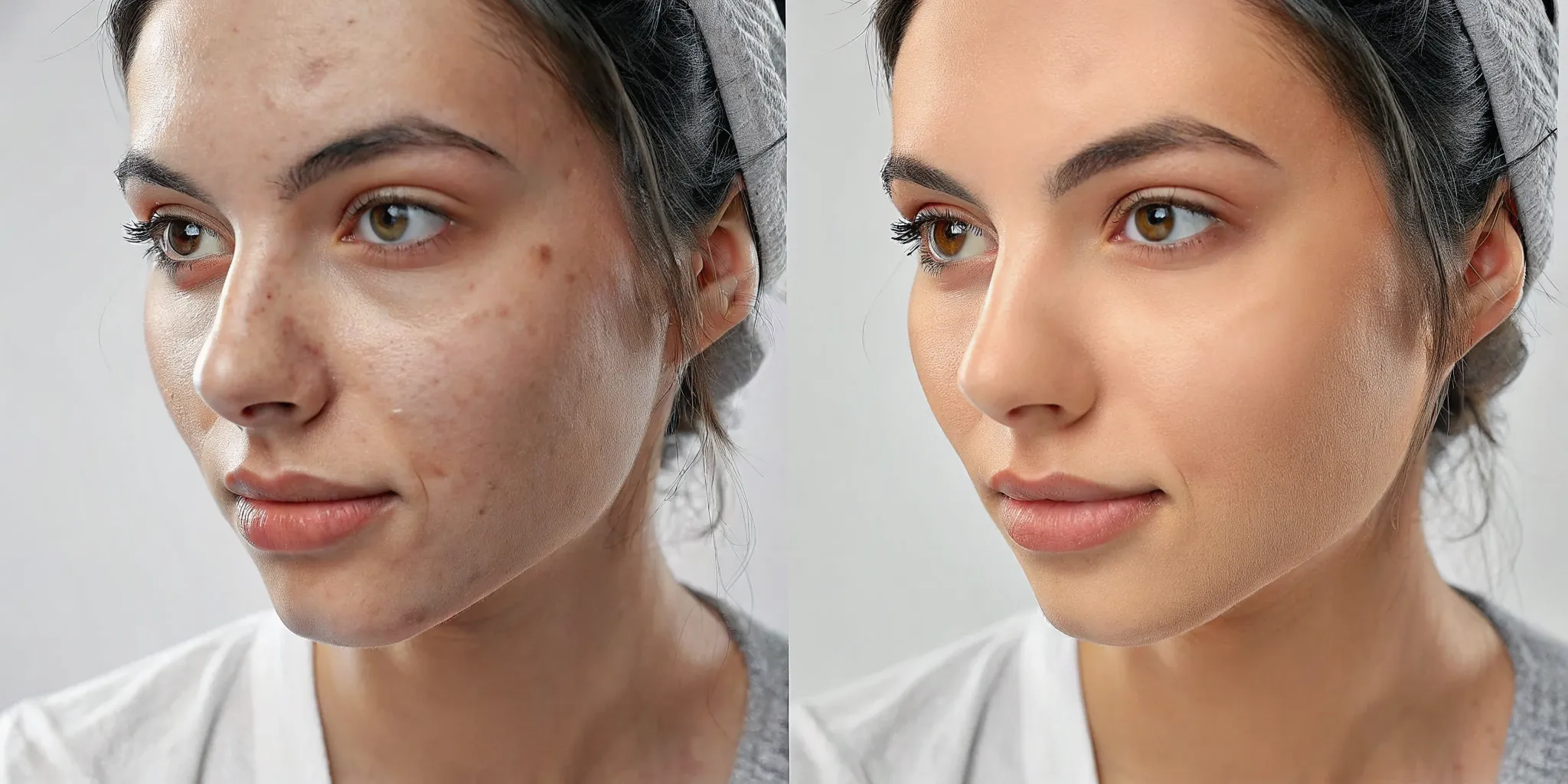
Doing a little homework on a provider can save you a lot of stress later. Start by checking their credentials. Are the technicians and medical staff licensed and certified in Texas? This information should be readily available on their website or at their office. Next, dive into online reviews from multiple sources like Google and Yelp. While one negative review isn’t a dealbreaker, look for consistent patterns in feedback. Finally, browse their website and social media for a gallery of before-and-after photos. This gives you a real-world look at their work and the quality of results they deliver for treatments like laser hair removal and body contouring.
The Benefits and Risks: What You Need to Know
Deciding on a body contouring treatment is a big step, and it’s smart to weigh the pros and cons. Understanding both the incredible results and the potential risks helps you make a confident, informed choice. The goal is to find a treatment that not only helps you look your best but also makes you feel amazing and secure throughout the entire process. Let’s walk through what you can realistically expect—from the exciting physical changes to the important safety considerations.
The Physical Results You Can Expect
The most exciting part of body contouring is seeing the physical transformation. These treatments are designed to help you refine your body’s shape by targeting specific areas. The primary goal is often to get rid of stubborn fat that diet and exercise can’t seem to touch, creating a more sculpted and toned appearance. Many procedures also focus on tightening loose or sagging skin, which is especially helpful after weight loss or pregnancy. The result is a smoother, more defined silhouette that aligns with the hard work you’ve already put into your health and wellness journey. It’s all about enhancing your natural shape and feeling more comfortable in your own skin.
The Confidence That Comes with Contouring
While the physical changes are impressive, the boost in self-confidence is often the most rewarding outcome. When you feel good about how you look, it can positively impact so many other areas of your life. Many people find that after their treatment, they feel more comfortable in their clothes, more empowered in social situations, and generally happier with their reflection. This isn’t about chasing an unrealistic ideal; it’s about addressing something that has been bothering you so you can move forward with renewed confidence. Seeing your body align more closely with your personal goals can be an incredibly affirming experience.
A Clear Look at Potential Side Effects
It’s important to have a transparent conversation about potential side effects. Like any medical procedure, body contouring comes with some risks. Most side effects are mild and temporary, such as swelling, bruising, redness, or soreness in the treated area. However, more significant complications can occur, though they are less common. These can include issues like infection, delayed wound healing, or changes in skin sensation. A reputable provider will discuss these possibilities with you in detail during your consultation, ensuring you understand everything before moving forward. Being aware of the risks is a key part of making a safe and educated decision.
When to Call Your Provider Post-Treatment
Your safety and comfort are the top priorities after any procedure. Your provider will give you detailed aftercare instructions, but it’s crucial to know when to reach out for help. You should contact your provider immediately if you experience any signs of infection, such as a fever, pus, or warmth at the treatment site. Other red flags include severe or worsening pain, excessive swelling that doesn’t improve, or any other symptom that feels concerning to you. Never hesitate to call—it’s always better to be safe and get professional guidance. Your care team is there to support you through every step of your recovery.
How to Maintain Your Beautiful Results
Getting your body contouring treatment is an exciting first step, but the journey doesn’t end when you leave our office. Maintaining your new look is a partnership between you and your body, and a little bit of care goes a long way. Think of it as protecting your investment. By following a solid aftercare plan and adopting a few healthy habits, you can enjoy your stunning results for years to come. It’s all about creating a sustainable routine that supports the incredible work you’ve already done. Let’s walk through exactly what you need to do to keep your contoured shape looking its best.
Your Aftercare Checklist
After your procedure, it’s completely normal to experience some mild swelling, bruising, and soreness in the treated areas as your body heals. The most important thing you can do during this time is to follow the specific post-procedure instructions your provider gives you. This guidance is tailored to your treatment and is crucial for a smooth recovery and the best possible outcome. Rest when you need to, wear any recommended compression garments, and don’t hesitate to get in touch with us if you have any questions. Listening to your body and our expert advice is the surest path to a beautiful, comfortable recovery.
Lifestyle Tips for Long-Lasting Results
To truly make the most of your body contouring, it’s essential to pair the treatment with a healthy lifestyle. The best results come from a combination of the procedure and a balanced diet with regular exercise. Remember, body sculpting is designed to target stubborn fat and shape your body, not for significant weight loss. Setting realistic goals is key. Think of it as the finishing touch on your wellness efforts. Just as with other treatments like SkinPen Microneedling, your daily habits play a huge role in how long your results last. Staying hydrated and maintaining a stable weight will help you preserve that sculpted look you love.
The Importance of Follow-Up Visits
Your treatment plan includes follow-up appointments for a reason. These visits are a critical part of your care, allowing us to monitor your recovery and ensure everything is healing as expected. While serious complications are rare, these check-ins are the perfect opportunity to address any concerns, from mild swelling to delayed healing, and make sure you’re on track to achieve your goals. Attending these appointments ensures we can provide the support you need every step of the way. Think of us as your partners in this process; we’re here to help you get the fantastic, long-lasting results you deserve.
Related Articles
- Fat Reduction Machines: A Guide to Body Contouring – Ultimate Image MedSpa
- Why VelaShape Is the Top Choice for Cellulite Reduction
- Laser Hair Removal in Dallas: The Complete Guide – Ultimate Image MedSpa
Frequently Asked Questions
Is body contouring a weight loss solution? It’s best to think of body contouring as a shaping tool, not a weight loss method. These treatments are designed for people who are already close to their ideal weight but want to address specific, stubborn pockets of fat or loose skin that don’t respond to diet and exercise. It’s the final step to refine your silhouette after you’ve put in the hard work.
Are the results from body contouring permanent? The fat cells that are removed or destroyed during a body contouring treatment are gone for good. However, the remaining fat cells in your body can still expand if you gain a significant amount of weight. This is why maintaining a stable weight through a healthy diet and regular exercise is the best way to ensure your beautiful results are long-lasting.
What does the treatment feel like? Is it painful? Your comfort is a top priority, and the sensation you feel depends entirely on the treatment you choose. Non-surgical options might involve feelings of intense cold, warmth, or deep muscle contractions, but they are designed to be tolerable. Surgical procedures are performed with anesthesia, so you won’t feel pain during the treatment. We will always walk you through exactly what to expect so you feel prepared and at ease.
How many sessions will I actually need? This is a great question, and the answer is completely unique to you and your goals. For many non-surgical treatments, some people achieve their desired look after just one session, while others may need a series of two or three to get the best results. During your consultation, we’ll assess the treatment area and discuss your goals to create a personalized plan that outlines the recommended number of sessions for you.
Can I return to my normal routine right after the procedure? Downtime varies quite a bit between different types of treatments. With most non-surgical procedures, you can typically return to your daily activities, including work, almost immediately. Surgical options, on the other hand, require a more extended recovery period to allow your body to heal properly. We will always provide you with clear aftercare instructions so you know exactly what to expect.