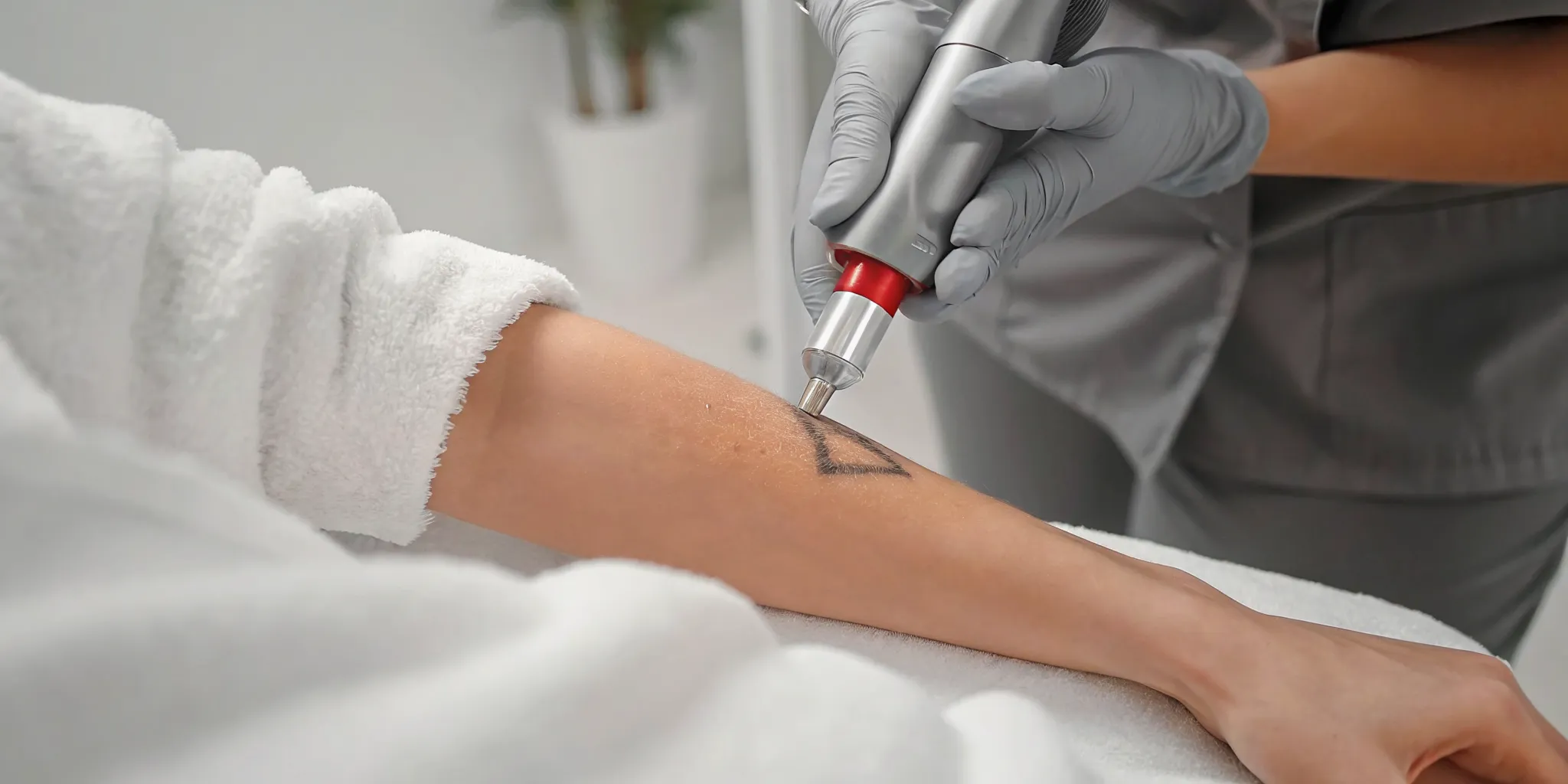

The decision to remove a tattoo is a personal one, and when your ink is full of vibrant color, the journey can feel a bit more complex. You might wonder if those bright blues, greens, and reds will ever truly fade. Years ago, that was a valid concern, but laser technology has made incredible strides. Today’s advanced multi-wavelength systems are specifically designed to target and shatter a wide spectrum of ink pigments, something older lasers simply couldn’t do. Finding the right clinic for “color tattoo removal near me” is about finding a team that has invested in this modern technology. In this article, we’ll explain the science behind it, what factors influence your results, and how to prepare for your first consultation with confidence.
Key Takeaways
- Prioritize Advanced Laser Technology: Removing colorful tattoos isn’t a one-laser job. Ensure your chosen clinic uses modern, multi-wavelength systems capable of targeting a full spectrum of inks, as different colors respond to different types of light.
- Expect a Personalized Plan and Price: The cost and timeline for your removal are unique to you. Factors like the tattoo’s size, age, colors, and location on your body all influence the treatment plan, making an initial consultation essential for an accurate estimate.
- Your Choices Dictate Your Results: The outcome depends on more than just the treatment itself. Your success starts with selecting a medically supervised clinic with proven experience and is secured by your commitment to proper aftercare, especially protecting your skin from the sun.
Color vs. Black Ink: What’s the Difference?
If you’re thinking about saying goodbye to some old ink, you might be wondering if your vibrant, multi-colored tattoo will be harder to remove than a simple black one. The short answer is yes, but it’s not impossible. The key to successful laser tattoo removal lies in understanding how different ink colors respond to laser technology. Black ink is the most straightforward to treat because it absorbs all wavelengths of laser light, while colored inks require a more nuanced approach with specialized equipment. Let’s break down why that is and which colors tend to fade the fastest.
Why Colored Inks Are Trickier to Remove
Think of it this way: a black t-shirt absorbs a lot more sunlight on a hot day than a white one. Laser tattoo removal works on a similar principle of light absorption. Black ink is so receptive because it soaks up the full spectrum of laser light, making it easier for the energy to shatter the ink particles into tiny pieces your body can flush away.
Colored inks, on the other hand, are much pickier. Each color only absorbs a specific wavelength of light. To effectively break down a green, blue, or yellow pigment, your technician needs to use a laser that emits the precise wavelength that color will absorb. This is why treating a colorful tattoo often requires a more advanced laser system with multiple wavelengths to tackle each shade individually.
Which Colors Fade the Fastest?
Generally, darker colors are the easiest to remove. Black and dark blue inks typically respond the quickest to laser treatments, often requiring fewer sessions to see significant fading. Dark reds and greens are also on the easier end of the spectrum, as they absorb laser energy quite well.
The real challenge comes with lighter, brighter colors. Shades like light blue, green, yellow, and purple don’t absorb laser energy as efficiently, which means they usually require more sessions to break down. While every tattoo is unique, you can generally expect a longer timeline for these lighter hues. The best way to get a clear picture of your removal journey is to schedule a consultation where a specialist can assess your specific tattoo.
The Technology Behind Fading Color Tattoos
If you’re wondering how a vibrant, colorful tattoo can simply disappear, the answer lies in some seriously impressive technology. The type of laser a clinic uses is the single most important factor in successfully removing colored ink. Older lasers just couldn’t handle the full spectrum of colors, often leaving behind frustrating traces of green, blue, or yellow. But today’s advanced systems have completely changed the game. Understanding the basics of how this technology works will help you choose a clinic that can deliver the clean slate you’re looking for. It all comes down to the type of laser, the wavelengths it uses, and how these elements work together to break down even the most stubborn inks.
Q-Switched vs. Picosecond Lasers: What You Need to Know
For years, Q-switched lasers were the go-to for tattoo removal. They work by sending out a pulse of light energy that heats up and breaks apart the ink particles. While effective for some tattoos, they can be slower and less efficient on certain colors. The newer, more advanced option is the picosecond laser. Instead of heat, these lasers deliver ultra-short energy pulses (we’re talking trillionths of a second) that create a photomechanical effect, shattering the ink into tiny dust-like particles. Your body can then clear away these smaller particles much more easily. This technology often works faster, which can mean you’ll need fewer laser tattoo removal sessions to get the results you want.
Why Multi-Wavelength Systems Are Essential
Think of it this way: just as a red filter makes red things pop, different wavelengths of laser light are needed to target different ink colors. A laser that uses only one wavelength might be great at zapping black ink but completely ineffective against a color like green or light blue. This is why a multi-wavelength system is non-negotiable for removing a color tattoo. A clinic with the right technology will use a laser that can produce several different wavelengths. This allows the technician to switch settings to precisely target each color in your tattoo, ensuring a more comprehensive and effective treatment from start to finish.
How Advanced Lasers Get Better Results
The gold standard in modern tattoo removal combines the best of both worlds: picosecond technology and a multi-wavelength system. This powerful combination is what makes it possible to treat a huge range of ink colors—from dark black and red to tricky shades of yellow, green, and purple—more effectively than ever before. Advanced lasers give specialists the flexibility to tailor the treatment directly to your unique tattoo. By using the right wavelength and pulse speed for each specific ink, they can achieve better clearance in fewer sessions. This targeted approach not only provides superior results but also helps protect the surrounding skin, making the entire process safer and more efficient. When you’re ready to learn more, you can always contact us to discuss the technology we use.
Breaking Down the Cost of Color Tattoo Removal
One of the first questions on everyone’s mind is, “How much is this going to cost?” It’s a totally fair question, but the answer isn’t a simple number. The cost of laser tattoo removal is tailored to you and your specific tattoo. Think of it less like buying a product off the shelf and more like investing in a personalized treatment plan.
Several key elements come together to determine the final price. The size of your tattoo, the variety of colors used, and even its location on your body all play a significant role. Understanding these factors will help you get a clearer picture of the investment required to achieve the results you want. Let’s walk through what goes into creating your custom quote.
What Factors Influence the Price?
The price of removing a color tattoo is highly personalized because no two tattoos are exactly alike. The most significant factor is size—a larger piece will naturally require more time and resources per session than a small one. Color is another huge piece of the puzzle. Different ink colors absorb laser light differently, and vibrant shades like blues and greens can be more stubborn to remove than standard black ink.
Beyond size and color, the specialist will also consider the tattoo’s age, the density of the ink, and its location on your body. An older, faded tattoo might need fewer sessions than a brand-new, saturated one. This is why an initial consultation is so important for getting an accurate price estimate.
Paying Per Session vs. Package Deals
Most clinics offer two main ways to pay for your treatments: per session or in a package. Paying per session gives you flexibility, allowing you to pay as you go. Nationally, single sessions can range from $200 to $500, but this varies widely based on the factors we just discussed. Since effective removal always requires multiple treatments—often six to eight or more—this option can add up.
Alternatively, many people opt for package deals. Buying a set number of sessions upfront usually comes with a discount, making it a more cost-effective choice in the long run. During your consultation, we can create a personalized treatment plan and help you decide which payment structure makes the most sense for your goals and budget.
Exploring Financing Options and Promotions
We understand that tattoo removal is an investment in yourself, and we want to make it as accessible as possible. Many clinics, including ours, offer financing options or payment plans that allow you to spread the cost over time, so you don’t have to pay for everything at once. This can make the entire process feel much more manageable.
The best first step is to schedule a consultation. This is your chance to get a professional assessment of your tattoo and a clear, detailed breakdown of the expected costs. We can discuss your specific tattoo, outline a treatment plan, and explore any available promotions or payment options to help you move forward with confidence.
How to Choose the Right Tattoo Removal Clinic
Deciding to remove a tattoo is a big step, and choosing where to get it done is just as important as the decision itself. The right clinic can make all the difference between a great result and a frustrating experience. You want a team that is not only effective but also prioritizes your safety and comfort. To help you find the perfect fit, focus on a few key areas: the team’s qualifications, the technology they use, their specific experience, and what other clients have to say. Taking the time to research these points will help you walk into your first session with confidence, knowing you’ve made the best choice for your skin.
Confirm Medical Supervision and Certifications
First things first, you want to know who is actually performing the treatment. Laser tattoo removal is a medical procedure, so it’s essential to choose a clinic that is overseen by qualified medical professionals. Look for a team led by board-certified physicians and staffed by highly trained and certified technicians. This ensures that the person operating the laser has a deep understanding of skin, safety protocols, and how to handle any situation that might arise. Having medical experts on-site gives you peace of mind, knowing you’re in the safest possible hands.
Ask About Their Laser Technology
Not all lasers are created equal, and the technology a clinic uses directly impacts your results. Don’t be shy about asking what kind of equipment they have. Top-tier clinics invest in advanced systems like Pico lasers, which are known for being incredibly effective and efficient. Modern lasers can break down ink particles more effectively, often leading to faster results with less recovery time between sessions. When you’re researching a clinic, check to see if they use the latest laser tattoo removal technology—it’s a strong indicator that they are committed to providing the best possible care.
Verify Their Experience with Colored Tattoos
Removing a colorful tattoo is more complex than fading black ink. Different colors absorb different wavelengths of light, so a clinic needs a versatile laser system and the expertise to use it correctly. When you’re vetting potential clinics, ask specifically about their experience with colored inks. Do they have lasers capable of targeting a wide spectrum of colors, like stubborn blues and greens? A clinic that has successfully treated a variety of colorful tattoos will be better equipped to create a customized treatment plan that effectively targets every hue in your design.
Read Client Reviews and See Before-and-Afters
One of the best ways to gauge a clinic’s quality is to see their track record. Spend some time reading through client reviews and testimonials on different platforms. Are people generally happy with their results and their experience? Beyond reviews, ask to see a portfolio of before-and-after photos. This is your chance to see real, unedited proof of their work. A reputable clinic will be proud to show you their results. If you like what you see, the next logical step is to schedule a consultation to discuss your specific tattoo and goals.
What Determines Your Removal Results?
If you’re ready to say goodbye to a tattoo, you’re probably wondering what the process will look like for you. The truth is, tattoo removal is highly personal, and the outcome depends on a unique combination of factors. Everything from the tattoo’s age to your own skin type plays a role in how quickly and effectively the ink fades. While a one-on-one consultation is the best way to get a clear picture of your treatment plan, understanding these key elements can help you set realistic expectations from the start. Let’s walk through the main factors that will influence your journey to clear skin.
How Tattoo Age and Ink Quality Play a Role
Believe it or not, that older tattoo you’ve been wanting to remove might be a step ahead. Over time, your body naturally tries to break down the foreign ink particles, causing the tattoo to fade. This gives the laser a head start. Newer tattoos, on the other hand, have fresh, dense ink that requires more work to break apart. The type of ink also matters. Professional tattoos often use high-quality ink injected deep into the skin, which can be more stubborn. Amateur tattoos may have less ink and be easier to clear, but the application can be uneven. A specialist will assess these factors to create a personalized treatment plan for you.
The Impact of Your Skin Type and Tattoo Location
Your skin tone is a crucial factor in laser tattoo removal. Because the laser targets pigment, it’s important to adjust the settings to focus on the ink, not your skin’s natural melanin. Lighter skin tones can typically handle more aggressive laser settings, while darker skin requires a gentler approach to prevent discoloration or scarring. Location also plays a surprising role. Tattoos on your torso, neck, or upper arms often fade faster because these areas have better circulation, which helps your body flush out the shattered ink particles. Tattoos on your hands, feet, or ankles are further from the heart and may take a bit more time and patience to fully clear during the laser tattoo removal process.
Why Size and Color Complexity Matter
It makes sense that a small wrist tattoo will take fewer sessions to remove than a full back piece. The larger and more saturated a tattoo is, the more treatments it will require. But the biggest variable is color. Black ink is the easiest to remove because it absorbs all wavelengths of laser light, allowing it to break down quickly. Colored inks are more complex because each color only absorbs a specific wavelength. For example, a different laser setting is needed to target red ink than to target blue or green ink. This is why removing a vibrant, multi-colored tattoo requires advanced technology and a skilled technician who can effectively target each shade without damaging your skin.
How to Prepare for Your First Consultation
Walking into your first consultation can feel a little intimidating, but it doesn’t have to be. Think of it as an information-gathering session where you get to decide if a clinic is the right fit for you. A little preparation goes a long way in making you feel confident and ensuring you get all the answers you need. The goal is to leave with a clear understanding of the process, the expected results, and the costs involved. A great specialist will welcome your questions and take the time to walk you through everything. This initial meeting is your opportunity to build a rapport with your provider and confirm you’re in expert hands. By coming prepared, you can make the most of this time and move forward with your decision feeling empowered and informed.
Key Questions to Ask Your Specialist
To get the most out of your meeting, have a few key questions ready. Start by asking about the specific technology they use. A great question is, “What type of laser do you use for color tattoos, and why is it effective?” This shows you’ve done your homework. At Ultimate Image MedSpa, we use advanced multi-wavelength lasers designed to target a wide spectrum of ink colors. You should also ask about the estimated number of sessions you’ll need, what the healing process looks like between appointments, and for a clear breakdown of the costs. Don’t hesitate to ask to see their portfolio of laser tattoo removal results for tattoos similar to yours.
Be Ready to Discuss Your Medical History
Your health and safety are the top priorities, so be prepared to talk openly about your medical history. Your specialist will need to know about any skin conditions, allergies, or medications you’re taking, as these can affect how your skin responds to the laser. It’s also important to mention if you are pregnant or have a history of keloid scarring. This information isn’t just procedural; it allows the technician to tailor the treatment plan specifically for you, minimizing risks and ensuring the best possible outcome. A thorough consultation always includes a review of your medical background—it’s a sign that you’re working with a responsible and professional clinic.
Setting Realistic Goals for Your Treatment
It’s important to walk into the process with realistic expectations. Laser tattoo removal is a journey, not a one-time fix. Complete removal often requires multiple sessions spaced several weeks apart to allow your skin to heal and your body to flush out the ink particles. The exact number of treatments depends on your tattoo’s size, colors, age, and your skin type. While most tattoos can be significantly lightened or fully removed, there’s no magic number of sessions that applies to everyone. Your specialist will assess your tattoo and give you a personalized estimate, helping you understand what’s achievable. Ready to get started? You can contact us to book your initial consultation.
Your Guide to Post-Treatment Aftercare
You’ve completed your first session—great job! What you do next is just as important as the treatment itself. Proper aftercare is your secret weapon for faster healing and getting those amazing results you’re looking for. Think of it as teamwork between you and your specialist. Here’s exactly what you need to do to take care of your skin.
Your technician will apply a sterile bandage right after the session, and it’s best to leave it on for as long as they recommend. Once you’re home, you might notice some swelling or redness, which is totally normal. A cold compress can be a lifesaver here—just apply it gently over the bandage for about 15-20 minutes at a time to help soothe the area. For the next few days, be extra gentle. You can wash the area with a mild, fragrance-free soap and water, but be sure to pat it dry instead of rubbing. Your specialist might also recommend an antibiotic ointment to keep things clean and prevent infection.
This one is non-negotiable: keep the treated area out of the sun. Sun exposure can lead to blistering or pigmentation changes, which can complicate your healing process. When you do go outside, cover the area or apply a broad-spectrum SPF 30+ sunscreen generously. This is a crucial step in the entire laser tattoo removal journey, so make it a habit.
It can be tempting to book your next appointment right away, but your skin needs time to heal and your body needs time to work its magic. The laser breaks up the ink particles, and your immune system does the heavy lifting of flushing them out. That’s why we typically recommend waiting at least six to eight weeks between sessions. This pause ensures your skin is fully recovered and gives your body the time it needs to clear the ink, making each subsequent treatment more effective. If you ever have questions about your healing process, don’t hesitate to contact us for guidance.
Related Articles
- Tattoo Removal Before & After: Real Patient Photo Results – Ultimate Image MedSpa
- Tattoo Removal Guide: Costs, Pain & Effectiveness – Ultimate Image MedSpa
- Tattoo Removal Guide: Costs, Pain & Effectiveness – Ultimate Image MedSpa
Frequently Asked Questions
Is laser tattoo removal painful? This is probably the most common question we get, and the honest answer is that it can be uncomfortable, but it’s very manageable. Most people compare the sensation to a rubber band snapping against the skin. The good news is that the laser pulses are incredibly fast, and a session is usually over much quicker than you’d expect. We also use cooling methods to keep your skin comfortable throughout the treatment.
Can all ink colors be removed completely? Thanks to modern laser technology, we can effectively treat a huge spectrum of ink colors. Darker pigments like black, dark blue, and red tend to respond the best and fade the fastest. Lighter, brighter shades such as light green, yellow, and purple can be more stubborn and may require more sessions to break down. While complete removal is the goal and often achievable, the success depends on the specific ink and the use of a multi-wavelength laser system designed to target those tricky colors.
Why do I have to wait so long between sessions? It’s tempting to want to schedule your appointments close together, but the waiting period is essential for getting the best results. The laser’s job is to shatter the ink particles into tiny fragments, but your body’s immune system does the actual removal work by gradually flushing those particles away. This natural process takes time. Spacing sessions six to eight weeks apart gives your skin ample time to heal and your body the chance to clear out as much ink as possible, making each following treatment more effective.
Will the laser damage my skin or leave a scar? When performed by a certified technician using advanced equipment, the risk of scarring or skin damage is very low. Modern picosecond lasers are designed to be incredibly precise, delivering energy that targets the ink pigment while leaving the surrounding skin unharmed. This is why choosing a reputable, medically supervised clinic is so important. A skilled professional will tailor the laser settings to your specific skin type and tattoo to ensure a safe and effective treatment.
How can I get a definite price for my tattoo removal? Because so many factors influence the process—like your tattoo’s size, colors, age, and location—it’s impossible to give a flat rate. The only way to get an accurate quote and a clear treatment plan is to come in for a one-on-one consultation. During this meeting, a specialist can assess your tattoo in person, answer all of your questions, and provide a detailed breakdown of the expected number of sessions and the total investment required.