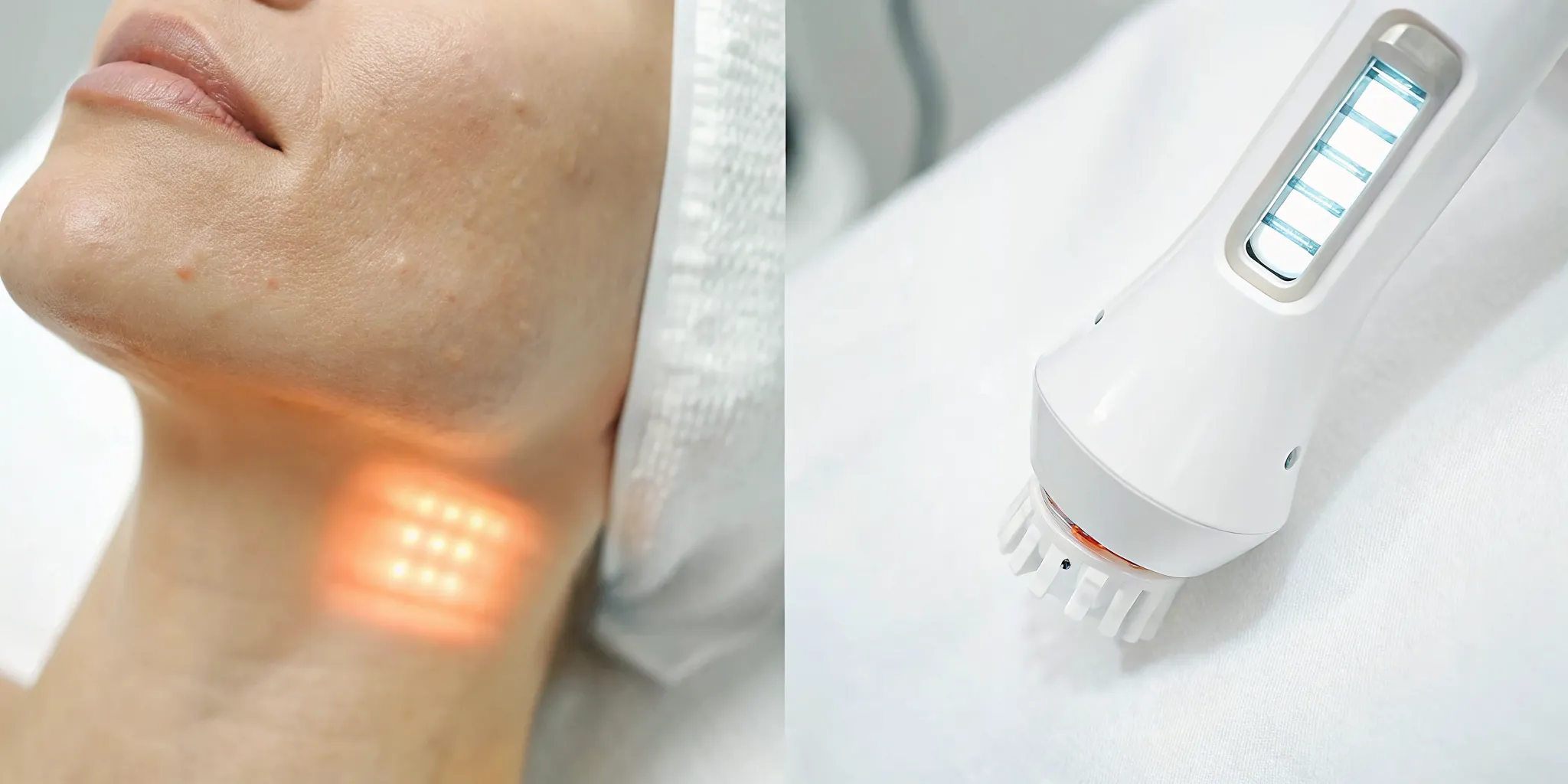

Let’s get straight to the point. You’re here because you’re wondering, does laser hair removal help razor bumps? If you’re asking this question, you’re probably fed up with the irritation, discomfort, and self-consciousness that comes with constant razor burn. You’re ready for a solution that actually works. The answer is yes, and it’s a game-changer for skin health. Unlike shaving or waxing, which only removes hair from the surface, laser hair removal targets the follicle deep within the skin. This process not only reduces hair growth over time but also prevents the sharp, angled regrowth that causes ingrown hairs and painful bumps in the first place.
Key Takeaways
- Address the problem at its source: Laser hair removal prevents razor bumps by targeting the hair follicle directly, which stops the cycle of regrowth and irritation that causes ingrown hairs.
- Commit to the full treatment plan: Achieving smooth, bump-free skin is a gradual process. You will need a series of sessions spaced several weeks apart to effectively reduce hair growth for long-term results.
- Proper prep and aftercare are essential: Following simple instructions, like avoiding sun exposure before your appointment and keeping skin moisturized after, is crucial for making your treatment effective and helping your skin heal beautifully.
What Are Razor Bumps and Why Do You Get Them?
If you’ve ever shaved, you’re probably familiar with the red, itchy bumps that can pop up afterward. We call them razor bumps, and they’re a common frustration that can make your skin feel irritated and look uneven. But what exactly are they, and why do some people seem to get them more than others? Understanding the cause is the first step to finding a lasting solution. It all comes down to how your hair grows back after being removed, which is a problem that many of our skincare services are designed to address.
How Razor Bumps Form
Razor bumps, known medically as pseudofolliculitis barbae, aren’t just a sign of sensitive skin. They happen when a hair that’s been cut short curls back and grows into the skin instead of up and out. Your body sees this ingrown hair as a foreign object and triggers an inflammatory response to fight it off. This reaction is what causes those familiar red, itchy bumps that can sometimes look like small pimples. It’s a frustrating cycle, especially in areas where you shave frequently, because each shave creates new opportunities for hairs to get trapped under the skin’s surface.
Who Is Most Prone to Razor Bumps?
While anyone can get razor bumps, they’re especially common for people with curly or tightly coiled hair. The natural curl pattern makes it much more likely for the hair to bend back into the skin after being cut. This can lead to a whole host of uncomfortable symptoms, including stinging, burning, and even dark spots or scarring if the bumps are picked. If you’re tired of dealing with this constant irritation, you might be looking for a better way to manage unwanted hair. A more permanent solution like laser hair removal can target the hair follicle directly, preventing the hair from growing back and causing bumps in the first place.
How Laser Hair Removal Prevents Razor Bumps
If you’re tired of dealing with the irritation and bumps that come with shaving, you’ll be happy to know there’s a more effective way. Unlike surface-level treatments that only manage symptoms, laser hair removal gets to the literal root of the problem. By targeting the hair follicle itself, it stops the cycle of regrowth and irritation before it can even start. This approach is what makes it such a game-changer for achieving consistently smooth, clear skin. Instead of constantly fighting against new hair growth and the inevitable razor bumps that follow, you’re creating a long-term solution that simplifies your routine and gives your skin a chance to finally heal.
Understanding the Technology
So, how does it work? Laser hair removal uses a concentrated beam of light that is absorbed by the pigment, or melanin, in your hair. This light energy converts to heat, which travels down the hair shaft and damages the follicle responsible for producing hair. When the follicle is damaged, its ability to grow new hair is significantly impaired. The treatment effectively puts the follicle out of commission. Over a series of sessions, this process is repeated to catch different hairs in their active growth phase. The result? Hair grows back finer, lighter, and much slower, if it grows back at all. This directly prevents the sharp, angled regrowth that causes ingrown hairs and razor bumps.
Why It’s a Long-Term Solution
Here’s the best part: because laser hair removal reduces the amount of hair, you won’t need to shave nearly as often. For many people in Texas, this means a dramatic decrease in skin irritation, redness, and, of course, razor bumps. When you aren’t constantly running a blade over your skin, you eliminate the primary cause of the problem. Your skin gets a much-needed break to recover and stay smooth. While other methods like waxing or depilatory creams offer temporary relief, they don’t stop the hair from growing back coarse and ready to cause irritation again. Laser hair removal is different because it offers a lasting reduction in hair growth, making it a true long-term strategy for smoother skin.
What Results Can You Expect?
If you’re tired of the endless cycle of shaving, waxing, and dealing with painful razor bumps, you’re probably wondering what kind of change you can realistically see with laser hair removal. The great news is that this treatment offers a lasting solution by addressing the problem at its source. While it’s not an overnight fix, the results are progressive, meaning your skin gets smoother and clearer with each session. It’s a commitment to your skin that pays off with long-term freedom from irritation and ingrown hairs. Let’s break down what the journey to smoother skin looks like.
Your Timeline for Smoother Skin
Patience is key, but you won’t have to wait long to start seeing a difference. Many people notice a reduction in hair growth and razor bumps after just a few sessions. A typical treatment plan involves about six to eight sessions, spaced several weeks apart, to effectively target hair follicles in their active growth phase. While some lucky individuals have seen their razor bumps disappear after just one treatment, most will see gradual improvement. The goal of a full laser hair removal plan is to achieve a significant, long-term reduction in hair, which in turn keeps those frustrating bumps from ever forming.
Long-Term Benefits for Your Skin’s Health
The best part about laser hair removal is that it’s more than just a temporary fix. By targeting the hair follicle, the treatment drastically reduces the growth of new hair. This means fewer opportunities for hair to become trapped under the skin and cause razor bumps. Over time, you’ll see a major drop in both hair and irritation. Any hair that does grow back is typically much finer and softer, making it far less likely to cause problems. This isn’t just about aesthetics; it’s about restoring the health and comfort of your skin. It’s one of the most effective services for achieving consistently smooth, bump-free skin for good.
How Many Sessions Will You Need?
One of the most common questions I hear is, “How long will this actually take?” While I’d love to give you a single magic number, the truth is that it’s a process. For most people looking to get rid of razor bumps for good, you can expect to need about six to eight laser hair removal sessions. Think of it as a series of appointments, each one building on the last to get you closer to smooth, irritation-free skin.
We schedule these sessions several weeks apart. This isn’t just a random timeline; it’s strategically planned to target your hair at the perfect point in its growth cycle. Consistency is your best friend here. Sticking to the schedule we create for you is the surest way to see the best possible results. Every person’s journey is a little different, which is why we start with a consultation to map out a treatment plan that’s tailored specifically to you, your skin, and your goals.
Factors That Influence Your Treatment Plan
Your treatment plan is as unique as you are. Several personal factors can influence how many sessions you’ll need, including your skin tone, hair color, and even hormonal levels. Laser hair removal works by targeting the pigment, or melanin, in your hair follicles. The ideal scenario is a strong contrast between your skin and hair color, like fair skin and dark hair. This contrast makes it easier for the laser to find and target the follicles without affecting the surrounding skin. Don’t worry if you don’t fit this exact profile; modern lasers are incredibly advanced and can work safely on a wider range of skin tones.
Why Spacing Out Sessions Matters
Patience really is a virtue when it comes to laser hair removal. Spacing out your appointments is crucial because the laser is most effective when your hair is in its early growth phase. Since not all of your hair is in the same phase at the same time, multiple sessions are needed to catch each follicle at the right moment. Following the recommended schedule ensures we can treat the area thoroughly over time. It’s also important to let your skin heal completely between appointments, especially if you have any active razor bumps or irritation. We can always adjust your schedule to ensure your skin is calm and ready for your next treatment. If you have questions about your specific timeline, we can discuss them when you contact us for a consultation.
How to Prepare for Your Treatment (And What to Do After)
Getting the best results from your laser hair removal treatment starts before you even walk into our spa and continues for a little while after you leave. Proper prep and aftercare are key to achieving that smooth, bump-free skin you’re looking for. By following a few simple steps, you can make your sessions more effective and keep your skin happy and healthy throughout the process. Think of it as setting the stage for success. A little care goes a long way in preventing irritation and ensuring the laser can do its job perfectly.
Before Your Appointment
To get the most out of your laser hair removal sessions, a little prep work is essential. First, avoid sun exposure on the treatment area. Tanned or sunburned skin is more sensitive and can react poorly to the laser. You’ll also want to pause using any exfoliating products for about a week before your appointment to prevent irritation. If you have any active razor burn, let your skin heal completely before coming in. When it’s time, shave the area carefully, moving the razor in the direction your hair grows. For extra comfort, you can apply a soothing anti-inflammatory cream like hydrocortisone to calm the skin beforehand.
Aftercare for the Best Results
What you do after your appointment is just as important as what you do before. It’s normal to see some temporary redness, but this usually fades within a few weeks. To help your skin recover beautifully, apply gentle, soothing moisturizers and continue to stay out of the sun. A cold pack or cooling gel can feel amazing on the treated area and helps reduce any discomfort. Most importantly, follow the specific aftercare instructions your provider gives you. This is the best way to avoid any potential irritation or infection. If you have any questions at all about what you’re experiencing, please contact us so we can help.
Is Laser Hair Removal Right for You?
So, you’re tired of razor bumps and ready for a change. But before you book your first appointment, it’s smart to figure out if laser hair removal is the right move for you. Your skin type, hair color, and overall health all play a role in how effective the treatment will be. Let’s walk through what makes someone a great candidate and a few important things to keep in mind.
The Best Skin and Hair Types for Treatment
Laser hair removal works best when there’s a clear contrast between your skin and hair color. The ideal combination is light skin and thick, dark hair. Why? The laser is designed to target the melanin (the pigment) in your hair follicles. When your skin is light and your hair is dark, the laser can easily find and zap the follicle without affecting the surrounding skin. While laser technology has come a long way, this contrast still gives the most dramatic and efficient results. Advanced systems, like the Alexandrite laser, are known for being highly effective, helping you get smoother skin in fewer sessions.
Important Health Considerations
It’s also important to have realistic expectations. While many people see amazing, long-lasting results, laser hair removal doesn’t guarantee permanent hair removal for every single hair. Some follicles can be stubborn, and you might see some regrowth over time, though it’s typically much finer and lighter. You also need to make sure your skin is healthy before treatment. If you have any active razor bumps, irritation, or burns, you’ll need to let your skin heal completely first. The best way to know for sure if you’re a good candidate is to chat with a professional. We can assess your skin and hair to create a personalized treatment plan just for you.
Myths vs. Facts: Laser Hair Removal for Razor Bumps
When you’re looking for a real solution to razor bumps, it’s easy to get tangled in a web of myths and misinformation. Let’s clear the air and separate fact from fiction so you can make a confident decision about laser hair removal.
Myth: It’s a One-and-Done Permanent Fix
Wouldn’t it be amazing if one laser session could zap away unwanted hair forever? While that’s the dream, the reality is a bit different. Laser hair removal is better described as permanent hair reduction. It works by targeting hair follicles in their active growth phase, and not all hairs are in that phase at the same time. This is why multiple sessions are necessary. While it doesn’t always guarantee 100% permanent removal for every single hair, the results are still fantastic. Any hair that does grow back is typically much finer, lighter, and far less likely to cause irritation or bumps. Think of it as a long-term strategy for smooth skin, with occasional touch-ups to maintain your results.
Myth: The Treatment is Painful
The word “laser” can sound intimidating, but the treatment is much more comfortable than you might think. Most people describe the sensation as a quick snap, similar to a rubber band against the skin. Of course, sensitivity varies from person to person and depends on the treatment area; the bikini line might feel more sensitive than your legs, for example. At Ultimate Image MedSpa, we use advanced technology with cooling features to keep you comfortable throughout your session. Our experienced technicians are pros at making the process as smooth and pain-free as possible. If you’re feeling nervous, we can always talk you through the process beforehand.
Myth: It Cures Existing Bumps Instantly
Laser hair removal is an incredible preventative tool, but it’s not an overnight cure for the bumps you already have. The treatment works by targeting the hair follicle to stop new hairs from growing and causing irritation in the first place. It gives your skin the chance to heal. While you won’t walk out of your first session with completely clear skin, you will see a significant reduction in new bumps forming as you progress through your treatment plan. Over time, as fewer hairs grow back, the existing inflammation and discoloration will fade, revealing smoother, healthier-looking skin. It’s a gradual process, but the long-term payoff is well worth the wait.
A Quick Look at Potential Side Effects
It’s completely normal to have questions about what happens after a cosmetic treatment. With laser hair removal, your skin is working hard to push out the treated hair follicles, and it might show a few signs of that effort. Understanding what’s typical versus what’s not can give you peace of mind as you heal. Most side effects are minor and temporary, simply indicating that the laser has done its job effectively. Knowing what to expect helps you relax and focus on the exciting result: smoother, bump-free skin. Here’s a simple breakdown of what you might experience after your session and when it’s a good idea to check in with your provider.
What’s Normal After Treatment
After your appointment, it’s common to see some redness, mild swelling, and tenderness in the treated area. You might even notice what looks like tiny bumps around the hair follicles, which is called follicular edema. Don’t worry, this is a perfectly normal and expected reaction. It’s actually a good sign that the laser has effectively targeted the follicles. Think of it as your skin’s response to the heat from the laser. These symptoms are temporary and usually fade within a few hours to a day or two. Applying a cool compress can help soothe the area and make you more comfortable as your skin calms down.
When to Contact Your Provider
While most side effects are mild, you should always listen to your body. If you experience any persistent irritation, blistering, or signs of infection, it’s important to get in touch with your specialist. While very rare, some people might experience folliculitis, which is an inflammation of the hair follicles that looks like a rash. It’s also good to remember that laser hair removal significantly reduces hair, but a few stubborn hairs might grow back finer and lighter. If anything about your healing process feels off or concerns you, it’s always best to reach out. We’re here to support you, so please don’t hesitate to contact us with any questions.
Laser Hair Removal vs. Other Razor Bump Treatments
If you’re dealing with razor bumps, you’ve likely tried every trick in the book to get smooth, clear skin. From expensive razors and soothing creams to changing your shaving direction, the cycle of temporary fixes can be frustrating. While these methods might offer a moment of relief, they don’t address the root of the problem. Laser hair removal, on the other hand, offers a fundamentally different approach by targeting the hair follicle itself, providing a lasting solution instead of a temporary patch.
This is where we move beyond managing the symptoms and start treating the cause. Let’s look at why traditional methods often miss the mark and how laser treatments stand out as a more effective, long-term strategy for preventing razor bumps for good.
Why Traditional Remedies Fall Short
Many people feel like they just have to live with razor bumps, even after trying countless shaving techniques, creams, and aftershaves. You’re not alone in this struggle. The issue is that these remedies don’t stop the hair from growing back. Razor bumps, known medically as pseudofolliculitis barbae, happen when a shaved hair curls back and grows into the skin. This creates the irritation, inflammation, and bumps you know all too well. Traditional methods only deal with the hair at the surface, which means the cycle of regrowth and irritation is bound to continue.
Comparing Long-Term Costs and Effectiveness
Unlike shaving or waxing, laser hair removal offers a long-term way to get rid of unwanted hair and dramatically reduce razor bumps. The treatment works by sending concentrated light energy directly into the hair follicle, damaging it at the root to prevent future growth. While shaving provides daily upkeep and waxing lasts a few weeks, laser treatments deliver results that last. Advanced technologies make laser hair removal a practical method that is effective and well-tolerated, making it a superior option for finally achieving the smooth skin you want.
Related Articles
Frequently Asked Questions
How painful is laser hair removal, really? Most people find the treatment very manageable. The sensation is often compared to a quick snap of a rubber band against the skin. Modern laser systems also have built-in cooling features that help keep your skin comfortable during the session. While some areas might be more sensitive than others, our technicians are experts at making the experience as smooth as possible for you.
Will this work for my specific skin tone and hair color? Laser hair removal is most effective when there is a high contrast between your skin and hair, for example, fair skin and dark hair. However, laser technology has advanced significantly, and we can safely and effectively treat a much wider range of skin tones than ever before. The best way to know for sure is to come in for a consultation where we can assess your skin and hair and confirm if you are a good candidate.
When will I actually start seeing fewer razor bumps? While this isn’t an overnight fix for existing bumps, many clients notice a reduction in new irritation and hair growth after just a few sessions. The process is gradual, as each treatment targets more hair follicles. As you progress through your full treatment plan, you’ll see a significant and lasting improvement, leading to consistently smoother skin.
Is the hair reduction from laser treatments truly permanent? Laser hair removal is best described as permanent hair reduction. It works by damaging the hair follicle, which drastically reduces its ability to produce new hair. While it can eliminate the vast majority of hair, some stubborn follicles might eventually produce a very fine, light hair. For most people, the results are long-lasting, and any regrowth is far less likely to cause razor bumps.
Why is this a better solution for razor bumps than waxing? Waxing pulls hair out from the root, but it doesn’t stop the follicle from producing another coarse hair that can easily become ingrown. Laser hair removal is different because it targets and damages the follicle itself. This prevents the hair from growing back as thick and sharp, directly addressing the cause of razor bumps rather than just temporarily removing the hair.