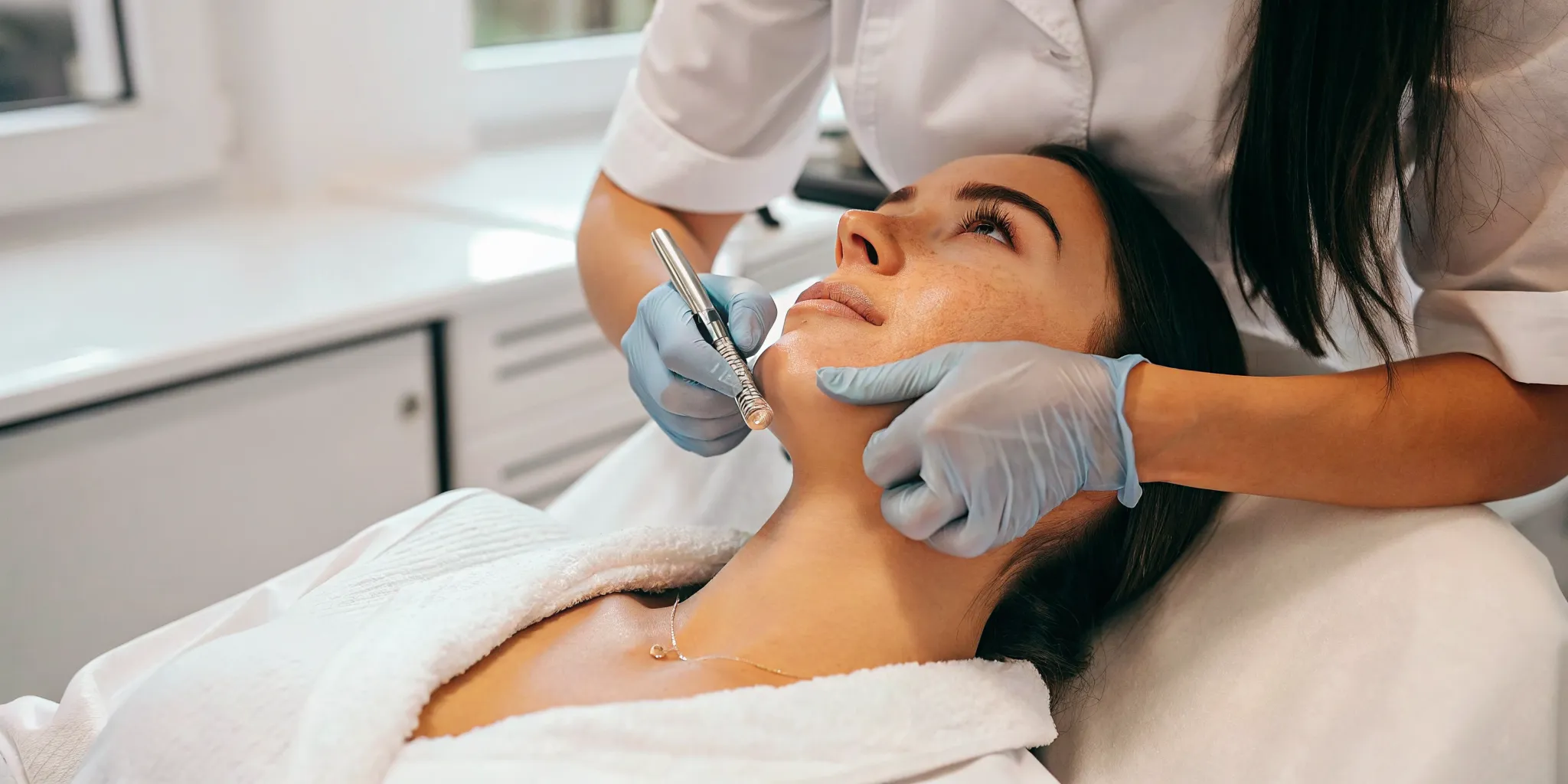
After the breakouts have finally cleared, the scars left behind can feel like a frustrating, lasting reminder. You’ve likely tried creams and serums, but those surface-level marks often require a deeper solution. This is where many people start asking, does microneedling help acne scars by actually rebuilding the skin? The answer is a definitive yes for many. This treatment doesn’t just cover up the issue; it works with your body’s natural healing abilities to generate new, smooth skin from within. In this guide, we’ll walk through exactly how microneedling works, what types of scars it’s best for, and what you can realistically expect from your treatment journey.
Key Takeaways
- Microneedling targets specific scars by stimulating collagen: This treatment is most effective for depressed (atrophic) scars, like boxcar and rolling types, because it signals your skin to produce new collagen that fills in indentations from the inside out.
- Patience and consistency are essential for results: A full treatment plan usually involves 3 to 6 sessions spaced about a month apart, and the most noticeable improvements develop over several months as your skin continues to heal and rebuild.
- Choosing the right provider is a critical step: Your safety and results are directly linked to your provider’s expertise, so always seek treatment from a licensed professional in a clean, medical environment to avoid complications and ensure the procedure is right for you.
How Microneedling Fades Acne Scars
If you’ve ever wondered how a treatment involving tiny needles can make such a big difference for acne scars, you’re in the right place. It might sound a little counterintuitive, but the secret behind microneedling isn’t about adding anything to your skin. Instead, it’s about activating your skin’s own incredible ability to heal and rebuild itself from the inside out. This process is what helps smooth out the uneven texture left behind by old breakouts.
Think of it as a controlled reset for your skin. By creating thousands of tiny, invisible micro-channels, the treatment signals your body to get to work repairing the area. This natural healing response is what ultimately fades scars and reveals a smoother, more even complexion. It’s a trusted method used by skincare professionals across Texas to help clients finally move on from the lingering reminders of acne.
The Science of Skin Renewal
At its core, microneedling is a form of collagen induction therapy. The treatment uses a specialized device to create precise, microscopic punctures in the top layer of your skin. These tiny channels are so small they close almost immediately, but they serve a powerful purpose. They act as a gentle signal to your body’s natural defense system, telling it that the area needs to be repaired. In response, your body kicks its healing process into high gear, sending growth factors to the site to begin creating fresh, new skin tissue. This new tissue gradually replaces the old, damaged scar tissue, leading to a smoother surface.
Triggering Collagen Production
The real magic behind microneedling lies in its ability to stimulate collagen. Collagen is the essential protein that gives your skin its structure, firmness, and elasticity. When acne damages the skin, it can destroy the collagen network, leaving behind indented scars. The healing process that microneedling initiates sends a powerful message to your cells to ramp up the production of new collagen and elastin. This fresh collagen helps fill in atrophic scars from below, plumping the skin and evening out its texture. The American Academy of Dermatology explains that this new collagen helps make scars less noticeable and improves the skin’s overall tone and firmness.
Will Microneedling Work for Your Acne Scars?
So, you’re wondering if microneedling is the right move for your specific acne scars. It’s a great question, because not all scars are created equal. The effectiveness of any treatment really comes down to the type of scarring you have. Microneedling works by creating tiny micro-injuries in the skin, which kicks your body’s natural healing process into high gear and encourages it to build fresh, new collagen. This process is fantastic for certain types of scars, but less effective for others. Let’s get into the specifics so you can understand what kind of results you might see.
Best for Boxcar and Rolling Scars
If you have depressed scars, you’re in luck. SkinPen Microneedling is most effective for atrophic scars, which are the kind that form a small indentation in the skin. This includes boxcar scars (broad depressions with defined edges) and rolling scars (which have a more wave-like appearance). The treatment helps to build up collagen directly beneath the indentation, gradually raising the floor of the scar to make it more level with the surrounding skin. It’s an excellent way to smooth out skin texture and reduce the shadows that make these scars so noticeable. However, it is not the right treatment for raised scars, like hypertrophic or keloid scars.
What About Ice Pick Scars?
Ice pick scars are a bit trickier. These scars are much deeper and narrower, looking like a tiny hole was poked in the skin. While studies show that microneedling can offer moderate improvement for ice pick scars, their depth makes them more resistant to treatment. Because the scar tissue extends so far down into the skin, it’s harder for the new collagen to completely fill the area. You may still see some positive changes in texture and depth, but it’s important to have realistic expectations. For these stubborn scars, a personalized consultation can help determine the best approach, which might involve combining treatments.
Real Results: What to Expect
This isn’t an overnight fix, but the results are well worth the wait. Because you’re relying on your body’s own collagen production, the improvements happen gradually. Research shows that after a few months, you can see a 50% to 60% improvement in the appearance of scars and a 40% to 50% improvement in skin texture. Most people need a series of three to five sessions, spaced a few weeks apart, to achieve the best outcome. The great news is that the collagen your body produces is permanent, making the results from our aesthetic services truly long-lasting.
How Many Sessions Will You Need?
One of the most common questions I hear is, “How many treatments will it take to see a real difference?” While I wish I could give a single magic number, the truth is that microneedling is a process, not a one-time fix. Think of it less like a quick solution and more like a personal training program for your skin. Each session builds on the last, encouraging your skin to produce new, healthy collagen that gradually fills in scars and smooths your complexion. Your skin needs time to heal and regenerate between appointments, which is why consistency is so important.
For most people, a series of 3 to 6 sessions is the sweet spot for achieving significant, lasting results. These treatments are typically spaced about four to six weeks apart to give your skin the recovery time it needs without losing momentum. Research from the American Academy of Dermatology shows that a dedicated treatment plan of three to five sessions can fade scars by 50% to 70%. Of course, this is just a guideline. The exact number of sessions you’ll need depends on your unique skin, the type and severity of your scarring, and your personal beauty goals. We’ll work with you to create a personalized plan during your initial consultation to ensure you get the best outcome possible.
Your Treatment Timeline
Patience is your best friend when it comes to microneedling. While you might notice a healthy glow and some initial improvements within the first week or two, the most significant changes happen over several months. This is because your body is busy building new, healthy collagen long after your appointment is over. Think of it as a long-term investment in your skin. Studies show that after about three months, you can see a 51% to 60% improvement in the appearance of scars. At the same time, your overall skin texture can become 40% to 50% smoother. The results build on each other, so sticking with your recommended treatment schedule is the key to getting that smooth, clear complexion you’re looking for.
Factors That Influence Your Outcome
Your final results depend on a few key things. First is the type of scarring you have. Microneedling works wonders on depressed or atrophic scars, like boxcar and rolling scars, because it helps fill them in from below the surface. However, it’s generally not recommended for raised (hypertrophic or keloid) scars. Who performs your treatment is also incredibly important. Seeing a trained and experienced professional in a sterile environment drastically reduces the risk of side effects and ensures you get the best possible outcome. Finally, remember that collagen production is a gradual process. Your skin will continue to remodel and improve for months, so consistency and proper aftercare are essential for achieving and maintaining your results.
A Look Inside Your Microneedling Session
If you’re considering microneedling, it’s natural to wonder what the appointment is actually like. Knowing what to expect can help you feel confident and prepared. Let’s walk through the entire process, from pre-treatment prep to what happens in the treatment room, so you know exactly what your session will entail.
How to Prepare for Your Appointment
Getting the best results from your treatment starts before you even arrive at our spa. In the week leading up to your appointment, you’ll want to avoid direct sun exposure and harsh exfoliants like retinoids or acids. It’s also a good idea to pause any medications that can thin your blood, such as aspirin or ibuprofen, to minimize potential bruising. Think of it as creating the perfect canvas for your treatment. A consistent, gentle skincare routine helps ensure your skin is healthy and ready for the session. Proper preparation helps our team deliver the most effective microneedling treatment and sets you up for a smooth recovery.
What Happens During the Treatment
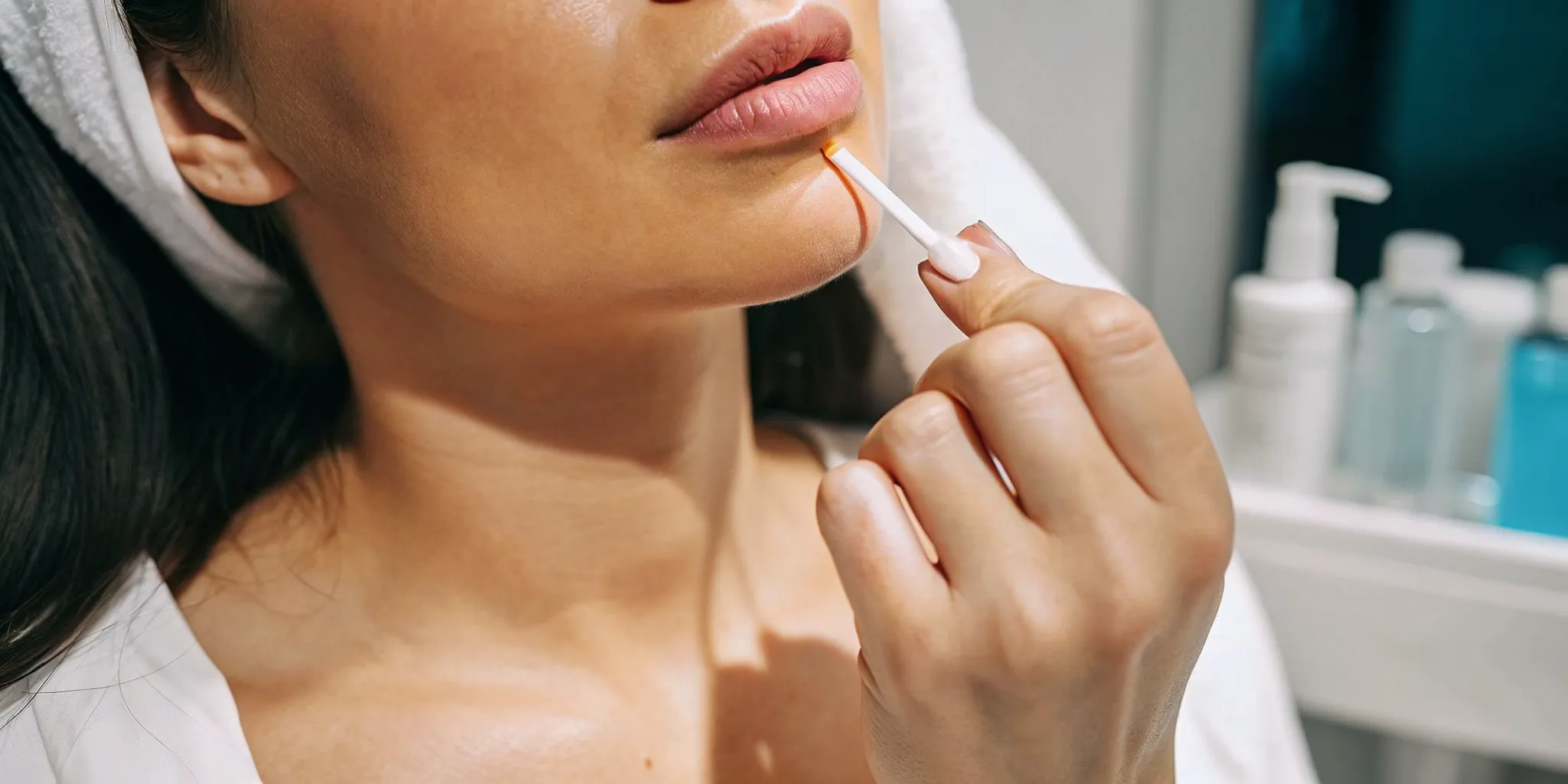
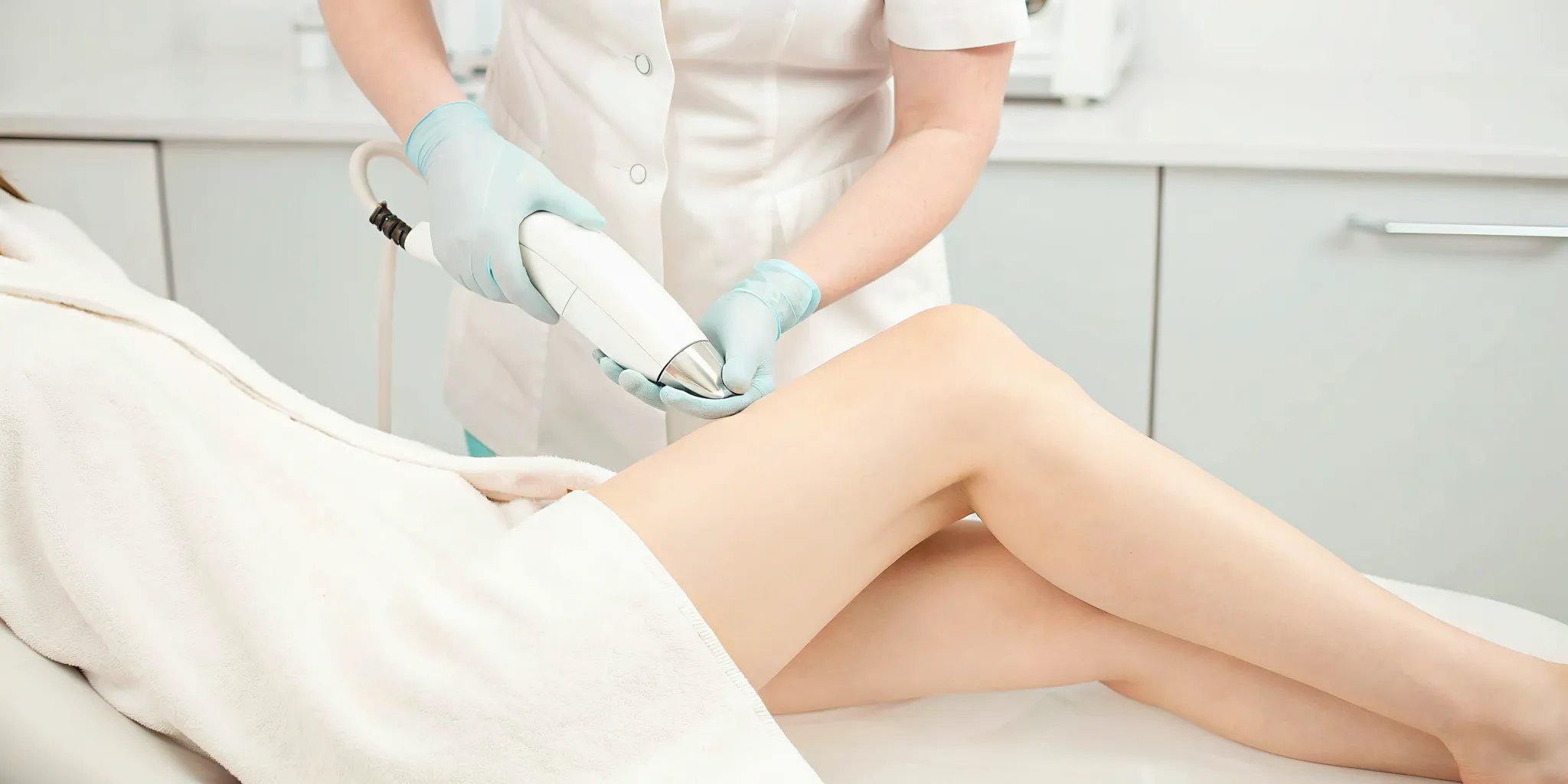
Once you’re settled in, your practitioner will start by thoroughly cleansing your skin. Next comes the most important step for your comfort: a topical numbing cream. This is applied to the treatment area and left on for about 30 to 45 minutes to take full effect. After the numbing cream is removed, the microneedling begins. Using a sterile, pen-like device, your practitioner will gently glide it across your skin. The device’s tiny needles create controlled micro-injuries, which tells your body to start producing fresh collagen and elastin. The whole process is quite quick, and while optimal results come from a series of treatments, you can often see noticeable improvements after your very first one.
Is It Painful? Managing Comfort
This is probably the number one question on your mind, and the answer is: not really. Thanks to the powerful numbing cream we apply beforehand, most people find the treatment very tolerable. The sensation is often described as feeling like light sandpaper or a gentle vibration against the skin. While some areas might be slightly more sensitive than others, the discomfort is minimal and temporary. Our team is dedicated to making your experience a positive one and will check in with you throughout the session. If you have any concerns about pain, please let us know when you book your consultation, and we can address them directly.
Understanding the Side Effects and Recovery
Knowing what to expect after your microneedling session can make the recovery process feel much smoother. Your skin is kicking off a major renewal cycle, and a little downtime is part of the package. The good news is that the side effects are usually mild and short-lived. Following the right aftercare steps is key to helping your skin heal beautifully and getting those amazing, scar-fading results you’re looking for. Let’s walk through what your skin will go through and how you can best support it.
Common (and Totally Normal) Side Effects
First things first, a little redness and swelling are completely normal after microneedling. Think of it as a sign that your skin is getting to work. This pinkish, slightly puffy look typically lasts for the first 24 to 48 hours as your body’s natural healing response kicks in. While microneedling is a very safe procedure, choosing an experienced professional is essential to avoid more serious issues like infection, bruising, or hyperpigmentation. When done correctly, the side effects are minimal and are simply the first step toward renewed, smoother skin.
Your Day-by-Day Healing Guide
Everyone’s skin heals at its own pace, but you can expect a fairly predictable timeline. For the first 24 hours, you’ll likely notice some facial swelling and mild tenderness, along with redness similar to a light sunburn. This redness can last anywhere from 12 hours to a couple of days. Most of our clients in Texas feel comfortable enough to return to their usual activities within two days. Your skin will continue its repair work beneath the surface for weeks to come, but the initial signs of treatment will fade quickly, revealing the start of a fresher complexion.
Aftercare Tips for the Best Results
How you care for your skin post-treatment makes all the difference. Proper aftercare helps you heal faster and truly maximizes your results. We’ll provide you with specific instructions, but the general rule is to be gentle. Use hydrating, simple skincare products and avoid harsh exfoliants or direct sun exposure for the first few days. Remember, the benefits of microneedling build over time as new collagen forms. To achieve the best possible outcome for your acne scars, a series of treatments is often recommended. You can always contact us to create a personalized plan that fits your skin goals.
Is Microneedling Right for You?
Deciding on any new skincare treatment is a big step, and it’s smart to do your homework. While SkinPen Microneedling is a fantastic option for many people struggling with acne scars, it isn’t a universal solution. Your skin type, health history, and the specific kind of scarring you have all play a role in determining if this is the right path for you. The goal is always to choose a treatment that is both safe and effective for your unique needs. Let’s break down who typically sees the best results from microneedling and who might need to consider other options.
Who Is a Good Candidate?
You’re likely a great candidate for microneedling if you have atrophic, or depressed, acne scars like boxcar and rolling scars. Studies show that patients with these types of scars see significant improvements in both texture and appearance. One of the biggest advantages of microneedling is that it’s safe for all skin tones. Because the treatment doesn’t use heat, it’s an excellent choice for people with darker skin who may be at a higher risk for pigmentation issues from certain laser therapies. If you’re looking for a way to smooth your skin’s surface and rebuild collagen without harsh chemicals or heat, microneedling could be your answer.
Who Should Avoid Microneedling?
Your safety and results are the top priorities, which means microneedling isn’t for everyone. You should avoid this treatment if you have a history of keloid scarring, heal very slowly, or have a compromised immune system. It’s also not recommended for anyone with active skin cancer or who is undergoing radiation in the treatment area. Most importantly, microneedling should never be performed over active acne, like pimples or cysts. Doing so can spread bacteria across your face and make inflammation worse. The best way to know for sure is to schedule a consultation where a professional can assess your skin and confirm you’re a good candidate.
Microneedling vs. Other Scar Treatments
When you’re exploring ways to treat acne scars, it’s easy to feel overwhelmed by all the options. Microneedling is a fantastic and effective choice, but it’s just one of several paths you can take. Understanding how it stacks up against other popular treatments, like laser resurfacing and chemical peels, can help you decide which approach is the best fit for your skin, lifestyle, and goals. Let’s look at the key differences in intensity, recovery time, and how these treatments can even work together.
How It Compares to Lasers and Peels
Think of microneedling as a gentler approach compared to more intensive treatments like laser resurfacing or deep chemical peels. While lasers and peels can deliver dramatic results, they are also more aggressive on the skin. Microneedling creates tiny, controlled injuries without using heat or harsh chemicals, which means a lower risk of complications. This makes it a particularly great option if you have a darker skin tone, as there is less chance of post-treatment hyperpigmentation. The recovery is also much quicker, getting you back to your routine in just a few days.
Comparing Cost and Downtime
One of the biggest advantages of microneedling is the minimal downtime. Most people experience some redness for a day or two, similar to a mild sunburn, but can quickly return to their daily activities. More invasive procedures, like deep peels or certain lasers, can require a week or more of social downtime as your skin heals. Because it’s a safe and straightforward in-office procedure, SkinPen microneedling is often a more accessible and budget-friendly choice for treating acne scars without disrupting your entire schedule. It offers a practical way to achieve smoother skin with a recovery process that fits into a busy life.
Can You Combine Treatments?
You don’t always have to choose just one treatment. In fact, microneedling can be effectively combined with other procedures to achieve even better results, especially for stubborn or severe acne scars. For example, your practitioner might recommend a plan that alternates microneedling with light chemical peels or incorporates it with other skin-rejuvenating therapies. This combination approach allows you to tackle scarring from multiple angles, improving skin texture and tone more comprehensively. By looking at a full suite of aesthetic services, you and your provider can create a personalized plan that is perfectly tailored to your skin’s unique needs.
How to Choose a Microneedling Provider in Texas
Finding the right person to perform your microneedling treatment is just as important as the procedure itself. Since this treatment involves creating micro-injuries in your skin, who holds the device matters immensely for your safety and your results. In Texas, you have many options, but not all providers are created equal. Taking the time to vet your practitioner and their facility is the single best thing you can do to ensure you get the beautiful, scar-fading results you’re looking for without complications. A great provider will not only perform the treatment skillfully but also guide you through the entire process, from the initial consultation to your post-treatment care.
What to Look for in a Practitioner
Think of microneedling as a medical procedure rather than a standard facial. The effectiveness and safety of your treatment depend entirely on the skill of the person performing it. You should look for a licensed and experienced professional working under medical supervision, like the team at a reputable medspa. A qualified practitioner has a deep understanding of skin anatomy and knows how to handle different skin types and conditions, which significantly reduces the risk of infection, scarring, or discoloration. They can properly assess your skin to confirm that microneedling is the right choice for your specific acne scars and customize the treatment depth for the best outcome.
Ensuring a Safe and Clean Environment
A professional setting is non-negotiable for a procedure like microneedling. The facility should be spotless, and the practitioner must use a sterile, single-use needle cartridge for every single treatment to prevent infection. This is a key reason to avoid at-home microneedling devices, which can introduce harmful bacteria and cause permanent scarring. Before you commit, a trustworthy provider will require a thorough consultation. They’ll review your medical history and examine your skin to make sure you’re a good candidate. If you have a history of keloid scars, a weakened immune system, or certain skin conditions, they’ll let you know if the procedure isn’t safe for you. Ready to talk to an expert? You can schedule a consultation to discuss your goals.
Related Articles
- Microneedling for Acne Scars in Lewisville: A Complete Guide – Ultimate Image MedSpa
- Microneedling Benefits: Your Guide to Glowing Skin – Ultimate Image MedSpa
- Microneedling Before & After: Real Patient Results – Ultimate Image MedSpa
Frequently Asked Questions
Does microneedling hurt? This is easily the most common question I get, and the answer is, not really. Before the treatment begins, we apply a strong topical numbing cream to your skin. This ensures that what you feel is more of a light vibration or a slightly scratchy sensation, not pain. Most people find the entire process very manageable and are surprised by how comfortable it is.
How long will it take to see my acne scars fade? Patience is key with microneedling because the results appear as your skin heals and rebuilds. While you might notice a healthy glow within a week or two, the significant improvements in scar texture happen over several months. The most noticeable changes typically become visible after your second or third session as new collagen gradually fills in the indentations.
What is the downtime really like? The downtime is minimal, which is one of the best parts of this treatment. You can expect your skin to look red and feel a bit sensitive, similar to a mild sunburn, for about 24 to 48 hours after your appointment. Most people feel comfortable returning to work and their regular activities the very next day, just with a little extra sunscreen.
Is microneedling a good option for darker skin tones? Yes, it’s an excellent and safe choice for darker skin. Unlike some laser treatments that use heat and can pose a risk for hyperpigmentation, microneedling works by creating a mechanical injury to stimulate collagen. This process doesn’t involve heat, making it a much safer alternative for treating acne scars on all skin tones without the risk of discoloration.
Why can’t I just use an at-home microneedling roller? Professional microneedling is worlds apart from at-home devices. The needles on professional tools are sterile, single-use, and penetrate the skin at a precise, controlled depth to effectively stimulate collagen. At-home rollers have duller, shorter needles that can tear the skin, introduce bacteria, and potentially cause infection or even more scarring. For safe and effective results, this is a treatment that should always be left to a trained professional.