Finding an effective treatment for hyperpigmentation can be especially challenging if you have a deeper skin tone. Many light and laser-based therapies carry a risk of causing more discoloration, leaving you searching for a solution that is both safe and effective. This is where microneedling truly shines. As a mechanical treatment that doesn’t rely on heat, it’s one of the most trusted procedures for safely addressing dark spots across all complexions. So, does microneedling help hyperpigmentation without the risks associated with other options? Yes, and its ability to do so is why it’s a go-to for skincare experts. We’ll walk you through how this procedure works, why it’s a fantastic choice for melanin-rich skin, and what you can expect on your journey to a clearer complexion.
Key Takeaways
- Microneedling taps into your skin’s natural renewal power: The treatment signals your body to produce new collagen, which helps replace old, discolored cells with fresh, healthy skin for a more even complexion.
- Achieving clear skin is a process, not a single event: Lasting improvement in hyperpigmentation typically requires a series of three to six professional treatments, scheduled about a month apart to give your skin time to regenerate.
- Professional care is essential for safe, effective results: A trained provider uses sterile, medical-grade equipment to ensure the procedure is effective for all skin tones, minimizing risks and delivering outcomes that at-home rollers can’t match.
How Does Microneedling Work?
So, what’s the deal with microneedling? It might sound a little intense, but the concept is actually pretty brilliant. At its core, microneedling is a treatment that taps into your skin’s natural ability to heal itself. It’s also known as collagen induction therapy, which gives you a big clue about how it works. By creating thousands of tiny, controlled micro-injuries in the skin, we’re essentially sending a signal to your body to kickstart its repair process. This response is what leads to smoother, clearer, and more radiant skin, making it a fantastic option for tackling issues like hyperpigmentation.
The Science of Skin Renewal
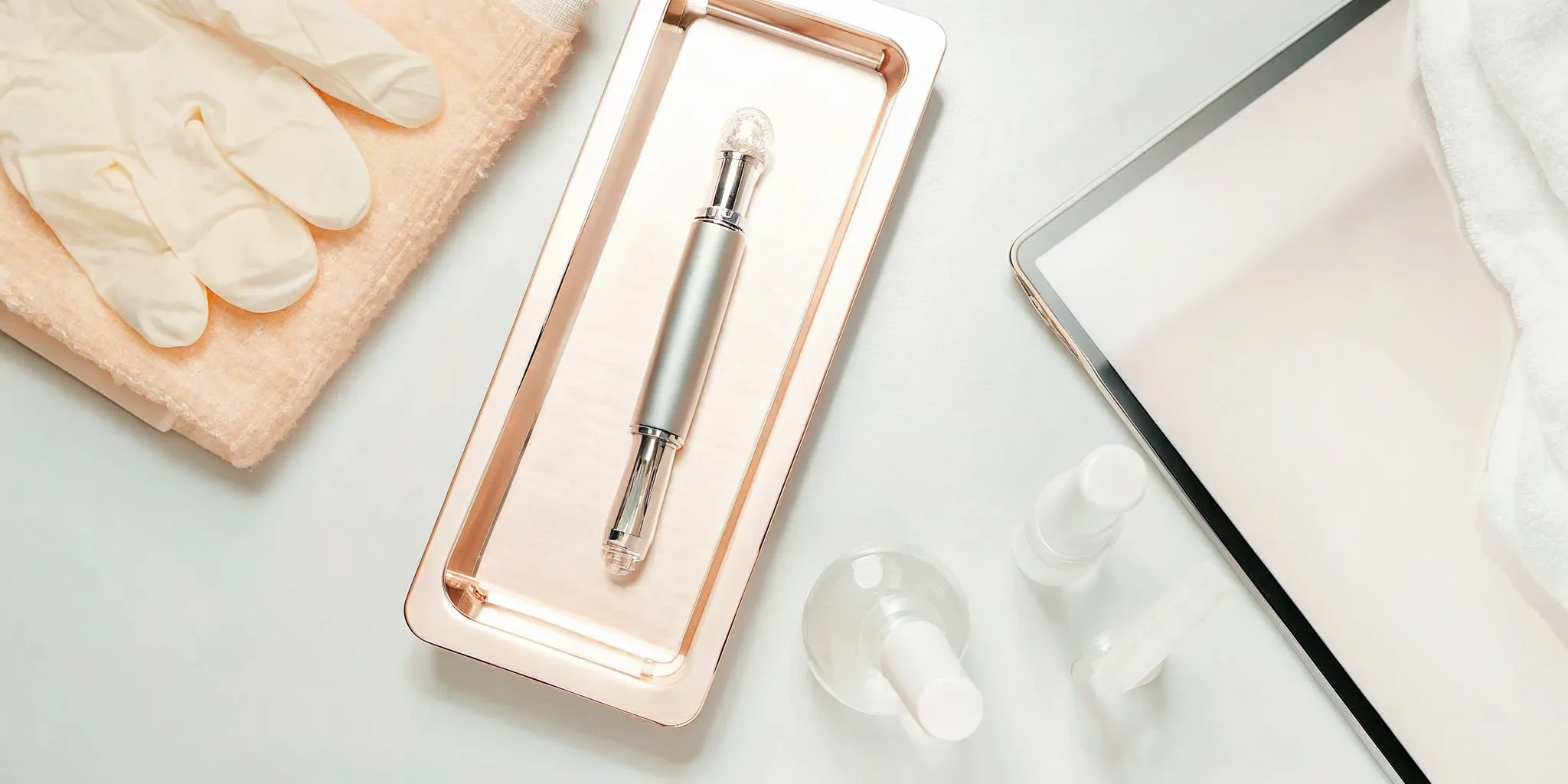
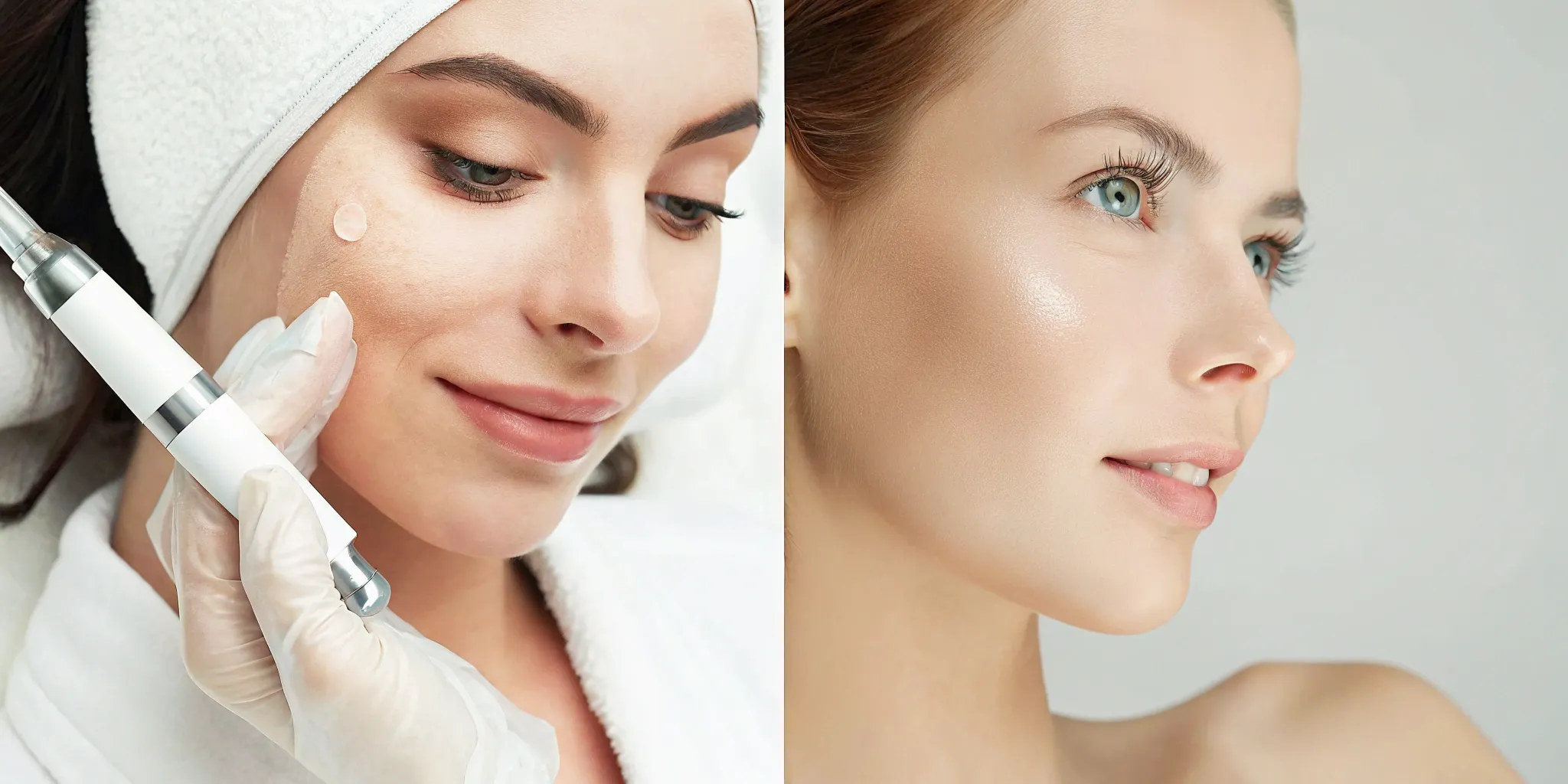
When a specialized SkinPen microneedling device creates those tiny punctures, your body immediately gets to work healing them. This healing cascade stimulates the production of two of your skin’s most important proteins: collagen and elastin. Think of collagen as the framework that keeps your skin firm and plump, while elastin gives it that youthful bounce. As your skin rebuilds, it doesn’t just repair the micro-channels; it also breaks down old, pigmented cells and replaces them with fresh, new ones. This renewal process is key to fading dark spots and achieving a more even skin tone.
Professional vs. At-Home Devices
You’ve probably seen at-home microneedling rollers online, but they aren’t in the same league as a professional treatment. The needles on at-home devices are much shorter and can’t create the same level of collagen induction. More importantly, professional treatments are performed in a sterile environment by a trained provider who knows how to get results safely. Using a roller at home comes with risks of infection, scarring, or even making your hyperpigmentation worse. For a treatment that is both safe and truly effective, it’s always best to consult a professional who can tailor the procedure to your specific skin needs.
What Is Hyperpigmentation?
Hyperpigmentation is simply a term for when patches of skin become darker than the surrounding area. This happens when your skin produces too much melanin, the natural pigment that gives your skin, hair, and eyes their color. These darker spots can show up as brown, black, gray, red, or even pink patches. While they aren’t usually painful or itchy, dealing with uneven skin tone can be frustrating and make you feel self-conscious. The good news is that it’s an incredibly common skin condition, and there are effective ways to manage it.
What Causes Dark Spots?
So, what makes your skin cells go into melanin overdrive? Usually, it’s a response to damage or a trigger that sends your pigment-producing cells into high gear. When these cells are stressed, they can clump together, creating those noticeable dark spots.
The most common causes include:
- Sun exposure: This is the biggest one. Years of soaking up the sun can lead to what are often called sun spots or age spots.
- Skin inflammation: Ever had a dark mark linger long after a pimple has healed? That’s post-inflammatory hyperpigmentation (PIH), and it can also happen after cuts, burns, or other skin injuries.
- Hormonal changes: Fluctuations in hormones, especially from pregnancy or birth control pills, can trigger a specific type of hyperpigmentation called melasma.
Identifying Different Types of Discoloration
Understanding what’s causing your dark spots is the first step toward treating them effectively. While a professional diagnosis is always best, hyperpigmentation generally appears in a few common forms. Knowing which one you have can help you and your skincare specialist create the right treatment plan.
Here are the main types you might see:
- Sun Spots: Also known as solar lentigines, these are small, defined dark spots that appear on areas that get the most sun, like your face, hands, and shoulders.
- Melasma: This type shows up as larger, blotchy patches of discoloration, often symmetrically on the cheeks, forehead, and upper lip. It’s most common in women and is closely linked to hormonal shifts.
- Post-Inflammatory Hyperpigmentation (PIH): This is a dark spot left behind after your skin has healed from some kind of inflammation. It’s a common after-effect of acne, but it can also result from eczema, psoriasis, or even a simple scratch.
How Microneedling Fades Hyperpigmentation
If you’re wondering how exactly microneedling works its magic on dark spots, it’s not just one single action—it’s a multi-faceted approach that works with your skin’s natural functions. The treatment tackles discoloration from three key angles: it encourages the growth of new, healthy skin, breaks down existing pigment, and helps your topical skincare products work more effectively. This combination is what makes it such a powerful tool for achieving a clearer, more even-toned complexion.
By Stimulating New, Healthy Skin
At its core, microneedling is a form of collagen-induction therapy. The treatment uses a device with fine, sterile needles to create tiny, controlled micro-injuries in the skin. This process sends a signal to your body to kickstart its natural healing response. Your skin gets to work producing fresh collagen and elastin, the essential proteins that give it structure and firmness. As your skin regenerates, new, healthy skin cells replace the old, damaged ones. This cellular turnover is key to fading hyperpigmentation, as the new skin that forms is more uniform in color, gradually diminishing the appearance of dark spots and creating a smoother, more even tone.
By Breaking Down Excess Pigment
Microneedling also addresses hyperpigmentation on a more direct level. The physical action of the needles helps to break up the dense clusters of melanin—the pigment responsible for your skin’s color—that have collected in the dark spots. By dispersing these pigment deposits, the treatment makes them less concentrated and therefore less visible. This process works hand-in-hand with skin regeneration. As the pigment is broken apart, your body’s natural exfoliation process is encouraged to shed the old, discolored cells more efficiently. This reveals the healthier, more evenly pigmented skin waiting just beneath the surface.
By Helping Your Skincare Work Better
One of the most significant benefits of microneedling is how it enhances your entire skincare routine. The micro-channels created during the treatment act as tiny pathways, allowing your topical products to penetrate deeper into the skin than they ever could on their own. This means that your brightening serums and pigment-correcting creams can reach the layers of skin where they’re needed most. By improving product absorption, microneedling makes your at-home care more potent and effective, accelerating your progress toward a clearer complexion. It’s a perfect example of how professional aesthetic services can amplify the results of your daily efforts.
What Results Can You Expect?
When you invest in a professional treatment, you want to know what’s on the other side. With microneedling, the results are more of a gradual reveal than an overnight transformation. Your skin needs time to go through its natural healing and regeneration process. Think of it as a partnership: the treatment kickstarts the renewal, and your skin does the rest of the work. The journey to clearer, more even-toned skin is unique for everyone, but understanding the general timeline and what to aim for can help you feel confident and excited about the process. Let’s walk through what you can realistically expect as your skin begins to heal and rejuvenate.
Your Treatment Timeline
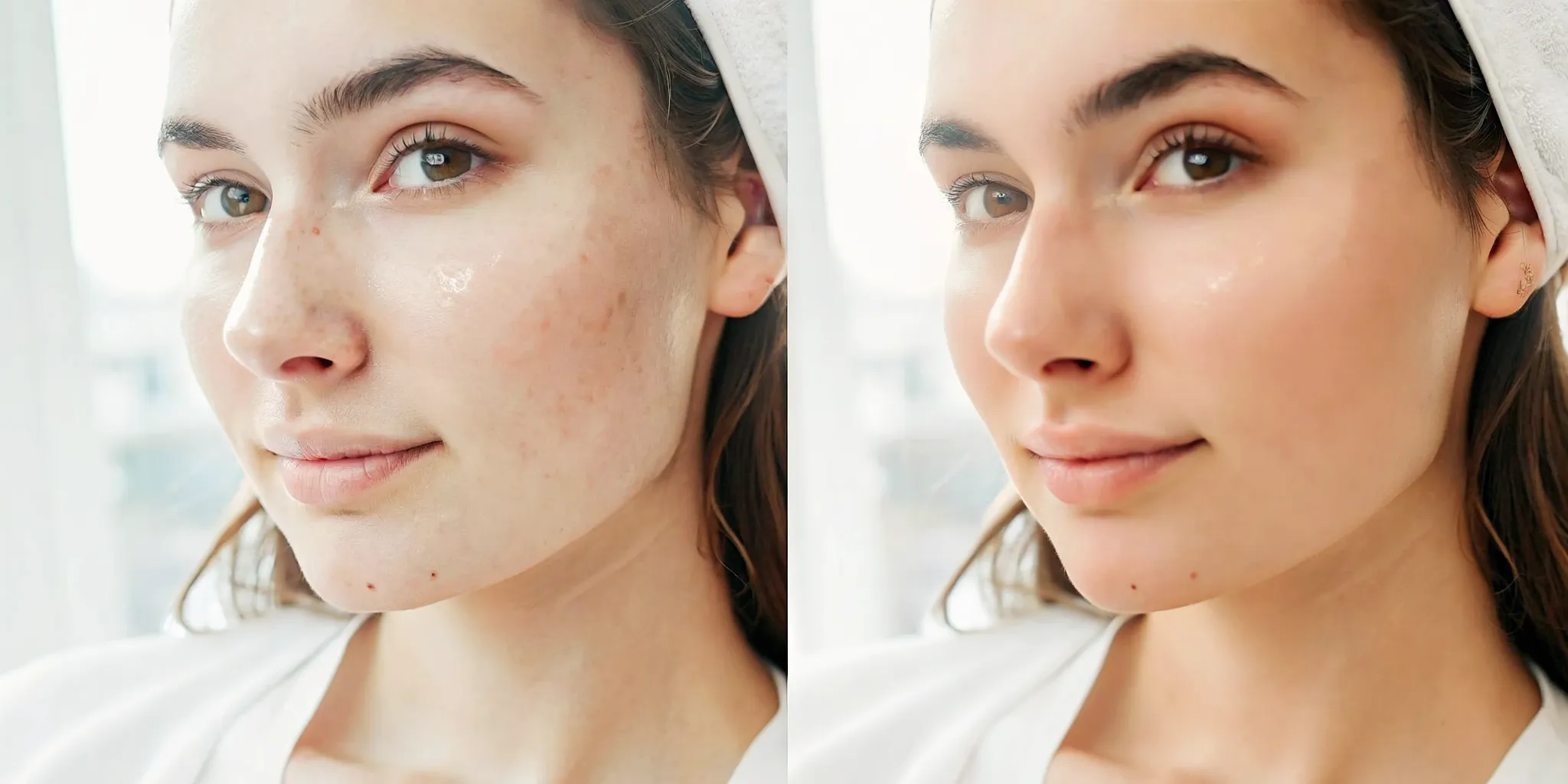
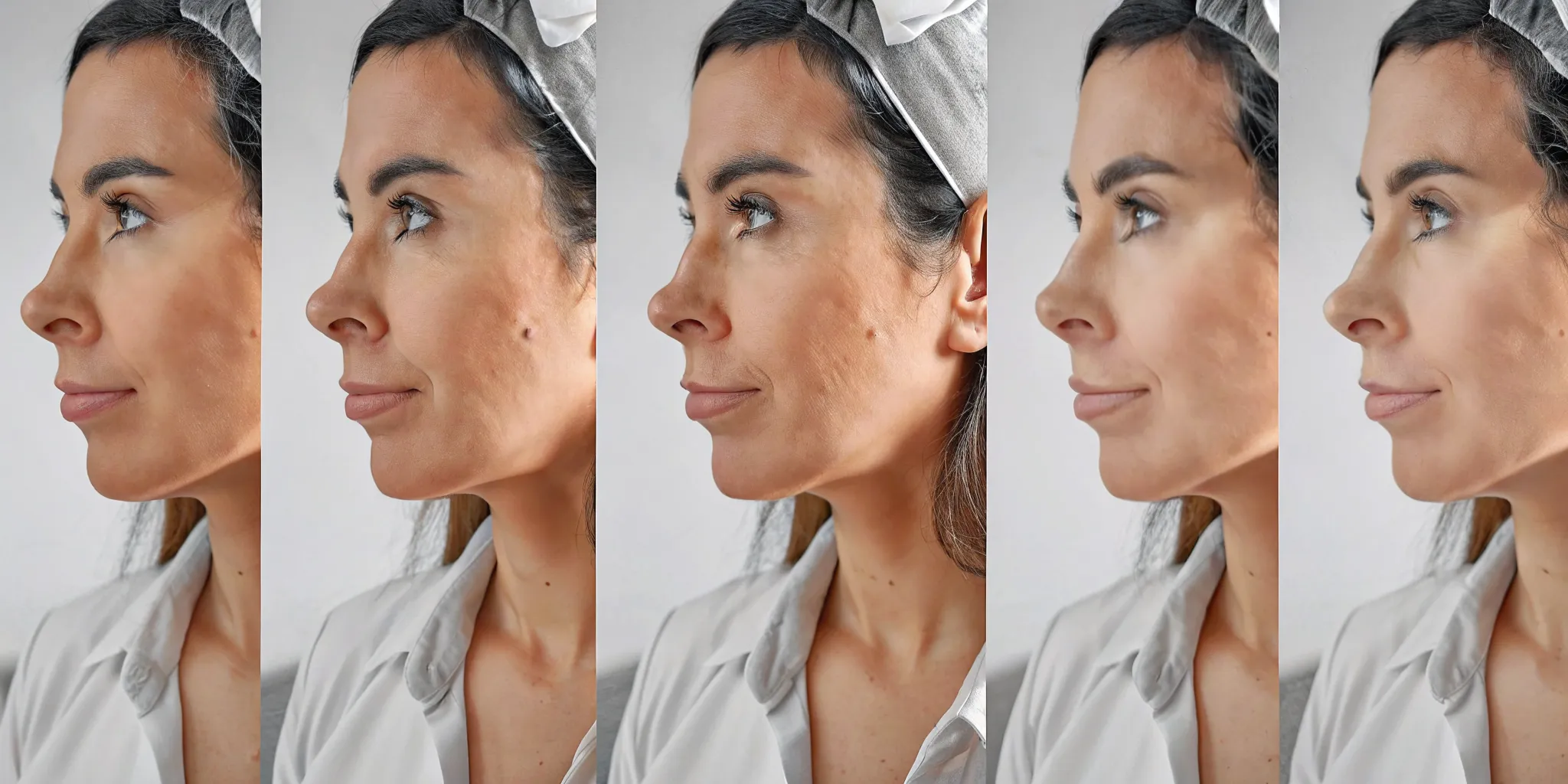
Patience is your best friend after a microneedling session. Because the treatment works by prompting your body to create new collagen and healthy skin cells, the most significant changes won’t appear the moment you walk out the door. You might notice an initial glow and some improvements in texture within the first couple of weeks. However, the real magic happens over time. For hyperpigmentation, it typically takes between three to six months to see a noticeable fading of dark spots. This timeline allows your skin to complete its renewal cycles, bringing fresh, evenly pigmented cells to the surface. Each SkinPen microneedling session builds on the last, so consistency is key to achieving your goals.
Setting Realistic Goals for Your Skin
Microneedling is incredibly effective at addressing a wide range of pigmentation issues. It’s a fantastic option for reducing the appearance of sun spots, age spots, and the stubborn dark patches associated with melasma. It also works wonders on post-inflammatory hyperpigmentation—those frustrating marks left behind by acne breakouts. Beyond just fading discoloration, the treatment improves your skin’s overall health and appearance. You can look forward to a smoother, clearer, and brighter complexion. By stimulating collagen, it also helps with fine lines and skin texture, giving you a more radiant and youthful look. Setting clear goals with your provider ensures the treatment plan is tailored to your specific skin concerns.
Factors That Influence Your Outcome
Your final results depend on a few key factors, including the type and severity of your hyperpigmentation and your skin’s individual response. For the best outcome, most people need a series of three to six microneedling treatments, typically spaced about four weeks apart. This schedule gives your skin enough time to heal and regenerate between appointments. One of the biggest advantages of microneedling is its safety profile; it carries a lower risk of causing more hyperpigmentation compared to some other treatments, making it a great choice for many skin tones. To create a plan that’s perfect for you, it’s always best to schedule a consultation to discuss your skin history and beauty goals.
How Many Sessions Will You Need?
So, how many trips to the spa are we talking about? While I’d love to give you a magic number, the truth is that microneedling is a process, not a single event. The number of sessions you’ll need depends entirely on your skin’s starting point, the type of hyperpigmentation you have, and your ultimate goals. For most people looking to address dark spots and uneven tone, the sweet spot is typically a series of treatments. Many skin experts, including Dr. Michele Green, recommend between three to six microneedling sessions to see significant, lasting improvement. Think of it as a workout plan for your skin—consistency is what gets you those amazing results. Each session builds on the last, gradually breaking down unwanted pigment and encouraging fresh, new skin to come to the surface. Someone with mild, recent sun spots might see results faster than someone with deeper, more stubborn melasma. That’s why a one-on-one consultation is so important. It allows a professional to assess your skin properly and set a realistic timeline. It’s a marathon, not a sprint, but the finish line is beautifully clear skin.
Spacing Out Your Treatments
Patience is a virtue, especially when it comes to skin renewal. It’s tempting to want to schedule your appointments close together, but giving your skin time to heal is a crucial part of the process. The standard recommendation is to space your treatments about four to six weeks apart. This isn’t an arbitrary timeline; it allows your skin to complete its natural regeneration cycle. As noted by skincare training centers like Mandalyn Academy, this interval gives your body enough time to build new collagen and reveal healthier, more even-toned skin, making each session more effective than the last.
Customizing Your Treatment Plan
Your skin is unique, so your treatment plan should be, too. This is where a professional consultation makes all the difference. At Ultimate Image MedSpa, we create a personalized microneedling plan tailored to your specific type of hyperpigmentation and your desired outcome. A customized plan goes beyond just scheduling appointments; it also includes specific aftercare instructions to protect your skin and enhance your results. Following the full course of recommended treatments and the aftercare advice is the best way to achieve the clear, radiant skin you’re working toward.
Your Microneedling Care Guide: Before and After
Getting the best results from your microneedling treatment is a team effort. While our specialists handle the procedure with expert care, what you do before and after your appointment plays a huge role in your final outcome. Think of it as setting the stage for your skin to heal beautifully and reveal that clearer, more even tone you’re looking for. Following a simple care plan protects your investment and helps you achieve the best possible results from your SkinPen Microneedling sessions.
How to Prepare for Your Session
Proper prep work ensures your skin is in the ideal condition for treatment. In the week leading up to your appointment, it’s best to pause your use of active skincare ingredients. This includes retinoids, exfoliating acids (like glycolic or salicylic acid), and any other potentially irritating products. You’ll also want to avoid direct sun exposure and tanning beds, as treatment can’t be performed on sunburnt skin. On the day of your session, please arrive with a clean face, free of any makeup or lotions. This simple preparation helps minimize sensitivity and allows the microneedling device to work its magic effectively and safely.
Aftercare for the Best Results
After your session, your skin will likely be red and feel sensitive, similar to a mild sunburn. This is a normal part of the healing process. The most important rule of aftercare is to protect your skin from the sun. Your skin will be extra vulnerable to UV rays, so applying a broad-spectrum sunscreen of SPF 30 or higher is non-negotiable. You should also avoid strenuous workouts, saunas, or swimming for the first 24 hours to prevent irritation from sweat and bacteria. Keeping your skin clean, hydrated, and protected is the key to a smooth recovery and stunning results. If you have any questions post-treatment, don’t hesitate to contact us.
Adjusting Your Skincare Routine
Your skincare routine will need a temporary makeover. For the first 24 hours, it’s best to avoid washing your face to allow the specialized serums applied during your treatment to fully absorb. After that initial period, switch to a gentle, hydrating cleanser and a simple moisturizer. Avoid any products with harsh ingredients, exfoliants, or fragrances for at least a week. This is the time to be gentle and let your skin focus on healing and regenerating. Once the initial redness and sensitivity have subsided, you can gradually reintroduce your regular products as your skin feels ready.
Are There Any Side Effects?
It’s completely normal to wonder about side effects before trying a new treatment. Being informed is the best way to feel confident and prepared for your skincare journey. The good news is that when performed by a licensed professional, microneedling is a very safe and effective procedure. Most side effects are minor, temporary, and a sign that your skin’s natural healing process is kicking into gear. Knowing what to expect can help you relax and focus on the beautiful results to come.
What to Expect Immediately After Treatment
Right after your session, your skin will likely look and feel like it has a mild sunburn. Expect some redness and sensitivity for the first day or two—this is a perfectly normal reaction. Your skin is responding to the micro-injuries and beginning its renewal process. You might also experience a feeling of tightness. During this time, it’s crucial to be extra gentle with your skin. We’ll provide you with detailed aftercare instructions, which will include using simple, soothing products and, most importantly, applying a broad-spectrum sunscreen to protect your delicate skin as it heals.
Understanding the Risks
While microneedling is a low-risk treatment, it’s helpful to be aware of all potential outcomes. The most common side effects are all short-term and part of the healing phase, including minor swelling, bruising, dryness, or light flaking of the skin. In rarer cases, issues like infection, numbness, or new dark spots can occur, but these are typically linked to improper technique or failing to follow aftercare instructions. This is why choosing a reputable, medically supervised facility is so important—it ensures your treatment is performed safely with sterilized, professional-grade equipment, minimizing any risks.
When to Call a Professional
Your safety and results are our top priorities. If you have certain skin conditions like active acne, eczema, or rosacea, it’s best to wait until your skin is calm before scheduling a microneedling session. Treating inflamed skin can cause more irritation. The most serious risks, like infection or scarring, almost always happen when the procedure is done by an untrained person or with at-home devices. If you have any questions about your skin’s readiness for this treatment or want to discuss your specific goals, the best first step is to schedule a consultation with an expert.
Microneedling Myths vs. Facts
When a skincare treatment gets as much buzz as microneedling, it’s easy for misinformation to spread. You might have heard things from friends or seen conflicting claims online that make you hesitant to try it for yourself. It’s completely normal to have questions, especially when it comes to your skin. That’s why it’s so important to separate the myths from the facts. Understanding what microneedling really is—and what it isn’t—can help you feel confident and empowered to make the best decision for your skincare goals.
Let’s clear up some of the most common misconceptions about this treatment. From worries about pain to questions about its safety for different skin tones, we’ll address the biggest myths floating around. Knowing the truth will give you a realistic picture of what to expect from a professional session and how it can effectively and safely help you achieve the clear, even-toned skin you’re looking for. Think of this as your straightforward guide to the real story behind microneedling. We’ll cover everything from whether at-home devices are a worthy substitute to what the procedure actually feels like, so you can walk into your appointment feeling prepared and excited about your results.
Myth: At-Home Rollers Are Just as Good
While it might be tempting to try an at-home derma roller, they simply can’t compare to a professional treatment. The main difference lies in the needle depth. At-home devices use much shorter needles that barely prick the surface of the skin. In contrast, professional microneedling uses a medical-grade device with longer, finer needles that reach the dermis to effectively stimulate collagen and elastin production. This is what triggers true skin renewal.
Moreover, professional treatments are performed in a sterile environment by a trained provider, significantly reducing the risk of infection, scarring, or skin damage that can occur with at-home rollers. For real, lasting results, a professional session is the safer and far more effective choice.
Fact: It’s Safe for Deeper Skin Tones
This is a fantastic fact to highlight. Microneedling is considered one of the safest and most effective treatments for hyperpigmentation in individuals with deeper skin tones. Unlike some laser treatments that use heat and can pose a risk of causing more discoloration (post-inflammatory hyperpigmentation) in melanin-rich skin, microneedling is a mechanical process. It creates micro-injuries without heat, which means there’s a much lower risk of triggering pigment-related side effects. This makes it an excellent option for anyone looking to address dark spots, acne scars, or an uneven complexion, regardless of their skin tone. It’s a versatile part of our aesthetic services for this very reason.
Myth: The Treatment Is Painful
The idea of needles on your face sounds intimidating, but the reality of a microneedling session is much more comfortable than you might think. Before the treatment begins, we apply a strong topical numbing cream to your skin and let it sit for about 30 minutes. This ensures the treatment area is thoroughly desensitized. Most clients describe the sensation not as pain, but as a light vibration or a mild scratching feeling as the device moves across the skin. Your comfort is our priority, and the numbing cream makes the entire process very tolerable. If you have any concerns, you can always ask us questions beforehand.
How Microneedling Compares to Other Treatments
When you’re looking for ways to even out your skin tone, it’s easy to feel overwhelmed by the options. From chemical peels to laser resurfacing, each treatment has its own strengths. Understanding how microneedling fits into the picture can help you decide on the best path for your skin. It’s a fantastic, minimally invasive option that stands out for its unique approach to skin renewal, but it’s not the only tool in the toolbox. Let’s look at how it stacks up against other popular treatments and whether you can pair it with other procedures for even better results.
Microneedling vs. Peels and Lasers
Microneedling works by creating tiny, controlled micro-injuries in the skin to kickstart your body’s natural healing process, producing fresh collagen and elastin. This makes it highly effective for reducing dark spots, sun damage, and acne scars. One of its biggest advantages is its safety profile. Unlike some laser treatments that can pose risks for deeper complexions, microneedling is considered safe for all skin types and tones. This inclusivity makes it a go-to choice for anyone struggling with hyperpigmentation, offering a reliable way to achieve a more even skin tone without the concerns associated with certain light-based therapies.
Can You Combine Treatments for Better Results?
Absolutely. Microneedling can be even more effective when paired with other treatments. Because the procedure creates micro-channels in your skin, it significantly enhances the absorption of topical products. This means that any skin-lightening serums or hydrating agents applied afterward can penetrate more deeply and work more efficiently. For a truly comprehensive approach, your provider might recommend a plan that combines microneedling with other services like a gentle chemical peel or a HydraFacial. This synergy allows you to tackle hyperpigmentation from multiple angles, leading to clearer, more radiant skin faster than a single treatment might alone.
Achieve Clearer Skin at Ultimate Image MedSpa
Dealing with stubborn dark spots and an uneven complexion can be frustrating, but you don’t have to figure it out alone. At Ultimate Image MedSpa, we’re dedicated to helping you achieve the clear, glowing skin you deserve. Our team of experienced professionals understands the science behind hyperpigmentation and is here to create a personalized treatment plan that addresses your specific concerns safely and effectively. We believe the best results come from a partnership between you and your provider.
One of our most effective treatments for discoloration is SkinPen Microneedling. This advanced procedure is a fantastic way to improve skin tone and texture. It works by creating tiny, controlled micro-injuries that signal your skin to kickstart its natural healing process. This response increases collagen production and helps break down the excess pigment responsible for dark spots. With each session, you’ll notice a smoother, brighter, and more even complexion as your skin renews itself from within.
Your skin journey is unique, and your treatment plan should reflect that. We’re here to guide you every step of the way, ensuring you feel confident and informed. If you’re ready to learn more about how microneedling can help you manage hyperpigmentation, we invite you to schedule a consultation with our team. Together, we can build a plan to help you reach your skin goals.
Related Articles
- Microneedling Before & After: Real Patient Results – Ultimate Image MedSpa
- Microneedling Benefits: Your Guide to Glowing Skin – Ultimate Image MedSpa
- Your Guide to Microneedling Treatment in Plano – Ultimate Image MedSpa
Frequently Asked Questions
Why would I choose microneedling over a laser treatment for my dark spots? Microneedling is an excellent choice, especially for those with deeper skin tones. Because it works mechanically without using heat, it has a much lower risk of causing post-inflammatory hyperpigmentation, which can sometimes be a concern with certain laser treatments. It’s a wonderfully effective and safe way to address discoloration across all complexions.
Will I see a difference after just one microneedling session? While you’ll likely notice a beautiful glow and smoother skin texture within a week or two, fading hyperpigmentation is a gradual process. The first session kickstarts the skin renewal cycle, but the most significant changes to dark spots appear after a series of treatments. Think of it as building a foundation for clearer skin—each session adds to the results of the last.
How much downtime should I plan for after a treatment? You should plan for about 24 to 48 hours of social downtime. Your skin will look and feel like it has a mild sunburn, with some redness and sensitivity. We recommend avoiding makeup, strenuous exercise, and direct sun exposure during this initial healing period. After a couple of days, the redness typically subsides, and you can resume your normal activities with diligent sunscreen use.
Is there anyone who shouldn’t get microneedling? Yes, microneedling isn’t suitable for everyone. We would advise against the treatment if you have active acne, a skin infection, or a flare-up of a condition like eczema or rosacea in the area you want to treat. It’s always best to wait until your skin is calm and healthy. A professional consultation is the perfect way to determine if this treatment is the right fit for you right now.
Can microneedling make my hyperpigmentation worse? This is a common concern, but when performed by a trained and licensed professional, the risk is extremely low. The potential for worsening hyperpigmentation usually comes from using at-home rollers improperly or from poor aftercare, especially failing to protect your skin from the sun. Following professional guidance is the key to ensuring a safe procedure and achieving the clear results you want.