Let’s talk about the real reasons you’re considering laser hair removal. It’s probably not just about the hair itself, but the frustrating side effects that come with other methods—painful ingrown hairs, irritating razor burn, and the stubble that appears just hours after you shave. You’re looking for a solution that delivers truly smooth, clear skin without the constant upkeep and discomfort. But before you take the next step, you need to know how effective is laser hair removal at solving these specific problems for good. This guide will cover not only the percentage of hair reduction you can expect but also the life-changing benefits of healthier skin and newfound convenience.
Key Takeaways
- Success Requires a Series of Sessions: Laser hair removal is only effective when hair is in its active growth phase. Since only a fraction of your hair is in this phase at any time, a full series of treatments spaced several weeks apart is essential to target every follicle for the smoothest, most complete results.
- Your Treatment Plan Must Be Personalized: Factors like your skin tone, hair color, and the treatment area determine the effectiveness and safety of the procedure. A professional consultation is the most important step to ensure the right laser technology is used for your unique needs.
- It’s an Investment in Long-Term Convenience: While the upfront cost is higher than shaving or waxing, the payoff is years of smoother skin and freedom from daily upkeep. It’s a lasting solution to common frustrations like razor burn and ingrown hairs.
How Does Laser Hair Removal Actually Work?
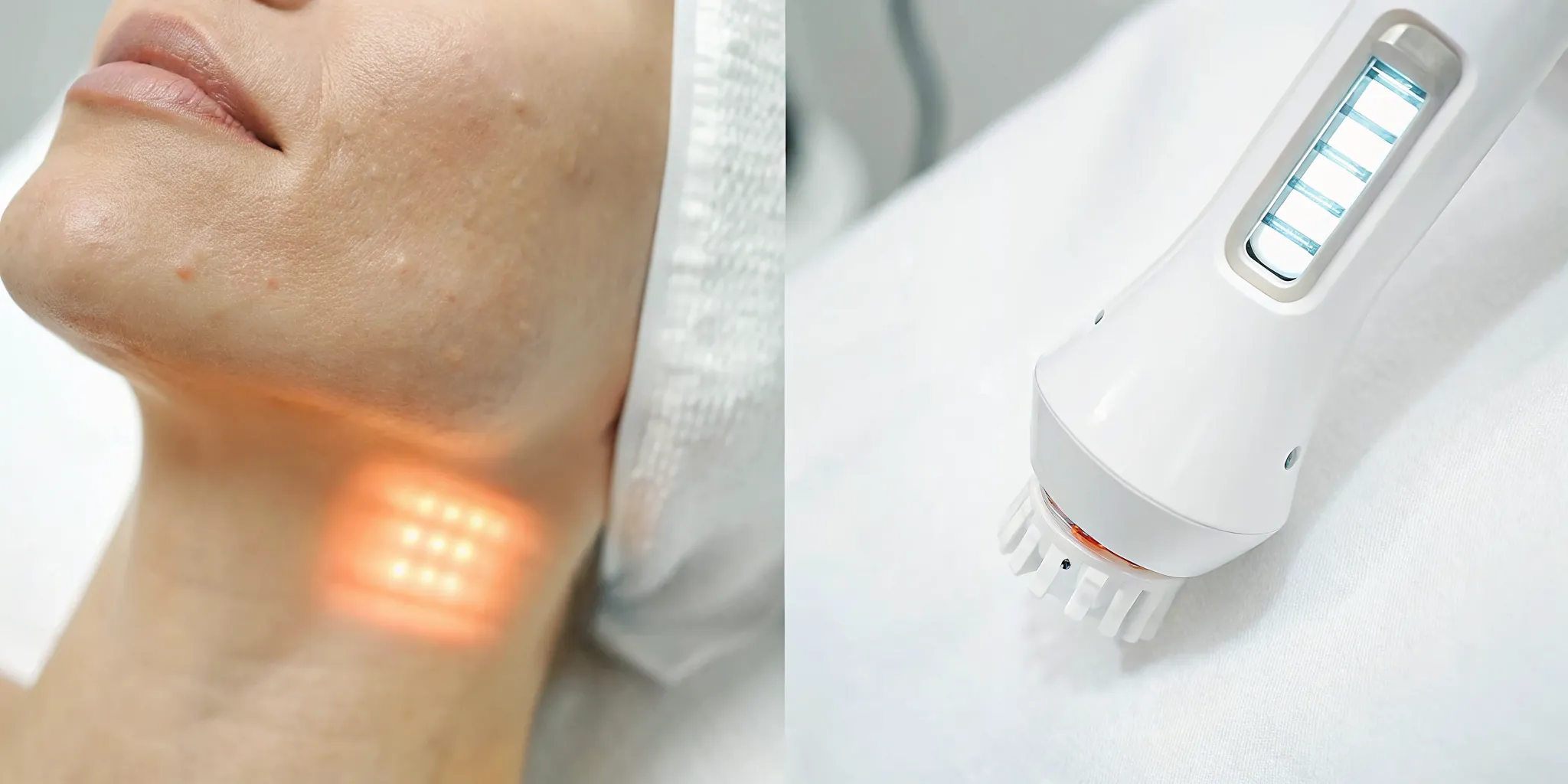
If you’re tired of the endless cycle of shaving, waxing, and plucking, you’ve probably wondered about laser hair removal. It sounds almost too good to be true—a long-term solution for unwanted hair. But how does it work? It’s not magic, but a fascinating bit of science that uses light to get the job done. The basic idea is that a concentrated beam of light is aimed at your hair. The pigment in your hair absorbs this light, which then converts to heat. This heat travels down the hair shaft and damages the follicle, the little sac beneath the skin where hair growth starts.
The goal is to damage the follicle enough so that it can no longer produce hair, or so the hair it does produce is much finer and lighter. Because the laser needs to target hair in a specific growth phase, it takes a series of treatments to catch all the follicles at the right time. But with each session, you’ll notice fewer and finer hairs, getting you closer to that smooth, carefree skin you’re after. It’s a precise and effective method that has become one of the most popular aesthetic treatments available.
The Science Behind the Laser
Let’s get into the specifics of how a beam of light can stop hair growth. During a laser hair removal treatment, a specialized device sends out a single, highly-focused wavelength of light. This light is specifically designed to be absorbed by melanin, which is the pigment that gives your hair its color. Think of it like wearing a black shirt on a sunny day—it absorbs more heat than a white one. In the same way, the dark melanin in your hair absorbs the laser’s energy. This energy instantly converts to heat, which is what does the real work of disabling the hair follicle.
Targeting the Hair Follicle
The genius of laser hair removal is its precision. The laser is calibrated to target the dark pigment in the hair while leaving the surrounding skin untouched. The heat generated from the absorbed light travels down the hair shaft directly to the follicle. This process, called selective photothermolysis, effectively damages the follicle’s ability to regrow hair. It’s most effective when the hair is in its active growth stage, known as the anagen phase. During this phase, the hair is still attached to the follicle, providing a direct pathway for the laser’s heat to do its job. This is why multiple sessions are essential to see the best results.
Different Types of Laser Technology
Not all lasers are created equal, and the right one for you depends heavily on your skin tone and hair color. The two most common and effective types you’ll hear about are the Alexandrite and Nd:YAG lasers. The Alexandrite laser is fantastic for people with light to olive skin tones because its shorter wavelength is excellent at targeting melanin. For individuals with darker skin, the Nd:YAG laser is the gold standard. Its longer wavelength bypasses the pigment in the skin and focuses solely on the hair follicle, making it a safer and more effective option. Choosing a provider who offers the right services and technology for your unique needs is key to a safe and successful treatment.
How Effective Is Laser Hair Removal?
If you’re tired of the endless cycle of shaving, waxing, and plucking, you’ve probably wondered if laser hair removal is the real deal. It’s one of the most popular aesthetic treatments out there, and for good reason. But what kind of results can you actually expect? The short answer is that it’s highly effective for long-term hair reduction, but it’s important to have realistic expectations about what that means.
The effectiveness of laser hair removal isn’t about achieving 100% hairlessness forever in a single session. Instead, it’s a process that systematically reduces hair growth over time, leading to dramatically smoother skin. Let’s break down what you can realistically expect from your treatments, from the initial reduction to long-term maintenance.
What Kind of Reduction Can You Expect?
It’s helpful to think of laser hair removal as a journey, not a one-stop shop. After your very first treatment, you can expect to see a 10% to 25% reduction in hair in the treated area. While that might not sound like a lot, the results are cumulative. With each session, the laser targets more hair follicles while they are in their active growth phase, progressively thinning out the hair.
After completing a full series of treatments—typically six to eight sessions—most people experience an 80% to 90% reduction in hair. This is a significant, noticeable difference that leaves skin feeling much smoother for far longer than traditional hair removal methods.
Realistic Results vs. Common Myths
One of the biggest myths about laser hair removal is that it results in 100% permanent hair removal forever. While it’s an incredibly effective solution for long-term reduction, it’s not technically permanent elimination. The treatment works by damaging the hair follicle to prevent or delay future growth, but some follicles can eventually heal or new ones can become active due to hormonal changes.
Many people who have completed their treatments call the results “life-changing.” They no longer have to think about daily shaving, painful waxing appointments, or irritating razor burn. While you might see a few stray hairs pop up over time, the overall reduction is so dramatic that it completely changes your routine. It’s about freedom from constant upkeep, which is a realistic and achievable goal with our services.
Long-Term Reduction: Is It Permanent?
So, if it’s not 100% permanent, how long do the results last? For most people, the results are very long-lasting. The vast majority of the targeted hair follicles are permanently disabled. Any hair that does manage to grow back is typically much weaker, finer, and lighter in color, making it far less of a concern than before.
To maintain that silky-smooth skin, many clients find that a touch-up session once or twice a year is all they need. This helps catch any new hair growth and keeps the area looking its best. Think of it as simple, easy maintenance compared to the daily or weekly effort of shaving and waxing. If you want to discuss what a personalized treatment plan would look like for you, we’re always here if you want to contact us and chat.
What Factors Influence Your Results?
Laser hair removal is incredibly effective, but it’s not a one-size-fits-all solution. The results you see depend on a unique combination of personal factors, from your skin tone and hair color to your hormones and the specific area you’re treating. Think of it as a partnership between your body and the technology—when all the elements align, the outcome is fantastic. Understanding these key factors will help you set realistic expectations and get the most out of every session, ensuring you walk away happy with your investment. It’s about knowing what makes the treatment work so well and how your own biology plays a part in the process.
The most important step you can take is scheduling a professional consultation. During this meeting, a trained technician can assess your individual needs and goals. They’ll look at your hair texture, skin type, and discuss any underlying health conditions to create a treatment plan tailored just for you. This personalized approach is what makes the difference between good results and great ones. It ensures the right technology is used safely and effectively, putting you on the fastest path to the smoother, hair-free skin you’re looking for. Let’s look at the main factors so you can feel confident and prepared for your treatment journey.
How Hair and Skin Color Play a Role
The science behind laser hair removal is all about contrast. The laser works by targeting the dark pigment, or melanin, in your hair follicles. Because of this, the ideal scenario is dark hair against fair skin. This contrast makes it easy for the laser to find and treat the follicle without affecting the surrounding skin. If you fit this profile, you’ll likely see results quickly and effectively.
But what if you don’t? Don’t worry. Laser technology has come a long way. While it used to be limited, modern lasers are now safe for a much broader spectrum of clients. For example, Alexandrite lasers are excellent for those with fair to medium skin tones. The key is using the right device for your specific combination, which is why a professional assessment for laser hair removal is so important.
The Impact of Hormones and Health
Your body’s internal chemistry, especially your hormones, plays a significant role in hair growth. Conditions that cause hormonal imbalances, like Polycystic Ovary Syndrome (PCOS), can lead to excess hair growth, a condition known as hirsutism. For many women dealing with this, laser hair removal can be a life-changing way to manage unwanted hair and regain confidence.
It’s important to know that while the treatment can effectively destroy existing hair follicles, hormones can sometimes trigger the growth of new ones. This doesn’t mean the treatment failed; it just means your body is still producing new hair. For this reason, you might need occasional maintenance sessions to keep the area smooth. Being open about your health history with your technician will help them create the most effective long-term plan for you.
Why the Treatment Area Matters
Not all hair is created equal, and different parts of your body will respond differently to laser treatment. Areas with thick, coarse, and dark hair—like the underarms, bikini line, and lower legs—tend to respond the best and fastest. The laser can easily target these well-defined follicles, leading to a significant reduction in just a few sessions.
On the other hand, areas with finer or lighter hair, such as the upper lip or arms, might require more treatments to achieve the desired result. The size of the area also matters. A small spot like the chin will take just a few minutes per session, while a larger area like the back or full legs will naturally take longer. Discussing which services you’re interested in will help your provider map out a realistic timeline.
Choosing the Right Laser for You
With all these variables, it’s clear that the “best” laser is simply the one that’s right for you. There isn’t a single machine that works perfectly for everyone. A premier medspa will have access to different types of laser technology to match your specific skin tone and hair color. For instance, the Alexandrite laser is highly effective for lighter skin tones because of its specific wavelength.
This is why choosing an experienced provider is so critical. A skilled technician will know exactly which technology to use to give you safe, effective, and lasting results. Instead of getting caught up in brand names, focus on the expertise of the person performing your treatment. Ready to find out which laser is the perfect match for you? The best way to start is to contact us for a personalized consultation.
How Many Sessions Will You Need?
One of the most common questions we get is, “How many times do I have to come in?” It’s a great question, and the short answer is: it’s a process. Laser hair removal isn’t a one-and-done treatment. To get that smooth, hair-free skin you’re looking for, you’ll need a series of sessions. Think of it less like a single appointment and more like a treatment plan we’ll create just for you.
The exact number of sessions depends on several factors, including the treatment area, your hair type, and your skin tone. But don’t worry, this isn’t a guessing game. During your consultation, we’ll assess your specific needs and map out a clear timeline so you know exactly what to expect. The key is consistency—sticking to the schedule is what delivers those amazing, long-lasting results.
Your Typical Treatment Timeline
So, what does a standard timeline look like? Most people need about six to eight laser hair removal treatments to achieve their desired results. These sessions aren’t back-to-back; they’re typically spaced about six to eight weeks apart. This timing is intentional and plays a huge role in the treatment’s success.
This schedule allows us to target your hair during its active growth phase, which we’ll get into more below. While six to eight sessions is a solid benchmark, your personal plan might look slightly different. The best way to get a clear picture of your unique timeline is to schedule a consultation with one of our expert technicians. We’ll work with you to create a plan that fits your goals and schedule.
Why Multiple Sessions Are Key
If the laser is so effective, why do you need to come back so many times? It all comes down to the way your hair grows. Your hair grows in cycles, and not all of your hair is in the same phase at the same time. The laser can only effectively destroy the follicle when the hair is in its active growth stage.
Because of this, each session targets a new batch of actively growing hair. You can expect to see a 10% to 25% reduction in hair after your first treatment. After you complete your full course of treatments, most people experience up to 90% permanent hair reduction. Spacing out your appointments ensures we can systematically target all the hair in the treatment area over time for the smoothest possible finish.
Understanding Your Hair Growth Cycles
Let’s get a little more specific about those hair growth cycles. Every hair on your body goes through three stages: anagen (growth), catagen (transition), and telogen (resting). Laser hair removal is only effective during the anagen phase, when the hair is actively growing and attached to the follicle. The laser’s energy travels down the pigment in the hair to damage the follicle, preventing it from growing new hair.
Since only about 20% of your hair is in the anagen phase at any given moment, a single session can only treat that portion. The six-to-eight-week break between appointments allows a new group of hairs to enter the growth phase, making them ready for treatment. This is why completing the entire series is so important for achieving comprehensive, long-term results.
Are There Any Risks or Side Effects?
Like any cosmetic procedure, it’s smart to know about the potential side effects of laser hair removal. The good news is that when performed by a trained and experienced professional, the treatment is very safe. Most side effects are minor and temporary, but being prepared helps ensure you have the best possible experience from start to finish. Knowing what to expect and how to care for your skin before and after your appointments is the key to getting smooth, beautiful results with minimal fuss.
Common and Temporary Side Effects
It’s completely normal to see some redness, slight swelling, and mild irritation in the treated area right after your session. Think of it like a mild sunburn—your skin is just reacting to the heat from the laser. This is a sign that the treatment is working and the follicles have been successfully targeted. These effects are temporary and typically fade within a few hours to a day. You can easily manage any discomfort with a cool compress. Most people find they can return to their daily activities immediately after their appointment.
Understanding Potential Complications
While rare, it’s important to be aware of less common side effects. These can include blisters, scabbing, or changes in your skin’s texture or pigmentation (either lighter or darker spots). These complications are significantly less likely when your treatment is handled by a certified technician using the right laser for your skin type. This is why a professional consultation is so crucial. It allows a specialist to assess your skin and hair, discuss your medical history, and create a treatment plan that minimizes any potential risks.
How to Prepare for Your Treatment
Proper preparation is essential for a safe and effective treatment. For about six weeks before your appointment, you’ll need to avoid sun exposure, as tanned skin can increase the risk of side effects. You should also stop waxing, plucking, or using electrolysis, as the laser needs the hair root to be intact. The day before your session, shave the area you’re having treated. This removes the hair from the surface while leaving the root in the follicle for the laser to target, which is exactly what you want for your laser hair removal treatment.
Your Aftercare Checklist
After your session, your skin will be sensitive, so a little TLC goes a long way. For the first day or two, avoid hot showers, saunas, and strenuous exercise that causes excessive sweating. Most importantly, protect the treated area from the sun. Sun exposure can lead to pigmentation issues, so be diligent about applying a broad-spectrum sunscreen with at least SPF 30 every day. If you experience any lingering redness or discomfort, a cold pack can provide quick relief. Following these simple steps will help your skin heal beautifully and ensure you get the best outcome.
Is Laser Hair Removal Worth It?
Deciding to invest in a new beauty treatment is a big deal. You want to know if the time, money, and commitment will pay off. When it comes to laser hair removal, the short answer for many is a resounding yes. But let’s break down exactly what makes it a worthwhile choice, from the cost to the convenience, so you can decide if it’s the right move for you.
Cost vs. Traditional Hair Removal
Let’s be honest: the upfront cost of laser hair removal is higher than a pack of razors or a waxing appointment. But think about how much you spend on those things over a lifetime. The endless cycle of buying razors, shaving cream, and scheduling wax appointments adds up quickly. Laser hair removal is an investment. While it costs more initially, the results last significantly longer than shaving or waxing. You’re paying for a long-term solution that saves you money and hassle down the road, freeing you from the constant upkeep and recurring costs of traditional methods.
Planning for Future Maintenance
It’s important to have realistic expectations. While laser hair removal offers a major reduction in hair, it’s not always 100% permanent for life after one session. Most people need a series of about six to eight treatments to see the best results. After your initial sessions, you might need a touch-up appointment every year or so. The great news is that any hair that does grow back is typically much finer, lighter, and less noticeable. The long-term effects can last for many years, making maintenance minimal compared to the daily or weekly effort of other hair removal methods.
The Benefits: More Time and Convenience
Imagine waking up and not having to think about shaving. Imagine going on vacation without packing a razor. This is the convenience laser hair removal offers. Beyond saving time, it can also solve common frustrations like razor burn and painful ingrown hairs. For many, completely stopping ingrown hairs is one of the biggest benefits. You get smoother skin without the irritation. This treatment simplifies your routine, giving you back precious time and helping you feel confident and comfortable in your skin every single day. It’s a lifestyle upgrade that goes far beyond just hair removal.
Why Choosing the Right Provider Matters
Your results and safety depend entirely on the person performing your treatment. This isn’t the time to bargain hunt; it’s a procedure that should only be done by an experienced healthcare provider. A qualified professional will assess your skin and hair type to choose the right laser technology for you, ensuring the treatment is both safe and effective. At Ultimate Image MedSpa, our team is highly trained in the latest laser technologies. We create a personalized treatment plan to give you the smooth, lasting results you’re looking for. When you’re ready, it’s always best to contact a trusted professional for a consultation.
Related Articles
- Laser Hair Removal FAQs | Ultimate Image MedSpa in Texas
- Laser Hair Removal Treatment in Texas -Ultimate Image MedSpa
Frequently Asked Questions
Does laser hair removal hurt? This is easily the number one question people have, and the honest answer is that it depends on your personal pain tolerance. Most people describe the sensation as a quick, warm snap, similar to a rubber band hitting your skin. It’s not exactly comfortable, but the feeling lasts only a moment. Modern laser devices also have built-in cooling systems that help soothe your skin during the treatment, making the entire process much more manageable.
How much does a full treatment plan usually cost? The cost of laser hair removal is different for everyone because it’s tailored to your specific needs. The final price depends on the size of the area you want to treat—for example, your underarms will cost less than your full legs. It also depends on the number of sessions required to achieve your desired results. The best way to get an accurate price is to come in for a consultation where we can create a personalized plan for you.
What if I have blonde, red, or gray hair? Will it still work for me? Because the laser works by targeting the dark melanin pigment in the hair follicle, it is most effective on brown or black hair. Unfortunately, this means it is not an effective treatment for hair that lacks pigment, such as white, gray, blonde, or most shades of red. During a consultation, we can assess your hair color and let you know if you are a good candidate for the treatment.
Is it safe to get laser hair removal on sensitive areas like my face or bikini line? Yes, it is absolutely safe when performed by a trained and certified professional. The face and bikini area are two of the most common areas we treat. The laser technology is incredibly precise, allowing us to target only the hair follicle while leaving the delicate surrounding skin untouched. Your technician will adjust the laser settings to ensure the treatment is both safe and comfortable for these sensitive spots.
What happens if I get a tan before my appointment? This is a really important question for both your safety and your results. You should always avoid sun exposure and tanning beds before your treatment. When your skin is tan, the laser can have a harder time telling the difference between the pigment in your skin and the pigment in your hair follicle. This can make the treatment less effective and increase the risk of side effects like discoloration. If you have a tan, it’s best to call us to reschedule your appointment.