You probably remember what it felt like to get your tattoo, whether it was a quick buzz or hours in the chair. Now that you’re considering removal, you’re likely wondering if the experience is just as intense. So, is tattoo removal painful compared to getting inked? While many people find the sensation sharper, the most important difference is time. A tattoo can take hours, but a laser removal session often lasts only a few minutes. This guide breaks down that trade-off. We’ll explore the quick, stinging feeling of the laser versus the long, steady work of a tattoo needle, helping you understand why the brief discomfort is a worthwhile step toward clear skin.
Key Takeaways
- Expect a quick snap, not lasting pain: The feeling is most often compared to a rubber band snapping against your skin. While the sensation is sharp, each laser pulse is incredibly fast, making the entire session much shorter and more manageable than getting a tattoo.
- Your comfort is controllable: Factors like tattoo location and ink color influence the sensation, but you have options. Effective strategies like topical numbing creams, advanced cooling technology, and simple pre-appointment prep can significantly reduce discomfort.
- Weigh the temporary feeling against permanent results: The recovery process is typically straightforward, feeling like a mild sunburn for a couple of days. By focusing on the end result of clear skin, most people find that a few minutes of discomfort per session is a worthwhile trade-off.
What Does Laser Tattoo Removal Actually Feel Like?
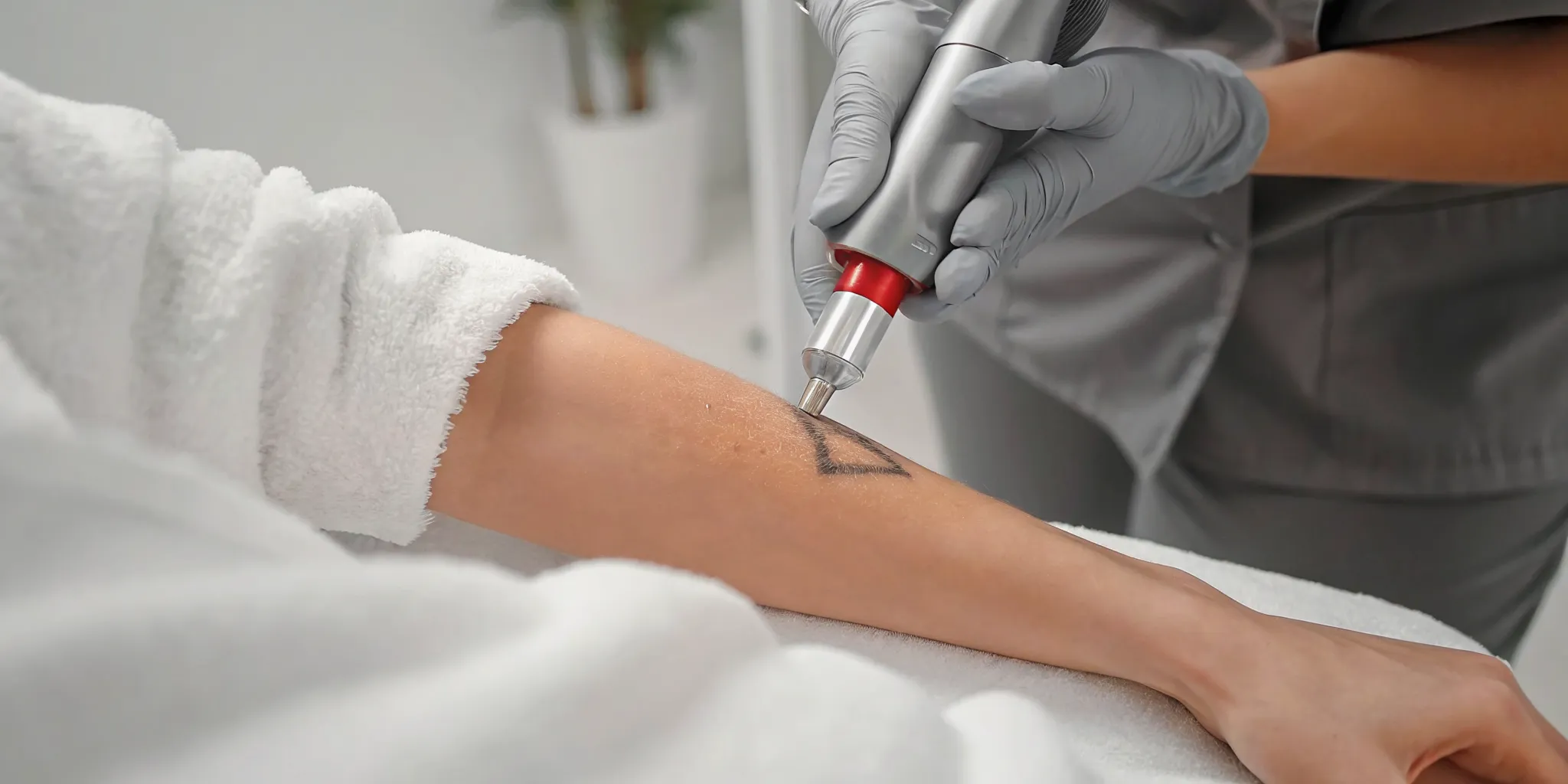
Let’s be honest, the first question on everyone’s mind is, “Does it hurt?” The short answer is that it can be uncomfortable, but the feeling is very manageable and over quickly. Unlike the long, steady process of getting a tattoo, laser tattoo removal involves a series of very fast pulses of light targeting the ink particles in your skin. Each pulse lasts for just a fraction of a second. So, while you’ll definitely feel it, the sensation is brief and targeted. It’s a very different feeling from getting the tattoo in the first place.
Most people find the experience to be less intense than they imagined. The feeling is often described in a few specific ways, which can help you get a better idea of what to expect during your session. Think of it less as a continuous pain and more as a sequence of quick, sharp sensations that stop as soon as the laser does. At Ultimate Image MedSpa, we also have several methods to help manage any discomfort, ensuring you feel as comfortable as possible from start to finish. Understanding what the process feels like can take a lot of the anxiety out of the equation, so let’s get into the most common comparisons people make when describing the sensation. We want you to feel prepared and confident, not worried about the unknown. The goal is to remove something you no longer want, and we’re here to make that process as smooth as possible.
The “Rubber Band Snap” Sensation
By far, the most common description you’ll hear is that laser tattoo removal feels like a rubber band snapping against your skin. Imagine pulling a rubber band back and letting it flick your arm; that’s the kind of quick, stinging sensation people report. It’s a sharp but very brief feeling that happens with each pulse of the laser. This comparison is popular because it accurately captures both the speed and the nature of the discomfort. It’s not a dull ache or a burning feeling, but rather a fast, localized snap. Most clients are surprised by how quickly they get used to the rhythm of the pulses during their treatment.
A Quick, Stinging Heat
Another frequent comparison involves heat. The laser works by delivering concentrated light energy to the tattoo ink, which breaks it down. This process generates a bit of heat, so many people describe the feeling as a quick, stinging heat on the skin’s surface. Some say the area feels like a mild sunburn for a few hours after the session is over. This warmth is a normal part of the process and a sign that the laser is doing its job effectively. The sensation is temporary, and the feeling of heat typically fades shortly after your treatment is complete, leaving just a bit of tenderness behind.
Other Common Comparisons
While the rubber band snap is the top contender, a few other descriptions pop up. Some people compare the sensation to hot bacon grease spattering on their skin, which sounds intense but captures the quick, sharp nature of the heat. Others might describe it as a tiny bee sting or a slight electric shock with each laser pulse. These comparisons highlight the surprising and fast quality of the feeling. It’s important to remember that these sensations last for only a millisecond. Our team is experienced in making all our aesthetic services as comfortable as possible, and we’ll talk you through the entire process so you know exactly what to expect.
Is It More Painful Than Getting a Tattoo?
This is the question everyone asks, and the honest answer is: it’s complicated. While many people report that laser removal feels more intense than getting the tattoo, the experience is very different. The good news is that the discomfort is over much, much faster. Let’s break down what that really means for you.
Why Removal Can Feel More Intense
Many people describe the sensation of laser tattoo removal as more painful than the original ink session. While getting a tattoo feels like a steady scratching, the laser delivers quick, concentrated pulses of energy to shatter the ink particles under your skin. This is often compared to the sharp snap of a rubber band against the skin or even the sting of hot grease splattering. The sensation is sharper and more surprising than the duller, more prolonged pain of a tattoo needle, which can make it feel more intense in the moment.
The Difference in Session Time
Here’s the biggest silver lining: while a tattoo can take hours to complete, a laser removal session is incredibly quick. Most treatments last only a few minutes. Even a large, complex tattoo can often be treated in under 15 minutes. This short duration makes the discomfort much more manageable. You can handle almost anything for a few minutes, right? This trade-off, a few minutes of intense feeling versus hours of tattooing, is something most people find very reasonable once they experience it for themselves.
How Your Experience Might Differ
Pain is personal, and everyone’s threshold is different. How you experience the treatment will depend on several factors. The location of your tattoo plays a big role; areas with thinner skin and less fat, like ankles or ribs, tend to be more sensitive. The size and density of the ink also matter. Interestingly, many clients find that each follow-up session becomes a little easier to handle, partly because you know what to expect and partly because there’s less ink for the laser to target.
What Factors Influence the Pain?
When it comes to tattoo removal, “pain” isn’t a universal experience. What one person finds mildly annoying, another might find quite uncomfortable. The sensation you feel during a session depends on a few key things. Understanding these factors can help you set realistic expectations and feel more prepared for your treatment. Let’s look at what influences the discomfort level, from the details of your tattoo to your own body. Knowing what to expect is the first step toward a comfortable and successful laser tattoo removal journey.
Your Tattoo’s Size, Color, and Ink
The characteristics of your tattoo play a big role in how a session feels. Larger, denser tattoos require more time under the laser, which can make the sensation feel more prolonged. Color is another major factor. Dark inks like black and blue absorb the laser light more effectively, making them easier and often quicker to break down. Lighter, brighter colors like green, yellow, and turquoise are more reflective and can require more sessions to remove, which may mean more discomfort over time. The good news is that any soreness, which often feels like a mild sunburn, typically fades within a few hours after your appointment.
Where the Tattoo Is on Your Body
Location, location, location. Where your tattoo sits on your body is one of the biggest predictors of discomfort. As a general rule, areas with thinner skin and less fatty tissue tend to be more sensitive. Think about places where the skin is close to the bone, like your ankles, wrists, ribs, or feet. These spots have more nerve endings and less padding to cushion the laser pulses. In contrast, fleshier areas like the upper arms, thighs, and stomach usually have more muscle and fat, which can make the treatment feel much more tolerable.
The Age and Quality of Your Ink
Believe it or not, an older tattoo can be your best friend during the removal process. Over many years, your body’s immune system has already been working to break down and fade the ink particles. This head start means the laser has less work to do, which can translate to fewer sessions and a more comfortable experience for you. The quality of the original tattoo matters, too. A professional artist typically applies ink evenly, making it more predictable to remove. An amateur tattoo might have varying ink depths, which can sometimes make the process a bit more complex.
Your Personal Pain Threshold
Ultimately, your experience comes down to you. Everyone has a different tolerance for pain, and what feels intense to one person might be completely manageable for another. Think of it like waxing or getting blood drawn, some people barely notice it, while others dread it. Your personal pain threshold is a unique and valid part of the equation. We always prioritize your comfort and encourage you to schedule a consultation to discuss any concerns. We can talk through your specific tattoo and create a plan that makes you feel confident and at ease.
How Can You Manage the Discomfort?
The good news is that you don’t have to just grit your teeth and bear it. There are several effective ways to make your laser tattoo removal sessions much more comfortable. From simple at-home prep to the advanced technology we use in our clinic, managing the sensation is a key part of the process. We work with you to find the best approach for your comfort level, ensuring your experience is as smooth as possible.
Combining a few of these strategies can make a significant difference, turning a potentially stressful appointment into a manageable one. Let’s walk through the most effective methods for handling the discomfort associated with tattoo removal.
Numbing Creams and Cold Packs
One of the most direct ways to handle the discomfort is by using topical numbing creams and cold packs. A strong topical anesthetic can be applied to the treatment area before your session begins, which helps block pain signals from reaching your brain. We can recommend the best options for you during your consultation so you can feel prepared. Applying a cold pack to the skin just before the laser treatment also provides a powerful numbing effect and can soothe the area. This simple step can significantly reduce the stinging sensation from the laser. Many people find that this combination of cooling and numbing cream makes the entire process feel much more tolerable.
Over-the-Counter Pain Relief
Taking an over-the-counter pain reliever before your appointment can also help take the edge off. It’s best to stick with acetaminophen (Tylenol) and take it about an hour before your session. This can help manage discomfort during and after the treatment, making your recovery a little easier. It’s important to avoid blood-thinning pain relievers like ibuprofen (Advil) or aspirin before your appointment, as they can increase the risk of bruising. If you have any questions about what to take, we’re always here to help guide you. A little preparation can go a long way in making your session more comfortable and worry-free.
In-Office Cooling Technology
We use advanced technology designed to keep you comfortable during your treatment. Our laser tattoo removal system incorporates a specialized cooling device that blows a steady stream of chilled air onto your skin throughout the procedure. This constant cooling helps counteract the heat from the laser, minimizing the “rubber band snap” sensation. This technology is a game-changer for client comfort. It allows us to perform the treatment effectively while keeping your skin protected and soothed. Modern lasers are also much faster and more efficient, meaning your sessions are quicker with less overall discomfort than older methods. You get better results with a better experience.
Breathing and Relaxation Techniques
Your mindset can have a big impact on your experience. Simple relaxation methods can help calm your nervous system and make the physical sensations easier to manage. Before and during your session, focus on taking slow, deep breaths. This can help you stay relaxed and centered. Some clients find it helpful to listen to music or a podcast with headphones during their treatment. This distraction can help take your mind off the procedure. Getting a good night’s sleep before your appointment and arriving well-hydrated can also prepare your body and mind, making you less sensitive to discomfort.
What’s the Recovery Like After a Session?
The discomfort of laser tattoo removal doesn’t end the second you leave the chair, but the recovery is usually straightforward. Knowing what to expect can make the healing process feel much less intimidating. Your body is working hard to flush out the ink particles broken up by the laser, and a little tenderness is a sign that the process is working.
Proper aftercare is key to a smooth recovery and the best possible results. We’ll give you detailed instructions to follow, but here’s a general timeline of what you can expect your skin to feel like after a session.
Immediately After Treatment
Right after the laser does its work, you’ll notice a few things. Your skin might look white for a few minutes, a reaction often called “frosting.” This is completely normal and temporary. You’ll also likely feel some warmth or tingling in the area, similar to a mild sunburn. This sensation is your body’s immediate response to the laser energy. We use cooling technology during the treatment to keep you comfortable, and you can continue with cold packs at home to soothe the area. This initial phase is short-lived, and the frosted appearance will fade quickly.
The First Few Days
In the hours and days following your appointment, the treated area might feel like a mild sunburn. It’s common for your skin to be a bit red, tender, or slightly swollen for a day or two. This is all part of the natural healing process as your immune system gets to work clearing the fragmented ink. Most people find that the discomfort quickly goes away and is easily managed. Following your aftercare plan, which includes keeping the area clean and protected, is the best way to support your skin as it heals from the laser tattoo removal treatment.
When It Will Feel Normal Again
Most of the initial sensitivity should fade within a few days, leaving your skin to continue its healing journey. Many people find that the removal process gets easier with each session, partly because there’s less ink for the laser to target and partly because they know what to expect. While rare, if you experience pain that lasts for several days, it’s important to get in touch. An infection or allergic reaction is unlikely, but it’s always best to be safe. Don’t hesitate to contact us if you have any concerns about how your skin is healing.
Deciding If Tattoo Removal Is for You
Making the choice to remove a tattoo is a big step, and it’s completely normal to have questions about the process. Thinking through what to expect, how to prepare, and what the end result will be can help you feel confident and ready. It’s all about weighing the temporary discomfort against the long-term satisfaction of seeing your skin clear again. Let’s walk through the final considerations to help you decide if this is the right path for you.
Setting Realistic Expectations
So, what does it really feel like? Most people describe the sensation of laser tattoo removal as a quick, sharp snap, similar to a rubber band hitting your skin. While it’s not exactly comfortable, many say it hurts less than getting the tattoo in the first place. The feeling is often compared to a bad sunburn, but the key difference is that a removal session is much faster than a tattoo session. Understanding this upfront helps you mentally prepare for a brief period of discomfort that leads to a permanent result.
How to Prepare for Your Sessions
You can do a few simple things to make your laser tattoo removal sessions more comfortable. First, talk to your technician about using a topical numbing cream before your appointment. Staying well-hydrated by drinking plenty of water is also a great idea. On the day of your treatment, try to avoid alcohol and caffeine, and get a good night’s sleep beforehand. If you want to take a pain reliever, Tylenol is a good option, but it’s best to skip ibuprofen, which can thin your blood. These small steps can make a big difference in your experience.
Weighing the Discomfort vs. the Results
It’s helpful to keep the end goal in mind. While there is some discomfort, each session is a step closer to clear skin. Many people find the process gets easier over time. The first session is often the most intense because the tattoo is at its darkest. As the ink fades with each treatment, the sessions typically get shorter and feel less painful. When you compare a few minutes of discomfort to the years you’ll have with skin you feel great in, many find it’s an easy trade-off. If you’re ready to learn more, we can create a personalized plan for you.
Your Next Steps for Tattoo Removal in Texas
Feeling ready to move forward? Taking that first step can feel like the biggest hurdle, but it’s all about getting the right information and feeling confident in your plan. Once you decide to explore laser tattoo removal, the process becomes much clearer. It starts with a simple conversation and a bit of preparation to ensure your experience is as smooth and comfortable as possible. Here’s what you can expect when you begin your tattoo removal journey with us in Texas.
What to Expect at Your Consultation
Your first step is a one-on-one consultation. This is where we get to know you and your tattoo. We’ll talk about its size, colors, and location on your body, since these details help us create a personalized treatment plan just for you. It’s also your time to ask every question you have. We’ll walk you through the entire process, discuss how many sessions you might need, and make sure you feel completely informed. Think of it as a strategy session for your skin. Our goal is for you to leave feeling confident and excited about the results to come. You can schedule your free consultation with our team to get started.
How We Prioritize Your Comfort
We know the biggest question on your mind is about discomfort, and your comfort is our top priority. We use advanced laser technology that is more effective and gentler on the skin than older methods. To make the process even more manageable, we use a special cooling system during the treatment to soothe the area instantly. We also offer a medical-grade topical numbing cream to apply before your session, which helps minimize the stinging sensation. We will work with you at every step to ensure you feel as relaxed as possible while our expert technicians work their magic.
Preparing for Your First Session
A little preparation can make a big difference in your comfort level. In the 24 hours before your appointment, try to avoid alcohol and caffeine, as they can increase skin sensitivity. Make sure you’re well-hydrated by drinking plenty of water and get a good night’s sleep. It’s also a great idea to eat a meal a few hours before you come in, so your body has plenty of energy. Following these simple steps helps your body handle the treatment better and can make your session feel much more comfortable. We’ll go over all of this with you again to make sure you’re ready.
Related Articles
- Best Laser Tattoo Removal Treatments: A Complete Guide – Ultimate Image MedSpa
- Your Guide to Dallas Tattoo Removal Experts – Ultimate Image MedSpa
Frequently Asked Questions
Is one part of the body more painful to treat than another? Yes, the location of your tattoo plays a big role in the sensation. Areas where the skin is thin and sits close to the bone, like your ankles, ribs, or feet, are typically more sensitive. In contrast, fleshier parts of the body with more padding, such as the upper arms or thighs, tend to be much more comfortable during treatment.
Why should I avoid pain relievers like ibuprofen before my appointment? This is a great question that comes up often. Pain relievers like ibuprofen and aspirin can thin your blood, which increases the risk of bruising at the treatment site. If you want to take something for discomfort beforehand, we recommend acetaminophen (Tylenol) because it doesn’t have this blood-thinning effect.
How long does the ‘sunburn’ feeling last after a session? That warm, tender feeling usually lasts for a few hours, though some minor sensitivity and redness can stick around for a day or two. Most people find it feels like a very mild sunburn that is easily soothed with a cold pack. The sensation is temporary and a normal part of the healing process.
Can I go back to work or the gym right after my treatment? You can return to work and most of your daily activities immediately after your appointment. However, it’s best to skip the gym, swimming pools, and hot tubs for at least 24 hours. Avoiding heavy sweating and soaking the treated area helps prevent irritation and supports a smooth healing process.
Do the sessions get easier over time? Many people find that they do. Your first session is often the most intense because the tattoo is at its darkest and most concentrated. As the ink fades with each treatment, there is less pigment for the laser to target. This means future sessions can feel less uncomfortable and are often even quicker.