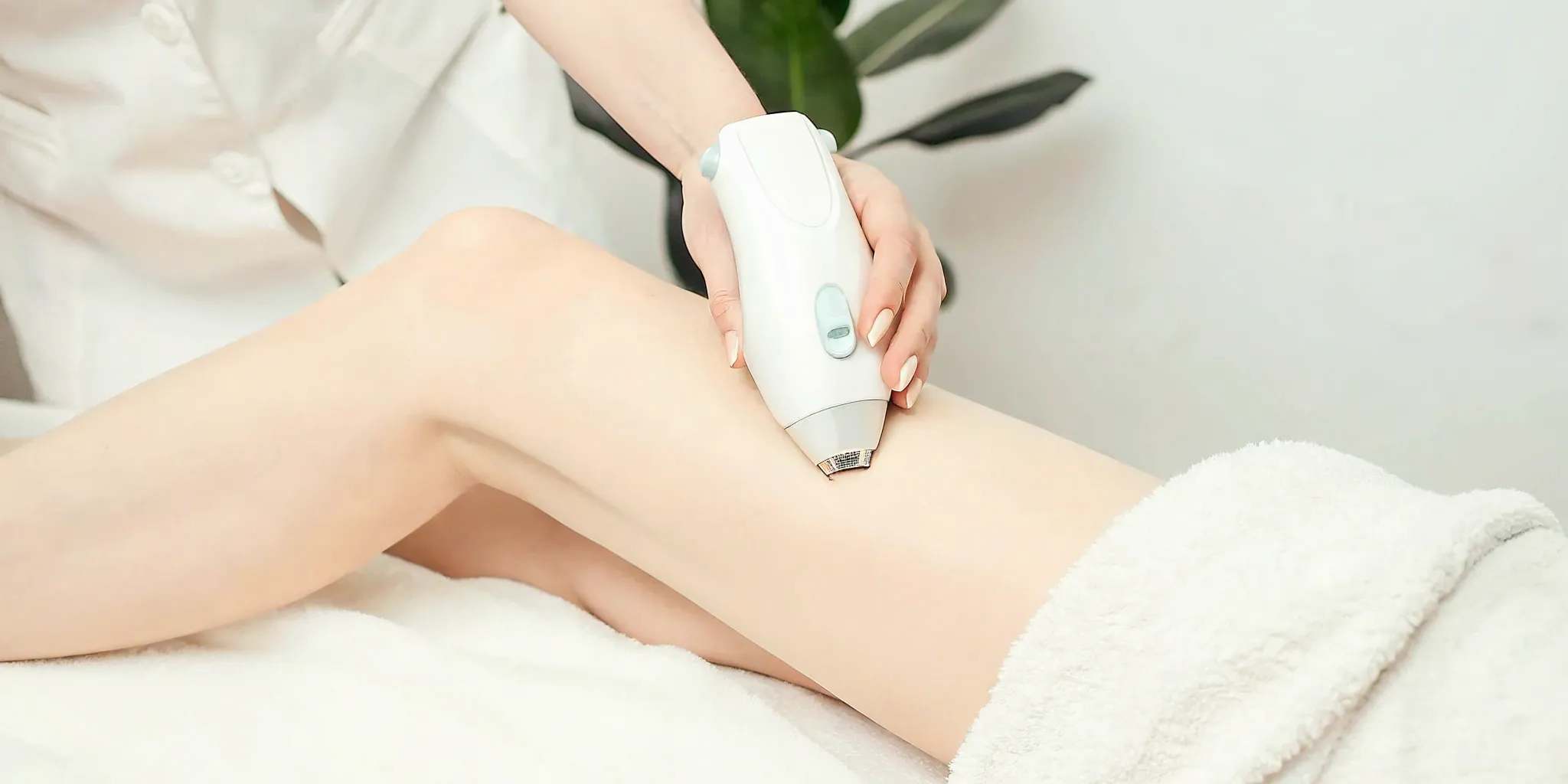
Laser hair removal offers a long-term solution for unwanted hair, but it’s essential to be aware of potential side effects like laser hair removal burns. While generally safe, this procedure can cause burns if not performed correctly. Factors such as skin type, recent sun exposure, and the technician’s skill all play a role in the risk of burns. This comprehensive guide explores the causes, symptoms, and treatment of laser hair removal burns, providing you with the knowledge to make informed decisions and prioritize your safety. Learn how to choose a qualified practitioner, prepare for your treatment, and care for your skin afterward to minimize risks and achieve optimal results.
Key Takeaways
- Choose an experienced laser hair removal technician: A qualified provider understands how to tailor treatments to different skin types, minimizing burn risks and ensuring optimal results.
- Prepare your skin and communicate with your provider: Following pre- and post-treatment care instructions and discussing any concerns with your technician are key for a safe and comfortable experience.
- Know the signs of a burn and seek help if needed: Understanding burn symptoms and acting quickly can minimize discomfort and prevent long-term complications. Don’t hesitate to contact a medical professional if you have concerns.
What Are Laser Hair Removal Burns?
Laser hair removal is a popular way to get smooth, hair-free skin. But like any medical procedure, it has potential risks. One such risk, though rare, is the possibility of burns. Understanding what laser hair removal burns are, how they occur, and what makes them more likely can help you make informed decisions about your treatment. At Ultimate Image MedSpa, we prioritize your safety and comfort, specializing in laser hair removal and other aesthetic treatments to ensure the highest standard of care.
What are they and how do they happen?
Laser hair removal works by targeting hair follicles with highly concentrated beams of light. This light converts to heat, damaging the follicle and preventing future hair growth. A burn happens when this heat is too intense or improperly applied, damaging the surrounding skin. These burns are usually superficial, ranging from mild redness to more serious blistering. Choosing a reputable medspa with experienced technicians significantly lowers your risk.
Common causes and risk factors
Several factors can contribute to laser hair removal burns. Incorrect laser settings, often due to technician error, are a primary cause. The wrong wavelength or intensity for your skin type can easily lead to burns. Faulty equipment can also be a factor, though this is less common with regular maintenance. Your individual characteristics also play a role. Darker skin tones have more melanin, which absorbs more light and heat, increasing the risk of burns. Recent tanning, whether from the sun or a tanning bed, has a similar effect. Hormonal changes and certain medications can also make skin more sensitive, increasing your risk during laser treatments. Before any laser hair removal procedure, discuss your medical history, current medications, and any recent sun exposure with a qualified practitioner. At Ultimate Image MedSpa, we perform thorough consultations to assess your skin type and create a safe and effective treatment plan.
Recognize Laser Hair Removal Burn Symptoms
Knowing the signs of a laser hair removal burn can help you address the issue quickly and effectively. Burns can range from mild to severe, so understanding the symptoms is crucial for proper care.
Immediate signs
Right after your treatment, you might notice some redness and mild swelling. This is a normal reaction and usually subsides quickly. However, a burn will look different. True burns from laser hair removal often resemble the shape of the laser applicator tip. The affected area might be significantly redder than the surrounding skin, feel hot to the touch, and appear swollen. Blistering is another immediate sign of a burn, indicating more significant damage. You might also see changes in skin texture, like crusting or peeling. Discoloration, ranging from white or charred-looking skin to darker patches (post-inflammatory hyperpigmentation), can also occur with burns. If you notice any of these signs, it’s important to address them promptly.
Recognize Laser Hair Removal Burn Symptoms
Knowing the signs of a laser hair removal burn can help you address the issue quickly and effectively. Burns can range from mild to severe, so understanding the symptoms is crucial for proper care.
Immediate signs
Right after your treatment, you might notice some redness and mild swelling. This is a normal reaction and usually subsides quickly. However, a burn will look different. True burns from laser hair removal often resemble the shape of the laser applicator tip. The affected area might be significantly redder than the surrounding skin, feel hot to the touch, and appear swollen. Blistering is another immediate sign of a burn, indicating more significant damage. You might also see changes in skin texture, like crusting or peeling. Discoloration, ranging from white or charred-looking skin to darker patches (post-inflammatory hyperpigmentation), can also occur with burns. If you notice any of these signs, it’s important to address them promptly.
Delayed symptoms
Sometimes, more serious burn symptoms don’t show up immediately. You might leave your appointment feeling fine, only to notice changes later. Increased pain, significant blistering, and even open sores can develop within a few hours or even days after the treatment. Some people describe a burning sensation that intensifies over time. Don’t dismiss these delayed reactions. If you experience any worsening symptoms after laser hair removal, it’s essential to seek professional advice. Reading others’ experiences can be informative. These personal accounts highlight the importance of recognizing and addressing potential burn complications.
Take pre-treatment precautions
Preparing your skin for laser hair removal is key to preventing burns. Avoid sun exposure and tanning beds for several weeks before your treatment, as tanned skin is more susceptible to burns. Skip waxing, plucking, and using depilatory creams, as these methods can interfere with the laser’s effectiveness. Inform your practitioner about any medications you’re taking, including over-the-counter drugs and supplements, as some can increase skin sensitivity. A patch test on a small area of skin can help determine how your skin reacts to the laser before a full treatment. This allows the practitioner to adjust the settings as needed and minimize potential risks. For more information on how to prepare for your appointment, visit our services page.
Ensure safety during the procedure
During the procedure, open communication with your practitioner is essential. Don’t hesitate to voice any concerns or discomfort. A responsible practitioner will stop the procedure immediately if you experience excessive pain. Ensure the clinic uses appropriate cooling methods during the treatment to protect your skin from overheating. Older laser devices may pose a higher risk of burns, so inquire about the technology used at the clinic. Newer lasers often have advanced cooling systems and safety features that reduce the risk of burns. Contact us today to schedule a consultation and learn more about our advanced laser technology and safety protocols.
Treat Laser Hair Removal Burns Immediately
Knowing how to treat minor burns from laser hair removal can minimize discomfort and help your skin heal properly. While rare at reputable med spas like Ultimate Image MedSpa, burns can occasionally happen. Here’s what to do if you experience a minor burn:
First Aid for Minor Burns
The key to treating a minor laser burn is to act quickly. Immediately cool the affected area with cool water. This helps soothe the pain and minimize inflammation. Skip the ice or creams initially, as these can irritate the burned skin. Instead, gently cover the burn with a single layer of clean cling film. Don’t wrap it tightly; you just want a loose protective barrier against infection. For pain management, over-the-counter pain relievers like paracetamol or ibuprofen can be helpful. If you’re at all concerned or if the burn seems more serious than a minor irritation, seek medical advice.
Treat Laser Hair Removal Burns Immediately
Knowing how to treat minor burns from laser hair removal can minimize discomfort and help your skin heal properly. While rare at reputable med spas like Ultimate Image MedSpa, burns can occasionally happen. Here’s what to do if you experience a minor burn:
First Aid for Minor Burns
The key to treating a minor laser burn is to act quickly. Immediately cool the affected area with cool water. This helps soothe the pain and minimize inflammation. Skip the ice or creams initially, as these can irritate the burned skin. Instead, gently cover the burn with a single layer of clean cling film. Don’t wrap it tightly; you just want a loose protective barrier against infection. For pain management, over-the-counter pain relievers like paracetamol or ibuprofen can be helpful. If you’re at all concerned or if the burn seems more serious than a minor irritation, seek medical advice.
Home Remedies and Aftercare
Once you’ve taken the initial first-aid steps, some simple home remedies can further soothe your skin and promote healing. Pure aloe vera gel is a great option for calming irritated skin. Cool compresses can also provide ongoing relief from any lingering discomfort. If blisters appear, do not pop them, as this increases your risk of infection. Keep the area clean and dry, and continue to use over-the-counter pain relievers like ibuprofen or Tylenol as needed. Avoid aspirin. As always, if you notice anything unusual or if the burn doesn’t seem to be improving, it’s best to consult with a healthcare professional. At Ultimate Image MedSpa, we prioritize your safety and comfort. Contact us if you have any questions or concerns about laser hair removal or any of our other services.
Potential Complications
Beyond the immediate discomfort of a burn, several potential complications can arise from laser hair removal gone wrong. Severe burns can lead to scarring and changes in skin pigmentation, such as hypopigmentation (loss of skin color). These changes can be permanent and significantly impact your physical and emotional well-being. In some cases, burns can also lead to infection and even tissue death. If your burn appears deep or causes significant pain, seek medical care immediately. Your doctor can assess the damage and recommend the appropriate treatment, which may range from specialized dressings and pain management to more intensive medical interventions. Early intervention is key to minimizing long-term effects.
Long-Term Effects and Treatment
Unfortunately, laser hair removal burns can sometimes cause lasting skin changes. Let’s explore the potential long-term effects and how to address them.
Address scarring and discoloration
In some cases, laser hair removal burns, particularly second-degree burns, can result in scarring and changes in skin pigmentation. This might appear as hypopigmentation (loss of skin color) or post-inflammatory hyperpigmentation (darkening of the skin). These changes can be distressing, impacting both your physical appearance and self-esteem. If you experience scarring or discoloration, several options are available. Specialized scar creams or ointments can be helpful, and procedures like microdermabrasion or chemical peels may improve the appearance of these marks. Consulting with a dermatologist or skincare professional is always recommended to determine the most suitable treatment plan. They can assess the extent of the damage and recommend the best course of action. For personalized advice and treatment options in Texas, reach out to the experts at Ultimate Image MedSpa.
When to See a Doctor
Knowing when to seek professional medical advice after laser hair removal is crucial for your health and safety. While minor side effects are common, some situations require a doctor’s evaluation. This section helps you understand when a visit to your doctor or a local urgent care facility is necessary.
Signs of Severe Burns
While some redness and swelling are typical after laser hair removal, more severe reactions warrant immediate medical attention. Look for blisters, especially if they’re shaped like the laser applicator. Changes in skin color, like significant whitening or charring, are also red flags. Additional signs include crusting, peeling, and post-inflammatory hyperpigmentation (darkening of the skin). If you notice any of these symptoms, don’t hesitate to contact a doctor right away. Treatment might involve over-the-counter pain relievers, prescription creams, or even antibiotics to prevent infection.
Potential Complications
Beyond the immediate discomfort of a burn, several potential complications can arise from laser hair removal gone wrong. Severe burns can lead to scarring and changes in skin pigmentation, such as hypopigmentation (loss of skin color). These changes can be permanent and significantly impact your physical and emotional well-being. In some cases, burns can also lead to infection and even tissue death. If your burn appears deep or causes significant pain, seek medical care immediately. Your doctor can assess the damage and recommend the appropriate treatment, which may range from specialized dressings and pain management to more intensive medical interventions. Early intervention is key to minimizing long-term effects.
Long-Term Effects and Treatment
Unfortunately, laser hair removal burns can sometimes cause lasting skin changes. Let’s explore the potential long-term effects and how to address them.
Address scarring and discoloration
In some cases, laser hair removal burns, particularly second-degree burns, can result in scarring and changes in skin pigmentation. This might appear as hypopigmentation (loss of skin color) or post-inflammatory hyperpigmentation (darkening of the skin). These changes can be distressing, impacting both your physical appearance and self-esteem. If you experience scarring or discoloration, several options are available. Specialized scar creams or ointments can be helpful, and procedures like microdermabrasion or chemical peels may improve the appearance of these marks. Consulting with a dermatologist or skincare professional is always recommended to determine the most suitable treatment plan. They can assess the extent of the damage and recommend the best course of action. For personalized advice and treatment options in Texas, reach out to the experts at Ultimate Image MedSpa.
Professional medical interventions
For any burn, especially one that blisters, causes significant pain, or appears infected, prompt medical care is essential. A doctor can accurately assess the burn’s severity and recommend the appropriate treatment. This might involve over-the-counter pain relievers, prescription creams like antibiotic or hydrocortisone ointment, or in more severe cases, surgery. Don’t hesitate to contact a medical professional if your burn doesn’t improve within a few days or if you notice any signs of infection, such as increased pain, swelling, or pus. Early intervention is key to minimizing long-term complications and promoting proper healing. If you’re in Texas and seeking professional medical advice for a laser hair removal burn, Ultimate Image MedSpa can provide expert guidance and support.
Products to use and avoid
Over-the-counter pain relievers, such as paracetamol or ibuprofen, can help manage any discomfort. Hydrocortisone cream can also be applied to the treated area to reduce inflammation and promote healing. Avoid using any creams or products that could irritate your skin, such as harsh exfoliants or fragranced lotions. If you use retinoids in your skincare routine, stop using them about a week before your laser hair removal treatment to minimize the risk of skin sensitivity. For personalized product recommendations based on your skin type and treatment, consult with the experts at Ultimate Image MedSpa. We’re here to help you achieve your beauty goals while ensuring your skin stays healthy and comfortable. Contact us today to schedule a consultation or learn more about our services.
Debunking Laser Hair Removal Burn Myths
Let’s clear up some common misconceptions about laser hair removal burns. It’s important to separate fact from fiction so you can approach your treatments with realistic expectations.
Separating Fact from Fiction
Myth: Laser hair removal burns are common. Fact: Laser hair removal burns are rare. While they can happen, they are typically due to improper technique or skin incompatibility. The procedure uses intense heat to damage hair follicles, so it’s essential to choose a qualified provider who understands how to use the technology safely and effectively.
Care For Your Skin Post-Treatment
After your laser hair removal session, proper aftercare is essential for healthy healing and minimizing any potential side effects. Following these post-treatment instructions and using the right products will help soothe your skin and ensure the best possible results.
Post-treatment instructions
Immediately after your treatment, cooling the area with lukewarm water can provide pain relief and promote healing. Avoid ice or creams initially, as these can further irritate the skin. You can apply aloe vera and cool compresses to soothe the treated area. It’s important to keep the area clean and avoid popping any blisters that may form. Protecting the treated area from sun exposure is crucial, so be diligent about applying sunscreen with a high SPF.
Products to use and avoid
Over-the-counter pain relievers, such as paracetamol or ibuprofen, can help manage any discomfort. Hydrocortisone cream can also be applied to the treated area to reduce inflammation and promote healing. Avoid using any creams or products that could irritate your skin, such as harsh exfoliants or fragranced lotions. If you use retinoids in your skincare routine, stop using them about a week before your laser hair removal treatment to minimize the risk of skin sensitivity. For personalized product recommendations based on your skin type and treatment, consult with the experts at Ultimate Image MedSpa. We’re here to help you achieve your beauty goals while ensuring your skin stays healthy and comfortable. Contact us today to schedule a consultation or learn more about our services.
Debunking Laser Hair Removal Burn Myths
Let’s clear up some common misconceptions about laser hair removal burns. It’s important to separate fact from fiction so you can approach your treatments with realistic expectations.
Separating Fact from Fiction
Myth: Laser hair removal burns are common. Fact: Laser hair removal burns are rare. While they can happen, they are typically due to improper technique or skin incompatibility. The procedure uses intense heat to damage hair follicles, so it’s essential to choose a qualified provider who understands how to use the technology safely and effectively.
Myth: Anyone can perform laser hair removal safely. Fact: Safe and effective laser hair removal requires specific training and expertise. Incorrect laser settings, often due to technician error, are a leading cause of burns. Don’t hesitate to ask about a technician’s credentials and experience.
Myth: All skin types are equally safe for laser hair removal. Fact: People with darker skin tones have more melanin, which absorbs more laser energy. This increases the risk of burns. It’s crucial to choose a clinic experienced with treating darker skin tones and understands how to adjust laser settings accordingly. Ask about the clinic’s experience with different skin types before scheduling your treatment.
Understand Laser Hair Removal Realities
Now that we’ve busted some myths, let’s look at some key realities about laser hair removal and potential burns:
Reality: Most burns are minor and heal quickly. With proper care, most laser hair removal burns are superficial and heal within a few days. Severe burns are rare but can potentially lead to scarring. Knowing the signs of a burn will help you take action quickly.
Reality: Aftercare is crucial for preventing burns. Following post-treatment instructions, such as avoiding sun exposure and heat, plays a significant role in preventing burns, some of which may not appear until a few days later. Proper aftercare is essential for healthy healing. Ask your provider for detailed aftercare instructions.
Reality: Choosing a qualified provider is the most important step. Don’t base your decision solely on price. Prioritize a provider’s experience, training, and certifications. A qualified technician will assess your skin type and adjust the laser settings to minimize your risk of burns. Research providers in your area and ask about their qualifications.
I have a darker skin tone. Is laser hair removal safe for me? Yes, laser hair removal can be safe for darker skin tones, but it requires a skilled technician who knows how to adjust the laser settings appropriately. Be upfront about your skin type and ask potential providers about their experience treating darker skin.
What should I do if I think I have a laser hair removal burn? Immediately cool the affected area with cool (not ice-cold) water and loosely cover it with cling film. Take an over-the-counter pain reliever if needed. If the burn is severe or you’re concerned, seek medical advice promptly.
If I experience a burn, what long-term effects are possible? While most burns heal quickly with proper care, some can result in scarring or changes in skin pigmentation. These changes can sometimes be permanent, so it’s essential to seek professional medical advice for severe burns. A dermatologist can discuss treatment options to address any lasting effects.
Frequently Asked Questions
How can I tell the difference between normal skin irritation and a laser hair removal burn? Some redness and swelling are common after laser hair removal. A burn, however, will likely be more painful, intensely red, and possibly blistered. It might also resemble the shape of the laser applicator. If you’re unsure, contact your medspa.
What’s the most important thing I can do to minimize my risk of a burn? Choosing a qualified and experienced practitioner is the single most important factor in preventing burns. Research different medspas, ask about their technicians’ credentials, and don’t hesitate to inquire about their experience with your specific skin type.
I have a darker skin tone. Is laser hair removal safe for me? Yes, laser hair removal can be safe for darker skin tones, but it requires a skilled technician who knows how to adjust the laser settings appropriately. Be upfront about your skin type and ask potential providers about their experience treating darker skin.
What should I do if I think I have a laser hair removal burn? Immediately cool the affected area with cool (not ice-cold) water and loosely cover it with cling film. Take an over-the-counter pain reliever if needed. If the burn is severe or you’re concerned, seek medical advice promptly.
If I experience a burn, what long-term effects are possible? While most burns heal quickly with proper care, some can result in scarring or changes in skin pigmentation. These changes can sometimes be permanent, so it’s essential to seek professional medical advice for severe burns. A dermatologist can discuss treatment options to address any lasting effects.