
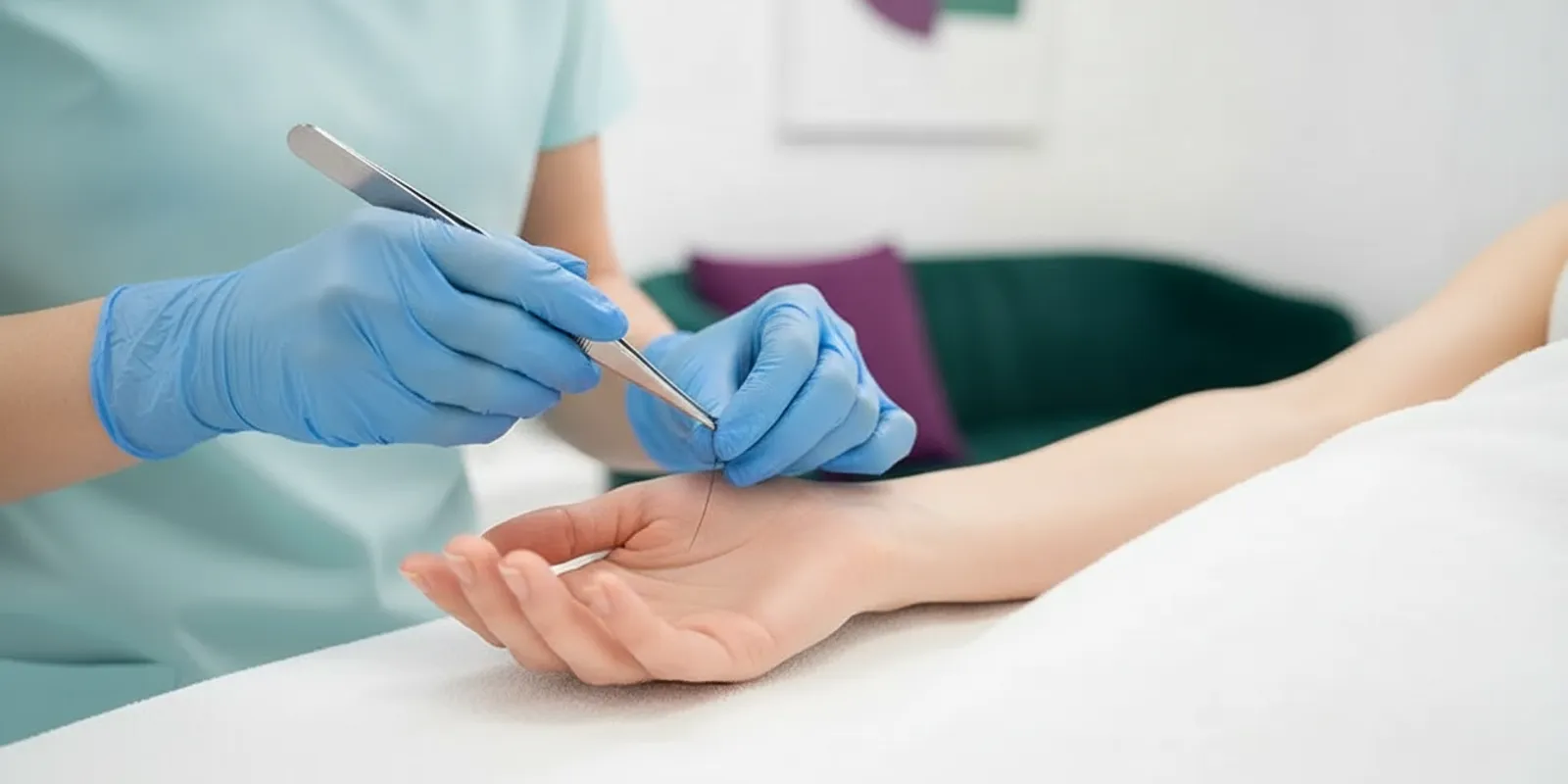
If you are considering Laser Hair Removal for your hands, it helps to know what the treatment can and cannot address before booking. Hair on the backs of the hands and fingers can be noticeable, but the area is small, sun-exposed, and may have a mix of fine and coarse hairs. This guide explains how a provider evaluates the area, what preparation involves, and which questions can help you make an informed choice.
Call to request a consultation
How does Laser Hair Removal for hands work?
Laser Hair Removal uses light energy directed at pigment in the hair. The energy is absorbed by the hair and can affect its follicle. Because hairs grow in cycles, not every hair is at the same stage at the same time. A treatment can only affect hairs that are in a suitable growth phase, so a provider may recommend a series of appointments spaced over time rather than one visit.
The backs of the hands and fingers are not identical from person to person. Hair density, color, thickness, skin tone, past tanning, and the exact area you want treated all matter to planning. Fine, light hairs may respond differently from darker, coarser hairs. A consultation is the right time to discuss whether the expected benefit makes sense for the hair you have, rather than assuming that every visible hair can be removed.
If you are comparing treatment areas or technologies, the practice’s overview of Laser Hair Removal services provides a broader starting point. Ask the provider how the specific device and settings will be selected for your hands and skin.
What can affect candidacy for hand treatment?
A consultation should include a look at the color and texture of the hair, your skin tone, and the condition of the treatment area. The provider should also ask about tanning, recent sun exposure, skin sensitivity, medications, and relevant health history. Share information honestly, even if a concern seems unrelated. It can change whether treatment should proceed now, be adjusted, or wait.
- Hair pigment and thickness: Darker, coarser hair is generally a more practical target for light-based hair reduction than very fine or pale hair. Ask what is realistic for the hair on your hands specifically.
- Skin tone and recent tanning: Skin pigment and a recent tan can affect how treatment is planned. Do not assume that a setting suitable for one person is suitable for another.
- Sun exposure: Hands often receive sunlight during everyday activities, even when you do not think of yourself as sunbathing. Recent exposure and a visible tan are important to mention.
- Skin condition: Irritation, a rash, a wound, or another change in the area may mean the appointment should be postponed until the skin can be assessed.
- Your goal: Be specific about whether you want to address the backs of the hands, fingers, or both. Ask how the border of the treated area will be defined.
People with different skin tones may be candidates for laser treatment, but that does not mean the same approach fits everyone or every device. A competent provider should explain individual risks and the plan for your skin, not promise a particular outcome. Ultimate Image MedSpa offers a free consultation to discuss services and treatment planning; you can also review its GentleMax Pro information and bring questions about the equipment to your appointment.
How do the options compare?
Not every approach is suited to every hand or hair type. Use this comparison to organize questions, not as a diagnosis or a guarantee. A provider can explain the trade-offs after reviewing the area.
| Option | May suit | What to keep in mind |
|---|---|---|
| Laser consultation and treatment plan | Someone seeking longer-term reduction of suitable pigmented hair | Candidacy, settings, spacing, likely response, and risks need individual review. |
| Shaving or trimming | Someone who wants a temporary way to manage visible hair | It does not target the follicle, so hair regrows. It may be a simple option while deciding. |
| Waxing or plucking | Someone considering temporary removal of hair from the root | These methods remove hair from the follicle and may conflict with a laser provider’s pre-treatment instructions. |
| Leaving the hair as it is | Someone who is comfortable with the hair or unsure about treatment | No procedure is required. You can take time to compare benefits, limits, and possible side effects. |
Ask the provider to explain the options in relation to your own goal. If you are still weighing whether Laser Hair Removal is right for you generally, read the practice’s guidance on safety and treatment expectations, then discuss any questions during a consultation.
How should you prepare for an appointment?
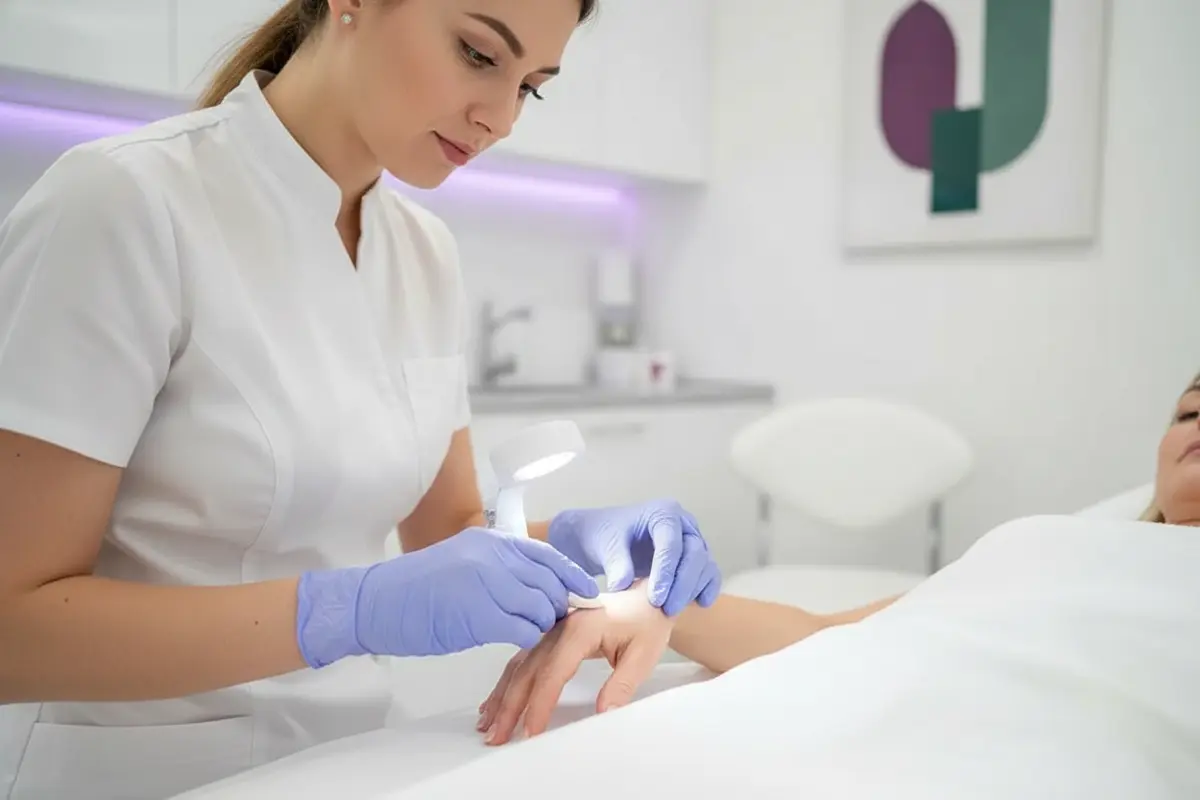
Follow the instructions given by the provider who will treat you. The details can vary with the device, your skin, and your history. These practical steps can help you arrive ready for a useful conversation:
- Share your recent sun exposure. Mention outdoor activities, tanning, or a change in skin color on your hands. Ask whether the appointment should go ahead or be rescheduled.
- Explain your hair-removal routine. Tell the provider if you have waxed, plucked, threaded, or used another method that removes hair from the root. Ask what to do and when before treatment.
- Ask whether to shave. Some laser protocols ask clients to shave the treatment area beforehand, while instructions can vary. Do not guess; get directions from the practice.
- Arrive with clean skin. Ask whether you should remove lotion, sunscreen, or other products before treatment. Avoid putting anything on the area that your provider has asked you to stop using.
- Bring your questions and health information. Mention medications, skin reactions, and prior procedures in the area. If you are unsure whether something matters, ask before the session.
Hands are easy to expose to sunlight while driving, walking, or doing outdoor tasks. Ask what sun protection is appropriate before and after treatment, and how long you should follow the instructions. For more general preparation and aftercare ideas, the practice’s Laser Hair Removal aftercare guide can be a useful companion, but your provider’s directions for your appointment take priority.
What happens during and after treatment?
At the visit, the provider should confirm the area, review your history, and answer questions before beginning. You may be asked to wear eye protection. The treatment itself involves placing the device at or near the skin and delivering pulses to the planned area. Sensations vary; people may describe warmth or a quick snapping feeling. Ask what you can expect with the specific device being used and what to do if the sensation feels uncomfortable.
Afterward, temporary redness, mild swelling, or discomfort can occur. Skin color changes, burns, and scars are less common but are important risks to understand. The American Academy of Dermatology Association warns that Laser Hair Removal can be dangerous in inexperienced hands and identifies burns, lasting changes to skin color, and scars as possible harms. Read its Laser Hair Removal safety FAQs, and ask who will perform your treatment, how the area will be assessed, and what to do if you have a concerning reaction.
Keep the area clean and follow the aftercare instructions you receive. Ask how to handle ordinary activities, sun exposure, and any temporary sensitivity. Do not apply a product or use a home remedy to an irritated area without checking with the provider. Contact the practice for guidance if a reaction worries you; seek prompt medical care for a severe or rapidly worsening reaction.
Results and the number of visits vary by person. Hair may become finer or less noticeable over time, but no specific result or session count can be promised. Follow-up timing should be based on your treatment plan and how your hair responds. The relevant question is not simply how many visits someone else needed, but what schedule and expectations make sense for your hair, skin, and goals.
Why can the schedule change?
Appointment spacing is planned around the growth cycle and your response, not just convenience. The provider may recommend a different interval after reviewing how the area responds or if your skin needs more time to settle. Do not move a session earlier because you notice new growth, and do not assume that a longer gap means the treatment has failed. Ask the practice what to do if you need to reschedule and whether timing affects the plan.
It can help to keep a simple record of when you have appointments, any relevant sun exposure, and how your skin felt afterward. Share that information at follow-up visits. Photos may help you describe a change over time, but take them only if you are comfortable and do not use them as a substitute for an in-person assessment. Progress is not always uniform from one hand to the other, and hair can vary across small areas.
Follow-up is also an opportunity to revisit your goal. If you are satisfied with the change, say so; if you see little difference or have concerns, explain what you notice rather than assuming that more treatment is automatically the answer. The provider can reassess the area and discuss whether to continue, adjust the plan, pause, or consider another approach. Treatment decisions should be based on your actual response and safety, not a fixed schedule that ignores individual differences.

How should you assess a treatment plan for such a small area?
A small treatment area still deserves careful planning. Hair can be sparse in one part of the hand and denser in another, and the skin over knuckles may not be identical to the skin on the back of the hand. Ask the provider to explain how they will identify the boundaries, protect nearby skin, and avoid treating areas you do not want included. If you have moles, marks, or a skin concern in the planned area, point it out before the session.
It is reasonable to ask how the provider decides whether to proceed on the day of treatment. For example, if your skin appears tanned or irritated, what is the process for reassessing the plan? You can also ask whether a test spot is appropriate in your situation, how it would be evaluated, and whether it changes the timing. These questions do not mean treatment is unsuitable; they help you understand the decision-making and what safeguards are relevant to you.
Notice whether the answers are specific to your skin and hair, whether risks are explained plainly, and whether you have time to decide. Be cautious of promises of a fixed result, a guaranteed number of visits, or pressure to purchase before you understand what is included. A sound plan should describe uncertainty as well as potential benefit. If the consultation leaves you unclear about the treatment area, who will perform it, or what to do after a reaction, ask for clarification before booking.
What should you ask before choosing treatment?
A good consultation should leave you with clear answers, not pressure to decide on the spot. Consider asking:
- Based on my skin tone and hair, what change is realistic to expect?
- Which parts of my hands are appropriate to treat, and how will you define the treatment area?
- Who will perform the treatment, and what training and experience do they have with this device and area?
- How do you choose settings for my skin, and what safety precautions do you use?
- What are the possible side effects, and who should I contact if I have a reaction?
- How should I prepare, including shaving, sun exposure, and other hair-removal methods?
- How will you decide when a follow-up is appropriate, and what could cause the plan to change?
- What is included in the quoted plan, and when will the total cost be confirmed?
If you want to compare what a broader treatment plan could involve, the practice’s Laser Hair Removal cost guide may help you prepare questions. Do not rely on a general online price to determine the cost for your hands; ask for an accurate quote for the area and plan discussed with you.
Call to discuss a free consultation
Frequently asked questions
Can Laser Hair Removal treat hair on fingers as well as the backs of hands?
The treatment area depends on your hair, skin, goals, and the provider’s assessment. Ask whether the backs of your hands, fingers, or both can be included and how the edges will be handled. Do not assume every small area is automatically part of a plan.
Will treatment remove every hair permanently?
No provider should guarantee that every hair will be removed permanently. The response varies, and some hair may remain or return. Ask what level of reduction is realistic for your hair and whether maintenance may be considered.
Is it safe to have hands treated if I spend time outdoors?
Sun exposure and tanning are relevant because they can affect treatment planning and risk. Tell the provider about recent exposure and follow specific instructions on timing and sun protection. A consultation can help determine whether it is appropriate to proceed now.
How many appointments will I need?
The number varies with individual hair growth, skin, response, and the plan recommended by the provider. A consultation can offer a tailored estimate, but it should not be presented as a guaranteed count.
What is the next step?
Before choosing hand Laser Hair Removal, make sure the provider has assessed the hair and skin in the actual treatment area and explained the possible benefits, limits, preparation, and risks. If the plan and expectations feel clear, you can decide whether to move forward; if not, take time to ask more questions.