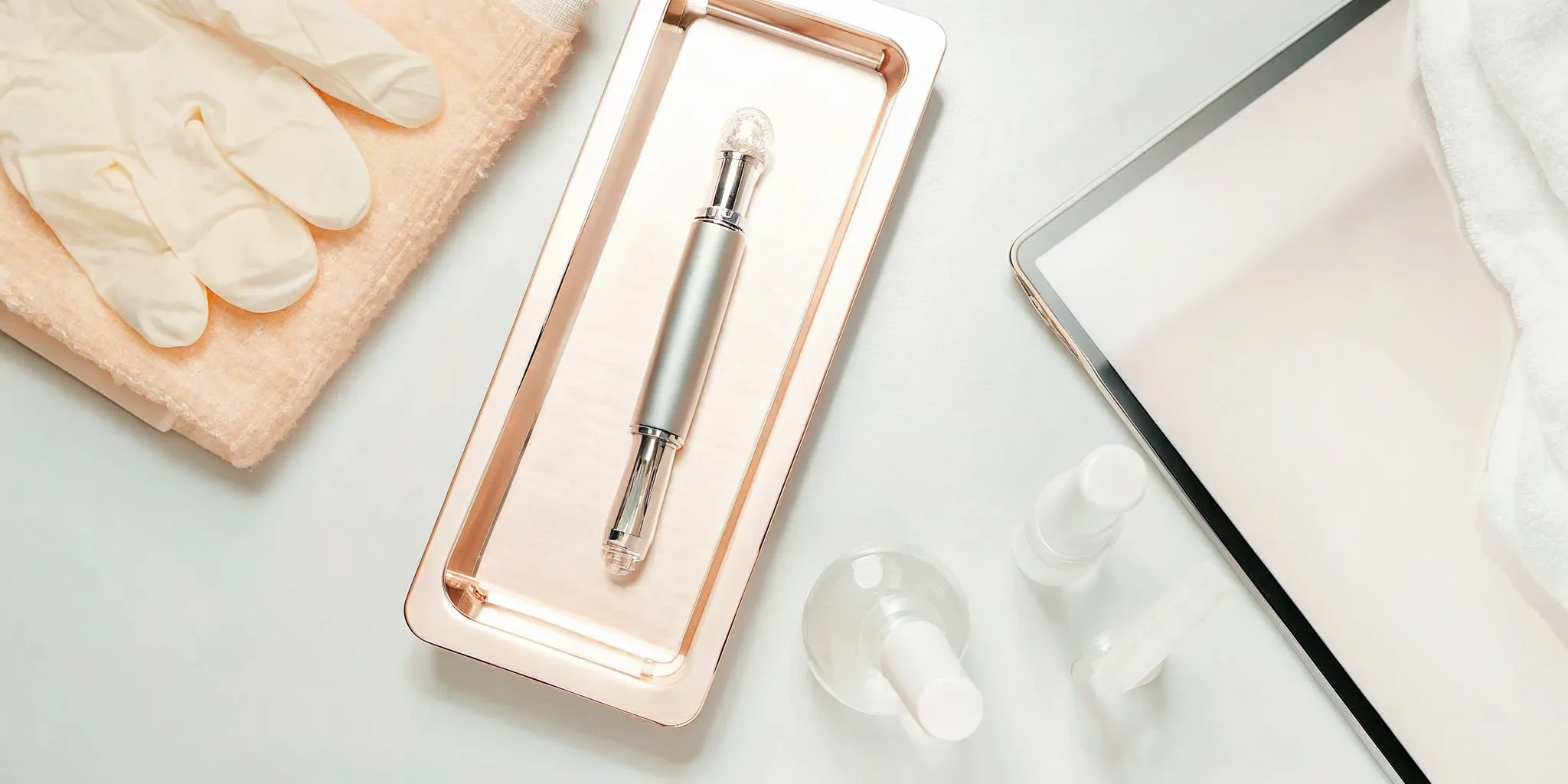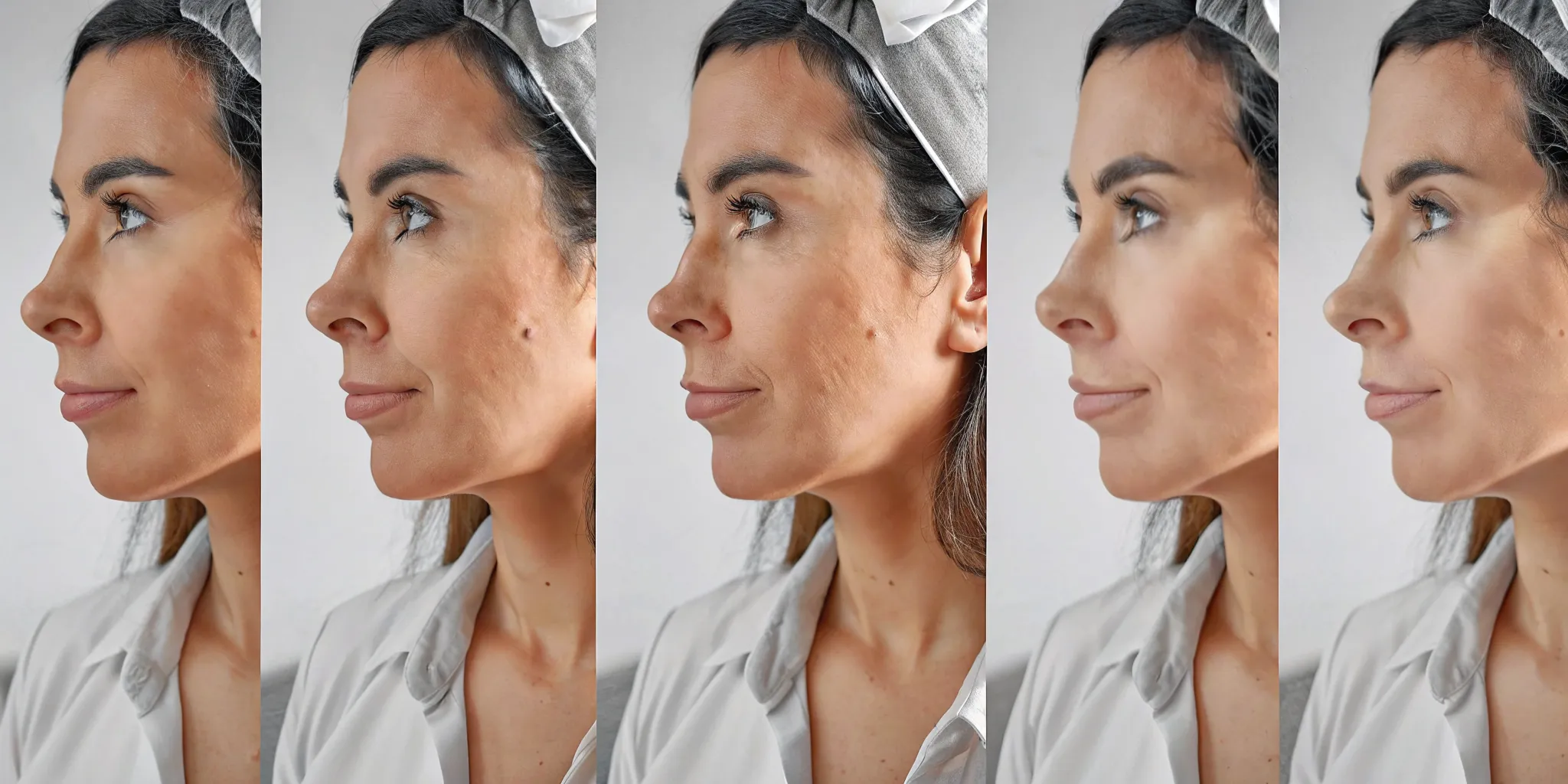
To get the best results for your skin, it helps to understand the science behind the treatments. Microneedling and chemical peels are both powerhouse procedures, but their methods are fundamentally different. Microneedling works by triggering your body’s own natural healing and collagen production, essentially rebuilding your skin’s foundation from within. A chemical peel, on the other hand, focuses on exfoliation, removing the dull, damaged outer layers to reveal the fresh skin underneath. This core difference is what matters most in the microneedling vs chemical peel comparison. Let’s explore how each process works to help you choose the right strategy for renewal.
Key Takeaways
- Microneedling builds new skin, while peels reveal it: Microneedling works deep within the skin to stimulate new collagen, making it ideal for improving texture, scars, and firmness. Chemical peels work on the surface by exfoliating dull layers to correct discoloration and brighten your complexion.
- Match the treatment to your top skin concern: Choose microneedling if your main goals are reducing acne scars, softening fine lines, or minimizing pores. Opt for a chemical peel to address surface issues like sun damage, uneven skin tone, and hyperpigmentation.
- A professional plan is your best path forward: You don’t have to guess which treatment is right for you. A consultation with a skincare expert is the best way to get a personalized recommendation based on your unique skin, ensuring safe and effective results.
Microneedling vs. Chemical Peels: What’s the Difference?
When you’re looking for a fresh start for your skin, microneedling and chemical peels are two of the most effective treatments available. Both deliver incredible results, but they work in completely different ways. Think of it as renovating your home from the inside out versus refinishing the exterior—both lead to a beautiful outcome, but the process is unique. Understanding how each treatment functions is the first step in figuring out which one is the perfect match for your skin goals. Let’s break down exactly how microneedling and chemical peels renew your skin and what makes them different.
How Microneedling Renews Your Skin
Microneedling works by creating tiny, controlled injuries in the skin using fine needles. This might sound intense, but it’s a brilliant way to kickstart your skin’s natural repair cycle. This process stimulates the production of new collagen and elastin—the proteins that keep your skin firm, smooth, and youthful. It’s like telling your skin to build itself back up, stronger than before. This treatment is fantastic for addressing concerns that lie deeper in the skin, such as acne scars, enlarged pores, and fine lines. Because it relies on your body’s own healing abilities, it’s generally a safe option for all skin tones.
How Chemical Peels Resurface Your Skin
A chemical peel takes a different approach by working from the outside in. During this treatment, a specialized chemical solution is applied to your skin to dissolve the bonds holding dead cells to the surface. This removes the outermost layer of dull, damaged skin, revealing the smoother, more radiant skin underneath. Peels come in various strengths, from light options with minimal downtime to deeper peels that offer more dramatic results. They are an excellent choice for tackling surface-level issues like uneven skin tone, sun spots, and mild scarring. A chemical peel essentially gives you a clean slate through powerful exfoliation.
The Core Difference in How They Work
The main distinction lies in their method. Microneedling is all about rebuilding from within; it stimulates collagen production deep in the dermis to heal and rejuvenate the skin from the inside out. In contrast, a chemical peel is a resurfacing treatment. It works by removing the top layers of skin from the outside in, much like polishing a surface to make it shine. Because of this, microneedling is often the go-to for textural issues like deep scars and wrinkles, while chemical peels are fantastic for correcting pigmentation, dullness, and other surface-level concerns.
What Skin Concerns Can They Treat?
Both microneedling and chemical peels are fantastic for improving your skin, but they excel in different areas. Think of microneedling as a treatment that rebuilds your skin from the inside out, while a chemical peel refines the surface. While their benefits can overlap, understanding what each one targets best is the key to choosing the right path for your complexion. Your specific goals—whether it’s smoothing out texture, fading scars, or achieving an all-over glow—will point you toward the ideal solution.
Skin Goals Microneedling Achieves
If you’re looking to address concerns related to skin texture and firmness, microneedling is an incredible option. By creating tiny micro-injuries, this treatment kicks your skin’s natural healing process into high gear, dramatically increasing collagen and elastin production. This makes it highly effective for reducing the appearance of acne scars, surgical scars, and even stretch marks. It also works wonders on fine lines and wrinkles by plumping the skin from within. Many people also see a noticeable reduction in pore size, resulting in a smoother, more refined complexion after a series of SkinPen microneedling sessions.
Skin Problems Chemical Peels Correct
A chemical peel is your go-to for surface-level concerns and achieving a brighter, more even skin tone. This treatment uses a specialized solution to gently exfoliate the outermost layer of dead skin cells, revealing the fresh, healthy skin underneath. Peels are excellent for correcting issues like sun damage, hyperpigmentation, and melasma. They can also soften fine lines, improve mild scarring, and give your skin a beautiful, radiant glow. If your main goal is to tackle discoloration and achieve a more uniform complexion, a chemical peel might be the perfect fit for you.
Matching the Treatment to Your Skin Type
Your skin type plays a big role in determining the best treatment. Microneedling is generally considered safe and effective for almost all skin types and tones because it doesn’t involve chemicals that could cause pigmentation issues. On the other hand, chemical peels require a more tailored approach. While there are peels suitable for sensitive skin, some stronger formulas can be too intense. It’s especially important for those with darker skin tones to be cautious, as certain peels can carry a risk of hyperpigmentation. The best first step is always to talk to an expert who can assess your skin and recommend the safest, most effective option for you.
What Is the Downtime and Recovery Like?
Let’s talk about one of the most practical parts of choosing a skin treatment: what happens after you leave the spa. Understanding the recovery process for both microneedling and chemical peels is key to fitting the right procedure into your life. Neither treatment requires a long, drawn-out recovery, but they do have different healing timelines that are important to consider.
Think about your personal schedule. Do you have a big event coming up? Can you take a few days away from wearing makeup? Your answers will help guide you toward the best choice. The goal is to get amazing results without disrupting your life, so knowing what to expect can make all the difference. We’ll walk through the typical healing experience for each treatment so you can plan accordingly and feel confident in your decision.
The Microneedling Healing Experience
After a microneedling session, your skin will likely look and feel like it has a mild sunburn. Expect some redness and tenderness for the first day or two, which typically subsides within four to five days. The great news is that the downtime is minimal. Most people feel comfortable returning to their normal activities right away. You can even apply makeup just 24 hours after your treatment, making it easy to schedule without rearranging your entire week. This quick turnaround is one of the biggest draws for those with busy lifestyles who want effective results with little interruption.
What to Expect After a Chemical Peel
The recovery from a chemical peel depends entirely on the strength of the peel you receive. For a light peel, you can expect some redness, peeling, and flaking for about three to seven days. Your skin will also be more sensitive to the sun during this time, so sunscreen is non-negotiable. Deeper peels, which address more significant skin concerns, require a longer healing period that can last several weeks. While the results can be dramatic, it’s important to plan for this extended downtime. We can help you choose a peel that aligns with both your skin goals and your schedule.
How to Plan for Downtime
Planning ahead is the best way to ensure a smooth recovery. For microneedling, treatments are usually spaced four to six weeks apart to give your skin ample time to heal and produce new collagen. Lighter chemical peels can often be done every two to four weeks. If you have a wedding, vacation, or important meeting on the horizon, be sure to schedule your treatment with enough buffer time for your skin to fully recover. When you book a consultation with our team, we can create a personalized treatment calendar that works for your skin and your life.
Are There Any Risks or Side Effects?
It’s completely normal to wonder about the safety of any new skincare treatment. The good news is that both microneedling and chemical peels are considered safe and effective, especially when performed by a trained professional. However, like any cosmetic procedure, they come with potential side effects. Understanding these ahead of time helps you prepare for the recovery process and choose the treatment that best fits your skin and lifestyle. Knowing what to expect is the first step toward a great result.
Potential Microneedling Side Effects
After a microneedling session, your skin will likely look and feel like you have a mild sunburn. Expect some redness and tenderness for a few days—this is a normal part of the healing process as your skin begins to produce new collagen. Most of these effects fade within four to five days. While microneedling is generally safe for all skin types and tones, it’s not recommended if you have active acne breakouts or severe eczema. A professional can help you determine if your skin is ready for the treatment.
Potential Chemical Peel Side Effects
The side effects of a chemical peel depend on its strength. Lighter peels have minimal side effects, while deeper peels require more downtime. Common effects include redness, peeling, and flaking, which can last anywhere from three to seven days. During this time, your skin will be extra sensitive to the sun, so wearing a high-SPF sunscreen is non-negotiable. It’s crucial to follow the aftercare instructions provided by your esthetician to protect your fresh, new skin and ensure it heals beautifully.
A Note on Skin Tone and Safety
One of the biggest differences between these two treatments is how they affect various skin tones. Microneedling is generally considered safe for almost everyone, including those with darker skin. In contrast, some types of chemical peels can pose a risk for darker skin tones. If a peel is too aggressive, it can sometimes cause post-inflammatory hyperpigmentation, which leads to uneven lightening or darkening of the skin. This makes a professional consultation essential. An expert can assess your skin and recommend the safest, most effective treatment to help you reach your goals. You can always contact us to discuss your options.
How Often Should You Schedule These Treatments?
Consistency is your best friend when it comes to achieving and maintaining radiant skin. Both microneedling and chemical peels deliver the best results when performed as a series of treatments, rather than a one-off appointment. Think of it like a workout plan for your skin—each session builds on the last. But how often you should book your appointments depends on the treatment you choose, your skin’s unique needs, and your ultimate beauty goals. Creating the right schedule is key to getting that glow you’re looking for without overstressing your skin.
A Guide to Treatment Frequency
To see significant changes in skin texture and tone, a series of microneedling sessions is typically recommended. Most clients start with a plan of three to six treatments, spaced about four to six weeks apart. This interval is the sweet spot—it gives your skin enough time to go through its natural healing cycle and ramp up collagen production before the next session. For chemical peels, the schedule varies based on the intensity of the peel. Lighter, superficial peels can often be done every two to four weeks, while medium or deep peels require more recovery time and are scheduled much further apart.
Factors That Influence Your Schedule
Your ideal treatment timeline isn’t one-size-fits-all. The perfect schedule for you depends on several personal factors. First, we’ll consider your primary skin concerns—are you focused on reducing acne scars, softening fine lines, or correcting sun damage? Your specific goals will shape the plan. Your skin type and sensitivity also play a huge role in determining how your skin will respond and how much recovery time it needs. Finally, we have to consider your lifestyle. How much social downtime can you comfortably manage? A personalized professional consultation is the best way to map out a treatment calendar that aligns with your skin, your goals, and your life.
Can You Combine Microneedling and Chemical Peels?
Absolutely! In fact, alternating between microneedling and chemical peels can be a fantastic strategy for tackling multiple skin concerns at once. These treatments should not be done at the same time, but they can be staggered to complement each other. For example, you might start with a chemical peel to exfoliate the surface, sloughing away dead skin cells and improving discoloration. A few weeks later, a microneedling session can work on a deeper level to stimulate collagen, firm the skin, and improve texture. This powerful combination allows you to get the resurfacing benefits of a peel and the regenerative effects of microneedling, leading to truly comprehensive results.
How to Choose the Right Treatment for Your Skin
Deciding between two great skincare treatments can feel like a tough choice, but it really comes down to your unique skin and what you hope to achieve. Both microneedling and chemical peels are fantastic for skin rejuvenation, but they work in different ways and target slightly different concerns. The best way to make a decision is to get clear on your goals and understand what each treatment does best. Think about what you see in the mirror. Are you focused on texture and scarring, or is evening out your skin tone the top priority? Answering these questions is the first step toward picking the perfect treatment for you.
Key Factors to Help You Decide
Let’s break it down. If your main concerns are acne scars, fine lines, wrinkles, or enlarged pores, microneedling is often the better choice. It excels at rebuilding collagen and improving your skin’s texture from the inside out. On the other hand, if you’re dealing with pigmentation issues like sunspots, uneven skin tone, or active acne, a chemical peel might be more effective. Peels are great at resurfacing the top layer of skin to reveal a brighter, more even complexion. While both treatments have a similar price point, you should also consider your schedule. Think about how much recovery time you can comfortably set aside, as this can also influence your decision.
Why You Should Talk to an Expert First
While it’s helpful to do your own research, the absolute best way to choose the right treatment is by speaking with a skincare professional. An expert can properly assess your skin type, discuss your concerns, and review your skincare history to create a plan that’s tailored specifically for you. They can see things you might miss and can recommend the ideal treatment—or even a combination of therapies—to get you the results you want. This step removes all the guesswork and ensures you’re investing in a procedure that will truly benefit your skin and help you reach your goals safely and effectively.
Book Your Consultation at Ultimate Image MedSpa
Feeling ready to take the next step? The best way to get personalized advice is to come in for a chat. Our team at Ultimate Image MedSpa is here to help you figure out the perfect path to the skin you’ve always wanted. During a consultation, we’ll listen to your goals, analyze your skin, and answer every question you have about microneedling, chemical peels, and any of our other services. We believe in creating a personalized plan for every client because your skin is unique. Contact us today to schedule your consultation and get started.
Related Articles
- Collagen Induction Therapy: A Complete Guide – Ultimate Image MedSpa
- Microneedling Texture: Your Guide to Smoother Skin – Ultimate Image MedSpa
- Microneedling Benefits: Your Guide to Glowing Skin – Ultimate Image MedSpa
Frequently Asked Questions
Which treatment is better for anti-aging concerns like fine lines and wrinkles? Both treatments are fantastic for anti-aging, but they target it differently. Microneedling is excellent for softening deeper lines and wrinkles because it stimulates collagen production deep within the skin, which helps to plump and firm it over time. A chemical peel works on the surface, smoothing away fine lines and improving your skin’s overall tone and radiance. The best choice really depends on whether your primary goal is rebuilding your skin’s foundation or refining its surface.
How soon will I see results from microneedling versus a chemical peel? With a chemical peel, you’ll often notice a brighter, more refreshed appearance as soon as the initial peeling and flaking subsides, which is usually within a week. The results from microneedling are more gradual. While you might see an initial glow, the real magic happens over the following weeks and months as your skin produces new collagen. The most significant improvements in texture and firmness typically become visible after a series of sessions.
I have sensitive skin. Is one of these treatments a better option for me? Microneedling is generally a very safe option for sensitive skin because it doesn’t involve chemicals and instead uses your body’s own natural healing process to rejuvenate the skin. Chemical peels can also be suitable, but it’s crucial to choose the right one. There are very gentle peels designed for sensitive skin, but a professional consultation is the best way to ensure you get a treatment that won’t cause irritation.
Does either treatment hurt? Your comfort is our top priority. Before a microneedling session, we apply a topical numbing cream to the treatment area, so most clients report feeling only a slight vibration or pressure, not pain. During a chemical peel, it’s common to feel a tingling, stinging, or warm sensation for a few minutes while the solution is active on your skin, but this feeling subsides quickly once it’s neutralized.
Can I get both microneedling and a chemical peel? Absolutely! In fact, alternating between these two treatments can deliver incredible, comprehensive results. You wouldn’t have them done in the same appointment, but we can create a personalized treatment plan that staggers them. For example, you could get a chemical peel to address surface concerns like sun spots, and then a few weeks later, have a microneedling session to work on deeper textural issues.