
How can tiny needles and a focused beam of light both lead to healthier, more radiant skin? It all comes down to the science. Microneedling and laser resurfacing are two of the most effective treatments available, but they achieve their results in completely different ways. The core of the microneedling vs laser resurfacing comparison is mechanical versus energy-based renewal. Microneedling creates controlled micro-injuries to kickstart your body’s natural collagen production. Laser resurfacing uses targeted light to remove damaged layers or heat the tissue below. Understanding this fundamental difference is the first step to choosing the right path for your skin.
Key Takeaways
- Microneedling is mechanical, laser is energy-based: Microneedling uses fine needles to prompt your skin’s natural healing for gradual improvement, while laser resurfacing uses focused light to achieve more targeted and often dramatic changes.
- Choose the treatment that fits your goals: Microneedling is a fantastic option for improving overall texture and fine lines with very little downtime. Laser resurfacing is better suited for addressing deeper wrinkles or significant sun damage.
- A professional consultation is your best first step: The right treatment is always a personalized one. A consultation with a trusted provider is essential for creating a safe and effective plan that aligns with your specific skin type and desired results.
Microneedling vs. Laser Resurfacing: What’s the Difference?
When you’re ready to get serious about skin rejuvenation, you’ll likely find yourself comparing two of the most effective treatments available: microneedling and laser resurfacing. Both are celebrated for their ability to deliver a smoother, clearer, and more youthful complexion, but they work in completely different ways. It’s easy to get them mixed up, so let’s clear the air. The main distinction is how they stimulate skin renewal. Microneedling is a mechanical process that uses your body’s own healing abilities by creating tiny physical injuries. In contrast, laser resurfacing is an energy-based treatment that uses focused light to precisely target and correct skin concerns from the inside out.
Choosing between them isn’t about which one is “better” overall, but which one is better for you. Your specific skin type, the concerns you want to address (like acne scars versus deep-set wrinkles), and your lifestyle all play a role in the decision. One treatment might offer a shorter recovery time, while the other provides more dramatic results for certain issues. To help you make an informed choice, we’ll break down the science behind these two powerful services. Understanding how they work is the first step toward achieving the beautiful results you’re looking for. We’ll cover what each treatment involves, the kind of results you can expect, and what recovery looks like, so you can feel confident in your decision.
How Does Microneedling Work?
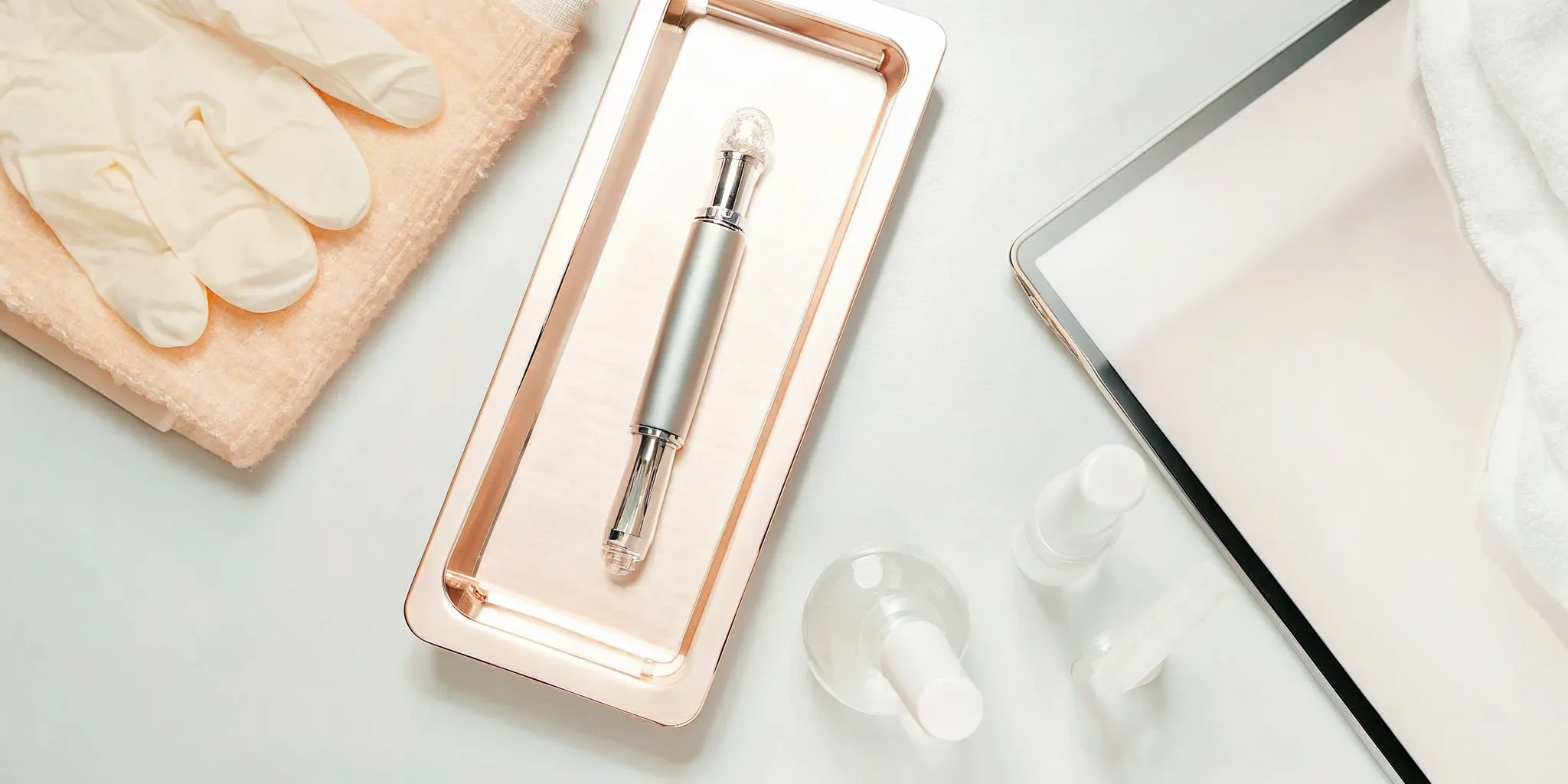
Microneedling might sound a little intense, but it’s actually a straightforward and brilliant process. The treatment uses a special device with tiny, sterile needles to create thousands of micro-punctures in the top layer of your skin. These controlled micro-injuries are the key. They send a signal to your body to jumpstart its natural healing process.
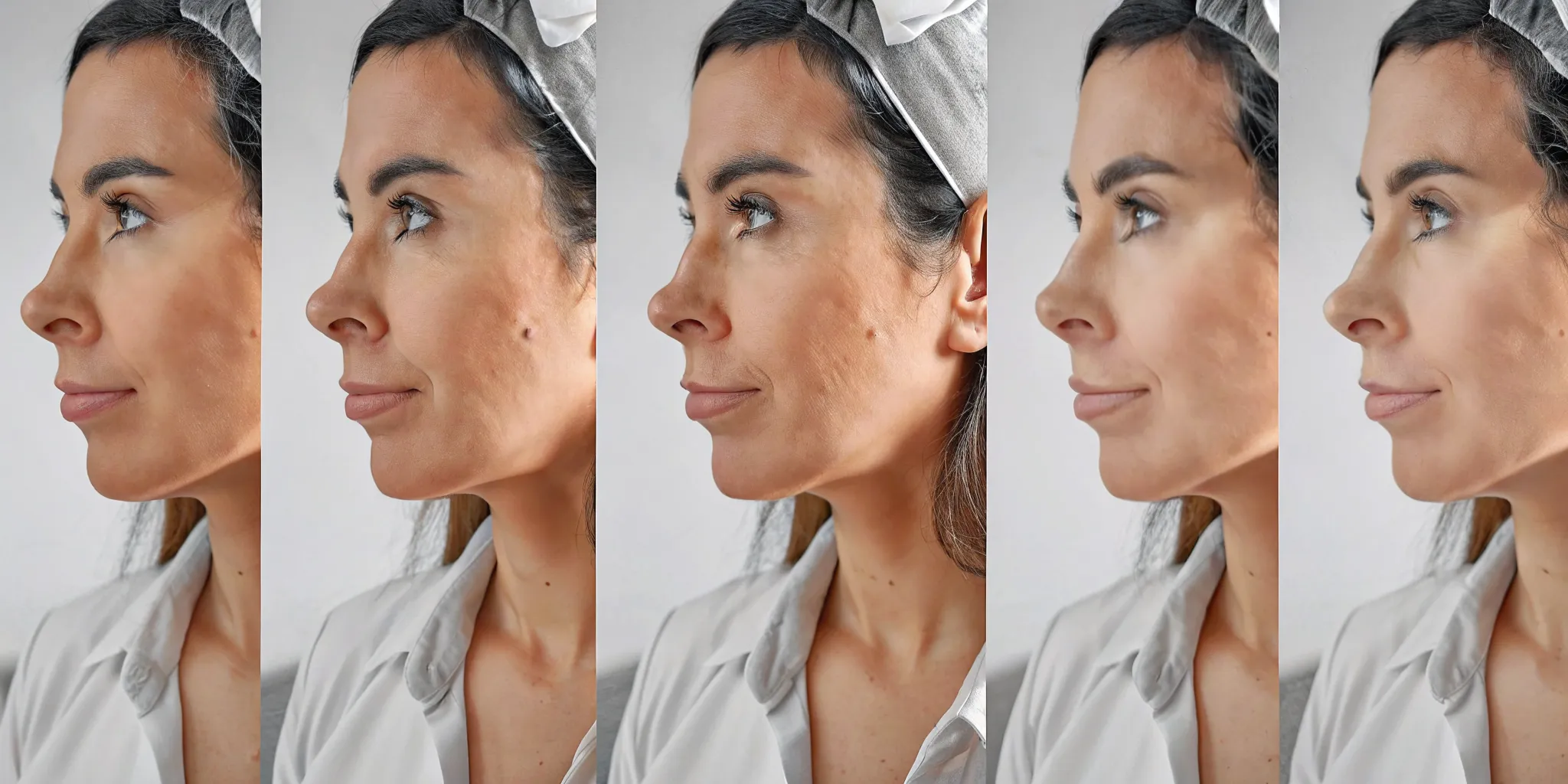
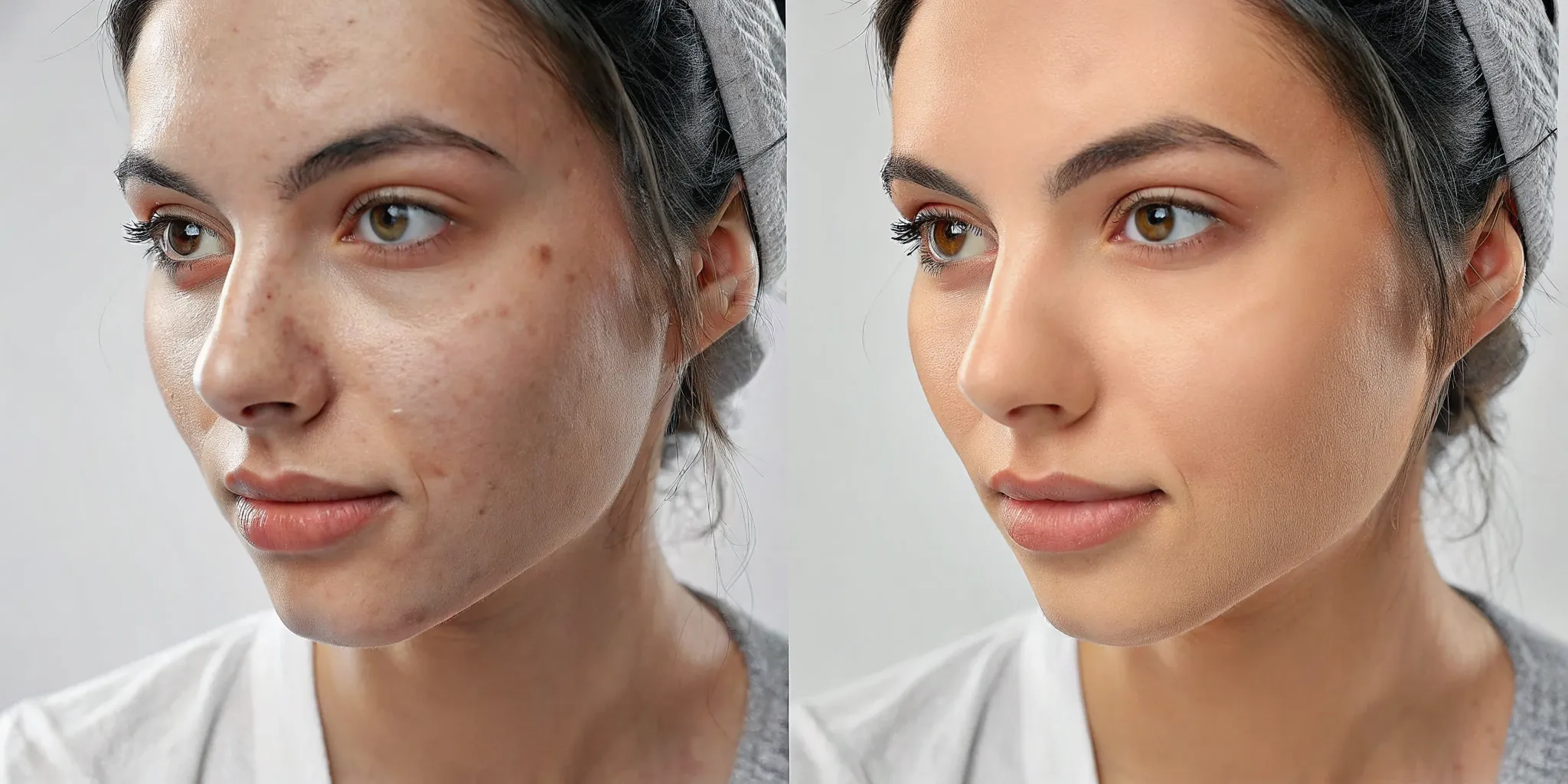
In response, your skin ramps up the production of collagen and elastin, the two essential proteins that give your skin its structure, firmness, and elasticity. This new collagen helps smooth out fine lines, fill in acne scars, and improve overall texture and tone. Our SkinPen microneedling treatment is a fantastic way to harness this natural renewal process for a visibly refreshed appearance.
How Does Laser Resurfacing Work?
Laser resurfacing takes a more high-tech approach to skin renewal. This treatment uses concentrated beams of light energy to target and improve specific skin concerns with incredible precision. There are generally two types of lasers used. Ablative lasers work by carefully removing the thin, outer layer of damaged skin (the epidermis) and heating the underlying skin to stimulate collagen growth. This process reveals the fresh, new skin underneath.
Non-ablative lasers are less invasive. Instead of removing skin, they work by heating up the tissue beneath the surface without harming the top layer. This heat also triggers collagen production, helping to improve skin tone and texture over time. Because these aesthetic treatments are so powerful, they can deliver dramatic results for concerns like significant sun damage, deeper wrinkles, and stubborn scars.
What Skin Concerns Do They Treat?
Both microneedling and laser resurfacing are fantastic for hitting the reset button on your skin, but they shine in slightly different ways. Think of them as two different paths leading to a similar destination: healthier, more radiant skin. Your choice often comes down to the specific concerns you want to address and how quickly you want to see changes. Whether you’re dealing with texture issues, signs of aging, or stubborn scars, one of these treatments is likely a great fit for your goals.
The Benefits of Microneedling
If you have a list of skin concerns you’d like to address, microneedling is an incredible all-in-one solution. This treatment is a powerhouse for improving overall skin texture and creating a more even, uniform skin tone. It’s particularly effective at softening the appearance of fine lines, wrinkles, and acne scars. Many people also see great results with SkinPen microneedling for reducing age spots and even stretch marks. Beyond that, it helps tighten pores and firm up skin that has lost some of its elasticity, giving you a refreshed and subtly lifted look.
The Benefits of Laser Resurfacing
When you’re looking for more significant and faster results, laser resurfacing is a go-to option. While creams and peels work on the surface, laser treatments go deeper to create more noticeable changes. This makes them highly effective for addressing signs of aging, like deeper wrinkles and sun damage. Laser resurfacing is also one of the best services for smoothing out rough skin texture and promoting a clearer, more vibrant complexion. It’s a powerful treatment that delivers visible improvements in your skin’s health and appearance.
Best Skin Types for Each Treatment
This is where the two treatments really differ. Microneedling is widely considered safe and effective for all skin tones. When performed by an experienced professional, it has an excellent safety profile, especially for those with deeper skin tones (Fitzpatrick types IV-VI) who might be at higher risk for pigmentation issues with other treatments. Laser resurfacing, on the other hand, is typically better suited for lighter skin tones. This is because the laser energy can sometimes cause changes in skin color, or hyperpigmentation, in darker skin.
Key Differences: A Side-by-Side Look
When you’re deciding between two popular skin treatments, it helps to see how they stack up against each other. While both microneedling and laser resurfacing aim to give you smoother, clearer skin, they get there in very different ways. Let’s break down the key distinctions in how they work, when you’ll see results, and who they’re best suited for. Understanding these differences will help you feel more confident when you discuss your options with a skincare professional.
The Treatment Process
Microneedling works by creating tiny, controlled punctures in the skin with fine needles. This process triggers your body’s natural healing response, encouraging it to produce more collagen and elastin. Think of it as a gentle nudge to get your skin to repair and rejuvenate itself from the inside out. The result is firmer, smoother skin over time.
Laser resurfacing, on the other hand, uses focused beams of light to address skin concerns. Some lasers (ablative) remove the outermost layer of skin to correct deeper issues like scars and significant wrinkles. Other lasers (non-ablative) heat the underlying skin tissue to stimulate collagen growth without removing the surface layer, making for an easier recovery.
Your Results Timeline
Patience is key with microneedling, as the most noticeable results appear gradually. You might see an initial glow, but the real magic happens over the following weeks and months as your skin builds new collagen. It’s a slow and steady process that leads to natural-looking improvement.
With laser resurfacing, the timeline can vary. An ablative laser treatment can produce dramatic results after just one session, though it comes with more downtime. Non-ablative lasers typically require a series of three to five treatments to achieve the desired outcome. For both types, it can still take several weeks for the final results to fully emerge as your skin heals and regenerates.
Which Skin Types Are Compatible?
One of the biggest advantages of microneedling is that it’s generally considered safe for all skin tones. Because it doesn’t use heat to the same degree as lasers, there’s a much lower risk of it causing hyperpigmentation or dark spots, especially for those with darker complexions.
Laser resurfacing requires a more careful approach depending on your skin type. Ablative lasers, in particular, carry a higher risk of causing discoloration or even scarring on darker skin tones. This is why a professional consultation is so important. An expert can assess your skin and recommend the safest, most effective treatment to help you reach your goals without unwanted side effects.
What to Expect During Recovery
Understanding the recovery process is a huge part of choosing the right skin treatment. While both microneedling and laser resurfacing can deliver incredible results, their downtime looks quite different. One of the best things you can do for your skin is to plan ahead and give it the time it needs to heal properly. Knowing what to expect will help you schedule your treatment at the right time and prepare for a smooth, comfortable recovery. Let’s walk through what the healing journey typically looks like for each procedure.
Recovering from Microneedling
If a short recovery time is important to you, you’ll love microneedling. The downtime is minimal, which is a major plus for anyone with a busy schedule. For the first one to three days after your session, your skin will likely look and feel like you have a mild sunburn. It might appear a little pink or red and feel slightly rough to the touch. Some light peeling a few days later is also completely normal as your skin begins to regenerate. Most people feel comfortable returning to their regular activities the very next day.
Recovering from Laser Resurfacing
The recovery from laser resurfacing depends entirely on the type of laser used. Non-ablative lasers are gentler and typically require only two to three days of recovery. You can expect some redness and a feeling similar to a strong sunburn. Ablative lasers, on the other hand, are more intensive and require a longer healing period, usually between five and ten days. During this time, you should plan for significant redness, swelling, and some scabbing or peeling as fresh, new skin forms. We offer a variety of laser services and will help you understand the specific recovery plan for your treatment.
Aftercare Tips for a Smooth Recovery
Proper aftercare is essential for getting the best results and protecting your newly treated skin. The number one rule for both treatments is sun protection. Your skin will be extra sensitive, so applying a broad-spectrum sunscreen with SPF 30 or higher every single day is non-negotiable. Sun exposure can interfere with the healing process and even lead to unwanted side effects. You’ll also want to use gentle, recommended skincare products and avoid harsh exfoliants for a while. We’ll give you detailed instructions, but if you ever have questions, please contact us for guidance.
Potential Risks and Side Effects
It’s completely normal to have questions about the safety of any new skincare treatment. The good news is that both microneedling and laser resurfacing have excellent safety profiles, especially when you’re in the hands of a trained and experienced professional. Let’s walk through what you can expect so you can feel confident about your choice.
Microneedling: What to Know
Microneedling is widely considered a safe and effective treatment for most people. Because it’s minimally invasive, the side effects are usually mild and temporary. It’s common to experience some redness, minor swelling, and a tight feeling for a day or two after your session, similar to a mild sunburn.
The key to a safe experience is working with a skilled provider. When performed by a professional, microneedling is a reliable method that won’t cause long-term damage. Serious side effects like infection or scarring are very rare and typically happen when treatments are done in non-sterile environments or with improper technique.
Laser Resurfacing: What to Know
Laser treatments are more powerful than microneedling, which means they can deliver more dramatic results. This intensity also brings a slightly higher potential for side effects, but they are still uncommon. After a laser session, you might notice redness, swelling, and some peeling as your skin heals and reveals a fresh, new layer.
The most important factor for a safe laser treatment is personalization. A one-size-fits-all approach doesn’t work. Your provider should tailor the laser’s intensity and type to your specific skin concerns and goals. This customized approach ensures you get the best results while minimizing any risks.
Common Safety Myths, Busted
One of the biggest myths out there is that microneedling and certain laser treatments aren’t safe for darker skin tones. Years ago, this might have been a concern, but technology has come a long way. Modern microneedling techniques have demonstrated safety across all skin tones when performed by an experienced provider.
The same goes for many advanced laser systems. As long as you’re working with a trained professional who understands how to adjust the treatment for different skin types, these procedures are safe and effective. If you have any concerns, the best first step is to schedule a consultation to discuss your unique skin needs.
Comparing the Costs
Let’s talk about the investment. Deciding on a skin treatment is about more than just the procedure itself; it’s also about understanding the financial commitment. Both microneedling and laser resurfacing are powerful options for rejuvenating your skin, but their costs can differ. Knowing the general price range and the factors that influence it can help you make a confident choice that aligns with your beauty goals and your budget. It’s important to remember that these are professional, medical-grade services, and the price reflects the expertise of the provider and the quality of the technology used.
Think of it as an investment in your skin’s long-term health and your own confidence. While one treatment might seem more affordable per session, the other could be more cost-effective overall depending on your specific needs. For example, addressing fine lines might require a different number of sessions than treating deep acne scars, which will naturally affect the total price. The key is to find the right balance between the results you want and what feels comfortable for your budget. We’ll break down what you can expect so you can plan accordingly. It’s all about transparency, so you can feel fully informed before moving forward with any treatment plan.
Microneedling vs. Laser Resurfacing: The Price Tag
On average, a single microneedling session can cost between $200 and $700. Because the best results come from a series of treatments, the total cost for a complete plan often lands between $900 and $2,500. This multi-session approach allows for gradual, cumulative improvements in your skin’s texture and tone.
Laser resurfacing typically has a higher price per session, ranging from $500 to over $2,500. The exact cost depends heavily on the type of laser used. However, you might need fewer laser treatments to achieve your desired outcome. For more significant skin concerns, this can sometimes make the total investment similar to a full course of microneedling.
What Affects the Final Cost?
The numbers above are a starting point, but your final cost will be unique to you. Several factors play a role, including the severity of your skin concerns, the size of the area being treated, and the total number of sessions needed to reach your goals. It’s also good to know that since these are considered cosmetic procedures, they usually aren’t covered by health insurance.
The best way to get a clear picture of the cost is to talk with a professional. A one-on-one consultation allows an expert to assess your skin and create a personalized treatment plan. This is your chance to ask questions and get a precise quote tailored to your needs. You can schedule a consultation to explore your options and find the perfect fit for your skin and budget.
How to Choose the Right Treatment for You
Deciding between two effective skincare treatments can feel like a tough choice, but it doesn’t have to be complicated. The best path forward really depends on your unique skin, your primary beauty goals, and the amount of downtime your lifestyle can accommodate. Think of it less as a competition and more as finding the perfect fit for your specific needs.
To make an informed decision you feel confident about, you need to look at two key factors: what you want to achieve and who you trust to perform the treatment. By clearly defining your goals, you can narrow down which procedure aligns best with the results you’re hoping for. From there, finding a skilled professional is the final step to ensuring your treatment is safe, effective, and tailored just for you.
Matching the Treatment to Your Goals
Let’s start by thinking about your main skin concerns. If you’re looking to improve skin texture, soften the appearance of acne scars, or reduce fine lines and stretch marks, microneedling is an excellent option. It works gradually to stimulate collagen, giving you subtle, natural-looking improvements with very little recovery time.
On the other hand, if your goals include addressing more significant issues like deep wrinkles, extensive sun damage, or prominent scars, laser resurfacing might be the better choice. This treatment typically delivers more dramatic results in fewer sessions. It’s also worth noting that microneedling is often a safer option for darker skin tones, while laser treatments can be more suitable for lighter complexions.
Finding a Trusted Provider in Texas
The success of your treatment depends just as much on the provider as it does on the procedure itself. The best way to ensure you get amazing, safe results is to work with a qualified and experienced professional. They can properly assess your skin type, listen to your concerns, and recommend the treatment that will truly work for you.
Your first step should always be to book a consultation with a team you trust. During this meeting, you can ask all your questions and get a personalized plan that considers your goals and lifestyle. A knowledgeable provider will guide you toward the right choice, making sure you feel comfortable and confident before moving forward with any treatment.
Related Articles
- Collagen Induction Therapy: A Complete Guide – Ultimate Image MedSpa
- SkinPen vs. Microneedling: Which Is Best for You? – Ultimate Image MedSpa
- Microneedling Benefits: Your Guide to Glowing Skin – Ultimate Image MedSpa
Frequently Asked Questions
Which treatment is better for anti-aging? This really depends on what signs of aging you want to address. If your main concerns are fine lines, a loss of firmness, or uneven skin texture, microneedling is a fantastic choice. It gradually builds collagen for a natural, refreshed look. If you’re dealing with more significant concerns like deeper wrinkles or extensive sun damage, laser resurfacing can offer more dramatic and targeted results.
How many treatment sessions will I actually need? The number of sessions is completely tailored to your skin and your goals. For microneedling, most people see the best results after a series of three to six treatments, spaced about a month apart. With laser resurfacing, a powerful ablative laser might deliver the results you want in a single session, while gentler non-ablative lasers often require three to five sessions. We can create a precise plan for you during a consultation.
I have a darker skin tone. Is laser resurfacing completely off the table for me? Not necessarily, but it’s a very important consideration. Microneedling is often recommended for darker skin tones because it has a very low risk of causing pigmentation changes. However, certain advanced lasers can be used safely on darker skin when handled by a highly trained professional who knows how to adjust the settings properly. A thorough consultation is essential to determine the safest and most effective option for you.
Do these treatments hurt? Your comfort is a top priority, and we take steps to make sure both treatments are very manageable. Before microneedling, we typically apply a topical numbing cream, so most people just feel light pressure or a vibrating sensation. Laser resurfacing can feel like a series of quick, warm snaps against the skin, but we also use numbing cream and cooling devices to keep you comfortable throughout the session.
Is there a best time of year to get these treatments done? Because both microneedling and laser resurfacing make your skin highly sensitive to the sun, proper aftercare is critical. Many people find it easier to schedule these treatments during the fall and winter when they are naturally spending less time outdoors. However, you can get great results any time of year as long as you are extremely diligent about applying a broad-spectrum sunscreen and protecting your skin from direct sun exposure.