If you’ve ever spent time scrolling through skin transformations online, you know that nothing tells a story quite like a great before-and-after photo. It cuts right through the hype and shows you what’s truly possible. When it comes to tackling issues like sun damage, redness, or uneven skin tone, the most compelling evidence often comes from looking at a photofacial before and after gallery. This non-invasive treatment, also known as an IPL, uses light energy to target pigment and redness, effectively resetting your complexion. In this guide, we’ll walk you through everything you need to know, from how it works to what recovery looks like, so you can understand exactly how those incredible results are achieved.
Key Takeaways
- Correct Color and Tone with Precision: A photofacial uses light energy (IPL) to zero in on specific concerns like sun spots, age spots, and redness from rosacea. It’s an effective way to even out your complexion by targeting unwanted pigment and broken capillaries.
- Protect Your Investment with Proper Care: Getting the best results goes beyond the treatment room. Diligently avoiding sun exposure before your session and committing to a gentle aftercare routine with daily SPF is essential for a smooth recovery and lasting clarity.
- Think in Terms of a Series, Not a Single Session: While you’ll see improvements after one treatment, the most dramatic and lasting changes come from a series of three to five sessions. Plan for a full course of treatment to achieve your goals, followed by occasional maintenance sessions.
What is a Photofacial?
If you’ve ever wished you could hit a reset button on sun damage, age spots, or persistent redness, you’ve probably heard the term “photofacial.” So, what exactly is it? A photofacial, also known as an IPL (Intense Pulsed Light) treatment, is a fantastic, non-invasive way to improve the color and texture of your skin. Think of it as a powerful, light-based treatment that targets the specific skin issues that bother you most, without requiring any significant downtime. It’s a modern solution for anyone looking to undo some of the visible effects of sun exposure and aging, helping to restore a more youthful and even complexion.
Unlike lasers that use a single, focused wavelength of light, IPL uses a broad spectrum of light energy. This light is delivered in short, gentle pulses that penetrate the skin to target pigment and redness. The body’s natural healing process then kicks in to clear away these targeted cells, revealing clearer, more even-toned skin underneath. It’s one of the most popular aesthetic services for a reason—it effectively addresses multiple concerns at once, from freckles and sunspots to rosacea and broken capillaries, giving your complexion a much-needed refresh.
How IPL Technology Works
Let’s get into how this amazing technology actually works, without making it feel like a science class. IPL, or Intense Pulsed Light, uses scattered light to gently heat the skin. This light is absorbed by the melanin (the pigment in brown spots) and hemoglobin (the red blood cells in broken capillaries). As these targeted areas absorb the light energy, they are damaged and then naturally filtered away by the body. The treatment works on both the surface layer (epidermis) and the deeper layer (dermis) of your skin, which also helps stimulate collagen production for a subtle firming effect over time.
What Skin Concerns Can a Photofacial Address?
One of the best things about a photofacial is its versatility. It’s not a one-trick pony; it can tackle a whole range of common skin complaints that keep you from feeling your most confident. If you’re dealing with discoloration from years of sun exposure, a photofacial can help break up that pigment and fade those spots. It’s also incredibly effective for reducing generalized redness and the flushing associated with rosacea. Other concerns it can address include visible blood vessels, enlarged pores, and uneven skin texture. It’s an all-around great option for anyone looking to achieve a more balanced and radiant complexion.
The Benefits: What Results Can You Expect?
Patience is key when it comes to photofacial results, but it’s well worth the wait. You won’t walk out of your first appointment with perfect skin, but you will notice gradual improvements over the following weeks. Your skin’s tone and texture will slowly become more even as dark spots begin to fade and flake away. Many people describe their skin as looking brighter and healthier. For the best outcome, a series of treatments is usually recommended, typically spaced about four to six weeks apart. This allows your skin to fully heal and respond between sessions, leading to more comprehensive and lasting results.
Is a Photofacial Right for You?
While photofacials can deliver incredible transformations, they aren’t the right fit for everyone. The treatment works best on lighter skin tones because the IPL technology targets pigment, and there’s a risk of discoloration on darker skin. It’s also important to have realistic expectations—results can vary from person to person based on your skin type, the severity of your concerns, and your aftercare routine. The absolute best way to know if a photofacial will help you achieve your beauty goals is to have a conversation with a professional. We can assess your skin and create a personalized treatment plan just for you, so feel free to contact us to schedule your consultation.
How to Prepare for Your Photofacial
Getting incredible results from your photofacial starts long before you step into the treatment room. Proper preparation is the key to ensuring your skin responds beautifully to the treatment and that you get the glowing complexion you’re looking for. Think of it as setting the stage for a great performance—a little effort beforehand makes a world of difference. By following a few straightforward steps, you can help maximize your results, minimize potential side effects, and make the entire experience smooth and comfortable. Let’s walk through exactly what you need to do to get ready for your appointment.
Your Initial Consultation: What to Expect
Your journey begins with a one-on-one consultation. This first meeting is all about you, your skin, and your goals. A specialist will carefully assess your skin type and discuss the specific concerns you want to address, whether it’s sun spots, redness, or uneven texture. It’s so important to be open during this chat—be sure to share any medications you’re taking or skin products you use regularly, as this information helps us create the safest and most effective treatment plan for you. This is your time to ask questions and get comfortable with the process. Ready to get started? You can contact us to book your initial consultation today.
Simple Pre-Treatment Guidelines to Follow
To get your skin ready for its big day, there are a few things you’ll need to avoid. Your top priority is to stay out of the sun. For at least two weeks before your photofacial, steer clear of direct sun exposure and tanning beds. You’ll also want to pause using any self-tanning products for about four weeks prior to your appointment, as the treatment is most effective on your natural skin tone. On the day of your treatment, please arrive with a completely clean face. That means no makeup, lotions, or sunscreen. This clean canvas allows the IPL technology to work its magic without any barriers, ensuring you get the best results possible.
How to Prep Your Skin for the Best Results
While you’re avoiding the sun, you can focus on getting your skin into optimal condition. The best way to do this is by following the specific instructions from your specialist and sticking to a simple, gentle skincare routine. In the days leading up to your treatment, use a mild cleanser and a good moisturizer to keep your skin calm, hydrated, and healthy. It’s best to avoid any harsh exfoliants or new products during this time. While you may be interested in our other services, hold off on any other intensive facial treatments unless they have been cleared by your specialist to ensure your skin is perfectly prepped for the photofacial.
What to Bring on Treatment Day
You don’t need to bring much with you, but a few small items can help make your experience even more comfortable. If your specialist recommended any specific post-treatment skincare products, it’s a good idea to have them with you. We also suggest bringing a pair of sunglasses to protect your eyes from light sensitivity on your way home. Finally, wear comfortable clothing that allows for easy access to the treatment area, especially if you’re having your neck or décolletage treated. Our goal is to make you feel completely at ease, so these little details can help you relax and enjoy the process.
What Happens During the Treatment?
Walking into a treatment room for the first time can feel a little mysterious, but a photofacial is a surprisingly straightforward and quick process. Knowing exactly what to expect can help you relax and feel confident as you get started. From the moment you lie back in the treatment chair, our team is focused on your comfort and safety. We’ll talk you through every step, but here’s a little preview of what your appointment will look like. The entire procedure is designed to be efficient and effective, getting you in and out with minimal fuss so you can get back to your day.
Our goal is to make your experience as smooth as possible. We handle all the details so you can simply focus on the exciting results ahead. Think of it as a dedicated moment of self-care, guided by a professional who has your skin’s best interests at heart. We’ll ensure you’re comfortable and informed from start to finish.
A Step-by-Step Look at the Procedure
First things first, we’ll get your skin ready for the treatment. Your technician will gently cleanse your face to remove any makeup, oil, or impurities. Once your skin is clean, we’ll apply a thin layer of cool gel to the treatment area. This gel feels refreshing and serves two important purposes: it helps the light from the device penetrate your skin more effectively, and it keeps the surface of your skin cool and comfortable. Next, you’ll be given a pair of special protective glasses to wear. This is a crucial step to shield your eyes from the bright pulses of light used during our IPL treatments.
Keeping You Comfortable and Safe
Your safety and comfort are our top priorities. The protective eyewear ensures your eyes are completely safe, and our highly trained technicians are experts at performing the treatment with precision. As the session begins, the technician will place the smooth, glass surface of the IPL handpiece onto your skin. As the pulses of light are delivered, you might feel a sensation often described as a quick snap, similar to a rubber band against the skin. This feeling is very brief and most people find it quite tolerable. We’ll check in with you throughout the process to make sure you’re doing okay. If you have any concerns, you can always ask us anything beforehand.
How Long It Takes and What It Feels Like
One of the best parts about a photofacial is how fast it is. The actual treatment typically takes only about 10 to 15 minutes, depending on the size of the area being treated. This makes it an easy procedure to fit into a busy schedule—you could even do it on your lunch break. The sensation is often described as a warm, snapping feeling that lasts for just a millisecond with each pulse of light. While you’ll definitely feel it working, it’s a very manageable and quick experience. It’s one of our most popular and efficient treatments, much like a Hydrafacial, for delivering great results without a huge time commitment.
Your First Few Hours After Treatment
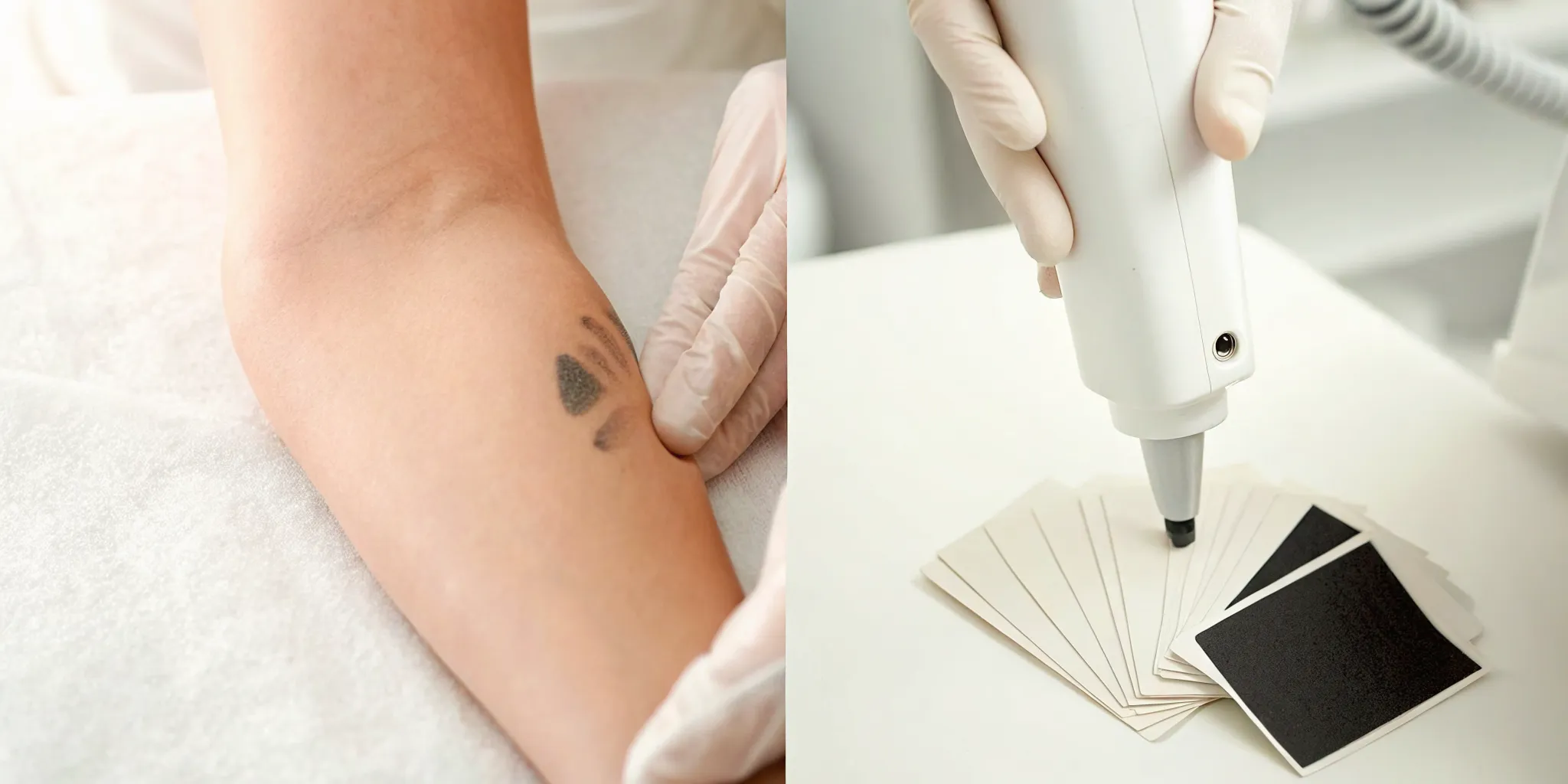
Immediately after your session, it’s normal for your skin to look a bit red and feel warm, much like a mild sunburn. This sensation usually fades within a few hours. You might also notice some minor swelling, particularly if we treated the delicate skin around your eyes. Don’t be alarmed if you see your dark spots or pigmented areas looking even darker at first—this is actually a great sign! It means the treatment successfully targeted the pigment. These darkened spots will gradually make their way to the surface of your skin and flake off on their own over the next week or so, revealing clearer, more even-toned skin underneath.
Your Photofacial Recovery Guide
So, your photofacial is done! Now it’s time to focus on recovery to make sure you get those beautiful, lasting results. Your skin needs a little extra TLC for the next few days, but the aftercare process is straightforward. Think of it as the final step in revealing your refreshed, even-toned complexion. Following these simple guidelines will help your skin heal properly and ensure you get the most out of your treatment. Let’s walk through exactly what to expect and what to do, from the first 24 hours to the weeks ahead.
The First 24 Hours: What to Do
Right after your treatment, your skin will likely look and feel like you have a mild sunburn. Expect some redness, a warm sensation, and maybe a bit of minor swelling, especially under the eyes. You’ll also notice that any dark spots or pigmented areas you were targeting have become darker. Don’t panic—this is a great sign! It means the treatment worked and those spots are getting ready to flake away. This initial reaction is completely normal and is the first step in the skin renewal process. Just be gentle with your skin and let it begin its healing journey.
Handling Common Side Effects
Your comfort is a top priority. If you feel any discomfort, you can take an over-the-counter pain reliever like Tylenol or Advil. The “sunburn” sensation usually fades within a few hours. For most people, it’s safe to return to your regular skincare routine within 24 to 48 hours, but it’s best to stick to gentle, non-irritating products at first. If you have any concerns about what you’re experiencing, don’t hesitate to contact us. We’re here to support you and answer any questions you might have as you heal.
Your Essential Aftercare Checklist
Ready for a simple to-do list? Here are the key things to focus on after your photofacial to ensure a smooth recovery and amazing results.
- Cleanse Gently: Wash your face with a mild, non-abrasive cleanser and cool water. Pat your skin dry with a soft towel—no rubbing!
- Moisturize: Keep your skin hydrated with a gentle moisturizer. This will help soothe any irritation and support the healing process.
- Hands Off: This is the most important rule! Do not pick, scratch, or scrub any of the darkened spots or flaky skin. Let them fall off naturally to avoid scarring and ensure an even result.
Why Sun Protection is Non-Negotiable
After a photofacial, your skin is extra sensitive to UV rays. Sun exposure can not only reverse your results but also lead to new pigmentation issues. Protecting your skin from the sun is absolutely critical. Make a habit of applying a broad-spectrum sunscreen with an SPF of 30 or higher every single day, even if it’s cloudy. This simple step is the best way to protect your investment and maintain that clear, glowing complexion long-term. Just like with our other light-based treatments, such as laser hair removal, consistent sun protection is key to achieving and keeping your desired outcome.
Your Results Timeline: Week by Week
One of the most exciting parts of any new skincare treatment is seeing the results unfold. A photofacial isn’t an overnight miracle, but a gradual process that reveals healthier, more even-toned skin over time. Understanding the timeline helps you know what to expect and how to best care for your skin as it heals and rejuvenates. Let’s walk through the journey week by week, so you can feel confident and prepared every step of the way.
What to Expect Each Week
In the first few days after your session, you might notice that your dark spots or freckles look a bit darker, almost like coffee grounds. Don’t panic—this is a great sign! It means the treatment worked and is bringing the pigmented cells to the surface. These spots will naturally flake off on their own within a week or two, revealing clearer skin underneath. Most people start to see a noticeable improvement in hyperpigmentation and overall skin tone within the first two weeks. Remember, patience is key. Your skin is actively repairing itself, and the best results from your photofacial treatments will continue to develop over the following weeks.
How Many Sessions Will You Need?
While you’ll see changes after just one photofacial, most people need a series of treatments to achieve their desired outcome. Think of it as building a foundation for incredible skin. Typically, a series of three to five sessions, spaced about four to six weeks apart, delivers the best results. This schedule allows us to target skin concerns at various stages of the skin’s natural renewal cycle. The exact number of treatments you’ll need depends on your specific goals and the condition of your skin. We’ll create a personalized plan for you during your initial consultation, ensuring your treatment path is perfectly tailored to you. You can always schedule a consultation to discuss your goals with our team.
Scheduling Your Touch-Up Sessions
Once you’ve completed your initial series of treatments and are loving your clear, glowing skin, you’ll want to maintain those beautiful results. We generally recommend scheduling a touch-up session once or twice a year. A good way to think about it is like a professional teeth cleaning—it’s a periodic maintenance step to keep everything in top shape. These follow-up appointments help address any new sun damage that may have occurred and keep issues like redness, dark spots, and uneven texture at bay. Regular touch-ups ensure your skin stays looking its best long after your initial treatment series is complete, making it a worthwhile investment in your long-term skin health.
How to Maintain Your Glowing Results
Your results are in your hands, too! The single most important thing you can do to protect your investment and maintain your results is to be diligent with sun protection. Daily use of a broad-spectrum sunscreen is non-negotiable, as sun exposure is the primary cause of the pigmentation and damage that photofacials correct. Following the aftercare instructions we provide is also crucial for healing and long-term success. Complementing your results with a solid at-home skincare routine and other treatments can also make a huge difference. For instance, a regular HydraFacial can help keep your skin hydrated, clean, and radiant between your photofacial touch-ups.
See the Results: Before and After
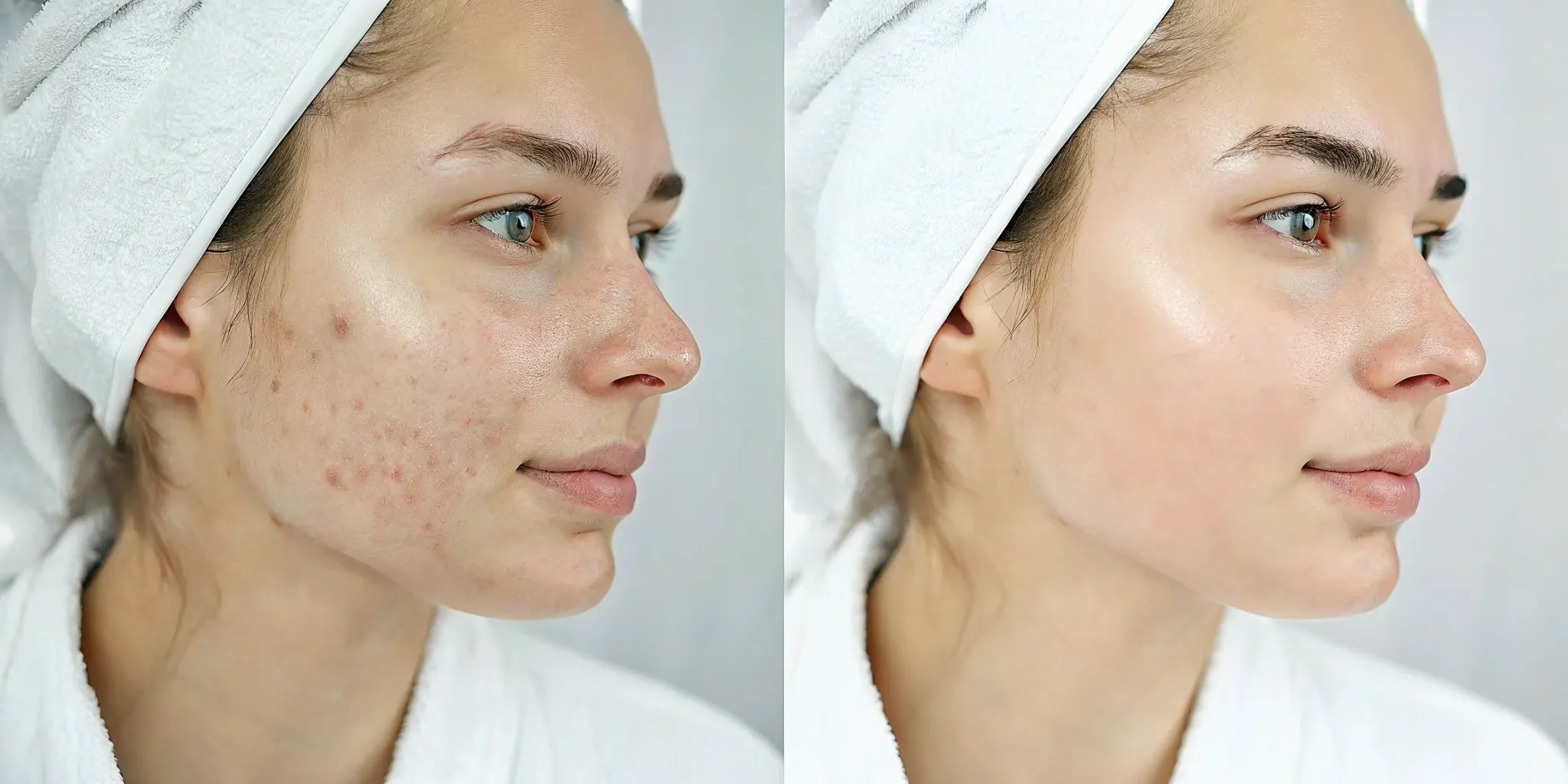
There’s nothing more satisfying than seeing a real transformation. While we can talk all day about how IPL technology works, the proof is in the pictures. Before-and-after photos are the best way to truly understand the impact a photofacial can have on your skin. They cut through the noise and show you tangible results, from reducing sun spots to clearing up redness. It’s one thing to hear that a treatment can give you a more even skin tone, but it’s another thing entirely to see it for yourself. These photos provide the visual evidence that helps you connect the science of the treatment to real-world outcomes, making the benefits feel much more attainable.
As you look at transformation photos, you’ll see how photofacials address a wide range of concerns across different complexions. These images are more than just marketing—they are real stories of skin renewal. They help you set realistic expectations and visualize what’s possible for your own skin. At Ultimate Image MedSpa, we believe in transparency and are proud of the results our clients achieve. Seeing these changes can be the motivation you need to start your own journey toward clearer, more radiant skin. Our team is here to help you achieve your own amazing “after” photo by offering a variety of advanced skin treatments. We want you to feel confident and informed every step of the way, and seeing the success of others is a huge part of that process.
Transformations for Different Skin Types
One of the first questions people ask is, “Will this work for my skin?” It’s a great question, and the answer often lies in the visual evidence. Photofacials are effective on a variety of skin types and tones, and before-and-after photos showcase this versatility beautifully. By looking at examples of people with similar complexions to your own, you can get a much clearer idea of the potential outcome. These photos serve as a powerful tool, demonstrating how the treatment is customized to address unique skin characteristics while ensuring safety and effectiveness. Seeing is believing, and these transformations provide the confidence you need to move forward.
Targeting Common Skin Concerns
Photofacials are fantastic for tackling specific skin issues head-on. If you’re dealing with stubborn sun damage, persistent redness from rosacea, or tiny broken capillaries around your nose, seeing photos of those exact concerns diminishing can be incredibly encouraging. Before-and-after galleries often highlight how IPL treatments precisely target and reduce pigmentation and vascular irregularities. This visual proof shows you that the treatment doesn’t just provide a general glow; it actively works to correct the things that bother you most, leading to a clearer and more even-toned complexion. It helps you see the specific aesthetic solutions available for your concerns.
Visualizing Your Progress Over Time
A photofacial isn’t a one-time fix; it’s a journey. Your best results will appear over a series of treatments, and your skin will continue to improve for weeks after each session. Think of it as a cumulative effect—each treatment builds on the progress of the last. Improvements often become much more noticeable after your second or third session as the deeper layers of your skin respond to the light therapy. This gradual progression is important to understand, as it ensures the changes are both effective and lasting. Patience is key, and documenting your journey helps you appreciate the subtle but significant improvements along the way.
How to Track Your Own Progress
To truly appreciate your transformation, I always recommend becoming your own documentarian. Before your first appointment, take a few clear, makeup-free photos of your face in good, natural light. Capture shots from the front and both sides. After each session, repeat the process in the same lighting and at the same angles. This creates a personal visual diary of your progress that can be incredibly motivating. You’ll notice changes that you might otherwise miss in the day-to-day mirror check. When you’re ready to start your own before-and-after story, contact us to schedule your initial consultation.
Related Articles
- Best eMatrix Treatment | Your Path to Glowing, Youthful Skin
- Pre and Post Treatment | Ultimate Image MedSpa in Texas
Frequently Asked Questions
Does a photofacial hurt? Most people describe the sensation as a quick, warm snap, similar to a rubber band flicking against the skin. While you’ll definitely feel it, the feeling is very brief and generally quite tolerable. We also apply a cooling gel to your skin beforehand, which helps keep you comfortable throughout the short treatment.
How is a photofacial different from a laser treatment? Think of it this way: a laser uses a single, highly focused beam of light to target a very specific issue. A photofacial, or IPL, uses a broad spectrum of scattered light. This allows it to address multiple concerns at once, like redness, sun spots, and broken capillaries, making it a great all-in-one treatment for improving your overall skin tone and texture.
How soon can I wear makeup after my treatment? It’s best to give your skin a little breathing room for at least 24 hours after your session. Your skin will be a bit sensitive, similar to a mild sunburn, and keeping it clean and makeup-free helps the initial healing process. After that first day, you can typically resume your normal makeup routine.
How long will my photofacial results last? With proper care, your results can be long-lasting. The key is protecting your skin from the sun, as new sun damage can bring back pigmentation and redness. Many people choose to have one or two maintenance sessions per year to keep their complexion clear and address any new concerns that pop up.
Why do my dark spots look darker right after the treatment? Seeing your spots darken is actually a great sign that the treatment worked perfectly! The intense pulsed light targets the pigment in those spots, causing it to break up and rise to the surface of your skin. These darkened areas will look like tiny coffee grounds and will naturally flake off on their own within a week or two, revealing clearer skin underneath.