Skip to content
Viewing a photofacial as an investment in your skin’s health is the best way to approach it. While the initial photofacial cost might seem significant, it’s important to consider the long-term value it provides. Think about the money spent on creams and concealers that only offer temporary fixes. A series of photofacials can deliver lasting results by correcting pigmentation and redness at a deeper level, giving you the kind of clear, even-toned skin that simplifies your daily routine. Here, we’ll explore the full financial picture, from package deals to financing options, helping you understand why this treatment is a worthwhile investment in your confidence.
Key Takeaways
- Achieve a Clearer, More Even Complexion: A photofacial uses Intense Pulsed Light (IPL) to specifically target and reduce unwanted pigment from sun damage, age spots, and redness, restoring a more uniform skin tone.
- Budget for a Series, Not a Single Session: Lasting results typically require a plan of three to six treatments. Factor the total cost into your budget and ask about package deals or financing options to make the investment more manageable.
- Your Provider Is Your Most Important Choice: The safety and quality of your results depend entirely on the skill of your technician. Always choose a qualified, experienced professional and use your consultation to ask questions and feel confident in their care.
What Is a Photofacial?
If you’ve ever wished you could hit a reset button on sun damage, you’re going to want to hear about the photofacial. Also known as an IPL (Intense Pulsed Light) treatment, a photofacial is a fantastic, non-invasive way to tackle some of the most common skin concerns. Think of it as a powerful tool that uses light to correct imperfections and give your skin a more even, youthful glow. It’s designed to address issues like sunspots, age spots, freckles, visible redness from rosacea, and broken capillaries.
Unlike lasers that use a single, focused wavelength of light, IPL uses a broad spectrum of light in gentle pulses. This allows it to treat multiple skin conditions at once. It’s one of the most popular services we offer because it delivers noticeable results with minimal downtime. If you’re looking for a way to refresh your complexion and reduce the signs of sun exposure, a photofacial could be the perfect fit.
How Photofacials Work
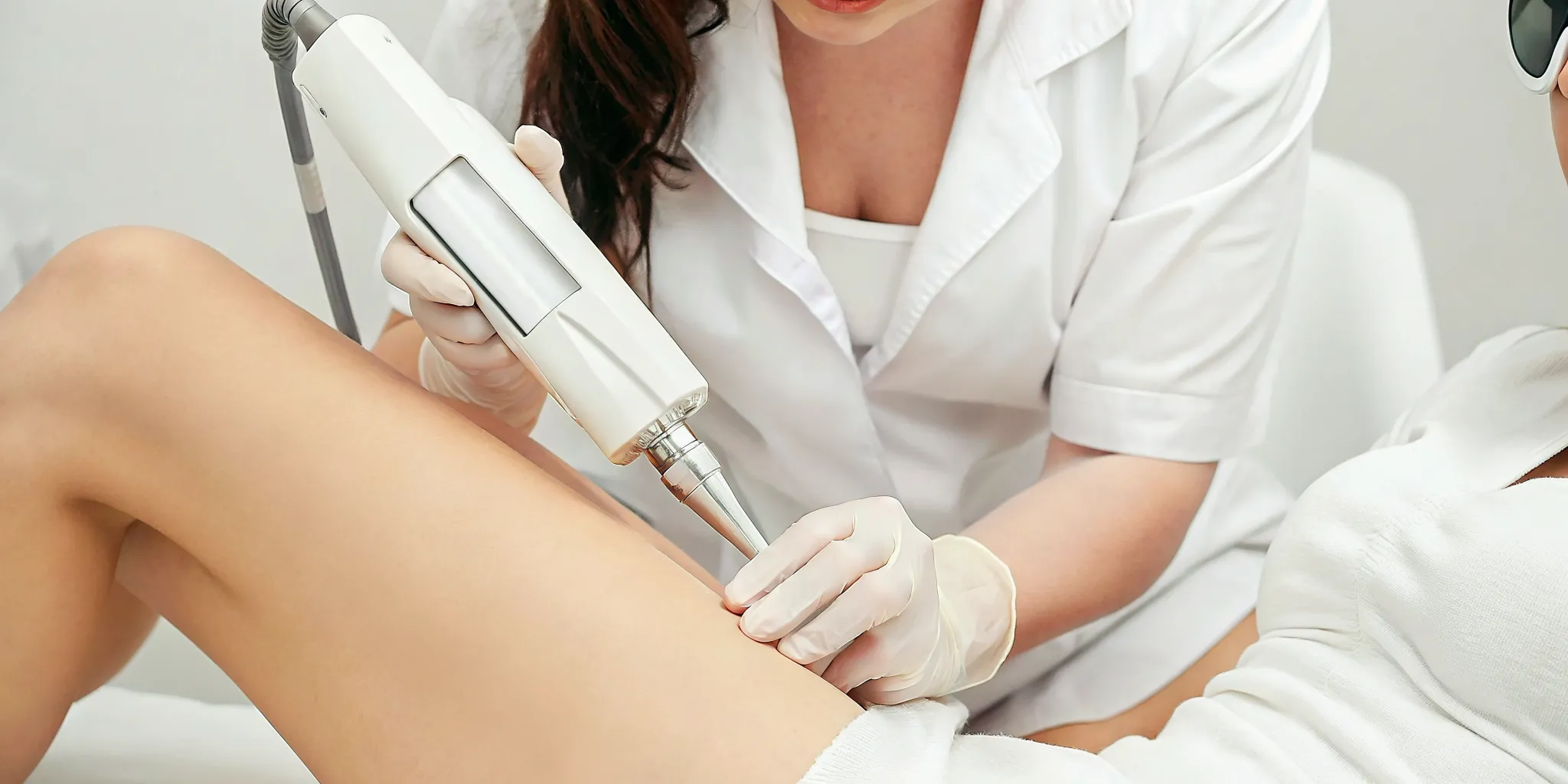
So, how does a flash of light actually fix skin concerns? It’s pretty amazing, really. During an IPL photofacial, a handheld device delivers pulses of broad-spectrum light to your skin. This light energy is absorbed by the darker pigments in your skin—like the melanin in sunspots and the hemoglobin in broken capillaries.
Once absorbed, the light energy converts to heat, which gently destroys the unwanted pigmented cells. Your body’s natural healing process then kicks in to remove these damaged cells, revealing clearer skin underneath. As a bonus, the heat also stimulates collagen production deep within your skin. This helps to improve skin texture, reduce fine lines, and give your face a firmer, smoother appearance over time.
Different Types of Photofacials
While the term “photofacial” can sometimes be used broadly, it most often refers to an IPL (Intense Pulsed Light) treatment. This is the gold standard and the technology we trust to deliver consistent, beautiful results. The broad-spectrum light of an IPL photofacial is what makes it so versatile, allowing it to target both brown spots and red spots in a single session.
It’s different from other popular treatments you might have heard of. For example, a Hydrafacial is a multi-step treatment focused on cleansing, exfoliating, and hydrating the skin, but it doesn’t use light to target pigment. When you’re looking to specifically address discoloration and sun damage, an IPL photofacial is the go-to choice.
Are You a Good Candidate for a Photofacial?
A photofacial is an excellent option for many people, but it’s especially effective for those with light to medium skin tones who are dealing with sun damage. If you have concerns like sunspots, age spots, freckles, or persistent redness from rosacea, you’re likely a great candidate. The treatment works best when there is a clear contrast between the pigmented spots and your natural skin tone.
However, IPL isn’t suitable for everyone. Because the light targets melanin, it can be less effective or even risky for very dark skin tones. It’s also not recommended if you have a recent tan. The best way to know for sure is to schedule a consultation with a qualified provider who can assess your skin and confirm if it’s the right treatment for your goals.
Common Areas for Treatment
Photofacials can be performed on almost any part of the body, but they are most commonly used on the areas that get the most sun exposure. The face is the number one spot, as it’s where sun damage and redness are often most noticeable.
Beyond the face, the neck and chest (or décolletage) are also very popular treatment areas. These spots are frequently exposed to the sun but are often overlooked in our daily skincare routines, leading to sunspots and uneven texture. The backs of the hands are another common area, as they can quickly show signs of aging and sun damage. Treating these areas can create a more cohesive and youthful appearance from your face all the way down.
How Much Does a Photofacial Cost?
Let’s talk about one of the most common questions I hear: what’s the investment for a photofacial? The truth is, the price isn’t one-size-fits-all. It can vary quite a bit based on where you go, the specific area you’re treating, and how many sessions you’ll need to get the results you’re looking for. Think of it less like buying a product off the shelf and more like creating a personalized plan for your skin. Understanding the different factors that go into the final cost will help you budget effectively and feel confident in your decision. Below is a breakdown of what you can generally expect when you start exploring photofacial pricing.
The Average Cost Per Session
When you start looking into photofacials, you’ll see a pretty wide price range. On average, a single session can cost anywhere from $300 to over $1,200. This variation often comes down to the technology being used and the provider’s level of expertise. A medspa using the latest equipment in a major city will likely have different pricing than a smaller clinic. It’s helpful to view this initial price as a baseline. The best way to get an accurate number for your specific needs is to schedule a consultation where a professional can assess your skin and give you a precise quote.
How Location Affects the Price
Just like with many other services, where you live plays a big role in how much a photofacial costs. Prices in a major metropolitan area like Dallas or Houston will often be different from those in smaller towns across Texas. This is due to differences in overhead costs and local market demand. For example, some sources show an average range of $300 to $500, while others note that in a city like Dallas, the cost can be closer to $700 to $1,200. This is why it’s so important to get a quote directly from the provider you’re considering.
Calculating the Cost of a Full Treatment
A photofacial is rarely a one-and-done deal. To achieve those clear, glowing results, most people need a series of treatments. Typically, a full treatment plan involves three to six sessions, spaced a few weeks apart. So, when you’re budgeting, you’ll want to multiply the per-session cost by the number of treatments recommended for you. The good news is that many medspas offer package deals when you purchase multiple sessions upfront. This can be a great way to save money on your overall treatment, so always be sure to ask about available service packages.
Are There Any Hidden Costs?
Transparency is key, so it’s smart to ask about any potential costs beyond the treatment itself. Some clinics might have a separate fee for the initial consultation. You may also need to invest in specific pre- or post-treatment skincare products to protect your skin and enhance your results. Follow-up appointments, while not always necessary, could also add to the total cost. A reputable provider will be upfront about all potential expenses during your consultation, so you have a complete picture of the investment before you commit to a plan.
Key Factors That Influence Photofacial Prices
When you start looking into photofacials, you’ll quickly notice that there isn’t a single, standard price. The cost can vary quite a bit, and that’s because several different elements contribute to the final number on your quote. Think of it less like buying a product off the shelf and more like commissioning a custom service tailored to your skin. The price reflects a combination of expertise, technology, and personalization designed to give you the best possible outcome. It’s a treatment where quality and safety are paramount, so the cost is structured to cover the high standards you should expect from a premier medspa. Understanding these factors will help you see exactly what you’re paying for and why the investment is worthwhile. From the specific areas you want to treat and the number of sessions you’ll need, to the location of the clinic and the skill of your provider, each piece plays a role in the total cost. Let’s break down the key components so you can budget with confidence and make an informed decision about your skincare journey.
Size of the Treatment Area
One of the most direct factors influencing the price is the size of the skin area you want to treat. A photofacial on just your face will naturally cost less than a session that also includes your neck, chest (décolletage), or hands. Larger areas require more time and more light pulses from the device, so the price adjusts accordingly. When you go in for your consultation, be clear about all the areas you’re concerned about so your provider can give you an accurate quote for the full scope of the treatment you desire.
Technology and Equipment Used
Not all photofacial devices are created equal. The type of technology the medspa uses plays a significant role in the cost. Newer, more advanced systems often come with a higher price tag because they can deliver more precise, effective, and comfortable treatments. For example, some clinics might use standard Intense Pulsed Light (IPL) technology, while others may invest in state-of-the-art BroadBand Light (BBL) systems. Better laser technology can mean better results in fewer sessions, making it a valuable part of your investment in your skin’s health and appearance.
Your Provider’s Experience and Expertise
The skill of the person performing your photofacial is paramount, and this expertise is reflected in the price. A highly trained and experienced provider, like a licensed esthetician or nurse working under medical supervision, will charge more than a less experienced technician. You’re paying for their deep understanding of skin anatomy, their precision with the equipment, and their ability to customize the treatment safely for your specific skin type and concerns. When it comes to your skin, the provider’s experience is a crucial factor for ensuring both safety and beautiful results.
The MedSpa’s Location
Where the medspa is located also affects pricing. Just like with real estate, location matters. Clinics in major metropolitan areas with a higher cost of living typically have higher overhead expenses—like rent and staff salaries—which translates to higher treatment prices. A medspa in a bustling city center will likely have different pricing than one in a smaller town. This is a practical aspect of the beauty industry, so it’s helpful to research the average local market rates in your area to get a realistic idea of what to expect.
The Number of Sessions You Need
A photofacial isn’t usually a one-and-done deal. To achieve the best, most lasting results for concerns like sunspots, redness, or uneven texture, most people need a series of treatments. Typically, a full treatment plan consists of three to six sessions, spaced about a month apart. The total cost is the price per session multiplied by the number of treatments you need. During your initial consultation, your provider will assess your skin and outline a personalized plan, giving you a clear picture of the cumulative cost required to reach your goals.
How to Budget for Your Photofacial
A photofacial is an investment in your skin’s health and your confidence, and like any smart investment, it helps to have a financial plan. Thinking about the cost ahead of time allows you to focus on what really matters: getting incredible results. The good news is that you don’t have to pay for the entire treatment upfront. With a little planning, you can make your skincare goals a reality without breaking your budget.
We believe clear, beautiful skin should be accessible. That’s why we’ve put together a few practical tips to help you budget for your photofacial treatment. From payment options to special deals, here are some simple ways to plan for the cost.
Explore Payment Plans and Financing
Many leading medspas understand that clients appreciate flexible payment options. Instead of covering the full cost in one lump sum, you may be able to spread it out over several months. Some clinics offer financing plans that you can apply for quickly, often without impacting your credit score or worrying about hidden fees. This approach makes it much easier to fit the treatment into your monthly budget. Don’t hesitate to ask about the payment and financing options available during your consultation. We’re always happy to discuss a plan that works for you.
Ask About Package Deals
Since most people need a series of photofacial sessions to achieve their desired results, many providers offer package deals. Purchasing multiple treatments at once is almost always more cost-effective than paying for them one by one. This is one of the easiest ways to reduce the overall cost of your treatment plan. When you come in for your initial consultation, be sure to ask about any available packages. It’s a great way to commit to your skin’s transformation while locking in a better price from the start.
Check for Insurance or FSA Coverage
It’s important to know that most health insurance plans do not cover photofacials because they are typically considered a cosmetic procedure. However, there can be exceptions. If you’re seeking treatment for a medical condition like severe rosacea, it’s worth checking with your insurance provider to see if any portion of the cost is covered. Additionally, you might be able to use funds from a Flexible Spending Account (FSA) or Health Savings Account (HSA) to pay for your treatment. Check with your plan administrator to confirm eligibility for our medspa services.
Look Out for Seasonal Promotions
Keep an eye out for special promotions throughout the year! Medspas often run seasonal deals or specials around holidays, which can be a perfect opportunity to save on treatments. Following your favorite provider on social media or signing up for their email newsletter is the best way to stay in the loop. These promotions can make a significant difference in the total cost, allowing you to get the same high-quality treatment for less. Planning your treatment around one of these events is a savvy way to budget for your glow-up.
What to Expect During and After Treatment
Deciding to get a photofacial is exciting, but it’s natural to wonder what the process actually looks like. From your first conversation to long-term maintenance, understanding the journey helps you feel confident and prepared. Here’s a step-by-step look at what you can expect when you begin your photofacial treatments.
Your Initial Consultation
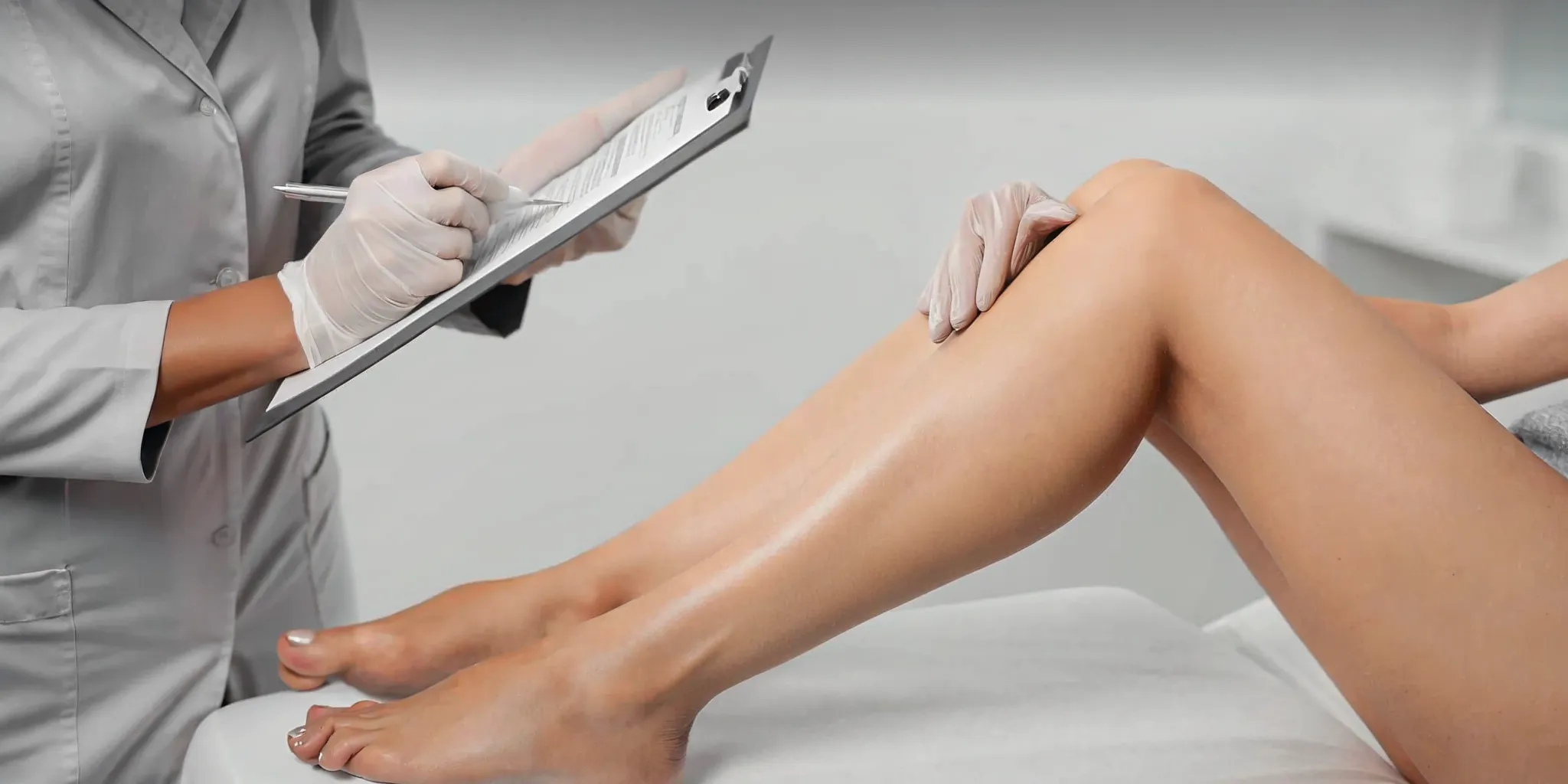
Your journey starts with a conversation. Before any light technology is involved, you’ll sit down with a specialist for an initial consultation. This is your time to share your skin concerns, your goals, and any questions you have. We’ll assess your skin type and condition to confirm that a photofacial is the right choice for you. Think of it as a strategy session where we map out a personalized treatment plan designed to deliver the results you’re looking for. It’s the most important first step to ensure your treatment is both safe and effective.
Your Treatment Timeline and Expected Results
A photofacial isn’t a one-and-done treatment. To achieve that clear, even-toned complexion, most people need a series of three to six sessions, typically spaced a few weeks apart. You’ll likely start seeing improvements after the first couple of treatments, with the full effect appearing after you’ve completed your series. The beautiful results can last for about a year, though this can vary based on your age, genetics, and lifestyle—especially how well you protect your skin from the sun. Consistent skincare is key to making your glow last as long as possible.
What Is Recovery and Downtime Like?
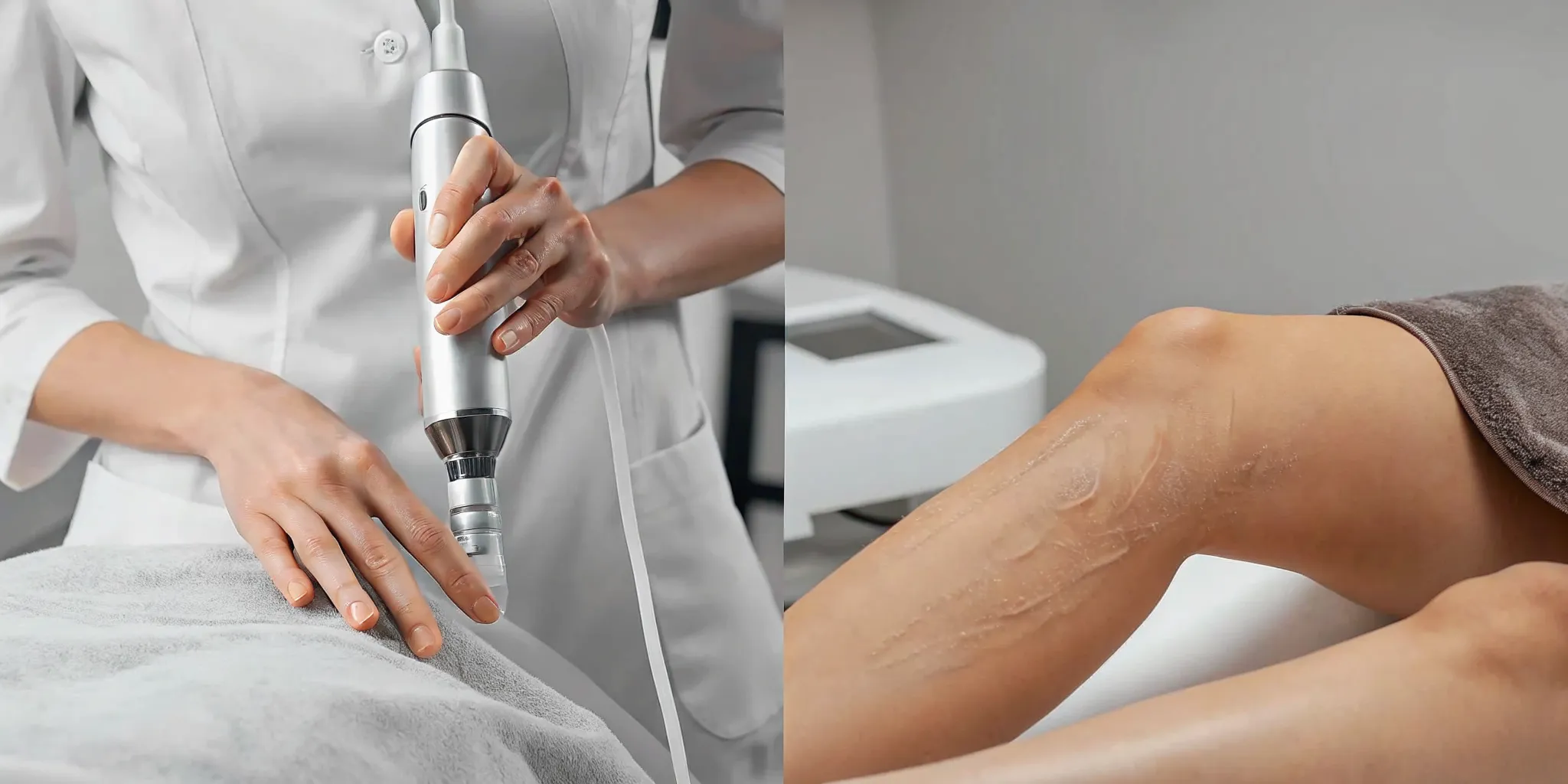
One of the best things about photofacials is the minimal downtime. Immediately after your session, you might experience some redness and mild swelling in the treated area, similar to a light sunburn. This feeling usually fades within a few hours to a couple of days. You may also notice your dark spots getting temporarily darker before they flake off. You can typically apply makeup and return to your normal activities right away, just be sure to be extra gentle with your skin and diligent with your sunscreen application.
The Cost of Maintaining Your Results
To keep your skin looking its best, you’ll want to plan for maintenance. After your initial series of treatments, most clients find that a touch-up session every 6 to 12 months is enough to preserve their results. The cost for a single photofacial session generally ranges from $300 to $500, depending on the treatment area and location. Factoring these follow-up appointments into your budget is a smart way to enjoy the long-term benefits of your investment. For specific pricing, it’s always best to contact us for a personalized quote during your consultation.
How to Choose a Safe and Qualified Provider
Finding the right person to perform your photofacial is just as important as the treatment itself. Think of it like choosing a hairstylist for a major color change—you want someone with skill, experience, and a great reputation. The quality of your results and your overall safety depend entirely on the expertise of the person handling the equipment. A great provider will not only deliver beautiful results but also ensure you feel comfortable and informed every step of the way.
When you invest in a cosmetic treatment, you’re investing in yourself, and that includes choosing a professional who respects that. This means looking for someone who works in a clean, professional environment, has extensive training, and can confidently answer all of your questions. Taking the time to vet your provider is the single best thing you can do to ensure a smooth experience and achieve the glowing skin you’re looking for. It’s about finding a partner in your skincare journey who can guide you toward the best possible outcome.
Know the Potential Risks
Let’s talk about side effects. It’s completely normal to have some minor, temporary reactions after a photofacial. Most people experience a warm or tingling sensation during the treatment, followed by some redness or pinkness in the area for a few hours. You might also notice slight swelling, but this usually subsides quickly. In some cases, you may see temporary changes in skin color, with some spots getting a bit darker before they flake off and reveal clearer skin underneath. These are all signs that the treatment is working. When performed by a skilled professional, serious side effects are very rare.
Why a Qualified Provider Is Essential
This is where your research really pays off. Choosing an experienced and trained professional is crucial to avoid issues like burns or scarring. A qualified provider understands the nuances of skin types and tones, and they know how to adjust the technology for your specific needs. They operate in a sterile, professional setting and can show you their credentials and examples of their work. At a reputable medspa, you’re not just paying for a procedure; you’re paying for the expertise and peace of mind that comes with knowing you’re in safe hands. Our team is trained to provide a range of aesthetic procedures with the highest standard of care.
Follow Pre- and Post-Treatment Care
Your provider does their part during the session, but your results also depend on how you care for your skin before and after. Following aftercare instructions is non-negotiable for getting the best outcome and avoiding complications. The most important rule is to protect your skin from the sun. Your skin will be extra sensitive, so using a broad-spectrum sunscreen every day is a must. Your provider will also give you specific instructions, which usually include keeping your skin well-moisturized and avoiding harsh exfoliants for a little while. Think of it as a team effort between you and your technician.
Key Questions to Ask Your Provider
Your initial consultation is the perfect time to play detective. Don’t be shy about asking questions—a great provider will be happy to answer them.
Here are a few to get you started:
- How many photofacial treatments have you performed?
- What kind of training and certifications do you have?
- What specific type of IPL technology do you use and why?
- Based on my skin, what kind of results can I realistically expect?
- Can you walk me through your pre- and post-treatment care instructions?
Feeling confident in your provider is key. If you’re ready to ask these questions, we invite you to schedule a consultation with one of our experts.
Is a Photofacial Worth It? Comparing Your Options
Deciding on any new skincare treatment is a big step, and it’s smart to weigh your options. A photofacial is a fantastic tool for tackling specific skin concerns, but understanding how it stacks up against other treatments will help you determine if it’s the right investment for you. Let’s look at how it compares in terms of results, longevity, and overall value.
How It Compares to Other Skin Treatments
A photofacial, also known as an IPL (Intense Pulsed Light) treatment, uses broad-spectrum light to address skin issues without surgery. It’s a go-to for concerns related to pigment, like sun damage, dark spots, and redness from rosacea. Unlike lasers that use a single wavelength, IPL uses multiple, making it versatile for treating a wider area.
So, how is it different from other popular treatments? While a photofacial targets discoloration, a treatment like SkinPen Microneedling is designed to improve skin texture, fine lines, and acne scars by stimulating collagen production. Meanwhile, a HydraFacial focuses on deep cleaning, hydrating, and infusing the skin with nourishing serums for an immediate glow. Each treatment has its specialty, and a photofacial excels at creating a clear, even-toned complexion.
Comparing Results and Longevity
One of the most common questions is, “How long will my results last?” With a photofacial, you can typically expect your clearer, more radiant skin to last for about a year. However, this isn’t set in stone. Your lifestyle and genetics play a huge role. Consistent sun protection and a solid at-home skincare routine are your best tools for extending the life of your results.
Compared to other treatments, the longevity is quite impressive. The glow from a HydraFacial might last for a few weeks, making it perfect for an event, while the collagen-building effects of microneedling can last for many months. A photofacial offers a great middle-ground, providing significant, lasting improvement for pigment-related issues that topical products often can’t resolve on their own.
Weighing the Costs vs. the Benefits
Let’s talk numbers. A single photofacial session can range from $600 to $1,500, depending on the treatment area and location. While that might sound like a significant investment, it’s important to consider the benefits you’re getting. A series of treatments can dramatically reduce years of sun damage, minimize persistent redness, and create a more uniform skin tone that you might otherwise spend a lot of time and money trying to cover with makeup.
When you think about the long-term cost of high-end creams or other less effective treatments that don’t deliver lasting change, a photofacial often proves to be a more efficient and effective solution. Many providers also offer package deals for a full series of treatments, which can make the overall cost more manageable.
Assessing the Long-Term Value
So, is it truly worth it? For many people, the answer is a resounding yes. In fact, a high percentage of people who have had the treatment—78% on RealSelf—report that it’s “Worth It.” The value comes from achieving visible, long-lasting results that boost confidence and simplify your daily routine.
Investing in a photofacial is investing in your skin’s long-term health and appearance. It addresses concerns at a deeper level, helping to reverse visible damage and restore a more youthful look. If your primary goals are to clear up sun spots, reduce redness, and achieve a brighter complexion, a photofacial offers incredible long-term value that is hard to match with other non-invasive skincare services.
Ready to Decide? Here’s Your Checklist
Define Your Personal Skin Goals
Before you book an appointment, take a moment to think about what you want to achieve. Are you looking to fade sunspots from years of Texas sun? Or maybe you’re tired of seeing redness and broken capillaries every time you look in the mirror. A photofacial is fantastic for targeting pigmentation and sun damage. Understanding your specific concerns is the first step, as it helps confirm if you’re a good candidate for an IPL photofacial. When you know exactly what you want to address, you can have a much more productive conversation with your provider and set clear, achievable goals for your skin.
Plan for Your Treatment Schedule
Patience is a virtue, especially when it comes to skincare. A photofacial isn’t a one-time fix; it’s a process that delivers cumulative results. To see the most significant and lasting changes, you’ll likely need a series of treatments. Most providers recommend a course of three to six sessions, typically spaced about a month apart. Thinking about this timeline upfront helps you mentally and logistically prepare for the commitment. By planning for the full treatment schedule, you’re setting yourself up for the best possible outcome and ensuring you get the full value from your investment.
Review Your Total Budget
Let’s talk numbers. It’s important to have a clear picture of the financial commitment before you start. A single photofacial session can range from $600 to $1,500, depending on your location and the area being treated. Since you’ll likely need multiple sessions, be sure to calculate the total cost. Many medspas, including ours, offer package deals when you purchase a series of treatments, which can provide significant savings. Taking a look at a guide to IPL photofacial costs can help you get a better sense of the market rate and plan your budget accordingly.
Find the Right Provider for You
This might be the most critical step on your checklist. The quality of your results and the safety of your treatment depend entirely on the skill of your provider. Don’t be shy about doing your research. Look for a licensed and experienced professional working in a reputable medical spa. It’s always a great idea to get recommendations and professional advice before making a decision. The best way to start is by scheduling a consultation. This gives you a chance to ask questions, discuss your goals, and get a feel for the practice. When you’re ready, we’d love to help you explore your options and create a personalized plan—feel free to contact us to get started.
Related Articles
Frequently Asked Questions
Does a photofacial hurt? Most people describe the feeling as a quick, warm snap, similar to a rubber band flicking against the skin. It’s a sensation that is very brief and generally well-tolerated. We take every step to ensure you are comfortable throughout the entire session, and the treatment itself is quite fast.
How is a photofacial different from a laser treatment? Think of it like the difference between a floodlight and a spotlight. A laser uses a single, focused beam of light to target a very specific issue. A photofacial, or IPL, uses a broad spectrum of light, like a floodlight, which allows it to address multiple concerns at once, such as redness and brown spots, over a larger area.
What actually happens to my sunspots after the treatment? This is the really interesting part. In the days following your session, you’ll notice your targeted sunspots and dark spots getting darker, almost like coffee grounds. This is a sign the treatment is working. Over the next week or so, these darkened spots will naturally flake off on their own, revealing the clearer, more even-toned skin underneath.
How long does a single photofacial appointment take? A single session is surprisingly quick, which makes it easy to fit into a busy schedule. Depending on the size of the area being treated, an appointment for the face typically takes about 30 to 45 minutes from start to finish. If you’re treating multiple areas, like the face and chest, it will naturally take a bit longer.
How soon can I expect to see results? You may notice some initial improvements in your skin’s brightness within a week or two of your first session. However, the most significant and lasting results appear gradually as you complete your full series of treatments. The real magic happens after your final session, once your skin has had time to fully heal and generate new collagen.