
Let’s talk about getting that glow. You know the one—a clear, even-toned complexion that looks healthy and radiant from within. But things like sun damage, broken capillaries, and age spots can stand in the way. That’s where a photofacial comes in. This advanced treatment uses the power of Intense Pulsed Light (IPL) to target and correct unwanted pigment and redness, effectively erasing imperfections and revealing brighter skin. It’s not a traditional facial; it’s a highly effective skin rejuvenation procedure that stimulates collagen for smoother texture, too. For anyone considering a photofacial Dallas offers many options, and this article will explain how it works and what to expect on your journey to a more luminous you.
Key Takeaways
- It Tackles Pigment and Texture Together: A photofacial uses Intense Pulsed Light (IPL) to break down unwanted color from sun spots and redness. At the same time, it gently warms the skin, prompting it to build new collagen for a smoother, firmer feel over time.
- Patience and Aftercare are Key: The best results don’t happen overnight. Plan for a series of three to five sessions to achieve your goals, and protect your new glow by making daily sunscreen a non-negotiable part of your routine.
- Your Provider Makes All the Difference: A thorough consultation is the most important first step. Use this time to ensure you’re a good candidate, get a personalized treatment plan, and receive a clear breakdown of the costs involved.
What Is a Photofacial?
If you’re looking for a way to hit the reset button on your skin without downtime, a photofacial might be exactly what you need. Also known as an IPL (Intense Pulsed Light) photofacial, this treatment is a go-to for correcting discoloration and improving your skin’s overall appearance. Think of it as a powerful, light-based solution for tackling some of the most common skin frustrations, from sun spots to redness.
A photofacial is a non-invasive skin treatment that uses specialized light technology to rejuvenate your complexion. It’s designed to address specific concerns without requiring any surgery or lengthy recovery. As the Dallas Center for Dermatology & Aesthetics puts it, an “IPL Photofacial is a gentle skin treatment that uses special light (Intense Pulsed Light) to improve your skin.” It’s a fantastic option for anyone wanting to achieve a more even, radiant skin tone and address the visible signs of aging and sun damage.
How IPL Technology Works
So, how does a flash of light actually fix skin concerns? The magic of IPL technology lies in its precision. The device emits broad-spectrum light in quick, gentle pulses. This light is specifically attracted to pigment, or color, within your skin. According to UT Southwestern Medical Center, “IPL targets dark spots (melanin) and tiny blood vessels (hemoglobin) in the skin without harming the skin around them.”
This means the light energy is absorbed by the unwanted brown spots or red capillaries, gently heating them and breaking them down. Your body’s natural processes then clear away these damaged cells, revealing clearer, more even-toned skin underneath. It’s a smart and effective way to treat imperfections while leaving your healthy skin completely untouched.
The Science of Skin Rejuvenation
A photofacial works on two levels: it corrects existing damage and encourages your skin to rebuild itself from within. The treatment is highly effective for a range of issues, including sun damage, age spots, and the persistent redness associated with conditions like rosacea. But the benefits don’t stop at color correction. The light energy also gently warms the deeper layers of your skin, which kicks your cells into gear.
This process stimulates the production of new collagen, the protein responsible for your skin’s firmness and elasticity. As UT Southwestern Medical Center notes, “The treatment helps your skin make more collagen, which makes skin smoother.” This means that in the weeks following your treatment, you’ll not only see a reduction in spots and redness but also an improvement in your skin’s texture and firmness.
Key Benefits of a Photofacial
One of the best things about a photofacial is its versatility. It’s not just for small, isolated spots. The Dermatology Specialists of Dallas explain that “it can treat your whole face and other body parts, not just small areas.” This makes it an excellent choice for rejuvenating the neck, chest (décolleté), and even the back of your hands—areas that often show the first signs of sun damage.
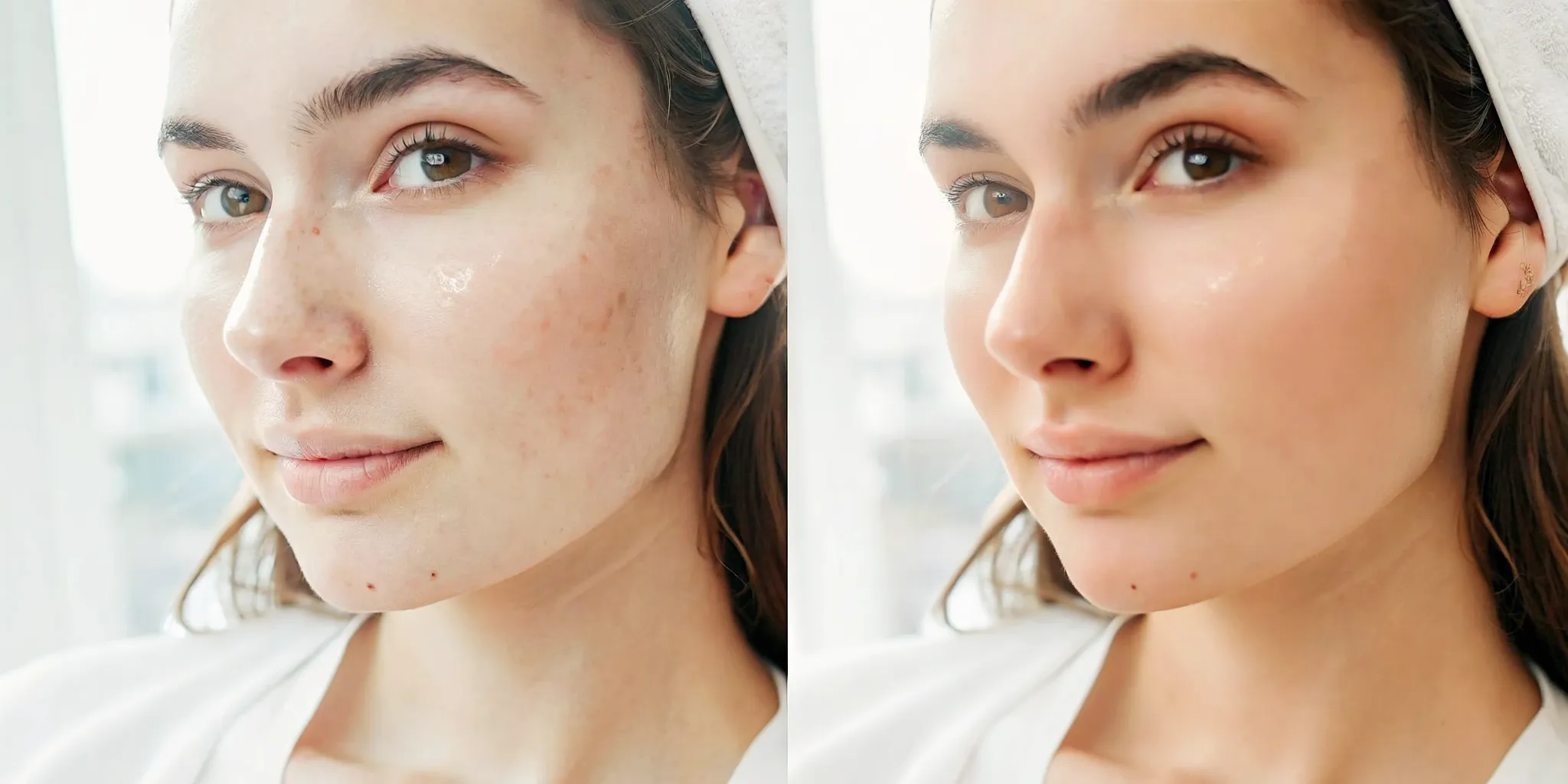
The results are both comprehensive and natural-looking. A series of treatments can significantly reduce sun damage, age spots, redness, and broken blood vessels, making your skin tone more even and youthful. By addressing multiple concerns at once, a photofacial delivers a refreshed, glowing complexion. Explore all the rejuvenating services we offer to see how a photofacial can fit into your personalized skincare plan.
What Skin Concerns Can a Photofacial Address?
A photofacial, also known as an IPL (Intense Pulsed Light) treatment, is a fantastic and versatile tool for tackling some of the most common skin frustrations. Think of it as a powerful reset button for your complexion. Instead of using a single laser, IPL uses broad-spectrum light to gently and effectively treat multiple issues at once. From the lingering reminders of sun-filled summers to the persistent redness you can’t seem to cover with makeup, a photofacial can help restore your skin’s clarity and radiance. It’s one of the most popular aesthetic services for a reason—it delivers noticeable results with minimal downtime. Let’s get into the specific concerns it can address.
Sun Damage and Age Spots
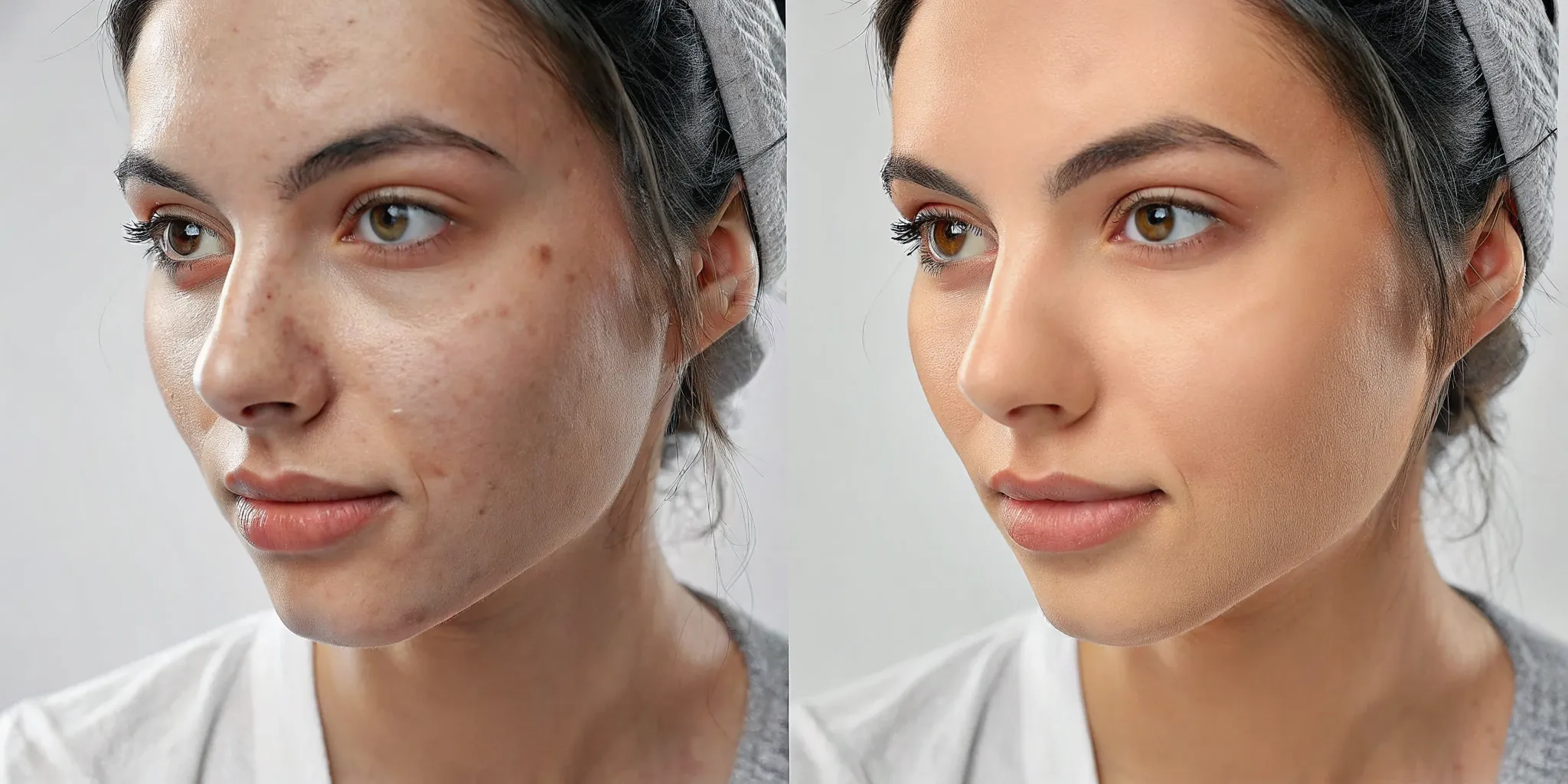
Even if you’re diligent with your SPF 30, sun damage can happen. Over time, this exposure leads to sun spots, age spots, and freckles—all forms of hyperpigmentation that can make your skin tone look uneven. A photofacial is incredibly effective at targeting these concerns. The IPL technology sends light energy into the skin, where it’s absorbed by the excess melanin in the dark spots. This process gently heats and breaks down the pigment. In the days following your treatment, you’ll notice the spots getting darker before they naturally flake off, revealing clearer, more even-toned skin underneath. It’s a straightforward way to undo years of sun-worshipping.
Rosacea and Broken Capillaries
If you struggle with persistent facial redness, rosacea, or tiny broken blood vessels (often called spider veins) around your nose and cheeks, a photofacial can be a game-changer. The light pulses are specifically absorbed by the hemoglobin in your blood. This causes the walls of the unwanted vessels to gently collapse. Your body’s natural healing process then clears away the collapsed capillaries, significantly reducing overall redness and creating a calmer, more balanced complexion. For many people, it’s a huge relief to finally manage the flushing and blotchiness that makeup can’t always hide, giving them renewed confidence in their skin.
Uneven Skin Tone and Texture
Do you feel like your skin just looks a little dull or blotchy? A photofacial is an excellent solution for improving overall skin tone and texture without surgery. By targeting various forms of discoloration—like red spots from rosacea and brown spots from sun damage—in a single session, the treatment helps create a much more uniform canvas. The light energy also stimulates collagen production deep within the skin. This subtle firming effect can help refine your skin’s texture over time, making it feel smoother. For those looking to focus more intensely on texture, a treatment like SkinPen Microneedling can be a great complementary procedure.
Acne Scars and Enlarged Pores
While a photofacial isn’t a cure for active, severe acne, it can be a powerful ally in managing its aftermath. The treatment is particularly effective for the red and brown marks (post-inflammatory hyperpigmentation) that pimples often leave behind. The light energy targets the pigment in these marks, helping them fade much faster. Additionally, IPL can help control breakouts by targeting acne-causing bacteria and reducing inflammation. Many clients also notice that their pores appear smaller and more refined after a series of treatments, contributing to an overall smoother and clearer complexion. A clarifying HydraFacial can also be a great addition to your routine to keep pores clear.
Your Photofacial Experience: From Prep to Results
Thinking about a photofacial is exciting, but it’s totally normal to have questions about what the process is actually like. Knowing what to expect from start to finish can help you feel confident and prepared for your treatment. From your first consultation to seeing that final glow, here’s a straightforward guide to your photofacial journey.
How to Prepare for Your Appointment
Your path to clearer skin starts with a conversation. Before any treatment, you’ll have a consultation to make sure a photofacial is the right fit for your skin type and goals. This is your time to ask questions and for us to create a personalized plan for you. To get the best results, you’ll need to avoid direct sun exposure, tanning beds, and spray tans for a few weeks before your appointment. Your provider will also likely ask you to pause using certain skincare products, like retinoids or exfoliants, for about a week beforehand. Ready to get started? You can schedule a consultation with our team to begin your journey.
What Happens During the Treatment
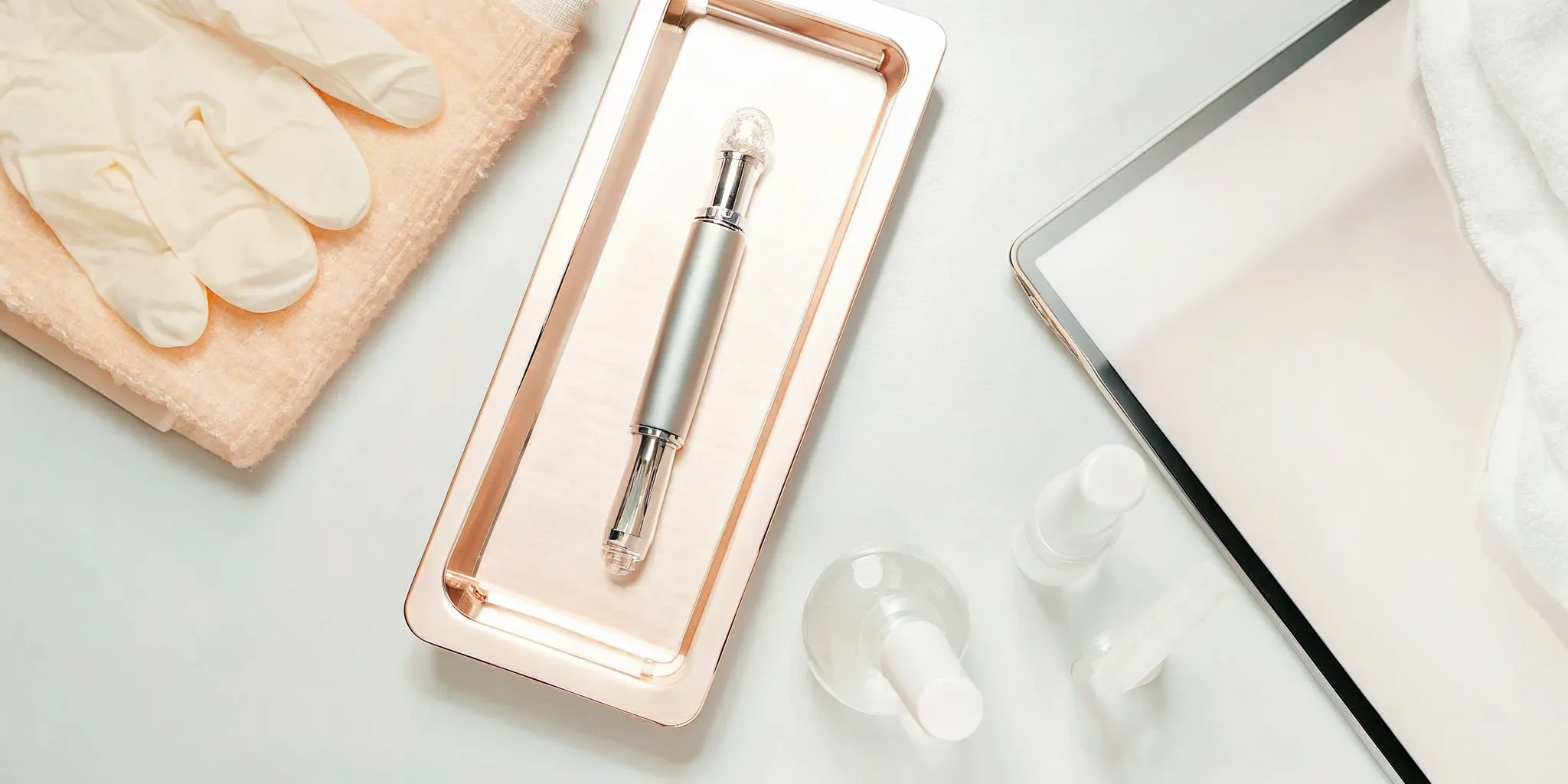
When you arrive for your appointment, we’ll make sure you’re comfortable and ready to go. First, your skin will be cleansed, and a cool gel will be applied to the treatment area. This gel helps protect your skin and allows the IPL device to glide smoothly. You’ll be given protective eyewear to wear during the session. Your technician will then gently press the smooth, glass surface of the IPL handpiece to your skin and deliver precise pulses of light. The entire process is relatively quick, usually taking about 20 to 30 minutes, depending on the size of the area being treated.
Pain and Discomfort: What to Really Expect
Let’s talk about how it feels. Most people describe the sensation of a photofacial as a quick, light snap, similar to a rubber band flicking against the skin. While it’s not completely sensation-free, it’s generally considered very tolerable. The feeling is over in an instant with each pulse of light. Any discomfort is minimal and brief, and the cooling gel applied beforehand helps keep your skin comfortable. Immediately after the treatment, you might notice some redness and a feeling similar to a mild sunburn, but this typically fades within a few hours to a day.
Essential Aftercare and Recovery Tips
Aftercare is simple but so important for protecting your results. Your number one job is to protect your skin from the sun. Apply a broad-spectrum sunscreen with at least SPF 30 every single day, even if it’s cloudy. For the first few days, treat your skin gently. Use a mild cleanser, avoid hot water, and skip any harsh exfoliants or active ingredients like retinol. You may notice some of your dark spots getting darker before they flake off—this is a good sign! Just be sure not to pick or scratch at your skin. Let it heal naturally to reveal the smoother, more even skin underneath.
When to Expect Glowing Results
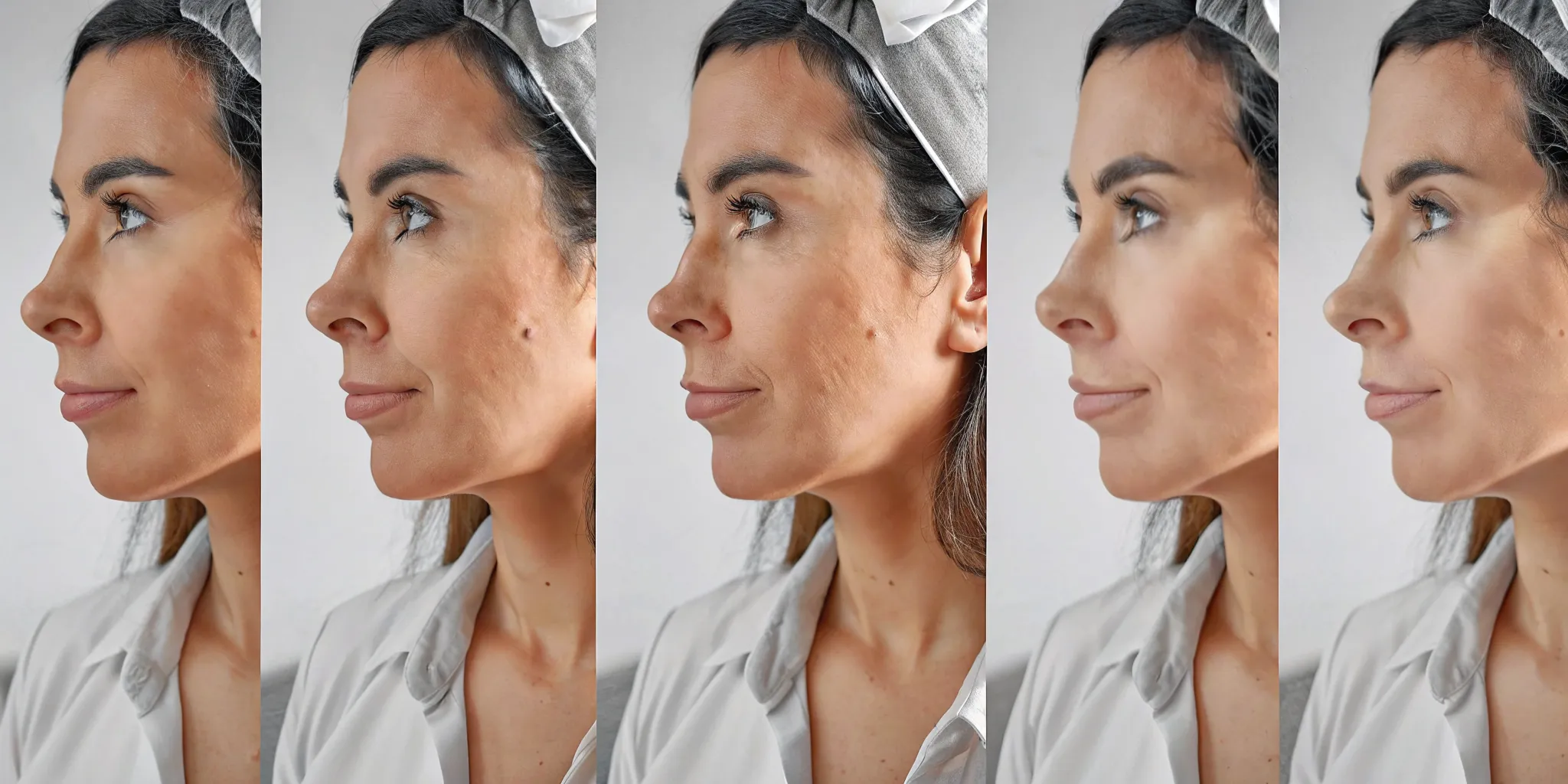
Patience is key, but you won’t have to wait long to see a change. You’ll likely start to notice improvements in your skin within one to two weeks after your first treatment as pigmented spots flake away and redness subsides. However, for the most dramatic and lasting results, a series of treatments is usually recommended. Most clients achieve their desired outcome with three to five sessions, each spaced about four weeks apart. This allows your skin to go through its natural rejuvenation cycle between appointments. With each session, you’ll see a progressive improvement in your skin’s tone and texture, leading to a beautifully clear and radiant complexion.
Photofacial Costs in Dallas
Let’s talk about the investment. When you’re considering a photofacial, one of the first questions you probably have is about the cost. While there isn’t a single price tag, understanding the factors that influence the final cost can help you plan and budget for your skin goals. The price of a photofacial in Dallas varies based on your unique needs, the areas you want to treat, and the specific medspa you choose. Think of it as a personalized investment in clearer, more radiant skin.
What Affects the Final Price?
The total cost of your photofacial journey depends heavily on your skin’s current condition and your desired results. It’s not a one-size-fits-all treatment. For instance, someone looking to address mild sun spots might need fewer sessions than someone with more significant rosacea or pigmentation. Most people see the best, most lasting results after a series of three to six treatments. The exact number of sessions required is something a skilled technician will determine during your consultation, creating a plan tailored specifically for you. This personalized approach ensures you’re only paying for the treatments you truly need to achieve that beautiful, even-toned complexion you’re looking for.
How Treatment Area Impacts Cost
The size of the area you want to treat also plays a big role in the overall cost. Treating a smaller area, like your hands or neck, will naturally cost less than a larger area, such as your full face or chest. To give you a general idea, some Dallas providers list single-session prices starting around $200 for hands and going up to $750 or more for a combination of the face, neck, and chest. This is why getting a custom quote is so important. During a consultation, you can discuss exactly which areas you want to focus on and get a precise breakdown of the costs involved, with no surprises.
Understanding Packages and Financing
Since most people need multiple sessions to get the best outcome, many medspas offer treatment packages. This is great news for your wallet, as buying a series of treatments upfront is often more cost-effective than paying for each session individually. It’s always a good idea to ask about package deals during your consultation. Additionally, some clinics provide financing options to help make the investment more manageable. The best first step is to schedule a consultation to discuss your goals. This gives you a chance to get a personalized treatment plan and explore all the payment and package options available to you.
How to Choose the Best Photofacial Provider in Dallas
Choosing where to get your photofacial is just as important as deciding to get the treatment itself. The right provider ensures your safety, comfort, and, of course, amazing results. In Dallas, you have plenty of options, so it’s smart to do a little homework to find a medspa that truly understands your skin and has the expertise to deliver the glow you’re looking for.
Finding a Qualified and Trusted Medspa
Your face is in their hands, so you want to be sure you’re choosing a professional you can trust. Look for a medspa with licensed and experienced estheticians or medical staff. When performed by a skilled professional, a photofacial can be customized to address your specific skin concerns without causing irritation. Check online reviews and testimonials to get a sense of other clients’ experiences. A reputable clinic will always have a clean, professional, and welcoming environment. When you find a provider that offers a wide range of advanced services, it’s often a good sign that they are invested in quality technology and ongoing education for their team.
Important Questions to Ask at Your Consultation
A consultation is your opportunity to interview a potential provider and make sure you feel comfortable. Don’t be shy about asking questions! A great provider will be happy to walk you through everything. Be sure to ask about the type of IPL machine they use and why it’s a good fit for your skin. You should also ask about their experience treating your specific skin concerns, what kind of results you can realistically expect, and how many sessions they recommend. This is also the perfect time to discuss the full cost and any available packages. Ready to start the conversation? You can always contact us to schedule a no-pressure consultation with one of our experts.
The Ultimate Image MedSpa Difference
What sets a good medspa apart from a great one? It comes down to a commitment to personalized care and proven results. We believe every client’s skin is unique, which is why we focus on creating tailored treatment plans instead of taking a one-size-fits-all approach. Our clients seem to agree—with hundreds of positive reviews, it’s clear that people are happy with their experience and their results. Our team is passionate about aesthetics and has the advanced training needed to perform sophisticated treatments, from photofacials to laser tattoo removal. We combine top-of-the-line technology with a genuine dedication to helping you achieve your beauty goals safely and effectively.
Is a Photofacial Safe for Your Skin Type?
This is one of the most common questions we hear, and it’s a great one to ask. Historically, there was a myth that IPL treatments were unsafe for darker skin tones. Thankfully, advances in technology have made photofacials much safer and more effective for a wider range of skin types. However, a thorough consultation with a knowledgeable provider is essential. They will analyze your skin to confirm if you are a good candidate. At a trustworthy medspa, the team will be honest with you. If a photofacial isn’t the best option for your skin, they will recommend an alternative treatment to help you reach your goals. This personalized approach is key for treatments like laser hair removal as well.
Related Articles
- Expert Hydrafacial Treatment | Revitalize Your Skin
- Best eMatrix Treatment | Your Path to Glowing, Youthful Skin
Frequently Asked Questions
How many photofacial treatments will I really need to see results? While you’ll likely notice a brighter, clearer complexion after just one session, the most significant and lasting changes come from a series of treatments. Most people achieve their goals with three to five sessions, each scheduled about a month apart. This approach allows us to address deeper pigmentation and redness progressively, giving your skin time to heal and generate new collagen between appointments for the best possible outcome.
Does a photofacial hurt? This is easily one of the most common questions, and the honest answer is that it’s very manageable. Most clients describe the sensation as a quick, warm snap, like a tiny rubber band flicking against the skin. The feeling is over in an instant. We apply a cooling gel to the skin beforehand, which helps keep you comfortable throughout the entire treatment, which usually only takes about 20-30 minutes.
What does “no downtime” actually mean after a photofacial? When we say there’s no downtime, we mean you can get back to your daily routine right after your appointment. You can go back to work, run errands, or meet up with friends. Your skin might look a little pink, similar to a mild sunburn, for a few hours, but this can easily be covered with makeup. The main thing to avoid is direct sun exposure and intense workouts for a day or two.
What’s the difference between an IPL photofacial and a laser treatment? Think of it like the difference between a flashlight and a laser pointer. A laser uses a single, focused wavelength of light to target a very specific issue. An IPL photofacial uses broad-spectrum light, which is like using multiple wavelengths at once. This makes IPL incredibly versatile for treating several concerns in one session, such as brown spots, redness, and broken capillaries, for overall skin rejuvenation.
Can I get a photofacial if I have a tan or darker skin? This is a crucial question. Because IPL technology targets pigment, it’s not safe to perform the treatment on tanned or recently sun-exposed skin. Modern IPL devices are much safer for a wider range of skin tones than older technology, but a consultation is essential. A trained professional will assess your skin to determine if you are a good candidate and ensure the treatment can be performed safely and effectively for you.