
If you’ve ever felt frustrated by stubborn sun spots, lingering redness, or broken capillaries that makeup just can’t seem to cover, you’re not alone. These common skin concerns can stick around for years, making your complexion look uneven and less vibrant than you’d like. That’s where an IPL photofacial comes in. This advanced light-based treatment is designed to target discoloration at its source, clearing away pigment and redness without invasive surgery. If your search for a ‘photofacial near me’ brought you here, you’re in the right place. This guide will walk you through everything you need to know about how it works, what to expect, and how it can help you achieve a clearer, more radiant complexion.
Key Takeaways
- Corrects Color and Builds Collagen: A photofacial uses Intense Pulsed Light (IPL) to target and reduce concerns like sunspots and redness, all while stimulating collagen for a smoother, more even complexion.
- Expect a Process, Not an Instant Fix: The best results typically require a series of 4-6 sessions. A key sign the treatment is working is when pigmented spots darken before flaking off to reveal clearer skin.
- Provider Choice and Sunscreen Are Non-Negotiable: Your safety and results hinge on choosing a qualified provider with medical oversight. Afterward, daily broad-spectrum sunscreen is the most important step to protect your investment and prevent future damage.
What is a Photofacial and How Does It Work?
If you’ve ever wished you could hit a reset button on sun damage or uneven skin tone, you’ve probably heard of a photofacial. So, what is it exactly? A photofacial, specifically an IPL (Intense Pulsed Light) photofacial, is a non-invasive treatment that uses specialized light to tackle a range of skin concerns. Think of it as a way to refresh your skin’s appearance without going under the knife. It’s a popular choice for anyone looking to achieve a clearer, more even complexion with minimal fuss. The technology is designed to target specific issues, helping you get closer to your skin goals one gentle pulse at a time.
How IPL Technology Rejuvenates Your Skin
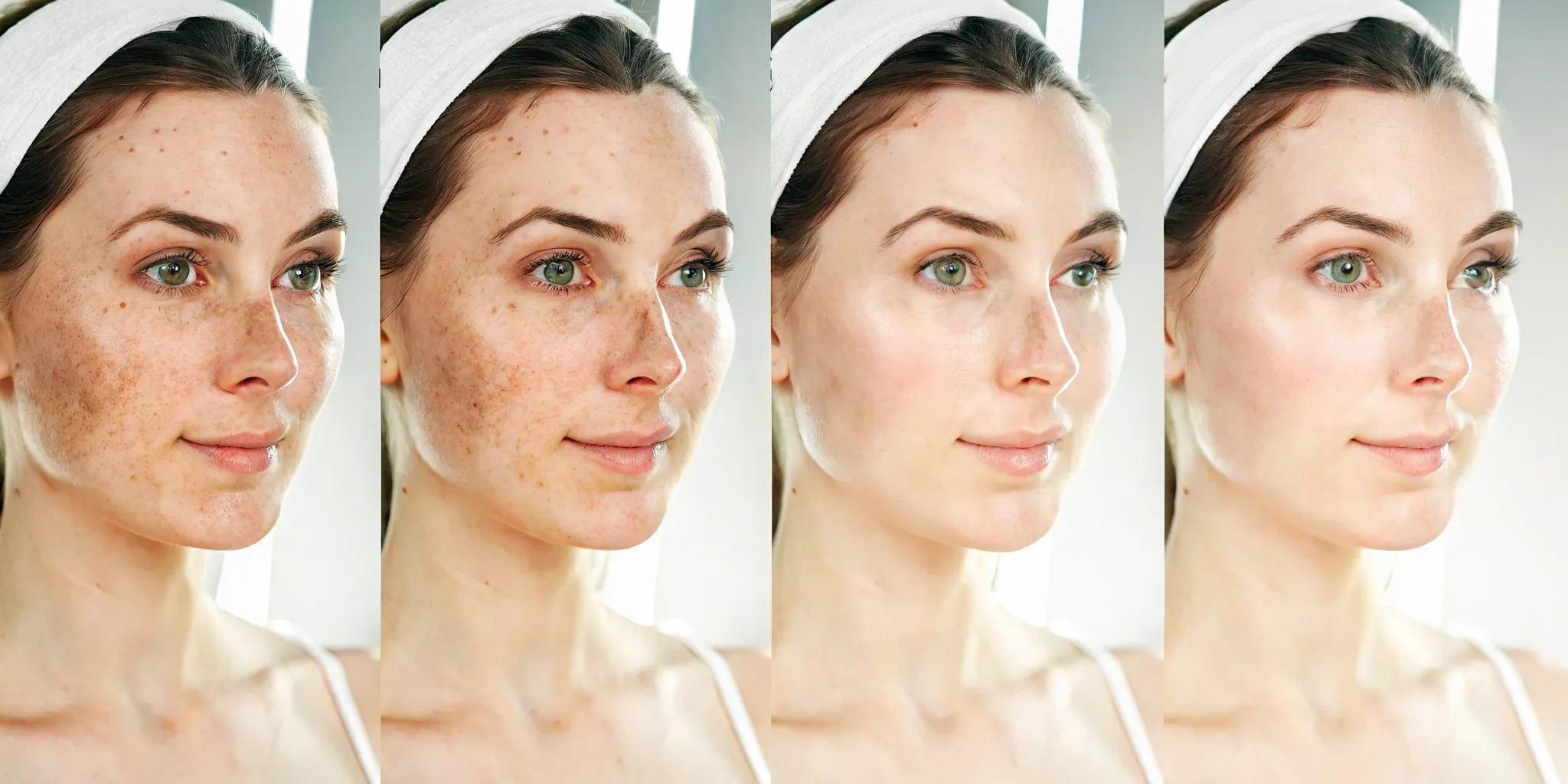
The magic behind a photofacial is Intense Pulsed Light. This isn’t a laser; instead, it’s a broad spectrum of light that we can filter to target specific colors in your skin. When the light is applied, it’s absorbed by the pigment in brown spots (like sunspots) and the red in broken blood vessels. This process gently breaks down these targeted cells, which your body then naturally clears away. As a bonus, the light energy also stimulates collagen production deep within your skin. This is the same protein that treatments like microneedling encourage, helping to firm up your skin and give it a more youthful, refreshed look over time.
What Skin Concerns Can a Photofacial Address?
One of the best things about a photofacial is its versatility. It’s not a one-trick pony; it can address several common skin complaints at once. If you’re dealing with the lingering effects of sun exposure, this treatment can be a game-changer. It’s highly effective for reducing the appearance of sun spots, age spots, and general discoloration. A photofacial also works wonders on redness, helping to calm rosacea and diminish the look of broken or burst blood vessels. Essentially, if your goal is to achieve a more uniform skin tone and texture, this is a fantastic option to explore among our other services.
Common Treatment Areas for a Photofacial
While it’s called a “photofacial,” the treatment isn’t just for your face. We can use IPL technology on any area of the body where you’re seeing signs of sun damage or aging. The most common treatment areas are the ones that get the most sun exposure over the years. This includes the face, neck, chest (or décolletage), the backs of your hands, and even your arms. These are often the first places to show dark spots and uneven texture, making them perfect candidates for IPL. Many clients who get laser hair removal on their arms or chest also find a photofacial helpful for evening out the skin tone in those areas.
The Benefits and Results You Can Expect
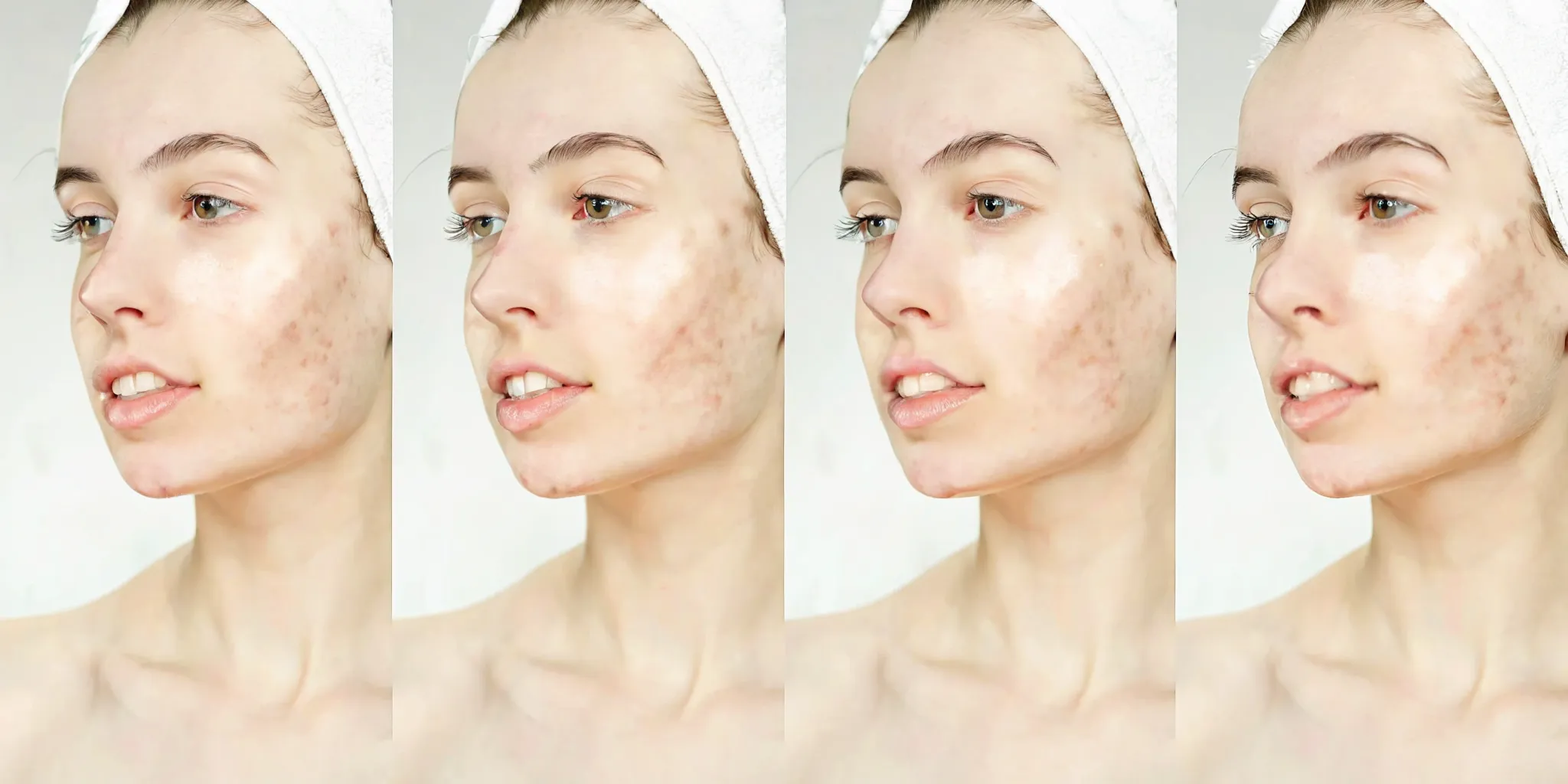
After a photofacial, you can look forward to clearer, brighter, and younger-looking skin with very little recovery time. It’s a fantastic way to improve your skin’s color and texture without the downtime of more invasive procedures. Most people start to see significant improvements within two to three weeks as their skin begins to clear up. The results don’t stop there; your skin will continue to get better over the next several months as new collagen forms. The end result is a smoother, more even complexion that looks naturally radiant. If you’re curious about what a photofacial can do for you, the best first step is to contact us for a personal consultation.
Your Photofacial Appointment: What to Expect
Walking into a new treatment can feel a little mysterious, but it doesn’t have to be. Knowing what’s coming helps you relax and get excited about the results. From the initial chat to the moment you walk out the door, your photofacial appointment is a straightforward process designed around your comfort and goals. We’ll cover everything from how the treatment feels to the simple aftercare steps you’ll need to follow. Think of this as your personal guide to the entire experience, so you can feel confident and prepared every step of the way.
What Happens at Your Consultation?
Your journey starts with a conversation. Before any treatment, we’ll sit down for a consultation to discuss your skin goals and determine if a photofacial is the right fit for you. This is your time to ask anything and everything on your mind. We’ll assess your skin type, review your concerns, and map out a personalized treatment plan. It’s a no-pressure chat focused entirely on you and your needs. We believe the best results come from a partnership, and it all begins with making sure you feel heard and understood. Ready to get started? You can book a consultation with one of our experts today.
The Treatment Process, Step-by-Step
Once you’re ready for your session, we’ll get you comfortable in the treatment room. First, we’ll apply a cool gel to the target area. This helps the light penetrate the skin and keeps you comfortable. You’ll be given protective eyewear to wear since the light pulses are quite bright. Then, a specialist will use a handheld device to deliver precise pulses of light to your skin. The entire session is relatively quick, typically lasting between 15 and 60 minutes, depending on the size of the area being treated. Afterward, you can get right back to your day—there’s usually no downtime required.
Let’s Talk Comfort and Safety
It’s completely normal to wonder what the treatment feels like. Most people describe the sensation as a mild snapping feeling, similar to a rubber band flicking against the skin. It’s a quick, fleeting feeling that is generally well-tolerated. Your comfort is our priority, and we’ll check in with you throughout the process. It’s also important to know that IPL photofacials are an FDA-approved treatment with a strong safety record. Unlike more aggressive procedures, it’s a non-invasive service that works with your skin, not against it. We are committed to providing a range of safe and effective services to help you achieve your goals.
Busting Common Photofacial Myths
Let’s clear up a few common misconceptions about photofacials. First, many people think this treatment is only for severe skin damage, but that’s not true at all. A photofacial is fantastic for anyone looking to address early signs of aging, uneven skin tone, or general redness for a clearer, more vibrant complexion. Another myth is that you’ll have to wait forever to see results. While a series of treatments is often recommended for the best outcome, many clients notice improvements in their skin’s tone and texture within a couple of weeks of their very first session.
Immediate Aftercare: What to Do Right Away
After your appointment, your skin will need a little extra care. It’s common to experience some mild redness, which usually subsides within a few hours. You might also notice that any dark spots or freckles appear darker at first—this is a good sign! It means the treatment worked, and these spots will gradually flake off on their own over the next one to three weeks. The most important aftercare rule is to protect your skin from the sun. Your skin will be more sensitive, so applying a broad-spectrum sunscreen daily is essential. Avoid direct sun exposure to protect your results and keep your skin healthy.
How to Choose the Right Photofacial Provider
Finding the right person to perform your photofacial is just as important as the treatment itself. You’re trusting someone with your skin, so you want to be sure they’re qualified, experienced, and operating in a safe, professional environment. A great provider will not only deliver amazing results but also make you feel comfortable and confident throughout the entire process. Taking the time to do a little research upfront can make all the difference in your experience and final outcome.
What to Look For in a Provider
When you’re searching for a provider, start with their credentials. You want to see a team with specialized training and certifications for laser and light-based treatments. A deep understanding of skin anatomy and treatment techniques is non-negotiable. Look for a medical spa staffed by licensed aestheticians, nurses, or physician assistants who work under medical supervision. Experience matters, too. Ask how many photofacial treatments they perform and check out their before-and-after photos. A reputable provider will be proud to showcase their work and transparent about their team’s qualifications for all their aesthetic services.
Why Medical Oversight and Technology Matter
The “medical” in “medical spa” is there for a reason. In most states, a licensed physician must act as the Medical Director, overseeing all procedures, protocols, and patient safety. This ensures that every treatment meets high medical standards. Don’t hesitate to ask who the Medical Director is and how involved they are in the practice. Additionally, the quality of the technology makes a huge impact. An effective and safe photofacial depends on well-maintained, modern IPL equipment. A facility that invests in top-tier technology is also investing in your safety and results. You can always contact a potential provider to ask about their equipment and medical supervision.
Key Questions to Ask During Your Consultation
Your consultation is your opportunity to interview a potential provider. Come prepared with questions to make sure it’s a good fit. A thorough provider will start by asking you about your skin concerns, health history, and goals.
Here are a few key questions you should ask them:
- Am I a good candidate for a photofacial? Why or why not?
- What kind of results can I realistically expect for my specific skin concerns?
- What type of IPL device do you use?
- Who will be performing my treatment, and what are their qualifications?
- What are the potential risks or side effects, and how do you manage them?
A great provider might also suggest a small patch test to see how your skin reacts, which is a fantastic sign of a careful and personalized approach, similar to what you’d expect before a SkinPen Microneedling session.
Red Flags to Watch Out For
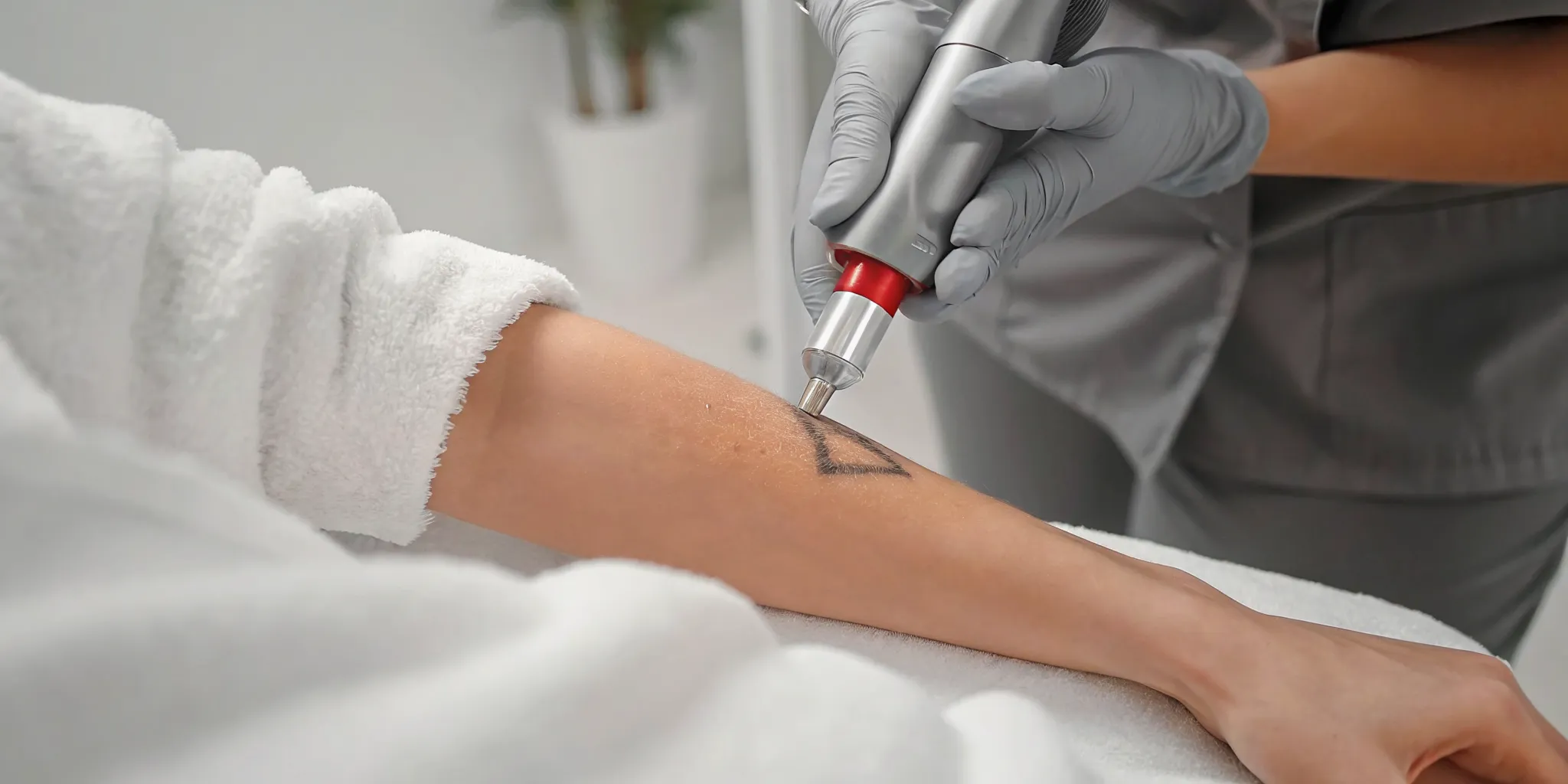
Knowing what to avoid is just as important as knowing what to look for. Be cautious of any provider who seems to rush the consultation or pressures you to book a treatment on the spot. A major red flag is a provider who doesn’t ask detailed questions about your medical history, current medications, or sun exposure habits. Photofacials aren’t suitable for everyone, including those with very dark or tanned skin, or women who are pregnant or breastfeeding. If a provider doesn’t screen for these contraindications, which are common for many light-based treatments like laser tattoo removal, it’s best to walk away. Also, be wary of prices that seem too good to be true—deep discounts can sometimes reflect outdated equipment or inexperienced staff.
How to Read Client Reviews
Reviews and testimonials are a great way to get a feel for a provider, but it’s important to read them with a discerning eye. Look past the generic “they were great!” comments and search for details. Do clients mention specific results, like “my sunspots faded after two sessions” or “my skin texture is so much smoother”? These specifics are more telling. Pay attention to comments about the clinic’s atmosphere, cleanliness, and the staff’s professionalism. Do reviewers feel their questions were answered and that they received good aftercare instructions? Seeing consistent positive feedback across multiple platforms is a strong indicator that you’ve found a trusted provider for popular treatments like the HydraFacial and photofacials.
Your Recovery and Results Timeline
Knowing what to expect after your photofacial is just as important as the treatment itself. Your skin will go through a healing and rejuvenation process, and understanding the timeline helps you care for it properly and get excited for the beautiful results ahead. From the first few hours post-treatment to your long-term glow-up plan, here’s a step-by-step guide to your recovery journey. We’ll walk through the immediate side effects, when you’ll start seeing that coveted clear skin, and how to maintain your results for years to come.
The First Few Days After Treatment
Right after your session, your skin will likely look and feel like it has a mild sunburn. This redness is completely normal and usually fades within a day. One of the most interesting parts of the process involves your pigmented spots. Any sunspots or freckles you treated will get darker for a few days. Don’t worry—this is a great sign that the treatment is working. These darkened spots will then flake off on their own over the next one to three weeks, revealing the clearer, more even-toned skin underneath.
How to Manage Potential Side Effects
While the treatment feels like a quick rubber band snap, you might notice some minor side effects afterward. Besides redness, you could experience mild swelling or tenderness for a few days. The best way to manage this is to be gentle with your skin. A cool compress can feel soothing, and it’s important to avoid harsh exfoliants or active ingredients like retinoids until your provider says it’s okay. Stick to a simple cleanser and moisturizer. These effects are temporary and a normal part of the skin’s healing process as it works to build new collagen.
When Will You See a Difference?
Patience is key, but you won’t have to wait long to see progress. Most people notice significant improvements in their skin’s appearance within two to three weeks of their first treatment, once the darkened spots have flaked off. But the benefits don’t stop there. Because IPL stimulates collagen production deep within the skin, you’ll continue to see improvements in texture and firmness over the next several months. Your skin will look progressively smoother and brighter as the weeks go by, revealing a more youthful glow.
Do You Need Follow-Up Sessions?
For the most dramatic and lasting results, a single photofacial is usually not enough. Think of it as a series that builds on itself. Most people achieve their desired outcome with four to six treatments, each spaced about four to six weeks apart. This schedule allows your skin to fully heal and respond between sessions, maximizing the effects. After completing your initial series, we recommend maintenance treatments to keep your skin looking its best. We can create a personalized treatment plan when you contact us for a consultation.
Long-Term Care for Lasting Results
You’ve invested in your skin, so now it’s time to protect that investment. The single most important thing you can do after a photofacial series is wear sunscreen. Your skin will be more sensitive to the sun, and protecting it with a broad-spectrum SPF every day is crucial for preventing new damage. Beyond sunscreen, maintaining a consistent skincare routine will help prolong your results. You might also consider pairing your photofacials with other treatments, like a Hydrafacial, to keep your skin hydrated, healthy, and glowing.
Creating Your Personal Treatment Plan
A photofacial is a powerful tool for skin rejuvenation, but the best results come from a plan tailored just for you. Your skin, your goals, and your lifestyle are all unique, so your treatment plan should be, too. Working with a skilled provider means you’ll get a strategy designed to address your specific concerns, from sunspots and broken capillaries to overall skin tone. This is where you move from simply getting a treatment to starting a true partnership for your skin’s health. A personalized plan considers everything: your budget, your schedule, the best time of year for you to start, and how you can combine treatments for even better outcomes. It’s about creating a roadmap that makes sense for your life and delivers the beautiful skin you’re looking for. This collaborative approach ensures you feel informed and in control of your skincare journey. Below, we’ll cover the essential elements of your plan, from understanding pricing and payment options to setting up a maintenance schedule that keeps your skin glowing long-term.
Exploring Treatment Packages and Pricing
One of the first questions people have is about cost, and it’s a great one to ask. The price of a photofacial can vary depending on the size of the treatment area and the number of sessions you’ll need to achieve your goals. During your consultation, be open about your budget and what you hope to accomplish. Many medspas offer packages that bundle several sessions together at a reduced rate, which is often the most effective approach for lasting results. The best way to get a clear picture is to schedule a consultation where a provider can assess your skin and recommend a plan with transparent pricing.
Understanding Your Payment Options
Investing in your skin is a big decision, and it’s important to feel comfortable with the financial side of things. Because medical spas offer a wide range of advanced services, they often have flexible ways to pay. Don’t hesitate to ask about payment options during your consultation. Some clinics may offer payment plans or work with third-party financing companies that allow you to spread the cost over time. Knowing your options upfront can make it much easier to fit your desired treatments into your budget without stress, allowing you to focus on the exciting results ahead.
Is There a Best Time of Year for Treatment?
You can get a photofacial any time of year, but your aftercare will be much easier during certain seasons. Since IPL treatments make your skin extra sensitive to sunlight, many people prefer scheduling their sessions in the fall or winter. With less intense sun and more time spent indoors, it’s simpler to protect your skin while it heals. However, if spring or summer works best for your schedule, that’s perfectly fine! You’ll just need to be incredibly diligent with your sun protection. A good provider will discuss your lifestyle and help you choose a time that sets you up for success.
Pairing Photofacials with Other Services
A photofacial is fantastic on its own, but you can often get even better results by combining it with other treatments. Think of it as creating a comprehensive skincare strategy. For example, many clients pair their photofacial with laser hair removal to achieve smooth, even-toned skin all at once. You could also alternate photofacials with treatments like a HydraFacial for deep cleansing and hydration, or microneedling to target texture and fine lines. Your provider can recommend combinations that work together to address all of your skin concerns for a truly transformative result.
Setting Up Your Maintenance Schedule
Achieving your dream skin is a process, not a single event. While you’ll see improvements after your first photofacial, the most dramatic results come from a series of treatments. Most people need between four and six sessions, typically spaced about four weeks apart. This schedule gives your skin time to go through its natural regeneration cycle between appointments, allowing the IPL technology to work its magic. After you complete your initial series, your provider will help you create a long-term maintenance plan, which might include a touch-up session once or twice a year to keep your skin clear and radiant.
How to Prepare for Your First Session
Getting ready for your first photofacial is exciting! A little prep work can make a huge difference in your results and overall experience. By taking a few simple steps before your appointment, you’ll help your skin respond beautifully to the treatment and set yourself up for that gorgeous glow. Think of it as the first step in your skin rejuvenation journey. We’ll walk you through exactly what to do so you can arrive at your session feeling confident and prepared.
Your Pre-Treatment Checklist
To get the best results from your photofacial, it’s important to protect your skin in the weeks leading up to your appointment. For at least two weeks prior, you’ll want to avoid direct sun exposure, tanning beds, and any self-tanning products. Arriving with your skin in its natural state allows the IPL technology to work most effectively. You should also pause the use of any harsh exfoliants, retinoids, or acids a few days before your session. When in doubt, chat with your provider during your consultation about your current skincare routine so they can give you personalized advice.
Essential Aftercare Products to Have Ready
Being prepared for aftercare makes the recovery process smooth and simple. Before your appointment, make sure you have a few key products on hand. The most important item is a high-quality, broad-spectrum sunscreen, as your skin will be extra sensitive. You’ll also want a gentle, non-abrasive cleanser and a simple, hydrating moisturizer that’s free of irritating ingredients. Having these basics ready means you can go straight home and relax, knowing you have everything you need to soothe and protect your skin. This simple kit is a great foundation for aftercare for many of our advanced services.
Your Sun Protection Plan
We can’t talk about photofacials enough without dedicating a moment to sun protection. Your skin will be highly sensitive to UV rays both before and after your treatment, so a solid sun protection plan is non-negotiable. This is key to preventing complications and protecting your results. Make it a habit to apply a broad-spectrum sunscreen with an SPF of 30 or higher every single day, even if it’s cloudy. Wearing a wide-brimmed hat when you’re outdoors is also a great idea. This level of care is standard for many light-based treatments, including laser hair removal.
Ready to Start? How to Book Your Consultation
Feeling ready to take the next step? The best way to begin is by scheduling a one-on-one consultation. This initial meeting is the perfect opportunity to discuss your specific skin concerns, ask all your questions, and find out if a photofacial is the right fit for your goals. Our team will assess your skin and create a treatment plan tailored just for you. You can easily book an appointment online or give us a call to find a time that works for you. We’re here to guide you through the process and make it as easy as possible.
What to Bring to Your Appointment
For your consultation, it’s helpful to come prepared. We recommend arriving with a clean, makeup-free face so your provider can get a clear look at your skin. It’s also a great idea to jot down a list of any questions you have about the treatment, recovery, or results. Finally, be ready to discuss your current skincare routine and any medications you’re taking. This information helps us ensure your treatment is both safe and effective. Your first visit is all about creating a partnership to achieve your beauty goals.
Related Articles
- Expert Hydrafacial Treatment | Revitalize Your Skin
- Best eMatrix Treatment | Your Path to Glowing, Youthful Skin
Frequently Asked Questions
Is a photofacial the same as a laser treatment? That’s a great question, and it’s a common point of confusion. While both use light-based energy, they are different technologies. A laser uses a single, focused wavelength of light to target a very specific issue. A photofacial uses Intense Pulsed Light (IPL), which is a broad spectrum of light. We use filters to narrow that light, allowing us to treat multiple concerns at once, like brown spots and redness, during the same session.
Why do I need a series of treatments instead of just one? Think of it like a great workout plan—consistency is what creates real change. Each photofacial session builds on the progress of the one before it. The treatment works gradually to break down unwanted pigment and stimulate new collagen. By spacing out several sessions, we give your skin time to heal and respond, ensuring we can safely and effectively clear up discoloration for a more comprehensive and lasting result.
How long will my photofacial results last? With the right care, your results can be very long-lasting. The sunspots and broken capillaries that are treated are gone for good. However, the treatment doesn’t stop the natural aging process or prevent new sun damage from occurring. The most important factor for maintaining your clear skin is diligent, daily use of sunscreen. Many clients also find that a maintenance session once or twice a year is perfect for keeping their complexion bright and even.
Can I wear makeup right after my appointment? It’s best to let your skin breathe for at least 24 hours after your treatment. Your skin will be a bit sensitive, similar to a mild sunburn, and applying makeup could cause irritation. Giving it a day off allows any redness to subside and the initial healing process to begin without interference. When you do start wearing makeup again, a mineral-based formula can be a gentler option.
Will a photofacial help with acne or acne scars? A photofacial is fantastic for targeting the discoloration that acne can leave behind, such as the red or brown marks that linger after a pimple has healed. It helps even out your skin tone by addressing that pigment. However, it is not a primary treatment for active acne breakouts or for textured, pitted acne scars. For those concerns, we would likely recommend a different approach, such as microneedling, to better address your specific goals.