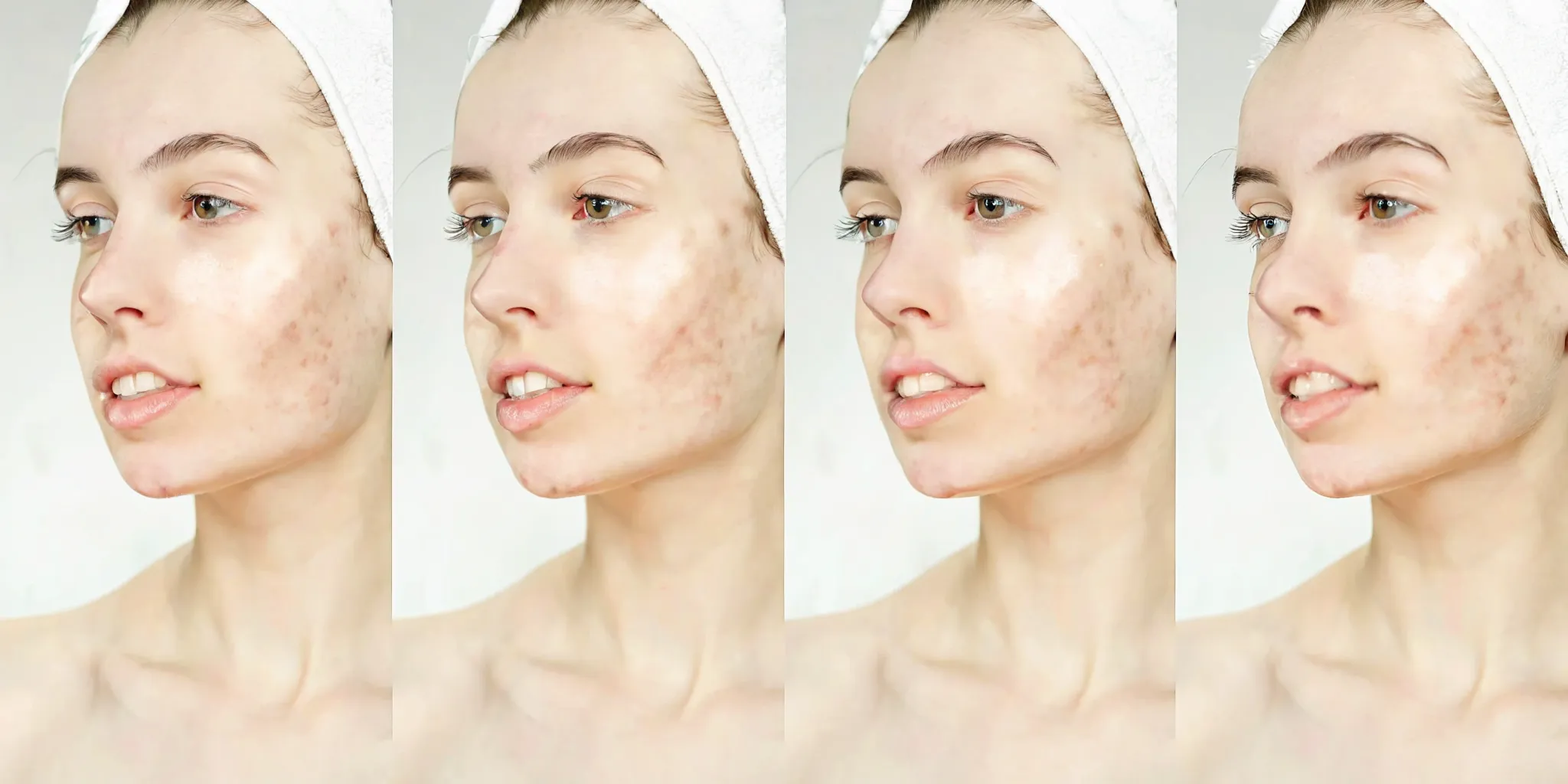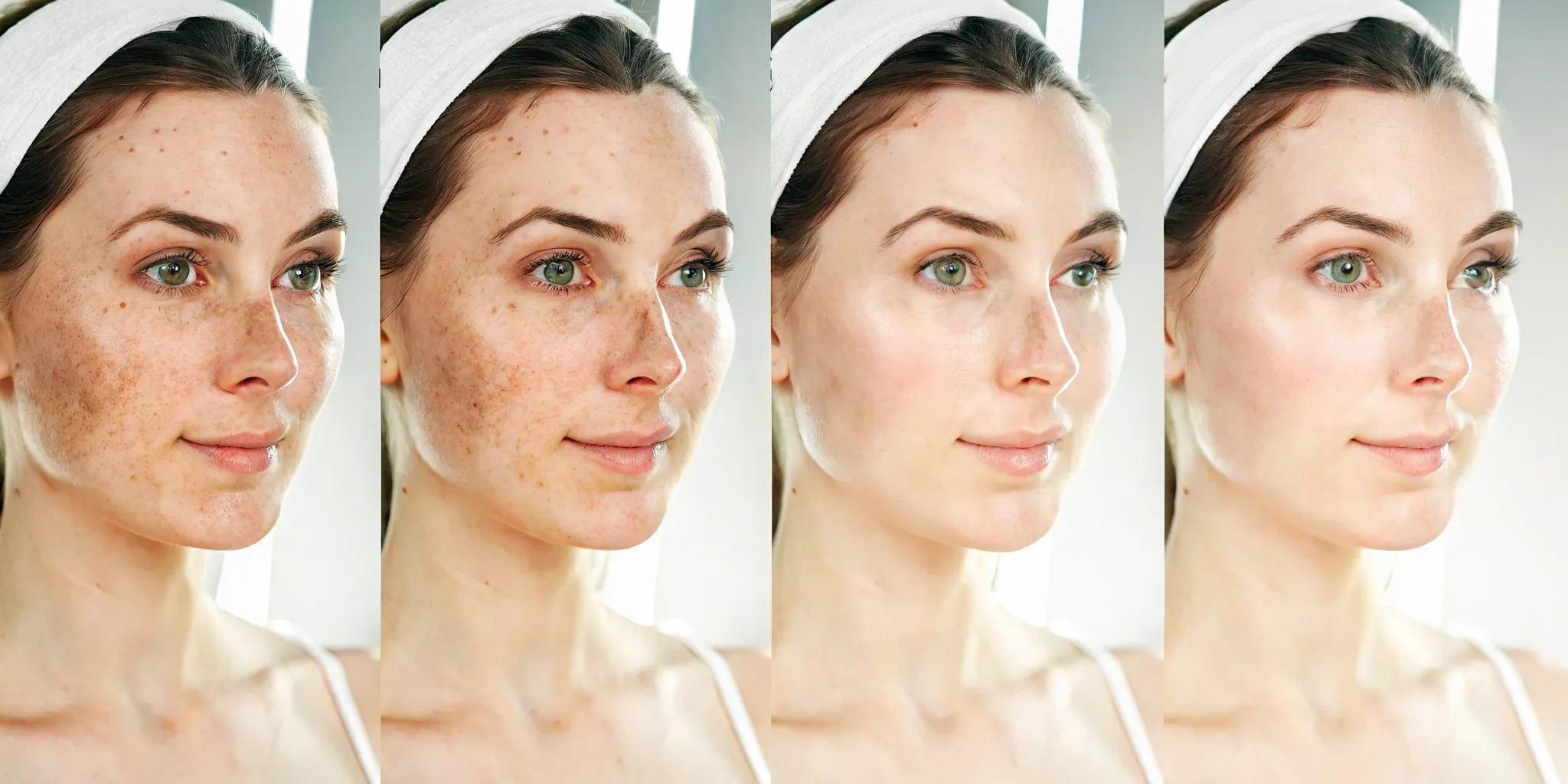
If you’ve ever looked in the mirror and wished you could undo years of sun damage, you’re not alone. Those little brown spots, persistent redness, and uneven texture are common frustrations, especially after enjoying the Texas sun. A photofacial, also known as an Intense Pulsed Light (IPL) treatment, is designed to address these exact concerns. It uses gentle pulses of light to break up unwanted pigment and stimulate collagen, revealing clearer and more youthful-looking skin without invasive procedures. If you’re curious about getting a photofacial, Richardson has excellent providers who can help you achieve a more even complexion. This guide will walk you through everything you need to know, from how the technology works to what you can expect during and after your appointment.
Key Takeaways
- Address multiple skin concerns at once: A photofacial uses broad-spectrum light to effectively reduce sun damage, age spots, and redness from rosacea, creating a more even and radiant skin tone in a single type of treatment.
- Commit to a series for the best outcome: The most significant improvements come from a series of 3-5 sessions, each spaced about a month apart. This approach allows each treatment to build on the last for cumulative, long-term results.
- Make sunscreen your most important aftercare step: Protecting your skin from the sun after your photofacial is crucial. Daily use of a broad-spectrum SPF 30+ is the best way to maintain your results and prevent new damage.
What Is a Photofacial and How Does It Work?
If you’ve ever wished you could hit a reset button on sun damage, age spots, or persistent redness, a photofacial might be exactly what you’re looking for. You’ll often hear this treatment called by its technical name: Intense Pulsed Light, or IPL. At its core, a photofacial is a skin treatment that uses powerful flashes of light to improve your skin’s color and texture. The best part? It targets these concerns without harming the surrounding skin, making it a popular choice for facial rejuvenation. It’s a versatile treatment that can address several issues at once, from signs of aging to unwanted pigmentation.
A Closer Look at Intense Pulsed Light (IPL)
So, what makes IPL special? Unlike lasers that use a single, focused wavelength of light, IPL uses a broad spectrum. Think of it like a camera flash versus a laser pointer. This broad light allows the treatment to address multiple skin concerns in a single session. Photofacial therapy uses this light to treat skin problems like dark spots from sun exposure, age spots, and even some acne scars. These areas of discoloration are often called hyperpigmentation. By targeting this excess pigment, the treatment helps your skin look fresher and more even-toned, giving you a natural-looking glow. It’s one of the most effective aesthetic services for achieving a clearer complexion.
How IPL Technology Rejuvenates Your Skin
The process behind IPL is pretty fascinating. The device delivers pulses of light that penetrate the skin’s surface. This light is specifically attracted to pigment, so it hones in on problem areas like brown spots or the tiny red blood vessels that cause rosacea. Once absorbed, the light energy converts to heat, which gently destroys these targeted cells. Your body’s natural healing process then takes over, clearing away the damaged cells and revealing the healthier, more youthful-looking skin underneath. It’s a gentle, non-invasive way to get clearer skin. If you’re curious to see if it’s the right fit for you, the best first step is to schedule a consultation with a professional.
What Can a Photofacial Do for Your Skin?
A photofacial, also known as an IPL (Intense Pulsed Light) treatment, is a fantastic option for tackling several common skin concerns at once. Instead of using a single laser, it uses broad-spectrum light to gently heat the deeper layers of your skin. This process stimulates collagen production and targets unwanted pigment and redness without harming the surface. The result is a more even, radiant, and youthful-looking complexion. If you’re dealing with the effects of sun exposure, signs of aging, or persistent redness, a photofacial offers a versatile solution to refresh your skin.
Correct Sun Damage and Age Spots
Years of enjoying the Texas sun can leave behind reminders in the form of brown spots, freckles, and uneven pigmentation. A photofacial is especially effective at correcting this type of sun damage. The intense pulsed light is absorbed by the excess melanin in these spots, causing the pigment to break down. In the days following your treatment, these darkened spots will flake off or fade, revealing clearer, more uniform skin underneath. It’s a straightforward way to address age spots and other forms of hyperpigmentation on the face, neck, chest, or hands.
Reduce Rosacea and Facial Redness
If you struggle with rosacea or persistent facial redness from broken capillaries, a photofacial can bring significant relief. The light energy specifically targets the hemoglobin in the tiny, visible blood vessels just beneath the skin’s surface. This process gently heats and collapses the vessel walls, causing them to be naturally absorbed by the body. Over a series of treatments, you’ll notice a visible reduction in overall redness and a more balanced skin tone. It’s one of the most effective ways to manage the visible symptoms of rosacea and achieve a calmer complexion.
Soften Fine Lines and Acne Scars
Beyond correcting color, a photofacial also improves skin texture by encouraging your body to produce more collagen. This essential protein is what gives skin its firmness and elasticity. As the IPL energy gently warms the dermis, it signals your skin to ramp up its natural repair process. This fresh wave of collagen helps plump the skin from within, which can soften the appearance of fine lines and shallow acne scars. While other skincare treatments like microneedling are more focused on texture, a photofacial provides a great two-in-one benefit of improving both tone and texture.
Is a Photofacial Right for You?
So, you’re intrigued by the idea of a photofacial, but you’re wondering if it’s the right move for your skin. That’s a great question to ask. While Intense Pulsed Light (IPL) treatments can deliver incredible results for many people, they aren’t a universal solution for every skin type and concern. The key is to match the technology to your specific goals and skin profile.
Think of it like finding the perfect skincare product—what works wonders for one person might not be the best fit for another. Your skin’s history, tone, and the specific issues you want to address all play a role in determining if a photofacial will give you the glowing results you’re looking for. The most reliable way to find out for sure is by talking with a trained professional who can assess your skin in person. They can help you understand what to expect and confirm if you’re a good candidate. Below, we’ll explore who typically sees the best results from IPL and what factors you should consider before booking an appointment.
The Ideal Candidate for IPL Treatments
You are likely a great candidate for a photofacial if you’re looking for a non-surgical way to improve your skin’s overall appearance. This treatment is fantastic for people dealing with the visible effects of sun exposure and aging. If you have concerns like sun damage, brown spots, freckles, or uneven pigmentation, IPL can work wonders to create a more even complexion. It’s also highly effective for addressing vascular issues, such as broken capillaries around the nose or persistent facial redness associated with rosacea. Those looking to soften the appearance of fine lines or certain types of acne scars will also find that IPL offers noticeable improvement. Our full range of services can address these concerns and more.
Medical Conditions and Medications to Consider
Your safety and results are the top priorities, so it’s crucial to consider your overall health before starting treatment. A photofacial may not be right for you if you have a history of keloid scarring, as the treatment could trigger it. It’s also important to avoid significant sun exposure or tanning (including self-tanners) for at least two weeks before your appointment, as this can increase the risk of side effects. During your consultation, be sure to provide a complete medical history, including any skin conditions or medications you’re taking, as some can make your skin more sensitive to light. The best way to ensure this treatment is right for you is to schedule a consultation to discuss your goals and health history with an expert.
Your Photofacial Appointment: What to Expect
Walking into any new cosmetic treatment can feel a little mysterious, but it doesn’t have to be. Knowing exactly what’s going to happen before, during, and after your appointment can make the entire experience feel more comfortable and exciting. A photofacial is a straightforward and quick procedure, and we want you to feel completely prepared for it. Many people are curious about what the process actually involves, from the initial prep to the immediate results. It’s one of our most popular treatments for a reason—it delivers noticeable results with minimal fuss, making it a perfect fit for busy schedules. From the simple prep steps to the moment you walk out the door with a fresh glow, here’s a clear breakdown of what your appointment will look like. We’ll cover how to get your skin ready, walk you through the treatment step-by-step, and explain what your skin will look and feel like right after you’re done. This way, you can focus on the results you’re looking forward to, rather than worrying about the unknown.
How to Prepare for Your Treatment
Proper preparation is key to getting the best results from your photofacial and ensuring your skin is ready for the treatment. The most important rule is to avoid direct sun exposure and tanning beds for at least two weeks beforehand. A tan can make it harder for the IPL device to target the right pigments in your skin and can increase the risk of side effects. You should also pause the use of any harsh skincare products, like retinoids or strong exfoliants, for about a week prior to your appointment. On the day of your treatment, simply arrive with a clean face, free of any makeup, lotions, or perfumes. If you have any questions about specific medications or your skincare routine, it’s always a great idea to contact us ahead of time.
The Step-by-Step Treatment Process
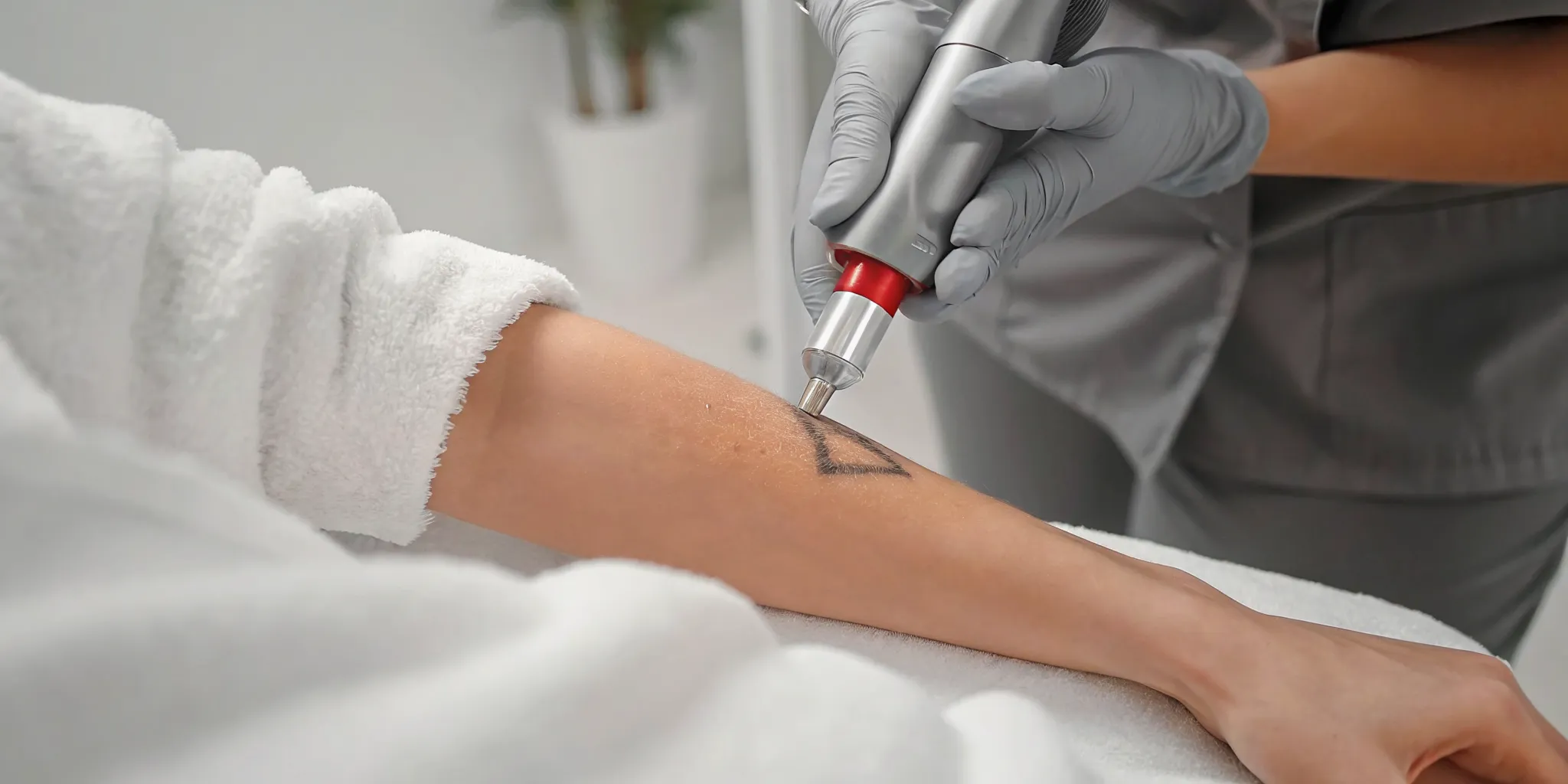
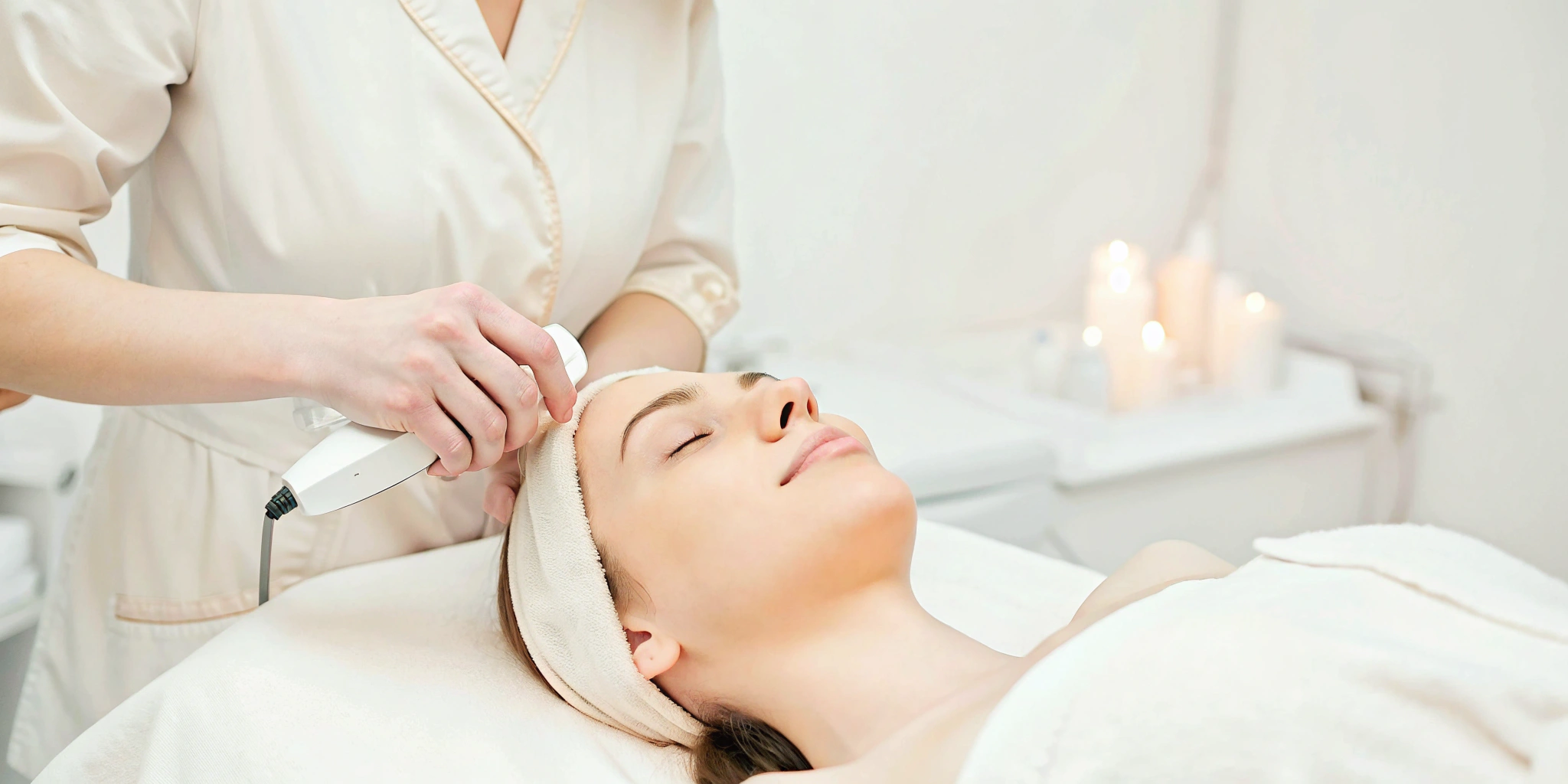
Once you’re settled in, the process is quick and simple. First, your technician will cleanse your skin and apply a cool gel to the treatment area. This gel helps protect your skin and allows the IPL device to glide smoothly. You’ll be given protective eyewear to wear throughout the session. Then, the technician will gently press the smooth, glass surface of the handheld device to your skin. As it works, the device will deliver precise pulses of light, which feel like a quick, warm snap, similar to a rubber band. These flashes of light penetrate the second layer of your skin without harming the surface. The entire session typically takes about 30 minutes, making it one of the most efficient services for skin rejuvenation.
What Your Skin Will Look and Feel Like Immediately After
Right after your photofacial, it’s normal to experience some mild side effects. Most people describe the feeling as similar to a slight sunburn, and you may see some redness or minor swelling in the treated areas. This typically fades within a few hours. If you had the treatment to target dark spots or sun damage, you might notice these spots temporarily getting darker, sometimes looking like coffee grounds. Don’t worry—this is a positive sign that the treatment is working! These darkened spots will naturally flake off on their own over the next week or so, revealing clearer, more even-toned skin underneath. Unlike more intensive procedures, there’s no real downtime, so you can get back to your day right away.
The Cost of a Photofacial in Richardson
One of the most practical questions on anyone’s mind when considering a new skincare treatment is, “What will this cost me?” Understanding the investment is a key part of the decision-making process. While the price of a photofacial can vary, getting a clear picture of the average costs and the factors that influence them will help you plan accordingly. Let’s break down what you can expect to invest in an IPL photofacial in the Richardson area.
Average Pricing for IPL Treatments
When you start looking into photofacials, you’ll find that the price for a single session in Richardson typically falls between $300 and $600. This range is a helpful benchmark, but it’s important to remember that it’s not a fixed price. Think of it as a general guideline before you get a personalized quote. The cost reflects the advanced technology being used and the expertise required to perform the treatment safely and effectively.
What Influences the Final Cost?
The final price of your photofacial treatment plan is tailored to you. Several factors come into play, starting with the size of the treatment area. For example, treating your full face will cost more than focusing on a smaller area like your hands or chest. The specific skin concerns you want to address also matter, as more significant sun damage or redness might require a more intensive approach. Finally, the total number of sessions you’ll need to achieve your desired results is the biggest factor in your overall investment.
Exploring Package Deals and Financing
Many people find that the lasting improvements to their skin’s health and appearance make IPL a worthy investment. To make the cost more manageable, most med spas offer package deals when you purchase a series of treatments upfront, which often reduces the price per session. It’s always a good idea to ask about these options during your consultation. Many clinics also provide financing plans to help you fit the treatment into your budget. You can always get in touch with our team to discuss your specific goals and receive a personalized quote.
How Many Sessions Will You Need for the Best Results?
One of the most common questions about photofacials is, “How many treatments will I actually need?” While it would be nice to have a magic number, the truth is that results are cumulative. Think of it like a great workout routine—consistency is what gets you to your goal. You might start to see some positive changes after your very first treatment, like a bit of fading in your sun spots or a slightly brighter complexion. However, most people see the best, most transformative results after a series of three to five sessions.
This multi-session approach is key because it allows the Intense Pulsed Light (IPL) to work on deeper layers of the skin and address concerns at various stages. For example, stubborn pigmentation or redness from rosacea often requires several passes to fully break down. Each treatment builds on the last, gradually clearing away imperfections and stimulating new collagen for that smooth, even-toned glow. The exact number of IPL treatments you’ll need depends entirely on your skin’s starting point and what you want to achieve. A personalized consultation is the best way to map out a plan that’s right for you and set realistic expectations for your journey to clearer skin.
Customizing Your Treatment Plan
Your skin is unique, so your treatment plan should be, too. During your initial consultation, a specialist will assess your skin concerns, whether it’s sun damage, rosacea, or fine lines. This is your opportunity to discuss your goals and get a clear picture of what to expect. Based on this evaluation, they will recommend a specific number of sessions tailored to you.
The treatment itself is straightforward. A special device is gently moved over your skin, sending out quick flashes of light. It’s a good idea to talk to a specialist to see if IPL therapy is the right choice for your skin. This ensures your treatment plan is safe, effective, and designed to deliver the beautiful results you’re looking for.
Spacing Your Sessions for Optimal Results
Timing is everything when it comes to photofacials. To get the best results, you will likely need three to four sessions, each spaced about one month apart. This schedule isn’t random—it gives your skin the time it needs to heal and regenerate between appointments. The light energy stimulates your body’s natural healing process, and that month-long interval allows new collagen to form and damaged cells to clear away.
Once you complete your initial series, your results can last for up to a year. To keep your skin looking its best, many people opt for one or two maintenance treatments per year. This helps you stay ahead of new sun damage and keeps that radiant complexion going strong.
Answering Your Top Questions About Photofacials
It’s completely normal to have questions before trying a new skincare treatment. When it comes to photofacials, the most common concerns usually revolve around comfort, recovery time, and safety. Getting clear answers helps you feel confident and excited about your decision. Let’s walk through what you can really expect from the experience, so you know exactly what’s involved with our range of skincare services.
Pain and Comfort: What Does It Really Feel Like?
Let’s get this one out of the way first: most people find photofacials very tolerable. The sensation is often described as a quick, warm snap, similar to a rubber band flicking against the skin. To keep you comfortable, your provider will apply a cooling gel to your skin before starting the treatment. While some clinics offer a numbing cream, many people find they don’t even need it. The procedure is relatively fast, so any minor discomfort is over before you know it. The goal is to give you beautiful results with an experience that feels manageable and straightforward.
Downtime and Recovery Expectations
One of the best things about a photofacial is the minimal downtime. You can genuinely schedule it on your lunch break and head right back to your daily activities afterward. Immediately following the treatment, you might notice some mild redness or slight swelling in the treated areas, almost like a light sunburn. Any pigmented spots may temporarily appear darker—like coffee grounds—before they begin to flake off and fade over the next week or so. These effects are completely normal and a sign that the treatment is working. They typically resolve quickly, revealing clearer, more even-toned skin underneath.
A Look at Safety and Potential Side Effects
Photofacials are a safe and effective procedure, especially when performed by a trained and experienced professional. Like any cosmetic treatment, there are some potential side effects, but they are usually mild and temporary. The most common ones include the redness and temporary darkening of spots we just talked about. In some cases, you might experience minor bruising or swelling, which typically subsides within a week. The best way to ensure a safe treatment is to have a thorough consultation beforehand to discuss your skin and medical history. You can always ask a professional any specific questions you have.
How to Choose the Best Photofacial Provider in Richardson
Finding the right person to perform your photofacial is just as important as the treatment itself. The right provider ensures your safety, manages your expectations, and helps you achieve the best possible results. With so many options in the Richardson area, it can feel a little overwhelming to pick the right place. But don’t worry—a little research goes a long way in making sure you feel great about your decision. Think of it as an interview process where you’re in charge. You want to find a clinic with a team that not only has the technical skills but also makes you feel comfortable and heard from the moment you walk in. Your goal is to walk into your appointment feeling confident that you’re in capable hands. This means looking beyond just the price tag and focusing on quality, experience, and a commitment to personalized care. A great provider will take the time to understand your unique skin and goals, creating a treatment plan that’s tailored just for you. They’ll be transparent about the process, the costs, and what you can realistically expect, building a foundation of trust that is essential for any aesthetic treatment.
Key Credentials and Experience to Look For
First things first, check their credentials. Your provider should be a licensed aesthetician, nurse, or physician with specific training in laser and light-based treatments. In a medical spa setting, these services should always be overseen by a medical director. Experience is another huge factor. Ask how many photofacial treatments they perform each month. A seasoned provider will have a deep understanding of how to adjust the IPL device for different skin types and concerns. Don’t be shy about asking to see a portfolio of before-and-after photos from their actual clients. This gives you a real-world look at their work. Reading reviews can also provide insight into the overall client experience, from the initial consultation to the final results.
Questions to Ask During Your Consultation
Your consultation is the perfect time to get all your questions answered and see if the provider is a good fit. Come prepared with a list so you don’t forget anything. Start by asking about their experience with your specific skin concerns, whether it’s sun spots, redness, or something else. You can also ask what type of IPL technology they use and why they chose it for their practice. A great provider will give you a realistic idea of the results you can expect and how many sessions you might need. Be sure to get a clear breakdown of the cost and what it includes. Finally, ask about potential side effects and what the aftercare process looks like. A thorough consultation should leave you feeling informed and confident, so don’t hesitate to contact us to schedule yours.
Maximize Your Results: Photofacial Aftercare
You’ve just invested in clearer, more radiant skin—congratulations! But the treatment itself is only half the story. What you do in the days and weeks following your photofacial is just as important for achieving and maintaining those beautiful results. Proper aftercare helps your skin heal correctly, reduces the chance of side effects, and protects your new, refreshed complexion from future damage. Think of it as the essential final step in your skin rejuvenation journey. By following a few simple guidelines, you can ensure your skin looks its absolute best and that your results last as long as possible. Let’s walk through exactly what you need to do to care for your skin post-treatment.
Your Essential Post-Treatment Checklist
Immediately after your appointment, your skin will be sensitive, so it’s all about gentle care. Your top priority is to avoid direct sun exposure. This is non-negotiable, as your skin is extra vulnerable to UV damage. You might notice some redness or mild swelling, similar to a sunburn, which is completely normal and usually subsides within a day or two, though it can sometimes last up to a week. To keep comfortable, avoid hot showers, saunas, and strenuous exercise for the first 24 hours. Stick to a gentle cleanser and moisturizer, and hold off on any exfoliants or active ingredients like retinoids until your provider gives you the green light.
The Best Skincare and Sun Protection Routine
To make your gorgeous results last, a solid long-term skincare routine is key. Daily use of a broad-spectrum sunscreen with at least SPF 30 is the single most important thing you can do. It protects your skin from the very UV rays that caused the initial damage and prevents new spots from forming. Keep your skin happy and hydrated with a quality moisturizer to support its barrier. To maintain that glow, many people find that complementary services or periodic maintenance photofacials are incredibly effective. Your provider can help you create a long-term plan tailored to your skin. When you’re ready, you can contact us to schedule a follow-up consultation.
Where to Get Your Photofacial in Richardson
Finding the right provider is the most important step in your photofacial journey. You want a team with the experience, technology, and patient-focused care to help you achieve your skin goals safely. Richardson has several excellent options, and doing a little research will help you find the perfect fit for your needs.
Why We Recommend Ultimate Image MedSpa
When it comes to trusted results and exceptional service, we believe Ultimate Image MedSpa stands out. With an average rating of 4.7 stars from hundreds of reviews, it’s clear that clients are consistently happy with their experience. People often mention the amazing results they see after their treatments and praise the staff for their professionalism and expertise. One client shared, “I’ve completed 6 treatments at the MedSpa in Richardson and got amazing results! Katriss is very professional, kind, and an amazing tech overall!” This kind of feedback highlights the team’s commitment to personalized care. If you’re ready to see what a photofacial can do for you, we recommend you contact us to schedule a consultation.
Other Reputable Options in the Area
It’s always smart to know your options. Two other well-regarded providers in the area are Revive Med Spa and Plano Plastic Spa. Revive Med Spa offers a wide variety of services, including treatments tailored specifically for men’s skincare needs, which can be a great complement to photofacial services.
Meanwhile, Plano Plastic Spa explains that their IPL photofacial “utilizes bursts of light energy that penetrate deep into the skin” to break down unwanted pigment. Exploring the websites of different providers can give you a better sense of their approach and help you make an informed decision that feels right for you.
Related Articles
- Photofacials 101: Everything You Need to Know – Ultimate Image MedSpa
- Photofacial Before and After: See The Results – Ultimate Image MedSpa
- Photofacial Dallas: What to Expect Before & After – Ultimate Image MedSpa
Frequently Asked Questions
What does a photofacial actually feel like? Most people say the treatment feels like a quick, warm snap against the skin, similar to a rubber band. Your technician will apply a cool gel to the area beforehand, which helps keep you comfortable. The entire process is very fast, so any minor sensation is over in a flash.
How soon will I see results from my IPL treatment? You may notice your skin looks a bit brighter within a week of your first session, but the most significant changes appear after a series of treatments. If you’re treating brown spots, you’ll see them darken and then flake off within about 7 to 10 days. The improvements to redness and skin texture happen more gradually as your skin builds new collagen.
Can I go back to my normal routine right after the appointment? Yes, that’s one of the best parts about a photofacial. There is no real downtime, so you can return to work or your daily activities immediately. Your skin might be a little red for a few hours, so it’s a good idea to skip any intense workouts or hot showers for the rest of the day and be extra gentle with your skincare routine.
How long will my photofacial results last? With a good skincare routine and consistent sun protection, your results can last for a year or even longer. The treatment corrects existing damage, but it can’t stop the natural aging process or future sun exposure. Many people choose to have one or two maintenance sessions each year to keep their skin clear and radiant.
Is a photofacial safe for all skin tones? A photofacial works best for individuals with lighter skin tones. The technology targets the contrast between skin and pigment, so there is a higher risk of side effects on darker skin. The best way to know for sure if you are a good candidate is to have a professional consultation where a specialist can assess your skin and discuss the safest, most effective options for you.