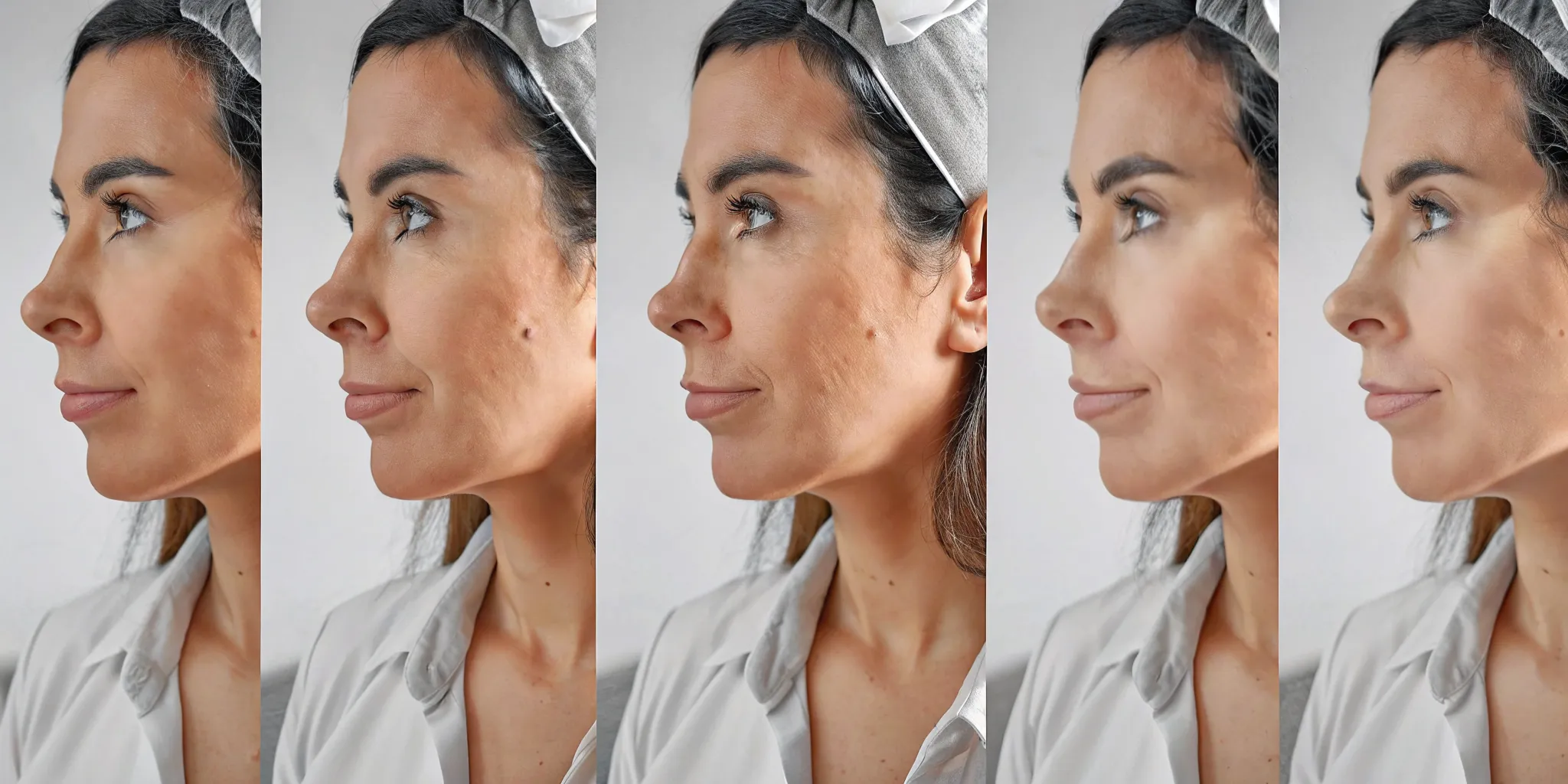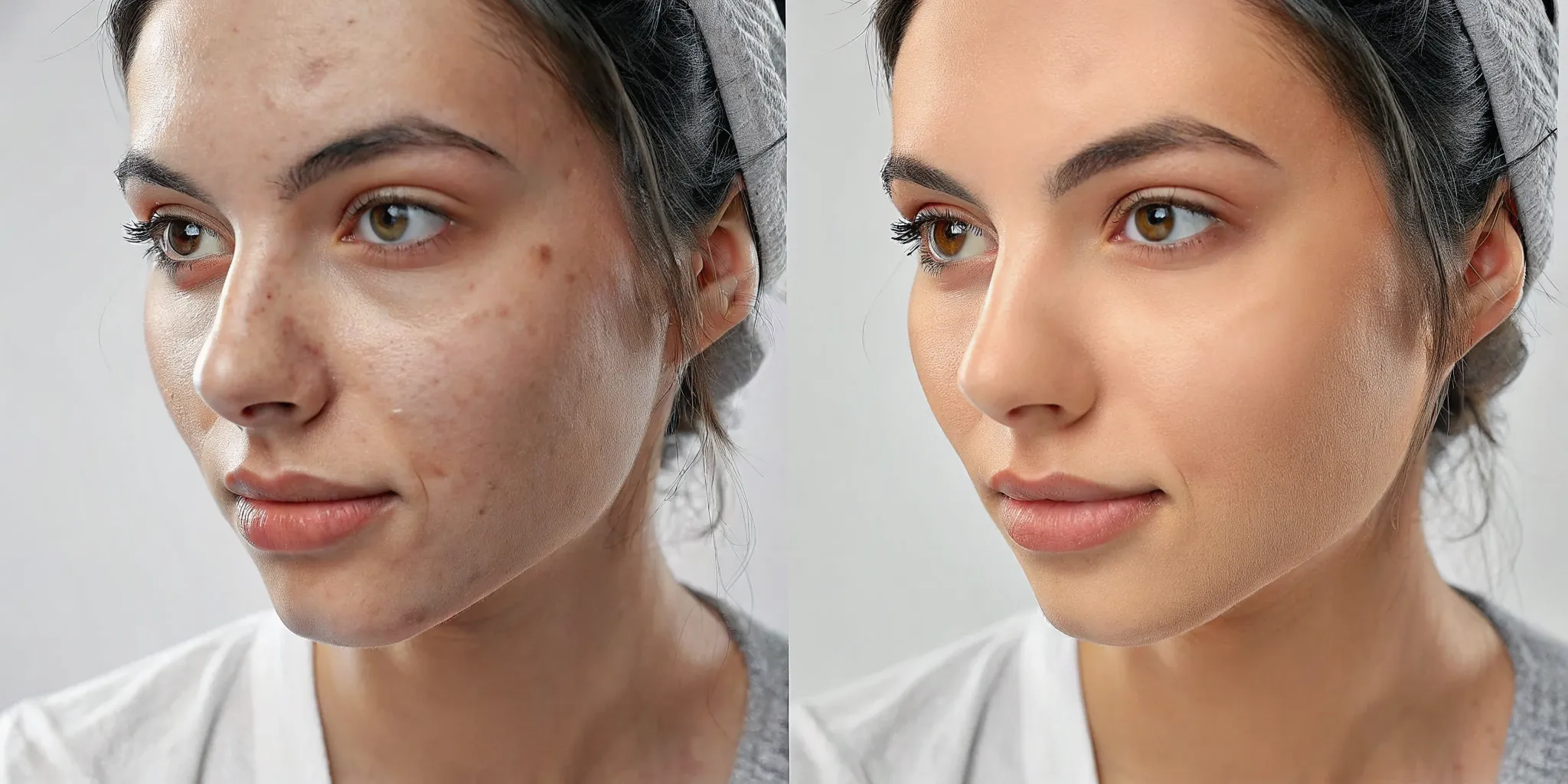
It might sound like something from a science fiction movie: using a beam of light to erase skin imperfections. But it’s very real, and it’s one of the best tools we have for correcting discoloration. A photofacial, also known as an IPL treatment, is a non-invasive procedure that uses broad-spectrum light to target the specific cells that cause sun spots and redness. The light energy is absorbed by the pigment, which breaks it down so your body can naturally clear it away. This targeted approach makes it an incredibly precise and effective treatment for photofacial sun damage, all while stimulating collagen for firmer skin. Let’s explore the science behind this popular treatment and why it delivers such beautiful results.
Key Takeaways
- Photofacials work on two levels: The treatment uses Intense Pulsed Light (IPL) to find and break down unwanted pigment from sun damage. At the same time, it gently heats the skin to stimulate new collagen, which helps improve texture and firmness from within.
- Trust the healing process: Achieving clear skin is a journey, typically requiring 3 to 6 sessions. A key sign the treatment is effective is when your sun spots temporarily darken before flaking away—this means the pigment is being pushed out.
- Sunscreen becomes your best friend: After a photofacial, your skin is extra sensitive to UV rays. To protect your results and prevent new spots from forming, daily use of a broad-spectrum SPF 30+ sunscreen is non-negotiable.
How Do Photofacials Erase Sun Damage?
If you’ve ever wondered how a beam of light can simply make sun spots disappear, you’re not alone. It sounds like magic, but it’s actually fascinating science. A photofacial, also known as an IPL (Intense Pulsed Light) treatment, uses light energy to target and correct discoloration deep within the skin. It’s a go-to treatment for reversing years of sun exposure, breaking up stubborn pigment, and revealing a clearer, more even-toned complexion. But it doesn’t just stop at sun spots; this treatment also gives your skin a little nudge to act younger by stimulating collagen production. Let’s break down exactly how it works.
What is IPL Technology?
First things first, let’s talk about the technology that makes it all happen. IPL stands for Intense Pulsed Light. Unlike a laser, which uses a single, focused wavelength of light, IPL uses a broad spectrum of light wavelengths. Think of it like using a floodlight instead of a laser pointer. This allows the treatment to address several skin concerns at once, from brown spots and redness to visible blood vessels. The device sends out quick pulses of this scattered light, which penetrate the skin to target specific problem areas without harming the surrounding tissue. It’s this versatility that makes IPL one of the most popular aesthetic procedures for skin rejuvenation.
How Photofacials Target Sun Spots
So, how does that light actually get rid of sun spots? It all comes down to pigment. The dark spots on your skin, whether from sun damage or age, contain a pigment called melanin. The intense pulsed light is specifically attracted to this darker pigment. When the light is pulsed onto your skin, the melanin in the sun spots absorbs the light energy, which then converts to heat. This heat breaks down the pigmented cells into tiny particles. In the days following your treatment, your body’s natural processes will clear away these particles, causing the spots to fade or flake off, revealing clearer skin underneath.
How Photofacials Stimulate Collagen
While erasing sun damage is a major win, photofacials offer another incredible benefit: they encourage your skin to produce more collagen. The light energy gently heats the deeper layers of your skin, which signals your body to kickstart its natural healing process. A key part of this process is creating new collagen, the protein that gives your skin its firmness and elasticity. Over time, this increase in collagen helps to soften fine lines, improve skin texture, and give your complexion a smoother, more youthful appearance. It’s a fantastic two-in-one treatment that corrects discoloration on the surface while strengthening your skin from within, similar to how microneedling works to build collagen.
Why Choose a Photofacial for Sun Damage?
If you’re looking for a powerful way to undo years of sun exposure, a photofacial, also known as an IPL (Intense Pulsed Light) treatment, is one of the best options available. It’s a go-to for a reason: it effectively targets discoloration and texture issues caused by the sun, all while giving your skin an overall refresh. Unlike more intensive procedures, a photofacial offers a great balance of noticeable results and convenience, making it a perfect fit for a busy lifestyle. It’s about more than just erasing spots; it’s about restoring your skin’s clarity and getting that healthy glow back.
Enjoy Minimal Downtime
One of the biggest perks of a photofacial is that you can get back to your life almost immediately. Since the treatment is non-invasive—meaning it doesn’t break the skin’s surface—there’s no lengthy recovery period. Most people experience some mild redness, similar to a slight sunburn, for a few hours after their appointment, but that’s typically it. You can apply makeup the next day and head right back to work or your daily activities. This makes it incredibly easy to fit into your schedule without having to plan for days of hiding out at home while you heal.
Treat Multiple Skin Concerns at Once
While a photofacial is fantastic for sun damage, its benefits don’t stop there. The broad-spectrum light used in IPL treatments can address a whole range of skin concerns simultaneously. It’s an effective way to reduce redness from rosacea, minimize the appearance of broken capillaries, and even help with acne and fine lines. So, while you’re treating those stubborn sunspots, you’re also improving your skin’s overall tone and texture. It’s a multi-tasking treatment that delivers comprehensive results, making it one of the most efficient aesthetic services for a total skin refresh.
Achieve Long-Lasting Results
A photofacial isn’t a temporary fix; it delivers results that truly last. The treatment works by breaking down the pigment in sunspots, which your body then naturally eliminates. Once those cells are gone, they’re gone for good. To keep your skin looking clear and vibrant, the key is a combination of smart sun protection and a solid skincare routine. Many clients find that a maintenance session every 6 to 12 months is perfect for tackling any new spots that may appear and for keeping that collagen production active. With a little care, you can enjoy your beautifully even complexion for years to come.
Is a Photofacial Right for Your Skin Tone?
Photofacials work best for individuals with fair to medium skin tones. The technology relies on the contrast between the darker pigment in a sunspot or broken capillary and the lighter surrounding skin. This allows the light energy to zero in on the target without affecting the healthy tissue around it. For darker skin tones, there is less contrast, which can make the treatment less effective and increase the risk of side effects. The best way to know for sure if a photofacial is the right choice for you is to have a professional assess your skin. We can create a personalized plan to help you safely reach your goals.
What to Expect: Your Photofacial Treatment
Knowing what happens during a photofacial can make the entire experience feel more comfortable and exciting. From your first chat with a specialist to the final reveal of your glowing skin, the process is straightforward. We’ll walk you through each step so you can feel confident and prepared for your treatment day.
Your Pre-Treatment Consultation
Your journey to clearer skin begins with a one-on-one consultation. This first step is all about you—we’ll discuss your skin concerns, examine the areas you want to treat, and confirm that a photofacial is the best fit for your goals. It’s the perfect time to ask any questions you have. Once we create your personalized plan, we can get you ready for your first session. Right before the treatment begins, we’ll apply a cooling gel and a topical numbing cream to the area to ensure you’re comfortable from start to finish. Ready to get started? You can schedule your consultation with our team today.
What Happens During the Treatment?
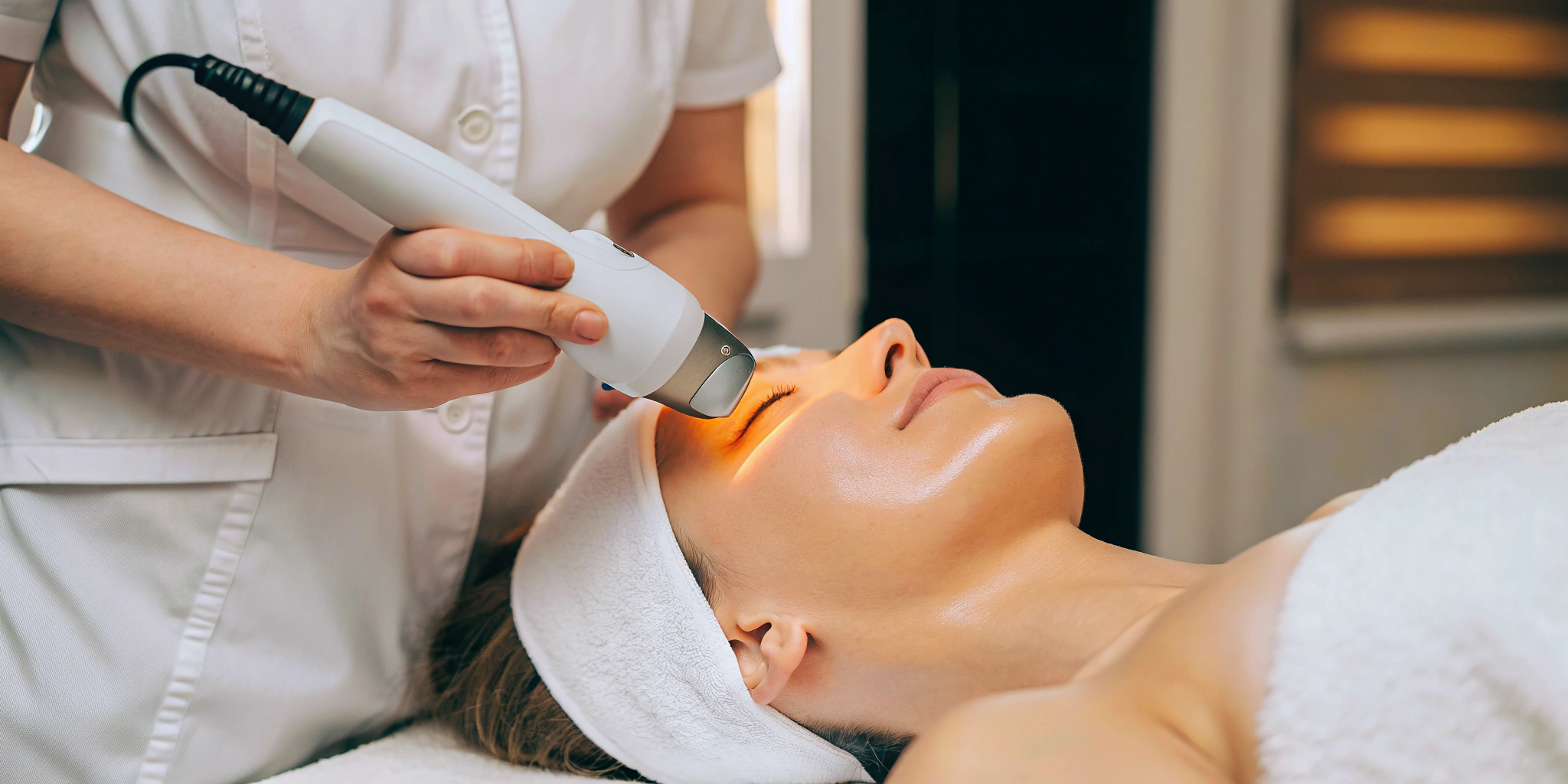
During the treatment, you’ll relax in a comfortable chair and wear protective eyewear. Our specialist will use a handheld device to deliver quick pulses of intense pulsed light (IPL) to your skin. You might feel a slight stinging sensation, often described as a tiny rubber band snapping against your skin, but it’s very brief. The light energy penetrates beneath the skin’s surface to target dark spots and broken capillaries. Your body’s natural healing process then takes over, breaking down and eliminating these damaged cells. Each session is quick, typically lasting only 15 to 30 minutes, making it easy to fit into a busy schedule.
The Healing Process: What to Expect After
After your photofacial, you can expect some mild redness and swelling, similar to a light sunburn. This usually fades within a few hours to a day. Over the next 7 to 14 days, you’ll notice the most interesting part of the healing process. The sun spots and pigmented areas that were treated will actually get darker first. They may look like little coffee grounds on your skin before they naturally flake off on their own. It’s important not to pick or scrub at these spots—just let your body do its work. Once they’re gone, you’ll see clearer, more even-toned skin underneath.
Why Sun Spots Get Darker Before They Disappear
Seeing your sun spots darken after a photofacial can be surprising, but it’s a fantastic sign that the treatment is working exactly as it should. The intense light from the IPL device is absorbed by the excess melanin (pigment) in your sun spots. This process breaks the pigment apart and draws it up to the surface of your skin. This is why the spots appear darker for a few days. As your skin goes through its natural cycle of renewal, these darkened, pigmented cells are pushed to the top layer and flake away, revealing the smoother, undamaged skin below.
How Many Photofacial Sessions Will You Need?
One of the first questions everyone asks is, “So, how many treatments will this take?” It’s a great question, and the honest answer is: it depends. While there’s a typical range we see for achieving those clear, glowing results, your treatment plan will be tailored specifically to your skin’s history and your beauty goals. Think of it not as a one-size-fits-all solution, but as a personalized path to revealing your best skin. We’ll work together to map out a timeline that makes sense for you.
Your Personalized Treatment Timeline
For most of our clients, the magic number of photofacial sessions falls between three and six. This range typically provides the most comprehensive and lasting results for concerns like sun spots, redness, and uneven tone. We schedule these treatments about three to four weeks apart. This isn’t an arbitrary waiting period; it gives your skin the perfect amount of time to go through its natural renewal process. The treated pigment rises to the surface and flakes away, revealing the clearer skin underneath. To find out exactly what your timeline will look like, you can schedule a consultation with one of our experts.
What Determines How Many Sessions You’ll Need?
Several factors influence your custom treatment plan. The primary one is the specific condition of your skin—we’ll look at the extent of sun damage, the depth of pigmentation, and your overall skin tone. Your personal goals also play a huge role. Are you looking to erase a few faint sun spots or address more widespread discoloration and redness? Each person’s skin tells a different story, and your treatment plan will reflect that. We’ll assess all these factors during your consultation to recommend the number of sessions that will give you the beautiful results you’re looking for.
Results You Can Expect After Each Session
While patience is key, you’ll likely start seeing improvements after just one or two sessions. Your skin may appear brighter and feel smoother. One thing to prepare for is that your dark spots might actually look a bit darker for a few days after treatment. Don’t panic! This is a great sign that the IPL technology is working. It means the pigmented cells have absorbed the light energy and are rising to the surface before they gently flake off. The most dramatic and satisfying results will appear after you’ve completed your full series of treatments, revealing a much more even and radiant complexion.
Are Photofacials Safe? Do They Hurt?
It’s completely normal to have questions about safety and comfort before trying a new skin treatment. You want to know what you’re signing up for, from the sensation during the procedure to what your skin will look like afterward. Let’s walk through what you can really expect from a photofacial, so you can feel confident and prepared for your appointment.
Does a Photofacial Hurt?
Let’s get right to it: what does a photofacial feel like? Most people describe the sensation as a quick, light snap, similar to a tiny rubber band against the skin. While you’ll definitely feel it, the feeling is very brief and generally considered mild. The discomfort only lasts for the split second the pulse of light is delivered to your skin. Our experienced technicians are experts at making the entire process as comfortable as possible. There’s no lingering pain afterward—just the beginning of your skin’s renewal.
Normal Side Effects vs. Red Flags
After your session, it’s typical to see some mild redness and maybe a little swelling in the treated area. This usually calms down within a few hours. You’ll also notice your sun spots and dark patches getting darker at first—this is actually a great sign! It means the treatment is working, and these pigmented spots will gently flake off on their own over the next several days. While serious side effects are rare, it’s important to know what to look for. If you ever experience blistering or scarring, please get in touch with our team right away.
Who Isn’t a Good Candidate for a Photofacial?
A photofacial is a fantastic treatment, but it isn’t the right fit for every person or skin type. To ensure the safest and most effective results, we typically don’t recommend it for individuals with very dark skin tones due to a higher risk of pigmentation changes. It’s also best to avoid this treatment if you have a recent tan (real or fake), are pregnant, or are taking certain medications like Accutane that increase light sensitivity. During your consultation, we’ll carefully review your skin and medical history to confirm if a photofacial is the perfect choice for you or if one of our other treatments would be a better match.
Your Post-Photofacial Care Guide
You’ve completed your photofacial treatment! The next step is all about aftercare. Giving your skin the right attention now is key to seeing those beautiful results you’re looking for. Proper care helps your skin heal smoothly and ensures you get the most out of your session. Your skin will be a bit sensitive, so treating it gently is the top priority. Here’s a simple guide to follow after your appointment to keep your skin happy and healthy.
The First 48 Hours: Key Aftercare Steps
Right after your treatment, it’s normal for your skin to look a little pink and feel warm, like a mild sunburn. This usually fades within a day. To keep comfortable, you can apply a cold compress to the area. For the next two days, avoid anything that could add more heat to your skin—that means skipping hot showers, saunas, and intense workouts. Stick to a gentle, non-irritating cleanser and a simple moisturizer. It’s also important to pause any active skincare ingredients like retinoids or exfoliants until your specialist gives you the green light.
Your New Skincare Routine and Sun Protection
Your skin is extra sensitive to UV rays after a photofacial, making sun protection non-negotiable. You must be diligent about applying a broad-spectrum sunscreen with an SPF of 30 or higher every single day, even if it’s cloudy. For at least four weeks following your treatment, avoid direct sun exposure, tanning beds, and self-tanning products. This protects your healing skin and prevents new sun spots from forming. When it comes to your daily routine, keep it simple with gentle products. We can help you build a supportive skincare regimen during your consultation.
How to Maintain Your Results Long-Term
You’ll love your clearer, more even-toned skin, and you’ll want to keep it that way. The best way to maintain your results is through a consistent daily skincare routine with sunscreen as the star player. Because sun-damaged skin is prone to producing more pigment, new spots can appear with future sun exposure. To keep your complexion looking its best, many clients find that a follow-up photofacial every 6 to 12 months works wonders. This helps address any new spots and keeps collagen production active. We can create a personalized treatment plan to help you achieve your long-term skin goals.
Photofacial Treatments at Ultimate Image MedSpa
If you’re looking to reverse the visible signs of sun exposure, you’re in the right place. At Ultimate Image MedSpa, we use Intense Pulsed Light (IPL) photofacials to effectively treat sun damage like brown spots, freckles, and tiny red veins. The technology works by sending out lightwaves that are absorbed by the pigment in your skin, breaking apart the cells that cause discoloration. Your body’s natural healing process then clears away these treated cells, revealing a more even complexion. Our team can guide you through our full range of services to find the perfect fit.
Our Treatment Costs and Packages
We create a treatment plan that’s as unique as you are. Because everyone’s skin is different, most clients see the best results with a series of three to six treatments, scheduled about four weeks apart. This timing allows your skin to heal and respond between appointments. Each session is quick and convenient, usually lasting between 15 and 30 minutes. Afterward, it’s common to experience some mild redness or swelling for a few hours. We’ll discuss all the details during your initial consultation to ensure your plan fits your goals.
Schedule Your Consultation for a Personalized Plan
Your journey to clearer skin starts with a conversation. The best way to know if a photofacial is right for you is to schedule a one-on-one consultation with our specialists. We’ll carefully assess your skin, discuss your concerns, and create a customized treatment plan to deliver the results you’re looking for. We’ll also map out the number of sessions you’ll likely need and what to expect along the way. Ready to get started? You can contact us today to book your complimentary consultation and take the first step toward brighter skin.
Why Choose a Professional for Your Photofacial?
When it comes to advanced treatments like IPL, working with a trained professional is essential. An expert ensures the device is calibrated correctly for your skin type, which is key for both safety and effectiveness. They can properly assess your skin to confirm you’re a good candidate and guide you through the process. Following pre- and post-treatment instructions is also vital for great results. We provide clear aftercare guidance, emphasizing the importance of avoiding sun exposure and using sunscreen. Choosing a professional means you’re investing in your skin’s health and getting the highest standard of care.
Related Articles
- Photofacials 101: Everything You Need to Know – Ultimate Image MedSpa
- Photofacial Before and After: See The Results – Ultimate Image MedSpa
- Photofacial in Plano: Your Questions Answered – Ultimate Image MedSpa
Frequently Asked Questions
Is a photofacial the same thing as a laser treatment? That’s a great question, as the terms are often used interchangeably. While both use light energy, they are different technologies. A laser uses a single, focused wavelength of light to target a very specific issue. A photofacial, or IPL, uses a broad spectrum of light, like a flash of light, which allows it to address several concerns at once, such as sun spots, redness, and broken capillaries, all in the same session.
How long will it take to see my final results? You’ll likely notice your skin looking brighter after your first session, but the most significant changes appear after you complete your full series of treatments. The entire process, from your first session to seeing the final outcome, usually takes a few months. This gives your skin the time it needs to heal, shed the treated pigment, and build new collagen between each appointment.
Will my sun spots come back after the treatment? A photofacial permanently removes the specific pigmented cells it treats. Once those spots flake off, they are gone for good. However, the treatment doesn’t prevent new spots from forming. If you have sun-damaged skin, you may be prone to developing new spots with future sun exposure. This is why diligent, daily sunscreen use is so important to maintain your clear complexion.
Can I get a photofacial on other parts of my body besides my face? Absolutely. While it’s called a “photofacial,” the IPL technology is very effective for treating sun damage on other areas that get a lot of sun exposure. Many people choose to treat their neck, chest (décolleté), hands, and shoulders to correct sun spots and create a more even skin tone across the board.
What happens if I pick at the dark spots after my treatment? It can be tempting, but it’s so important to let those darkened spots flake off on their own. They look like tiny coffee grounds on the skin, which is a sign the treatment worked perfectly. Picking at them can interfere with your skin’s natural healing process and could potentially lead to scarring or discoloration. Just be patient for a few days and let your body do the work.