Let’s get straight to the questions that are probably on your mind: Does it hurt? Will it leave a scar? How long will it actually take? The unknowns surrounding laser tattoo removal can feel overwhelming, but getting clear answers is the first step toward making a choice you feel good about. The process is a journey, not a quick fix, and your results depend on everything from the ink colors to your skin type. We’re here to demystify the experience and give you an honest look at what it takes to remove a tattoo safely and effectively, so you can set realistic goals for your skin.
Key Takeaways
- Set Realistic Expectations for a Gradual Process: Tattoo removal is a journey, not a quick fix, requiring multiple sessions spaced weeks apart. The goal is significant fading, and your final result depends on factors like ink color, tattoo age, and your body’s unique healing response.
- Professional Treatment is the Only Safe Option: Your safety and results depend on choosing a certified specialist using medical-grade laser technology. Avoid dangerous at-home creams and invest in a qualified provider who can tailor the procedure to your specific skin and tattoo.
- Your Aftercare Routine is Crucial for Success: What you do between sessions directly impacts your outcome. Following your specialist’s instructions—especially keeping the area clean and protected from the sun—is essential for proper healing and preventing unwanted side effects.
Is Professional Tattoo Removal Right for You?
Deciding to remove a tattoo is a big step, and it’s one that deserves careful thought. Maybe the ink that once felt like a perfect expression of you now feels like a relic from a different chapter of your life. Or perhaps you’re just ready for a clean slate. Whatever your motivation, you’re exploring a path that many others have walked. The good news is that modern technology has made tattoo removal more effective than ever before.
But before you book your first appointment, it’s important to understand what the process involves. It’s more than just erasing ink; it’s an investment in your skin and your confidence. Let’s walk through some of the key considerations to help you decide if professional laser tattoo removal is the right choice for you.
Common Reasons for Wanting a Clean Slate
The reasons for removing a tattoo are deeply personal and completely valid. For many, a tattoo that was meaningful in their twenties just doesn’t fit their lifestyle anymore. Tastes change, relationships end, and career paths shift. Sometimes, the tattoo itself is the problem—it may have faded, blurred over time, or simply wasn’t what you envisioned.
It’s also possible to have a negative reaction to the ink, leading to skin irritation that makes you want it gone. Whether you’re making room for new art or simply want to return to your natural skin, you’re not alone. Acknowledging that you’re ready for a change is the first and most important step in the journey.
Breaking Down the Investment
It’s helpful to think of tattoo removal as an investment in yourself. Because the ink is settled deep within your skin, removing it is a more complex process than getting the tattoo in the first place. The total cost depends on several factors, including the tattoo’s size, colors, and age. Most people require multiple sessions spaced several weeks apart to achieve the best results, so it’s a commitment of both time and money.
Instead of looking for a one-size-fits-all price, the best approach is to schedule a consultation. A specialist can assess your specific tattoo and give you a realistic treatment plan and cost estimate. This allows you to make an informed decision and budget accordingly for your fresh start.
Debunking Common Removal Myths
When you start researching tattoo removal, you’ll likely come across ads for at-home creams and DIY kits promising a quick, cheap fix. It’s crucial to know that these products are not only ineffective but can also be dangerous. The FDA has not approved any DIY tattoo removal creams, as there is no evidence they work safely.
Tattoo ink sits in the dermis, a deep layer of your skin that topical creams can’t reach. At best, these products will do nothing; at worst, they can cause burns, scarring, and skin discoloration. The only proven method for safely removing tattoo ink is professional treatment performed by a trained specialist using medical-grade equipment. Don’t risk permanent skin damage—always opt for a safe, professional approach.
How Does Professional Tattoo Removal Actually Work?
If you’re considering saying goodbye to a tattoo, you’ve probably wondered what the process actually involves. It’s not magic—it’s science. Professional tattoo removal uses advanced technology to safely break down the ink that’s settled in your skin. The goal is to fade the tattoo until it’s no longer visible, all while keeping your skin healthy. Understanding the mechanics can help you feel more confident and prepared as you start your removal journey. Let’s look at the different methods and why laser technology has become the gold standard for getting a clean slate.
The Science of Laser Technology
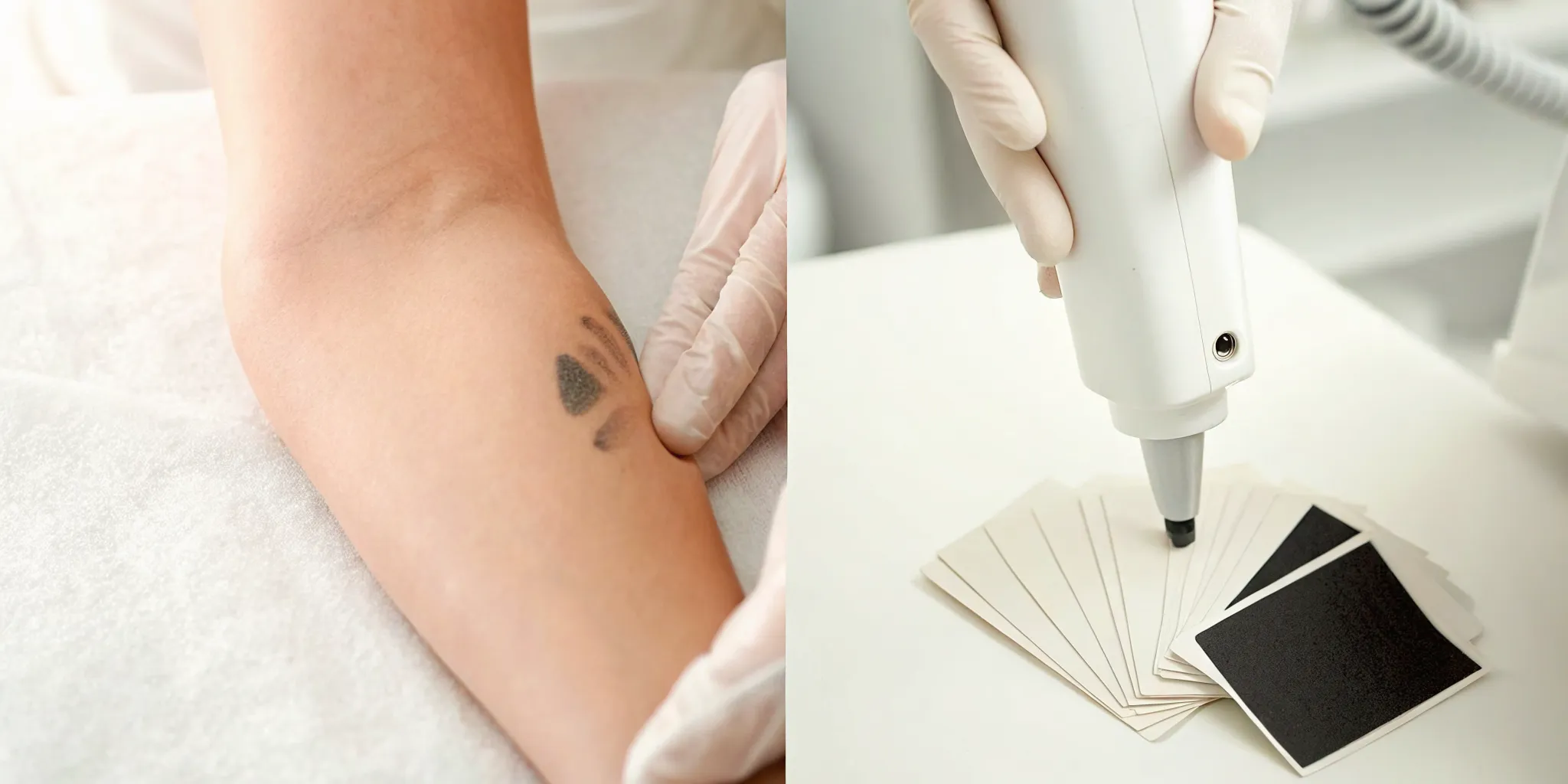
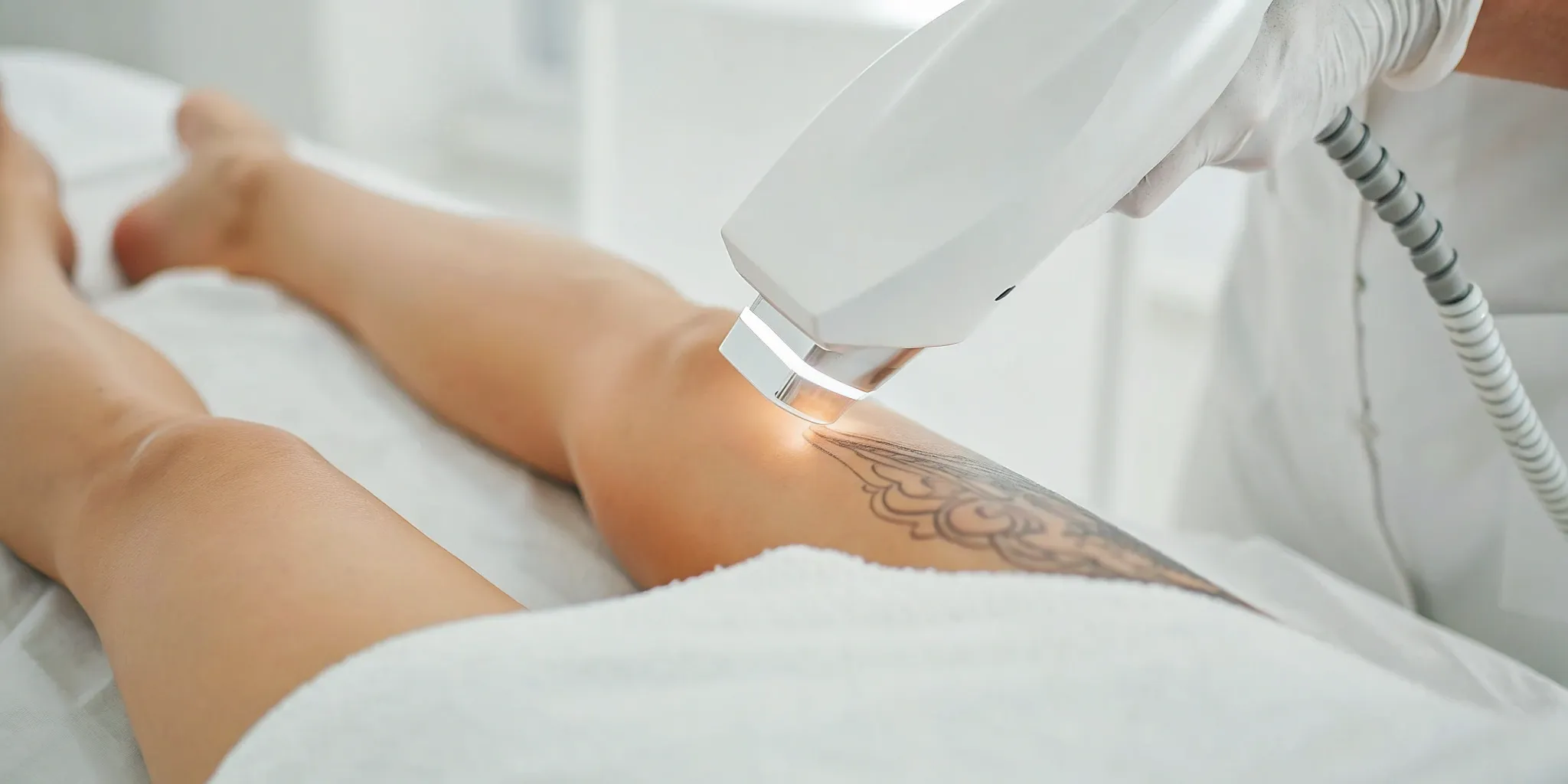
The most effective and widely used method for tattoo removal is laser treatment. Think of the laser as a highly focused beam of light that knows exactly what to target. When the light energy hits your skin, it passes through the top layers and is absorbed by the tattoo ink pigments. This rapid absorption of energy causes the ink particles to shatter into tiny fragments. Once the ink is broken down, your body’s natural immune system takes over, gradually flushing the microscopic particles away. This is why multiple sessions are needed; each treatment breaks down more ink, and your body needs time in between to heal and clear it out.
An Overview of Professional Removal Methods
While laser tattoo removal is the safest and most common approach, it’s helpful to know about other methods you might hear about. Older techniques include dermabrasion, which essentially sands down the top layers of skin to remove the ink, and surgical excision, where the tattooed skin is cut out and the remaining skin is stitched together. These methods are far more invasive and come with a much higher risk of scarring. Modern laser technology is a significant advancement because it targets only the ink pigment, leaving the surrounding skin tissue unharmed and making it the preferred choice for effective results with minimal side effects.
How Different Ink Types Affect the Process
Not all tattoos are created equal, and the type of ink used plays a big role in the removal process. Different colors absorb different wavelengths of light, which is why a specialist may use multiple lasers for a multi-colored piece. As a general rule, black and dark blue inks are the easiest to remove because they absorb all laser wavelengths. Lighter colors like green, yellow, and red can be more stubborn. It’s also important to know that some white or flesh-colored inks can actually darken when treated with a laser. This is why a professional consultation is so important to assess your specific tattoo and create a realistic treatment plan.
Why Professional Removal is the Safest Choice
Whatever you do, please don’t try to remove a tattoo at home. DIY creams and at-home kits are not only ineffective but can be dangerous, leading to skin damage, infections, and permanent scarring. Professional tattoo removal is a medical procedure that should only be performed by a trained and certified specialist. A professional uses sterile equipment and has the expertise to adjust the laser settings for your specific skin type and tattoo ink, which significantly reduces the risk of side effects. Following the aftercare instructions provided by your specialist is also key to helping your skin heal properly and achieving the best possible outcome.
What Factors Influence Your Results?
If you’re considering saying goodbye to some old ink, you might be wondering what the final result will look like. The truth is, laser tattoo removal is a highly personal process, and the outcome depends on a few key variables. Think of it less like an eraser and more like a fading process that’s unique to you, your skin, and your tattoo.
Several factors come into play, from the colors used in your tattoo to its location on your body. Understanding these elements can help you set realistic expectations and work with your specialist to create the most effective treatment plan. A professional consultation is the best way to get a clear picture of what your journey will entail, but knowing the basics ahead of time can make you feel much more prepared. Let’s walk through the main things that will influence your tattoo removal results.
Ink Color and Tattoo Age
Not all inks are created equal, especially when it comes to removal. Darker pigments, like black and dark blue, are typically the easiest for the laser to target and break down. On the other hand, colors like green, red, and yellow can be more stubborn and may require additional sessions. White, flesh-toned, or cosmetic tattoos (like permanent makeup) present a unique challenge, as the laser can sometimes cause them to darken before they begin to fade. The age of your tattoo can also play a role; older tattoos have often faded naturally over time, which can sometimes make them a bit easier to remove than fresh, vibrant ink.
Your Skin Type and Tone
Your skin is the canvas, and its characteristics are a major factor in the removal process. The contrast between your skin tone and the tattoo ink helps the laser identify and target the pigment. While the procedure is effective for a wide range of skin types, different approaches are needed to protect your skin. For darker skin tones, a specialized laser is often used to minimize the risk of pigmentation changes. This is why it’s so important to work with an experienced professional who understands how to tailor the treatment to your specific skin type, ensuring both safety and the best possible results for you.
The Tattoo’s Location and Size
Where your tattoo is located on your body matters more than you might think. Tattoos in areas with better circulation, like your chest or back, tend to fade faster because your body’s immune system can more efficiently flush away the broken-down ink particles. Tattoos on your hands, feet, or ankles might take a bit longer since circulation is less robust in those extremities. Naturally, the size of the tattoo also plays a big part. A small design will require fewer sessions and less time to treat than a large, intricate piece that covers a significant area of your skin.
Previous Cover-ups or Touch-ups
Have you tried to hide or refresh an old tattoo with a new one? Cover-ups can make the removal process more complex. When a tattoo has been covered, it means there are multiple layers of ink deep within your skin. The laser has to work through each layer of pigment, which often requires more time and additional treatment sessions to achieve a clean slate. During your consultation, be sure to mention any touch-ups or cover-ups you’ve had. This information helps your specialist create a realistic treatment plan and gives you a clearer understanding of the timeline and investment required to fully remove the layered ink.
What to Expect: Pain, Timelines, and Results
Deciding to remove a tattoo is a big step, and it’s natural to have questions about what the process really looks and feels like. Let’s walk through the common concerns, from discomfort to the final outcome, so you can feel confident and prepared for your journey to clear skin. At Ultimate Image MedSpa, we believe in transparency, ensuring you have a clear picture of the entire process before you even begin.
Our goal is to make your experience as comfortable and effective as possible. We’ll cover everything from managing the sensation during treatment to setting achievable goals for your results. Understanding these key aspects will help you move forward with realistic expectations and a positive mindset.
How to Manage Discomfort
Let’s address the most common question first: does it hurt? The sensation of laser tattoo removal is often compared to a rubber band snapping against the skin. While it’s not painless, the discomfort is typically brief and manageable. Many people find it less intense than getting the tattoo in the first place.
Your comfort is our priority. Before each session, we can apply a topical numbing cream to the treatment area to minimize any pain. Your skin might feel a bit sore afterward, similar to a sunburn, but this usually subsides quickly. We’ll give you detailed aftercare instructions to help soothe your skin and ensure a smooth healing process.
Preparing Mentally for the Process
Getting ready for tattoo removal is as much a mental process as it is a physical one. It’s important to approach it with patience and commitment. This isn’t a one-and-done treatment; it’s a gradual journey that requires you to stick with the plan. The best candidates are those who are in good general health and have a clear understanding of what to expect from the treatments.
Think of it as a partnership between you and your specialist. Your role is to follow the pre- and post-care instructions carefully, while our role is to provide the safest, most effective treatment possible. Having a positive and patient outlook will make the entire experience much smoother.
Setting Realistic Goals
It’s crucial to have realistic expectations about your final results. While our advanced laser technology is incredibly effective, the goal of laser tattoo removal is significant fading, which may or may not lead to 100% clearance. In many cases, the tattoo is lightened to the point where it’s barely noticeable, but a faint shadow or some residual ink might remain.
Factors like ink colors, tattoo age, and your skin type all play a role in the final outcome. During your consultation, we’ll assess your specific tattoo and give you an honest evaluation of what you can expect. Our aim is to achieve a result that you are truly happy with.
Understanding Your Treatment Timeline
Patience is key when it comes to tattoo removal. The process requires multiple sessions, typically spaced six to eight weeks apart, to allow your skin to heal and your body to flush away the shattered ink particles. Most clients need between 6 and 12 sessions to achieve their desired results, though this number can vary.
Some ink colors are more stubborn than others, and factors like the tattoo’s location and depth can also influence the timeline. We will create a personalized treatment plan tailored to your tattoo and skin type. You can contact us anytime to schedule a consultation and get a clearer idea of your specific timeline.
A Step-by-Step Look at the Removal Process
Knowing what to expect can make the tattoo removal journey feel much more manageable. From your first conversation to your final session, the process is designed to be clear, safe, and effective. Let’s walk through the four key stages of professional laser tattoo removal so you can feel confident and prepared every step of the way.
Your Initial Consultation
Think of your initial consultation as the strategy session for your skin. This is where you’ll sit down with a specialist to talk openly about your goals. Are you looking for complete removal or just fading the tattoo for a cover-up? During this meeting, the technician will examine your tattoo, discuss your medical history, and answer all of your questions. It’s the perfect time to get a feel for the clinic and the team. This first step is all about creating a personalized treatment plan that aligns with your expectations and ensures you’re a great candidate for the procedure. You can schedule a consultation to get started.
The Pre-Treatment Medical Screening
Before any lasers are involved, a quick medical screening ensures the process will be safe and effective for you. A specialist will review your health history to confirm you’re a good candidate. Factors like being in good general health and not smoking can contribute to better results and smoother healing. This screening is a critical safety measure that professionals take seriously. It helps determine the best approach for your specific skin type and tattoo, setting the foundation for a successful outcome. This careful evaluation is a key part of our laser tattoo removal process.
What Happens During a Treatment Session
When it’s time for your appointment, you’ll be given protective eyewear to wear. The specialist will then use a handheld laser device, passing it over your tattoo. The laser sends quick pulses of light energy into your skin, which are absorbed by the tattoo ink. This energy heats the ink particles and shatters them into tiny fragments. Once broken down, your body’s immune system naturally gets to work flushing these microscopic particles away. The sensation is often compared to a rubber band snapping against the skin—it’s quick, and each session is typically over in a matter of minutes, depending on the tattoo’s size.
How Your Progress is Monitored
Tattoo removal is a marathon, not a sprint. You’ll need several sessions to achieve your desired results, and they’re usually scheduled weeks apart. This spacing is essential; it gives your skin time to heal and your body time to clear away the fragmented ink particles between treatments. Your specialist will monitor your progress at each appointment, adjusting the treatment as needed. The success of the removal depends on things like the tattoo’s age, size, and colors, as well as your individual skin tone. Your technician will track these changes and keep you informed on your progress toward clear skin.
Safety and Side Effects: What You Need to Know
Deciding to remove a tattoo is a big step, and it’s completely normal to have questions about what the process entails, especially when it comes to safety. The good news is that when performed by a certified professional, laser tattoo removal is a safe and effective procedure. Like any cosmetic treatment, it comes with a few potential side effects, but knowing what to expect can help you feel confident and prepared.
Being informed is the best way to ensure your experience is smooth and your results are fantastic. It’s all about understanding how your body will react and how you can best support the healing process. We’ll walk through the common side effects, potential risks, and the crucial aftercare steps that put you in control of your outcome. Your safety and comfort are the top priorities, so let’s get clear on what happens after a treatment session.
Common (and Normal) Side Effects
Let’s talk about what you’ll likely feel during and after a session. Many people describe the sensation of the laser as a rubber band snapping against the skin—a bit uncomfortable, but quick. We can apply a numbing cream beforehand to make you more comfortable. Afterward, it’s normal to see some redness, swelling, and maybe even a little blistering or pinpoint bleeding in the treated area. Your skin might also feel sore, similar to a sunburn. These are all signs that your body’s natural healing process is kicking in to flush out the ink particles. These effects are temporary and usually calm down within a few days to a week.
Understanding the Potential Risks
While serious complications are rare with a skilled technician, it’s important to be aware of the risks. The main concerns are infection, scarring, and changes in skin pigmentation, where the treated skin becomes either lighter (hypopigmentation) or darker (hyperpigmentation) than the surrounding skin. These risks are significantly lower when your treatment is performed by a certified specialist using the proper equipment and protocols. Choosing an experienced provider is the single most important thing you can do to protect your skin and ensure you get the results you want without unwanted complications.
When to Contact Your Specialist
You should always feel supported throughout your tattoo removal journey. While some soreness and swelling are expected, you should keep an eye out for anything that seems unusual. If you experience severe pain, excessive swelling, or signs of an infection like pus or a fever, it’s important to get in touch with your specialist right away. We are here to guide you through the healing process, so never hesitate to reach out with questions or concerns. Open communication ensures we can address any issues quickly. If you’re ever worried about how your skin is healing, please contact us immediately.
How to Minimize Side Effects
Your aftercare routine is just as important as the treatment itself. Following instructions carefully is the key to minimizing side effects and preventing scarring. This typically involves keeping the area clean and applying an antibiotic ointment and a bandage for the first few days. Gently cleansing the area, applying ice packs to reduce swelling, and avoiding picking at any scabs that form will help your skin heal beautifully. Sun protection is also non-negotiable, as UV exposure can interfere with healing and cause pigmentation issues. Diligent aftercare helps you achieve the best possible outcome.
Your Essential Aftercare Plan
What you do after your laser session is just as important as the treatment itself. Think of it as a team effort between you and your specialist—they handle the laser, and you handle the healing. A solid aftercare routine is your best strategy for getting great results, speeding up recovery, and keeping side effects to a minimum. Your skin will be sensitive, so giving it the right care helps it repair itself beautifully between appointments. Following these steps ensures your skin stays healthy and prepares you for your next session. At Ultimate Image MedSpa, we provide detailed instructions after every laser tattoo removal treatment, but here’s a guide to what you can generally expect.
Care Immediately After Treatment
Right after your session, the treated area will likely feel tender, similar to a sunburn. Your main job is to keep it clean, cool, and protected. We’ll typically apply an antibiotic ointment and a bandage before you leave. For the first few days, you should gently cleanse the area with mild soap and water, pat it dry, and reapply the recommended ointment. Applying a cold compress can help reduce swelling and discomfort. It’s also completely normal to see some blistering or scabbing. Whatever you do, resist the urge to pick at your skin. Letting it heal on its own is crucial for avoiding infection and scarring.
Supporting the Long-Term Healing Process
Tattoo removal is a gradual process that relies on your body’s immune system to flush out the shattered ink particles. To help things along, focus on healthy habits. Staying well-hydrated by drinking plenty of water is one of the best things you can do to support your body’s natural detoxification process. A balanced diet and regular exercise can also contribute to better circulation and a stronger immune response. Remember, patience is key. It takes multiple sessions to achieve the desired results, and it’s common for some faint marks to remain. Trust the process and give your body the support it needs to do its work.
Why Sun Protection is Non-Negotiable
Think of the sun as the enemy of your healing skin. Exposing the treated area to UV rays can cause significant problems, including skin discoloration. This can show up as hyperpigmentation (dark spots) or hypopigmentation (light spots), which can sometimes be permanent. Sun exposure also increases your risk of scarring. To protect your investment and your skin, keep the area covered with clothing or a bandage. Once the skin has healed over, apply a broad-spectrum sunscreen with an SPF of 30 or higher every single day, even if it’s cloudy. This simple step is one of the most effective ways to ensure a smooth, even-toned result.
Sticking to Your Follow-up Schedule
We know you’re eager to see your tattoo disappear, but scheduling your appointments too close together can do more harm than good. Your specialist will recommend a specific timeline, usually spacing sessions six to eight weeks apart. This waiting period is essential. It gives your skin enough time to fully heal and allows your body to effectively break down and remove the ink particles targeted in the last session. Rushing this can increase the risk of unwanted side effects like scarring and skin texture changes. Trust your specialist’s expertise—they’ve designed a schedule that prioritizes your safety and delivers the best possible outcome. If you have any questions about your timeline, don’t hesitate to contact us.
How to Choose the Right Removal Specialist
Finding the right person to handle your tattoo removal is just as important as deciding to get it removed in the first place. This isn’t a decision to take lightly. You’re putting your skin in someone else’s hands, so you want to be sure they are qualified, experienced, and trustworthy. The right specialist will not only have the technical skills but will also make you feel comfortable and confident throughout the entire process. Think of it as building a partnership with a shared goal: getting you the best results safely. Taking the time to do your research now will save you a lot of potential stress and ensure your journey to clear skin is a smooth one.
Essential Qualifications to Look For
When you start your search, focus on credentials first. You should always look for a licensed or certified healthcare provider, like a dermatologist or a certified laser technician working under medical supervision. These professionals have extensive training in skin health and understand the complexities of laser treatments. Don’t be shy about asking to see their certifications or asking about their experience specifically with tattoo removal. A reputable clinic will be proud to share this information. Finding a specialist with the right qualifications ensures they can safely guide you through the process, assess your skin correctly, and handle any potential side effects with expertise.
Key Questions to Ask at Your Consultation
Your consultation is your opportunity to interview your potential specialist and get a feel for their approach. Come prepared with a list of questions to ensure all your concerns are addressed. Before you commit to anything, you should always talk to a skin doctor or a qualified professional.
Key questions to ask include:
- Which laser technology do you use, and why is it right for my tattoo?
- How many sessions do you estimate I will need?
- Can I see before-and-after photos of previous clients with similar tattoos and skin tones?
- What are the potential risks and side effects for my skin type?
- What is the total estimated cost for the entire removal process?
A great specialist will answer your questions thoroughly and help you set realistic expectations. If you’re ready to start the conversation, you can always contact us to schedule your own consultation.
Comparing Costs and Value
The cost of tattoo removal can vary quite a bit depending on the tattoo’s size, colors, and age, as well as the technology used. While it’s tempting to shop around for the lowest price, it’s more important to focus on value. A cheaper option might mean outdated equipment, a less experienced technician, or a higher risk of poor results and side effects. When you receive a quote, make sure you understand exactly what it includes. Is it a per-session price or a package deal? Are there any hidden fees? Investing in a reputable clinic with experienced professionals and state-of-the-art technology is an investment in your safety and the quality of your results.
Red Flags to Watch Out For
As you research your options, be aware of some major red flags. Steer clear of any place that promises complete removal in just one or two sessions, as this is almost always unrealistic. You should also be very wary of do-it-yourself tattoo removal creams and at-home kits. The FDA has not approved these products, and they are often ineffective and can lead to skin irritation, burns, and permanent scarring. Another red flag is a provider who pressures you into making a quick decision or paying for a package upfront before you feel ready. A professional and trustworthy clinic will prioritize your safety and comfort above all else.
Related Articles
- Laser Tattoo Removal at Home: Safe or Risky? – Ultimate Image MedSpa
- Tattoo Removal Services: A Comprehensive Guide – Ultimate Image MedSpa
Frequently Asked Questions
Is the tattoo going to be completely gone when I’m done? The goal of laser tattoo removal is to fade the ink until it’s no longer noticeable. For many people, this means the tattoo becomes virtually invisible. However, it’s helpful to think of it as a fading process rather than a complete erasure. Factors like the ink colors, your skin tone, and how deep the ink was placed all influence the final outcome. A tiny bit of residual ink or a faint shadow can sometimes remain, but our aim is always to achieve the clearest skin possible for you.
Why does it take so many sessions spaced so far apart? This is a great question because it gets to the heart of how the process works. The laser’s job is to shatter the ink particles into tiny fragments, but it’s your body’s immune system that actually does the heavy lifting of flushing those fragments out. This natural process takes time. The six-to-eight-week waiting period between sessions gives your skin the time it needs to heal completely and allows your body to clear away as much ink as possible before we target it again.
I have a multi-colored tattoo. Can it still be removed? Yes, multi-colored tattoos can absolutely be removed. The process is just a bit more complex because different ink colors absorb different wavelengths of light. A professional specialist will use advanced lasers that can be adjusted to target specific colors. While dark inks like black and blue tend to respond the quickest, lighter colors like green, yellow, and red can be more stubborn and may require more sessions to break down effectively.
What’s the most important thing I can do to ensure I get good results? Your results depend on a partnership between you and your specialist. Your most important job is to follow the aftercare instructions to the letter. This means keeping the area clean, avoiding picking at any scabs, and being diligent about sun protection. Protecting the treated skin from UV rays is non-negotiable, as it prevents pigmentation issues and helps your skin heal properly. When you combine great aftercare with treatment from a certified, experienced professional, you create the best possible conditions for success.
Can I get a new tattoo removed right away if I regret it? It’s best to wait until your new tattoo is fully healed before starting the removal process. Your skin needs time to recover from the initial tattooing, which can take at least three to four months. Attempting to remove a fresh tattoo too soon can be less effective and increases the risk of skin damage and scarring. Once your skin has completely healed, you can schedule a consultation to create a safe and effective removal plan.