Skip to content

The idea of getting laser hair removal without ever leaving your house sounds tempting. At-home devices are everywhere, promising professional results for a fraction of the cost. But there’s a significant difference between a medical-grade laser operated by a trained expert and a less powerful device you use yourself. The risks of user error—from ineffective treatments to potential skin damage—are real. Before you make a decision, it’s crucial to understand the trade-offs. We’ll compare at-home gadgets with professional treatments to show you why investing in expertise is the only way to guarantee a truly safe laser hair removal outcome.
Key Takeaways
- Your Safety Depends on the Provider, Not Just the Laser: The success of your treatment is in the hands of a trained professional. A qualified technician uses medical-grade, FDA-approved lasers and customizes settings for your skin type, which is the single biggest factor in preventing side effects and why DIY devices can be risky.
- Great Results Start With You: How you care for your skin before and after your appointment directly impacts your outcome. Following key guidelines—like avoiding sun exposure, shaving beforehand, and sticking to gentle aftercare—is essential for a safe and effective treatment.
- Think Long-Term Reduction, Not Overnight Removal: Laser hair removal is a process that significantly reduces hair growth over multiple sessions. Expect to need six to eight treatments to see the best results, as the laser can only target hair in its active growth phase.
How Does Laser Hair Removal Actually Work?
Ever wondered what’s really happening during a laser hair removal session? It might seem like magic, but it’s all based on precise science designed to give you smooth, hair-free skin. The process is much more sophisticated than shaving or waxing because it targets hair right at the source. Instead of just removing the hair you can see, laser treatments go deeper to address the root of the problem—the follicle itself. This targeted approach is what makes laser hair removal such an effective long-term solution for so many people.
The core principle is called selective photothermolysis. That sounds complicated, but it simply means using light (photo) to create heat (thermo) to destroy (lysis) a specific target—in this case, the melanin in your hair follicles. The laser is calibrated to a specific wavelength that the pigment in your hair will absorb, while the surrounding skin is left unharmed. This precision is key to both the safety and effectiveness of the treatment. By understanding how it works, you can feel confident and prepared for your treatment. Let’s break down the science behind it and explore why factors like your hair and skin color play such an important role in the outcome.
The Science: Targeting Hair at the Root
Think of the laser as a highly focused beam of light. During treatment, this light passes through your skin and is absorbed by the pigment, or melanin, in your hair follicles. This absorption process converts the light energy into heat. The heat then damages the follicle, which is the tiny sac responsible for producing hair. According to the Mayo Clinic, this damage significantly slows down or even stops future hair growth. It’s a precise and controlled process that allows us to target unwanted hair without affecting the surrounding skin.
Why Your Hair and Skin Color Matter
The effectiveness of laser hair removal hinges on the contrast between your skin and hair color. The laser needs to “see” the hair follicle, and it does this by targeting the dark melanin within it. This is why the treatment traditionally works best for people with dark, coarse hair and lighter skin—the contrast is sharp, allowing the laser to focus its energy directly on the hair. However, technology has come a long way. Modern lasers are much more sophisticated and can be adjusted to safely treat a wider range of skin tones. It’s still true that the treatment is less effective on very light hair colors like blonde, red, or gray, as they lack sufficient pigment to absorb the laser’s light. The best way to know if you’re a good candidate is to schedule a consultation with a professional who can assess your unique skin and hair type.
Is Laser Hair Removal Safe for You?
Laser hair removal is a trusted and effective treatment for many people, but it’s not a universal solution. Your unique skin, hair type, and health history all play a big part in determining if it’s the right choice for you. The key to a safe and successful experience is understanding these factors and having an open conversation with a qualified professional. A thorough consultation is the first and most important step to ensure you get the beautiful, smooth skin you want without any complications. Let’s walk through what makes someone a great candidate for this treatment.
Finding Out if You’re a Good Candidate
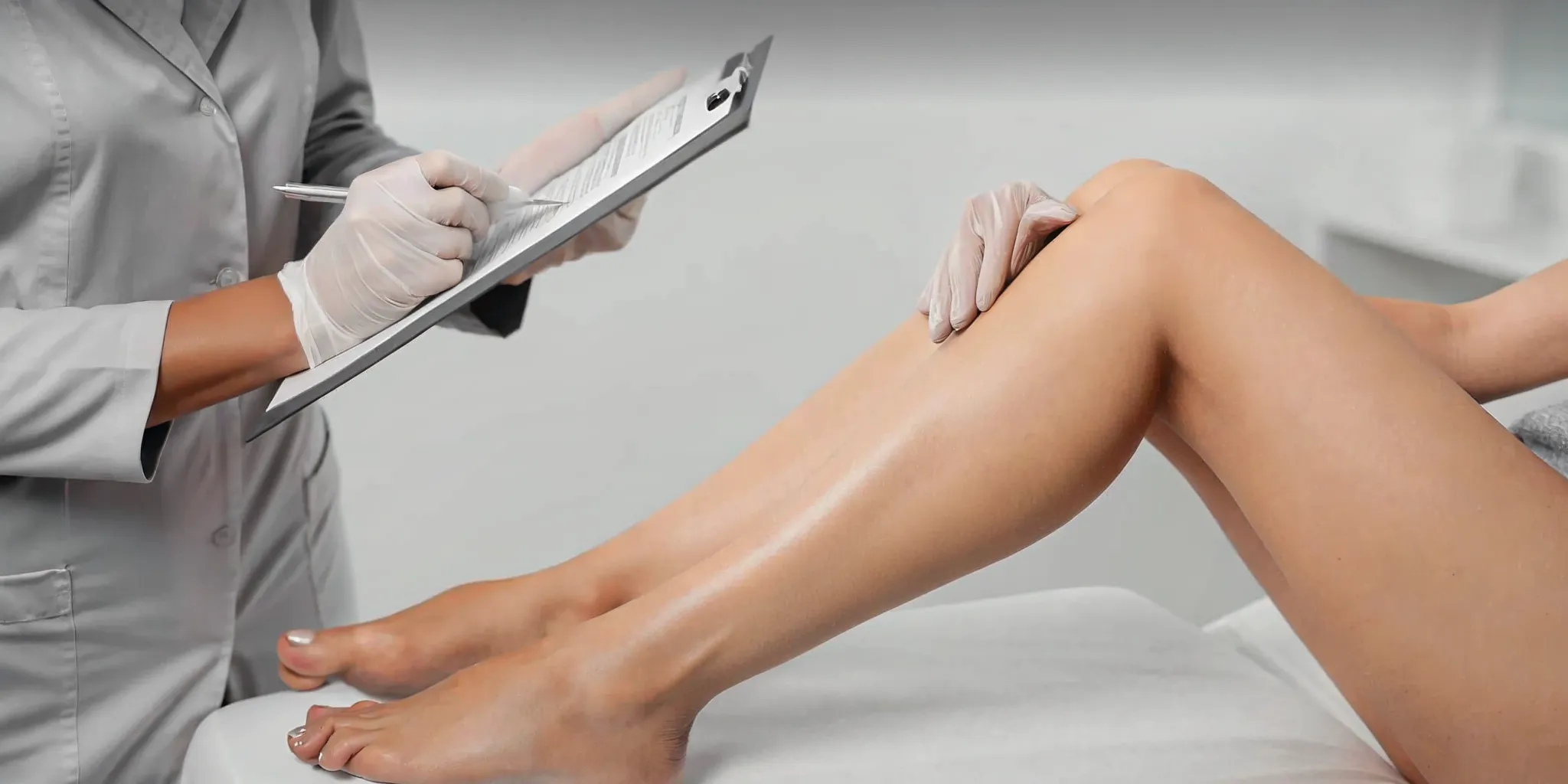
The best way to know for sure if laser hair removal is right for you is to schedule a consultation. During your visit, we’ll discuss your goals and your health history. It’s really important to be upfront about certain conditions, as they can affect your treatment’s safety. For example, you should let your provider know if you are pregnant, have a history of keloid (raised) scars, or have had skin cancer. Certain medications, especially some acne treatments, can also make your skin more sensitive to light. Being open about your health allows a professional to create a safe and effective plan tailored just for you.
How Skin Tone Plays a Role in Safety
You might have heard that laser hair removal only works for people with light skin and dark hair. While that combination provides the clearest target for the laser, technology has come a long way. Advances in laser systems mean that people with a wider range of skin tones can now be treated safely. The American Academy of Dermatology notes that these treatments must be done carefully by a knowledgeable provider. For darker skin tones, it’s crucial that the clinic uses the right type of laser and that the technician is highly experienced. This ensures the laser targets the hair follicle effectively without harming the surrounding skin.
Health and Medications That Can Interfere
Your overall health and the medications you take are key factors in ensuring a safe treatment. Some medications, like certain antibiotics or acne treatments, can increase your skin’s sensitivity to light, which could lead to side effects. That’s why you should always provide a complete list of your medications during your consultation. Beyond that, how you care for your skin before your appointment matters. You’ll need to avoid sun exposure and tanning beds for several weeks beforehand. You should also stop using other hair removal methods like waxing or plucking, as the laser needs the hair root to be intact to work properly. Following these guidelines is a simple way to prepare your skin for the best possible laser hair removal results.
How to Prepare for Treatment and Care for Your Skin After
Getting amazing results from your laser hair removal sessions isn’t just about what happens in our clinic—it’s also about how you care for your skin before and after. A little prep work and some simple aftercare can make a huge difference in your comfort and the effectiveness of your treatment. Think of it as teamwork: we handle the laser, and you handle the TLC. Following these guidelines will help you get the smooth, beautiful skin you’re looking for with as little downtime as possible.
Your Pre-Treatment Checklist
To get your skin ready for your appointment, there are a few key things to do. First, avoid any kind of tanning for several weeks beforehand. That includes tanning beds and direct sun exposure. You’ll also want to stop plucking, waxing, or using electrolysis at least four weeks before your session, as these methods remove the hair root that the laser needs to target. The day before your treatment, simply shave the area. This keeps the root intact under the skin while removing the surface hair, which is the perfect setup for an effective laser hair removal treatment.
Sun Exposure and Skincare Rules
This is a big one: sun and lasers don’t mix. Your skin needs to be at its natural base color for the treatment to be both safe and effective. Tanned skin can increase the risk of side effects. For several weeks before and after your appointment, you must avoid direct sunlight and tanning beds. Make a broad-spectrum SPF 30+ sunscreen your best friend and apply it daily to the treatment area, even on cloudy days. This rule is non-negotiable for protecting your skin and ensuring you get the best possible outcome from your sessions.
Essential Aftercare for the Best Results
After your session, it’s normal for your skin to look and feel like it has a mild sunburn. You might see some redness and feel a little sensitive for a day or two. To soothe your skin, you can apply a cool compress or a clean, soft washcloth dipped in cold water. Using a gentle, fragrance-free moisturizer will also help keep the area hydrated and comfortable. If you have any questions about what you’re experiencing post-treatment, don’t hesitate to contact us. We’re here to support you through the entire process.
Products and Activities to Skip Post-Treatment
For the first 24 to 48 hours after your treatment, it’s best to take it easy and let your skin heal. Avoid anything that could generate a lot of heat or cause irritation. This means skipping intense workouts, hot tubs, saunas, and steam rooms. You should also continue to avoid direct sun exposure, tanning beds, or any indoor tanning equipment to protect the treated skin. Sticking to these simple guidelines helps prevent irritation and ensures your skin recovers quickly, paving the way for fantastic, long-lasting results.
What Are the Potential Side Effects?
It’s smart to be informed about any cosmetic treatment, and that includes knowing the potential side effects. The good news is that when laser hair removal is performed by a trained professional, most side effects are minor and don’t last long. Understanding what to expect can help you feel confident and prepared for your treatment and aftercare. It’s all about knowing the difference between a normal reaction and something that needs a little more attention.
Common and Temporary Reactions
After your session, it’s completely normal for your skin to look and feel like it has a mild sunburn. You can expect some redness, slight swelling, and a bit of discomfort in the treated area. These effects are just a sign that the laser has done its job on the hair follicles. Most of the time, these symptoms are temporary and will fade within a few hours to a couple of days. To soothe your skin, you can gently apply a cold compress. Think of it as your skin’s way of telling you it’s healing, and soon you’ll be on your way to smoother skin.
Rare Complications to Know About
While serious side effects are uncommon, it’s important to be aware of them. In rare cases, blistering, crusting, scarring, or changes in skin texture can occur. These complications are often the result of improper technique or using the wrong laser settings for your skin type, which is why choosing a qualified provider is so critical. The Mayo Clinic also notes that very rarely, treated hair might turn gray or more hair could grow around the treated areas. Being informed helps you recognize why a professional consultation and experienced technician are non-negotiable for your safety.
When to Call Your Provider
You should always feel comfortable reaching out to your provider with any concerns after your treatment. If the initial redness and swelling don’t calm down after a couple of days or feel particularly uncomfortable, a quick call can provide peace of mind and guidance. You should contact your provider immediately if you experience any severe pain, blistering, or signs of infection. Your technician is your partner in this process, so don’t hesitate to get in touch if something doesn’t feel right. We are here to ensure your experience is safe and successful from start to finish.
How to Choose a Safe and Qualified Professional
When it comes to laser hair removal, the person operating the laser is just as important as the technology itself. Your safety and results hinge on their expertise, so it’s worth taking the time to find a provider you can trust. Think of it as your due diligence—a little homework upfront can make all the difference. It really comes down to checking credentials, asking the right questions during your consultation, and knowing which red flags to watch out for. Let’s walk through exactly what you need to do to feel confident you’re in the best hands.
Credentials to Check
First things first, let’s talk qualifications. You want to find a provider who is not only experienced but also has the right medical background. Look for a board-certified doctor, such as a dermatologist or cosmetic surgeon, who has specific training in laser hair removal. The American Academy of Dermatology recommends this because a medical doctor has a deep understanding of skin and knows how to handle lasers safely for different skin types. This expertise is crucial for minimizing risks and achieving the best possible outcome. Don’t hesitate to ask about their experience and certifications—a reputable professional will be transparent and proud of their qualifications.
Questions to Ask at Your Consultation
Your consultation is your opportunity to interview your potential provider and ensure they’re a good fit. A great provider will encourage questions and take the time to address all your concerns. Be prepared to discuss your full medical history, any medications you’re taking, and what you hope to achieve. Key questions to ask include: “What are the risks and benefits for my skin type?” and “What device will you be using, and is it FDA-cleared?” A thorough consultation is a sign that the provider is dedicated to creating a safe, personalized treatment plan for you. If you’re ready to start the conversation, you can schedule a consultation with our team.
Red Flags to Avoid
Knowing what to avoid is just as important as knowing what to look for. A major red flag is any spa or salon that offers laser treatments without a medical professional on staff. Medical supervision is essential for a safe procedure, so this is a non-negotiable. Also, be cautious of any provider who seems to rush your consultation or dismisses your questions. While at-home laser devices might seem tempting, they are far less powerful than professional-grade equipment and can cause injury if used incorrectly. For results that are both effective and safe, it’s always best to seek professional treatment.
What Should You Expect at a Safe Clinic?
Walking into a clinic for the first time can be a little intimidating, but knowing what to look for will help you feel confident and secure. A safe, professional environment is just as important as the treatment itself. From the technology they use to the cleanliness of the treatment rooms, every detail matters. A reputable clinic will be transparent and prioritize your well-being above all else. They should make you feel comfortable asking questions and confident in their procedures. Here are the key things you should expect to see and experience at a clinic that takes your safety seriously.
The Importance of FDA-Approved Lasers
First things first: let’s talk about the tech. The type of laser used for your treatment is a huge factor in both its safety and effectiveness. A professional clinic will exclusively use FDA-approved equipment, which means the devices have been reviewed for safety and performance. Using approved, medical-grade lasers significantly minimizes the risk of side effects like burns, blisters, or changes in skin pigmentation. When a clinic invests in high-quality technology, it shows they are committed to providing the best possible care. Don’t hesitate to ask what kind of machine will be used for your laser hair removal treatment.
Protective Measures During Your Session
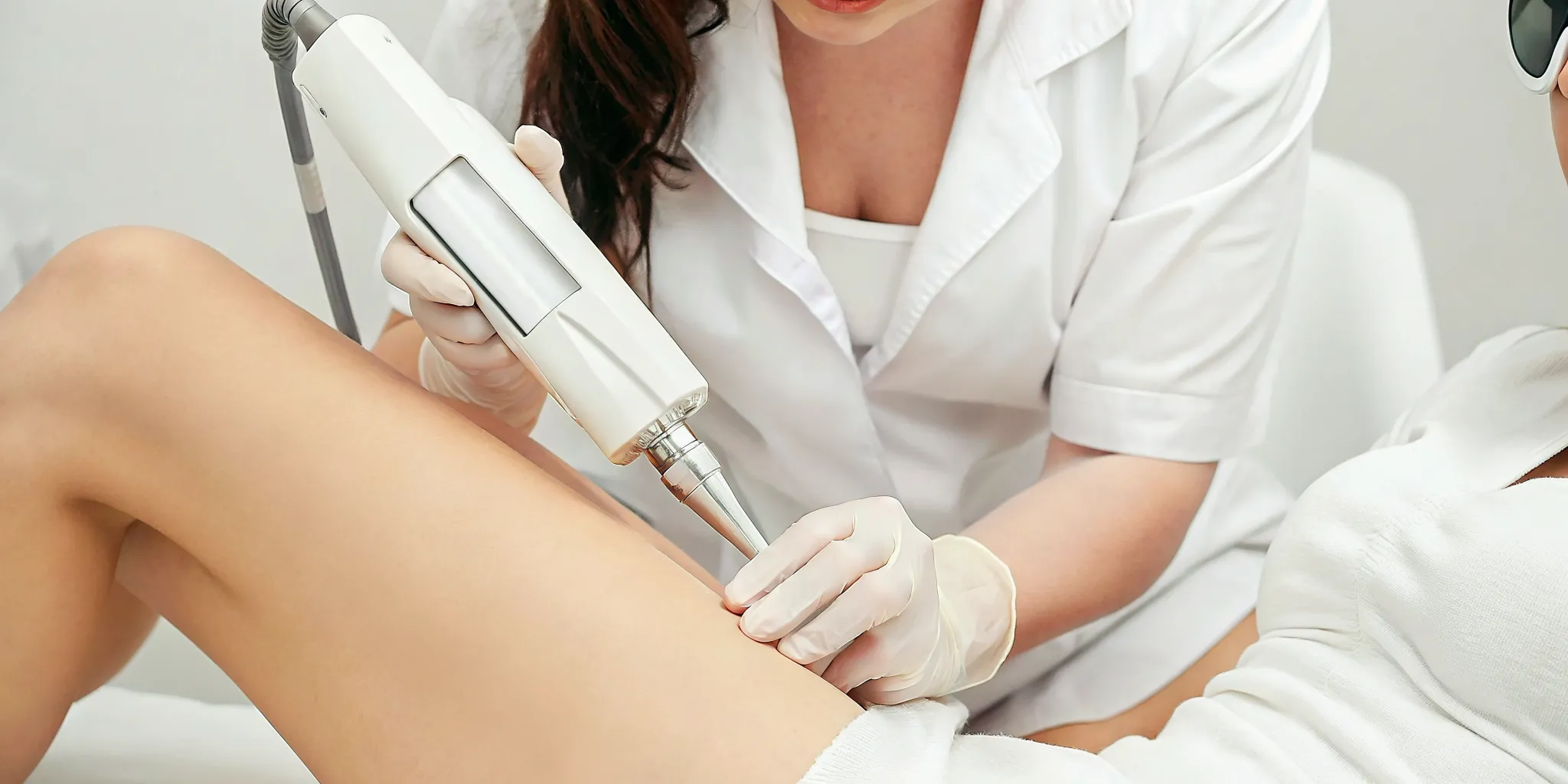
Safety shouldn’t stop once you’re in the treatment room. During your session, there are a few non-negotiables. Everyone in the room—that means you and your technician—must wear specialized protective eyewear. This is crucial for protecting your eyes from the powerful laser light. Your technician should also confirm the laser settings are tailored specifically to your skin and hair type, which were determined during your initial consultation. They should explain what they’re doing as they go and ensure you’re comfortable throughout the process. This attention to detail shows that your provider is focused and puts your safety first.
Clinic Safety and Cleanliness Standards
Take a look around. The clinic should be clean, organized, and professional. It should feel more like a medical office than a casual salon. According to the Mayo Clinic, it’s important to choose a provider who is qualified and has experience with your skin type, preferably in a setting with medical supervision. This ensures that the person performing your treatment understands the complexities of skin and laser technology. Feel free to ask about the staff’s credentials and the clinic’s safety protocols. A great clinic will be proud to share this information. If you have any questions about our standards, please contact us—we’re happy to walk you through our process.
What Results Can You Realistically Expect?
Let’s talk about the finish line. While many people dream of never having to shave or wax again, it’s important to have a clear picture of what laser hair removal can achieve. The goal is a significant, long-term reduction in hair growth. After completing your treatment plan, you can expect the treated area to be smooth and largely hair-free. Some people experience permanent hair removal, while others might see some fine, light-colored hair grow back over time that requires occasional touch-up sessions.
The results are a process, not a single event. Your final outcome depends on several personal factors, including your hair color, skin type, and the area you’re treating. Hormonal changes can also sometimes trigger new hair growth down the road. The key is to think of it as a journey to smoother skin. During a consultation, we can discuss your specific goals and give you a personalized idea of the results you can look forward to.
How Many Sessions Will You Need?
Patience is key when it comes to laser hair removal. Because the laser targets hair in its active growth phase, you’ll need multiple sessions to catch every follicle at the right time. Most people need between six to eight treatments to see the best results.
These sessions are typically spaced about six to eight weeks apart. This timing is intentional—it allows us to treat new hairs as they enter the growth cycle. Sticking to the recommended schedule is one of the most important things you can do to ensure the treatment is effective. Skipping appointments or waiting too long between them can mean missing a growth cycle and may require more sessions overall.
Factors That Influence Your Results
Your unique combination of skin tone and hair color plays the biggest role in your results. Laser hair removal works by targeting the melanin, or pigment, in the hair follicle. The ideal scenario, according to the Mayo Clinic, is a strong contrast between your skin and hair—think dark hair on fair skin. This contrast makes it easy for the laser to find and target the follicle without affecting the surrounding skin.
However, technology has come a long way. Modern lasers are much more sophisticated and can be adjusted to safely treat a wider range of skin tones. Other factors, like hair thickness and the specific area being treated, also influence the outcome.
Managing Expectations for Your Skin and Hair Type
Because the laser needs pigment to work, it’s less effective on hair that lacks it. Hair colors like white, gray, blond, and red don’t absorb the laser’s light as well, which means the treatment won’t be as successful. The American Academy of Dermatology confirms that the best results are seen when there’s a clear color difference.
This is why a professional consultation is so important. It gives us a chance to assess your specific skin and hair type and determine if you’re a good candidate. We can talk through the kind of results you can realistically expect and create a treatment plan that’s right for you. If you’re ready to find out what’s possible, feel free to contact us to schedule a chat.
Are At-Home Laser Devices a Safe Option?
The idea of zapping away unwanted hair from the comfort of your couch is definitely appealing. At-home laser devices are everywhere, promising smooth skin without the appointments. But before you add one to your cart, it’s important to understand how they stack up against professional treatments and what the real risks are. While they might seem like a convenient shortcut, they come with significant trade-offs in both safety and effectiveness.
Professional vs. At-Home Devices
At their core, both professional and at-home devices work on the same principle: they use light energy to target and damage hair follicles, which stops hair from growing. Think of it like this: a professional laser is a high-performance tool used by a trained expert, while an at-home device is a much simpler, less powerful version designed for consumer use. This difference in power is intentional for safety, but it also means at-home devices are far less effective. They might reduce some hair over time, but they rarely deliver the permanent, smooth results you’d get from a professional.
The Safety Risks of DIY Treatments
Using a less powerful device might sound safer, but it comes with its own set of risks. The biggest concern is user error. Without a professional’s eye, it’s easy to misuse the device, leading to burns, blisters, or even permanent changes in your skin pigmentation. According to the American Academy of Dermatology, these risks are especially high for people with darker skin tones. Many at-home devices even have built-in sensors that prevent them from working on darker skin, which tells you a lot about the potential for harm. You also risk spending your time and money on a treatment that simply doesn’t work as promised.
Why Professional Treatment Is Safer
When you choose to get laser hair removal at a medical spa, you’re not just paying for the laser—you’re paying for the expertise of the person operating it. A trained and certified technician knows how to assess your unique skin and hair type to select the exact right settings for a safe, effective treatment. Professional-grade lasers are also more sophisticated and can be precisely adjusted for all skin colors, something most at-home devices can’t do. This expert oversight is the best way to get the beautiful, lasting results you’re looking for from a safe laser hair removal treatment.
Common Laser Hair Removal Safety Myths, Busted
When you’re thinking about a treatment like laser hair removal, it’s completely normal to have questions about safety. There’s a lot of information out there, and not all of it is accurate. Let’s clear up some of the most common myths so you can feel confident and informed about your decision.
Does It Cause Cancer?
This is a big one, so let’s tackle it head-on: No, laser hair removal does not cause cancer. The lasers used in this treatment are specifically designed to target the pigment in your hair follicles with a highly focused beam of light. According to the American Academy of Dermatology, the type of radiation used is non-ionizing, which means it doesn’t damage your DNA. The light penetrates just deep enough to reach the hair follicle and doesn’t affect your internal organs, making it a safe procedure when performed correctly.
Is It Unsafe for Darker Skin Tones?
It used to be true that laser hair removal was most effective for people with light skin and dark hair. Thankfully, technology has come a long way. Modern lasers are now much more sophisticated and can be adjusted to safely and effectively treat a wide range of skin tones. The key is having the treatment performed by a skilled and experienced professional who knows how to use the right laser settings for your specific skin type. This ensures the laser targets the hair follicle, not the surrounding skin pigment.
Will It Be Painful or Cause Permanent Damage?
Most people describe the sensation of laser hair removal as a quick, warm snap, similar to a rubber band hitting the skin. Many find it much less painful than waxing. After a session, it’s common to experience some temporary redness and minor swelling, but this usually fades within a few hours. While more serious side effects like scarring or changes in skin texture are possible, they are very rare, especially when you choose a reputable provider. Our team at Ultimate Image MedSpa is dedicated to making your laser hair removal experience as comfortable and safe as possible.
Related Articles
Frequently Asked Questions
Is laser hair removal really permanent? The best way to think about it is as permanent hair reduction. After you complete all your sessions, you can expect a massive decrease in hair—up to 90% for many people. The follicles that are successfully treated are permanently damaged and won’t grow hair again. However, factors like hormonal shifts can sometimes cause new, fine hairs to appear over time. Most people find that a single touch-up session once a year is all they need to maintain that perfectly smooth skin.
Honestly, how much does it hurt? This is probably the most common question I get, and the answer is that it’s very manageable. Most people describe the sensation as a quick, warm snap, like a rubber band against the skin. It’s over in a fraction of a second. While everyone’s pain tolerance is different, the general consensus is that it’s far less painful than waxing. Plus, professional clinics use cooling technology to keep your skin comfortable throughout the treatment.
Why do I need so many sessions spaced so far apart? This all comes down to your hair’s natural growth cycle. Your hair isn’t all growing at the same time; each follicle is on its own schedule. The laser is only effective when the hair is in its active growth phase. Spacing your appointments six to eight weeks apart allows us to catch the next batch of hair as it enters that perfect stage for treatment. Sticking to this schedule is the key to getting the best possible results.
What happens if I get a tan right before my appointment? This is the most important rule to follow for your safety. When you tan, you increase the pigment in your skin. The laser is designed to target the dark pigment in your hair follicle, and tanned skin can confuse it. This makes it difficult for the laser to distinguish between your hair and your skin, which significantly increases the risk of burns or discoloration. We would have to reschedule your appointment to ensure your skin is protected.
Can I get laser hair removal if I have sensitive skin? Yes, it’s often possible to treat sensitive skin safely and effectively. The key is working with an experienced professional who can properly assess your skin. During a consultation, we can discuss your specific concerns and perform a patch test to see how your skin reacts. A skilled technician will know exactly how to adjust the laser’s settings to be gentle yet effective, ensuring you have a comfortable and safe experience.