Skip to content

It’s one of the most common myths in aesthetics: a small tattoo should only take a session or two to remove. While it seems logical, the reality of laser tattoo removal is far more nuanced. The size of your ink is just one small piece of a much larger picture. The real question of how many sessions for small tattoo removal are needed depends on a variety of factors that many people don’t consider. Everything from the vibrant blue ink in your design to the tattoo’s location on your ankle can significantly impact the timeline. This is why a professional assessment is so crucial. Before you set your expectations, let’s debunk the myths and look at what truly determines your path to clear skin.
Key Takeaways
- Your removal timeline is highly personal: Beyond just size, factors like ink color, tattoo age, and its location on your body determine the number of sessions you’ll need, which typically ranges from 6 to 12.
- Patience leads to better results: Waiting the recommended six to eight weeks between appointments is essential for proper skin healing and allows your body to effectively clear the ink, preventing complications and improving the final outcome.
- Not all small tattoos are created equal: A simple, black ink tattoo will clear much faster than a complex, multi-colored design, as black ink responds most effectively to the laser treatment.
How Many Sessions Will My Small Tattoo Removal Take?
One of the first questions everyone asks about tattoo removal is, “How long will this take?” It’s a great question, and the answer depends on more than just the size of your tattoo. While a smaller piece of ink generally requires less time per appointment, the total number of sessions needed to clear it completely is influenced by several unique factors. Think of it less like a single event and more like a process tailored just for you. Understanding the general timeline and the variables at play will help you set clear expectations for your tattoo removal journey.
The 6-12 Session Guideline
As a general rule of thumb, most clients can expect to need between 6 and 12 sessions for complete removal. For a very small, simple black tattoo, you might be on the lower end of that range, sometimes needing as few as four or five treatments. However, this is just a starting point. The exact number of appointments for your laser tattoo removal will be unique to your ink and your body. During your consultation, we’ll assess your tattoo and give you a much more personalized estimate so you know exactly what to plan for.
Why Size Isn’t the Only Factor
It’s a common myth that a tiny tattoo will disappear in just a couple of sessions. While size is part of the equation, it’s definitely not the only thing that matters. Factors like the color of the ink, the complexity of the design, and its location on your body play a huge role in the removal timeline. For example, vibrant colors like blue and green can be more stubborn than black ink. Similarly, a tattoo on your ankle might fade slower than one on your chest because of blood circulation. We consider all these details when creating your treatment plan, just as we do for our other aesthetic services.
How to Set Realistic Expectations
Patience is your best friend during the tattoo removal process. It’s important to understand that this isn’t a quick fix; it’s a commitment to restoring your skin. Expecting your tattoo to vanish after just two or three sessions is usually unrealistic and can lead to disappointment. Instead, focus on the progress you see after each appointment. Your body needs time between sessions to flush out the ink particles broken down by the laser. Trusting the process and following your aftercare instructions are the best ways to get the results you want. The first step to a clear timeline is to contact us for a personal consultation.
What Affects Your Tattoo Removal Timeline?
If you’re thinking about laser tattoo removal, you probably want to know exactly how long it will take. While the size of your tattoo is a starting point, it’s just one piece of the puzzle. Several other factors play a huge role in determining how many sessions you’ll need to say goodbye to your ink for good. Everything from the colors used to your own body’s immune system can influence the speed and effectiveness of the process. Understanding these variables will help you set clear expectations and create a treatment plan that works for you.
Ink Color and Complexity
Not all ink is created equal, especially when it comes to laser removal. The laser works by sending light energy into the skin, which is absorbed by the tattoo pigment. This energy shatters the ink particles into tiny fragments that your body can then flush away. Black ink is the easiest to treat because it absorbs all laser wavelengths. On the other hand, lighter and brighter colors like green, blue, and yellow are more stubborn. They require specific laser wavelengths to break them down, which often means more sessions are needed to achieve full clearance. A simple, single-color tattoo will almost always be quicker to remove than a complex, multi-hued design.
Tattoo Age and Depth
Have you had your tattoo for a while? That could be good news for your removal timeline. Over the years, your body naturally tries to break down the foreign ink particles, causing the tattoo to fade slightly. An older tattoo has a head start, making it easier for the laser to finish the job. The depth of the ink also matters. Professional tattoos are typically applied with more ink at a deeper, more consistent level in the skin, which means they often require more sessions to remove. Amateur tattoos are usually less saturated and sit more superficially, so they tend to fade faster with treatment.
Your Skin Type and Health
Your body is your best partner in the tattoo removal process. After the laser shatters the ink particles, your immune system takes over to clear them out. A strong, healthy immune system can do this job more efficiently. Simple habits like staying hydrated, eating a balanced diet, and avoiding smoking can make a real difference in your results. Your skin type also plays a role, as the laser settings need to be carefully adjusted to protect your skin. During a professional consultation, we can assess your skin and tattoo to create a safe and effective plan tailored just for you.
Where Your Tattoo Is Located
Location, location, location. It’s not just for real estate; it’s also a key factor in tattoo removal. Tattoos in areas with strong blood circulation, like your torso, neck, and upper arms, tend to fade faster. This is because good blood flow helps your immune cells reach the shattered ink particles and carry them away more quickly. Tattoos on your extremities, such as your hands, feet, and ankles, have less circulation. As a result, the removal process in these areas can be slower, and you might need a few extra sessions to get the results you want.
How Long Should I Wait Between Sessions?
Once you’ve decided to say goodbye to a tattoo, it’s natural to want it gone as quickly as possible. While the laser sessions are the active part of the removal, the time you spend waiting between appointments is just as crucial for getting the results you want. Think of it less as downtime and more as essential healing and processing time that makes the entire journey smoother and more effective.
Why 6-8 Weeks Is the Sweet Spot
As a general rule, we recommend waiting six to eight weeks between your laser tattoo removal sessions. This isn’t an arbitrary number; it’s the ideal window for your body to work its magic. This timeframe gives your skin the chance to fully heal from the laser treatment, reducing the risk of irritation or other side effects. More importantly, it allows your immune system enough time to break down and flush away the shattered ink particles. Coming back for your next session when your skin is fully recovered means the laser can work more effectively on the remaining ink, giving you better results with each visit.
The Problem with Rushing Your Treatments
It can be tempting to book your appointments closer together, hoping to speed up the process. However, rushing your treatments often does the opposite. When you don’t allow enough healing time, your skin can become overly sensitive, which may increase the risk of blistering, scarring, or changes in skin texture. An effective treatment relies on healthy, responsive skin. If the area is still recovering, the laser won’t be as efficient at targeting the ink, which can lead to needing more sessions in the long run. Patience truly pays off by ensuring your skin stays healthy and the removal process remains on track for the best possible outcome.
What Your Body Does Between Appointments
So, what’s actually happening during those weeks off? The laser does the initial work of shattering the large ink particles into tiny fragments, but it’s your body that finishes the job. Your lymphatic system, which is your body’s natural cleanup crew, gets to work engulfing these tiny particles and gradually flushing them out of your system. This is a natural, biological process that simply can’t be rushed. Giving your body that full six to eight weeks ensures this cleanup process is as thorough as possible before the next laser session breaks down another layer of ink. If you have more questions about how it all works, we’re happy to walk you through it when you contact us for a consultation.
Are Some Small Tattoos Easier to Remove?
You might think that a smaller tattoo automatically means a quicker removal process, but that’s not always the case. While size is a factor, several other elements play a much bigger role in your treatment timeline. The type of ink, the quality of the original tattoo, and the complexity of the design all influence how many sessions you’ll need. Understanding these details will help you set realistic expectations for your laser tattoo removal journey. Let’s break down what makes some small tattoos fade faster than others.
Black Ink vs. Color
If your small tattoo is all black, you’re in luck. Black ink is the easiest color to remove because it absorbs the full spectrum of laser light, allowing it to break down more efficiently. A simple, small black tattoo might take as few as two to six sessions to clear. On the other hand, colored inks present more of a challenge. Colors like green, blue, and yellow require specific laser wavelengths to target their pigment, which often means more treatments. Lighter and pastel shades can be particularly stubborn, so the more colorful your small tattoo is, the more patient you’ll need to be with the process.
Professional vs. Amateur Tattoos
Where you got your tattoo matters, too. Professional tattoos are typically harder to remove than amateur ones. This is because professional artists use higher-quality, denser ink and apply it evenly and deeply into the skin’s dermis layer. This consistency makes the tattoo look great, but it also means there’s more pigment for the laser to break apart. Amateur tattoos, often done with less ink and at inconsistent depths, can sometimes be removed in fewer sessions. The laser can break up the less concentrated ink particles more easily, leading to a faster fading process for so-called “stick-and-poke” tattoos.
Simple Lines vs. Intricate Designs
The complexity of your tattoo’s design is another key factor. A small tattoo with simple, fine lines will generally be easier to remove than one with dense, intricate shading or solid blocks of color. It all comes down to ink density. The more ink packed into a small area, the more work the laser has to do. Each session breaks down a layer of ink, so a heavily saturated design will naturally require more appointments to fully clear. The overall size might be small, but the amount of ink within that space is what really determines the number of treatments you’ll need.
Debunking Common Removal Myths
Let’s clear up a couple of common misconceptions about removing small tattoos. First, no tattoo is too small for removal. Modern laser technology is incredibly precise and can target even the tiniest designs without harming the surrounding skin. Second, it’s a myth that any small tattoo can be zapped away in just one or two sessions. While the process is faster than for a large piece, expecting complete removal in just a few appointments is often unrealistic. The best way to get an accurate timeline is to schedule a consultation, where a professional can assess your specific tattoo and give you a personalized treatment plan.
What Can I Expect During a Removal Session?
Knowing what happens during a laser tattoo removal appointment can make the entire process feel more comfortable and straightforward. From the moment you walk in to the aftercare you’ll perform at home, each step is designed to safely and effectively fade your unwanted ink. It’s a partnership between you and your technician, and understanding your role is key to getting the results you want.
Let’s walk through what a typical session looks like, so you can feel confident and prepared for your first appointment.
A Step-by-Step Look at the Treatment
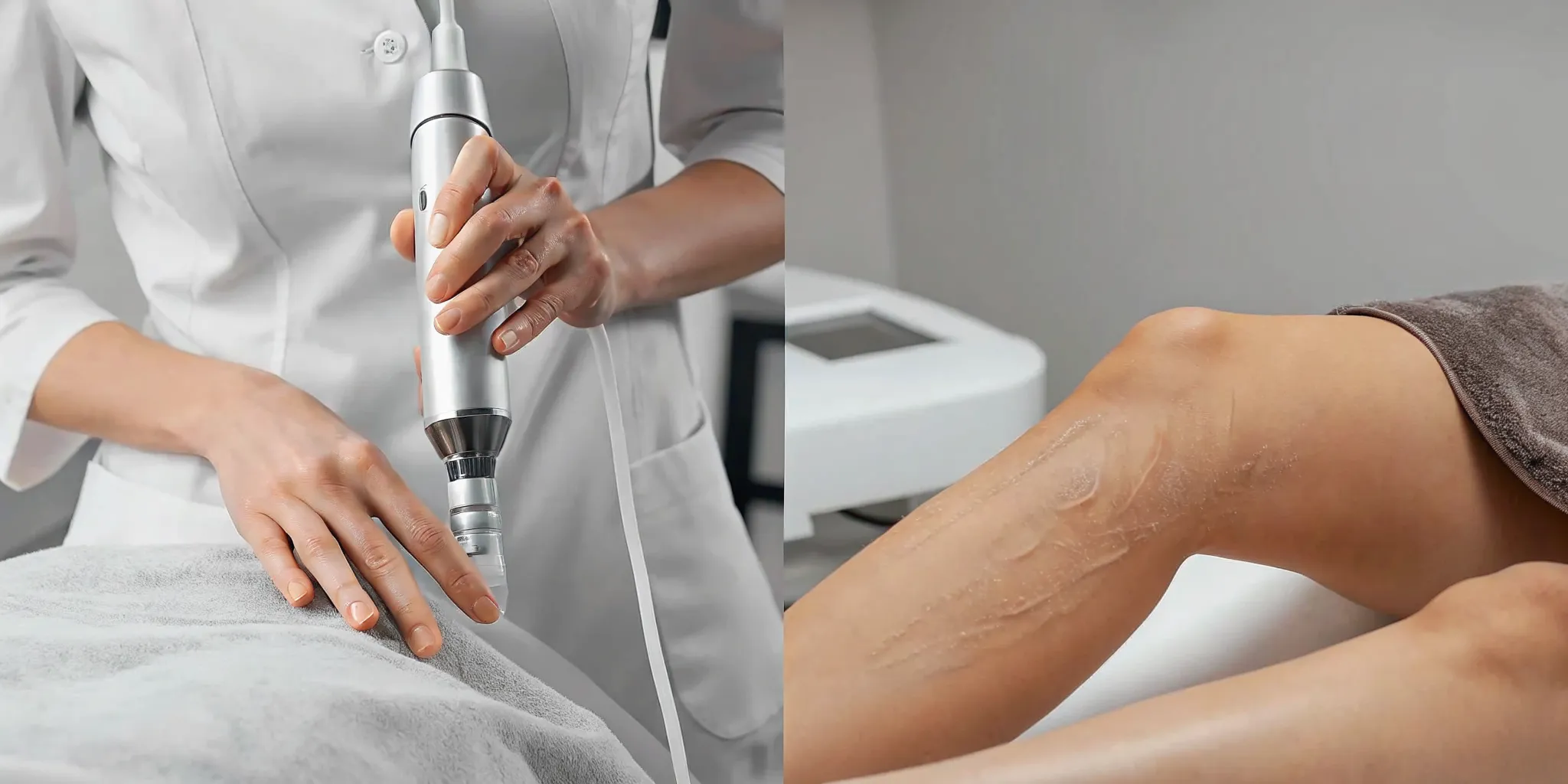
During a laser tattoo removal session, a specialized laser sends highly concentrated pulses of light into your skin. This light is absorbed by the tattoo ink, causing the ink particles to shatter into tiny fragments. Think of it like breaking a large rock into small pebbles. Once the ink is broken down, your body’s immune system naturally gets to work, gradually flushing these tiny particles away over the following weeks. This is what causes the tattoo to fade over time. The treatment itself is precise, targeting only the inked skin to protect the surrounding area.
How to Manage Discomfort
Many people wonder if tattoo removal hurts. The sensation is often compared to getting the tattoo in the first place, like a rubber band snapping against your skin. The good news is that removal sessions are incredibly fast, especially for a small tattoo. While there might be some discomfort, it’s over in just a few minutes. Our team at Ultimate Image MedSpa prioritizes your comfort and will walk you through the entire process, ensuring you feel as relaxed as possible. We can also discuss options like topical numbing creams to help manage any sensitivity.
Your Aftercare Checklist for the Best Results
What you do after your session is just as important as the treatment itself. Proper aftercare helps your skin heal correctly and can improve your final results. Your technician will give you specific instructions, but the basics are simple. You’ll need to keep the treated area clean and dry for the first few days. It’s also crucial to avoid direct sun exposure on the area, as UV rays can interfere with the healing process and cause skin discoloration. Applying a recommended ointment and keeping the area covered will support healing and set you up for success.
Understanding and Handling Side Effects
It’s normal for your skin to show some immediate side effects after a laser session, such as redness, swelling, and blistering. These are temporary and a sign that your body is starting the healing process. In some cases, clients may experience slight skin texture changes or a faint outline of the old tattoo, sometimes called “ghosting.” Choosing an experienced and certified technician greatly minimizes the risk of more serious side effects like scarring. During your consultation, we’ll discuss your skin type and any concerns to ensure your treatment plan is as safe and effective as possible.
How to Plan and Budget for Your Sessions
Most people need between 6 and 10 sessions to completely remove a small tattoo. Each appointment is scheduled about six to eight weeks apart. This waiting period is essential because it gives your skin enough time to heal and allows your body to process and clear away the shattered ink particles. Rushing the process won’t get you faster results and can damage your skin. To get a clear idea of your specific timeline and costs, it’s best to schedule a consultation. We can assess your tattoo and create a personalized plan that fits your goals and budget.
Related Articles
Frequently Asked Questions
Will my small tattoo be completely gone after the treatments? The goal of laser removal is always 100% clearance, and for many tattoos, this is achievable. However, a faint trace of the original ink, sometimes called “ghosting,” can occasionally remain, depending on factors like the ink depth and colors used. Your best defense against scarring or unwanted texture changes is working with an experienced, certified technician who uses the correct laser settings for your skin type.
How much discomfort should I expect during a session? Most people compare the feeling to a rubber band snapping against the skin. While it can be uncomfortable, the good news is that sessions for small tattoos are incredibly fast, often lasting just a few minutes. We prioritize your comfort and can discuss options like a topical numbing cream to make the experience as easy as possible.
Why is black ink easier to remove than colored ink? Think of it this way: black pigment absorbs all wavelengths of laser light, which allows it to break down very efficiently. Colored inks, on the other hand, only absorb specific wavelengths. For example, a green tattoo requires a different laser setting than a blue one. This targeted approach means colorful tattoos often require more sessions to break down all the different pigments.
Is it possible to speed up the removal process by scheduling sessions closer together? It’s tempting to think that more frequent sessions will get you faster results, but it actually works against the process. The six to eight-week waiting period is essential for your skin to heal and for your immune system to do its job of flushing out the shattered ink particles. Rushing this can damage your skin and make the treatments less effective, potentially leading to more sessions in the long run.
How do I know how many sessions my specific tattoo will need? While we can provide general guidelines, the only way to get an accurate estimate is through a personal consultation. An expert needs to see your tattoo in person to assess all the unique variables, including its age, colors, location on your body, and your skin type. From there, we can create a personalized treatment plan and give you a much clearer idea of your removal timeline.