Choosing the right skin treatment is all about matching the technology to your personal goals. If you’re looking in the mirror and wishing for smoother texture, less noticeable acne scars, or a more even tone, you’re likely a great candidate for microneedling. The question then becomes, which type is best for you? This is where the SkinPen vs RF microneedling comparison becomes so important. One is a master at refining the skin’s surface, while the other goes deeper to tighten and firm from within. Instead of guessing, this article will help you clarify your primary objective so you can confidently choose the treatment that will deliver the results you’re looking for.
Key Takeaways
- Match the treatment to your main concern: Opt for SkinPen if your goal is to smooth out skin texture, reduce acne scars, or minimize pores. Choose RF microneedling for more significant anti-aging results, like tightening loose skin and reducing deeper wrinkles, thanks to its use of radiofrequency heat.
- Consider your lifestyle and budget: SkinPen offers a quicker recovery (one to two days) and a lower cost per session, making it easier to fit into a busy schedule. RF microneedling is a bigger investment with a slightly longer downtime (three to five days), but it may require fewer sessions for dramatic results.
- Get personalized advice before deciding: While learning about each treatment is helpful, a professional consultation is essential. An expert can assess your unique skin, discuss your goals, and create a customized plan that ensures you get the best possible results.
What is SkinPen Microneedling?
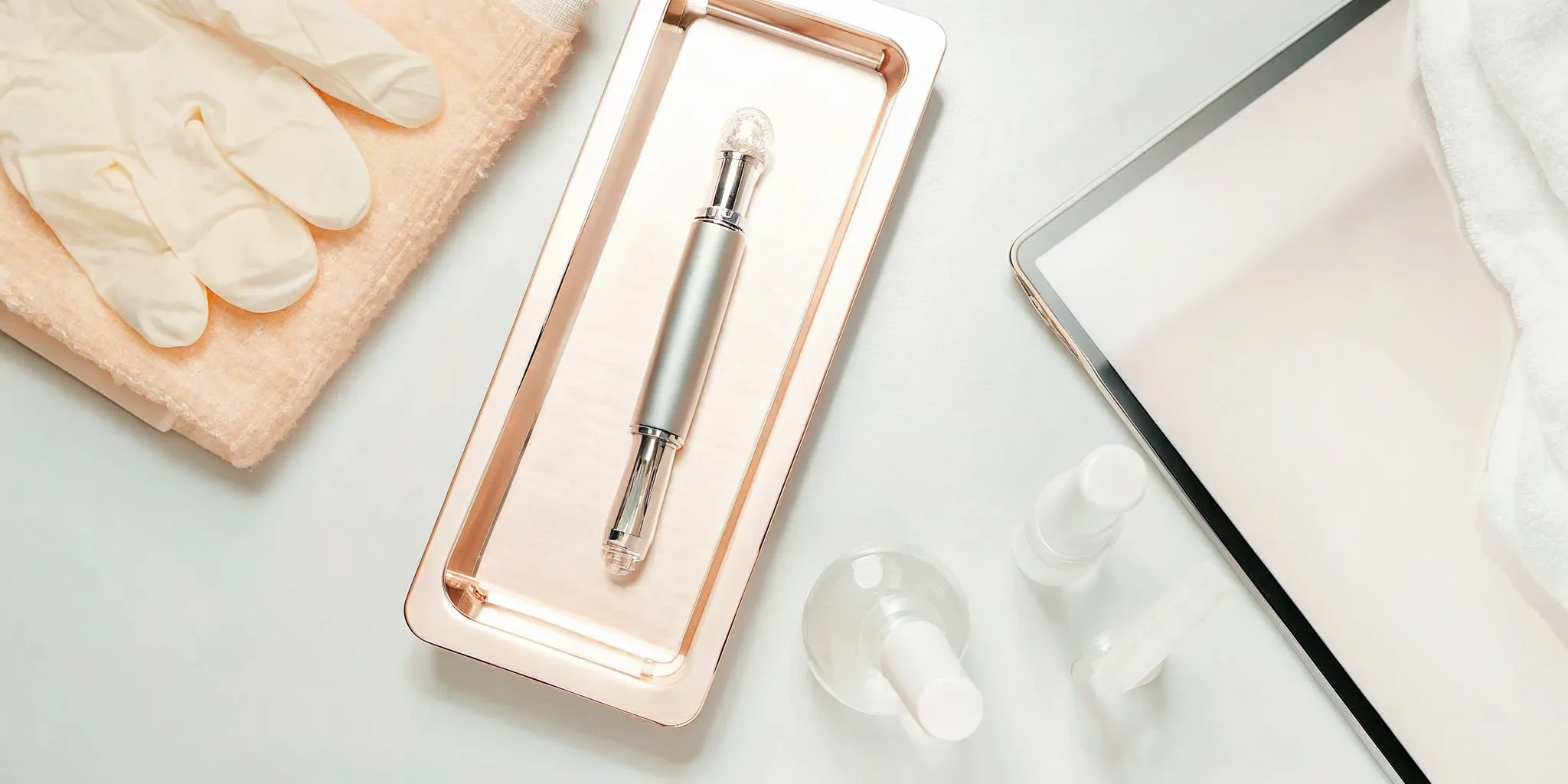
If you’ve heard people talking about the amazing benefits of microneedling, they might just be talking about SkinPen. This isn’t just any microneedling device; it’s the first one cleared by the FDA, which sets a high standard for safety and effectiveness. Think of it as a targeted treatment designed to tap into your skin’s natural ability to heal and regenerate itself. It’s a go-to for people looking to refresh their complexion without aggressive procedures.
The treatment involves a small, pen-like device that creates thousands of microscopic channels in your skin. This might sound a little intense, but the process is precise and controlled. By creating these tiny injuries, SkinPen kickstarts a healing cascade that ultimately leaves your skin looking smoother, firmer, and more radiant. It’s a popular choice because it works with your body, not against it, to achieve beautiful, natural-looking results for a variety of skin concerns.
How It Works to Rejuvenate Your Skin
The magic of SkinPen microneedling lies in its simplicity. The device uses very fine, sterile needles to create tiny punctures in the top layer of your skin. Your body perceives these micro-injuries as wounds and immediately gets to work repairing them. This natural healing process is what truly transforms your skin from the inside out.
As your skin heals, it produces a surge of new collagen and elastin, the two essential proteins that give your skin its structure, firmness, and elasticity. Over time, this new collagen helps plump the skin, smooth out fine lines, and improve overall texture. Because the treatment is so gentle and precise, it’s considered safe and effective for all skin types and tones, making it a versatile option for just about anyone in Texas looking for a refresh.
What Skin Concerns Can SkinPen Treat?
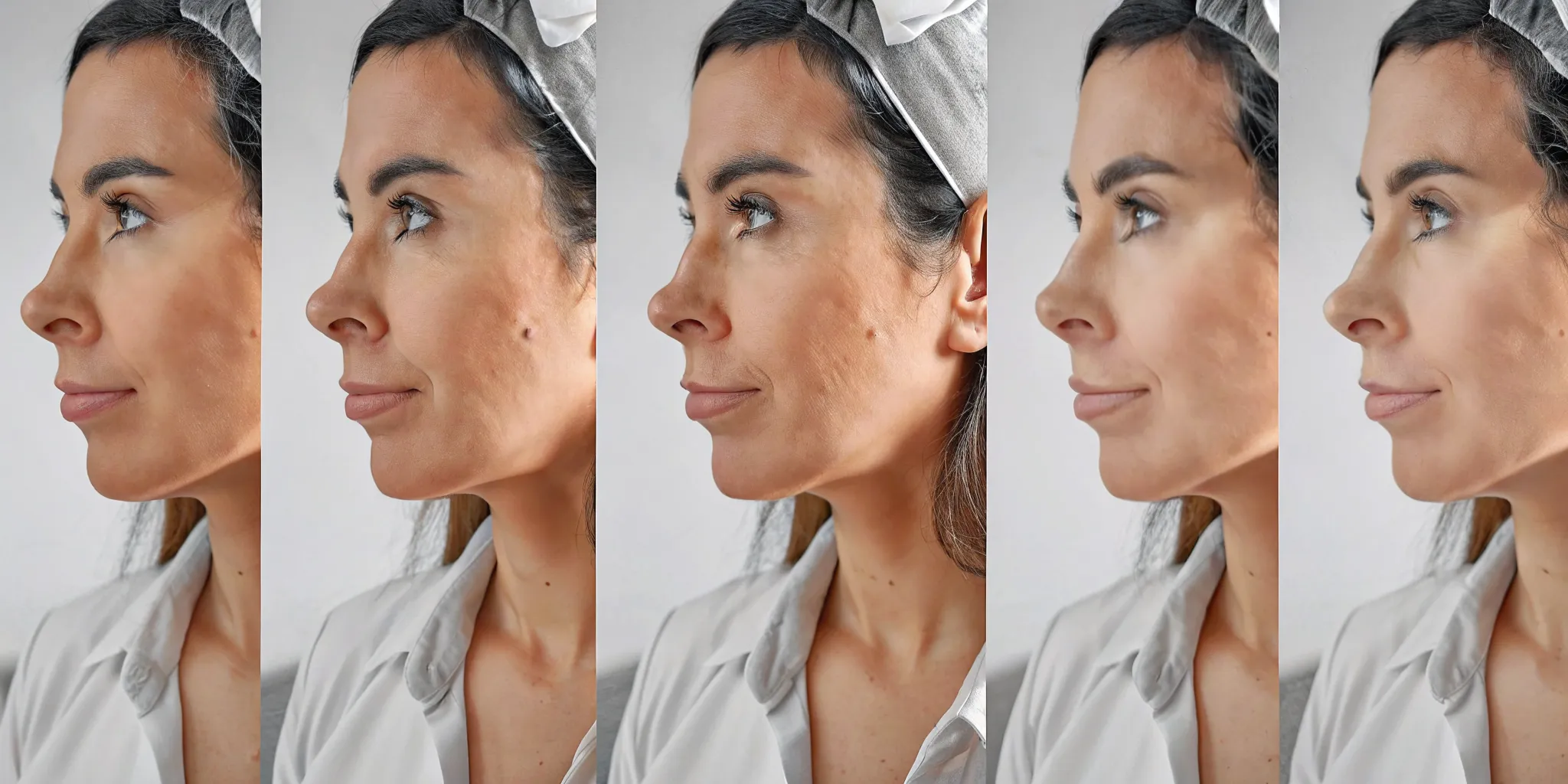
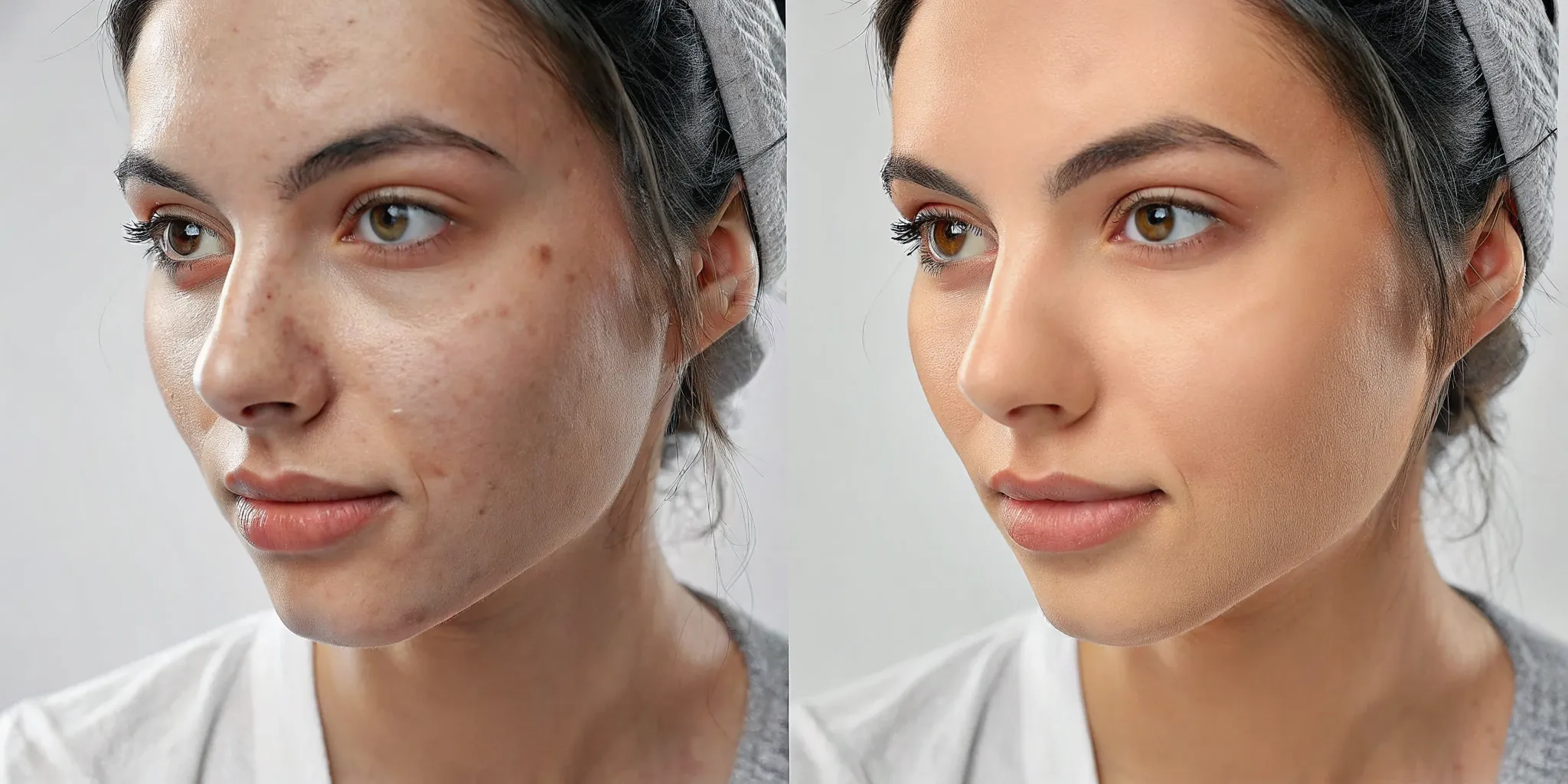
SkinPen is fantastic for addressing a wide range of common skin complaints, making it one of the most versatile services available. If you’re dealing with a rough or uneven skin texture, this treatment can help create a much smoother surface. It’s also highly effective at reducing the appearance of acne scars, which can be notoriously difficult to treat.
Beyond scarring and texture, SkinPen is a great choice for softening fine lines and wrinkles, especially those that are just starting to form. It also helps minimize the look of large pores and can contribute to a more even, balanced skin tone. Essentially, if your goal is a gentle, all-around skin refresh that leaves you looking brighter and feeling more confident, SkinPen is definitely a treatment to consider.
What is RF Microneedling?
RF Microneedling, or Radiofrequency Microneedling, is an advanced skin treatment that pairs two powerful technologies for incredible results. It starts with the same core principle as traditional microneedling, using a device with ultra-fine needles to create tiny, controlled micro-channels in your skin. This process alone is fantastic because it signals your body’s natural healing cascade to kick in, stimulating the production of new, healthy collagen and elastin. This helps smooth out texture and improve the skin’s overall appearance.
But here’s where RF microneedling takes it to the next level. As those tiny needles enter the skin, the device simultaneously delivers a pulse of radiofrequency (RF) energy deep into the dermis. This gentle, targeted heat provides a secondary stimulus, giving your collagen-producing cells an even bigger push to remodel and rebuild. The result is a powerful, dual-action treatment that not only refines the skin’s surface but also tightens and firms the underlying structure. It’s an amazing option for anyone looking to address concerns like skin laxity, jowls, deeper wrinkles, and even some types of scarring, offering more comprehensive rejuvenation in one go.
How Radiofrequency Energy Makes a Difference
The addition of radiofrequency energy is what truly sets this treatment apart. While traditional microneedling is excellent for improving surface-level concerns like fine lines and texture, the RF energy allows us to work on a deeper level. The heat penetrates far below the skin’s surface, reaching the foundational layers where collagen and elastin live.
This deep stimulation promotes more robust collagen remodeling and tightening than microneedling can achieve on its own. Think of it as the difference between renovating a room and reinforcing the home’s foundation. Both are beneficial, but the latter provides structural support. This makes RF microneedling particularly effective for tackling more significant signs of aging, such as sagging skin around the jawline and neck or deeper-set wrinkles that need a more intensive approach.
The RF Microneedling Treatment Process
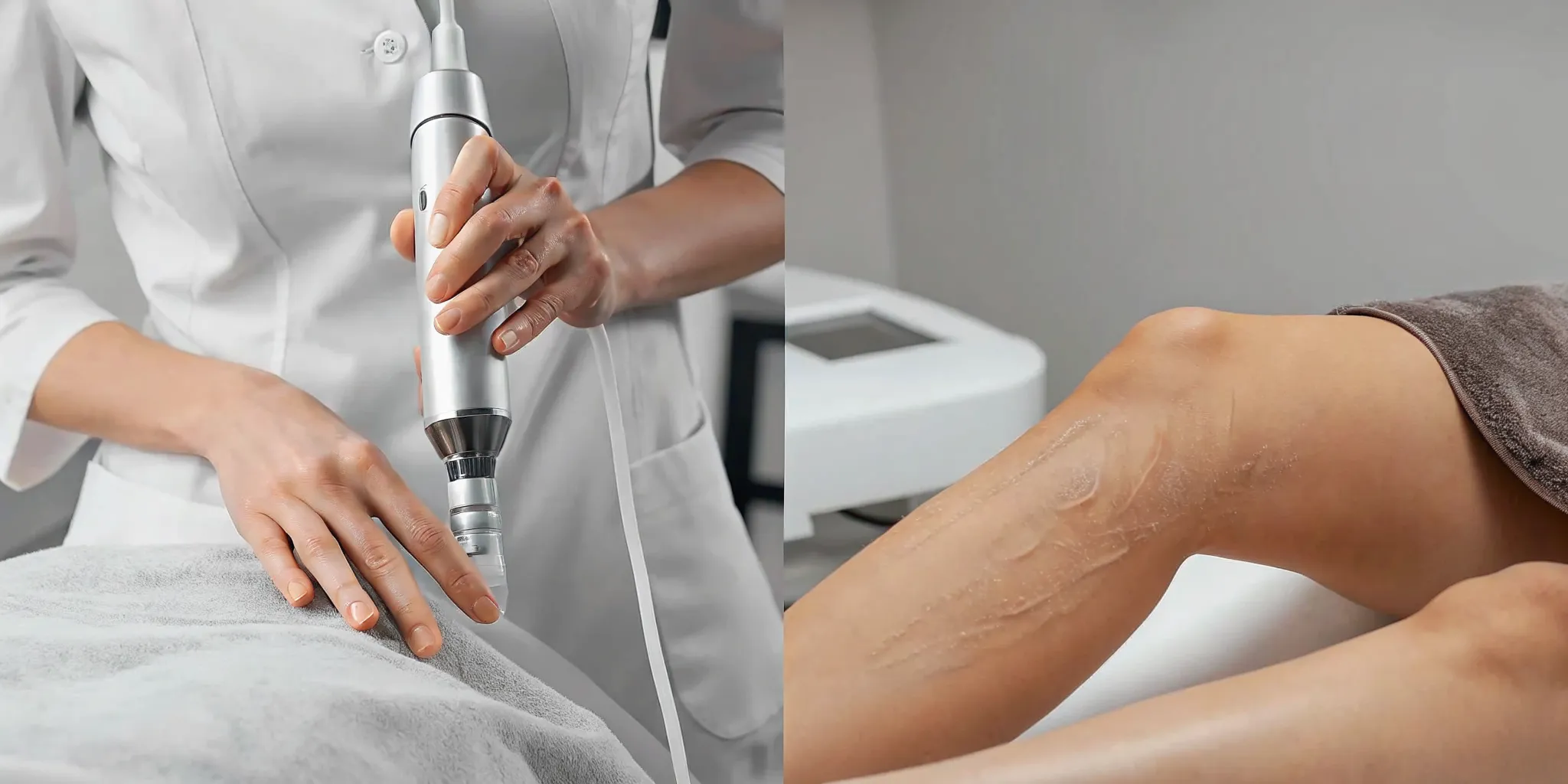
Your RF microneedling session is a straightforward and comfortable process. First, we’ll apply a topical numbing cream to ensure you feel little to no discomfort. During the treatment, your provider will use a handheld device to gently press the microneedles against your skin, section by section. As the needles create micro-channels, you’ll feel a light pressure and a warm sensation as the radiofrequency energy is delivered.
The best part is that there’s minimal downtime. Most people experience some redness and mild swelling, similar to a sunburn, which typically fades within 24 hours. You can usually return to your daily activities the very next day. To find out if you’re a candidate for this transformative treatment, the best first step is to schedule a consultation with our team.
SkinPen vs. RF Microneedling: A Head-to-Head Comparison
When you’re looking for a treatment that genuinely improves your skin’s health and appearance, microneedling is often at the top of the list. The basic idea is simple yet brilliant: creating tiny, controlled injuries in the skin to stimulate its natural repair process, which results in fresh collagen and elastin. This process helps smooth texture, reduce scars, and give you an overall glow. It’s a trusted method for skin rejuvenation because it works with your body, not against it.
But not all microneedling is the same. Two of the most popular and effective treatments we see here in Texas are SkinPen and RF microneedling. While they share the same foundational principle, they deliver different results because of how they work. Think of it like choosing between a targeted spot treatment and a deep conditioning mask; both are beneficial, but they serve different purposes. Choosing between them really comes down to your unique skin concerns. Are you focused on texture and acne scars, or is skin tightening and wrinkle reduction your main goal? Let’s break down how they stack up head-to-head when it comes to treatment intensity, the concerns they target best, and what you can expect from each. This will help you find the perfect fit for your journey to healthier skin.
Comparing Treatment Depth and Intensity
SkinPen uses fine, sterile needles to create thousands of controlled micro-injuries in the skin. This mechanical process triggers your body’s natural wound-healing response, ramping up collagen and elastin production to repair the skin from the inside out. RF microneedling takes this a step further by adding radiofrequency energy. As the needles enter the skin, they deliver a pulse of heat deep into the dermal layers. This thermal energy creates a more robust collagen response, making the treatment more intense and effective at reaching deeper tissues than microneedling alone.
Best for Acne Scars and Texture
If your primary concerns are smoothing out uneven skin texture or reducing the appearance of acne scars, SkinPen is an excellent choice. The treatment is highly effective at breaking down old scar tissue and stimulating fresh collagen to create a more uniform surface. Our SkinPen microneedling treatment is specifically designed to address these textural issues with precision and minimal downtime. While RF microneedling also helps with scarring, SkinPen is often the preferred method when texture is the main focus, as it directly targets the surface and upper layers of the skin where these issues are most visible.
Best for Skin Tightening and Wrinkles
When it comes to turning back the clock on skin laxity and deeper wrinkles, RF microneedling has the edge. The addition of radiofrequency energy is the key difference. This heat causes existing collagen fibers to contract, creating an immediate tightening effect. More importantly, it stimulates a much stronger production of new collagen and elastin over time, leading to firmer and more lifted skin. While SkinPen is great for fine lines, it doesn’t provide the significant tightening needed to address sagging. For comprehensive anti-aging results, RF microneedling is the more powerful option among our services.
Weighing the Pros and Cons of Each Treatment
Deciding between two great treatments can be tough, but it really comes down to your specific skin goals, budget, and timeline. Both SkinPen and RF microneedling offer incredible benefits, but they have key differences in how they work and the results you can expect. Let’s break down the pros and cons of each so you can get a clearer picture of which one might be the right fit for you.
SkinPen: The Advantages and Disadvantages
The biggest advantage of SkinPen microneedling is its straightforward approach to skin rejuvenation. It uses fine needles to create micro-injuries, which prompts your body’s natural healing process to build fresh collagen. This makes it fantastic for improving skin texture, softening fine lines, and reducing the look of acne scars and large pores. The downtime is minimal, usually just a day or two of redness, and it’s generally more affordable per session. The main drawback is that you’ll likely need a series of treatments for the best results, and it doesn’t offer the same level of skin tightening as RF microneedling.
RF Microneedling: The Advantages and Disadvantages
RF microneedling adds radiofrequency energy into the mix. As the needles create channels in the skin, they also deliver heat deep into the dermal layers. This combination provides a powerful boost to collagen production, resulting in more dramatic skin tightening and firming. The results are often more significant and can last for several months. On the flip side, this treatment typically comes with a higher price tag. It can also be slightly more uncomfortable during the procedure, and you might experience a bit more redness and swelling afterward, extending the recovery time slightly.
A Note on Safety and FDA Approval
Your safety is always the top priority. It’s important to know that SkinPen was the first microneedling device approved by the FDA, meaning it’s been rigorously tested for safety and effectiveness. This gives many people peace of mind. While many RF microneedling devices are also safe, you should always confirm that the specific device being used is FDA-cleared. At a reputable medspa, your provider will only use state-of-the-art, approved technology to ensure you get a safe and effective treatment, no matter which option you choose.
Downtime, Recovery, and Cost: What to Expect
Making a decision about a skincare treatment goes beyond the results. You also need to consider how it will fit into your life and budget. Understanding the recovery time, the healing process, and the overall cost are key factors in choosing between SkinPen and RF microneedling. Let’s break down what you can anticipate after each procedure so you can plan accordingly and make a choice that feels right for you.
Recovering From a SkinPen Treatment
One of the biggest draws of SkinPen microneedling is its minimal downtime. Most people get back to their regular routine very quickly. Following the treatment, you can expect some mild redness and maybe a little swelling, similar to a light sunburn, which typically subsides within just one to two days. Because the recovery is so swift, many clients can schedule an appointment on a Friday and look refreshed by Monday. Following your provider’s aftercare instructions is essential for a smooth recovery and ensuring you get the best possible results from your session.
The Healing Process After RF Microneedling
RF microneedling involves a slightly more intensive healing process due to the addition of radiofrequency energy, so the downtime is a bit longer, usually lasting about three to five days. Immediately after your session, your skin will likely feel warm and sensitive for the first 24 hours. You can also expect redness and swelling to be more pronounced, potentially lasting for a few days. This is a completely normal response as the heat energy works deep within the skin to stimulate collagen and elastin production. This healing phase is what leads to the impressive skin tightening results RF microneedling is known for.
Comparing Costs and Number of Sessions
When budgeting for your skincare goals, it’s helpful to know the typical investment for each treatment. SkinPen microneedling is generally the more affordable option, with sessions often ranging from $300 to $700. To achieve your desired outcome, you might need a series of three to six treatments. On the other hand, RF microneedling sessions are more of an investment, typically costing between $800 and $1,500 each. Because the treatment is more intensive, you may need fewer sessions. The best way to get a clear picture of the cost and a personalized plan is to schedule a consultation where we can assess your unique skin needs.
How to Choose the Right Treatment for Your Skin
Deciding between two great treatments can feel overwhelming, but it really comes down to your unique skin and what you hope to achieve. Both SkinPen and RF microneedling are fantastic options for skin rejuvenation, but they excel in different areas. Think about your primary skin concerns, your skin’s sensitivity level, and your long-term goals. Are you looking to smooth out texture and acne scars, or are you more focused on tightening and lifting? Answering these questions is the first step in finding the perfect match for your skin.
If You Have Sensitive Skin
If your skin tends to be reactive or sensitive, SkinPen microneedling is often the better starting point. Because it doesn’t use heat, the treatment is gentler and typically involves less downtime, which is a huge plus for sensitive skin types. SkinPen is an excellent choice if you want to address more minor imperfections, like fine lines or uneven texture, without the added intensity of radiofrequency. It’s a wonderful way to get the collagen-boosting benefits of microneedling in a way that respects your skin’s delicate balance, making it a great preventative and restorative option.
If You’re Focused on Anti-Aging vs. Texture
Your main skincare goal is the biggest factor in choosing between these two treatments. If you’re looking for significant anti-aging results, like firmer skin, a visible lift, and a reduction in deeper wrinkles, RF microneedling is likely your best bet. The addition of radiofrequency energy allows the treatment to address skin laxity more effectively.
On the other hand, if your primary concerns are related to skin texture, SkinPen microneedling is a true powerhouse. It’s fantastic for smoothing acne scars, minimizing the appearance of pores, and creating a more even, radiant skin tone.
Why a Professional Consultation is the Best Next Step
While understanding the differences is helpful, nothing compares to personalized advice from a skincare expert. The best way to determine which treatment will give you the results you want is to have a professional assess your skin. During a consultation, an experienced provider can examine your skin type, discuss your concerns in detail, and recommend a treatment plan tailored specifically to you. They can answer all your questions and ensure you feel confident in your decision. Ready to find out which treatment is right for you? We’d love to help you get started.
Related Articles
- RF Microneedling Near Me: Cost, Benefits & More – Ultimate Image MedSpa
- SkinPen vs. Microneedling: Which Is Best for You? – Ultimate Image MedSpa
- How Microneedling for Large Pores Gets Results – Ultimate Image MedSpa
Frequently Asked Questions
Does microneedling hurt? This is probably the most common question we get, and it’s a fair one. We take every step to make you comfortable, starting with a strong topical numbing cream applied before the treatment. For SkinPen, most people describe the sensation as feeling like light sandpaper moving across the skin. With RF microneedling, you’ll feel that same sensation plus a feeling of heat as the radiofrequency energy is delivered. It can be slightly more intense, but it’s very manageable.
How long does it take to see results? You’ll likely notice a healthy glow and smoother-looking skin within the first week as the initial healing takes place. However, the real magic happens over time. Both treatments work by stimulating new collagen growth, which is a gradual process. Most people begin to see more significant improvements in texture, firmness, and scarring about four to six weeks after their first session, with results continuing to improve for several months as your skin rebuilds.
Is there anyone who shouldn’t get these treatments? While microneedling is safe for many people, it isn’t right for everyone. We generally advise against it if you have an active skin infection, an acne breakout in the treatment area, or certain skin conditions like eczema or psoriasis. It’s also not recommended for those who are pregnant or have a history of keloid scarring. The best way to know for sure is to come in for a consultation so we can review your medical history and confirm you’re a great candidate.
Which treatment is better for tightening loose skin on the neck or jawline? If your main goal is to address skin laxity, especially around the lower face and neck, RF microneedling is the clear winner. The radiofrequency energy heats the deeper layers of your skin, causing existing collagen to contract for an immediate firming effect and stimulating more robust collagen production over time. While SkinPen is wonderful for improving texture and fine lines, it doesn’t provide the significant tightening power that RF microneedling does.
Can I combine microneedling with other treatments like a HydraFacial? Yes, you can absolutely incorporate microneedling into a broader skincare plan, but timing is key. You wouldn’t want to do both treatments on the same day. A great approach is to get a HydraFacial a couple of weeks before your microneedling session to prep the skin by cleansing and hydrating it. We can help you create a personalized treatment schedule that spaces out your appointments appropriately to ensure your skin gets the maximum benefit from each one.