Deciding to remove a tattoo is a deeply personal choice, especially when it’s a full sleeve that has been part of your story for years. What once felt like the perfect expression of who you were might not align with who you are today. Life changes, styles evolve, and you deserve to feel completely at home in your own skin. The process of sleeve tattoo removal is more than just a cosmetic procedure; it’s a powerful way to get a fresh start and reclaim your canvas. This guide is here to walk you through every step of that journey, from the science behind the laser to the emotional side of starting over.
Key Takeaways
- Successful removal is a marathon, not a sprint: The process is gradual, often requiring 6 to 12 sessions over one to two years. This timeline is essential for allowing your skin to heal properly and for your body’s immune system to effectively clear the shattered ink particles.
- Your aftercare routine directly impacts your results: What you do between sessions is just as important as the laser treatment itself. Following your aftercare plan, especially protecting your skin from the sun, is the best way to support healing and prevent complications like scarring.
- The right specialist makes all the difference: Your safety and final outcome depend on the provider’s expertise and the quality of their technology. Always schedule a consultation to ask questions, review their work, and ensure you feel confident in their ability to treat your specific tattoo and skin type.
What is Sleeve Tattoo Removal?
If you’re thinking about a clean slate for your arm, you’re in the right place. Sleeve tattoo removal is the process of using advanced laser technology to break down and eliminate the ink from a full or partial sleeve tattoo. It’s a bigger commitment than zapping a small ankle tattoo, both in time and budget, but I want you to know that even the most complex, colorful, and layered sleeves can be successfully removed. This journey is all about giving you back your skin and the confidence to love it. At Ultimate Image MedSpa, we specialize in laser tattoo removal and have seen how this process can offer a true fresh start.
Why Removing a Sleeve is a Unique Process
Removing a sleeve isn’t quite the same as removing a smaller piece of ink. The main difference is the sheer scale of it. A full sleeve covers a lot of surface area, which means there’s a significant amount of ink for the laser to break down. Because of this, the process requires more time and patience. You can generally expect to need a minimum of 10 sessions, which could span about two years from start to finish. It’s a marathon, not a sprint, but each session brings you one step closer to your goal. This extended timeline allows your skin to heal properly between treatments, which is crucial for getting the best and safest results.
Common Reasons for Starting Over
People decide to remove tattoos for countless reasons, and every single one is valid. Your life isn’t static, so it makes sense that the art on your body might not feel right forever. Many people find that their beliefs or personal style have changed, or they’re starting a new career that calls for a different look. For others, the tattoo simply didn’t turn out the way they envisioned, or they want to fade the existing work to create a better canvas for a new artist. Whatever your reason, choosing to remove a sleeve is often a powerful way to mark a new chapter and create a fresh start for yourself.
How to Evaluate Your Tattoo for Removal
Before you begin, it’s helpful to understand what factors will influence your removal journey. A specialist will walk you through this during a consultation, but here are the key things they’ll look at: the age of your tattoo (older ink is often easier to remove), the colors used (blacks and dark blues fade faster than bright colors like yellow and green), your skin tone, and the tattoo’s location on your body. Understanding these elements will help you and your provider set realistic expectations for your timeline and results. The best first step is to schedule a consultation to get a personalized assessment from a professional who can answer all of your specific questions.
How Does Laser Tattoo Removal Work?
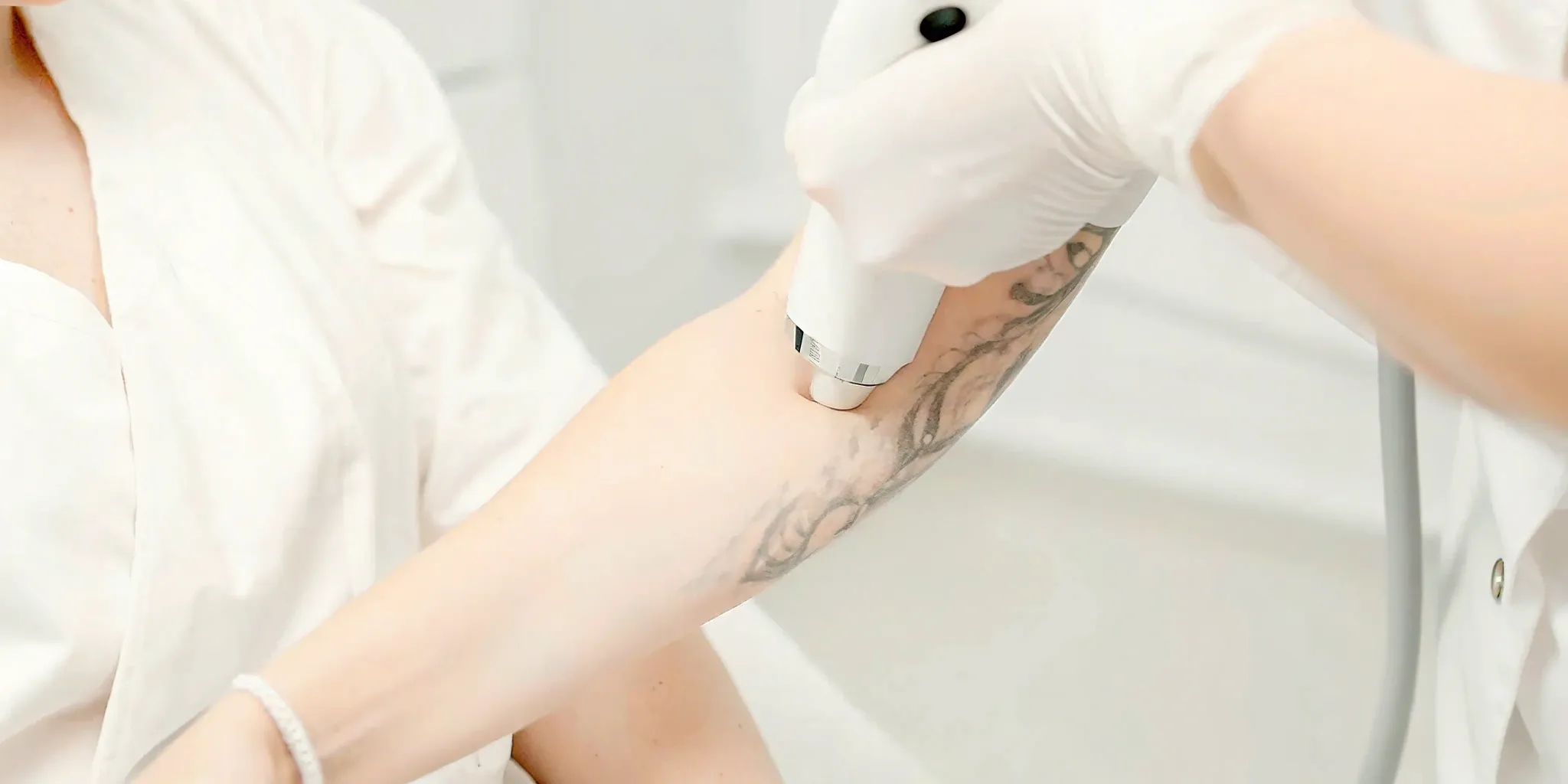
If you’re ready to part ways with your sleeve, you’ve probably wondered what the removal process actually looks like. The most effective and trusted method is laser tattoo removal, a technology that has improved dramatically over the years. It’s not a magic eraser that works in one visit, but rather a gradual fading process that leverages your body’s own natural ability to heal. The treatment works by sending highly concentrated light energy into your skin. This energy is specifically designed to be absorbed by the tattoo ink, leaving the surrounding skin untouched. Think of it as a smart technology that knows exactly what to target.
As the ink particles absorb this energy, they shatter into tiny fragments. From there, your body’s immune system takes over, treating these fragments like any other foreign substance and clearing them away over time. Each session breaks down more and more ink, causing the tattoo to fade until it’s no longer visible. It’s a partnership between advanced technology and your body’s incredible healing capabilities, designed to restore your skin with precision and care. This methodical approach ensures the process is as safe as it is effective, minimizing risks and focusing on a clean slate.
The Science of Breaking Down Ink
So, how does a beam of light make ink disappear? It’s all about targeted energy. The laser emits a specific wavelength of light in ultra-short pulses. When this light hits your skin, it passes harmlessly through the top layers and is absorbed by the tattoo pigment below. This rapid absorption of energy causes the large ink particles to heat up and shatter into microscopic pieces. Once the ink is broken down, your body’s lymphatic system—your internal cleanup crew—gets to work. It identifies these tiny particles, engulfs them, and carries them away to be naturally flushed out of your body. This is why you see gradual fading between sessions, as your body needs time to do its job.
What Factors Influence Your Success?
Your tattoo removal journey is unique to you, and several factors can influence how quickly and effectively the process works. The location of your tattoo matters—areas with better circulation, like your torso or neck, often fade faster than hands or feet. The age and quality of your tattoo also play a role; older tattoos and amateur ink can sometimes be easier to remove. Your skin tone and overall health are also key. A strong immune system is essential for clearing out the shattered ink particles efficiently. A specialist will evaluate all these variables to create a realistic treatment plan for you.
Which Ink Colors Fade the Fastest?
Not all inks are created equal when it comes to removal. Generally, darker colors like black and dark blue are the easiest to treat because they absorb the laser light most effectively. Red and orange inks also tend to respond well to treatment. On the other hand, lighter and more vibrant colors can be a bit more stubborn. Shades like light blue, green, purple, and yellow are often more challenging to remove completely and may require more sessions or different laser wavelengths. A skilled technician will use advanced laser technology that can target a wide spectrum of colors, ensuring even the most colorful sleeves can be treated effectively.
How Much Does Sleeve Tattoo Removal Cost?
Let’s talk about one of the biggest questions on your mind: the budget. The cost of removing a sleeve tattoo is a significant investment in yourself, and the final price tag depends on several factors, including the size, colors, and density of your ink. While only a personal consultation can give you a precise quote, understanding the typical costs can help you plan for your tattoo removal journey. Think of it not just as an expense, but as the price of a clean slate.
Breaking Down the Price Per Session
The most straightforward way to look at cost is on a per-session basis. Generally, you can expect a half sleeve to cost between $300 and $400 per treatment, while a full sleeve often ranges from $700 to $900. Some specialists may break up a full sleeve removal into smaller, more manageable sections, which can affect the session price. The complexity of your tattoo plays a huge role here—vibrant colors and dense, layered ink may require more advanced techniques. For a clear picture of what your specific laser tattoo removal will involve, a one-on-one consultation is the best first step.
Are Treatment Packages a Good Deal?
Since sleeve removal always requires multiple sessions, treatment packages are definitely worth looking into. Most clinics offer a discount when you purchase several sessions upfront, which can lead to significant savings over time. For example, you might find deals like “buy three treatments, get one free.” This approach not only makes the process more affordable but also helps you commit to the full treatment plan. When you come in for your consultation, be sure to ask about any available packages. It’s a simple question that could save you hundreds of dollars by the end of your journey.
Your Financing and Payment Options
Paying for your sleeve removal should be as stress-free as possible. Reputable medspas accept standard payment methods like cash, debit, and all major credit cards. Beyond that, many clinics offer financing options to make the investment more manageable. For instance, programs like CareCredit allow you to pay for your treatments with low monthly payments, often with 0% interest for a promotional period. Don’t let the upfront cost hold you back from achieving your goals. You can contact us to discuss the flexible payment and financing plans we have available to help you get started.
Other Costs to Keep in Mind
While the per-session price is the main expense, there are a few other costs to factor into your budget. Your specialist will likely recommend specific aftercare products, like soothing ointments or sunscreens, to help your skin heal properly and get the best results. These are typically minor expenses but are essential for your recovery. It’s also important to remember the total cost is the session price multiplied by the number of treatments you’ll need. A full sleeve can take 10 or more sessions, so planning for the entire process is key to a successful and stress-free experience.
Your Step-by-Step Treatment Plan
Thinking about removing a full sleeve can feel overwhelming, but breaking it down into a clear plan makes the whole process much more approachable. Your journey is unique to you, your skin, and your tattoo. A great specialist will walk you through every stage, making sure you feel confident and informed from your first meeting to your final session. This is your roadmap to clear skin, designed to set realistic expectations and guide you through each phase of the removal process. Let’s look at what your treatment plan will involve.
What to Expect at Your First Consultation
Your first step is a one-on-one consultation. This is where you get to ask all your questions and we get to create a plan tailored specifically for you. We’ll sit down to discuss your tattoo’s history, look at the ink colors and density, and talk about your goals. This initial meeting is completely free and allows us to give you exact pricing for your sessions, so you know the full financial commitment upfront. Think of it as a strategy session where we map out your entire laser tattoo removal journey together. You’ll leave with a clear understanding of the process, the timeline, and what you can expect from your results.
How Many Sessions Will You Need?
One of the most common questions is, “How long will this take?” The truth is, it varies. For a full sleeve, most people need between 6 to 12 laser treatments to achieve their desired results. Because your skin needs time to heal and your body needs time to flush out the ink particles between appointments, the entire process can take one to two years, and sometimes even three for more complex sleeves. Factors like the age of your tattoo, the colors used, and your skin type all play a role. We’ll give you a more precise estimate during your consultation, so you can set realistic expectations from the start.
Options for Managing Discomfort
Let’s talk about the elephant in the room: pain. While everyone’s tolerance is different, we do everything we can to make you comfortable. Many clients compare the sensation to a rubber band snapping against the skin—quick and manageable. To help with this, we apply a medical-grade numbing cream to the treatment area for about 20-30 minutes before we begin. This significantly reduces any discomfort during the laser application. Your comfort is a top priority, and we’ll check in with you throughout the session to ensure you’re doing okay. We want your experience to be as positive and stress-free as possible.
Creating Your Treatment Timeline
Patience is a key part of the tattoo removal process. Your treatment timeline is designed to be both effective and safe for your skin. We’ll schedule your sessions about six to eight weeks apart. This waiting period is essential—it’s not just downtime. It gives your skin the time it needs to heal properly and allows your body’s immune system to work its magic, breaking down and clearing away the shattered ink particles. Rushing the process won’t get you better results and can risk damaging your skin. Remember, tattoo removal is a marathon, not a sprint, and committing to the recommended timeline is the best way to achieve clear, healthy skin.
Your Essential Aftercare Routine
Think of your laser tattoo removal journey as a team effort between you and your specialist. The work done in our medspa is only half the equation; how you care for your skin afterward is the other, equally important half. Proper aftercare is your ticket to smoother healing, better results, and a lower risk of complications. Your skin is working hard to flush out those shattered ink particles, and giving it the right support will make all the difference.
Following a consistent aftercare plan helps protect your skin from infection, minimizes scarring, and can even speed up the fading process. It’s not just about the first 24 hours, either. How you treat your skin in the weeks between sessions plays a huge role in preparing it for the next treatment. We’ll give you a detailed plan tailored to your skin, but here’s a look at the essential steps you’ll need to follow to keep your skin healthy and on track for a beautiful, ink-free result.
What to Do Immediately After Your Session
Right after your treatment, it’s normal to see some redness, swelling, and feel a sensation similar to a sunburn. Your main job is to keep the area clean and protected. We’ll apply a soothing ointment and a bandage before you leave. For the next few days, you’ll want to gently wash the area with mild soap and water, pat it dry, and reapply the recommended antibiotic ointment. Keeping it covered with a fresh bandage will protect the sensitive skin. You might see some blistering or scabbing, which is a normal part of the healing process. Whatever you do, resist the urge to pick at it! This can lead to scarring and infection.
How to Support Long-Term Skin Health
Caring for your skin between sessions is crucial for getting the best outcome from your laser tattoo removal. Your number one priority should be sun protection. Exposing the treated area to the sun can cause pigmentation changes, leaving you with darker or lighter spots. Keep it covered with clothing or use a high-SPF, broad-spectrum sunscreen once the initial healing is complete. Your skin will continue to heal and process the ink for 4 to 8 weeks, so staying hydrated and maintaining a healthy lifestyle will also give your body the support it needs to flush out the ink particles effectively.
How to Handle Common Side Effects
It’s completely normal for your skin to react after a laser session. Expect to see some swelling, redness, blistering, and scabbing for the first week or two. These are all signs that your body’s immune system is kicking in to clear away the ink particles, which is exactly what we want. While more serious risks like infection or scarring are rare, they are often preventable by following your aftercare instructions carefully. Think of these common side effects as temporary hurdles on your way to clear skin. A cold compress can help with swelling and discomfort in the first 24 hours.
When to Call Your Specialist
We are your partners throughout this process, so please don’t hesitate to reach out. While most side effects are normal, you should call us if you notice any signs of infection, such as increasing redness or swelling, warmth at the site, or pus. You should also get in touch if you’re experiencing excessive pain or if the area just doesn’t seem to be healing as expected. Your comfort and safety are our top priorities. If you have any questions or concerns at any point during your recovery, please contact us right away. There’s no such thing as a silly question when it comes to your skin’s health.
Answering Your Biggest Questions
Deciding to remove a tattoo sleeve comes with a lot of questions. It’s a big commitment, and you deserve to have all the facts before you begin. Let’s walk through some of the most common concerns so you can feel confident and prepared for the journey ahead. From pain levels to timelines, here’s what you really need to know.
How Much Does Tattoo Removal Really Hurt?
This is usually the first question on everyone’s mind, and the honest answer is: it depends. Most people describe the sensation of laser tattoo removal as similar to a rubber band snapping against the skin—uncomfortable, but manageable. Your personal pain tolerance plays a big role, and the location of the tattoo can also affect sensitivity. The good news is that you don’t have to just grit your teeth and bear it. We use professional-grade topical numbing creams to make the experience as comfortable as possible, and each session is relatively quick.
How Long Will the Process Actually Take?
Patience is key when it comes to sleeve removal. This isn’t a one-and-done treatment; it’s a gradual process that gives your skin the time it needs to heal properly. Most full sleeves require between 6 to 12 sessions, with about 6 to 8 weeks of healing time between each appointment. When you do the math, that means the entire process can take anywhere from one to two years. Complex, colorful, or dense tattoos might take a bit longer, but a clear timeline will be mapped out for you during your initial consultation.
Is Complete Removal Possible?
Yes, absolutely! It’s a common myth that large or dark tattoos can’t be fully removed. Modern laser technology is incredibly effective at breaking down ink particles of all colors. The laser shatters the ink into tiny fragments, which your body’s natural immune system then clears away. While factors like the age of your tattoo, the types of ink used, and your skin tone can influence the process, achieving a clean slate is a realistic goal for many people. Consistent treatments and proper aftercare are your best tools for getting the results you want.
Handling the Emotional Side of Removal
Starting the removal process can bring up a lot of emotions. For many, it’s a huge relief—a literal weight being lifted. It’s a chance to close a chapter and move forward. It’s also normal to feel a little impatient or anxious during the journey. The best thing you can do is trust the process and be kind to yourself. Remember that your body is doing incredible work behind the scenes to heal and clear the ink. If you have any concerns, it’s always a good idea to contact us and talk through them with your specialist.
How to Choose the Right Removal Specialist
Choosing the right person to handle your sleeve tattoo removal is the single most important decision you’ll make on this journey. The technology is crucial, but the expertise of the specialist operating it determines the safety and quality of your results. You’re not just paying for a laser session; you’re investing in the skill, experience, and medical oversight of a professional. Finding a provider you trust will make the entire process feel more manageable and ensure your skin is in the best possible hands from your first consultation to your final session.
Must-Have Qualifications and Credentials
When you start your search, focus on providers who operate in a professional, medically supervised environment. Look for a specialist, often a certified laser technician, who works under the guidance of a medical director. This ensures that your treatment plan is overseen by someone with a deep understanding of skin health and safety protocols. Don’t hesitate to ask about their specific training and certifications in laser tattoo removal. A reputable clinic will be proud to share their team’s qualifications. Finding a practice that offers a range of professional services is often a good sign, as it indicates a broad base of aesthetic knowledge and a commitment to high standards of care.
Key Questions to Ask During Your Consultation
Your consultation is your opportunity to interview a potential provider. Go prepared with a list of questions to make sure they’re the right fit. Start with the basics: “How long have you been performing laser tattoo removal?” and “How many sleeve removals have you done?” Then, get more specific. Ask, “What type of laser will you use on my skin tone and ink colors?” and “Can I see before-and-after photos of your previous clients with similar tattoos?” A confident and experienced specialist will answer your questions clearly and help you feel informed, not rushed. This conversation is the foundation of your trust, so make sure you feel comfortable before you schedule a consultation.
Why the Right Technology Matters
Not all lasers are created equal, and the right technology is critical for successfully removing a complex sleeve tattoo. The success of your treatment depends heavily on using a laser that can effectively target the specific colors of your ink without damaging the surrounding skin. Advanced systems, like the PicoWay® laser, use different wavelengths to break down a wide spectrum of pigments, from stubborn blues and greens to simple black ink. This technology is essential for treating diverse skin tones safely. An experienced provider will know exactly which settings to use for your unique combination of skin and ink, ensuring your laser tattoo removal is both safe and effective.
Red Flags to Watch Out For
Knowing what to avoid is just as important as knowing what to look for. Be cautious of any clinic that offers deals that seem too good to be true or uses high-pressure sales tactics to get you to commit on the spot. A major red flag is a lack of transparency; your provider should be upfront about costs, the number of expected sessions, and potential side effects. If a specialist can’t give you clear answers to your questions or dismisses your concerns, it’s best to walk away. You deserve a provider who is honest, professional, and makes you feel completely confident in your decision to start the removal process.
How to Get the Best Possible Results
Getting the best results from your sleeve tattoo removal is a team effort. While our specialists handle the advanced laser technology, your commitment to the process before, during, and after each session plays a massive role in your final outcome. Think of it as a partnership. By taking a few key steps, you can support your body’s natural healing process, speed up the fading, and ensure your skin stays healthy.
Focusing on four main areas will make all the difference: preparing your skin for each treatment, making small lifestyle adjustments, following your aftercare plan perfectly, and setting the right expectations from the start. When you’re an active participant in your removal journey, you’re not just hoping for a great outcome—you’re helping to create it. Let’s walk through exactly what you can do to make your laser tattoo removal as successful as possible.
Prepare Your Skin for Treatment
Showing up to your appointment with well-prepped skin can make your session more comfortable and effective. Before we begin, we’ll apply a numbing cream to the area for about 20 to 30 minutes to help manage the sensation of the laser, which many people describe as feeling like a rubber band snapping against the skin.
In the weeks leading up to your treatment, your main job is to protect your skin from the sun. Avoid sun exposure and tanning beds, and apply a broad-spectrum SPF 30+ daily. Sunburned or tanned skin can’t be treated, as it increases the risk of side effects. It’s also a good idea to arrive well-hydrated and to avoid any harsh skincare products or exfoliants on the area for a few days beforehand.
Lifestyle Changes That Can Help
Your body’s immune system is the real hero of tattoo removal. The laser shatters the ink particles, but it’s your white blood cells that carry them away to be filtered out. A healthier you means a more efficient removal process. Many people find that the journey to remove a tattoo inspires them to adopt other healthy habits, like exercising and eating better.
Simple changes can make a big impact. Staying hydrated by drinking plenty of water helps your lymphatic system function at its best. Regular exercise gets your circulation going, which can speed up the ink-clearing process. Eating a balanced diet and getting enough sleep also give your immune system the support it needs to do its job. Small, consistent efforts in your daily life will pay off in your results.
Follow Your Provider’s Aftercare Plan
What you do after you leave our medspa is just as important as the treatment itself. Proper aftercare is essential for healing, preventing infection, and avoiding scarring. After a session, it’s normal for your arm to swell, look red, and even develop some blisters or scabs over the next one to two weeks. This is a sign that your body is healing.
Your specialist will give you detailed instructions, and it’s crucial to follow them exactly. This typically includes keeping the area clean and dry, applying a recommended antibiotic ointment, and keeping it covered with a sterile bandage. Most importantly, avoid picking at any scabs or blisters, as this can lead to scarring and affect your final result. If you ever have questions about your aftercare, please contact us right away.
Set Realistic Goals for Your Journey
Patience is probably the most important tool you’ll need for sleeve tattoo removal. This is a long process, and it’s important to trust the journey and not get discouraged. Fading happens gradually, and your tattoo will look different after every single session. Most full sleeves require between 6 and 12 laser treatments, spaced several weeks apart to allow your skin to heal. The entire process can easily take one to two years, sometimes longer for complex designs with stubborn ink colors.
During your consultation, we’ll create a personalized treatment plan and give you a realistic timeline based on your specific tattoo and skin type. Remember that every person’s journey is unique. Celebrate the small victories and focus on the progress you’re making one session at a time.
What to Expect from Your Results and Recovery
The journey to removing a sleeve tattoo doesn’t end when you leave our office. In fact, the recovery period is just as crucial as the treatment itself. Understanding what to expect—from the final outcome to the day-to-day healing process—helps you stay confident and committed. Your body does the amazing work of flushing out the ink particles between sessions, and how you care for your skin during this time directly impacts your final results. Let’s walk through what the recovery and results phase really looks like so you can feel prepared and empowered every step of the way.
A Realistic Look at Your Final Outcome
Let’s get straight to the big question: Can a full sleeve tattoo be completely removed? The answer is yes, for many people, it is absolutely possible. Modern laser technology has made incredible strides, and even complex, multi-colored sleeves can be cleared. However, it’s important to view this as a major commitment of both time and patience. The goal of laser tattoo removal is to fade the ink until your skin is a clean slate. While every person’s journey is unique, with a strategic treatment plan and proper aftercare, achieving skin that looks clear and natural is a very realistic outcome.
Potential Side Effects and How to Manage Them
After a laser session, your skin will need some time to heal. It’s completely normal to experience some temporary side effects like swelling, redness, blistering, and scabbing. Think of these as signs that your body is doing its job and beginning the healing process. The best thing you can do is follow your aftercare instructions carefully. This typically means keeping the treated area clean, applying an antibiotic ointment, and keeping it covered with a sterile bandage. Most importantly, resist the urge to pick at any scabs, as this can lead to scarring. If you ever have concerns about how your skin is healing, you can always contact us for guidance.
How Your Skin Type Plays a Role
Your unique skin tone is a key factor in how we approach your sleeve removal. The laser works by targeting the pigment in the tattoo ink, but it can also be absorbed by the natural melanin in your skin. If you have a darker skin tone, we’ll use a lower laser setting to protect your skin from damage. This approach is safer and reduces the risk of pigmentation changes, but it also means you will likely need more sessions to achieve your desired results. This is why working with an experienced specialist who understands the nuances of treating different skin types is so important for a safe and effective outcome across all our services.
Long-Term Changes to Your Skin
Many people worry about permanent skin damage, especially scarring. While there are potential risks with any cosmetic procedure, including infection or changes in skin texture and color, scarring is not a guaranteed outcome of laser tattoo removal. When performed by a trained professional using the right technology, the risk is very low. Some people may notice temporary lightening (hypopigmentation) or darkening (hyperpigmentation) of the skin, but this often resolves over time. Following your aftercare plan is the best way to support your skin’s healing and minimize the risk of any long-term changes.
Related Articles
- Tattoo Removal Stages – Explained
- Tattoo Removal Guide: How It Works, Costs & Best Options
- Tattoo Removal: A Complete Guide to the Process
Frequently Asked Questions
Can I just fade my sleeve for a cover-up instead of removing it completely? Absolutely. Many clients come to us with the goal of lightening their existing sleeve to create a better canvas for a new piece of art. Fading a tattoo for a cover-up typically requires fewer sessions than full removal. During your consultation, we can discuss your artist’s needs and create a treatment plan that lightens the old ink just enough to give you the creative freedom you want for your new tattoo.
Why do I have to wait so long between appointments? That waiting period of six to eight weeks is when the real magic happens. The laser’s job is to shatter the ink particles, but your body’s immune system does the heavy lifting of actually clearing those particles away. This process takes time. Scheduling sessions too close together won’t speed up your results and can increase the risk of skin irritation or damage. Giving your skin the proper time to heal is essential for a safe and effective outcome.
Will the laser remove the hair on my arm too? You may experience some temporary hair loss in the treated area. The laser energy can be absorbed by the pigment in your hair follicles, which can stun them for a while. For most people, the hair grows back to its normal state after the treatments are complete. It’s a common side effect, but it’s rarely permanent.
Can my entire full sleeve be treated in a single session? For your safety and comfort, we typically break up a full sleeve treatment into smaller, more manageable sections. Treating such a large area all at once would be very intense for your skin and your body’s healing response. By working on different sections in alternating appointments, we can ensure the process is as comfortable as possible and that your skin heals properly between sessions.
What happens if I get a tan between my laser sessions? Protecting your skin from the sun is one of the most important things you can do during your removal journey. We cannot safely treat tanned or sunburned skin because the laser can mistake the extra pigment in your skin for tattoo ink, which increases the risk of burns, blisters, or discoloration. If you come to an appointment with a tan, we will have to reschedule it for your own safety, which will unfortunately extend your overall timeline.