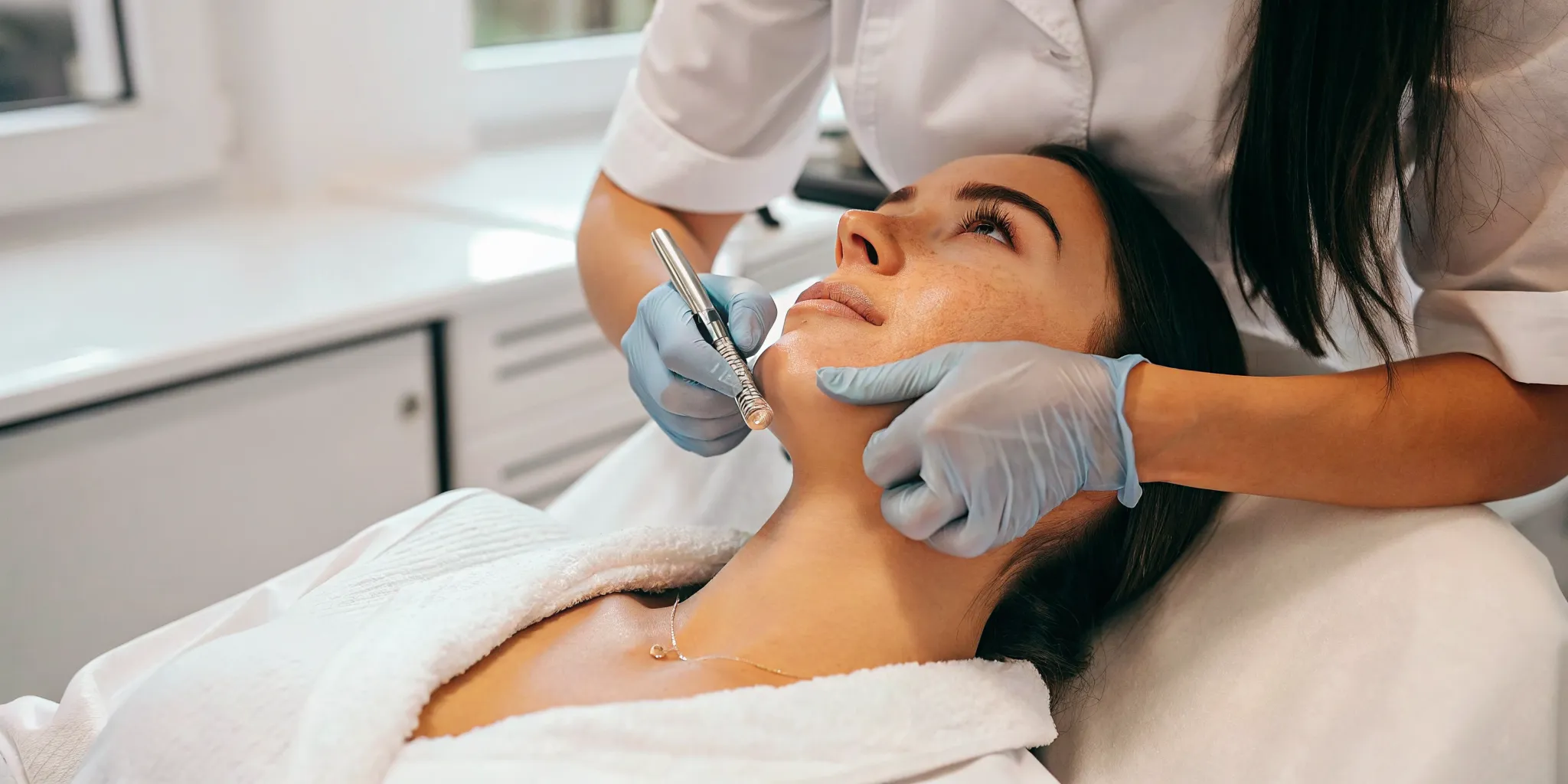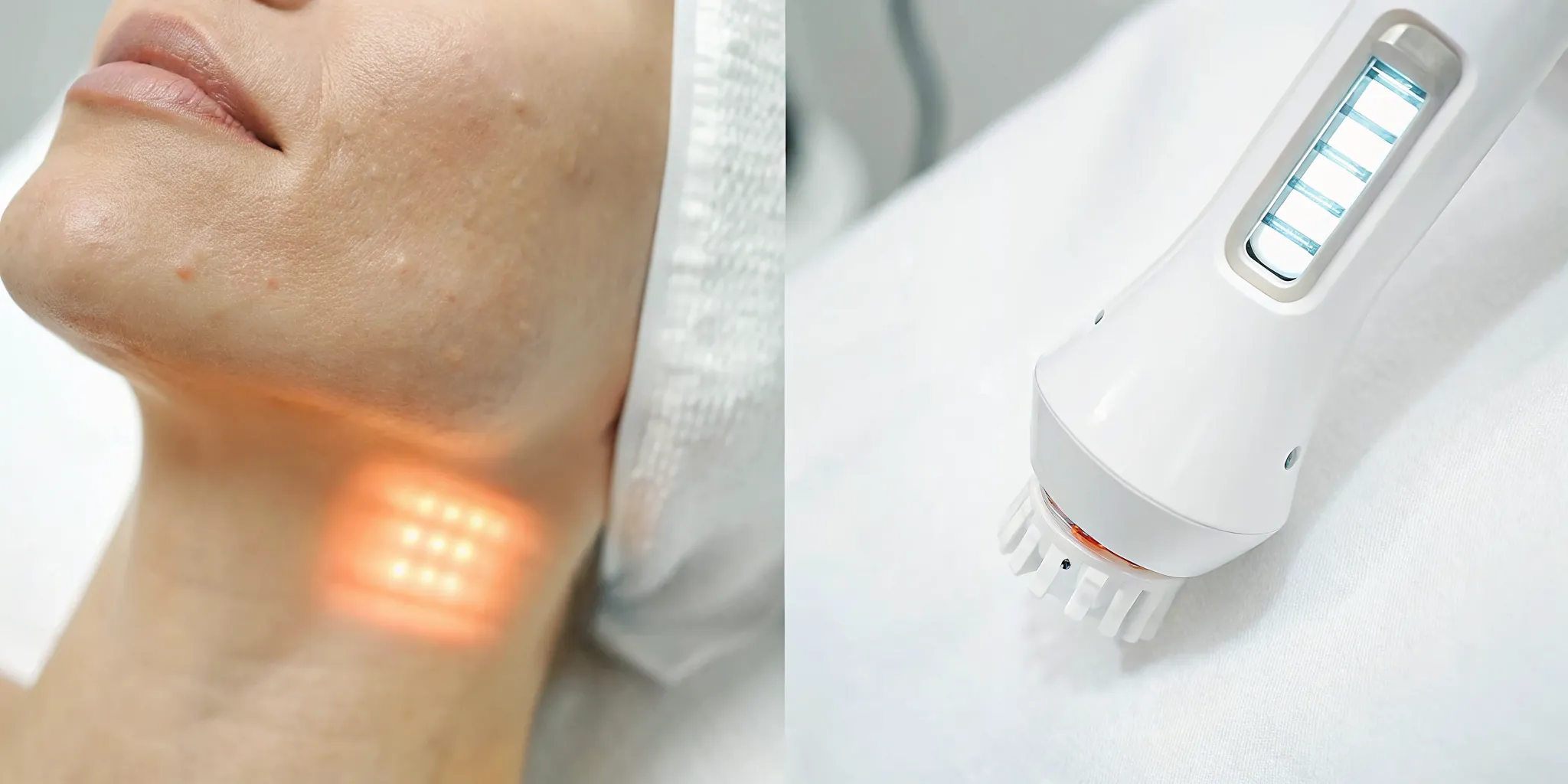

Not long ago, the only real option for treating a double chin was invasive surgery. Thankfully, things have changed dramatically. Today, you have access to a range of advanced, minimally invasive treatments that deliver incredible results without the lengthy downtime. From injectables that dissolve fat cells to technologies that use controlled cooling, modern submental fat reduction is safer and more accessible than ever. Of course, surgical solutions remain a powerful choice for many. In this article, we’ll explore all the cutting-edge options available, helping you understand how they work so you can decide which approach best fits your lifestyle and aesthetic goals.
Key Takeaways
- Understand the root cause to find the right solution: A double chin is often determined by genetics and aging, not just your lifestyle. Knowing this helps you move past ineffective exercises and explore professional treatments that actually work.
- Weigh the trade-offs between surgical and non-surgical paths: Surgical options like liposuction offer dramatic, one-time results, while non-surgical methods provide a gradual change with less downtime. Your choice depends on your goals, timeline, and comfort level.
- Your skin’s health and a stable lifestyle are crucial for success: The best results come from matching the treatment to your skin’s elasticity. After your procedure, maintaining your weight is the most effective way to ensure your new profile lasts for years to come.
What Causes a Double Chin?
Let’s talk about the double chin. It’s that area of fullness under the jawline that many people feel self-conscious about. Medically, it’s known as submental fullness, and it’s one of the most common cosmetic concerns out there. You might assume it’s purely related to weight gain, but the truth is much more complex. The appearance of a double chin can be influenced by a combination of factors that are often out of your control, no matter how diligent you are with diet and exercise. Many people find that even when they reach their fitness goals, that stubborn area under the chin remains. This can be frustrating and can affect how you feel when you look in the mirror or see yourself in photos.
Understanding what’s really causing it is the first step toward finding a solution that helps you feel like your best self. It’s not just about aesthetics; it’s about aligning your appearance with how you feel inside. When you know the root cause, you can stop blaming yourself and start exploring effective options. Below, we’ll break down the main culprits behind submental fat and explore the classic “nature vs. nurture” debate when it comes to your profile. This knowledge will empower you to make an informed decision about the right path forward, whether that involves lifestyle adjustments or exploring professional aesthetic services.
The Main Culprits Behind Submental Fat
So, what’s really going on under your chin? The most common cause is simply an accumulation of fat, known as submental fat. But why does it gather there? For many, it’s just how their body is genetically programmed to store fat. Another major factor is the natural aging process. As we get older, our skin loses collagen and elasticity, which can cause it to sag. This loss of skin firmness, combined with gravity and underlying fat, can create or accentuate the look of a double chin. It’s a combination of what’s underneath and the skin that holds it all in place.
Is It Genetics or Lifestyle?
This is the big question for many people: “Is this my fault?” The short answer is, probably not. While lifestyle choices like diet and exercise certainly impact your overall body composition, genetics often plays the leading role in determining if you’ll have a double chin. You can be at your ideal weight and still have submental fullness simply because it runs in your family. It’s not just about how you see yourself, either. Research has shown that the presence of a double chin can unfortunately impact social perceptions, which can take a toll on your confidence. Understanding that your profile may be predetermined by your DNA can be freeing—it’s not a personal failing, but rather a characteristic you can choose to address.
Your Non-Surgical Treatment Options
If you’re looking for a way to address a double chin without going under the knife, you have some fantastic options. Non-surgical treatments have become incredibly advanced, offering effective ways to reduce fat and contour your jawline with minimal downtime. These procedures are perfect for those who want noticeable results without the lengthy recovery associated with surgery. From injections that dissolve fat to treatments that freeze it away, there’s a solution that can fit your goals and lifestyle. Let’s explore three of the most popular and effective non-surgical methods for tackling submental fat.
Kybella: How It Melts Fat Away
Kybella is an injectable treatment that uses a synthetic form of deoxycholic acid, a substance your body naturally produces to break down and absorb dietary fat. When injected into the area under your chin, it gets to work destroying fat cells, preventing them from storing or accumulating fat in the future. While it’s highly effective, it’s good to know what to expect. The treatment can be uncomfortable, and significant swelling and bruising—often called a “bullfrog” look—is common for about four to six days afterward. Most people need two to four sessions to see their desired results, which means planning for some social downtime after each appointment.
CoolSculpting: What to Expect from the Freeze
If injections aren’t your thing, CoolSculpting might be the perfect fit. This completely non-invasive procedure, also known as cryotherapy, literally freezes fat cells to death. During the treatment, an applicator is placed under your chin, where it delivers controlled cooling to target the fat cells without harming the surrounding skin. Your body then naturally processes and eliminates these dead cells over the following weeks. It’s a great option, especially if the fat under your chin is easy for the device’s applicator to target. Typically, two to three sessions are needed to achieve a smoother, more defined jawline, making it a popular choice for gradual, surgery-free improvement.
HIFU: Tightening Skin While Reducing Fat
What if you could reduce fat and tighten loose skin at the same time? That’s the dual-action power of High-Intensity Focused Ultrasound (HIFU). This treatment uses focused ultrasound energy to penetrate deep into the skin’s layers, heating the tissue to destroy fat cells while also stimulating collagen production. This process not only helps slim the area under your chin but also firms up the skin, which is a major bonus for anyone concerned about skin laxity. It’s an excellent way to achieve a more sculpted and youthful profile. To learn more about all the advanced services we offer for skin rejuvenation, you can explore our treatment options.
A Closer Look at Surgical Solutions
When non-surgical treatments don’t quite align with your goals, surgical procedures can offer more significant and immediate changes. These options are more invasive, but for the right candidate, they provide a direct path to a more defined profile. The two most common surgical approaches for addressing a double chin are liposuction and a neck lift. Each one targets the area differently, and understanding how they work is key to figuring out if a surgical route is the best choice for you.
Liposuction: Immediate Results and What to Consider
Liposuction is a very direct way to handle unwanted fat under the chin. During the procedure, a surgeon makes tiny incisions and uses a small tube to suction fat cells out of the area. The process is relatively quick, and recovery is often just a few days. One of the biggest draws of liposuction is that it physically removes the fat cells for good. As a bonus, the procedure can also encourage collagen production, which helps tighten the surrounding skin for a smoother finish. When you compare the cost and downtime to other options, liposuction often stands out as a highly effective solution for submental fat.
Neck Lift: Addressing Both Fat and Loose Skin
A neck lift might be a better fit if you’re dealing with both stubborn fat and loose or sagging skin, which is common as we get older. This procedure is designed to tackle both issues at once. While liposuction can be part of a neck lift, the main goal is to remove excess skin and tighten the underlying muscles, creating a much sharper and more youthful jawline. This is an ideal option when you’re concerned that simply removing the fat might leave behind loose skin. For comprehensive results that address skin laxity, many find a neck lift provides the most satisfying outcome. To explore non-surgical ways to improve skin firmness, you might consider treatments like SkinPen Microneedling.
Surgical vs. Non-Surgical: A Head-to-Head Comparison
Deciding between a surgical and non-surgical approach to reducing a double chin comes down to your personal goals, timeline, and lifestyle. Neither path is inherently better—it’s about finding the right fit for you. A surgical option like liposuction offers a more immediate and dramatic transformation by physically removing fat cells in a single procedure. It’s a direct route to your desired result, but it comes with the considerations of any surgery.
On the other hand, non-surgical treatments like Kybella offer a gradual, less invasive alternative. These procedures work with your body’s natural processes to break down fat over time, typically across multiple sessions. This approach requires more patience but involves minimal downtime, allowing you to get back to your routine quickly. Understanding the key differences in results, recovery, and cost will help you make a confident choice. The best way to determine your ideal path is to schedule a consultation to discuss your unique anatomy and goals.
Setting Realistic Expectations for Your Results
When it comes to results, the main difference is speed and subtlety. Non-surgical treatments like Kybella work gradually. During these treatments, an acid is injected to dissolve fat cells, but it doesn’t happen overnight. You’ll likely need two to four sessions spaced several weeks apart to see the final outcome. Think of it as a slow reveal.
In contrast, a surgical procedure like submental liposuction delivers a more immediate and noticeable change. A surgeon makes tiny incisions and uses a thin tube to directly suction out the unwanted fat. Because the fat is physically removed, the results are visible much sooner. As a bonus, the procedure can also stimulate collagen production, which helps tighten the surrounding skin for a smoother, more defined jawline.
Comparing Recovery Times
Your schedule can play a big role in your decision, so let’s talk about downtime. Non-surgical options are known for their minimal interruption to your daily life. After a treatment like Kybella, most people are back to their normal activities within a day or two. However, you should plan for social downtime, as significant swelling and bruising are common and can take up to a month to fully disappear.
Liposuction also has a surprisingly quick initial recovery, often just a couple of days. But it is still surgery. You’ll need to wear a supportive chin strap for a period to help with swelling and ensure the skin heals smoothly. While you can get back to your desk job quickly, you’ll need to follow post-op care instructions carefully for the best healing and results.
Cost vs. Longevity: What’s the Real Investment?
Finally, let’s compare the investment. A surgical procedure like neck liposuction typically has a higher upfront cost, often starting around $4,000, not including fees for anesthesia or supplies. While that sounds like a lot, it’s usually a one-time expense. The fat cells are permanently removed, so as long as you maintain a stable weight, your results are built to last.
Non-surgical treatments have a lower cost per session, which can seem more approachable. However, since most people need multiple treatments to achieve their desired look, the total cost can add up and sometimes even exceed the price of surgery. The decision comes down to whether you prefer a single, larger investment for permanent results or smaller payments for a gradual, non-invasive process.
What Are the Potential Risks and Side Effects?
Every cosmetic treatment, whether surgical or non-surgical, comes with its own set of potential side effects. Being informed is the best way to feel confident and prepared for your procedure. Let’s walk through what you can generally expect so you can make a decision that feels right for you.
Understanding Side Effects of Non-Surgical Options
When it comes to non-surgical options, the side effects are typically temporary and manageable. With an injectable treatment like Kybella, it’s common to experience some pain, significant swelling, and bruising in the treatment area. Many people describe a “bullfrog” look for about four to six days post-treatment, but numbing cream can help with any discomfort during the procedure itself. Keep in mind that you’ll likely need two to four sessions to achieve your desired results. Other popular medspa services like CoolSculpting are also effective but may require a few rounds for the best outcome. Our team will always walk you through what to expect, ensuring you feel comfortable and prepared.
A Transparent Look at Surgical Risks
If you’re leaning toward a surgical solution like submental liposuction, it’s helpful to have a clear picture of the process. The procedure itself is relatively quick, but you can expect some bruising and swelling that usually subsides within a month. To support the healing process, your surgeon will likely have you wear a special wrap at night. While the initial recovery is fast—often just a couple of days—it’s important to consider your skin’s elasticity. Liposuction is excellent for removing fat, but it doesn’t tighten loose skin. For that reason, it’s sometimes paired with a neck lift for a smoother result. The best first step is always a personal consultation to discuss your specific goals and anatomy.
What Does Recovery Look Like?
Understanding the recovery process is just as important as understanding the procedure itself. The time you’ll need to heal and when you’ll see your final results varies quite a bit between non-surgical and surgical routes. Thinking about what your daily life can accommodate will help you choose the path that fits you best. Let’s walk through what you can generally expect from each type of treatment so you can feel confident in your decision.
Your Recovery Guide for Non-Surgical Treatments
With non-surgical treatments, the recovery is typically faster but can involve multiple sessions to achieve your desired look. For instance, with Kybella injections, you should plan for some noticeable swelling and bruising for about four to six days afterward. Since most people need two to four sessions, you’ll be repeating that downtime. Other options like CoolSculpting also require a few treatments for the best outcome, though the downtime is often minimal. High-Intensity Focused Ultrasound (HIFU) is another effective method for fat reduction with very little recovery time, making it a great choice if you can’t step away from your busy schedule. Each of these non-invasive services offers a different experience, so we can discuss the specifics during your consultation.
The Timeline for Surgical Recovery and Aftercare
If you opt for a surgical solution like submental liposuction, the recovery timeline is more condensed. The procedure itself is quick, usually lasting around 30 to 40 minutes, and most people are back to their normal activities within just a couple of days. Your provider might recommend wearing a supportive wrap at night to help with healing and ensure the best results. You can expect bruising and swelling to fade over the first month, with your final, sculpted results becoming visible after about six weeks. While the initial recovery is short, the full healing process is a gradual journey. If you have questions about what recovery would look like for you, it’s always best to schedule a personal consultation.
Are You a Good Candidate for Treatment?
Deciding to address submental fat is a personal choice, but the next step—figuring out if you’re a good fit for treatment—is a practical one. The best results happen when the right procedure is matched with the right person. It’s not just about wanting a more defined jawline; it’s about making sure a treatment can realistically and safely deliver that for you.
Your overall health, the quality of your skin, and your specific goals all play a part in this. For example, is the issue primarily excess fat, loose skin, or a combination of both? Answering this question is key to finding your ideal solution. A professional consultation is the best way to get a clear picture, but understanding the general guidelines can help you go into that conversation feeling informed and confident.
Key Health and Skin Considerations
First and foremost, the best candidates for any submental fat treatment are in good overall health and have realistic expectations. It’s also important to be at or near your ideal weight and committed to maintaining it, as significant weight fluctuations can affect your long-term results. For many people, a double chin is due to genetics, meaning it won’t budge no matter how much you diet or exercise. If that sounds familiar, you could be an excellent candidate. Beyond the aesthetic improvement, many people find that treatments offer practical benefits, like their clothes fitting more comfortably. A one-on-one consultation is the perfect place to discuss your health history and goals.
How Age and Skin Elasticity Play a Role
Age is a factor primarily because of its effect on skin elasticity—your skin’s ability to bounce back and conform to new contours. Younger individuals, typically in their 20s and 30s, often have excellent skin elasticity, which allows the skin to retract smoothly after fat is removed. This is why they are often considered ideal candidates for treatments like liposuction. If you’re in your 40s, 50s, or beyond, you can still achieve fantastic results, but you may need a combination approach. To avoid loose skin, you might pair a fat reduction treatment with a procedure like SkinPen Microneedling to encourage collagen production and tighten the skin. A simple “pinch test” during your consultation will help determine if your concern is mostly fat, skin, or both.
How to Choose the Right Treatment for You
Deciding on the best way to address a double chin is a deeply personal choice. What works wonders for a friend might not be the right path for you, and that’s perfectly okay. The most effective approach always starts with a one-on-one conversation with a professional who can truly see you and understand your unique anatomy and goals. But before you even step into a consultation, you can empower yourself by thinking through a few key areas. Getting clear on what you want to achieve, the current state of your skin, and how much downtime you can comfortably manage will make that conversation so much more productive. This isn’t about picking a procedure from a menu; it’s about co-creating a plan. When you have a solid understanding of your own needs, you and your provider can work together to map out the perfect treatment strategy. The goal is to find a solution that not only delivers the physical results you want but also fits seamlessly into your life, leaving you feeling confident and happy with your reflection.
Key Factors to Help You Decide
First, let’s talk about your aesthetic goals. Are you hoping for a subtle refinement that just you might notice, or are you looking for a more significant, defined change? Being honest with yourself about your desired outcome is the most important first step. Next, consider your skin’s elasticity. Your skin’s ability to bounce back is a major factor, as treatments that remove fat work best when the skin can tighten smoothly over the new contour. If skin laxity is also a concern, treatments like microneedling can be a great complementary option to improve skin texture and firmness. Finally, be realistic about recovery time and how it fits into your schedule. Some procedures have minimal downtime, while others might involve more noticeable swelling that requires a few days of rest.
When to Choose Surgical vs. Non-Surgical
Surgical options like liposuction are often the most direct route to your goal. This procedure physically removes fat cells, offering immediate and noticeable results, making it a strong choice for those with a significant amount of submental fat. It’s a straightforward way to achieve a more defined jawline. On the other hand, if you prefer to avoid surgery, non-surgical treatments are fantastic alternatives. Options like Kybella use injections to dissolve fat cells over time, while other technologies can freeze fat away. These methods are less invasive but may require multiple sessions to reach your final goal. Exploring all our services can give you a better idea of the non-surgical paths available to you.
Busting Common Myths About Double Chin Treatments
When it comes to treating a double chin, there’s a lot of chatter online—from miracle exercises to one-and-done treatments. It can be tough to separate fact from fiction. So, let’s break down some of the biggest myths and get straight to what you can really expect from professional treatments and at-home efforts. Understanding the truth is the first step toward choosing a path that will actually get you the results you’re looking for.
Myth vs. Fact: Pain, Permanence, and Results
This is a big one. Many people assume non-surgical treatments are completely painless and that one quick session will make a double chin disappear forever. The reality is a bit more nuanced. Treatments like Kybella, which uses injections to dissolve fat, are effective but can cause significant swelling and bruising for several days—some call it a “bullfrog” look. You’ll also likely need two to four sessions to see the final result. Other options, like CoolSculpting, freeze fat cells away but also typically require a couple of treatments. While these methods permanently destroy the treated fat cells, it’s important to remember that significant weight gain can cause new fat to accumulate. The best way to understand what to expect is to explore the professional services available and talk to an expert.
Can You Really Exercise It Away?
I see this question all the time: “Can I just do some chin-ups or chew gum to get rid of my double chin?” I wish it were that simple! Unfortunately, you can’t spot-reduce fat. Your jawline’s shape is mostly determined by your genetics, bone structure, and overall body fat percentage. While chewing gum won’t magically define your jaw, focusing on a healthy lifestyle can make a difference. Losing excess body weight is one of the most effective ways to reduce fat all over, including under your chin. However, for many of us, that submental fat is stubborn and sticks around no matter what. That’s where professional treatments come in—they target the specific area that diet and exercise can’t seem to touch. If you’ve tried lifestyle changes and aren’t seeing the results you want, it might be time to contact us for a consultation.
How to Maintain Your New Look
You’ve invested in yourself and achieved a more defined, confident profile—and that’s something to celebrate! Now, the focus shifts to making those incredible results last. While submental fat reduction treatments permanently remove fat cells from the treated area, maintaining your new look is a partnership between the procedure and your daily habits. Think of it less as a chore and more as a way to protect your investment and continue feeling your best. The two most important pillars for long-term success are a healthy lifestyle and consistent, thoughtful skincare. By incorporating a few simple practices into your routine, you can enjoy your sleek new jawline for years to come. It’s all about creating sustainable habits that support both your results and your overall well-being, ensuring that the confidence you feel today stays with you long-term.
The Importance of a Healthy Lifestyle
Once fat cells are removed, they’re gone for good. However, the remaining fat cells in your body can still grow if you gain weight, which can affect your overall results. That’s why weight management is so important. To keep the best results, it’s a great idea to stay at a healthy weight after the procedure. This doesn’t mean you need to adopt a super-strict diet or spend hours at the gym. It’s about finding a balanced approach that works for you. Focusing on whole foods, staying hydrated, and moving your body regularly will not only help preserve your new chin profile but also contribute to your overall well-being.
Long-Term Care for Lasting Results
Beyond lifestyle habits, taking care of your skin is essential for preserving your results. After your treatment, your body needs time to heal, with full healing and final results usually seen after about six weeks. Once you’re healed, shifting to a maintenance mindset is key. The skin on your neck and jawline is delicate and can lose elasticity over time. To keep it firm and prevent sagging, you’ll want to take good care of your skin with quality moisturizers and daily sunscreen. To further support skin health and firmness, you might consider complementary treatments like SkinPen Microneedling, which stimulates collagen production for a smoother, tighter appearance.
Related Articles
- Arm Fat Reduction: Exercises, Diet & Treatments – Ultimate Image MedSpa
- Fat Reduction Machines: A Guide to Body Contouring – Ultimate Image MedSpa
Frequently Asked Questions
If I get a treatment, will the double chin come back? The great news is that treatments like liposuction and Kybella permanently destroy the targeted fat cells. Once they’re gone, they’re gone for good. However, it’s important to remember that not all fat cells in the area are removed. If you gain a significant amount of weight after your procedure, the remaining fat cells can expand, which could alter your results. Maintaining a stable weight is the best way to ensure your new, sculpted profile lasts for years to come.
What’s the main difference between liposuction and a non-surgical option like Kybella? Think of it as the difference between physically removing the fat versus telling your body to break it down. Liposuction is a surgical procedure where a surgeon directly suctions out the unwanted fat cells in a single session, giving you a more immediate and dramatic result. Kybella is a non-surgical injectable that uses a special acid to dissolve fat cells over time. This process is more gradual and typically requires two to four sessions to achieve the final look, but it involves no incisions.
How do I know if my problem is fat or loose skin? This is a fantastic question, as the answer really guides your treatment choice. Generally, submental fat feels soft and pinchable, while loose skin has more of a thin, crepey texture that lacks firmness. A simple way to get an idea is to gently pinch the area under your chin. If you can gather a good amount of tissue, it’s likely mostly fat. If the skin feels loose and doesn’t bounce back quickly, skin laxity is probably a factor. The best way to know for sure is to have a professional assessment during a consultation.
Are these treatments painful? Your comfort is always a top priority. For a surgical procedure like liposuction, you’ll be numbed and won’t feel pain during the process, though you can expect some soreness afterward. With injectables like Kybella, we use a topical numbing cream to make the experience as comfortable as possible. You may feel a stinging or burning sensation during the injections, but it’s typically very brief. Most people find the discomfort manageable and well worth the results.
How long will I have to hide out after the procedure? This really depends on the treatment you choose. With liposuction, the initial physical recovery is surprisingly quick, often just a couple of days. However, you’ll have some bruising and will need to wear a supportive chin strap. For non-surgical options like Kybella, there’s almost no physical downtime, but you should plan for significant “social downtime.” The swelling can be quite noticeable for about a week, so many people schedule their treatment before a weekend or a period when they can work from home.