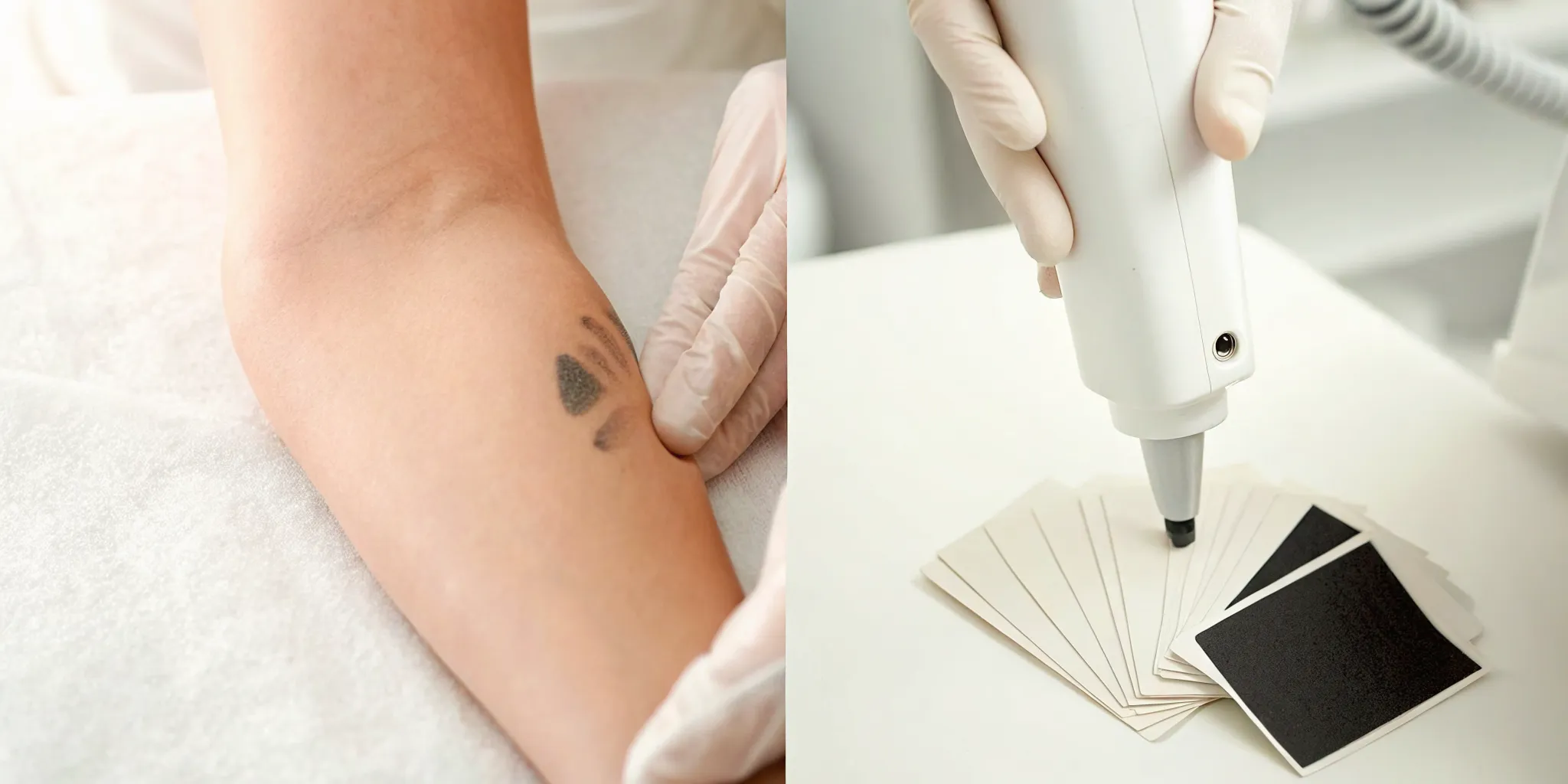

You’ve decided you’re ready to say goodbye to an old tattoo. The only problem? You want it gone now, not in a year or two. The idea of endless appointments and slow fading can feel discouraging. For those seeking a swift and complete solution, surgical tattoo removal offers a compelling alternative. This medical procedure doesn’t fade the ink—it removes it entirely in one session. A dermatologic surgeon excises the tattooed skin and closes the incision, leaving you with a clean scar instead of unwanted ink. It’s a trade-off, but for the right person with a smaller tattoo, it’s the most efficient path to clear skin.
Key Takeaways
- Understand the trade-off: Surgical removal is a one-session solution that completely removes the ink, but it always leaves a surgical scar. This makes it a great choice if you’re comfortable swapping your unwanted design for a clean, linear mark.
- Size is the deciding factor: This method is specifically designed for small tattoos. Because the surgeon needs to stitch the skin closed after removal, it’s not a practical option for large pieces, where laser removal is a better alternative.
- Don’t compromise on your provider: The quality of your result and the final appearance of your scar are directly tied to your surgeon’s expertise. Prioritize finding a board-certified dermatologist or plastic surgeon and use your consultation to ask about their experience with this specific procedure.
What Is Surgical Tattoo Removal?
If you’re looking for a way to get rid of a tattoo, you’ve probably heard about laser treatments. But there’s another, more direct method called surgical tattoo removal, or surgical excision. Instead of breaking down ink particles with a laser, this procedure involves a dermatologic surgeon physically cutting out the tattooed skin and stitching the remaining skin back together. Think of it as a small, precise operation to remove the ink entirely in one go.
This approach is quite different from the gradual fading process of laser tattoo removal. Surgical excision is a one-and-done deal, which can be very appealing if you want fast results. However, because it’s an invasive procedure, it’s typically reserved for smaller tattoos. A surgeon needs to be able to close the wound cleanly after removing the tattooed skin, which isn’t practical for a large back piece or a full sleeve. The main trade-off is swapping your unwanted tattoo for a surgical scar. For many, a clean line is preferable to a faded design, making this a powerful option for the right candidate.
How Does Surgical Excision Work?
The process of surgical excision is straightforward. First, the area around your tattoo is numbed with a local anesthetic, so you won’t feel any pain during the procedure. Once the area is numb, the surgeon uses a scalpel to carefully cut out the entire section of tattooed skin. They are incredibly precise, aiming to remove all the ink while keeping the incision as small as possible. After the tattooed skin is gone, the surgeon brings the edges of the remaining skin together and closes the incision with stitches, leaving you with a thin linear scar where the tattoo used to be.
Types of Surgical Removal Techniques
When we talk about surgical removal, the primary technique is direct excision. This is the method described above, where the tattoo is cut out and the skin is stitched shut. This technique is most effective for small, narrow tattoos located in areas with enough skin laxity—meaning the skin is loose enough to be pulled together without too much tension. For slightly larger tattoos, a surgeon might use a method called serial excision, where the removal is done in stages to allow the skin to stretch between procedures. However, for the most part, surgical removal is best suited for those small tattoos you’ve fallen out of love with.
Is Surgical Removal Right for You?
Deciding if surgical removal is the best path forward is a conversation you should have with a qualified professional. During a consultation, a provider will examine your tattoo, paying close attention to its size, age, and location on your body. They’ll also review your medical history and skin type to ensure you’re a good candidate for surgery. This is your time to ask questions and talk openly about your goals. A good provider will explain the entire process, discuss realistic outcomes, and detail the potential risks, including the type of scar you can expect. To explore all your options, you can contact us to schedule a professional consultation.
Common Myths About Surgical Removal
One of the biggest myths is that surgical removal is a scar-free option. Because this procedure involves an incision, it will always leave a scar. The goal is to replace the tattoo with a neat, linear scar that is often less noticeable than the original ink. Another common misconception is that it’s the only way to get rid of a tattoo completely. While it does remove the ink in a single session, modern laser treatments can also achieve full removal over time. The best method really depends on your tattoo, your skin, and your personal goals.
The Pros of Surgical Removal
When you’re ready to part ways with a tattoo, you want a method that’s effective and straightforward. While laser tattoo removal is a popular choice, surgical removal, also known as excision, offers its own unique set of advantages. This approach involves a dermatologic surgeon physically cutting out the tattooed skin and stitching the remaining skin together.
Surgical excision is a powerful option, especially if you’re looking for a quick and definitive solution. It’s a one-time procedure that completely removes the ink, which can be a huge plus if you don’t want to commit to the multiple sessions required for other methods. Of course, like any medical procedure, it has its specific use cases and considerations. It’s particularly well-suited for smaller tattoos where the skin can be easily closed after the ink is removed. Let’s walk through the specific benefits to help you understand if this could be the right path for you.
Complete Removal in One Session
One of the most compelling reasons to consider surgical excision is its efficiency. Unlike other methods that require multiple appointments spread out over months, surgical removal gets the job done in a single visit. A dermatologic surgeon uses a scalpel to cut out the tattooed skin and then closes the incision with stitches. The American Society for Dermatologic Surgery highlights that this technique is a highly effective way to get rid of a tattoo for good. If you have a small tattoo and a busy schedule, the “one and done” nature of this procedure can be incredibly appealing.
Precision and Control
Surgical tattoo removal offers an unmatched level of precision. Because a skilled surgeon is performing the procedure, they have complete control over the area being treated. This allows them to meticulously remove only the inked skin while leaving the surrounding tissue untouched. This precision is a significant advantage, as it minimizes damage to the healthy skin around your tattoo. It ensures a clean removal, which is exactly what you want when you’re aiming for the best possible aesthetic outcome. The focus is on a targeted approach that removes the tattoo cleanly and efficiently.
Ideal for Small Tattoos
This method truly shines when it comes to smaller tattoos. If you have a tiny symbol, a name, or a small design you’re ready to say goodbye to, surgical excision is often the most practical choice. The American Society of Plastic Surgeons confirms that this approach works best for small tattoos because the resulting wound is manageable and can be stitched closed relatively easily. For larger tattoos, removing a significant piece of skin would make it difficult to close the gap, making other methods a more suitable option. So, if your tattoo is on the smaller side, excision is definitely worth considering.
Success Rates and Results
When it comes to getting rid of the ink, surgical removal is incredibly effective. The tattoo is physically cut away, so you can be confident that it will be completely gone after the procedure. However, it’s important to have realistic expectations about the final result. As the Mayo Clinic explains, this method is effective but will always leave a scar. The trade-off is guaranteed tattoo removal for a guaranteed surgical scar. For many, replacing an unwanted tattoo with a clean scar is a welcome exchange, especially if the tattoo is in a discreet location.
How Much Does It Cost?
The cost of surgical tattoo removal is an important factor to weigh. Because it’s a surgical procedure performed by a specialist, it can sometimes be more expensive upfront than a single session of another method. The Cleveland Clinic notes that the price reflects the expertise required to perform the excision safely and effectively. When comparing costs, remember that surgical removal is a one-time expense, whereas other methods may require multiple paid sessions. To get a clear idea of what to expect, it’s best to schedule a consultation to discuss your specific tattoo and get a personalized quote.
What Are the Risks?
Deciding to remove a tattoo is a big step, and it’s smart to understand every aspect of the process, including the potential downsides. While surgical removal is effective, it’s still a medical procedure with its own set of risks and realities. Being fully informed helps you set realistic expectations and make the best choice for your body. The goal isn’t to scare you, but to give you the clear, honest information you need to have a productive conversation with a qualified professional. Knowing what to expect—from side effects to scarring—is key to feeling confident in your decision.
Potential Side Effects
Like any surgical procedure, tattoo excision comes with potential side effects, though they are typically minor when handled by an experienced provider. After the procedure, you might notice some changes in your skin’s pigmentation, making it lighter or darker in the treated area. There’s also a risk of infection, which is why following aftercare instructions is so important. In some cases, not all of the tattoo ink may be removed, or you could experience some scarring. We’ll get more into that below, but it’s good to know that these outcomes are possibilities you should discuss during your consultation.
How Pain Is Managed
The thought of pain is often a major concern, but rest assured, this procedure is performed with your comfort in mind. Surgical excision requires a local anesthetic to numb the area completely, so you won’t feel pain during the removal itself. For larger or more complex procedures, general anesthesia might be an option. Afterward, it’s common for the skin to feel tight and tender, similar to a sunburn. Your provider will give you specific instructions on how to manage any discomfort during the healing process, which may include over-the-counter pain relievers and proper wound care.
What to Expect with Scarring
Let’s be direct: surgical tattoo removal is effective, but it will always leave a scar. The trade-off is replacing the tattoo with a surgical scar. The size and appearance of the scar depend on the size of the tattoo and your body’s unique healing process. For most people, it results in a thin, linear scar. However, it’s possible for a raised or thick scar, known as a keloid or hypertrophic scar, to develop three to six months after the procedure. This is a crucial factor to consider, especially if the tattoo is in a highly visible location.
Health and Safety Requirements
Your health and safety are the top priority. Before moving forward, any reputable provider will conduct a thorough consultation. This involves reviewing your complete medical history and performing a physical exam of the tattoo and surrounding skin. This is your opportunity to have an open conversation about your expectations, the potential risks, and the likely results. A professional will ensure you are a good candidate for the procedure and that you understand every step of the process. If you’re ready to start that conversation, you can always schedule a consultation with a trusted team.
When to Avoid Surgical Removal
Surgical excision is a fantastic option, but it’s not a one-size-fits-all solution. The primary limitation is the size of the tattoo. This method is most practical for smaller tattoos because the surgeon needs enough surrounding skin to stitch the wound closed after removing the tattooed skin. If your tattoo is too large, there simply won’t be enough tissue to work with. In these cases, other methods are often a better fit. For larger pieces, treatments like laser tattoo removal can break down the ink over several sessions without leaving a significant scar.
How to Prepare for Your Procedure
Knowing what to expect before, during, and after your surgical tattoo removal can make the entire experience feel much more manageable. Proper preparation is your best tool for a smooth procedure and a healthy recovery. Think of it as setting the stage for great results. Here’s a step-by-step guide to getting ready for your appointment.
Your Initial Consultation
Your journey starts with a one-on-one consultation. This is your time to connect with a qualified provider, ask all your questions, and make sure you feel comfortable. During this meeting, your doctor will go over your health history and examine the tattoo. It’s essential to have an open conversation about your goals, the potential risks, and what kind of results you can realistically expect. This initial meeting is the foundation for your entire treatment plan, so don’t hesitate to get in touch to schedule yours and start the conversation.
Before Your Surgery
Once your procedure is on the calendar, you’ll receive a set of pre-op instructions. Following these carefully is crucial for your safety and the success of the removal. You’ll likely be asked to avoid significant sun exposure on the area for several weeks beforehand, as sunburned skin can complicate the procedure. You may also need to stop taking certain over-the-counter medications that can thin your blood, like aspirin or ibuprofen, to minimize bleeding. Your provider will give you a specific list of what to avoid before surgery.
The Day of Your Surgery
On the day of your appointment, the focus is on keeping you comfortable. The first step is cleaning the tattooed area. Then, your doctor will administer a local anesthetic—usually a shot—to completely numb the skin. You’ll be awake for the procedure, but you won’t feel any pain, just some slight pressure or movement. The surgeon will then carefully excise the tattooed skin and stitch the remaining skin together. The whole process is typically quick, especially for smaller tattoos, so you can get back to your day without much downtime.
Your Recovery Timeline
After the procedure, your skin will need some time to heal. It’s normal for the area to feel tight or tender, similar to a sunburn. The full recovery timeline varies from person to person, depending on the size and location of the removed tattoo. Your doctor will give you a personalized recovery plan, and following their recommendations is the most important thing you can do. Sticking to the aftercare instructions will help your skin heal properly and reduce the chances of complications, leading to the best possible outcome.
Caring for Your Skin After Surgery
Proper aftercare is key to minimizing scarring and preventing infection. You’ll leave the office with a bandage over the treated area, which should typically stay on for about 48 hours. After you remove it, you’ll need to gently clean the wound daily with mild soap and water. Your doctor might also recommend applying an antibiotic ointment and keeping it covered with a fresh dressing for the first week or so to protect the healing skin. This simple routine makes a huge difference in your final results.
When to Call Your Doctor
While complications are rare, it’s important to know what to look out for. Keep an eye on the treated area as it heals. If you experience severe pain that isn’t managed by prescribed medication, excessive swelling, or signs of an infection like pus or a foul odor, you should contact your doctor right away. Being proactive helps ensure you get the care you need promptly and can prevent minor issues from becoming more serious. Your provider is your partner in this process, so never hesitate to reach out with concerns.
How to Choose the Right Provider
Choosing the right person to perform your surgical tattoo removal is the most important decision you’ll make in this process. This is a medical procedure that requires skill, precision, and a deep understanding of skin and tissue. The provider you select will directly impact your results, your safety, and your scarring. It’s not the time to bargain hunt or go with the first name you find online. You need a qualified, experienced professional who makes you feel comfortable and confident.
Think of your initial consultation as an interview—you’re the one in charge of hiring the right person for the job. A great provider will be transparent about the process, potential risks, and realistic outcomes. They should take the time to understand your goals and answer all of your questions without making you feel rushed. At Ultimate Image MedSpa, we believe a well-informed client is an empowered one. If you’re ready to explore your options, we encourage you to schedule a consultation with a trusted professional to get personalized advice.
What Credentials to Look For
When you’re looking for a provider, start by focusing on their qualifications. You should seek out a board-certified dermatologist or plastic surgeon for this type of procedure. Board certification means they’ve completed extensive training and passed rigorous exams in their specialty. Always verify that your provider holds a current medical license in your state. Don’t hesitate to ask to see before-and-after photos of previous surgical tattoo removal patients. This gives you a real-world look at their work and the kind of results you can expect. According to the Mayo Clinic, it’s essential to consult a healthcare provider to determine the best removal method for you.
Questions to Ask Your Surgeon
Your consultation is your opportunity to get all the information you need. Go in with a list of questions so you don’t forget anything. Start by asking how many surgical tattoo removals they’ve performed and what technique they recommend for your specific tattoo. A good surgeon will review your health history and discuss what to expect, including the potential risks and results. Other key questions include: What kind of anesthesia will be used? What will the recovery process look like? What are the total costs involved? A reputable surgeon will welcome your questions and provide clear, honest answers.
Red Flags to Avoid
Knowing what to look for is just as important as knowing what to avoid. A major red flag is any provider who pressures you into making a quick decision or offers a deal that seems too good to be true. You should also be wary of anyone who guarantees a scar-free result, as some scarring is an inevitable part of this procedure. And please, do not try to remove a tattoo yourself. Home creams and DIY kits are not only ineffective but can also cause serious skin damage and infection. Professional procedures like surgical excision or laser tattoo removal are the only safe and effective options.
Understanding Insurance and Financing
Let’s talk about cost. Surgical tattoo removal is considered a cosmetic procedure, which means it’s almost never covered by health insurance. Because of this, you’ll be responsible for the full cost out of pocket. It’s important to get a complete price quote upfront that includes the surgeon’s fee, facility costs, anesthesia, and any follow-up appointments. Many clinics offer financing plans to help make the procedure more affordable. As the Cleveland Clinic notes, discussing payment options with your provider is a key step in planning for your tattoo removal. Be sure to ask about these possibilities during your consultation.
Surgical Removal vs. Other Methods
Deciding to remove a tattoo is a big step, and choosing the right method is just as important. While surgical removal offers a quick and complete solution, it’s not the only option out there. Popular alternatives like laser removal and dermabrasion work very differently and come with their own sets of pros and cons. Understanding these differences in procedure, cost, and recovery is key to figuring out which path is the best fit for you, your tattoo, and your goals. Let’s break down how surgical excision stacks up against the other methods.
Surgical vs. Laser Removal
The main difference between surgical and laser removal comes down to how the ink is treated. Surgical excision physically cuts the tattooed skin out and stitches the remaining skin together. It’s a one-and-done procedure that guarantees complete removal, but it will always leave a scar. This makes it a fantastic option for smaller tattoos where the resulting scar might be less noticeable than the old ink.
On the other hand, laser tattoo removal uses concentrated light beams to shatter the ink particles into tiny fragments. Your body’s immune system then gradually flushes these particles away. Because the ink is layered in your skin, this process requires multiple sessions spaced several weeks apart to be effective. While it’s the preferred method for larger tattoos and often results in less scarring, it demands more time and patience.
Surgical vs. Dermabrasion
Dermabrasion is another method you might hear about, and it’s quite an intense process. It involves using a high-speed abrasive tool to essentially sand away the top layers of your skin to get to the tattoo ink. Because it’s a less precise technique, it can be quite painful and often requires local or even general anesthesia. The recovery can also be longer and more uncomfortable compared to other methods.
Surgical excision offers far more precision. A skilled provider can remove the tattooed area with clean margins, which is why it’s so effective for small, contained designs. While both methods are invasive, the controlled nature of a surgical procedure often leads to a more predictable healing process and outcome than dermabrasion.
Comparing Costs
When you’re looking at the price tag, it’s helpful to think about a one-time cost versus ongoing payments. Surgical removal typically involves a single fee for the entire procedure. This can feel like a larger upfront investment, but you’ll know the total cost from the start. This might be more budget-friendly in the long run, especially for a small tattoo that could otherwise require several laser sessions.
The cost of laser removal is spread out over multiple treatments. Each session has its own fee, and the total number of sessions you’ll need depends on the tattoo’s size, colors, and age. A large, colorful tattoo could end up costing more over time than a single surgical procedure would have.
Comparing Recovery Times
Healing looks a little different for each method. After any removal procedure, you can expect some redness, swelling, and tenderness for a few days. With laser removal, the immediate recovery for each session is relatively quick, often around a week, but you have to repeat this process multiple times. Dermabrasion usually has a longer initial healing period, taking about 10 to 14 days for the skin to recover.
Surgical removal involves a different kind of aftercare. You’ll have stitches to look after and will need to focus on proper wound care to minimize scarring. The initial healing takes a couple of weeks, but the scar itself will continue to fade and mature over several months.
How to Make the Right Choice for You
Ultimately, there’s no single “best” method for everyone. The right choice depends entirely on your tattoo’s size, your skin type, your budget, and what kind of result you’re hoping for. The most important step you can take is to talk with a professional. A consultation with an expert allows them to assess your specific tattoo and walk you through the most suitable options. They can give you a realistic idea of the timeline, costs, and results you can expect from each method.
Ready to explore your options? We’re here to help you create a personalized plan to say goodbye to your unwanted ink. Feel free to contact us to schedule your consultation.
Related Articles
- Fast Tattoo Removal: Safe & Effective Options – Ultimate Image MedSpa
- Laser Tattoo Removal | Everything You Need to Know
Frequently Asked Questions
Will the surgical removal procedure hurt? You won’t feel pain during the actual procedure because the entire area will be numbed with a local anesthetic. You might feel some slight pressure or a pulling sensation, but that’s it. Afterward, it’s normal for the area to feel tender and tight as it begins to heal, much like a deep cut. Your provider will give you specific aftercare instructions to manage any discomfort, which is usually handled easily with over-the-counter pain relievers.
What will the scar actually look like once it’s healed? The goal of surgical excision is to trade your unwanted tattoo for a neat, clean scar. In most cases, this results in a thin, fine line that is much less noticeable than the original ink. The final appearance of your scar will depend on the size and shape of the removed tattoo, its location on your body, and how well your skin heals. Over time, the scar will continue to fade and soften, typically becoming less visible within a year.
How small does a tattoo need to be for this method to work? There isn’t a strict size rule, as the ideal candidate for surgical removal depends more on skin laxity—how much loose skin is available around the tattoo. The surgeon needs to be able to close the wound without putting too much tension on the skin. This is why the procedure is best suited for smaller, narrower tattoos in areas like the arms, torso, or legs. The only way to know for sure if your tattoo is a good fit is to have it assessed during a professional consultation.
Does surgical removal work on all tattoo colors? Yes, it does. This is one of the biggest advantages of surgical excision compared to laser removal. Because the procedure involves physically cutting out the tattooed skin, the color of the ink doesn’t matter at all. It is just as effective on vibrant, multi-colored pieces as it is on simple black ink. This makes it a great option if you have a small tattoo with colors that are typically difficult for lasers to break down, such as yellow, white, or light blue.
Can I get a new tattoo over the scar later on? It is possible to tattoo over a surgical scar, but you’ll need to be patient. The scar must be completely healed and mature, which can take a year or even longer. Tattooing over scar tissue is also different from tattooing on undamaged skin and requires an artist with specific experience in cover-ups and working with scars. The texture of the skin is permanently changed, which can affect how the ink settles and looks.