
You’ve found the perfect artist and have a vision for your new tattoo, but there’s one problem: the old ink you want to cover is dark and bold. This is a common challenge that can limit your artist’s creativity, often forcing them into a design that’s bigger and darker than you originally wanted. The secret to unlocking your artist’s full potential and getting the tattoo you actually envision is tattoo fading for cover up. This essential first step lightens the existing ink, creating a much better canvas to work on. It opens up possibilities for more intricate designs, brighter colors, and a final result that looks like an original piece, not an obvious cover-up. Let’s explore how it works.
Key Takeaways
- Fading First Means More Freedom Later: Lightening your old tattoo with a few laser sessions gives your artist a cleaner canvas to work with. This prevents you from being limited to a large, dark design and opens up more creative possibilities for your new art.
- Your Tattoo Sets the Timeline: The number of sessions you’ll need is unique to your ink. Factors like the tattoo’s colors, age, and location on your body determine how quickly it will fade enough for a successful cover-up.
- Team Up with Your Artist Early: Consult your chosen tattoo artist before you begin the fading process. They can tell you exactly how light the old piece needs to be, which helps set a clear goal for your laser treatments and ensures a perfect final result.
Why Fade a Tattoo Before a Cover-Up?
So, you’ve got a tattoo that doesn’t quite feel like you anymore. It happens to the best of us! Whether it’s a design from a different chapter of your life or just something you’ve outgrown, a cover-up tattoo can feel like a fresh start. But before you book an appointment with your favorite artist, there’s a crucial first step many people overlook: fading the old tattoo.
Think of your skin as a canvas. If you try to paint a light, beautiful watercolor over a dark, heavy oil painting, the old image will almost certainly show through, creating a muddy, messy result. The same principle applies to your skin. Fading your existing tattoo with a professional treatment like laser tattoo removal lightens the old ink, giving your tattoo artist a much cleaner canvas to work with. This single step is the difference between a cover-up you tolerate and a new piece of art you absolutely love. It opens up a world of design possibilities, prevents the old tattoo from peeking through, and ensures your new ink looks crisp and vibrant for years to come.
How Does Tattoo Fading Work?
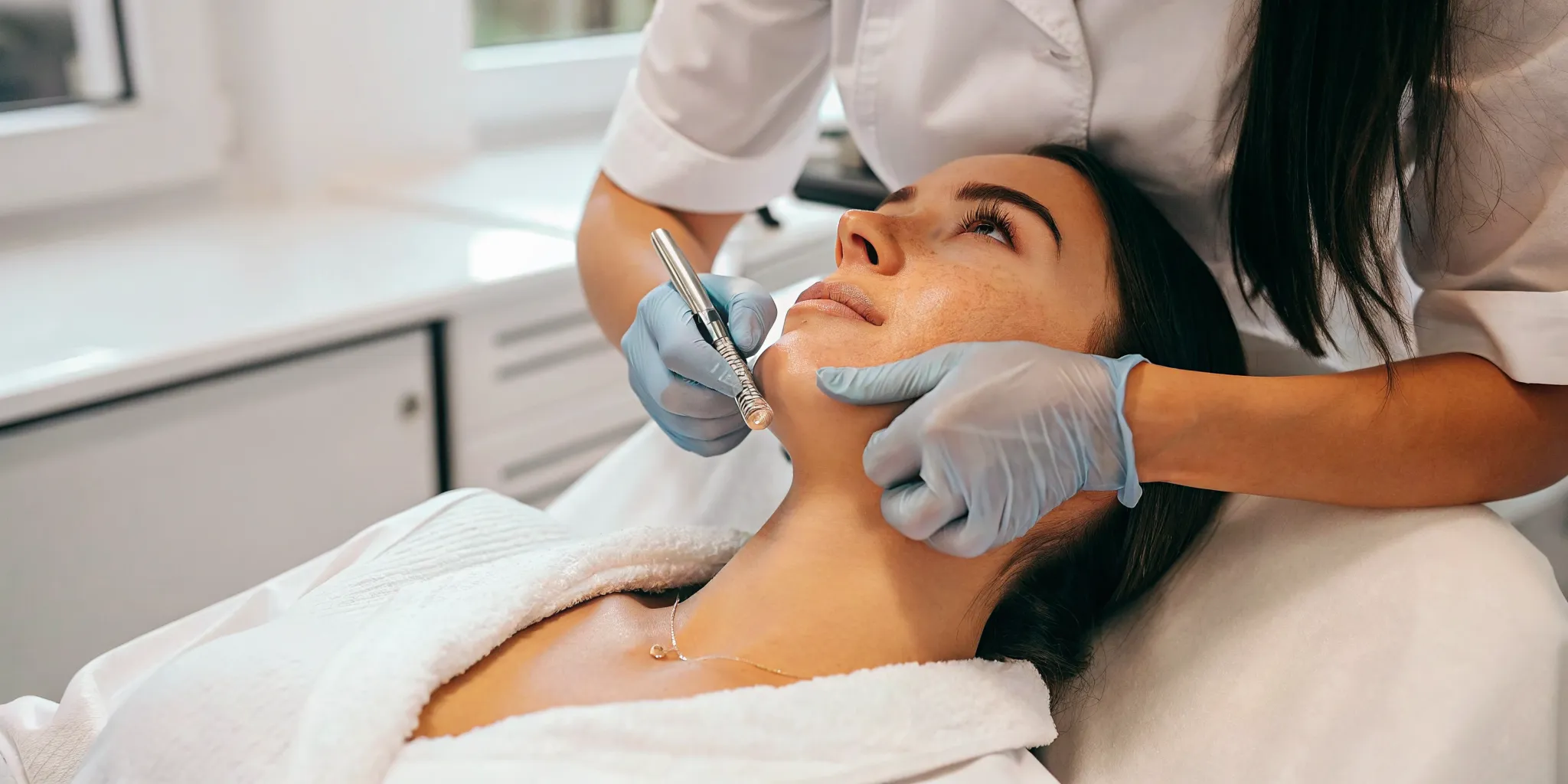
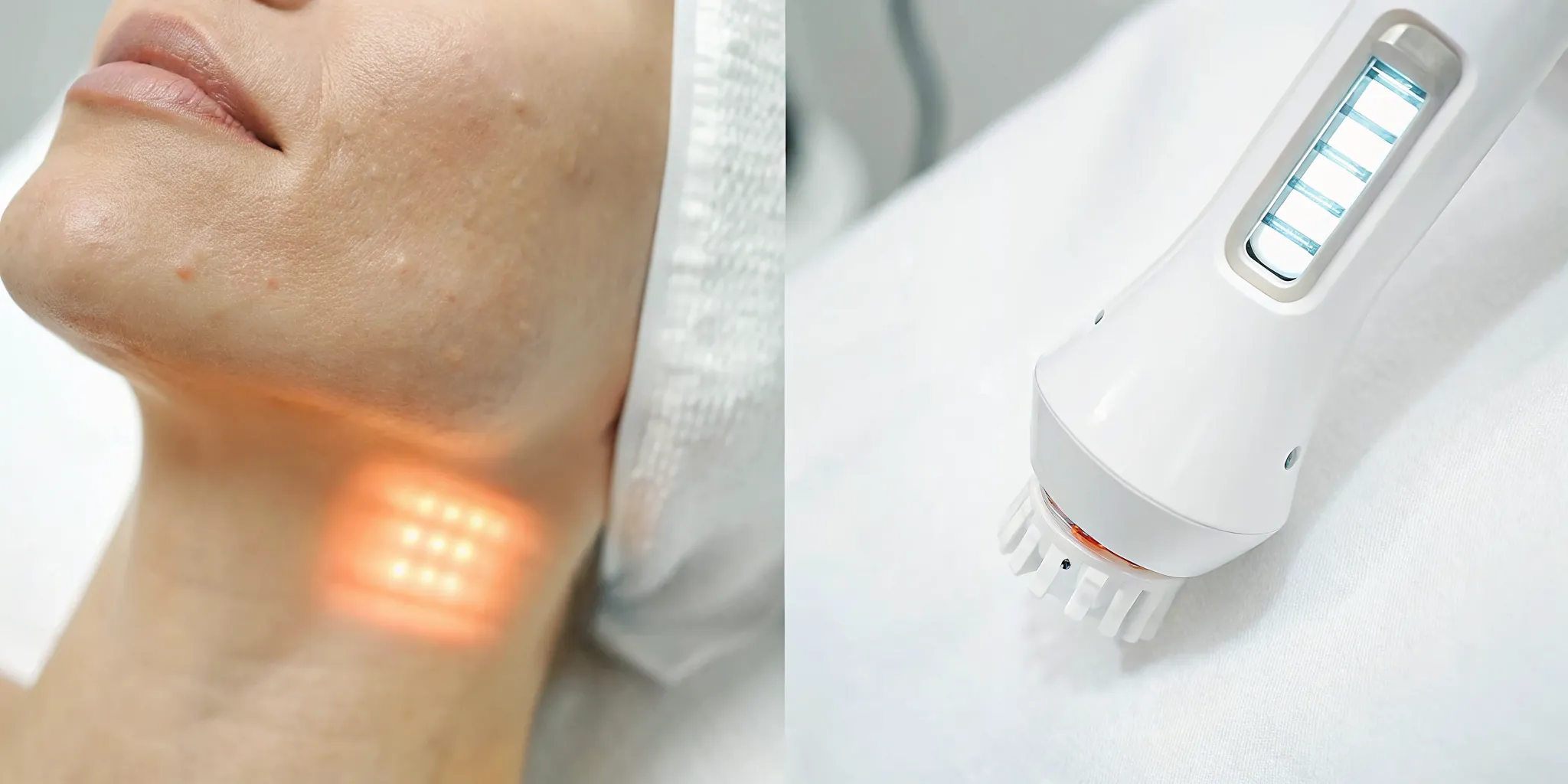
The process of fading a tattoo might sound complicated, but the science behind it is pretty straightforward. At Ultimate Image MedSpa, we use advanced laser technology that sends ultra-short pulses of light energy into your skin. This energy is specifically absorbed by the tattoo ink particles, shattering them into tiny fragments.
Once the ink is broken down, your body’s natural immune system takes over. It identifies these tiny particles as waste and gradually flushes them out over the following weeks. Each session breaks down more and more ink, causing the tattoo to get progressively lighter. For most cover-ups, you won’t need to remove the tattoo completely. Typically, just three to four sessions are enough to fade the old design sufficiently for your artist to work their magic.
Creating the Perfect Canvas for Your New Tattoo
The main goal of fading is to give your tattoo artist creative freedom. When an old tattoo is dark and has bold lines, the artist is severely limited in what they can do. They’re forced to create a new design that is bigger and darker just to hide the old one. This can compromise the artistry and leave you with a dense, heavy-looking tattoo instead of the one you envisioned.
By fading the old tattoo first, you give your artist a much better “blank slate,” as many tattoo professionals call it. This allows for more intricate designs, the use of lighter colors, and more negative space. The new tattoo won’t have to compete with the old one, meaning the lines will be cleaner, the colors will be brighter, and the final result will look like an original piece of art, not an obvious cover-up.
Busting Common Myths About Tattoo Fading
There are a few common misconceptions about cover-ups that are worth clearing up. One of the biggest is the idea that you can simply cover a dark tattoo with another dark tattoo. While this is sometimes possible, it often leads to a messy outcome. The artist has to pack in so much ink that the new design can look muddy, and the lines of the old tattoo can still show through over time, creating a blurry effect.
Another myth is that you can cover a black tattoo with light or pastel colors. Unfortunately, tattoo ink isn’t like paint; you can’t just layer a light color over a dark one and expect it to show up. Darker ink will always dominate. Fading your tattoo is the only way to create a base light enough to allow for a wider range of colors in your new design, giving you the beautiful result you’re hoping for.
Exploring Your Tattoo Fading Options
When you’re ready for a cover-up tattoo, preparing your skin is the first step. The goal is to lighten the old ink to give your artist a clean slate. While several methods exist, they aren’t all created equal. Let’s walk through your options so you can choose the best approach for your new design.
Laser Fading: The Gold Standard
Laser fading is the gold standard for lightening tattoos. It uses targeted light to shatter ink particles, which your body then clears away. This creates a cleaner canvas, giving your artist more freedom with the new design—no need for an overly large or dark cover-up. Most people only need three to four laser tattoo removal sessions to prepare the area for new art. It’s the most effective way to ensure your cover-up looks fantastic.
What About Saline Removal?
You might also hear about saline removal, where a saline solution is tattooed into the skin to draw ink out. However, it’s generally less effective and predictable than laser for traditional tattoos. The process can be harsher on the skin and often struggles with dense or deep ink. For a smooth cover-up process, laser technology remains the most reliable and trusted choice.
Professional vs. DIY Fading: What You Need to Know
DIY fading creams and home remedies are tempting, but they are ineffective and risky. These products can’t reach the deep skin layer where tattoo ink sits. At best, you’ll see no results; at worst, you could face skin irritation or scarring, making a cover-up even harder. Professional laser treatments are the only safe and effective way to properly fade a tattoo.
Comparing Timelines and Costs
Fading a tattoo for a cover-up is much faster and more affordable than full removal. While complete removal can take 8 to 15 sessions, you’ll likely only need three to eight sessions to fade a tattoo for a new design. This saves you significant time and money. Investing in a few fading sessions is a smart first step toward a cover-up you’ll love. To get a personalized plan, you can schedule a consultation with our team.
How Many Fading Sessions Will You Need?
One of the most common questions we get is, “How long will this take?” While there’s no single answer, understanding the factors involved can give you a clearer picture of your timeline. The goal isn’t total removal, but lightening the old ink enough to create a clean slate for your new art. This process is a partnership between you, your laser technician, and your tattoo artist. Each session builds on the last, gradually breaking down the old tattoo until it’s ready for its next chapter. It’s a journey that requires a bit of patience, but the result—a beautiful cover-up you truly love—is well worth it.
Think of it less like an erasure and more like preparing a canvas. A faded tattoo gives your artist significantly more freedom to create a design that isn’t compromised by dark lines or colors from the old piece. Without fading, cover-ups often have to be much larger and darker than the original tattoo to hide it effectively, which can limit your design options. By investing in a few fading sessions, you open up a world of possibilities for your new ink, from intricate details to vibrant colors. We’re here to guide you through every step, ensuring the process is as smooth and effective as possible. Let’s walk through what determines your treatment plan and what you can expect along the way.
What Determines Your Number of Sessions?
Every tattoo is unique, and so is every fading journey. The number of sessions you’ll need depends on several key factors. The age of your tattoo plays a role; older ink has often settled and can sometimes fade more easily. The colors are also a major consideration—darker inks like black and blue typically respond faster to the laser, while lighter, brighter colors can be more stubborn. Your skin type, the density of the ink, and the location of the tattoo on your body also influence the process. During your initial consultation for laser tattoo removal, we’ll assess all these variables to create a personalized treatment plan just for you.
The Fading Process: What to Expect
Patience is key when it comes to fading a tattoo for a cover-up. On average, most clients need about three to four laser sessions to achieve the ideal level of fading. These appointments are typically spaced six to eight weeks apart to give your skin ample time to heal and your body’s immune system time to flush away the shattered ink particles. With each session, you’ll notice the tattoo becoming progressively lighter. This gradual fading is exactly what your tattoo artist needs. It gives them more creative freedom and ensures your new design can truly shine without the old one peeking through.
How to Know When Your Tattoo Is Ready for a Cover-Up
So, how light is light enough? Your tattoo doesn’t need to vanish completely. The goal is to reduce it to a point where it resembles a faint shadow, making it much easier to conceal with a new piece. The best way to know if you’re ready is to work closely with both your laser technician and your chosen tattoo artist. Your artist will be able to tell you when the old tattoo has faded enough for their new design to work effectively. We always recommend checking in with them after a few sessions. If you’re unsure, you can always contact us to schedule a progress check.
Aftercare and Healing Between Sessions
How you care for your skin between sessions is just as important as the treatment itself. Proper aftercare is essential for achieving the best results and preventing any complications. Following your technician’s aftercare instructions will help your skin heal properly and can even speed up the fading process. This typically includes keeping the treated area clean, avoiding direct sun exposure, and applying recommended ointments. Staying hydrated and maintaining a healthy lifestyle also supports your body’s natural ability to clear the ink particles. Taking these simple steps ensures your skin is in the best possible condition for your next appointment.
What Affects the Tattoo Fading Process?
If you’re planning a cover-up, you’ve probably wondered how long it will take to lighten your old tattoo. The truth is, there’s no single answer. The laser tattoo removal process is unique to each person and each piece of ink. Several key factors come into play, from the colors used in your original tattoo to where it’s located on your body. Your skin type and even the age of the tattoo itself will influence how many sessions you’ll need to create a clean slate for your new art.
Understanding these variables from the start helps set clear and realistic expectations. While one person might see significant fading after just a couple of sessions, another might need a few more to get their tattoo light enough for a cover-up. Think of it as a partnership between the laser technology and your body’s own natural clearing processes. By knowing what influences the speed and effectiveness of the fading, you can feel more confident and prepared as you begin your journey toward that perfect cover-up.
Ink Colors, Age, and Size
Not all tattoos are created equal, especially when it comes to fading them. The specifics of your ink play a huge role in the removal process. Darker pigments, like black and dark blue, are typically the easiest to treat because they absorb the laser light most effectively. On the other hand, lighter and brighter colors like greens, yellows, and pastels can be more stubborn and often require more sessions. The age of your tattoo also matters; older tattoos have often faded naturally over time, and the ink particles may break down more easily. Finally, size and density are important factors—a large, heavily saturated piece will naturally take more time to fade than a small, simple line drawing.
Your Skin Type and Healing Process
Your body is a key player in the tattoo fading process. Laser treatments work by shattering ink particles, but it’s your immune system that does the work of flushing them out. Because of this, your skin tone can influence the treatment plan. Lighter skin tones often see faster results because the contrast between the ink and your skin is greater, allowing the laser to target the pigment more directly. While tattoo fading is completely safe and effective for darker skin tones, your technician will use more precise settings to protect your skin. This careful approach might mean your treatment plan includes a few extra sessions to achieve the ideal level of fading for your cover-up.
How Location Affects Fading
Believe it or not, where your tattoo is on your body can affect how quickly it fades. It all comes down to blood circulation. Tattoos in areas with strong blood flow, like your torso, neck, and upper back, tend to clear faster. This is because your body’s immune cells can reach the shattered ink particles more easily and carry them away. In contrast, tattoos on your extremities—think hands, feet, and ankles—have less circulation. Because it takes longer for your body to flush the ink from these areas, you might need more sessions to get them light enough for a cover-up. It’s a fascinating example of how your body’s natural processes work alongside the laser technology.
The Easiest (and Hardest) Ink Colors to Fade
When it comes to laser fading, some colors are much more cooperative than others. Black ink is the easiest to remove because it absorbs all wavelengths of laser light, making it highly responsive to treatment. On the other end of the spectrum, colors like green, yellow, and light blue are more challenging because they reflect certain light wavelengths, requiring a more specialized approach. White and pastel inks can also be tricky. For most cover-ups, the goal isn’t complete removal. You typically only need about three to four sessions to lighten the old design enough for an artist to work over it. To get a personalized estimate, it’s always best to schedule a consultation.
Planning Your Perfect Cover-Up Tattoo
With your old tattoo sufficiently faded, the exciting part begins: planning your new ink. A successful cover-up requires more than just a great idea; it involves strategic design choices, finding the right artist, and perfect timing. Thinking through these steps ensures your new tattoo is something you’ll love for years to come, without any ghosts of tattoos past.
Choosing a Design for Your Faded Tattoo
A cover-up tattoo cleverly uses your old ink as a canvas for a new piece of art. The more faded your old tattoo is, the more creative freedom you and your artist will have. A lighter starting point opens up a world of possibilities beyond big, dark designs. You can consider more delicate styles, subtler shading, and a wider range of colors. The goal is to integrate the old lines and colors so seamlessly that no one would ever guess there was another tattoo underneath.
Smart Color and Design Strategies
When new ink is applied over old, the colors mix. For example, tattooing blue over a red tattoo will result in purple. If an old tattoo isn’t faded enough, your artist will need to use very dark, heavy ink to cover it, which can lead to a muddy or dense-looking result. The old lines might even show through. That’s why fading your tattoo is so important. It allows for a much broader color palette and ensures the new design looks crisp and clean, not like a cover-up at all.
Finding the Right Cover-Up Artist
Not all tattoo artists specialize in cover-ups, so it’s essential to find one with a strong portfolio of this specific type of work. The best approach is to find your artist before you even begin the fading process. They can look at your current tattoo and tell you exactly how light it needs to be for the new design you have in mind. This collaboration is key. Your artist can provide a clear goal for your fading sessions, ensuring you don’t have more treatments than necessary to get the job done.
When to Schedule Your Cover-Up Session
Patience is key after your final fading session. You should wait at least six weeks before getting your new tattoo. This waiting period is crucial for two reasons: it gives your skin time to heal completely, and it allows your body to continue flushing out the fragmented ink particles. Tattooing over skin that hasn’t fully recovered can affect how the new ink settles and heals. Always check with both your laser technician and your tattoo artist to get the green light before you book your appointment.
Related Articles
- Tattoo Removal Stages: Your Healing Process Explained – Ultimate Image MedSpa
- Tattoo Removal Guide: Costs, Pain & Effectiveness – Ultimate Image MedSpa
- Tattoo Removal Before & After: Real Patient Photos & Expectations – Ultimate Image MedSpa
Frequently Asked Questions
Can’t my tattoo artist just cover my old tattoo without fading it? While some artists might be willing to try, it’s a bit like asking them to work with one hand tied behind their back. Covering a dark, dense tattoo without fading it first forces the new design to be significantly larger and darker to hide what’s underneath. This often leads to a heavy, muddy look and limits your design options. Fading the old ink first gives your artist a cleaner canvas, which means more creative freedom for them and a much better, more vibrant tattoo for you.
Should I talk to a tattoo artist before I start the fading process? Absolutely! This is one of the best first steps you can take. A skilled cover-up artist can look at your existing tattoo and tell you exactly how light it needs to be for the new design you have in mind. This creates a clear goal for your laser sessions and ensures you only get the number of treatments you truly need, which can save you both time and money.
Will laser fading damage my skin or affect how the new tattoo heals? This is a common concern, but you can rest easy. When performed by a trained professional, modern lasers are designed to target only the ink pigment in your skin, leaving the surrounding tissue unharmed. After the fading process is complete and your skin has fully healed, it will be a perfectly healthy canvas for your new tattoo. Proper aftercare between sessions is key to ensuring your skin stays in great shape.
How long do I need to wait after my last fading session to get my cover-up tattoo? Patience is your best friend here. You should wait at least six weeks after your final laser session before getting your new tattoo. This gives your skin enough time to heal completely and allows your body to continue flushing out the last of the shattered ink particles. Tattooing on skin that isn’t fully recovered can compromise the final result, so it’s worth the wait.
Does fading a tattoo hurt more than getting one? Most people describe the sensation of laser tattoo removal as similar to a rubber band snapping against the skin. While it can be uncomfortable, the good news is that laser sessions are incredibly fast—often lasting just a few minutes. It’s a different feeling than getting a tattoo, and for most people, the brief discomfort is a small price to pay for a beautiful cover-up.