
A tattoo that once felt like a permanent part of you no longer has to be. Thanks to advanced laser technology, you have the option to get back to clear skin. But the process can feel intimidating if you don’t know what to expect. This guide is designed to demystify laser tattoo removal, breaking it down into simple, understandable steps. We’ll cover the science of how the laser targets ink without harming your skin and explain your role in the healing process. Your commitment to aftercare and attending your scheduled tattoo removal sessions is just as crucial as the treatment itself. Let’s walk through the entire journey together, so you can feel prepared and excited about the results to come.
Key Takeaways
- It’s a Marathon, Not a Sprint: Understand that laser tattoo removal is a gradual process. The laser breaks down the ink, but your body needs time—typically six to eight weeks between sessions—to heal and clear the particles away.
- Your Results are Unique: The effectiveness and length of your treatment depend on factors like ink color, tattoo size, location, and your skin tone. A professional consultation is the only way to get a realistic timeline and cost estimate for your specific tattoo.
- Your Choices Greatly Impact the Outcome: Achieving clear skin is a team effort. Your commitment to proper aftercare, especially sun protection, and your choice of a certified, experienced provider are just as critical as the laser treatment itself for a safe and successful removal.
How Does Laser Tattoo Removal Work?
If you’re thinking about saying goodbye to a tattoo, you’ve probably wondered what the process actually looks like. It’s not magic—it’s science. Laser tattoo removal is a highly advanced medical procedure that uses concentrated light energy to safely erase unwanted ink from your skin. The technology is designed to target the pigment in the tattoo ink while leaving the surrounding skin untouched.
Think of it as a gradual fading process. Each session breaks down more ink, and your body does the rest of the work. It’s a partnership between our advanced laser technology and your body’s natural ability to heal. Understanding how it all comes together will help you set clear expectations and feel confident as you begin your removal journey. Let’s walk through the specifics of how we can help you achieve clear skin again.
Breaking Down the Laser Process
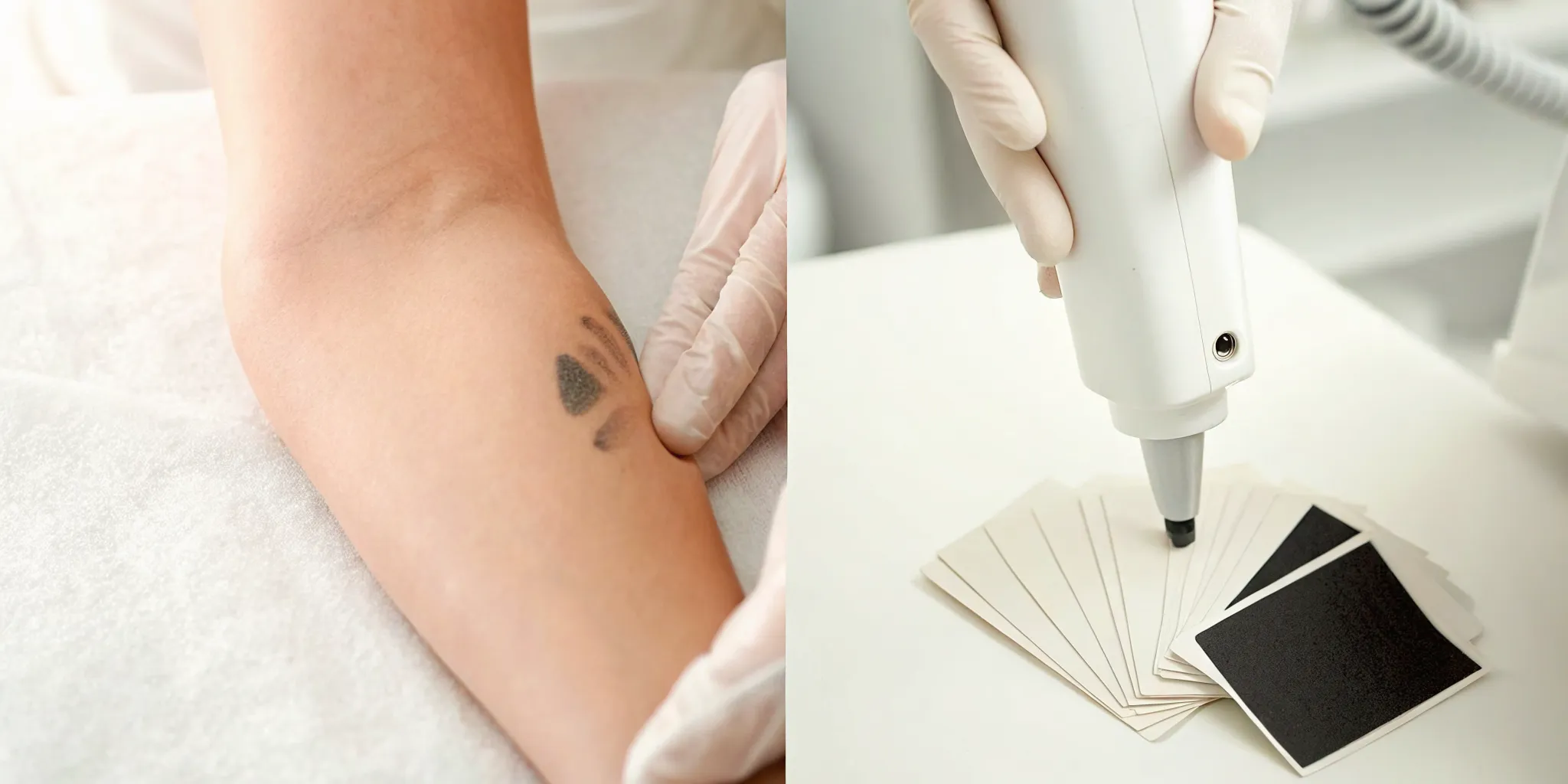
So, how does a laser actually make a tattoo disappear? It all starts with a highly focused beam of light. Our state-of-the-art lasers send out pulses of light at a specific wavelength that is absorbed by the tattoo ink. This rapid absorption of light energy causes the ink particles to heat up and shatter into millions of tiny fragments. It’s a bit like breaking a large rock into tiny pebbles.
Once the ink is broken down, your body’s immune system takes over. Specialized cells act like a cleanup crew, identifying these tiny ink particles as foreign objects and gradually flushing them out of your system. This is why you won’t see the tattoo vanish instantly. The fading happens over the weeks following each laser tattoo removal session as your body works to clear the fragmented ink.
Debunking Common Tattoo Removal Myths
It’s easy to find misinformation online, so let’s clear a few things up. The biggest myth is that tattoo removal is a quick fix. Be wary of anyone who promises to remove your tattoo in just one or two sessions. True and safe removal is a process that requires patience and commitment. A full removal typically requires anywhere from four to ten sessions, and sometimes more, depending on the tattoo.
Another important fact is the timeline. Your body needs time to heal and flush out the ink particles between treatments. We schedule sessions about four to eight weeks apart to ensure your skin recovers properly and the process is effective. This means a complete removal can take a year or longer. Rushing the process won’t get you better results and can risk damaging your skin.
Managing Discomfort During Treatment
Let’s talk about what everyone wants to know: does it hurt? Honestly, most people find it more uncomfortable than getting the tattoo in the first place. The sensation is often described as a rubber band snapping against the skin. While it’s not painless, it is very fast, with most treatments lasting only a few minutes.
We know it sounds intense, but your comfort is our top priority. We take several steps to make the experience as manageable as possible. This can include applying a topical numbing cream before the session or using a special cooling device that blows chilled air onto the skin during the treatment. We’ll discuss all your options during your consultation to create a plan that works for you. If you have any concerns, please contact us to talk them through with our team.
Your First Session: A Step-by-Step Guide
Walking into your first tattoo removal appointment can feel like a big step, but knowing what to expect makes all the difference. We’ll walk you through the entire process, from our initial chat to your post-treatment care, so you feel confident and prepared. Our goal is to make your experience as comfortable and straightforward as possible.
The Consultation: What We’ll Discuss
Think of your consultation as our strategy session. This is where we get to know you, your tattoo, and your goals. We’ll talk about your tattoo’s age, the ink colors, and its location, as these details help us create a personalized treatment plan just for you. Our comprehensive consultations are designed to give you a clear picture of the entire laser tattoo removal process, including how many sessions you might need and what results you can expect. We’ll answer all your questions and make sure you have all the information you need before we begin. Your comfort and confidence are our top priorities.
What Happens During the Treatment
During the treatment, our advanced laser sends ultra-short pulses of energy into your skin. This energy targets the tattoo ink, breaking the large particles down into tiny pieces your body can naturally flush away. Most people describe the sensation as similar to a rubber band snapping against the skin—it’s quick and manageable. The actual lasering part of the appointment is surprisingly fast, often lasting just a few minutes depending on the tattoo’s size. We’ll make sure you’re comfortable the entire time. After the session, your immune system gets to work clearing out the fragmented ink, which is what causes the tattoo to fade over time.
Immediately After Your Session
Right after the laser does its work, you’ll notice some changes in the treated area. It’s completely normal for the skin to be red and swollen, and it might feel a bit like a sunburn. You may also see some temporary whitening of the skin, called “frosting,” which fades quickly. This immediate reaction is a good sign—it shows that the laser has effectively targeted the ink and the healing process is beginning. These effects are temporary and typically calm down within a few hours to a couple of days. We’ll apply a soothing ointment and a bandage to protect the area before you head home.
Tips for Post-Treatment Comfort
Your aftercare routine is key to a smooth healing process and great results. For the first few days, it’s important to keep the treated area clean and dry. We’ll provide you with a special ointment to apply, which will help with any swelling or itching and keep the skin protected. A cool compress can also feel wonderful and help reduce inflammation. Avoid direct sun exposure, hot tubs, and swimming while your skin is healing. Following these simple steps will not only make you more comfortable but will also support your body’s natural healing process, setting you up for the best possible outcome.
What’s Normal and When to Call Us
It’s helpful to know what a typical healing process looks like. Common reactions include redness, swelling, mild blistering, and itching—these are all signs that your body is working to remove the ink. Blisters can look alarming, but they are a normal part of the process for some people and indicate that your body is healing effectively. However, your peace of mind is important to us. If you experience anything that seems unusual or if you’re ever feeling unsure about what you’re seeing, please don’t hesitate to contact us. We’re here to support you every step of the way.
What Influences Your Tattoo Removal Results?
If you’re considering saying goodbye to a tattoo, you’re probably curious about what the process entails and what kind of results you can expect. The journey to clear skin is unique for everyone, as several key factors influence how your tattoo will respond to treatment. Think of it less like a single event and more like a process tailored specifically to you and your ink.
The effectiveness of laser tattoo removal depends on a combination of variables, from the tattoo itself to your own body. Understanding these elements from the start helps you set clear, realistic expectations for your treatment plan. It’s not just about the laser; it’s about the interplay between the technology, your tattoo’s characteristics, and your body’s natural healing process. We’ll walk through the most important factors, including the number of sessions you might need, the colors and type of ink used, the tattoo’s size and location on your body, and even your skin type. Knowing what to expect can make the entire experience feel more manageable and empower you to take an active role in achieving the best possible outcome.
How Many Sessions Will You Need?
One of the first questions on everyone’s mind is, “How long will this take?” While the answer varies, most people need between 6 and 12 sessions to achieve their desired results, whether that’s complete removal or just fading for a cover-up. This range is a general guideline, and the exact number of treatments depends on the other factors we’ll discuss. During your initial consultation, our specialists will assess your tattoo and give you a more personalized estimate. Remember, patience is key. Each session builds on the last, and your body needs time to flush away the ink particles between appointments.
The Role of Ink Color and Type
Not all inks are created equal, and some colors are easier to remove than others. Darker pigments like black and dark blue are typically the most straightforward to treat because they absorb the laser light most effectively. On the other hand, brighter colors such as red, orange, yellow, and green can be more stubborn and may require more sessions or specialized laser wavelengths to break down. The type and quality of the ink also play a role. Professional tattoos often have denser, deeper ink than amateur ones, which can influence the treatment plan. Rest assured, our advanced laser technology is designed to target a wide spectrum of colors effectively.
How Size and Location Impact Removal
It makes sense that a larger, more saturated tattoo will require more time and sessions to remove than a small, simple design. But did you know that the location of your tattoo also matters? Tattoos on areas with strong blood circulation, like your chest, neck, or back, tend to fade faster. This is because good circulation helps your body’s immune system carry away the shattered ink particles more efficiently. Tattoos on your hands, feet, or ankles might take a bit longer to fade since these extremities have less blood flow.
Why Your Skin Type Matters
Your skin tone is another important factor in the tattoo removal process. The laser works by targeting the pigment in the tattoo ink. When there is a significant contrast between your skin color and the ink color—for example, black ink on lighter skin—the laser can target the ink more easily. For individuals with darker skin tones, we adjust the laser settings carefully to target the ink without affecting the natural melanin in your skin. This ensures a safe and effective treatment, though it may sometimes require additional sessions to achieve the final result. Our technicians are highly trained to treat a diverse range of skin types safely.
Setting Realistic Expectations
Laser tattoo removal is a gradual process, not an instant fix. It’s important to understand that you won’t see dramatic changes overnight. In fact, many people share that it can take a few months to see noticeable fading after the first session. Your body needs time to break down the ink particles and heal between treatments. The fading will continue for weeks and even months after each appointment. Trusting the process and sticking to your recommended treatment schedule is the best way to achieve the clear skin you’re working toward. We’ll be here to support you every step of the way.
Your Essential Aftercare Checklist
How you care for your skin after a laser session is just as important as the treatment itself. Proper aftercare helps your skin heal efficiently, reduces the risk of complications, and ultimately leads to better results. Think of it as teamwork—we handle the advanced laser treatment, and you handle the simple, crucial steps that follow. This checklist breaks down exactly what to do and what to expect as your tattoo fades away, ensuring your skin stays healthy throughout the entire process. Following these guidelines will help you achieve the smooth, clear skin you’re working toward.
Caring for Your Skin: The First 48 Hours
Right after your appointment, the treated area will likely be red, swollen, and feel a bit like a sunburn. This is a normal and expected reaction as your body begins the healing process. The most important thing you can do during this initial stage is to keep the area clean and dry. Avoid soaking it in a bath or hot tub, and gently pat it dry if it gets wet. You can use a cold compress to soothe any discomfort, but be sure to wrap it in a clean cloth. Your goal is to protect the skin and let it breathe as it recovers from the laser tattoo removal treatment.
Your First Week: Healing Instructions
As you move past the first couple of days, you might notice continued sensitivity, redness, and possibly some light blistering or scabbing. This is all part of the natural healing process. Blisters are your body’s way of creating a sterile bandage, so it’s crucial not to pick at them. We may provide you with a specific ointment to apply, which can help keep the skin hydrated and comfortable. Continue to avoid sun exposure and any harsh skincare products on the area. If you have any questions about what you’re seeing, don’t hesitate to contact us for guidance.
Protecting Your Skin for the Long Haul
Protecting your skin from the sun is non-negotiable during your tattoo removal journey. Sun exposure can lead to changes in skin pigmentation—either darkening (hyperpigmentation) or lightening (hypopigmentation)—in the treated area. While often temporary, it can delay your results. Make it a habit to apply a broad-spectrum SPF 30 or higher sunscreen to the area every single day, even when it’s cloudy. This simple step not only protects your skin but also supports the best possible outcome from our services. Consistent sun protection is your best defense for healthy, even-toned skin.
Signs of Healthy Healing
It’s exciting to watch your tattoo fade with each session. Healthy healing includes gradual lightening of the ink, though it may fade unevenly at first—that’s completely normal. You might see some outlines or darker spots fade faster than others. Flaking, peeling, and mild itchiness are also common signs that your skin is regenerating. Each session builds on the last, and while patience is key, you should see noticeable progress over time. Tracking the changes with photos can be a great way to stay motivated and see how far you’ve come with your laser tattoo removal.
When to Contact Your Specialist
While some redness, swelling, and blistering are normal, there are a few signs that warrant a call to our office. If you experience significant pain that isn’t managed with over-the-counter pain relievers, or if you see signs of infection like pus, spreading redness, or warmth at the site, please get in touch right away. We are here to support you through every step of this process. Your safety and comfort are our top priorities, so never hesitate to contact us if you feel something isn’t right. We can assess the area and provide clear instructions on what to do next.
Plan Your Treatment Timeline
Patience is a key part of the tattoo removal process. While our advanced lasers do the heavy lifting of breaking down the ink, your body needs time to heal and flush those particles away. Planning your treatment timeline isn’t just about scheduling appointments; it’s about creating the best possible conditions for your skin to recover and for the laser to work effectively. Think of it as a partnership between our technology and your body’s natural healing power. By understanding the ideal spacing between sessions and how to prepare, you can significantly influence your final results. Let’s walk through what a typical timeline looks like and what you can do to make every session count.
Spacing Out Your Appointments
I know you’re excited to see your tattoo fade, but giving your skin a proper break between treatments is crucial. We recommend scheduling your laser tattoo removal sessions about six to eight weeks apart. This isn’t an arbitrary number—it’s the sweet spot that allows your skin to fully heal and your immune system to do its job. After a session, your body works to clear away the tiny ink particles shattered by the laser. Rushing this process by scheduling appointments too close together can irritate the skin and won’t speed up the fading. Giving your body this time ensures each treatment is as safe and effective as possible.
How to Prepare for Your Next Session
Getting ready for your next appointment is simple and mostly involves protecting your skin. The most important rule is to keep the treated area out of the sun. Sun exposure can make your skin more sensitive and increase the risk of complications. Always apply a broad-spectrum SPF 30 or higher if the area will be uncovered. In the days leading up to your session, avoid using any harsh exfoliants or products that could irritate the skin. Staying well-hydrated by drinking plenty of water is also a great way to support your skin’s health from the inside out, making it more resilient for your next treatment.
Simple Lifestyle Tweaks for Better Results
You play a huge role in the success of your tattoo removal. Your immune system is responsible for carrying away the broken-down ink particles, so the healthier you are, the more efficiently this process works. You don’t need to make drastic changes, but small, consistent habits can make a real difference. Focus on getting enough sleep, eating a balanced diet rich in vitamins, and staying hydrated. Regular, moderate exercise can also improve circulation, which helps the process along. If you have questions about how your lifestyle might affect your results, we can create a personalized plan when you contact us for a consultation.
Tracking Your Fading Progress
It’s easy to get discouraged when you’re looking at your tattoo every day, so tracking your progress is a great way to stay motivated. We recommend taking a photo before your first session and after each subsequent one. You’ll likely notice some initial fading after the first treatment, especially around the outlines. By the third session, the fading is usually much more significant. Seeing the side-by-side comparison can be incredibly rewarding and helps you appreciate how far you’ve come. It also helps you feel more comfortable with the process as you see the consistent, gradual changes with each appointment.
Understanding the Cost of Tattoo Removal
Let’s talk about one of the biggest questions on everyone’s mind: how much does tattoo removal cost? The total investment depends on several factors we’ve already covered, like your tattoo’s size, ink colors, and location. While the final price tag is unique to your specific tattoo, understanding the components of the cost can help you plan your journey. Think of it not just as an expense, but as an investment in yourself and the clear skin you’re working towards. We believe in being completely transparent about pricing, so you can move forward with confidence and a clear financial picture.
Breaking Down the Cost Per Session
The cost of laser tattoo removal is calculated on a per-session basis. Generally, you can expect each session to range from $150 to $500. A common rule of thumb you might hear is that removing a tattoo can cost about ten times what you paid to get it. This is just an estimate, of course, as the final price depends on your tattoo’s complexity. A small, single-color tattoo will be on the lower end of the spectrum, while a large, multi-colored piece will require more resources. The best way to get a precise quote is to schedule a consultation where we can assess your tattoo in person and create a personalized treatment plan for you.
Exploring Treatment Packages
Because tattoo removal requires multiple sessions, many people find that purchasing a treatment package is the most economical option. Most tattoos need between four and fifteen sessions to achieve the desired results, though this can vary. During your consultation, we can estimate the number of treatments you’ll likely need. We offer packages that bundle several sessions together at a reduced rate compared to paying for each one individually. This approach not only helps you save money but also encourages you to stay consistent with your appointments, which is key to seeing great results. Be sure to ask about our current package options when you come in.
Flexible Payment Options
We understand that tattoo removal is a significant financial commitment, and we want to make it as accessible as possible. To help you manage the cost, we offer several flexible payment options. You can pay per session as you go, or you can take advantage of our treatment packages for a better value. We work with you to find a plan that fits your budget, so you can focus on your results without financial stress. If you have questions about financing or payment plans, please don’t hesitate to contact us. Our team is here to walk you through the options and help you find the best solution.
Does Insurance Cover Removal?
This is a question we get all the time, and the answer is typically no. Because tattoo removal is considered an elective cosmetic procedure, it is not covered by health insurance plans. It’s viewed as a choice for personal aesthetic improvement rather than a medical necessity. We know this can be disappointing, but it’s important to have this information upfront as you plan your budget. Our team is committed to providing clear, all-inclusive pricing during your consultation, so you’ll know the full cost from the start without any surprises. This way, you can plan accordingly and make an informed decision about your treatment.
Getting the Most from Your Investment
You’re investing your time and money into this process, so let’s make sure every session counts. The best way to protect your investment is by following your aftercare instructions to the letter. Proper care helps your skin heal efficiently, reduces the risk of complications, and allows the laser to work more effectively at breaking down the ink. Sticking to your recommended treatment schedule is also crucial. Spacing your appointments correctly gives your body enough time to flush out the ink particles between sessions, leading to better and faster results. By being an active partner in your care, you ensure you get the most value and the best outcome from your tattoo removal journey.
Why Choosing the Right Provider Matters
When it comes to laser tattoo removal, the person operating the laser is just as important as the technology itself. This is a medical procedure that involves your skin, and your results—and safety—depend heavily on the expertise of your provider. Choosing the right medspa isn’t just about getting rid of unwanted ink; it’s about ensuring your skin is cared for by a skilled professional who understands the science behind the treatment. A great provider will guide you through every step, from the initial consultation to your final aftercare instructions, making sure you feel confident and comfortable throughout the process.
What to Look for in a MedSpa
Think of your search for a medspa as a search for a trusted partner in your skincare journey. You want to find a place that is clean, professional, and staffed by experienced specialists. While it can be tempting to look for the cheapest deal, tattoo removal is an investment in your skin’s health. Look for a provider, ideally overseen by a board-certified professional, who has extensive experience with laser tattoo removal. A reputable medspa will be transparent about their qualifications, the technology they use, and what you can realistically expect. They should make you feel at ease, not pressured, and be ready to answer all of your questions thoroughly.
The Importance of Certifications and Training
Operating a medical-grade laser requires a deep understanding of skin physiology and laser physics. That’s why certifications and proper training are non-negotiable. A certified laser technician has undergone specific training to perform treatments safely and effectively, minimizing risks like scarring or infection. They know how to assess your skin type, tattoo ink, and other factors to create a personalized treatment plan just for you. Always ask about a provider’s qualifications. A well-trained specialist will not only deliver better results but will also prioritize your safety, ensuring the laser settings are perfectly calibrated for your unique needs at every single session.
Key Questions for Your Consultation
Your consultation is the perfect opportunity to vet a potential provider and make sure they’re the right fit. Don’t be shy about asking questions—a great specialist will be happy to answer them. Come prepared with a list to ensure you cover all your bases.
Consider asking:
- What type of laser technology do you use for tattoo removal?
- Based on my tattoo, how many sessions do you estimate I will need?
- Can I see before-and-after photos of previous clients with similar tattoos and skin tones?
- What are the potential side effects, and how do you manage them?
- What does the aftercare process involve?
Feeling prepared for your consultation is key, and we’re here to help you get started when you’re ready to contact us.
Our Commitment to Your Ongoing Care
Your tattoo removal journey doesn’t end the moment you walk out the door after a session. Proper aftercare is essential for healthy healing and achieving the best possible results. A top-tier provider will give you clear, detailed instructions on how to care for your skin between appointments. At Ultimate Image MedSpa, our commitment to you extends beyond the treatment room. We’re here to support you throughout the entire process, from answering follow-up questions to monitoring your skin’s healing. We believe that ongoing care is a crucial part of the experience, ensuring you feel supported and confident as you watch your old ink fade away.
Related Articles
- Laser Tattoo Removal | Everything You Need to Know
- Laser Tattoo Removal | Everything You Need to Know
Frequently Asked Questions
Will my tattoo be 100% gone after the treatments? The goal of laser tattoo removal is to clear the ink as completely as possible. For most people, this means the tattoo becomes virtually invisible to the naked eye. While our advanced lasers are incredibly effective, sometimes a faint shadow of the original ink can remain. We aim for at least 95% clearance, which typically leaves you with clear-looking skin you can feel confident about.
Why do I have to wait so long between sessions? That waiting period is essential because the laser only does half the job. It shatters the ink particles, but your body’s immune system is what actually flushes them out. This natural process takes time. Scheduling appointments too close together won’t speed up the fading and can over-stress your skin. Sticking to a six-to-eight-week schedule gives your body the time it needs to heal properly and clear the ink, making each session more effective.
Is there a risk of scarring from laser tattoo removal? When performed by a trained and certified specialist using modern equipment, the risk of scarring is very low. The laser is designed to target ink pigment, not the surrounding skin. Scarring is most often caused by improper aftercare, such as picking at scabs or blisters, or by a provider using incorrect settings. Following our aftercare instructions carefully is the best way to ensure your skin heals smoothly.
Can I remove just one part of a larger tattoo? Absolutely. The laser is extremely precise, allowing us to target very specific sections of a tattoo without affecting the surrounding ink. This is a great option if you want to remove a name or a specific element from a larger piece while keeping the parts you still love. We can create a treatment plan that focuses only on the areas you want to erase.
What happens if I get sun exposure on the treated area? Protecting your skin from the sun is one of the most important parts of your aftercare. Sun exposure on the healing area can cause pigmentation changes, leading to dark or light spots that can take a long time to fade. It can also make your skin more sensitive and may force us to postpone your next session. Keeping the area covered or using a strong sunscreen ensures your skin heals correctly and helps you get the best possible results from your investment.