
Considering saying goodbye to an old tattoo? Whether it’s a symbol of a past chapter or simply doesn’t fit your current style, tattoo removal is a viable option for many. This guide provides a comprehensive overview of the process, from the science behind laser removal to the importance of aftercare. We’ll explore the factors that influence effectiveness, including tattoo characteristics and individual skin types, and discuss potential risks and side effects. Plus, we’ll offer guidance on choosing the right provider and managing your expectations. Looking at “tattoos removal before and after” photos can be a great way to visualize the process and see real-world results. Let’s explore the journey of tattoo removal together.
Key Takeaways
- Laser tattoo removal is the safest and most effective way to remove unwanted ink. This precise procedure uses targeted laser energy to break down ink particles for natural elimination by your body. Multiple sessions are typically needed.
- The success of tattoo removal depends on several factors. Tattoo age, size, color, and location all play a role, as does your skin type and health. Consult a professional for a personalized assessment and treatment plan.
- Proper aftercare is crucial for the best results. Follow your provider’s instructions carefully. Keep the treated area clean, moisturized, and protected from the sun to promote healing and minimize side effects.
What is Tattoo Removal?
Tattoo removal is the process of eliminating unwanted ink from the skin. While tattoos were once considered permanent, advancements in laser technology have made it possible to significantly lighten or completely remove them. Laser tattoo removal is the most common and effective method, using targeted laser energy to break down the tattoo ink into tiny particles. Your body’s natural immune system then absorbs and eliminates these fragmented particles. This process causes the tattoo to gradually fade with each session. Complete removal usually requires multiple treatments spaced several weeks apart. This allows your body adequate time to process the ink between sessions. Several factors influence the number of treatments needed to achieve your desired results. These factors include the size, color, and age of the tattoo, as well as your individual skin type. If you’re considering tattoo removal, schedule a consultation with a qualified professional to discuss the best approach for your specific situation.
Tattoo Removal Methods
Deciding to remove a tattoo is a big step, so understanding your options is important. While laser removal is the most common and effective method, alternative approaches exist for specific situations. Let’s explore the different tattoo removal methods available.
Laser Removal: The Gold Standard
Laser tattoo removal is the go-to method for most people. It uses focused light energy to break down the tattoo ink into tiny particles that your body’s immune system can then absorb. This process gradually fades the tattoo over a series of sessions. Clinics like MEDermis and Removery offer extensive before-and-after photos, demonstrating how effective laser treatments can be. While results vary, many clinics report that most tattoos can be significantly faded or removed within several sessions, typically lasting between 15 and 30 minutes each.
Alternative Approaches: Surgical Excision and Chemical Peels
Beyond laser removal, a couple of other methods are sometimes used: surgical excision and chemical peels. Surgical excision involves cutting out the tattooed skin and stitching the surrounding skin together. This method is generally only suitable for small tattoos because it can leave a scar. Chemical peels use a chemical solution to remove the outer layers of skin, which can lighten a tattoo. However, chemical peels are less precise than laser removal and may not be effective for all tattoo types or colors. While companies like Tatt2Away promote alternative “natural” tattoo removal methods, laser removal remains the most widely accepted and effective approach for most tattoos.
How Laser Tattoo Removal Works
Laser tattoo removal is the most common and effective method for fading or removing unwanted tattoos. It’s a safe and precise procedure when performed by experienced medical professionals like those at Ultimate Image MedSpa. How does it work? Let’s explore the science behind this popular treatment.
How Lasers Break Down Ink
Laser tattoo removal relies on the interaction between light and ink. Lasers emit short pulses of high-intensity light energy that the tattoo ink absorbs. This light energy causes the ink particles to break down into much smaller pieces. Imagine shattering a rock into dust. Your body’s natural immune system can then absorb and eliminate these tiny ink fragments. Different laser wavelengths target different ink colors, allowing effective treatment for various tattoos. At Ultimate Image MedSpa, we use advanced laser technology to ensure the best possible results for our clients.
What Happens During a Treatment?
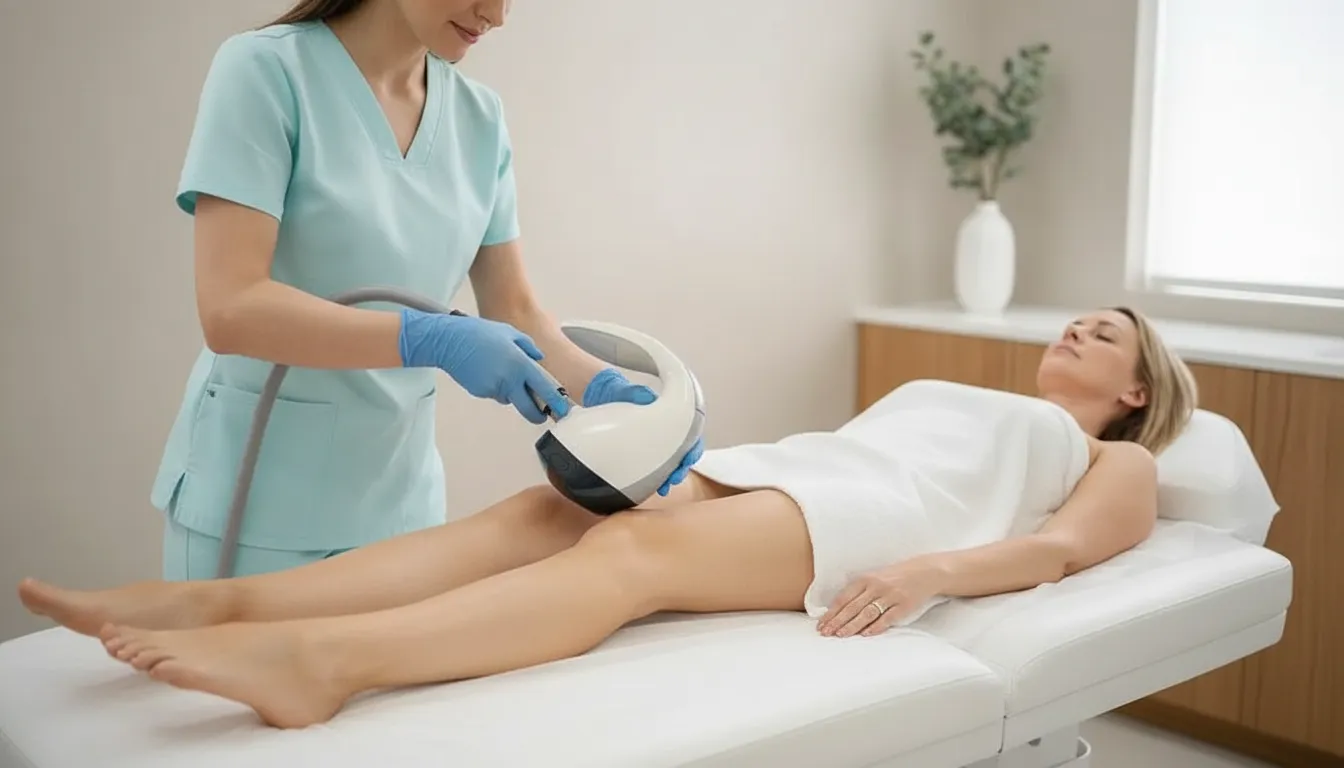
During a laser tattoo removal treatment at Ultimate Image MedSpa, we’ll provide protective eyewear. A technician uses a handheld laser device to deliver pulses of light energy to the tattooed area. You might feel a mild snapping sensation, similar to a rubber band snapping against your skin. The treated area may appear temporarily whitened or blistered after the session, which is a normal reaction and usually subsides quickly. Multiple sessions are typically necessary for complete or near-complete removal. This allows your body time to process and eliminate the fragmented ink. We’ll develop a personalized treatment plan based on your tattoo’s characteristics and your skin type. For tips on preparing for your first appointment, check out this helpful guide on what to expect.
Your Tattoo Removal Journey: Before, During, and After
Deciding to remove a tattoo is a big step. Knowing what to expect at each stage—before, during, and after—can make the process smoother. At Ultimate Image MedSpa, we’re here to guide you. Let’s break down what your tattoo removal journey will look like:
Prepare for Your First Treatment
Before your first laser tattoo removal session, preparing your skin and managing expectations is key. Hydration is crucial, so drink plenty of water in the days leading up to your appointment. Avoid tanning or excessive sun exposure, as this can make the treatment less effective and increase the risk of complications. On the day of your treatment, wear comfortable clothing and avoid applying any lotions, makeup, or perfumes to the tattooed area. For more tips, check out this helpful article on preparing for your session.
The Healing Process Between Sessions
After each treatment, your skin will need time to heal. This involves a natural process where your body breaks down and eliminates the ink particles targeted by the laser. You might experience some temporary redness, swelling, or blistering. Proper aftercare is essential for optimal healing and minimizing any potential side effects. We’ll provide detailed instructions on how to care for your skin between sessions. Generally, keeping the area clean, moisturized, and protected from the sun is vital. The time between treatments is crucial. Experts recommend waiting at least 12 weeks between sessions to allow for complete healing and better results.
Typical Timeline and Number of Sessions
It’s natural to wonder how long the entire tattoo removal process will take. While some clinics suggest a range of 3–7 sessions lasting 15–30 minutes each using advanced laser technology, the total number of sessions varies. Factors like the tattoo’s size, age, ink colors, location on your body, and your individual skin type all play a role. Every individual’s experience is unique, and we’ll work with you to develop a personalized treatment plan and give you a realistic timeline. At Ultimate Image MedSpa, we use advanced laser technology to target and break down ink particles, but patience is key for successful tattoo removal.
Factors Influencing Tattoo Removal Effectiveness
Several factors influence how effective your tattoo removal will be and how many sessions you’ll likely need. Understanding these upfront helps set realistic expectations and make informed decisions about your treatment plan.
Tattoo Characteristics: Age, Ink, and Location
Older tattoos are often easier to remove because the ink has already begun to break down over time. Newer tattoos, with densely packed ink, require more sessions. The colors in your tattoo also matter. Black and dark blue inks absorb laser energy more effectively, making them generally easier to target. Lighter colors, like green, yellow, and pastels, can be more stubborn. Some inks, especially vibrant or fluorescent ones, may contain metallic components that react differently to laser treatment. Your technician at Ultimate Image MedSpa can assess your tattoo’s ink and tailor the laser settings accordingly. Older tattoos are easier to remove.
Placement on your body matters too. Tattoos closer to the heart, where blood circulation is better, tend to respond more favorably to treatment. Areas with less circulation, like hands and feet, may require additional sessions. The size and density of the ink also influence the process. Larger, denser tattoos naturally take longer to remove than smaller, less saturated ones. Even the original tattoo artist’s skill can influence removal, as variations in technique and ink depth affect how the laser interacts with the pigment. Different tattoo characteristics impact removal effectiveness.
Individual Factors: Skin Type and Lifestyle
Your skin type plays a significant role in tattoo removal. Lighter skin types generally show better results, as the laser can target the ink more precisely. Darker skin types require more careful treatment to avoid hyperpigmentation (darkening) or hypopigmentation (lightening). At Ultimate Image MedSpa, we use advanced laser technology suitable for all skin types, ensuring safe and effective treatment.
Your overall health and lifestyle also influence the process. A healthy immune system helps your body clear the broken-down ink particles more efficiently. Smoking can hinder healing and impact effectiveness, so quitting or reducing smoking during treatment is recommended. Individual factors like skin type and overall health influence effectiveness. Individual responses vary, so consulting with a qualified professional to discuss your situation and develop a personalized plan is essential. Contact us to schedule your consultation and learn how we can help you achieve your desired results. Lifestyle choices like smoking can influence the effectiveness of tattoo removal.
Realistic Expectations for Tattoo Removal Results
Deciding to remove a tattoo is a big step. It’s important to go in with a realistic understanding of the process and what you can expect. While tattoos can often be completely removed, it’s not an overnight transformation. Think of it as a journey, not a quick fix.
Understanding Gradual Fading
Tattoo removal works by breaking down the ink particles in your skin, which your body then naturally eliminates. This process happens gradually over several sessions. Don’t expect your tattoo to vanish after just one or two treatments. Laser technicians often share progress photos showing how tattoos lighten over multiple sessions, typically three to seven. Several factors influence how quickly your tattoo fades, including the age and colors of the ink, its location on your body, and the size of the tattoo. Even lifestyle choices like smoking can affect the process. Patience is key, and celebrating those small victories along the way will keep you motivated.
Potential for Complete Removal
While complete removal is often achievable, it’s crucial to have realistic expectations about the timeline. Advanced laser technology can effectively target and break down various tattoo ink colors. However, even with the best technology, multiple sessions are necessary. Each session might be relatively short, perhaps 15–30 minutes, but the overall process can take several months. The skill and experience of the laser technician also play a significant role in the success of your tattoo removal. Doing your research and getting multiple opinions before starting treatment is always a good idea. At Ultimate Image MedSpa, we prioritize clear communication and personalized treatment plans to ensure you understand the process and have realistic expectations for your individual tattoo removal journey. Contact us today to schedule a consultation and discuss your specific needs.
Potential Risks and Side Effects of Tattoo Removal
Like any medical procedure, laser tattoo removal comes with potential risks and side effects. Understanding these beforehand helps you make informed decisions and manage your expectations. At Ultimate Image MedSpa, we prioritize your safety and comfort, providing expert care and guidance every step of the way. Contact us today to learn more.
Common Short-Term Effects
Most short-term effects are mild and temporary. It’s common to experience some redness, soreness, and pinpoint bleeding immediately following a treatment. The treated area might also develop a slightly scaly appearance as it heals, similar to a mild sunburn. These effects typically subside within a few days. The FDA notes that lighter skin is a possible outcome, but this, along with any potential scarring or infection, shouldn’t last long. We’ll provide you with detailed aftercare instructions at our medspa to minimize discomfort and promote faster healing.
Long-Term Considerations
While rare, some long-term effects like hyperpigmentation (darkening of the skin) or hypopigmentation (lightening of the skin) can sometimes occur. The success of your tattoo removal depends on several factors, including the age of your tattoo, the ink colors used, its location on your body, and even the skill of the original tattoo artist. Individual factors like your skin type and lifestyle choices, such as smoking, can also play a role. We’ll discuss these factors in detail during your consultation at Ultimate Image MedSpa to create a personalized treatment plan and set realistic expectations for your results. The number of sessions needed to achieve your desired outcome can vary, so we’ll assess your tattoo and discuss a potential timeline during your initial visit.
Maximize Your Results: Aftercare and Maintenance
Getting a tattoo removed is a multi-step process. What you do between appointments is just as important as the removal sessions themselves. Proper aftercare and ongoing skin health practices can significantly influence your results and minimize potential side effects. Let’s break down how to care for your skin after laser tattoo removal.
Post-Treatment Care
Immediately following your laser tattoo removal session, the treated area might feel similar to a sunburn. Your technician will provide specific instructions, but some general guidelines apply. Keeping the area clean and moisturized is essential for optimal healing. Gently cleanse the treated skin with a mild soap and water, and apply a fragrance-free moisturizer. Avoid scrubbing or picking at any scabs that may form, as this can disrupt the healing process and potentially lead to scarring. Sun protection is also crucial. Protect the treated area from sun exposure by covering it with clothing or using a broad-spectrum sunscreen with an SPF of 30 or higher. Hydration plays a vital role in skin recovery, so drink plenty of water after your sessions to support your body’s natural healing mechanisms.
Ongoing Skin Health Practices
Beyond the immediate post-treatment care, maintaining overall skin health is key for successful tattoo removal. A consistent skincare routine can significantly enhance your skin’s recovery and appearance. Gentle exfoliation can help remove dead skin cells and promote cell turnover, while regular moisturizing keeps the skin hydrated and supple. Continue to protect the treated area from the sun’s harmful rays, even after it’s fully healed. For personalized skincare recommendations tailored to your skin type and the tattoo removal process, consider consulting with a dermatologist. They can provide expert guidance on the best products and practices to support your skin’s health throughout your tattoo removal journey. At Ultimate Image MedSpa, we’re committed to helping you achieve the best possible results. Our team will provide you with detailed aftercare instructions and address any questions or concerns you may have. Contact us to schedule a consultation and learn more about our tattoo removal services.
Choose the Right Tattoo Removal Provider
Finding the right tattoo removal provider is just as important as deciding to remove the tattoo itself. A qualified provider with the right technology and experience can dramatically affect your results. This section helps you understand what to look for and the important questions to ask when making this decision.
Questions to Ask and What to Look For
Before scheduling a consultation, start with some online research. Look for clinics with positive client reviews and testimonials. Before-and-after photos can give you a realistic sense of what to expect. Once you’ve identified a few promising options, schedule consultations with each provider.
During your consultation, ask about the provider’s qualifications and experience. Discuss the types of lasers they use, since different lasers work better for various ink colors and skin types. Ask for an estimated number of sessions based on your tattoo’s size, location, and ink density. A reputable provider will openly discuss potential risks, side effects, and realistic outcomes. Finally, discuss pricing and payment options upfront to avoid surprises later.
The Importance of Professional Expertise
Your provider’s expertise significantly impacts the treatment’s effectiveness and your overall satisfaction. Experienced technicians understand the nuances of laser technology and can adjust settings to safely and effectively target the ink. They can also anticipate and manage potential side effects, ensuring a comfortable experience. Talking with several professionals lets you compare different approaches and expertise to make a well-informed decision. Tattoo removal is a process, and choosing a provider with a proven track record and a commitment to client care is essential for the best results.
The Cost of Tattoo Removal
Let’s talk about money. Understanding the cost of tattoo removal is a big part of deciding if it’s right for you. Like most aesthetic treatments, the price varies quite a bit depending on a few key factors.
One of the biggest factors? Size. A tiny tattoo will typically be less expensive to remove per session than a large piece. Removery’s pricing guide offers a good example of this tiered pricing structure, breaking down costs by size so you can get a general idea of what to expect.
It’s also important to remember that tattoo removal isn’t a one-and-done deal. It’s a process that usually requires multiple sessions. The exact number is tough to predict upfront. It really depends on the age of your tattoo, the type of ink used, the location on your body, and even how your individual skin responds. While paying per session might seem appealing initially, it can sometimes add up. Many clinics offer package deals, so be sure to ask about those when you consult with a provider. Clinics like MEDermis often highlight the effectiveness of their treatments and showcase before-and-after photos, which can be helpful in visualizing the process. Ultimately, getting a personalized assessment and quote from a qualified professional is the best way to understand the potential total cost for your specific tattoo.
Related Articles
- Laser Tattoo Removal Treatment In Texas | Erase Your Ink
- Laser Tattoo Removal | Everything You Need to Know
- Complete Color Tattoo Removal: An Expert Guide – Ultimate Image MedSpa
- Tattoo Removal in Frisco, TX: A Complete Guide – Ultimate Image MedSpa
Frequently Asked Questions
Does laser tattoo removal hurt?
Most people describe the sensation as similar to a rubber band snapping against the skin. We take steps to minimize discomfort, and the sensation is usually brief.
How many treatments will I need?
The number of treatments varies depending on several factors, including the size, color, and age of your tattoo, as well as your skin type. We’ll assess your tattoo and give you a personalized estimate during your consultation.
What is the downtime after a treatment?
There’s minimal downtime. You might experience some temporary redness, swelling, or blistering, but these typically subside quickly. We’ll provide detailed aftercare instructions to help you minimize any discomfort and promote healing.
How much does tattoo removal cost?
The cost depends on the size and complexity of your tattoo and the number of treatments required. We offer various pricing options and packages, and we’ll discuss these with you during your consultation.
How do I choose a tattoo removal provider?
Look for a provider with experience, advanced laser technology, and a commitment to patient safety and satisfaction. Check online reviews and before-and-after photos, and ask about qualifications and experience during your consultation.