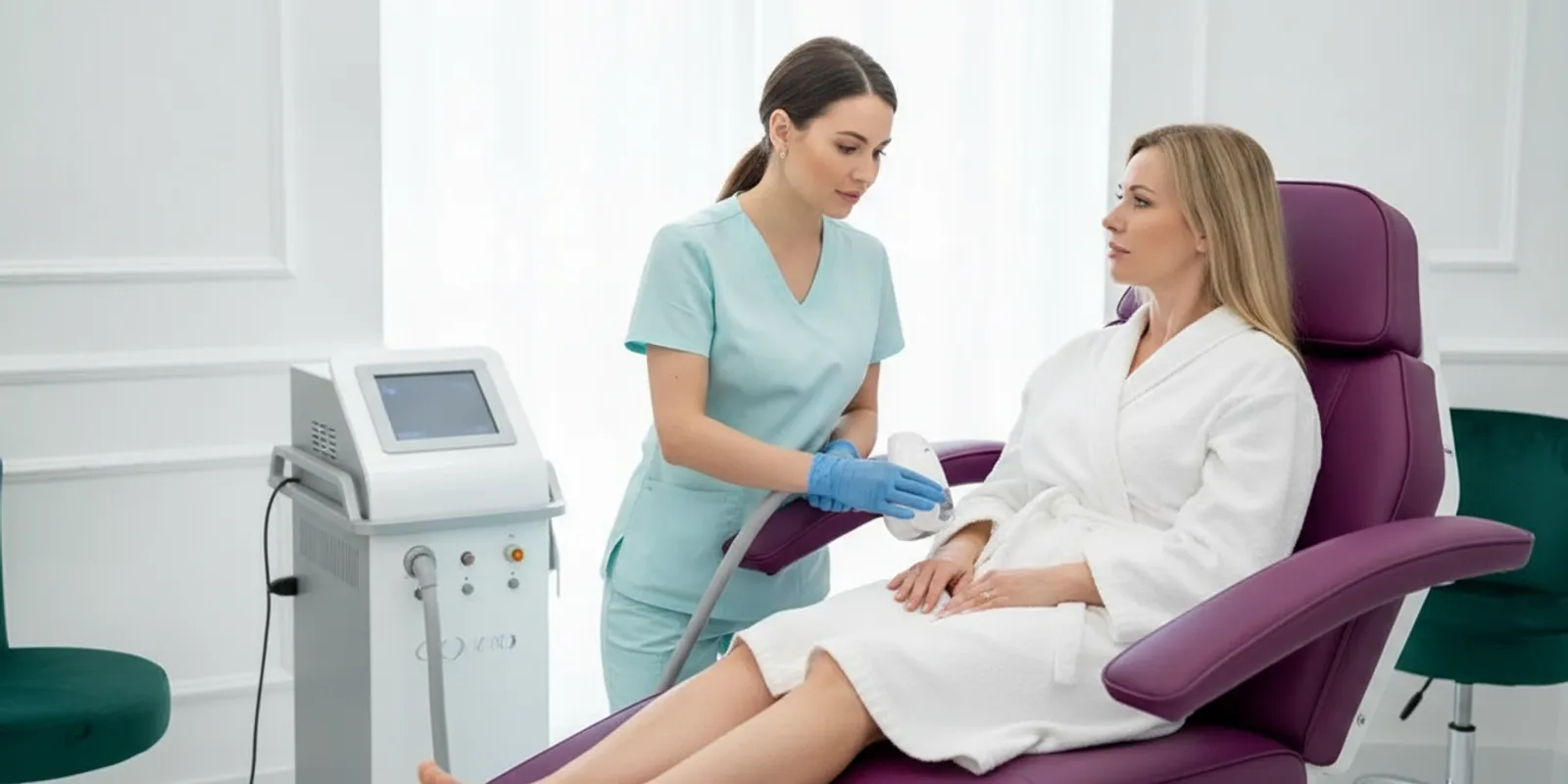
Stubborn fat and weak muscle tone are not the same treatment target. That difference matters before comparing UltraShape, CoolSculpting, and Emsculpt for your body contouring plan.
Schedule Your Free Body Contouring Consultation
UltraShape vs CoolSculpting compares ultrasound-based fat reduction with cooling-based fat reduction. UltraShape uses pulsed focused ultrasound to disrupt targeted fat cells, while CoolSculpting uses controlled cold. Emsculpt is different because it primarily focuses on muscle tone.
The question is whether your priority is reducing a stubborn fat pocket, improving muscle definition, or building a plan that considers both. UltraShape vs CoolSculpting: What each treatment does explains the first decision point before Emsculpt enters the comparison. Here is how.
UltraShape vs CoolSculpting: What each treatment does
Two ways to target localized fat
In an UltraShape vs CoolSculpting comparison, both treatments are meant for body contouring, not weight loss. They target fat under the skin in selected areas. The key difference is how each option acts on that fat.
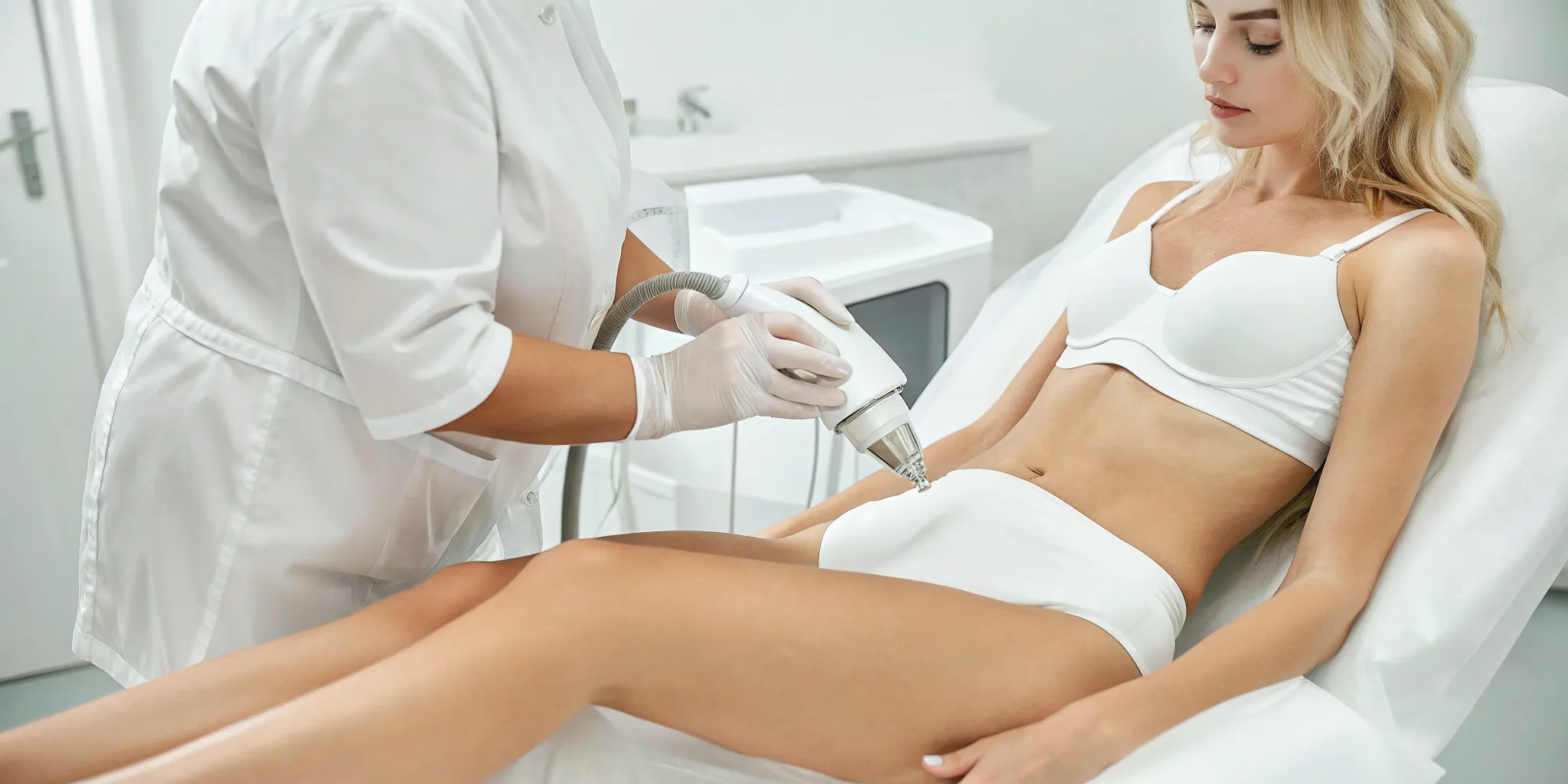
UltraShape uses pulsed focused ultrasound energy for non-surgical fat reduction. Its energy disrupts fat cell membranes through a mechanical process rather than heat or freezing. Readers who want more detail can review how UltraShape works before a consultation.
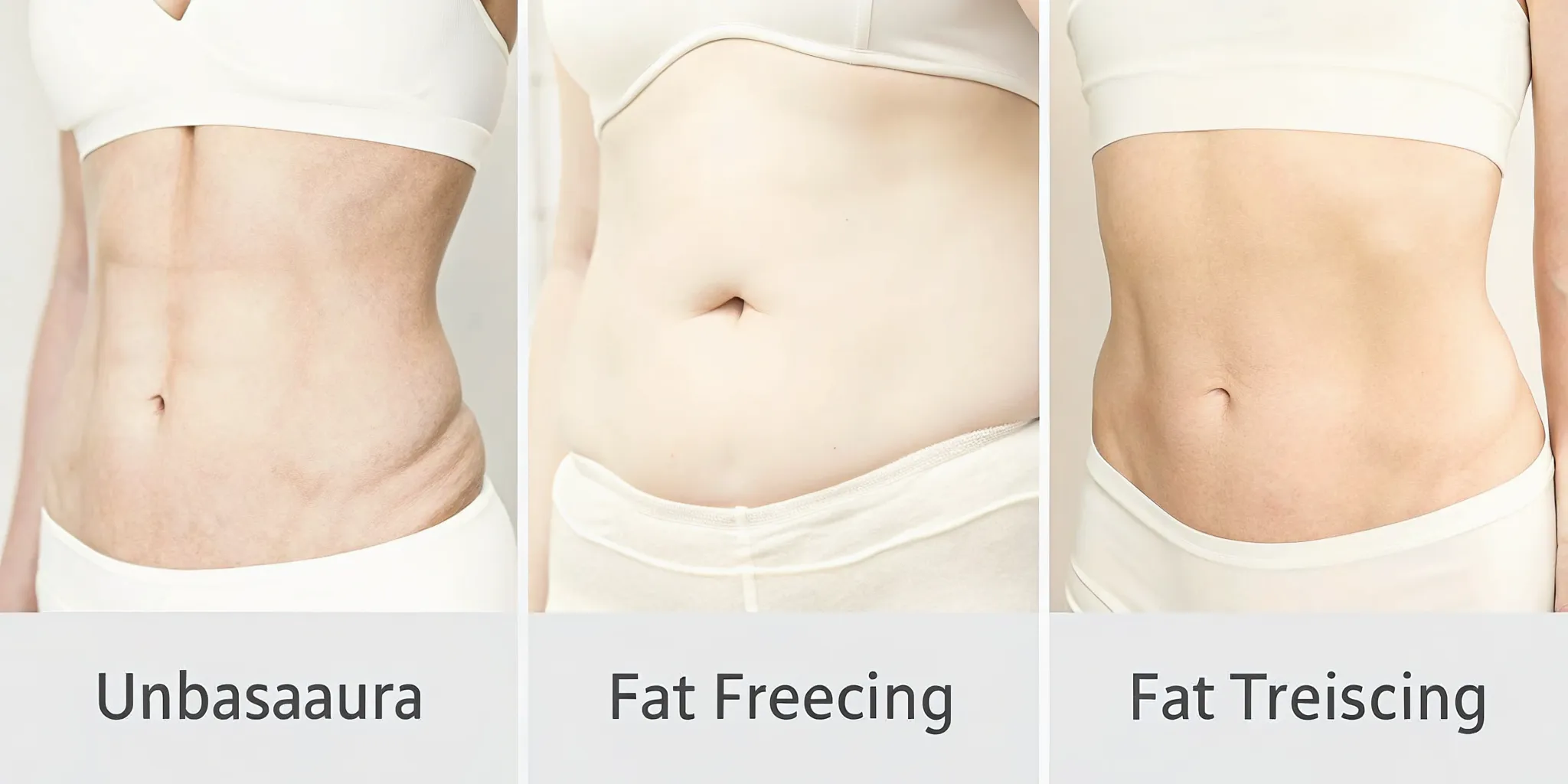
CoolSculpting uses cryolipolysis, often called fat freezing. It exposes the chosen fat layer to controlled cold, which affects targeted fat cells over time. The FDA overview of body contouring procedures lists ultrasound and cooling as non-invasive fat reduction technologies.
How Emsculpt differs
Emsculpt belongs in this conversation because people often compare body shaping treatments together. Yet its main focus is different. It uses high-intensity focused electromagnetic energy to prompt muscle contractions. Its goal is toning and strengthening muscle.
That makes Emsculpt less direct as a fat-only comparison. Someone concerned with a small stubborn fat area may compare ultrasound with cooling first. Someone focused on muscle definition may ask about Emsculpt as a separate approach. Published research on electromagnetic muscle stimulation describes this muscle-toning method.
Who may consider each option
UltraShape may fit people near their goal weight who want to address a localized fat pocket without surgery. It may appeal to patients who prefer an ultrasound-based approach rather than a cooling treatment. Treatment planning also depends on whether the area has enough treatable fat.
CoolSculpting may fit a similar goal: reducing a selected fat pocket without surgery. Its cooling method is the point of difference. Neither option should be treated as a plan for overall weight loss. Body contouring is designed around specific areas.
Emsculpt may fit someone whose main concern is muscle tone rather than fat reduction alone. The right choice starts with the concern, the treatment area, and a candidacy review. A consultation can clarify whether fat reduction, muscle stimulation, or another plan suits that goal.
UltraShape, CoolSculpting, and Emsculpt compared side by side
How the technologies differ
When people compare UltraShape vs CoolSculpting, the key difference is how each treatment addresses localized fat. UltraShape uses focused ultrasound, while CoolSculpting uses controlled cooling. A published review lists ultrasound and cryolipolysis as noninvasive options for reducing fat in specific areas. It also explains their different methods in a body contouring review.
Emsculpt belongs in the comparison, but its main goal differs. It uses focused electromagnetic energy to cause muscle contractions for toning and strength. Readers focused on ultrasound care can schedule a body contouring consultation before comparing it with muscle-focused care.
| Comparison point. | UltraShape. | CoolSculpting. | Emsculpt. |
|---|---|---|---|
| Technology. | Pulsed focused ultrasound. | Controlled cooling, or cryolipolysis. | Electromagnetic muscle contractions, or HIFEM. |
| Target concern. | Localized fat below the skin. | Localized fat below the skin. | Muscle tone and strength. |
| Comfort and downtime. | Noninvasive care; sensations vary. | Cold sensation; brief discomfort may occur. | Strong muscle contractions during care. |
| Candidate fit. | Localized fat with enough treatable tissue. | Localized fat rather than weight loss goals. | People focused on muscle definition. |
| Timeline. | Changes are assessed over time. | Changes are assessed over time. | Planning depends on muscle goals. |
| Best use. | Ultrasound-based fat contouring. | Cooling-based fat contouring. | Muscle-focused contour support. |
Choosing the right treatment focus
The table shows why these treatments are not simple substitutes. UltraShape and CoolSculpting focus on fat below the skin. Emsculpt mainly focuses on muscle. None should be viewed as a weight loss plan or a replacement for healthy habits.
Comfort, treatment areas, and timing can differ from person to person. Noninvasive body contouring may allow a quick return to usual activities. Short-term discomfort or swelling can occur. A consultation can match the concern, body area, and treatment goal to an appropriate plan.
If localized fat is the main concern, the next step is to discuss candidacy and treatment areas. A provider can explain types of non-surgical body contouring. You can then ask whether an ultrasound-based option fits your goal.
Why UltraShape stands out for non-surgical fat reduction
A different way to target fat
UltraShape is for areas of pinchable fat that resist diet and exercise. Instead of surgery or freezing, it uses focused ultrasound to target fat beneath the skin. Research on ultrasound-based fat reduction describes its use for small fat deposits in a non-invasive care setting.
This difference matters when people search for ultrashape vs coolsculpting. CoolSculpting uses controlled cooling. UltraShape applies ultrasound energy without a thermal approach. For those comparing methods, the goal is not a dramatic change in body weight. It is a plan for a defined area that has not changed with healthy habits.
No surgery or surgical recovery
UltraShape does not require incisions or an operation. That means treatment planning does not center on surgical recovery or time away for wound care. A review of non-invasive body contouring reports a quick return to normal activities, unlike surgical options.
That point can be useful for a busy patient with a local concern. An abdomen or flank area may stay full even with regular exercise. Patients who want detail on the treatment process can review non-surgical body contouring options before discussing options in person.
Candidacy starts with a consultation
Not every area is a match for treatment. Ultimate Image MedSpa states that UltraShape requires at least 1.5 cm of fat in the planned area. This measure helps show whether there is enough pinchable fat to target. It also helps set clear expectations before treatment begins.
A consultation looks beyond a single measurement. A provider can review the concern, health history, skin, and goals. The visit can also clarify whether ultrasound fat reduction fits better than a cold-based method or another body contouring service.
For a patient with stubborn, localized fat, a consultation creates a practical plan. It can cover the area to address, likely session needs, and timing. The body contouring cost guide explains how planning, visits, and goals fit a consultation-first approach.
What should you expect during and after treatment?
Comfort during a session
When comparing ultrashape vs coolsculpting, start with the treatment experience and your main goal. UltraShape uses focused ultrasound to target an area of fat without surgery. CoolSculpting uses cooling for fat reduction, while muscle stimulation focuses on tone.
For a closer look at an ultrasound appointment, read about non-surgical body contouring before your visit. Ask what you may notice as the device treats the area. Also ask how long you will remain in position and what comfort steps are available. Those answers help you choose an option that fits your comfort needs and schedule.
Downtime and short-term effects
Non-surgical care usually involves less disruption than a surgical fat-removal procedure. A published review reports a quick return to normal activities after non-invasive body contouring. It also discusses ultrasound treatment for localized fat in its non-invasive body contouring evidence. This is useful if you need to plan work, exercise, child care, or travel.
Even with little expected downtime, short-term effects can still matter to your plans. Before treatment, ask which changes are common with your chosen device. Your provider can explain redness, swelling, tenderness, altered sensation, and office contact guidance. If you have an event soon, mention the date before setting your appointment.
Results over time and weight maintenance
Body contouring changes are not always visible on treatment day. Visible improvement from non-surgical fat reduction may develop over weeks to months. Some patients may need more than one session, depending on the plan and treated area. This gradual timeline matters when you compare results around a holiday or special event.
Ultrasound and freezing treatments focus on localized fat, but muscle stimulation has a different purpose. It is mainly used for muscle tone and strength. That difference can shape what you watch for after care. With fat reduction, the change sought is contour in a chosen area. With muscle stimulation, your provider may focus on tone and the treatment series.
CoolSculpting information from Mayo Clinic notes that temporary redness, swelling, and mild discomfort can follow treatment. The same resource explains that healthy eating and exercise help maintain results. Non-surgical contouring is meant for a selected area, not broad weight loss. Stable habits help protect the reason you chose treatment in the first place.
Before choosing ultrasound, freezing, or muscle stimulation, discuss your target area and routine. Ask how comfort, side effects, timing, and weight changes could affect your plan. Your consultation should match the method to your goals and set a clear follow-up plan.
How do you choose between UltraShape, CoolSculpting, and Emsculpt?
Start by naming the change you want to see, not the device you saw online. If your concern is stubborn fat, UltraShape or CoolSculpting may fit the question better. If your aim is more muscle tone, Emsculpt addresses a different goal. Your choice also depends on the area, comfort, time, and budget.
For DFW readers, the practical choice includes travel for visits and follow-up care. Think about whether appointments fit your work, family, and commute. A provider should assess your body and explain what one treatment can and cannot address.
Your main body goal
When comparing ultrashape vs coolsculpting, first separate fat reduction from muscle toning. A review of cryolipolysis and ultrasound fat reduction describes both as noninvasive options for fat in specific areas. Neither choice should be treated as a weight-loss plan.
Name the concern. Note the pocket that bothers you, such as fullness at the abdomen or flank. If loose skin or cellulite is also a concern, mention it early. A fat-focused device may not answer every skin or texture goal.
Match the treatment goal. UltraShape uses focused ultrasound for localized fat, while CoolSculpting uses cooling for fat reduction. Emsculpt uses muscle contractions for toning. This role is described in clinical research on HIFEM technology. It is not the same fat-only comparison.
Ask about the treatment area. Bring up each area you hope to treat, not just your top concern. The assessment should show whether your tissue, shape, and goals suit a specific option. This step helps prevent unrealistic plans.
Compare the full plan. Ask how many visits may be advised, what each visit feels like, and when changes may appear. Review any downtime guidance and common short-term effects. This matters if you drive across Dallas-Fort Worth for appointments.
Review cost with expectations. A lower per-visit price may not reflect the full plan if several visits are advised. Use a clear discussion of body contouring costs to compare treatments, visits, and follow-up needs.
Book a Body Contouring Consultation
Questions to bring to a consultation
Bring photos only as a way to discuss your aim, not as a promise of an exact result. Ask which option fits the amount and location of fat you can pinch. Also ask whether your goal is fat reduction, muscle definition, skin support, or a mix of concerns.
A useful consultation should explain the device selected, the proposed area, comfort expectations, and a realistic timeline. It should also cover how your current health and goals affect candidacy. If you are near your goal weight, ask how ongoing nutrition and movement support the plan.
Book a Body Contouring Consultation in DFW
Planning care in Dallas-Fort Worth
Convenience matters when a plan includes more than one office visit. Before starting, compare travel time, appointment hours, and how questions are handled after treatment. A choice that fits your routine is easier to follow through without rushing decisions.
Arrive ready to describe what you want changed and what you do not want. Request a written treatment plan before deciding. That plan should identify the selected approach, target areas, likely visit schedule, total expected cost, and any aftercare guidance.
Who is a good candidate for non-surgical body contouring?
Weight goals and pinchable fat
A good candidate is usually close to a stable goal weight. They may have a small area that does not respond as hoped to healthy habits. Non-surgical contouring is used to shape a selected area. It is not a plan for overall weight loss. Mayo Clinic guidance on CoolSculpting candidacy notes that the treatment is not for obesity.
BMI may be part of a consultation, but it does not show where fat sits. It also does not show how the area feels. A provider looks for soft, pinchable fat below the skin in the planned treatment area. Deeper belly fullness or loose skin may call for another plan.
Choosing the goal first
When comparing ultrashape vs coolsculpting, start with the area you want to refine. UltraShape is for a localized pocket of fat. It requires at least 1.5 cm of fat in the treatment area. Patients weighing this option can review how UltraShape works before a visit.
CoolSculpting is also aimed at localized fat, but it uses cooling rather than ultrasound. It may fit someone who wants to discuss a cooling-based treatment for a small bulge. Neither treatment replaces weight management. Results can differ from person to person.
Emsculpt has a different main goal. A person seeking more muscle tone may be considering muscle treatment instead of fat-only contouring. Research on HIFEM technology describes muscle contractions used for toning and strength. This is why muscle-toning goals matter when comparing options.
What a consultation should clarify
A consultation matters because candidacy is more than a device choice. The provider can check the area and ask what change you want to see. They can explain whether the issue is pinchable fat, muscle tone, loose skin, or a mix. This helps keep the plan realistic.
Bring a clear goal, such as smoothing a small lower belly pocket. Another goal could be seeking firmer abdominal definition. Ask which technology fits that goal and how the area is assessed. A clear plan may prevent choosing fat reduction when another care option is a better fit.
Contact Ultimate Image MedSpa About Your Body Contouring Options
Contact Ultimate Image MedSpa About UltraShape
Frequently Asked Questions
How do I choose between UltraShape, CoolSculpting, and Emsculpt?
The best fit depends on the concern being treated. UltraShape uses focused ultrasound to address localized fat, while CoolSculpting uses controlled cooling. Emsculpt uses electromagnetic energy mainly for muscle contraction and toning. These technologies do not target the same goal in the same way. A consultation can assess the treatment area and fat thickness. It can also review health history and goals before selecting an approach.
When will I see results after non-surgical body contouring?
Results are usually gradual rather than immediate. The body needs time to respond after a fat reduction treatment, so visible improvement may develop over several weeks to months. The timeline can differ by technology, treatment area, and planned number of sessions. The Mayo Clinic notes that results from CoolSculpting become apparent as the body clears treated fat cells.
Is UltraShape or CoolSculpting a weight loss treatment?
No. UltraShape and CoolSculpting are body contouring procedures intended for localized fat beneath the skin, not overall weight loss. They may be considered by people near their goal weight who have specific areas of stubborn fat. The American Board of Cosmetic Surgery explains that non-surgical fat reduction is designed for localized fat rather than major weight loss.
What side effects and downtime can I expect from non-surgical fat reduction?
Non-surgical fat reduction is generally associated with less recovery time than surgery, but temporary effects can occur. Redness, swelling, tenderness, or mild discomfort may follow treatment, depending on the technology and area treated. A clinical review in the National Library of Medicine describes a quick return to normal activities for non-invasive body contouring compared with surgical options.
How much do UltraShape, CoolSculpting, and Emsculpt treatments cost?
Pricing can vary because plans depend on the technology and treatment area. Provider recommendations also matter, and number of sessions needed. A price for one person may not match another person’s plan. The American Board of Cosmetic Surgery notes that body contouring costs vary by provider and procedure needs. A consultation is the appropriate time to confirm treatment options and pricing.
Ready to choose your body contouring plan?
Waiting can leave you comparing treatment names without knowing which non-surgical option aligns with your goals, comfort preferences, or priorities. Starting now gives you time to discuss UltraShape, CoolSculpting, and Emsculpt before putting off a decision that may require personal guidance. A consultation can help you ask focused questions, review candidacy, identify treatment areas, and outline next steps for an informed body contouring plan.
Ready to replace uncertainty with a clear conversation about your options, goals, timing, and the care approach appropriate for you? Call 972-800-2127 to schedule a free consultation and discuss which path could fit your body contouring priorities. Bring your questions so your next choice is based on a plan you understand.