
For years, anyone with sensitive skin or a deeper skin tone has been rightfully cautious about chemical peels. The wrong treatment can easily backfire, leading to irritation or even worsening the very hyperpigmentation you’re trying to fix. This has left many people feeling like they have limited options for treating stubborn conditions like melasma. The VI Peel was specifically formulated to change that. It’s a medical-grade, medium-depth peel designed to be safe and effective for all skin types and tones. Its unique blend of ingredients works to gently lift pigment without causing unnecessary inflammation. This guide will explain how the VI Peel for melasma provides a reliable solution for achieving a beautifully even complexion, regardless of your skin type.
Key Takeaways
- Address Melasma Above and Below the Surface: The VI Peel is effective because it exfoliates existing discoloration from the skin’s surface while also working deeper to calm the cells responsible for producing new pigment.
- Commit to Your Aftercare Plan: What you do after the peel is just as important as the treatment itself. Following post-peel instructions, especially daily sun protection, is essential for protecting your investment and achieving the best results.
- Develop a Strategic, Long-Term Approach: A single peel can make a difference, but lasting success against melasma comes from a personalized plan that may include a series of treatments and a consistent at-home skincare routine.
First, What Is Melasma?
If you’ve noticed persistent brown or grayish-brown patches on your face, you might be dealing with melasma. This common skin condition is a specific type of hyperpigmentation that usually appears symmetrically on the cheeks, forehead, bridge of the nose, or upper lip. While it’s completely harmless from a medical standpoint, melasma can be a source of real frustration, especially when it feels like nothing you try makes a difference. It’s a condition that’s notoriously stubborn because its causes are complex, often involving a mix of internal and external factors that we’ll get into.
Understanding what’s behind those patches is the first step toward finding a treatment that actually works. Unlike a simple sunspot that might fade with a standard brightening serum, melasma often sits deeper in the skin and requires a more targeted approach to manage effectively. It’s not just about treating the surface; it’s about addressing the overactive pigment production underneath to restore a clear, even complexion for good. That’s why a specialized treatment like the VI Peel can be so effective where others have failed.
What Causes Melasma?
So, what kicks melasma into gear? The two biggest culprits are hormonal changes and sun exposure. It’s so common during pregnancy that it’s often called “the mask of pregnancy.” The hormonal shifts that happen during this time, or even from taking birth control pills, can trigger the skin’s pigment-producing cells (melanocytes) to go into overdrive. Sunlight is the other major trigger. Even a small amount of sun exposure can stimulate pigment production and make existing melasma darker. This is why you might notice your patches getting worse in the summer. There’s also a genetic component, so if your mom or other close relatives have it, you’re more likely to develop it, too.
Why Other Treatments Might Not Work
If you’re reading this, you’ve probably already tried a few things to get rid of your melasma. Many people start with topical creams, different facials, or even professional treatments like microneedling only to be disappointed with the results. As one writer for Allure magazine shared, many common approaches just don’t seem to touch those stubborn dark spots. The reason many of these treatments fall short is that melasma’s pigment is often located deep within the skin. Topical creams may not penetrate far enough to make a real impact. Some treatments, like certain aggressive lasers, can even backfire by generating heat that irritates the skin and actually worsens hyperpigmentation, especially in darker skin tones. This is why finding the right treatment is so important.
How the VI Peel Works on Melasma
If you’re dealing with melasma, you know how frustrating it can be to find a treatment that actually works. So many creams and serums promise the world but deliver very little, leaving you right back where you started. The VI Peel stands out because it’s not just another surface-level fix. This is a medical-grade chemical peel, meaning it’s formulated with potent, effective ingredients that work on a cellular level to create real change in your skin. It’s specifically designed to address stubborn pigmentation by working in two key ways: first, it exfoliates the discolored top layers of your skin, and second, it disrupts the production of excess pigment deep below the surface.
Think of it as a one-two punch against those persistent dark spots. While the exfoliation reveals the brighter skin underneath, the deeper action helps prevent new spots from forming. This dual-action approach is what makes it such a powerful tool for revealing a clearer, more even complexion. Instead of just masking the problem or offering a temporary solution, the VI Peel gets to the root cause to deliver visible, lasting results. It’s a comprehensive treatment designed to reset your skin, helping you finally achieve the clarity you’ve been looking for. At Ultimate Image MedSpa, we’ve seen how this transformative treatment can restore confidence by restoring skin health.
The Key Ingredients Doing the Work
The secret to the VI Peel’s success lies in its unique blend of powerful ingredients. This isn’t your average at-home peel; it’s a carefully crafted formula where each component has a specific job. It includes Trichloroacetic Acid (TCA) and Salicylic Acid to exfoliate dead skin and clear away discoloration. Tretinoin, a vitamin A derivative, speeds up cell turnover to bring fresh skin to the surface faster. Meanwhile, Vitamin C, a potent antioxidant, brightens the skin and fights pigment-causing damage. This combination makes the VI Peel a go-to treatment for anyone looking to effectively manage their melasma and achieve a more radiant glow.
The Science Behind the Peel
The VI Peel goes beyond simple exfoliation to address the biological process behind melasma. Its powerhouse formula works to suppress melanogenesis—in simpler terms, it helps calm down the overactive cells responsible for producing excess pigment. By promoting rapid cell turnover, it helps your skin shed the discolored layers more quickly, making way for the healthy, evenly-toned skin underneath. This process is why the VI Peel Precision Plus is so effective for UV-induced pigmentation, sun damage, and the dark spots that can linger after acne, in addition to melasma. It’s a smart, targeted approach to skin renewal.
Is It Right for Your Skin Type?
One of the best things about the VI Peel is its versatility. For years, people with darker skin tones or sensitive skin have been rightfully cautious about chemical peels, as some formulas can pose a risk of hyperpigmentation. However, the VI Peel was designed to be safe and effective for all skin types and tones (Fitzpatrick I-VI). It’s gentle enough for first-timers but strong enough to deliver the results you want. Whether your skin is fair, deep, sensitive, or resilient, this peel can help you achieve a more even skin tone. To find out if it’s the perfect fit for your goals, it’s always best to schedule a consultation with a professional.
Your VI Peel Appointment: Step-by-Step
Knowing exactly what to expect can make any new treatment feel less intimidating and more exciting. From preparing your skin to seeing those final, glowing results, the VI Peel process is a clear and manageable journey. We’ll walk through each phase so you can feel confident and prepared for your appointment. Think of it as your personal roadmap to brighter, more even-toned skin. The process is designed to be straightforward, with our team guiding you every step of the way.
How to Prepare for Your Peel
Proper preparation is key to getting the best results from your VI Peel. The first step is a consultation to ensure this treatment is the right fit for you. While the VI Peel is suitable for many, it’s best to avoid it if you have very sensitive skin, active conditions like eczema or psoriasis, or certain autoimmune issues. A few days before your appointment, you’ll want to stop using active skincare ingredients like retinoids, AHAs, and BHAs. It’s also a good idea to avoid direct sun exposure. When you schedule a consultation, we can go over your full skin history and give you a personalized prep plan.
What to Expect During the Treatment
Your actual VI Peel application is surprisingly quick and simple. The entire process usually takes about 30 minutes. As your specialist applies the peel solution in layers, you might feel a mild tingling or warm sensation on your skin, but it’s generally very tolerable. It’s not a painful experience. Once the peel is applied, you’re all set! We’ll send you home with a take-home kit containing everything you need for aftercare, along with detailed instructions. You’ll leave the peel on for a specific amount of time (usually a few hours) before washing it off at home. It’s one of the most efficient services we offer for transformative results.
Your Recovery and Results Timeline
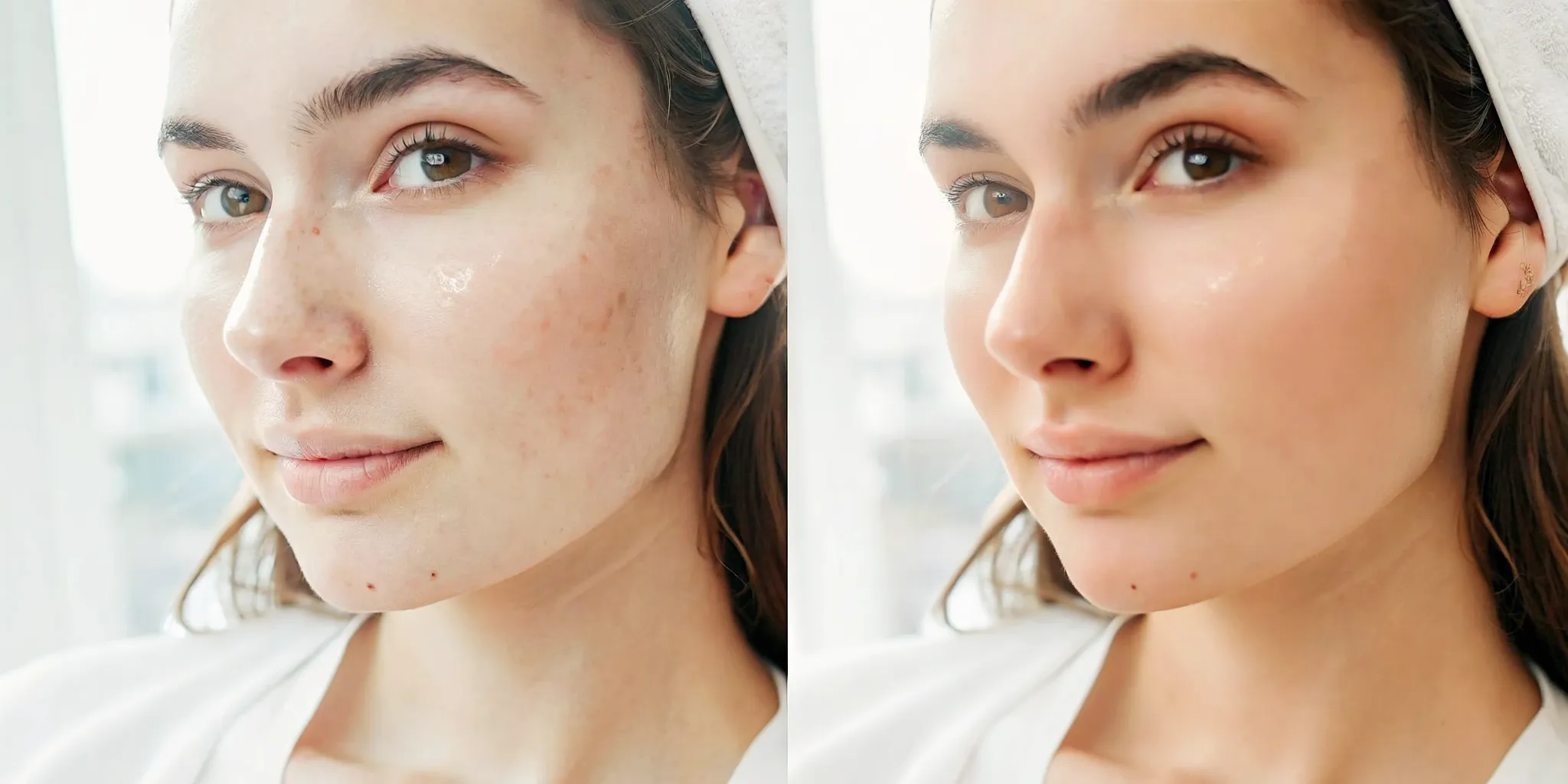
This is where the magic happens! Your skin will look normal for the first two days, but around day three, the peeling process will begin. This usually starts around the mouth and chin area and progresses outward. It’s more of a light flaking than a dramatic peel, and it typically lasts for about four days, tapering off by day seven. Once the peeling is complete, your fresh, new skin is revealed. About two weeks after your treatment, you can expect to see noticeably brighter skin, a smoother texture, and a significant reduction in the appearance of melasma and other dark spots.
How to Handle Potential Side Effects
The most important rule of post-peel care is simple: do not pick or pull at your peeling skin. It can be tempting, but picking can lead to irritation, post-inflammatory hyperpigmentation, and even scarring, especially for those with darker skin tones. Let your skin shed naturally. You might experience some redness, tightness, or itching, which is completely normal. Your aftercare kit will include products to help soothe your skin and keep it hydrated. Following the post-peel instructions from your provider is the best way to ensure a smooth recovery and beautiful results. If you have any concerns, don’t hesitate to contact us.
Your Post-Peel Aftercare Plan
Getting a VI Peel is the first step toward clearer, more even-toned skin, but what you do after you leave our spa is just as important. A solid aftercare plan is your key to getting those amazing, long-lasting results you’re looking for. Think of it as protecting your investment. Your skin will be in a sensitive, regenerative state, and giving it the right care will help it heal beautifully. Following these steps will ensure a smooth recovery and maximize the peel’s effectiveness on your melasma.
Your New Daily Skincare Routine
For the first few hours, your main job is to let the peel do its work. You’ll want to avoid washing your face for at least four hours after your appointment. When you are ready to wash, use only cool water and the gentle cleanser provided in your aftercare kit. For the next few days, your routine should be simple: gentle cleanser, a soothing moisturizer to keep your skin hydrated, and absolutely no harsh products. This means putting away any exfoliants, retinoids, or acids until your specialist gives you the green light. Your skin is working hard to renew itself, and a minimal, gentle routine is the best way to support that process.
The Importance of Sun Protection
This is the golden rule of post-peel care: protect your skin from the sun. After a VI Peel, your skin is brand new and extremely vulnerable to sun damage, which can reverse your results and even worsen pigmentation. You must apply a broad-spectrum sunscreen with at least SPF 30 every single day, even if it’s cloudy or you’re staying indoors. Reapply it every two hours if you’re outside. As your skin begins to peel, you might be tempted to pick or pull at the flakes, but please resist. Picking can lead to scarring and hyperpigmentation, especially for darker skin tones. Just let your skin shed naturally.
When to Call Your Specialist
Most of the healing process is straightforward, but it’s important to listen to your skin. If you notice anything unusual, like excessive redness, swelling, or signs that your skin isn’t healing as expected, don’t hesitate to get in touch. We are here to support you through every step of your journey. Remember that achieving the best results for stubborn melasma often requires a series of treatments. We can create a personalized plan with you, typically scheduling peels four to six weeks apart. If you have any questions or concerns during your recovery, please contact us right away.
How VI Peel Compares to Other Treatments
When you’re dealing with melasma, it can feel like there are a million different treatment options out there. How do you know which one is right for you? From topical creams to high-tech lasers, each approach has its own pros and cons. The VI Peel holds a unique place among these options because of its balanced and effective formula. Let’s break down how it stacks up against other popular treatments so you can feel confident in your choice.
VI Peel vs. Other Chemical Peels
Not all chemical peels are created equal. They can vary a lot in strength, ingredients, and what they’re designed to do. Some are great for acne, while others focus on fine lines. The VI Peel is a standout option because it’s specifically formulated to improve both skin texture and overall tone, making it a fantastic choice for the discoloration that comes with melasma. While other peels might be too harsh or not targeted enough, the VI Peel offers a well-rounded approach that gently but effectively lifts pigmentation and reveals brighter, smoother skin underneath.
VI Peel vs. Laser Treatments
Laser treatments are another powerful tool for tackling stubborn melasma. For some people, lasers can offer faster results than peels, especially when the pigmentation is deep within the skin. However, lasers aren’t a one-size-fits-all solution and the right choice often depends on your specific skin type and the nature of your melasma. The VI Peel provides a less intensive alternative that still delivers significant results with minimal downtime. We can help you weigh the benefits of different aesthetic procedures to find the perfect fit for your skin goals during a personal consultation.
VI Peel vs. Topical Creams
If you’ve tried to manage your melasma at home, you’ve likely used a topical cream with ingredients like hydroquinone or tretinoin. These are often the first line of defense and can certainly help, but they work slowly and may not be enough for persistent discoloration. A professional treatment like the VI Peel works on a deeper level to accelerate cell turnover and lift pigment more effectively than a cream alone. Think of it this way: topical creams are great for maintenance, but a VI Peel gives your skin the powerful reset it needs to achieve a more even, radiant complexion.
A Look at the Cost
Investing in your skin is a big decision, and it’s important to understand the costs. The price of a single VI Peel session typically falls between $400 and $500. The final cost of your treatment plan will depend on your unique skincare goals and how many sessions are recommended to achieve them. The best way to get a clear picture of what to expect is to come in for a consultation. We can assess your skin, discuss your goals, and create a personalized plan that fits your budget. Feel free to contact us to schedule your appointment and get started.
Create Your Personalized Treatment Plan
Tackling melasma isn’t a one-size-fits-all process. Your skin is unique, and your treatment plan should be, too. The VI Peel is an incredibly effective tool, but the real magic happens when it’s part of a strategy designed specifically for your skin’s needs and your long-term goals. This is where working with a skincare professional becomes so important. Together, we can map out a path to clearer, more even-toned skin.
A truly effective plan considers every angle. It starts by determining the right number of treatments to address the depth and stubbornness of your pigmentation. It also looks at the bigger picture of your skin health, exploring how the VI Peel can work alongside other treatments for even better results. Finally, and most importantly, it equips you with a solid strategy for maintaining your beautiful results and preventing melasma from making a comeback. Think of it as a partnership—we provide the professional treatment and guidance, and you carry on the great work at home. When you’re ready to get started, you can schedule a consultation to begin building your custom plan.
How Many Sessions Will You Need?
The most common question we hear is, “How many peels will it take?” The honest answer is: it depends. The number of sessions is based on the severity of your melasma and how your skin responds to the treatment. For more significant concerns like deep melasma or even post-inflammatory hyperpigmentation from acne, a series of three to four treatments is often recommended.
These sessions are typically spaced four to six weeks apart. This schedule is intentional—it gives your skin the time it needs to complete the peeling process, fully heal, and regenerate. Rushing the process won’t get you better results. Patience is key to letting the peel work effectively and safely. During your initial consultation, we’ll assess your skin and give you a clear, realistic timeline.
Pairing VI Peel with Other Services
While the VI Peel is a powerhouse against melasma on its own, it can also be a fantastic team player. For stubborn pigmentation, a series of VI Peels is the core of the treatment plan. However, depending on your other skin goals, your specialist might suggest incorporating other treatments to complement the peel’s effects.
For instance, once your melasma is under control, you might discuss services like SkinPen Microneedling to address skin texture or fine lines. A gentle HydraFacial between peel cycles could also help maintain hydration and a healthy glow. The goal is to create a holistic approach that addresses all your concerns, leading to comprehensive and lasting skin health. Your personalized plan will outline the best combination and timing for any additional treatments.
How to Prevent Melasma from Returning
Getting great results from your VI Peel is the first step; keeping them is the next. Your post-peel care is just as critical as the treatment itself. Melasma can be persistent, and its triggers—like sun exposure and hormonal changes—don’t just disappear. That’s why strict adherence to your aftercare instructions is essential for protecting your investment.
Your new daily non-negotiable is a broad-spectrum sunscreen with an SPF of 30 or higher. Your skin will be more sensitive to the sun after a peel, making this step crucial for preventing new pigmentation. Continuing with a recommended at-home skincare regimen, like the VI Derm system, will also help maintain your results. Think of it this way: the peel does the heavy lifting, and your daily routine ensures that hard work pays off for years to come.
How to Maintain Your Glowing Results
After your VI Peel, you’ll love the brighter, more even-toned skin you see in the mirror. The key is to make that beautiful result last. Maintaining your glow isn’t about a one-time fix; it’s about adopting a consistent approach to skincare that keeps melasma from making a comeback. Think of it as a partnership between you and your skin. With a solid long-term strategy, a smart treatment schedule, and a few simple lifestyle adjustments, you can protect your investment and enjoy clear, radiant skin for the long haul. Let’s walk through exactly what that looks like.
Your Long-Term Skincare Strategy
Think of your post-peel care as the foundation for lasting results. A daily routine with the right products is your first line of defense against melasma’s return. We can help you build a personalized regimen with medical-grade products designed to manage pigmentation and support skin health. For many of our clients, the best long-term plan includes ongoing professional treatments. To keep your skin in top shape, you might consider getting monthly maintenance peels or other treatments like a HydraFacial to gently exfoliate and nourish your skin. This consistent care helps manage pigmentation before it becomes a bigger concern, keeping your complexion smooth and even.
Scheduling Follow-Up Treatments
While you’ll likely see a noticeable improvement after just one VI Peel, stubborn melasma often requires a more dedicated approach. For the best outcomes, especially with deeper pigmentation or acne scars, a series of three to four peels is typically recommended. These treatments are usually spaced about four to six weeks apart to allow your skin to fully recover and respond between sessions. Once you’ve achieved your desired results, we can create a maintenance schedule with you, which might involve a follow-up peel every few months. Ready to map out your plan? Contact us to schedule a consultation and we’ll design a timeline that fits your specific skin goals.
Simple Lifestyle Changes for Healthy Skin
A few small adjustments to your daily habits can make a huge difference in preserving your results. Sun protection is non-negotiable. Your skin is more sensitive after a peel, making it extra vulnerable to UV damage, which is a primary trigger for melasma. You’ll need to apply a broad-spectrum sunscreen with at least SPF 30 every single day, rain or shine. Reapply it every two hours if you’re outdoors. Hydration is also essential. Drinking plenty of water and using a quality moisturizer will help your skin stay resilient and healthy. Keeping your skin well-hydrated supports the healing process and ensures it remains supple and strong against environmental stressors.
Is the VI Peel the Right Choice for You?
Deciding on a new skincare treatment is a big step, and it’s smart to do your homework. The VI Peel is a fantastic option for many people, but it’s not a one-size-fits-all solution. Understanding if you’re a good candidate and what to consider medically is key to getting the beautiful results you’re looking for. This is all about figuring out if the VI Peel aligns with your specific skin goals and health profile. Let’s walk through what makes someone a great fit for this treatment and what questions you should bring to your consultation.
Who Is a Good Candidate?
If you’re dealing with stubborn skin concerns like sun damage, acne scars, fine lines, or melasma, the VI Peel could be a game-changer. It’s a medium-depth peel, which means it’s effective enough to create visible change without requiring a lot of downtime. Many people see a significant improvement in their skin’s tone and texture, revealing a brighter, smoother complexion. One of the best things about the VI Peel is that it’s formulated to be safe for all skin types and tones. It’s even considered a great starting point if you’ve never had a chemical peel before and want to see what our aesthetic services can do for you.
Important Medical Considerations
While the VI Peel is suitable for most people, there are a few situations where it might not be the best choice. If you have very sensitive skin, a history of poor wound healing, or active skin conditions like eczema or psoriasis, it’s best to hold off. It’s also important to be cautious if you have certain autoimmune conditions. People with darker skin tones can get great results, but it’s crucial to work with an experienced provider to minimize any risk of hyperpigmentation. The best way to know for sure is to have an open conversation about your medical history during a professional consultation.
Questions to Ask Your Provider
Your consultation is the perfect time to get all your questions answered and feel confident about your treatment plan. Start by asking your specialist if the VI Peel is truly the best option for your specific concerns. It’s also wise to confirm their experience with the peel, especially if you have a darker skin tone. Be sure to ask for a clear breakdown of the post-peel care instructions. Understanding what to do—and what not to do, like picking at peeling skin or using harsh products—is essential for a smooth recovery and amazing results. Ready to start the conversation? Contact us to schedule your personalized consultation.
Related Articles
- VI Peel Results: What Happens During and After Treatment
- VI Peel Before & After: 1 Treatment Results – Ultimate Image MedSpa
Frequently Asked Questions
Is the VI Peel painful? Not at all. Most people feel a mild tingling or warm sensation as the peel is applied, but it subsides very quickly. The entire application process is fast and generally comfortable. It’s not the kind of treatment you need to brace yourself for; it’s a very manageable experience.
Can I go to work or out in public while I’m peeling? Yes, you can. For the first two days after the treatment, your skin will look completely normal. The peeling typically starts around day three and looks more like light, flaky skin than a dramatic sheet peel. While you can absolutely go about your daily life, you will need to be diligent with moisturizer and sunscreen. Some people prefer to schedule their peel so the heaviest flaking happens over a weekend, but it’s not a treatment that requires you to hide out at home.
How many treatments will I need to see a real difference in my melasma? While you will see a brighter, refreshed complexion after just one peel, tackling deep-set melasma requires a strategic approach. Think of it as breaking down a wall brick by brick. A series of three to four peels, spaced about a month apart, is often recommended to effectively lift the layers of pigment and achieve a truly clear, even skin tone. Each session builds on the progress of the last.
I have a darker skin tone. Is the VI Peel really safe for me? This is an excellent question, and the answer is yes. The VI Peel was specifically formulated to be safe and effective for all skin types and tones, including darker skin that can be more prone to hyperpigmentation from other treatments. Its unique blend of ingredients works without causing the kind of inflammation that can trigger more dark spots, making it a trusted choice for treating melasma across the entire skin tone spectrum.
Once my melasma is gone, will it come back? The VI Peel does an incredible job of clearing existing pigmentation, but melasma is a chronic condition that can be triggered by factors like sun exposure and hormones. The best way to protect your results is through consistent maintenance. This means making a broad-spectrum SPF 30+ your new best friend and sticking to a supportive at-home skincare routine. The peel gives you a fresh start, and your daily habits will ensure that beautiful result lasts.