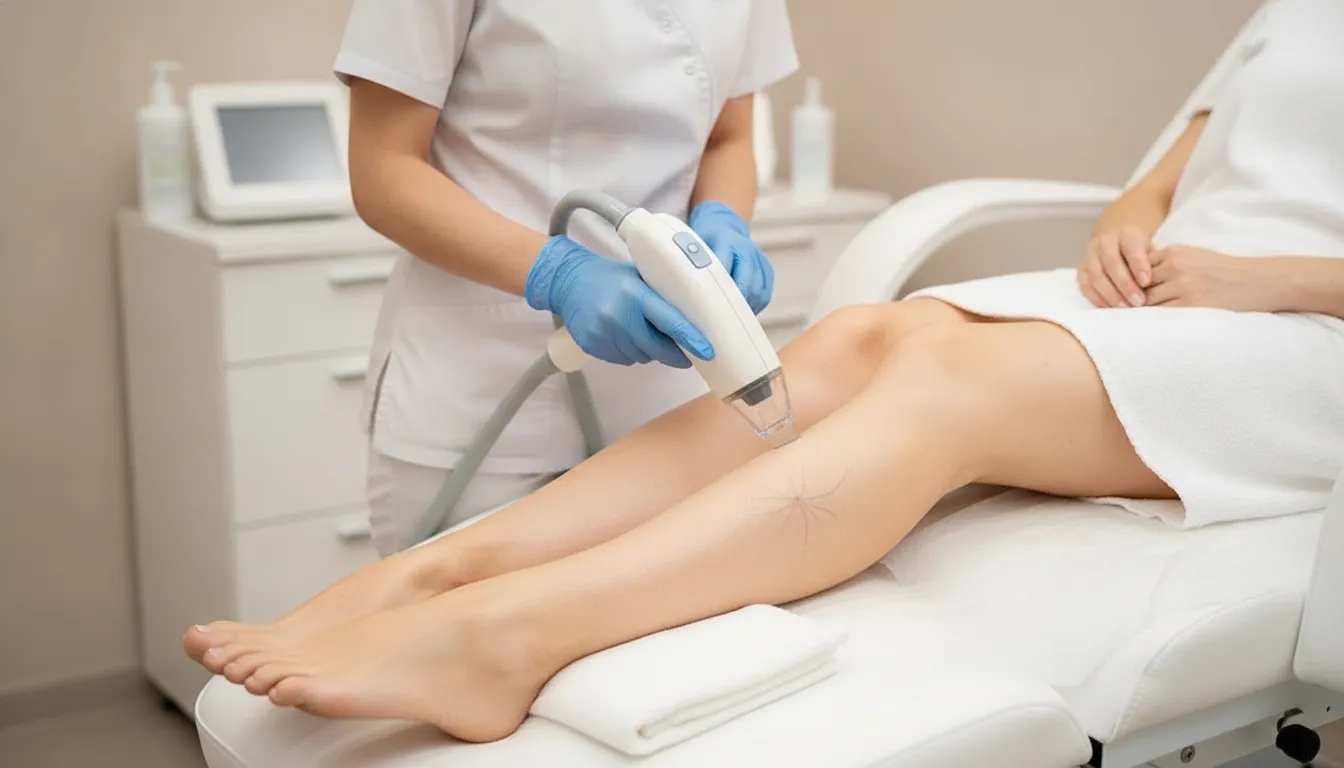

Dimples on the thighs are common, but not every smoothing treatment earns trust. For patients avoiding surgery, the right plan should improve texture without promising flawless skin.
Book a cellulite reduction consultation with Ultimate Image MedSpa to review VelaShape, realistic session planning, and non-invasive options in DFW.
Cellulite reduction treatments can soften visible dimpling, but they cannot completely erase cellulite. For med spa patients seeking a non-invasive option, VelaShape targets the look of dimpled skin with minimal downtime. Treatments usually involve a series of visits, with the plan based on the area treated and the patient’s goals. According to the Mayo Clinic, radiofrequency-based approaches often need several sessions, and non-ablative treatment may need repeat visits to maintain improvement. The practical goal is smoother-looking skin and a care schedule you can maintain, not a permanent cure. That makes a consultation essential for setting realistic expectations, reviewing comfort and safety, and choosing care matched to your skin.
Patients want to know which choices may smooth dimpling, how long a series can take, and whether a non-invasive plan fits daily life. Next, Cellulite reduction treatments: what actually improves dimpling? examines those choices through realistic goals and personalized assessment. Here’s how.
Cellulite reduction treatments: what actually improves dimpling?
What cellulite is
Cellulite is dimpled or uneven skin, often seen on the thighs, hips, or buttocks. It is common, not a sign that you did something wrong. The American Academy of Dermatology notes that cellulite affects 85% to 90% of women, including many fit women.
The dimples start below the surface. Fibrous cords connect skin to deeper tissue, while fat can press upward between those cords. When cords pull down and fat pushes up, skin can take on a rippled look. Mayo Clinic describes this structure beneath the skin in its patient guidance.
Cellulite is not the same as excess body fat. A person may have cellulite regardless of size or fitness. Dimpling reflects how skin, connective cords, and fat meet. This is why weight loss alone may not smooth every depression.
A realistic goal for treatment
Can cellulite be reduced? Yes, its appearance may be softened. Complete removal is not a realistic promise. Mayo Clinic reports no known way to remove cellulite completely, though treatment may lessen its appearance.
That distinction sets a useful goal: smoother-looking skin, softer dimpling, and texture that looks more even. Results differ with skin structure, dimple type, chosen care, and the treatment timeline. A consultation should focus on visible improvement, not perfect skin.
Improvement is often judged by how the area looks in daily life, while standing or moving. Smoother texture can matter even if a few depressions remain. Photos in similar lighting may help you and your provider discuss change over time.
How treatments smooth texture
Cellulite reduction treatments work in different ways, based on what contributes to an uneven look. Some focus on fibrous bands that tether the skin. Others aim to improve the surface look and feel of skin.
Some procedures act below the surface by releasing bands linked with deeper dimples. Energy-based methods may also improve the appearance of cellulite. Mayo Clinic notes that certain laser or radiofrequency results may last from six months to one year.
A non-invasive treatment plan may suit people who prefer little disruption to normal routines. It may involve more than one visit and later upkeep. The best discussion starts with the depth, number, and location of dimples, not with a broad promise.
For people considering this path, review the VelaShape cellulite treatment details before choosing care. A provider can examine your skin and discuss likely change, comfort, downtime, and maintenance. This keeps the plan centered on your needs.
How non-invasive options compare with medical procedures
Quick answer: Non-invasive cellulite treatments usually trade dramatic one-time change for lower downtime, gradual smoothing, and easier scheduling around daily life.
Cellulite reduction treatments differ in what they target and how much recovery they involve. They also differ in how long a change may last. No option removes all cellulite. A sound choice starts with the dimple pattern, skin quality, schedule, and comfort with a medical procedure.
Non-invasive approaches
VelaShape or other radiofrequency-based care is a non-invasive option for people who want little disruption to work or exercise. This path may fit patients who accept a series of sessions and upkeep over time. Patients comparing visits can review Ultimate Image MedSpa cellulite reduction page before a consultation.
Acoustic wave therapy also avoids incisions and uses sound waves in the treated area. It often involves more than one appointment. Massage or endermologie is gentle, but its visible smoothing may be brief. Creams can support surface skin care, yet they should be viewed as a modest home option.
Procedure-based choices
Laser treatment and subcision work below the surface to address bands linked with dimpling. These options may suit a person seeking a direct approach who accepts recovery time. Mayo Clinic guidance on cellulite treatment notes that subcision results may last two to three years. Pain or bleeding beneath the skin can occur.
Injectables call for a medical discussion, not a simple product choice. Published clinical research on collagenase injections evaluated treatment for moderate-to-severe buttock cellulite in adult women. A clinician should explain which choices are available now, along with risks and expected care.
| Option. | Main approach. | Downtime or comfort. | May fit someone who. |
|---|---|---|---|
| VelaShape or radiofrequency. | Heat-based, non-invasive smoothing. | Minimal downtime; a series is common. | Prefers low disruption and upkeep. |
| Acoustic wave therapy. | Sound waves applied to tissue. | Non-invasive; may need several visits. | Wants device-based care without incisions. |
| Massage or endermologie. | Mechanical kneading of skin. | Low disruption; change may be brief. | Wants a gentle, temporary option. |
| Injectables. | Clinician-delivered injections. | Medical risk review is needed. | Has dimples suited to this approach. |
| Laser or subcision. | Targets bands below skin. | May involve bruising, pain, or recovery. | Accepts a procedure for longer change. |
| At-home creams. | Surface skin care. | No procedural downtime. | Wants easy use with modest goals. |
How to choose a reasonable fit
Start with the result that matters most: less downtime, a procedure aimed below the skin, or simple home care. Then weigh repeat visits, healing, cost, and tolerance for risk. A longer effect may matter to one patient, while ease of scheduling may matter more to another.
A consultation should assess the areas of concern and separate cellulite dimpling from fat reduction goals. Ask what each method can change and what it cannot change. Also ask about aftercare, repeat treatment, and possible short-term effects. A trained provider can help match a plan to your skin, schedule, and comfort level.

Why VelaShape is a strong non-invasive choice
A treatment focused on visible dimpling
Cellulite is not the same concern as unwanted fat alone. It shows as dimpling or uneven texture, often on the thighs, hips, or buttocks. For patients comparing cellulite reduction treatments, this difference matters. A treatment plan should focus on skin texture and visible dimpling, not only body size.
Ultimate Image MedSpa uses VelaShape as its main non-invasive option for cellulite reduction. Its aesthetic treatment services page is a helpful starting point for patients considering care in the Dallas-Fort Worth area. A consultation can help match the treatment area and goals to an appropriate plan.
Non-invasive care with practical timing
VelaShape is designed for people who want treatment without surgery or incisions. This may matter for busy patients who want minimal downtime after an appointment. It also differs from procedures that work below the skin with needles or blades.
The treatment uses a combined technology approach to address the look of cellulite. Your provider can explain how those technologies apply to your skin and target area. This discussion helps because cellulite can look different from one person to the next.
It is important to keep expectations measured. Cellulite can be reduced in appearance, but it cannot be promised away. The Mayo Clinic review of cellulite treatments notes that non-ablative radiofrequency care often requires several sessions before improvement is noticed.
A planned series, not a one-visit promise
VelaShape is often selected by patients who can commit to a treatment series. A series gives the provider time to assess visible changes. The care plan can then be adjusted as needed. Session counts depend on the treatment area, starting texture, and goals discussed during consultation.
This step-by-step approach helps keep the decision grounded. It avoids the idea that one visit should produce a set outcome. Patients can ask about session spacing, comfort, activity after care, and when changes may be reviewed.
Before choosing treatment, read about body contouring options near Richardson and bring questions to a consultation. VelaShape may suit patients seeking a non-invasive approach with little disruption to their routine. A provider can confirm whether it fits the patient’s skin, concern, and care goals.
What to expect before, during, and after a treatment plan
A cellulite treatment plan should start with clear goals, not a promise of perfect skin. The first visit helps you learn what may fit your concerns, schedule, and comfort needs. It also gives your provider time to assess the areas you want treated.
Before your first session
At consultation, point out the dimpling that bothers you and describe past body treatments. Ask which approach is being considered and who performs it. A trained provider should explain expected benefits, limits, aftercare, and possible side effects before you decide.
Schedule a consultation. Choose a convenient DFW location, including Plano, Dallas, Lewisville, or Richardson. Bring questions about your target area, timing, and treatment goals.
Review candidacy. Share your health history, current medicines, prior procedures, and any skin concerns. Your provider can then discuss whether a non-invasive option fits your needs.
Set a treatment schedule. Cellulite reduction treatments often involve a series of visits. Ask how the planned session timing works with travel, events, or exercise.
Prepare for each visit. Follow the clinic’s prep directions and arrive ready to show the exact area. Before treatment starts, ask about comfort measures and what sensations to expect.
Return to daily plans. Ask your provider about activity, skin care, and any short-term changes to watch for. This helps you plan work and social commitments with fewer surprises.
Review progress and maintenance. Compare progress at follow-up visits rather than judging one day alone. Your provider can discuss whether added sessions or future maintenance make sense for your goals.
During a treatment series
Progress is often checked across several visits. Mayo Clinic notes that nonablative treatment may require several sessions before improvement is noticed. It may also need repeat care more often than ablative treatment. Read its cellulite treatment overview when forming realistic questions.
Use each visit to report comfort, changes you notice, and upcoming plans. If you have an event ahead, mention it early. Your provider can explain the visit plan and the aftercare guidance that applies to you.
Results and follow-up care
Cellulite care aims to reduce the look of dimpling, not remove every mark. Changes may appear over a treatment series, so clear photos and scheduled reviews can help track your response. Discuss maintenance only after you understand how your skin responds.
For more detail about the in-office process, see Ultimate Image MedSpa’s body contouring options in Richardson. A consultation can then connect that background to your goals and treatment area.
Who is a good candidate for cellulite reduction?
Visible dimpling and its causes
Adults may consider cellulite reduction treatments when visible dimpling bothers them. This is common on the thighs, hips, or buttocks. Treatment is aimed at softening the look of dimples, not changing a person’s health.
Cellulite is not simply a sign of poor fitness. Fibrous connective cords below the skin can pull downward while fat pushes upward, causing uneven texture. It can also run in families, so genetics may play a role, according to Mayo Clinic guidance on cellulite.
Expectations that fit treatment
Non-invasive care is often a practical choice for people seeking improvement without a procedure that requires incisions. They may want appointments that fit a busy schedule and little interruption to routine. Candidates should understand that smoother-looking skin is the goal, not complete removal of every dimple.
Good candidates also know what treatment is meant to do. It addresses the look of dimpling rather than serving as weight loss. Someone seeking fat reduction may need a different discussion with a provider.
Results differ by skin, treatment area, and the type of dimpling. Some medical treatments may reduce cellulite’s appearance. Yet cellulite cannot be fully removed, as explained by Mayo Clinic.
Signs to discuss at a consultation
During a consultation, a suitable candidate can describe the areas of concern and the change they hope to see. They can also commit to the visit plan discussed with the provider. Stable daily routines and realistic expectations help keep that plan clear.
- You are an adult with mild to moderate visible dimpling that you want softened.
- You prefer a non-invasive option with minimal downtime instead of surgical care.
- You understand that improvement can vary and may involve more than one session.
- You are prepared to discuss medical history, skin goals, and timing at a consultation.
Treatment planning is also about timing. A person who wants minimal disruption may prefer a non-invasive approach over an invasive option. A provider can explain session timing, expected skin response, and care instructions before treatment starts.
Questions are useful during an assessment. Ask which area can be treated, how a session may feel, and when routine activities may resume. Ask how progress will be judged over time.
Cellulite is different from unwanted fat, and the right plan depends on the texture being treated. Reading about related med spa services can help you prepare questions before an in-person assessment. A consultation confirms whether a treatment fits your skin, goals, and schedule.

How to choose the right cellulite plan in DFW
A good cellulite plan starts with a clear goal, not a treatment name. Some Dallas-Fort Worth patients want smoother-looking thighs in everyday clothing. Others focus on dimpling on the buttocks before a trip or event. Since cellulite cannot be removed completely, set a goal around visible softening and a plan you can maintain.
Match the plan to your goal and treatment area
Bring a short list of areas that bother you most, such as thighs, hips, or buttocks. A provider can check the size of each area and the depth of dimpling. This helps separate a cellulite concern from a fat reduction goal. Those goals may need different care, even when they affect the same part of the body.
Ask what the proposed treatment is meant to change. The Mayo Clinic’s cellulite treatment guidance notes that several approaches may reduce cellulite’s appearance. It also states that treatments that remove excess fat are not meant to remove dimpling. This distinction can keep your consultation focused on the result you want.
Balance downtime, cost, and calendar needs
Your schedule can narrow the choices quickly. A busy workweek or family calendar may favor a non-invasive approach with little interruption. If you are open to a more involved procedure, ask about bruising, soreness, aftercare, and activity limits. Make the choice before placing a deposit or planning around a major event.
- Downtime: Ask when you may return to work, exercise, travel, or fitted clothing.
- Visit schedule: Ask how many appointments may be needed and how far apart they are.
- Budget: Compare the full planned series, follow-up visits, and any maintenance care.
- Timing: Allow room for healing and for the provider to assess progress.
For readers who prefer a non-invasive option, review contact Ultimate Image MedSpa before the visit. It can help you form questions about comfort, visits, and expected changes. Bring those questions with photos or notes showing what you would like assessed.
Choose qualified medical guidance nearby
The right plan also depends on who evaluates you. Discuss your health history, skin concerns, prior procedures, and any current medications during consultation. Ask who performs the treatment and who handles questions after the visit. A qualified provider should explain likely benefits, possible side effects, alternatives, and limits in plain language.
Location matters when your plan includes repeat visits or follow-up care. DFW patients may weigh travel time alongside the treatment itself, especially from Dallas, Plano, Lewisville, or Richardson. When your goals and calendar are ready, book your consultation to discuss a tailored plan with medical supervision.
Schedule a cellulite reduction consultation to compare VelaShape with your goals, timeline, and treatment area.
Frequently Asked Questions
What is the most effective non-invasive treatment for cellulite?
No single non-invasive option is most effective for every patient. Radiofrequency, laser-based methods, and acoustic wave therapy may reduce visible dimpling, depending on skin, treatment area, and goals. The Mayo Clinic notes that nonablative treatments usually require several sessions and repeat care. A consultation can compare an option such as VelaShape with other approaches.
Can you actually reduce cellulite?
Yes. Cellulite reduction treatments can soften the visible dimpled appearance, but they do not completely eliminate cellulite. The Mayo Clinic explains that no treatment removes it completely, although some options can reduce its appearance. Realistic planning focuses on improvement, comfort, maintenance needs, and whether a non-invasive series fits a patient’s schedule.
How can I reduce cellulite on my thighs and buttocks without surgery?
Non-invasive treatment plans may use radiofrequency-based or acoustic wave technology to improve the look of dimpling on the thighs or buttocks. The Mayo Clinic reports that acoustic wave treatment typically needs several sessions before improvement is visible. A provider should assess the treatment area, skin laxity, goals, and expected maintenance before recommending a series.
How many cellulite reduction treatment sessions will I need?
The right number of sessions depends on the treatment area, visible dimpling, skin quality, and the technology selected. Ultimate Image MedSpa’s knowledge base notes that non-invasive body treatments often work best as a planned series rather than a single visit. During consultation, your provider can explain how many appointments may be appropriate, how far apart they may be scheduled, and when to reassess progress.
Does insurance cover non-invasive cellulite reduction treatments?
Cellulite reduction is usually considered cosmetic, so patients should generally expect to pay out of pocket. The Mayo Clinic states that cellulite treatments are not usually covered by insurance. Total cost depends on the selected technology, treated areas, number of sessions, and maintenance plan. Ask for a written treatment estimate during the consultation.
Ready to plan your cellulite reduction consultation?
Delaying a consultation can leave you sorting through options without knowing which approach fits your goals. Starting now gives you time to discuss your concerns, understand the process, and plan around your schedule. A focused consultation can help you choose practical next steps for the areas you want addressed and clearer expectations from the start.
Ready to make an informed decision about cellulite reduction? Book your cellulite reduction consultation to request a personal assessment and talk through suitable non-invasive options. Bring your questions about treatment choices, session timing, comfort, and the look you hope to improve. Contact Ultimate Image MedSpa now to set your priorities and begin a plan that suits your timeline.