Dallas sunshine can leave more than a summer glow. Over time, repeated UV exposure may contribute to uneven pigmentation, rougher texture, and visible facial redness that topical products cannot fully correct. That is why so many DFW patients ask whether an IPL photofacial can help.
When you are researching IPL photofacial sun damage treatment. Intense pulsed light can improve the visible effects of photodamage by targeting pigment and small visible vessels with multiple wavelengths. Clinical research has found improvements in pigmented changes, skin texture, and telangiectasias, while other research describes IPL as non-invasive, non-ablative treatment with minimal adverse events and no downtime. Results and suitability depend on your skin, sun exposure, and treatment plan.
Ready to book your IPL photofacial consultation? Schedule with Ultimate Image MedSpa today.
That makes a professional consultation especially important in the DFW area, where ongoing sun protection is part of maintaining results. The next step is understanding how carefully selected light energy interacts with the skin to create a more even-looking tone and smoother texture.
How Does IPL Photofacial Sun Damage Correction Work?
Sun exposure can leave more than one visible change behind. Uneven pigment, diffuse redness, and rougher texture may appear together because different structures in the skin respond to ultraviolet exposure. IPL addresses several of these concerns in one non-ablative treatment by delivering controlled pulses of broad-spectrum light.
Light targets pigment and visible vessels
Unlike a laser that typically delivers one specific wavelength, intense pulsed light emits multiple wavelengths. These wavelengths penetrate the skin and are absorbed by chromophores, or light-absorbing targets, including melanin in pigmented areas and hemoglobin in visible blood vessels. This selective targeting is the foundation of IPL photofacial sun damage correction. UT Southwestern explains the IPL treatment mechanism and how the technology targets both pigment and vessels.
As the treated pigment absorbs light, it can become more noticeable temporarily before the body clears it during the normal healing process. The response varies with the depth and type of discoloration, so a consultation is important before treatment. A qualified provider can assess whether IPL is appropriate and select settings based on your skin and the concern being treated.
Why the result can look more even
Because IPL can address both pigmented components of photodamage and vascular changes, the goal is not simply to fade one isolated sunspot. Clinical research has reported improvement in skin texture, pigmented components of photodamage, and telangiectasias, which are small visible blood vessels. The published study details these improvements.
IPL is non-invasive and non-ablative, meaning it does not intentionally remove the outer layer of skin. Research describes it as an effective approach for photoaged skin, with minimal adverse events and no downtime in the study cited here. Review the clinical findings on IPL photoaging treatment. Even when daily activities can resume quickly, the skin still needs careful sun protection while it responds.
Which Sun Damage Symptoms Can IPL Improve?
Sun exposure does not always leave one obvious mark. Photoaged skin can show up as scattered brown spots, diffuse redness, small visible vessels, and a rougher or less even surface. These changes often overlap, which is why an IPL consultation looks at the overall pattern rather than treating one spot in isolation. Research evaluating IPL found improvement in the pigmented components of photodamage, skin texture, and facial telangiectasias, also called visible dilated blood vessels. The clinical study supports IPL as a non-ablative option for several visible signs of photodamage.
Common signs of photodamage and how IPL addresses them
| Sun damage sign | How IPL helps |
|---|---|
| Brown spots and uneven pigmentation | IPL targets melanin in pigmented areas. The treated pigment can become less noticeable as the skin responds and clears it over time. |
| Redness and visible capillaries | IPL can address the appearance of telangiectasias and diffuse vascular redness by targeting hemoglobin in superficial vessels. |
| Uneven skin texture | A course of treatment may improve the texture changes associated with photoaging, helping the surface look more refined and even. |
| Uneven facial tone | By addressing pigment and vascular color together, IPL can help create a more consistent-looking complexion rather than focusing on a single isolated mark. |

IPL uses multiple wavelengths that penetrate the skin and target different chromophores, including melanin. Which contributes to brown discoloration, and hemoglobin, which contributes to the appearance of blood vessels. This overview of IPL photofacial treatment explains why the technology can address more than one color-related concern during a treatment plan. It is not an ablative resurfacing procedure, so it is better understood as a corrective treatment for selected pigment and vascular changes. With texture improvement as part of the broader result.
Results depend on the type and depth of the discoloration, the degree of vascular change, and your skin’s response to treatment. A provider should also distinguish sun-related spots from lesions that need medical evaluation rather than cosmetic treatment. During a consultation, the team can determine whether IPL is appropriate or whether another approach, alone or combined with skin rejuvenation treatments, better matches your concerns.
Who Is a Good Candidate for an IPL Photofacial?
IPL can be a strong option for people who want to address sun-related discoloration, uneven tone, visible redness, or mild texture changes without an ablative procedure. Research commonly identifies light to medium skin tones, classified as Fitzpatrick types I through III, as the ideal candidate range for IPL. These skin tones generally provide a clearer contrast between the target pigment and surrounding tissue.
Why a consultation matters
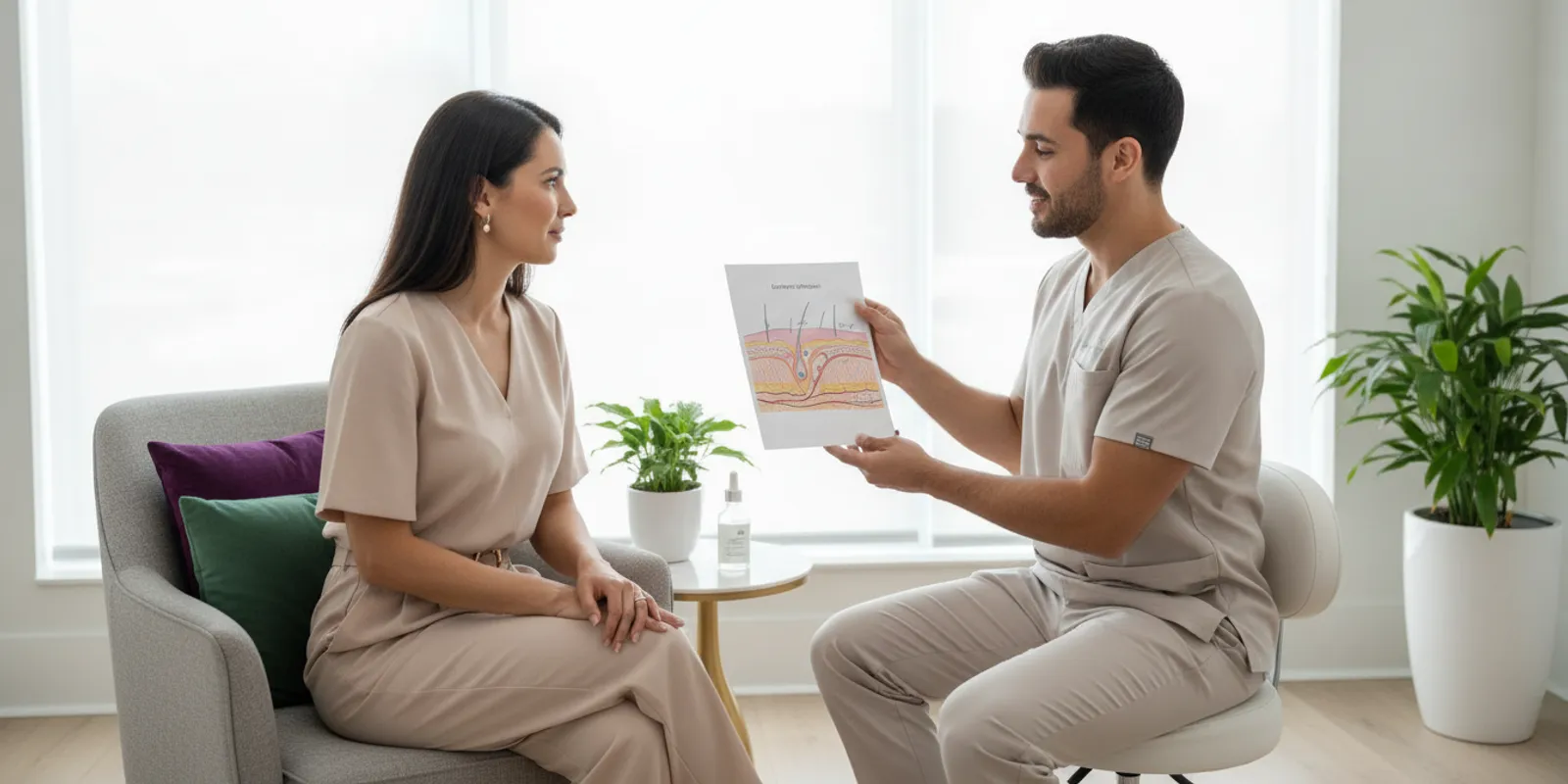
Skin type is only one part of a safe treatment decision. Before recommending an IPL photofacial, a qualified provider should assess your current pigmentation, redness, recent sun exposure, medications, skin conditions, and history of unusual reactions. A consultation also helps determine whether IPL is the right treatment for your concern or whether another approach would be more appropriate.
Ultimate Image MedSpa serves clients across a range of Fitzpatrick skin types, including I through VI, with a safety-first, individualized approach. That does not mean every setting or treatment is appropriate for every complexion. It means your provider should evaluate your skin carefully, explain realistic benefits and risks, and select technology and settings based on your needs. If you are comparing providers, this guide on how to choose a reputable med spa can help you know which credentials, equipment, and consultation standards to look for.
You may be a good candidate if your skin is not recently tanned and you can follow pre- and post-treatment sun protection instructions. Active irritation, certain medications, or a recent tan may mean postponing treatment. Bring your questions to a professional consultation so your plan reflects your skin, goals, and schedule rather than a one-size-fits-all protocol.
What Should You Expect During and After IPL Photofacial Treatment?
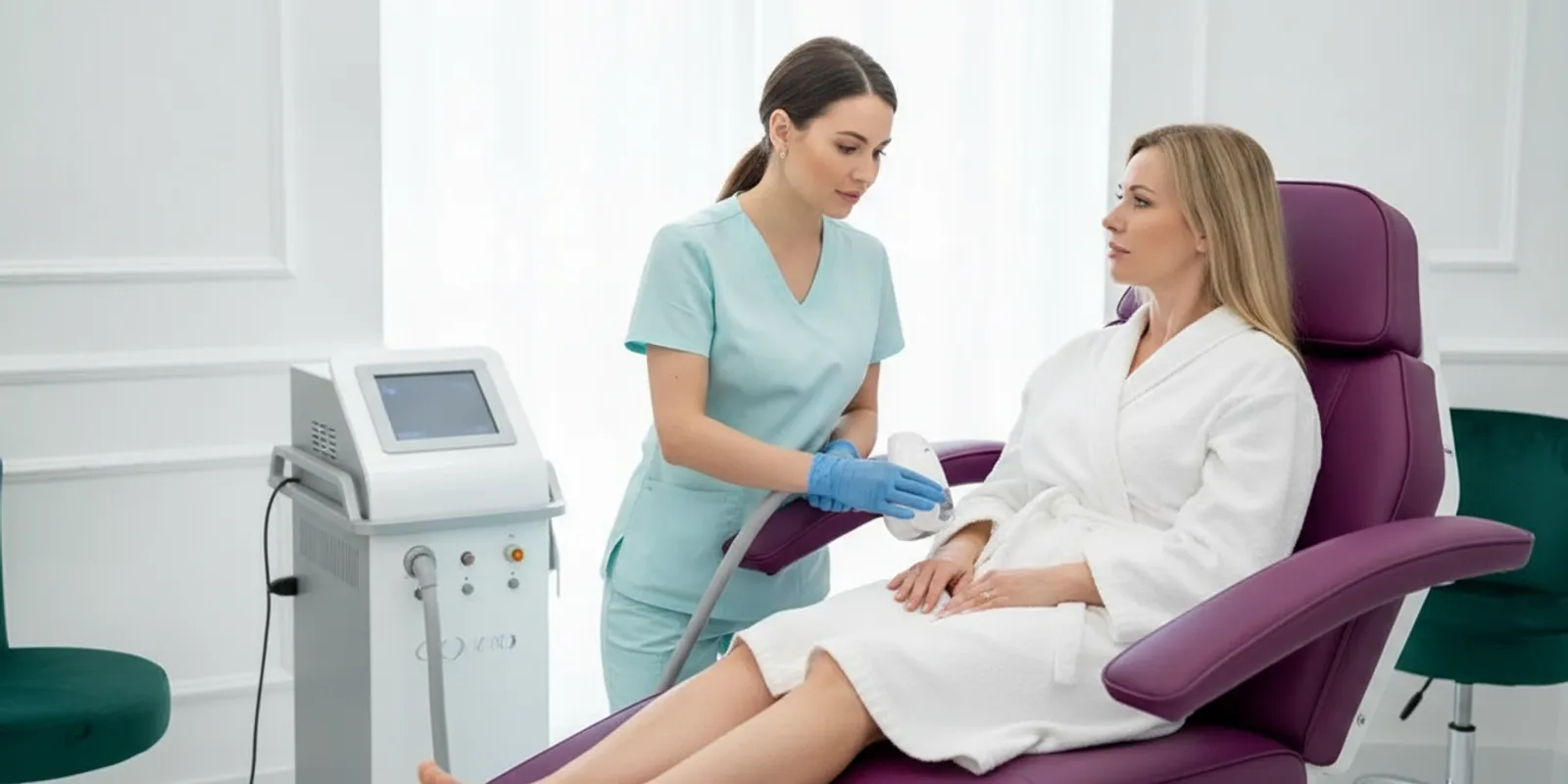
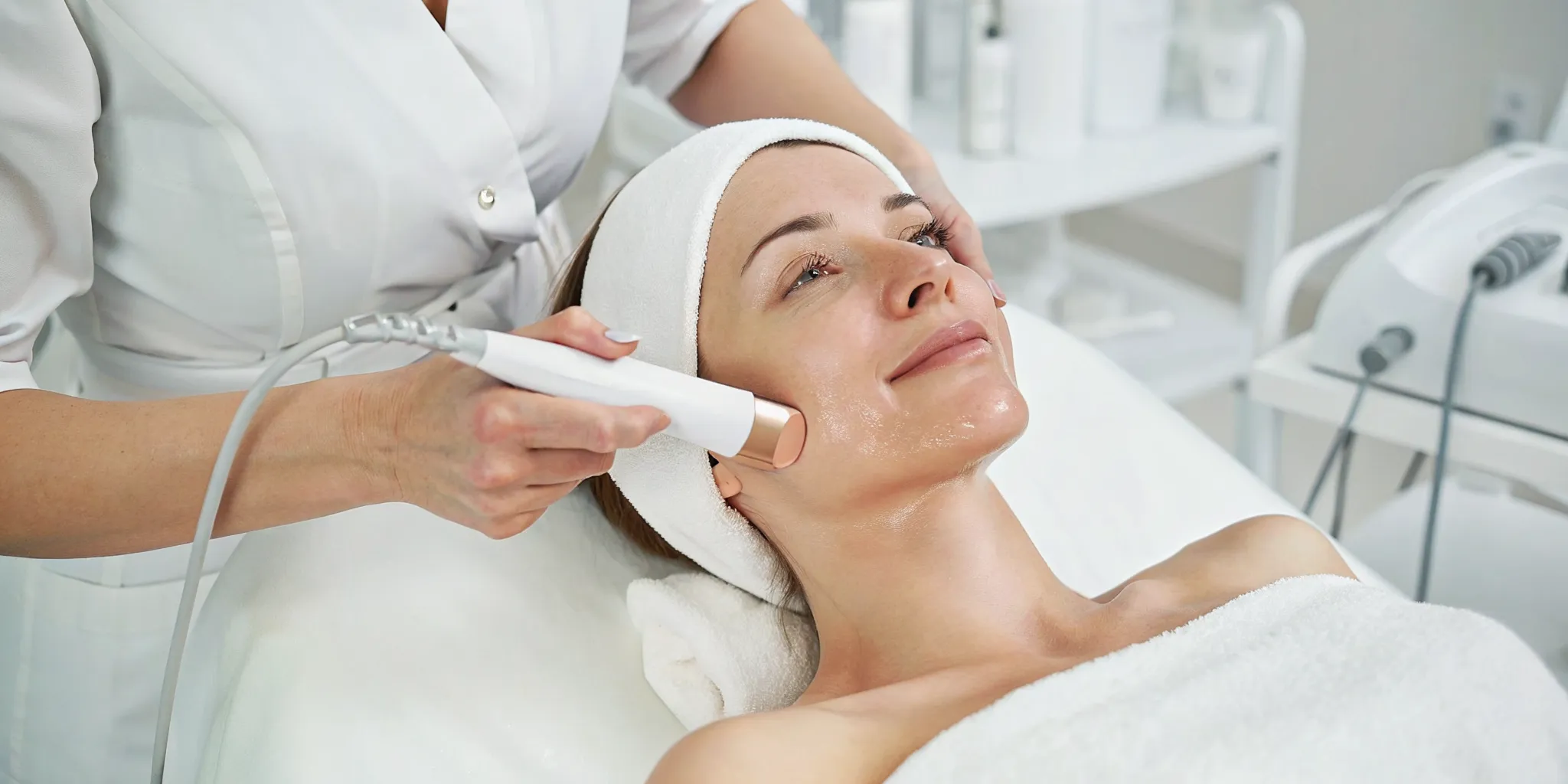
An IPL photofacial is designed to fit into a busy schedule. During the appointment, a provider cleanses the treatment area, protects your eyes, and applies the IPL handpiece to the skin. You may feel brief snapping or warming sensations as each pulse is delivered. Many patients tolerate the treatment without significant interruption to their day.
Immediate Aftercare and Recovery
After treatment, the skin may look mildly pink or flushed, similar to a light sun exposure. This temporary redness generally settles as the skin recovers. IPL is non-invasive and non-ablative, and published research describes minimal adverse events with no downtime for photoaged skin treatments. That means most people can return to normal activities without taking time off, although your provider will give you individualized instructions based on your skin and treatment settings. Research on IPL rejuvenation supports this minimal-downtime treatment profile.
Sun protection is a critical part of recovery. Follow these simple aftercare steps in the days after your appointment:
- Avoid direct sun exposure and skip tanning or heat treatments while skin is recovering.
- Apply a broad-spectrum SPF 30 or higher every morning and reapply when outdoors.
- Wear protective clothing and a wide-brimmed hat during strong Dallas-Fort Worth sun.
- Follow your provider’s cleansing and moisturizing instructions until redness settles.
Protecting treated skin helps reduce the chance of renewed discoloration while your skin responds to treatment.

Visible improvement typically develops over time rather than appearing all at once. A series of sessions is usually recommended to address sun-related pigment and redness gradually and consistently. Your provider can determine the appropriate number and timing of treatments during a consultation, then adjust the plan as your skin responds. Review the photofacial services available at Ultimate Image MedSpa to learn more about the treatment approach.
Following your aftercare plan, keeping every scheduled session, and maintaining daily sun protection all support a more even, refreshed result.
How Can You Prevent Sunspots From Coming Back?
IPL can reduce the visible effects of accumulated sun exposure, but ongoing protection is essential for maintaining a more even complexion. Dallas and the wider DFW area receive intense sun for much of the year. Including during everyday activities such as driving, walking between appointments, or sitting near a window. Without consistent protection, new pigment can develop even after a successful series of treatments.
Build Sun Protection Into Your Daily Routine
Apply a broad-spectrum, water-resistant SPF 30 or higher to exposed skin every morning, and reapply when you are outdoors, sweating, or spending extended time in direct sun. Remember commonly overlooked areas, including the ears, neck, chest, and hands. A wide-brimmed hat, sunglasses, and lightweight sun-protective clothing add another layer of defense when you are outside in Dallas.
It also helps to change sun-seeking habits. Plan outdoor activities earlier or later in the day when possible, seek shade, and avoid intentionally tanning. These habits support the improvements IPL produces across areas commonly treated for photodamage, including the face, neck, chest, and hands. Research has found that IPL can improve the pigmented components of photodamage, skin texture. And visible small blood vessels, but treatment does not make skin immune to future exposure (published clinical research).
For seasonal planning, review our med spa treatments for summer preparation in DFW before scheduling outdoor events or travel.
Plan Maintenance With Your Provider
After your initial IPL series, periodic maintenance sessions may help address new or returning discoloration before it becomes more noticeable. The right timing depends on your skin, sun exposure, treatment response, and current pigmentation. At Ultimate Image MedSpa, a consultation can help determine whether maintenance IPL or another skin rejuvenation treatment best fits your goals. Protecting your skin at home and following a personalized treatment plan gives your results the best chance to last.
Frequently Asked Questions
Can I get sun exposure after an IPL photofacial?
Limit direct sun exposure before and after treatment, and follow your provider’s instructions for sunscreen and protective clothing. Freshly treated skin is more vulnerable to irritation and pigment changes. In Dallas, consistent broad-spectrum SPF and shade are especially important because daily outdoor exposure can encourage new discoloration.
Does IPL work on sun-damaged skin?
Yes. IPL uses multiple wavelengths to target melanin associated with pigmentation and hemoglobin associated with visible vessels. Research reports improvement in pigmented photodamage, skin texture, and telangiectasias after treatment. Clinical research on IPL and photodamage supports its use as a non-ablative approach.
What is the downside of IPL treatment on the face?
IPL is non-invasive, but temporary redness, sensitivity, or mild swelling can occur, and results are not immediate. A consultation is important because settings must match your skin tone and concerns. People with darker skin tones may need a more individualized assessment, since published guidance identifies light to medium skin tones as typical candidates. UT Southwestern’s IPL guidance explains candidate considerations.
Do sunspots come back after IPL?
IPL can reduce existing pigment, but it does not stop future sun exposure from creating new spots. Daily sunscreen, protective habits, and a maintenance plan help preserve improvement. Your provider may recommend a series of treatments or follow-up sessions based on how your skin responds and how much ongoing sun exposure you receive.
Ready to Schedule a Consultation?
If you want to address visible sun-related pigmentation or redness, a consultation can help you discuss whether IPL photofacial treatment fits your skin and goals. Schedule a consultation with Ultimate Image MedSpa through our contact page, where a licensed provider can answer your questions and help you plan an appropriate treatment approach for your face.
Dallas sunshine can leave more than a summer glow. Over time, repeated UV exposure may contribute to uneven pigmentation, rougher texture, and visible facial redness that topical products cannot fully correct. That is why so many DFW patients ask whether an IPL photofacial can help.
When you are researching IPL photofacial sun damage treatment. Intense pulsed light can improve the visible effects of photodamage by targeting pigment and small visible vessels with multiple wavelengths. Clinical research has found improvements in pigmented changes, skin texture, and telangiectasias, while other research describes IPL as non-invasive, non-ablative treatment with minimal adverse events and no downtime. Results and suitability depend on your skin, sun exposure, and treatment plan.
Ready to book your IPL photofacial consultation? Schedule with Ultimate Image MedSpa today.
That makes a professional consultation especially important in the DFW area, where ongoing sun protection is part of maintaining results. The next step is understanding how carefully selected light energy interacts with the skin to create a more even-looking tone and smoother texture.
How Does IPL Photofacial Sun Damage Correction Work?
Sun exposure can leave more than one visible change behind. Uneven pigment, diffuse redness, and rougher texture may appear together because different structures in the skin respond to ultraviolet exposure. IPL addresses several of these concerns in one non-ablative treatment by delivering controlled pulses of broad-spectrum light.
Light targets pigment and visible vessels
Unlike a laser that typically delivers one specific wavelength, intense pulsed light emits multiple wavelengths. These wavelengths penetrate the skin and are absorbed by chromophores, or light-absorbing targets, including melanin in pigmented areas and hemoglobin in visible blood vessels. This selective targeting is the foundation of IPL photofacial sun damage correction. UT Southwestern explains the IPL treatment mechanism and how the technology targets both pigment and vessels.
As the treated pigment absorbs light, it can become more noticeable temporarily before the body clears it during the normal healing process. The response varies with the depth and type of discoloration, so a consultation is important before treatment. A qualified provider can assess whether IPL is appropriate and select settings based on your skin and the concern being treated.
Why the result can look more even
Because IPL can address both pigmented components of photodamage and vascular changes, the goal is not simply to fade one isolated sunspot. Clinical research has reported improvement in skin texture, pigmented components of photodamage, and telangiectasias, which are small visible blood vessels. The published study details these improvements.
IPL is non-invasive and non-ablative, meaning it does not intentionally remove the outer layer of skin. Research describes it as an effective approach for photoaged skin, with minimal adverse events and no downtime in the study cited here. Review the clinical findings on IPL photoaging treatment. Even when daily activities can resume quickly, the skin still needs careful sun protection while it responds.
Which Sun Damage Symptoms Can IPL Improve?
Sun exposure does not always leave one obvious mark. Photoaged skin can show up as scattered brown spots, diffuse redness, small visible vessels, and a rougher or less even surface. These changes often overlap, which is why an IPL consultation looks at the overall pattern rather than treating one spot in isolation. Research evaluating IPL found improvement in the pigmented components of photodamage, skin texture, and facial telangiectasias, also called visible dilated blood vessels. The clinical study supports IPL as a non-ablative option for several visible signs of photodamage.
Common signs of photodamage and how IPL addresses them
| Sun damage sign | How IPL helps |
|---|---|
| Brown spots and uneven pigmentation | IPL targets melanin in pigmented areas. The treated pigment can become less noticeable as the skin responds and clears it over time. |
| Redness and visible capillaries | IPL can address the appearance of telangiectasias and diffuse vascular redness by targeting hemoglobin in superficial vessels. |
| Uneven skin texture | A course of treatment may improve the texture changes associated with photoaging, helping the surface look more refined and even. |
| Uneven facial tone | By addressing pigment and vascular color together, IPL can help create a more consistent-looking complexion rather than focusing on a single isolated mark. |

IPL uses multiple wavelengths that penetrate the skin and target different chromophores, including melanin. Which contributes to brown discoloration, and hemoglobin, which contributes to the appearance of blood vessels. This overview of IPL photofacial treatment explains why the technology can address more than one color-related concern during a treatment plan. It is not an ablative resurfacing procedure, so it is better understood as a corrective treatment for selected pigment and vascular changes. With texture improvement as part of the broader result.
Results depend on the type and depth of the discoloration, the degree of vascular change, and your skin’s response to treatment. A provider should also distinguish sun-related spots from lesions that need medical evaluation rather than cosmetic treatment. During a consultation, the team can determine whether IPL is appropriate or whether another approach, alone or combined with skin rejuvenation treatments, better matches your concerns.
Who Is a Good Candidate for an IPL Photofacial?
IPL can be a strong option for people who want to address sun-related discoloration, uneven tone, visible redness, or mild texture changes without an ablative procedure. Research commonly identifies light to medium skin tones, classified as Fitzpatrick types I through III, as the ideal candidate range for IPL. These skin tones generally provide a clearer contrast between the target pigment and surrounding tissue.
Why a consultation matters
Skin type is only one part of a safe treatment decision. Before recommending an IPL photofacial, a qualified provider should assess your current pigmentation, redness, recent sun exposure, medications, skin conditions, and history of unusual reactions. A consultation also helps determine whether IPL is the right treatment for your concern or whether another approach would be more appropriate.
Ultimate Image MedSpa serves clients across a range of Fitzpatrick skin types, including I through VI, with a safety-first, individualized approach. That does not mean every setting or treatment is appropriate for every complexion. It means your provider should evaluate your skin carefully, explain realistic benefits and risks, and select technology and settings based on your needs. If you are comparing providers, this guide on how to choose a reputable med spa can help you know which credentials, equipment, and consultation standards to look for.
You may be a good candidate if your skin is not recently tanned and you can follow pre- and post-treatment sun protection instructions. Active irritation, certain medications, or a recent tan may mean postponing treatment. Bring your questions to a professional consultation so your plan reflects your skin, goals, and schedule rather than a one-size-fits-all protocol.
What Should You Expect During and After IPL Photofacial Treatment?
An IPL photofacial is designed to fit into a busy schedule. During the appointment, a provider cleanses the treatment area, protects your eyes, and applies the IPL handpiece to the skin. You may feel brief snapping or warming sensations as each pulse is delivered. Many patients tolerate the treatment without significant interruption to their day.
Immediate Aftercare and Recovery
After treatment, the skin may look mildly pink or flushed, similar to a light sun exposure. This temporary redness generally settles as the skin recovers. IPL is non-invasive and non-ablative, and published research describes minimal adverse events with no downtime for photoaged skin treatments. That means most people can return to normal activities without taking time off, although your provider will give you individualized instructions based on your skin and treatment settings. Research on IPL rejuvenation supports this minimal-downtime treatment profile.
Sun protection is a critical part of recovery. Follow these simple aftercare steps in the days after your appointment:
- Avoid direct sun exposure and skip tanning or heat treatments while skin is recovering.
- Apply a broad-spectrum SPF 30 or higher every morning and reapply when outdoors.
- Wear protective clothing and a wide-brimmed hat during strong Dallas-Fort Worth sun.
- Follow your provider’s cleansing and moisturizing instructions until redness settles.
Protecting treated skin helps reduce the chance of renewed discoloration while your skin responds to treatment.

Visible improvement typically develops over time rather than appearing all at once. A series of sessions is usually recommended to address sun-related pigment and redness gradually and consistently. Your provider can determine the appropriate number and timing of treatments during a consultation, then adjust the plan as your skin responds. Review the photofacial services available at Ultimate Image MedSpa to learn more about the treatment approach.
Following your aftercare plan, keeping every scheduled session, and maintaining daily sun protection all support a more even, refreshed result.
How Can You Prevent Sunspots From Coming Back?
IPL can reduce the visible effects of accumulated sun exposure, but ongoing protection is essential for maintaining a more even complexion. Dallas and the wider DFW area receive intense sun for much of the year. Including during everyday activities such as driving, walking between appointments, or sitting near a window. Without consistent protection, new pigment can develop even after a successful series of treatments.
Build Sun Protection Into Your Daily Routine
Apply a broad-spectrum, water-resistant SPF 30 or higher to exposed skin every morning, and reapply when you are outdoors, sweating, or spending extended time in direct sun. Remember commonly overlooked areas, including the ears, neck, chest, and hands. A wide-brimmed hat, sunglasses, and lightweight sun-protective clothing add another layer of defense when you are outside in Dallas.
It also helps to change sun-seeking habits. Plan outdoor activities earlier or later in the day when possible, seek shade, and avoid intentionally tanning. These habits support the improvements IPL produces across areas commonly treated for photodamage, including the face, neck, chest, and hands. Research has found that IPL can improve the pigmented components of photodamage, skin texture. And visible small blood vessels, but treatment does not make skin immune to future exposure (published clinical research).
For seasonal planning, review our med spa treatments for summer preparation in DFW before scheduling outdoor events or travel.
Plan Maintenance With Your Provider
After your initial IPL series, periodic maintenance sessions may help address new or returning discoloration before it becomes more noticeable. The right timing depends on your skin, sun exposure, treatment response, and current pigmentation. At Ultimate Image MedSpa, a consultation can help determine whether maintenance IPL or another skin rejuvenation treatment best fits your goals. Protecting your skin at home and following a personalized treatment plan gives your results the best chance to last.
Frequently Asked Questions
Can I get sun exposure after an IPL photofacial?
Limit direct sun exposure before and after treatment, and follow your provider’s instructions for sunscreen and protective clothing. Freshly treated skin is more vulnerable to irritation and pigment changes. In Dallas, consistent broad-spectrum SPF and shade are especially important because daily outdoor exposure can encourage new discoloration.
Does IPL work on sun-damaged skin?
Yes. IPL uses multiple wavelengths to target melanin associated with pigmentation and hemoglobin associated with visible vessels. Research reports improvement in pigmented photodamage, skin texture, and telangiectasias after treatment. Clinical research on IPL and photodamage supports its use as a non-ablative approach.
What is the downside of IPL treatment on the face?
IPL is non-invasive, but temporary redness, sensitivity, or mild swelling can occur, and results are not immediate. A consultation is important because settings must match your skin tone and concerns. People with darker skin tones may need a more individualized assessment, since published guidance identifies light to medium skin tones as typical candidates. UT Southwestern’s IPL guidance explains candidate considerations.
Do sunspots come back after IPL?
IPL can reduce existing pigment, but it does not stop future sun exposure from creating new spots. Daily sunscreen, protective habits, and a maintenance plan help preserve improvement. Your provider may recommend a series of treatments or follow-up sessions based on how your skin responds and how much ongoing sun exposure you receive.
Ready to Schedule a Consultation?
If you want to address visible sun-related pigmentation or redness, a consultation can help you discuss whether IPL photofacial treatment fits your skin and goals. Schedule a consultation with Ultimate Image MedSpa through our contact page, where a licensed provider can answer your questions and help you plan an appropriate treatment approach for your face.