Years of sun exposure can leave more than a temporary tan. Brown spots, visible redness, uneven tone, and rougher texture may persist even when your skin feels healthy. The right treatment should address these changes carefully, without promising to erase every sign of aging overnight.
An ipl photofacial sun damage treatment uses controlled pulses of broad-spectrum light to target unwanted pigment and visible blood vessels, helping create a more even-looking complexion. Research describes IPL as a safe, effective option for photodamaged facial skin, with improvements reported in pigmentation, texture, and telangiectasias, or small visible vessels: PubMed research.
Results depend on your skin, the extent of the damage, and the treatment plan recommended during a consultation. Understanding how the light interacts with different signs of photodamage is the first step toward setting realistic expectations.
Book your consultation to learn whether an IPL photofacial is the right fit for your sun-damaged skin.
What Is an IPL Photofacial and How Does It Treat Sun Damage?
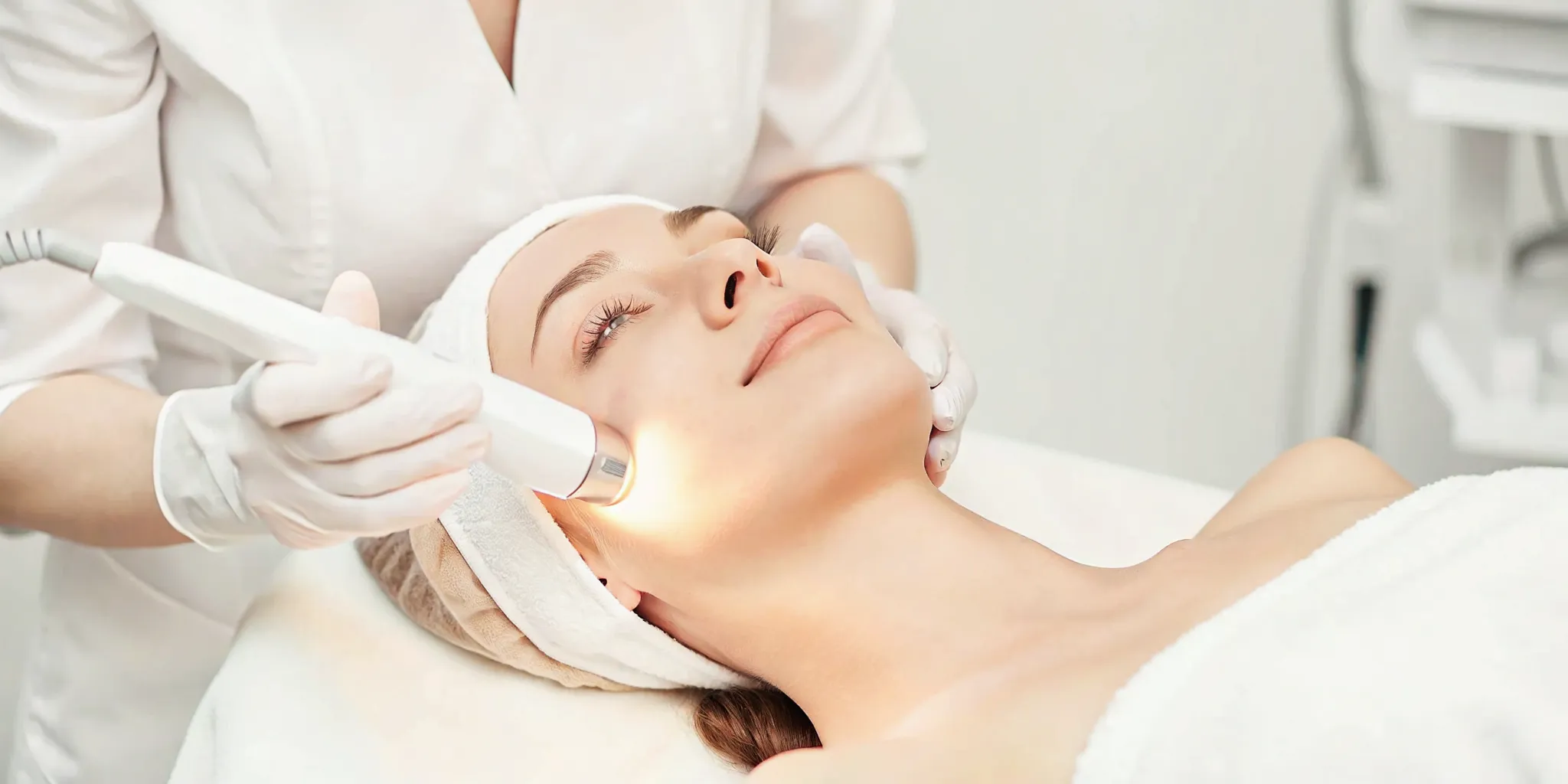
An IPL photofacial uses carefully controlled pulses of broad-spectrum light to address visible signs of sun damage and support a more even-looking complexion. Unlike a surgical procedure, it is non-invasive and does not remove the outer layer of skin. Instead, the light is delivered through a medical-grade handpiece and selected according to your skin tone, concerns, and treatment goals.
At Ultimate Image MedSpa, IPL photofacials use FDA-approved technology in a medically supervised setting. Treatments are considered safe for all Fitzpatrick skin types I through VI when properly evaluated and customized. Because skin responds differently across the DFW climate, a consultation is important before treatment. Recent sun exposure, sensitivity, medications, and existing skin conditions can all affect the recommended approach.
How light addresses photodamaged skin
IPL energy is absorbed by targeted components in the skin, including pigment and visible blood vessels. That controlled light response helps the body gradually process treated pigment while improving the appearance of uneven tone. Research published in the National Library of Medicine found that both single-band and dual-band IPL technology were safe and effective for photodamaged facial skin.
The goal is not to make skin look artificially uniform overnight. It is to soften the look of accumulated environmental damage over a series of personalized treatments. To review the basic treatment concept in more detail, read our guide to how photofacials work or our in-depth IPL photofacial guide.
More than a surface-level cosmetic treatment
Sun-damaged skin can also show signs of inflammation and changes that are not immediately visible. One study found that IPL may contribute to aesthetic improvement in mildly sun-damaged skin by reducing associated inflammation and clearing microscopic Demodex organisms, rather than producing major structural changes in the skin. You can review that research in PubMed.
Your provider will assess whether IPL is appropriate for your concerns and explain what it can realistically improve. Consistent daily sun protection remains essential after treatment, especially in North Texas, where strong sunlight can continue to affect pigment and tone.
Which Signs of Sun Damage Can an IPL Photofacial Improve?
Sun damage does not look the same on every face. It may appear as isolated brown spots, scattered freckles, visible redness, or an overall loss of even tone. An IPL photofacial can address several of these concerns at once because the light energy targets selected pigment and visible blood vessels while supporting a smoother-looking complexion.
- Brown or age spots: IPL can improve excess pigmentation associated with cumulative sun exposure. Spots may darken temporarily after treatment before gradually becoming less noticeable as the skin renews.
- Freckles: Freckles are also pigmented, so IPL may soften their appearance. New freckles can develop with continued ultraviolet exposure, making daily broad-spectrum sunscreen an important part of protecting your results.
- Redness and spider veins: Sun-exposed skin may develop persistent redness or small visible vessels, also called telangiectasias. Research on photodamaged facial skin found improvement in the presence of telangiectasias after IPL treatment.
- Uneven skin tone: When brown and red areas are reduced, the complexion can look more balanced and refreshed. IPL is most helpful when uneven tone is related to the types of pigment and vessels it can target.
- Rough-looking texture: IPL may improve the appearance of skin texture along with pigmentation and visible vessels. It is not the same as an aggressive resurfacing treatment, so expectations should be based on your skin condition and treatment plan.
What the research says about these improvements
A clinical study indexed by PubMed reported improvement in pigmented components of photodamage, skin texture, and telangiectasias. The study also found that a single-band IPL handpiece produced results comparable to, and at some follow-up points statistically superior to, a dual-band handpiece for pigmentation and telangiectasia. Your provider will still select settings and equipment based on your skin type, coloring, goals, and safety needs.
IPL can improve visible signs of sun exposure, but it cannot erase future damage or replace a skin cancer evaluation. A consultation helps distinguish cosmetic pigmentation from spots that need medical assessment. For a realistic visual reference, review these photofacial results for sun damage, then discuss whether your concerns are a good match for treatment.
How Many IPL Photofacial Sessions Do You Need for Sun-Damaged Skin?
Most people with visible sun damage need a series rather than a single treatment. A typical plan includes three to five IPL photofacial sessions, although the right number depends on your pigmentation, redness, skin response, and treatment goals. For a sense of what a full course may cost before your appointment, review our photofacial cost guide. IPL is considered a safe and effective option for photodamaged facial skin when it is selected and performed appropriately.
A typical treatment timeline
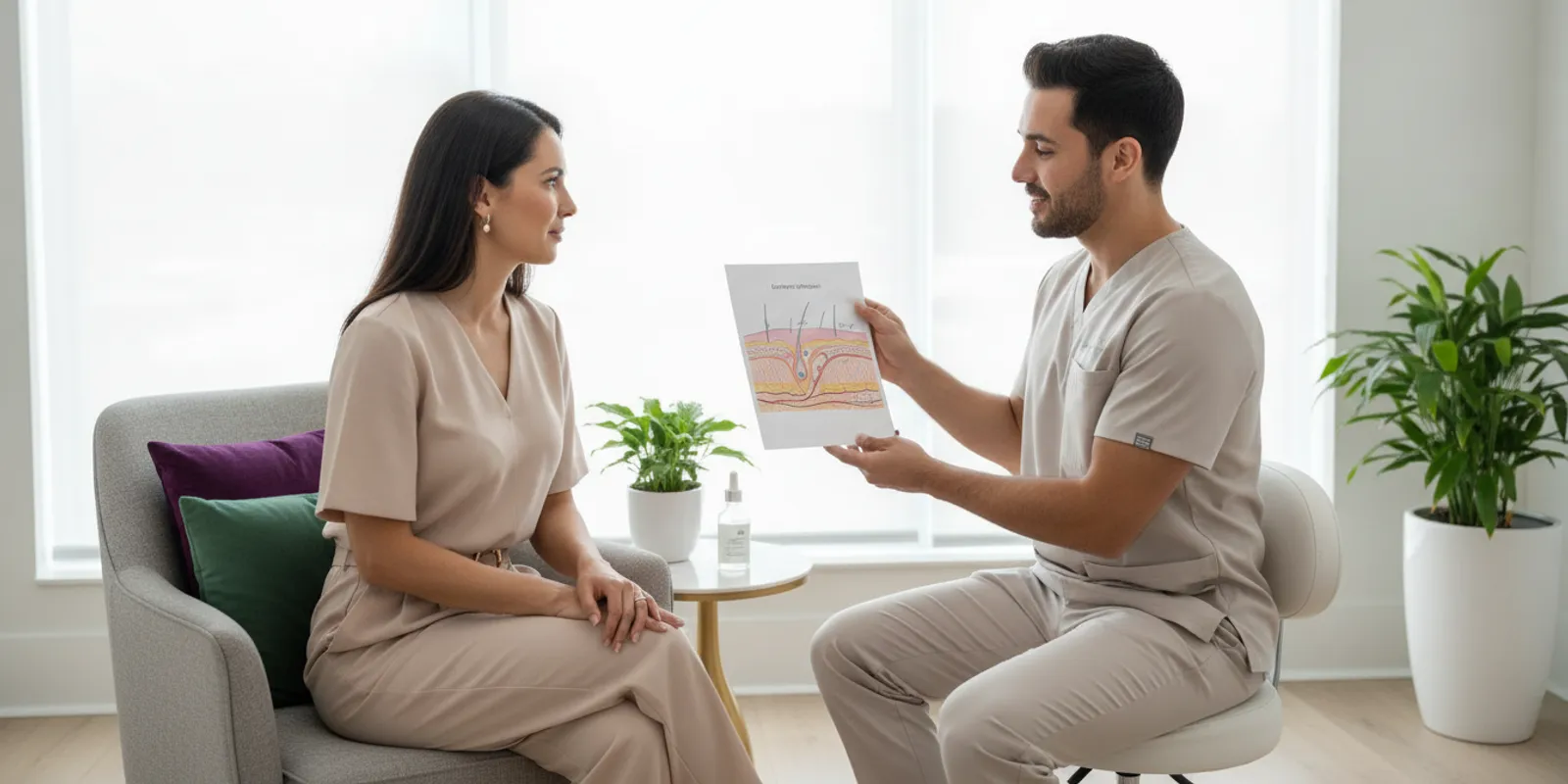
- Start with a personalized consultation. Your provider reviews your skin history, areas of concern, recent sun exposure, medications, and goals. Fitzpatrick skin type is also considered so the light settings can be calibrated thoughtfully for your complexion. This assessment helps determine whether IPL is appropriate and whether another treatment or staged approach may better suit your needs.
- Plan three to five sessions. For common sun-related concerns such as uneven tone and brown spots, treatments are often scheduled about three to four weeks apart. This interval gives the skin time to recover and allows your provider to assess how it responds before adjusting the next session. More extensive or stubborn discoloration may require additional treatments, while milder concerns may respond with fewer.
- Allow results to build gradually. IPL does not erase sun damage instantly. Over the following weeks, targeted pigment may rise toward the surface, darken temporarily, and flake away as the skin renews. Tone and clarity can continue improving throughout the series, so comparing progress after each appointment is more useful than judging the final result immediately.
- Discuss maintenance at the end of your series. New sun exposure and natural aging can gradually bring uneven pigment back. Periodic maintenance sessions may help sustain a more even appearance, particularly when paired with daily broad-spectrum sunscreen and sensible sun protection. Your provider can recommend timing based on your skin and how long your results remain stable.
Why a consultation matters
A session count is a starting range, not a guarantee. Honest planning accounts for the severity and type of sun damage, your skin’s tolerance, and whether pigmentation has another cause that needs medical evaluation. At Ultimate Image MedSpa, a consultation keeps the process non-invasive, personalized, and focused on realistic improvement with minimal downtime.
What to Expect During and After an IPL Photofacial
An IPL photofacial is designed to be efficient and comfortable, making it practical for many busy DFW clients. A typical session takes about 20 to 30 minutes, although your appointment may be longer when it includes consultation, cleansing, and a personalized skin assessment.
During the treatment
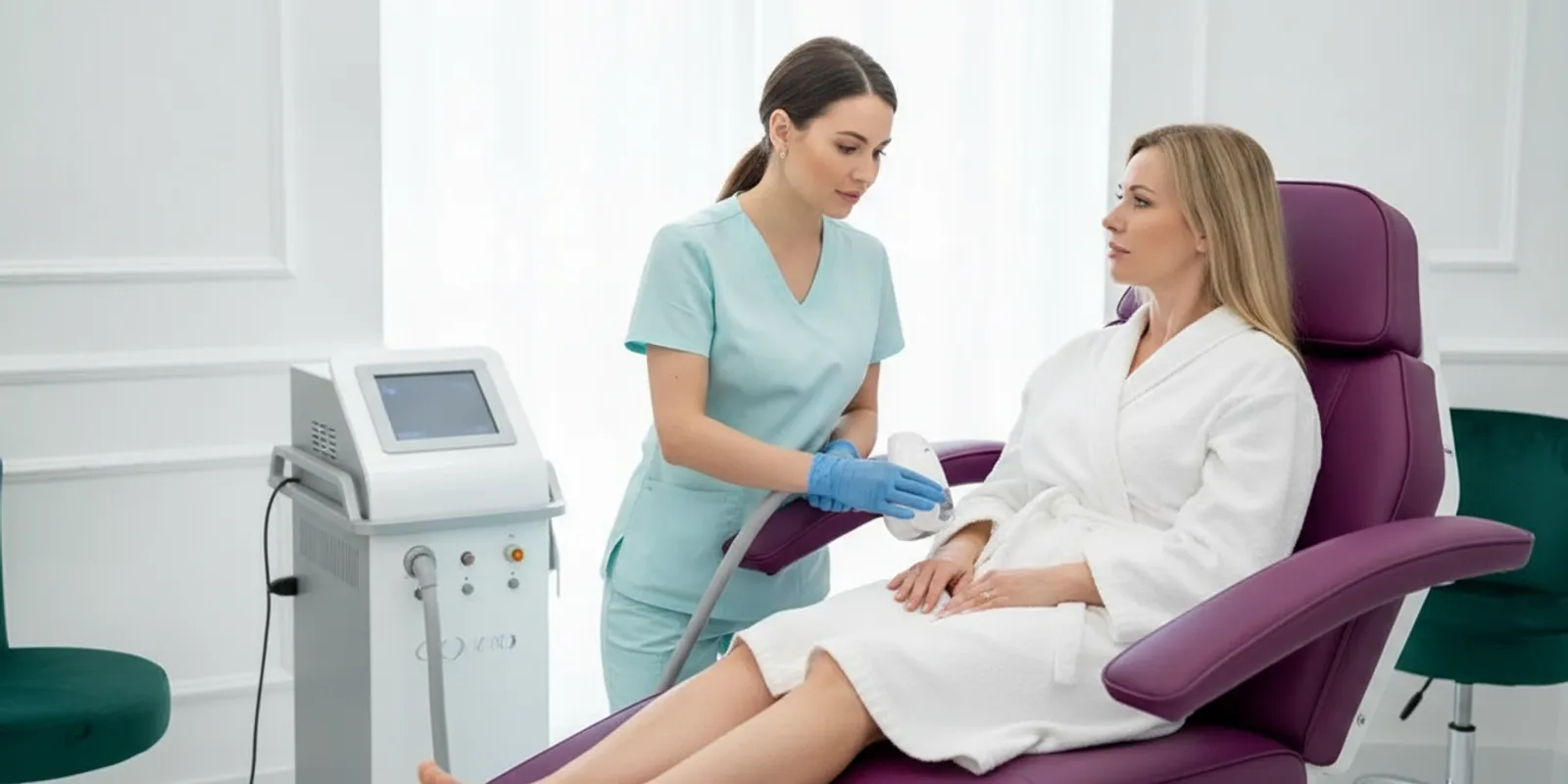
Before treatment, your provider cleanses the skin and prepares the areas being treated. You will wear protective eyewear while the IPL handpiece delivers controlled pulses of light. Each pulse may feel like a mild snapping sensation or the quick flick of a small rubber band. Bright flashes are normal. Cooling built into the treatment process helps keep the skin comfortable as the light works across areas of pigmentation and uneven tone.
Most people describe the sensation as manageable, and your provider can adjust the approach based on your comfort and skin response. Medical supervision also allows the treatment plan to be adapted for your skin type, including Fitzpatrick types I through VI.
Immediately afterward
IPL usually involves minimal downtime. Mild redness or warmth can occur after treatment and generally settles as the skin calms. Brown spots may temporarily look darker before they begin to flake or fade. This change is expected as treated pigment moves toward the surface. Pigmented areas typically lighten over the following one to two weeks, though the timing varies by person and by the amount of sun damage being addressed.
Plan your appointment so your skin can recover without unnecessary heat, friction, or sun exposure. Your provider will explain what is normal for your treatment and when to contact the office with a concern.
Aftercare that protects your results
- Apply a broad-spectrum sunscreen every day, even when the sky is cloudy or you are spending only a short time outside.
- Use a gentle cleanser and follow any moisturizer or product instructions provided by your treatment team.
- Avoid direct sun exposure while your skin is healing. This is especially important in the DFW area, where strong sun can encourage new pigmentation.
- Do not pick, scrub, or pull at darkened spots as they flake. Let them shed naturally.
Daily sunscreen is not an optional finishing step. It is critical for protecting treated skin and reducing the chance that ongoing UV exposure will recreate uneven pigmentation. Consistent sun protection helps preserve the clearer, more even appearance you are working toward.
IPL Photofacial vs Other Sun Damage Treatments
Choosing a treatment for uneven tone depends on what you want to improve, how much recovery you can manage, and your skin’s current condition. IPL is often a practical choice when brown spots, diffuse redness, and visible small vessels are the main concerns. Research has reported improvement in pigmentation, skin texture, and telangiectasias after IPL treatment on photodamaged facial skin. Published clinical findings support its use, but treatment selection should still be individualized.
| Treatment | What it treats | Typical downtime | Best for |
|---|---|---|---|
| IPL photofacial | Brown spots, redness, uneven tone, and some visible small vessels. | Minimal for many patients, with temporary redness or darkening of spots possible. | People seeking gradual improvement in sun-related discoloration with limited interruption to their routine. |
| Laser skin resurfacing | More pronounced texture changes, lines, scars, and selected pigment concerns. | Varies by laser and intensity, from several days to longer recovery. | Patients who need stronger resurfacing and can plan for more aftercare and downtime. |
| Chemical peel | Surface dullness, uneven pigment, and some fine lines. | Ranges from little peeling to several days of visible shedding. | Those who want controlled exfoliation matched to their skin goals. |
| Microneedling | Texture, acne scars, and fine lines, with limited direct targeting of vascular redness. | Often mild redness for a short period, depending on treatment depth. | Patients prioritizing collagen remodeling and texture improvement. |
| Photodynamic therapy with IPL activation | Photodamaged skin and, when medically appropriate, associated actinic keratoses. | Can be more involved than IPL alone and requires specific medical guidance. | Selected patients needing an advanced, clinician-directed approach. |
Photodynamic therapy is a specialized option rather than a routine substitute. A review indexed by PubMed reported that combining a photosensitizing agent with light activation can enhance treatment of photodamaged skin compared with light treatment alone.
There is no universally best procedure. A consultation can assess pigment type, redness, texture, Fitzpatrick skin type, medical history, and downtime preferences before recommending a safe plan. The goal is steady, realistic improvement, not a promise of instant perfection.
Book your consultation to get a personalized IPL treatment plan for your sun-damaged skin.
Frequently Asked Questions
Can an IPL photofacial improve brown spots and redness at the same time?
Often, yes. IPL can improve several visible features of photodamage, including pigmented areas, uneven texture, and telangiectasias, which are small visible blood vessels. A medical provider selects treatment settings based on your skin and the concerns being treated. Research has found IPL to be safe and effective for photodamaged facial skin. Review the clinical findings on PubMed.
How many sessions are usually recommended?
Many patients need a series of treatments rather than one appointment. The number depends on the amount and type of sun damage, your skin response, and your goals. During a consultation, your provider can recommend a schedule and explain when improvement should become noticeable. Maintenance treatments and consistent sun protection may help preserve your results.
Does an IPL photofacial hurt?
Most people describe the treatment as a series of brief snaps or warm pulses against the skin. Comfort varies by treatment area and sensitivity. Your provider can discuss cooling or other comfort measures before starting, and you should report unusual discomfort during the appointment.
How long do IPL results for sun damage last?
Results can last, but they do not prevent new sun exposure from affecting the skin. Daily broad-spectrum sunscreen, protective clothing, and shade are important for protecting your investment. Your provider may also suggest maintenance visits based on how your skin changes over time.
Is IPL appropriate for every skin type?
IPL is not automatically appropriate for every person or every skin condition. Skin tone, tanning, medications, and the type of pigmentation all affect treatment planning. A professional evaluation is the safest way to determine whether IPL is suitable and whether another approach would better match your needs.
Ready to Explore an IPL Photofacial?
A consultation can help you understand whether an IPL photofacial fits your skin concerns, goals, and expectations for improving sun-related discoloration and uneven tone. Book a consultation with Ultimate Image MedSpa to discuss your skin and learn whether this treatment is right for you. Contact us to book your consultation.